
Which Fragrance Will Awaken the Ancient God Within You?
Perfumery, an art rooted in dreams and imagination, has long drawn inspiration from mythology to infuse its creations with grandeur and mystery. Ancient gods and goddesses—symbols of strength, beauty, and seduction—continue to captivate our imagination centuries later. Since the 1980s, these mythological references have evolved alongside changing cultural trends and perceptions. Let us revisit this olfactory journey, where Antiquity meets the present to continually reinvent the timeless beauty of fragrance.
Since ancient times, perfume has been associated with the sacred. It was used in religious rituals to honor the gods, seek their favor, and mark solemn occasions. This connection between fragrance and divinity still exists today, although it has taken on a more artistic and narrative dimension. Contemporary perfumers draw on the richness of classical mythology to reinterpret legendary figures such as Achilles, the invincible hero, or Aphrodite, the goddess of beauty, through fragrances that celebrate their mystical aura, sensuality, and timeless appeal.
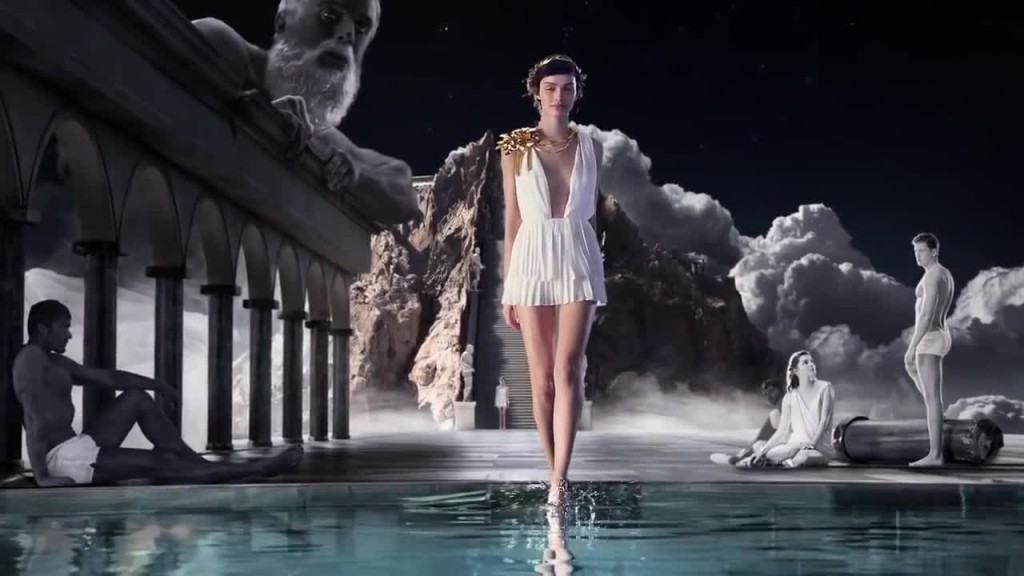
These perfumes offer far more than a pleasant scent—they create emotional experiences. Through sophisticated and evocative accords, they invite fragrance lovers to identify with legendary characters or immerse themselves in imaginary worlds where the power of gods and the splendor of goddesses intertwine with the personal pursuit of identity and beauty.
The Ancient Gods: The Birth of the Masculine Myth
During the 1980s, ancient gods and heroes became iconic symbols of the masculine ideal in perfumery. Fragrances inspired by mythology reflected an image of men as strong, fearless conquerors, embodying triumphant masculinity. Their names alone reinforced the association between fragrance and divine power, transforming every bottle into an ode to heroism and virility.
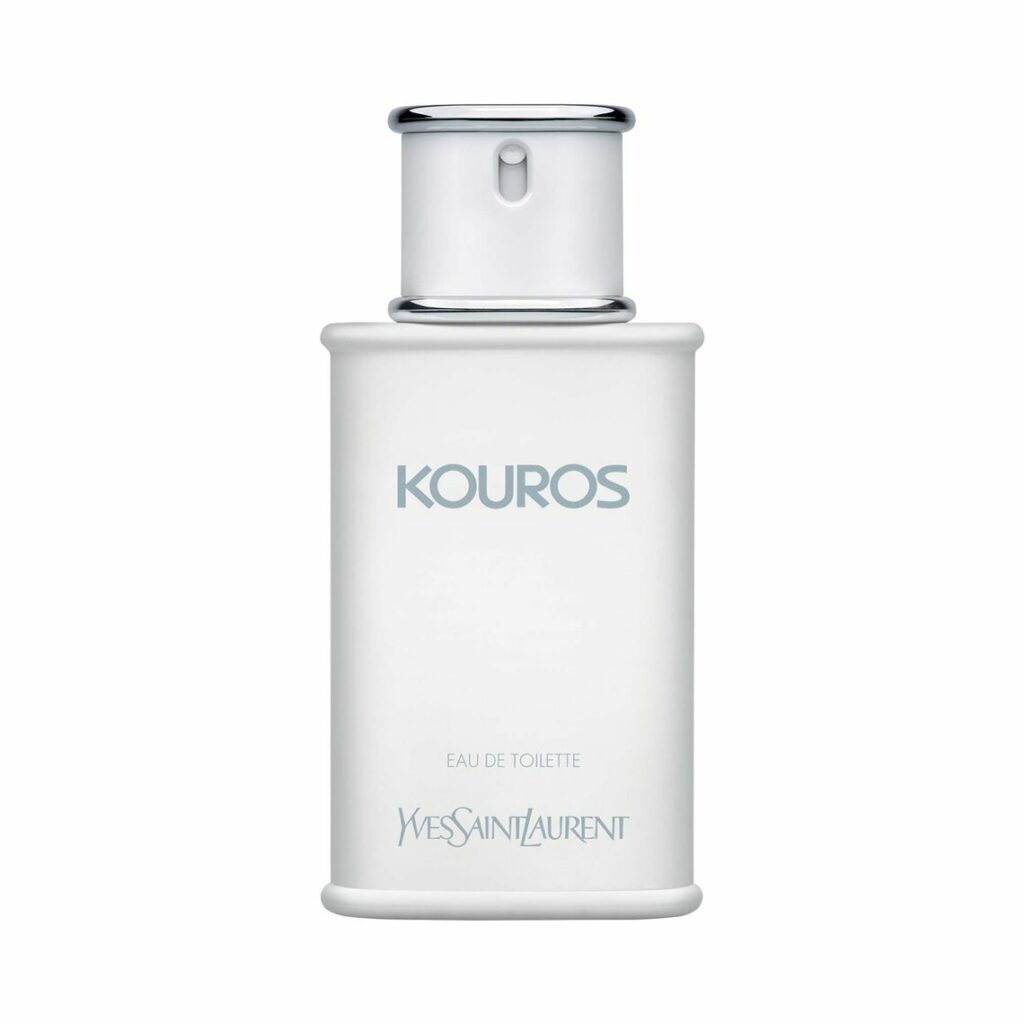
One of the earliest and most influential examples is Kouros by Yves Saint Laurent, launched in 1981. Inspired by the marble statues of idealized young men from Ancient Greece, Kouros stood out thanks to its bold composition. Its animalic, musky, and chypre notes portrayed a confident man who was both untamed and sculptural—almost timeless. More than simply a fragrance, Kouros became a tribute to classical aesthetics, where physical strength and elegance exist in perfect harmony.
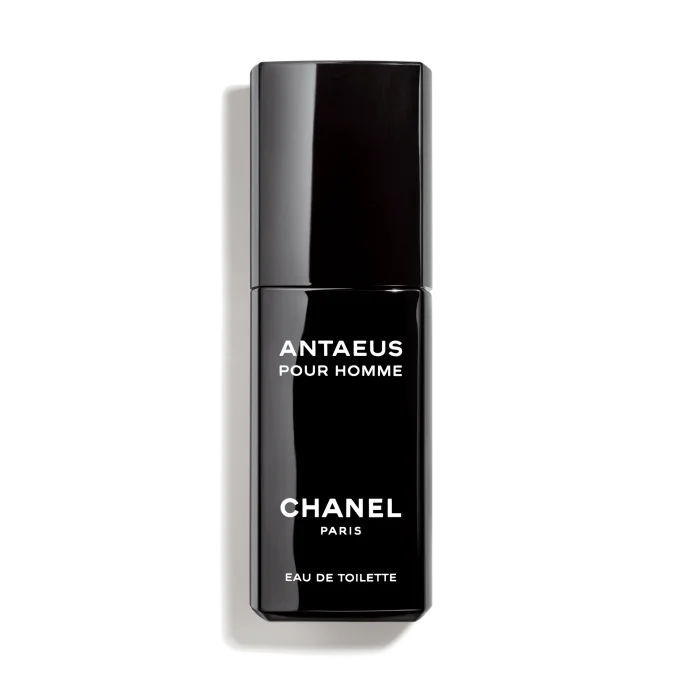
That same year, Antaeus by Chanel drew inspiration from another powerful myth. Antaeus, the son of Gaia (Mother Earth), was an invincible giant whose strength depended on remaining in contact with the ground. The fragrance captures this fascinating duality of overwhelming power and underlying vulnerability through its leathery, chypre composition, dark, sophisticated, and deeply intriguing. Rather than merely glorifying masculinity, Antaeus tells the story of strength rooted in the earth while constantly striving for transcendence.
A few years later, in 1986, Givenchy introduced Xeryus, inspired by the Persian king Xerxes, whose legendary reputation lent the fragrance a mythical dimension. Combining aromatic, woody, and spicy notes, Xeryus embodied an elegant yet commanding masculinity. It was created for leaders—men who sought to master their world without sacrificing refinement.
These mythologically inspired fragrances of the 1980s appealed to more than luxury consumers. They reflected a broader cultural vision of masculinity that celebrated virility, endurance, and authority. Ancient gods, symbols of power and domination, offered a compelling visual and emotional language that translated contemporary masculine aspirations into olfactory form. Dominated by leather, chypre, and aromatic accords, these fragrances became more than accessories—they represented an ideal, elevating everyday life toward heroic immortality.
This fascination with male deities would not disappear, but it would gradually evolve. While these early creations emphasized strength and domination, the following decades would explore more nuanced emotions, incorporating sensitivity, seduction, and even feminine influences, ultimately redefining mythology’s place in modern perfumery.
The 2000s: A New Era of Seduction and Lightness
At the turn of the millennium, mythology-inspired perfumery underwent a significant transformation. While the 1980s celebrated heroic masculinity through bold, commanding fragrances, the 2000s embraced lighter, more seductive, and sometimes playful interpretations. Ancient gods and goddesses, once symbols of raw power, became embodiments of desire, attraction, and emotion, appealing to a new generation seeking modernity and accessibility.
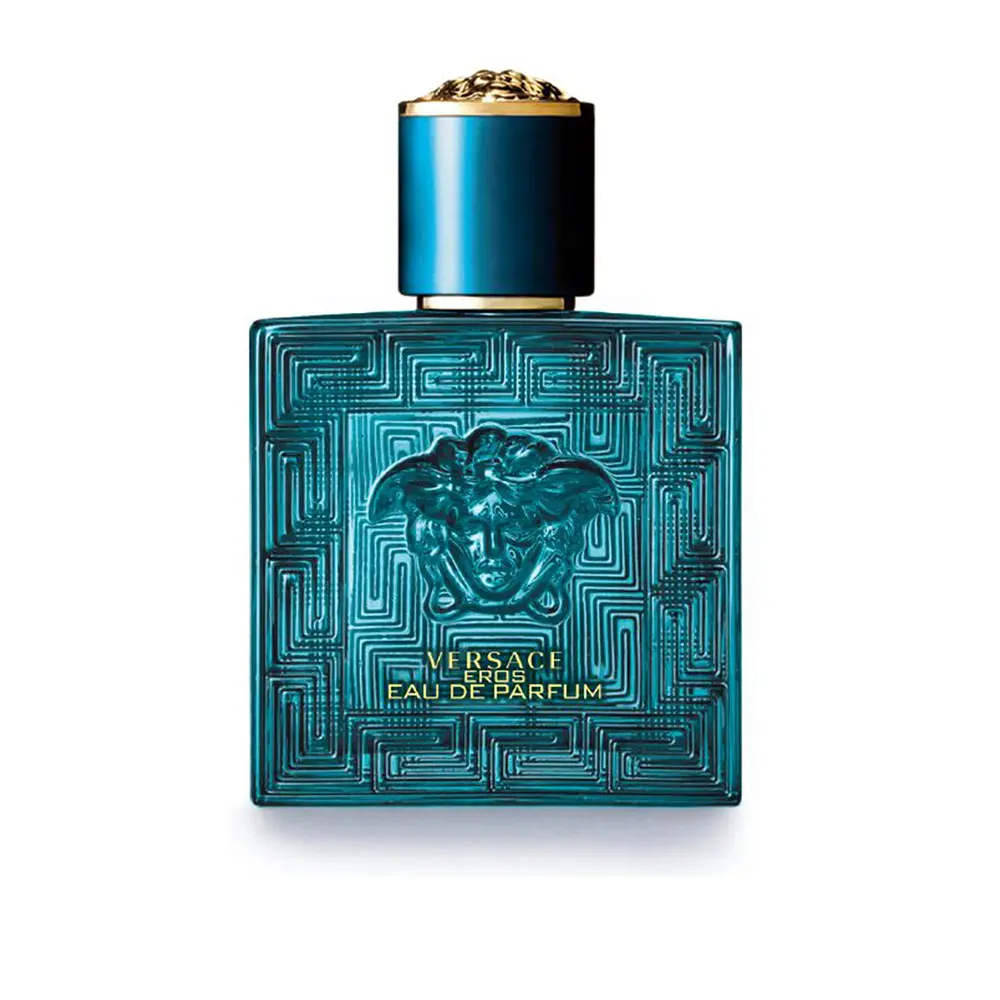
One of the defining fragrances of this new era is Eros by Versace, launched in 2012. Inspired by the Greek god of love and passion, the fragrance celebrates unapologetic sensuality. Fresh mint and crisp green apple blend seamlessly with an oriental base of tonka bean and vanilla. The message is unmistakable: Eros represents a magnetic, seductive man whose true strength lies in his ability to captivate. This is no austere mythological hero, but a confident modern man who embraces the power of attraction.

A similar reinterpretation appears in Invictus by Paco Rabanne, released in 2013. Here, the invincible hero of antiquity is reimagined for the twenty-first century. Invictus is no distant deity but an athlete—a contemporary hero. Aquatic notes evoke the salty skin of a champion in the midst of competition, while aromatic bay leaf, the ancient symbol of victory, combines with woody accords to express the exhilaration of immediate success. Mythology becomes a celebration of modern values such as self-achievement, resilience, and personal victory.
This evolution also marked a break from the traditional codes of mythological perfumery. Heavy, opulent compositions built around leather, resins, and rich chypre accords gave way to brighter, fresher, and more luminous creations. Perfumers sought to captivate a younger audience with fragrances that balanced freshness and sensuality. Mythological gods and heroes were no longer untouchable figures frozen in antiquity—they became relatable symbols reflecting contemporary aspirations.
This renewed emphasis on seduction also mirrored broader cultural changes. Luxury was increasingly associated not only with prestige but also with pleasure, spontaneity, and self-expression. Even the bottles reflected this shift. The monumental, architectural designs of the 1980s were replaced by more dynamic creations, such as Invictus’ trophy-shaped bottle or the sculptural sensuality of the Eros flacon.
Beyond men’s fragrances, this softer and more seductive interpretation also found its way into women’s perfumery. The 2000s laid the foundations for creations such as Olympéa by Paco Rabanne, Gaultier Divine by Jean Paul Gaultier, and Goddess by Burberry, where divine femininity would emerge in an entirely new light.
Ultimately, the 2000s redefined mythology in perfumery by making it more inclusive, approachable, and emotionally engaging. Gods were no longer mere symbols of authority and domination; they became storytellers capable of expressing personal emotions and aspirations. Mythology ceased to be a distant legend and instead became a mirror in which everyone could recognize themselves.
The Rise of the Goddesses: Divine Femininity Takes Center Stage
For many years, mythological references in perfumery focused primarily on male figures, celebrating strength, conquest, and power. Over time, however, a shift emerged: women claimed their place in the olfactory pantheon. The rise of goddesses in fragrance marks a turning point in which femininity is celebrated in all its forms—sensual, sovereign, mysterious, and empowering. Fragrances are no longer simply tributes to heroic male figures; they have become symbols of confidence and self-expression for modern women.
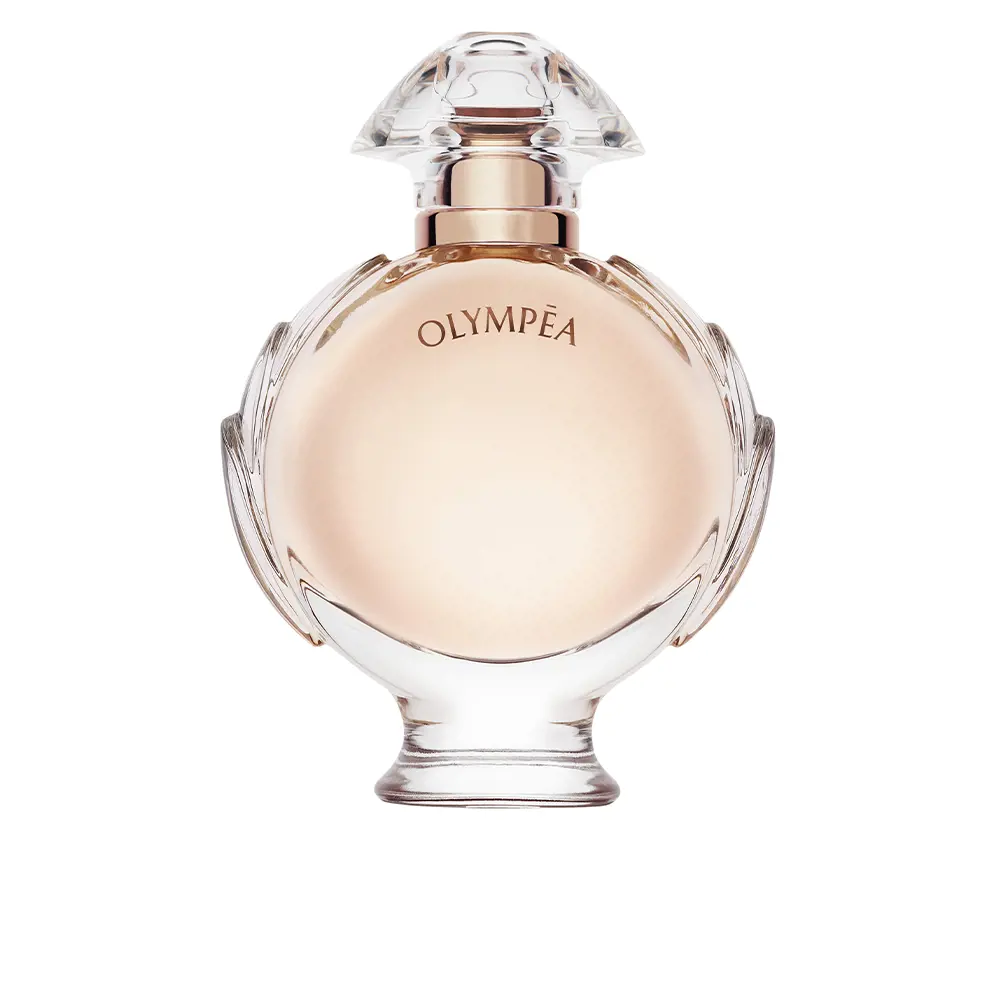
One of the most striking examples of this movement is Olympéa by Paco Rabanne, launched in 2015. Inspired by Mount Olympus, the fragrance imagines a contemporary goddess—a woman who is both powerful and sensual, radiating irresistible magnetism. Its composition contrasts the salty freshness of salted vanilla with warm, enveloping vanilla notes. Olympéa does not celebrate passive femininity; instead, it portrays a determined woman capable of ruling the modern world while remaining deeply sensual and playfully seductive.
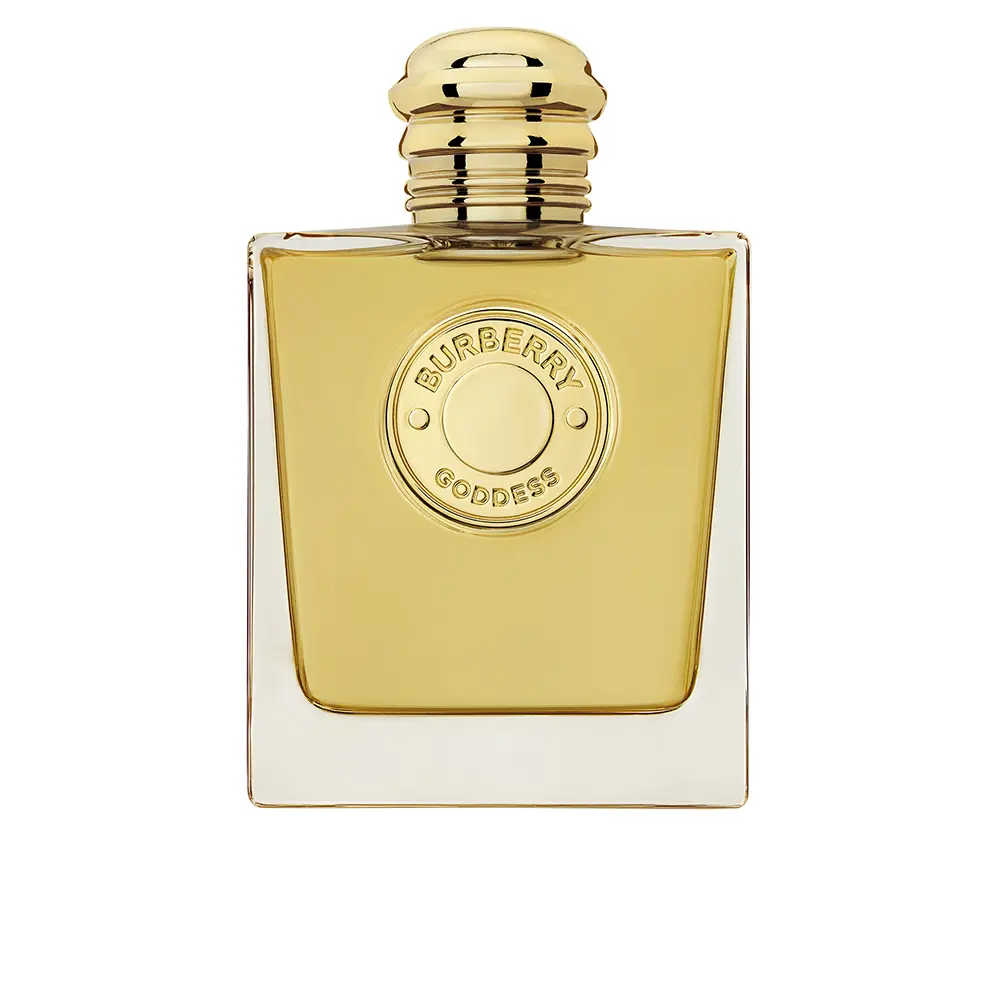
More recently, Goddess by Burberry (2023) introduced a softer, more universal interpretation of feminine divinity. Blending creamy vanilla with delicate white flowers and subtle woody notes, it speaks to women who find their strength in serenity. Rather than emphasizing the grandiosity traditionally associated with ancient goddesses, Goddess reflects the aspirations of today’s woman—self-assured, grounded, and quietly powerful.
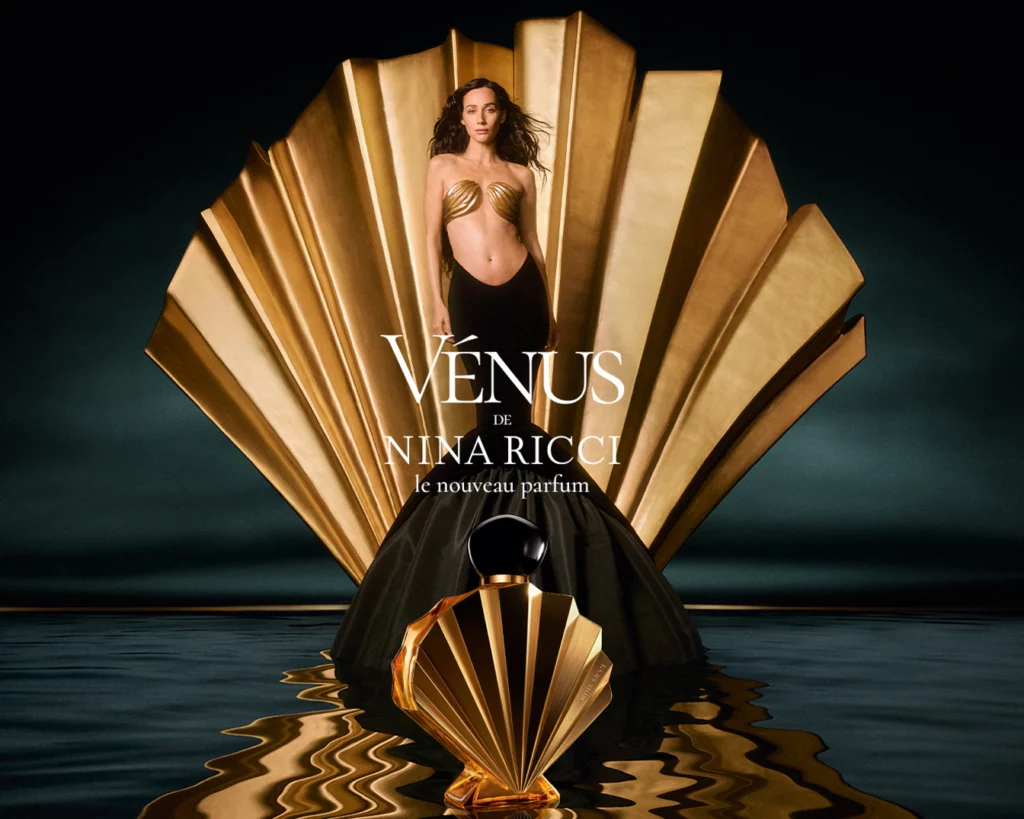
The newest addition to this divine lineage is Venus by Nina Ricci, inspired by the Roman goddess of love and beauty. Conceived as an ode to self-love, the fragrance encourages women to embrace themselves fully and shine with confidence. This luminous floral chypre composition showcases magnolia, enriched by addictive vanilla and wrapped in soft white patchouli.
Interestingly, the same Venus also adorned the 2024 Christmas collector’s edition of Gaultier Divine by Jean Paul Gaultier, confirming that the goddess of love is very much in vogue within the Puig fragrance portfolio.
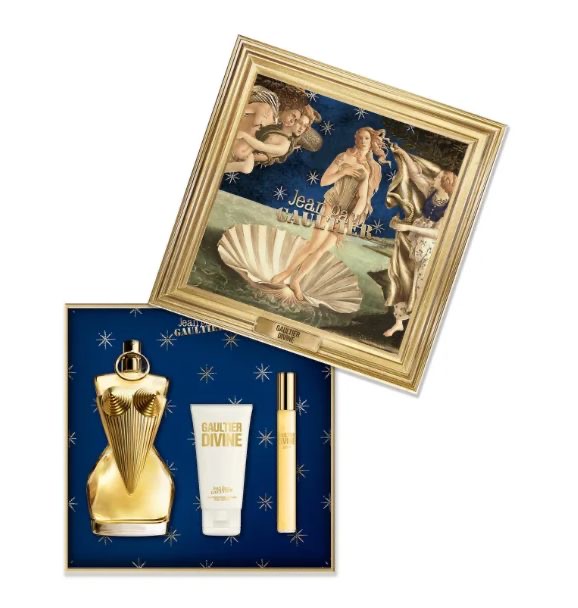
Yet the celebration of divine femininity is far from a recent invention. As early as 1930, Jean Patou introduced Divine, a floral fragrance paying tribute to feminine beauty and majesty. In 1939, Lancôme launched Danaé, inspired by the Greek princess seduced by Zeus. While visionary for their time, these fragrances remained isolated examples in a market still largely dominated by masculine symbolism. Only decades later would perfumery fully embrace and reinterpret the concept of the divine feminine.
A Reflection of Modern Womanhood
This growing prominence of goddesses also mirrors profound social change. Modern women increasingly assert their independence, strength, and freedom, and perfumery has evolved alongside them. Today’s goddesses are no longer distant, idealized muses—they embody real women, with their strengths, vulnerabilities, ambitions, and complexity.
Each fragrance becomes an expression of this multifaceted femininity, inviting women to dream, identify with, or empower themselves through scent.
By restoring goddesses to the center of olfactory storytelling, perfumery has opened a new chapter in which divinity is no longer synonymous with unattainable perfection but instead reflects deeply human aspirations. These goddesses no longer remain on Mount Olympus—they walk among us, carrying messages of love, resilience, confidence, and personal fulfillment. Through every bottle, modern women are invited to reconnect with their own inner greatness, ready to conquer their world one spray at a time.
Contemporary Interpretations: Between Heritage and Modernity
Today, niche perfumery has also embraced mythology, often through more poetic, artistic, and abstract interpretations.
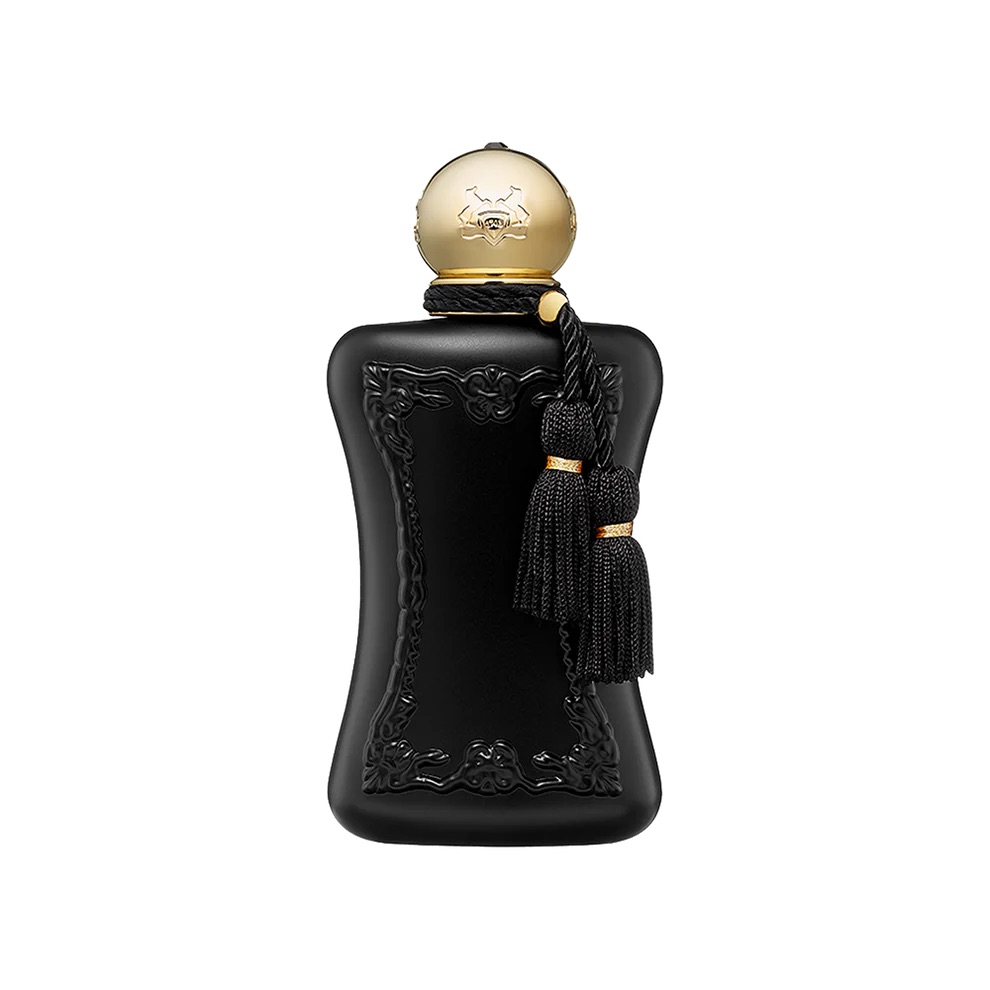
At Parfums de Marly, Athalia pays tribute to a strong yet enigmatic heroine through an elegant blend of powdery iris, amber, and musk. Far removed from conventional representations, the fragrance evokes a mysterious goddess existing somewhere between shadow and light.
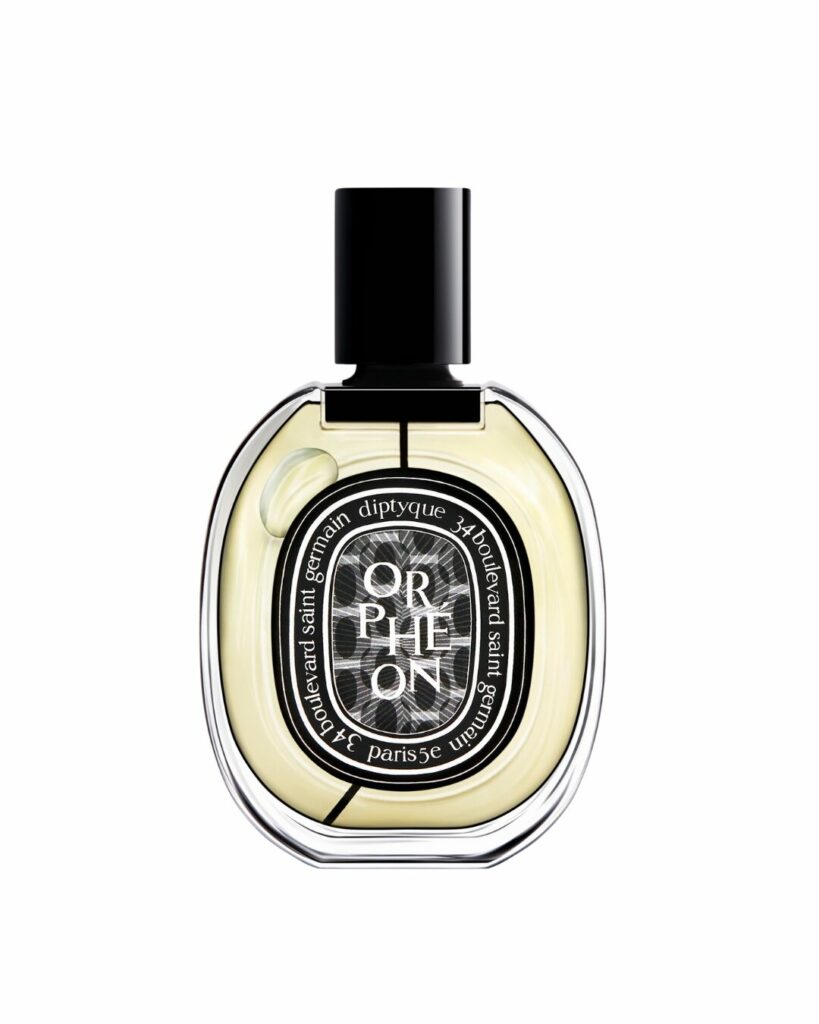
With Orphéon, Diptyque draws inspiration from the legend of Orpheus and his lyre but reimagines the myth in an intimate, urban setting. Cedarwood, juniper berry, soft powdery facets, and almond-like tonka bean recreate the warm atmosphere of literary cafés, where the divine and the everyday subtly intersect.
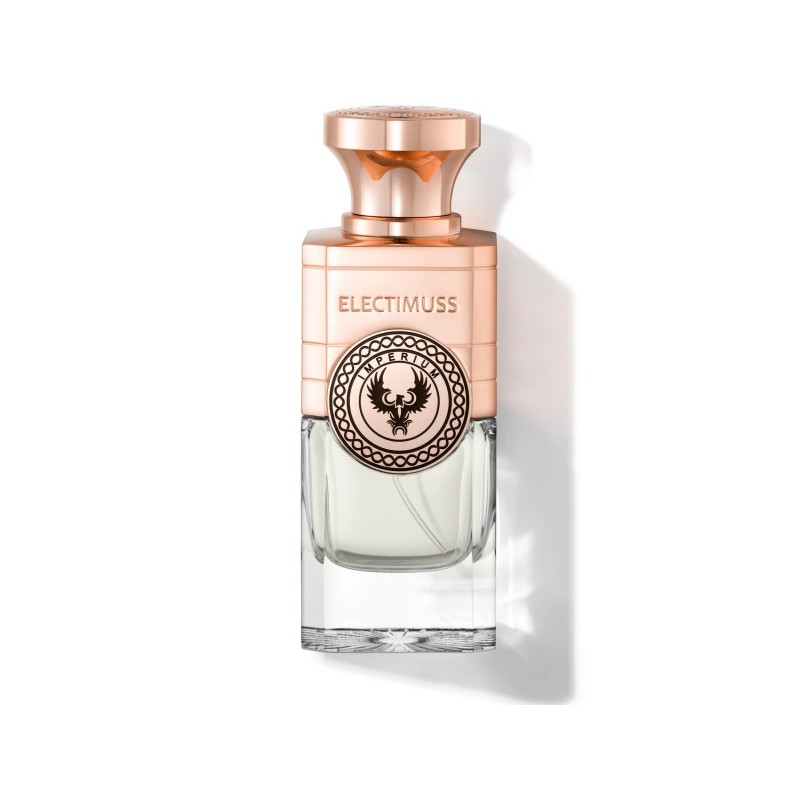
Meanwhile, the London-based house Electimuss looks to Ancient Rome and its extraordinary fascination with perfume. Its luxurious collection celebrates the Romans’ relentless pursuit of the world’s finest raw materials, reviving the rich rituals, stories, and olfactory traditions of an empire whose influence still resonates today.
A Lasting Trend: Reinventing the Myth
The enduring fascination with ancient gods and goddesses reflects a universal desire for transcendence and escapism. These timeless mythological figures provide perfumers with an inexhaustible source of inspiration, allowing them to reinterpret ideas of power, sensuality, and elegance through fragrances that resonate with contemporary values.
While the late twentieth century largely celebrated heroic masculine archetypes, the twenty-first century has increasingly embraced sovereign femininity. Beyond questions of gender, however, mythology offers a universal language in which every fragrance becomes a gateway to a unique olfactory pantheon.
Ancient gods and goddesses represent far more than a simple fascination with classical mythology. They embody humanity’s enduring search for power, beauty, seduction, and self-transcendence. From the heroic masculine creations of the 1980s to today’s flourishing celebration of divine femininity, each era has reinterpreted these timeless stories to reflect its own ideals and aspirations.
Modern perfumery continues to reinvent these myths, creating fragrances that invite us to embody our own greatness. Whether you see yourself as a hero or a goddess, perfume becomes a bridge between the ancient world and contemporary emotion—a promise of escape, self-discovery, and empowerment.