Why Did Grasse Become the World Capital of Perfume?
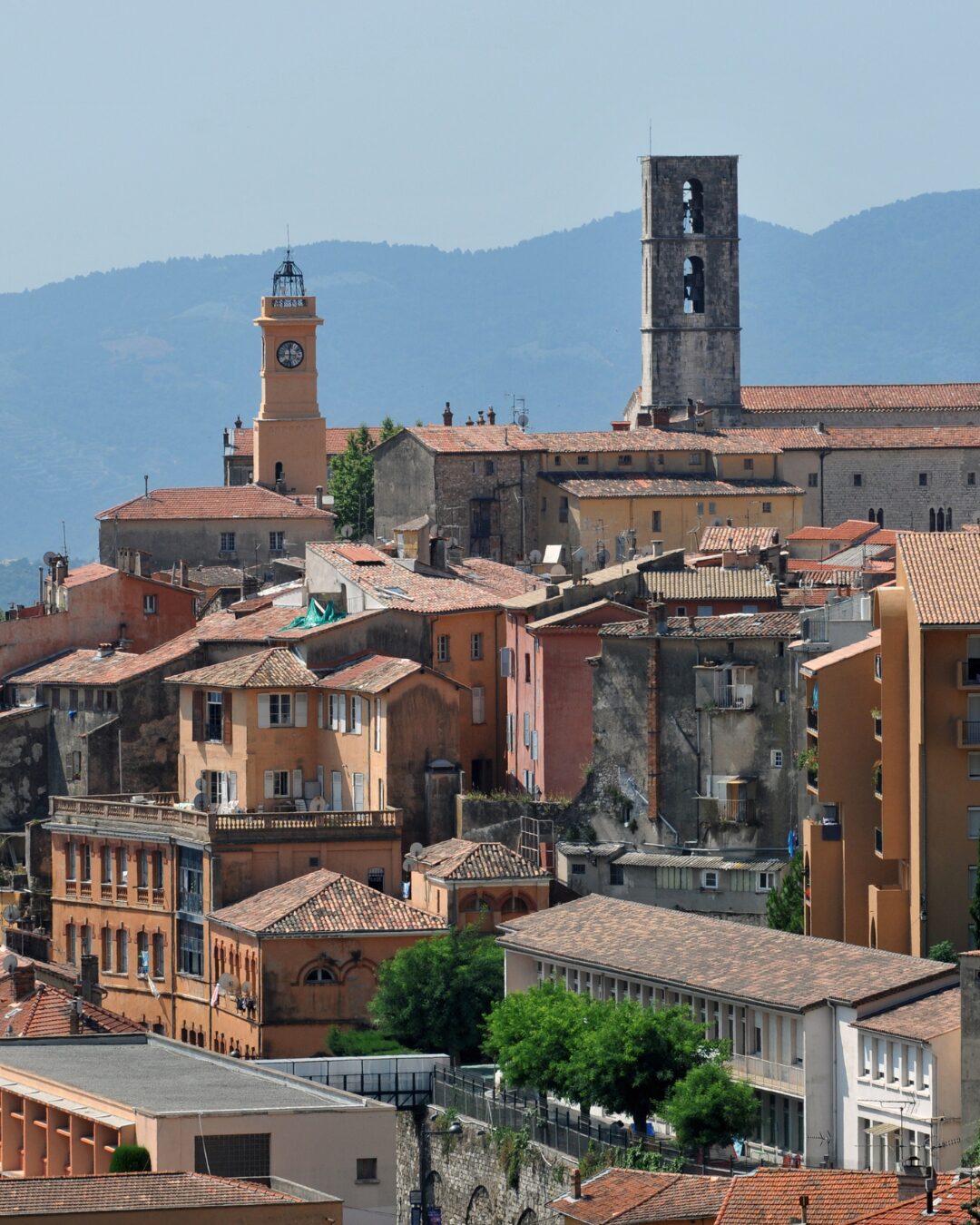
From 3 to 5 July, Grasse Perfume Week will enliven the sunlit hills of the South of France. If you love perfume, you have surely heard of it. But do you know why Grasse is called the “world capital of perfume”?
This title does not come from a slogan, still less from a marketing operation. It was built over the centuries, between a privileged climate, meticulous floral culture and artisanal gestures that became references. For behind every fragrance, there is an origin, a story, a place. And very often, that place is Grasse.
In this article, we invite you to (re)discover this territory apart: from jasmine fields to sustainable innovation, from the glover-perfumers of the 16th century to today’s laboratories.
A Terroir Conducive to the Development of Perfumery
One does not become the capital of perfume by accident. Grasse became so because everything, here, seemed to lead it there.
You must first look at the land, the sky, and those who have cultivated it for generations. That is where it all begins. With its mild winters, its bright, dry summers, and its perfectly measured humidity, Grasse offers flowers far more than a pleasant climate: a true field of expression.
The town benefits from a unique microclimate favoured by the foehn effect. This meteorological phenomenon, due to the proximity of the mountains, brings drier, warmer air as it descends towards the town. The result: an ideal climate for floral cultivation (May rose, jasmine…), limiting diseases and improving the quality of the harvests. It is one of the natural secrets that made Grasse’s reputation in the world of perfume.
Add to that the almost constant light, and the gentle slopes that multiply the exposures, and the ideal altitude, and numerous natural springs: everything conspires to give flowers a rare intensity.
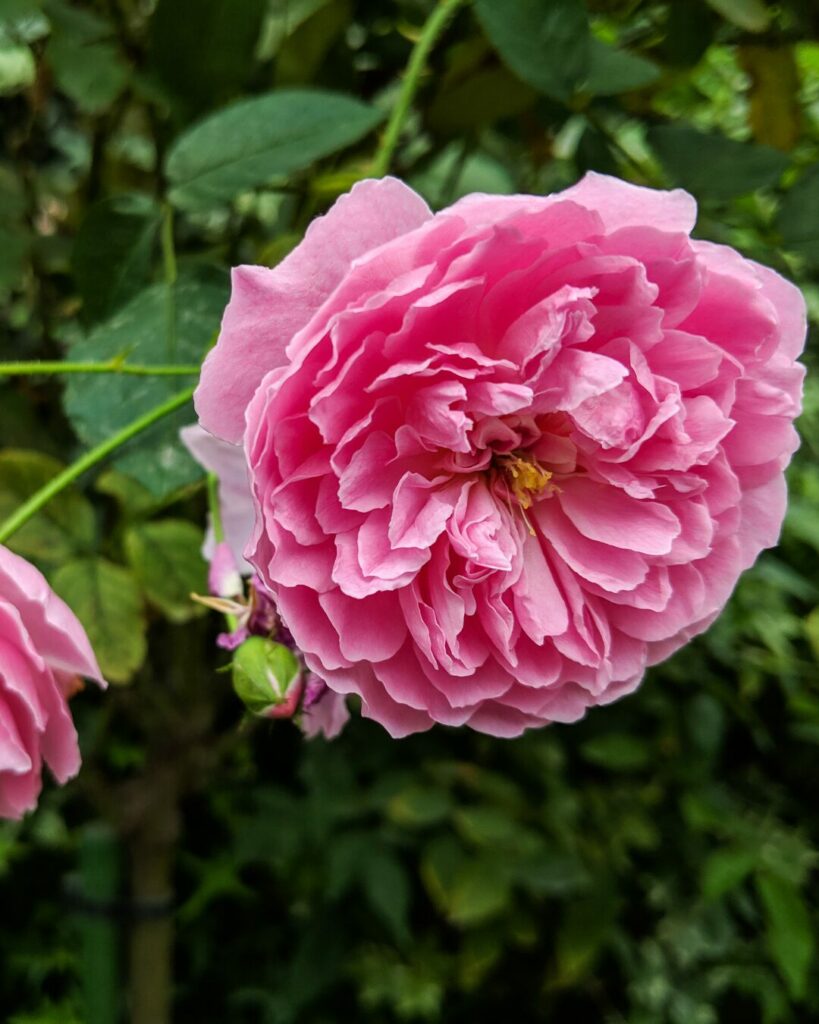
Four emblematic flowers have long shaped the olfactory profile of the region: jasmine Grandiflorum, Rosa Centifolia, tuberose and true lavender. But each of them imposes its own rhythm, its requirements, and its way of being approached.
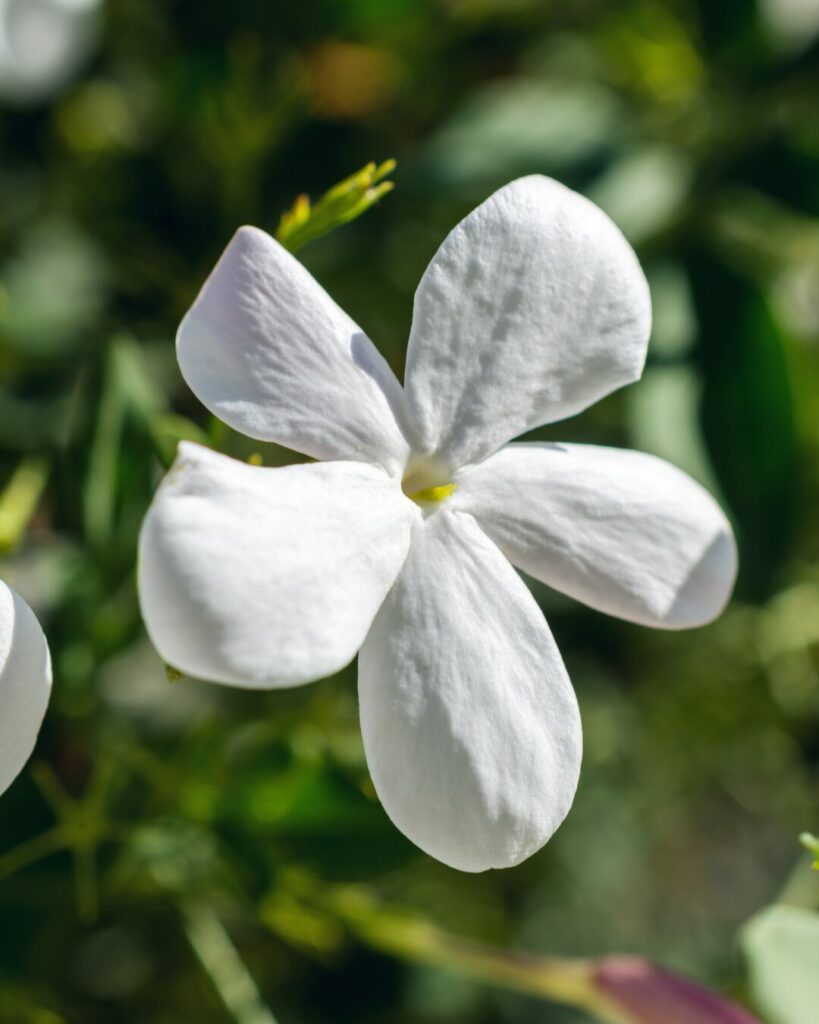
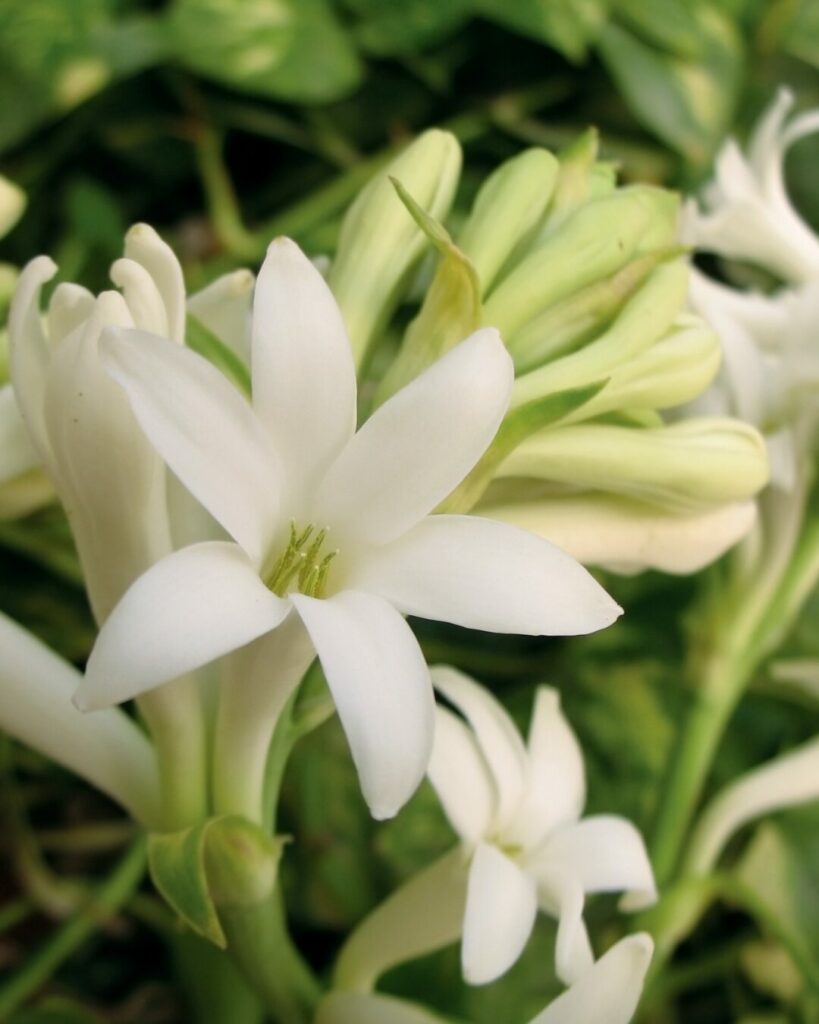
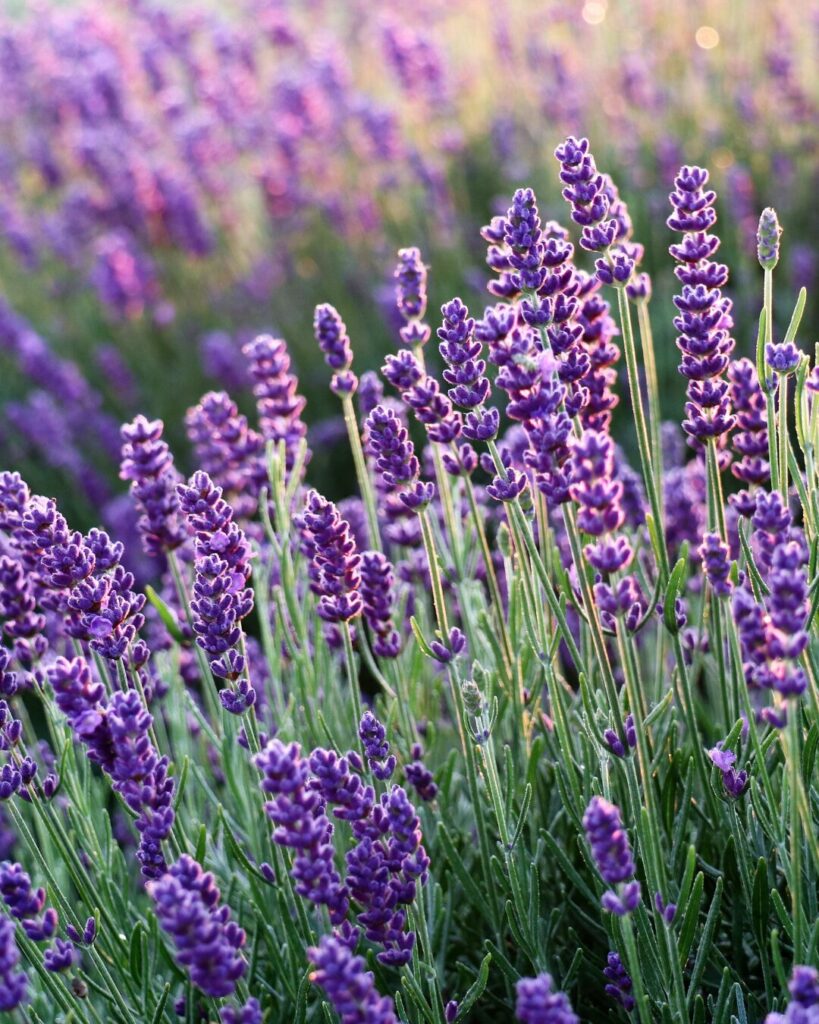
Jasmine, for example, is picked only at dawn, when the air is still cool. An hour later, its fragrance alters.
The May rose offers its bloom over three weeks, no more. It must be harvested flower by flower, with a patience that cannot be invented.
Tuberose, capricious and generous at once, requires well-drained soil and constant attention.
And then lavender, discreet but powerful, grows on the heights. It gives the whole its aromatic, almost medicinal touch.
None of this would be possible without those who, here, know how to read the land and speak to the flowers.
In Grasse, cultivating flowers is not a side job. It is a heritage, a memory passed on through the gesture. One learns early to recognise the right moment, to sense without looking, to sort without damaging. This knowledge is not taught: it is caught, by watching others do it.
It is these gestures, learned without a manual, that form the invisible but essential foundation of the whole industry. Most producers work as families, often grouped in cooperatives. It is a way of staying strong, of standing together, and of guaranteeing an uncompromising quality.
Some farms, like the one in Pégomas, have woven close ties with major houses. For several decades, Chanel has sourced from the Mul family in Pégomas for its jasmine and its Rosa Centifolia, used notably in the composition of N°5.
Today, the dynamic is clear: organic farming, short supply chains, a return to the local. Grasse does not follow a trend; it defends its own coherence.
Here, one cultivates far more than flowers. One cultivates a balance between the land, time, the gesture… and what one chooses to make of it.
An Artisanal Know-How That Became Industrial
The history of perfumery in Grasse begins with leather. In the 16th century, the town, thanks to its springs, is an active centre of tanning. Tanned leather kept a strong smell, which some artisans sought to mask with floral essences.
The gesture is at first utilitarian, then becomes a marker of distinction. From the 16th century, perfumed gloves gained popularity among the European elites, notably at the French court. Grasse, then a glove-making town, began to distinguish itself through this nascent know-how.
This ancillary activity would gradually gain its autonomy. From the 17th century, perfumery detached itself from glove-making to establish itself as an industry in its own right. Grasse then benefited from two decisive assets: the local availability of perfume flowers, and a workforce accustomed to transforming materials with meticulousness.
The extraction techniques developed in this era continue to imbue Grasse know-how:
Steam distillation, suited to robust plants such as lavender or rosemary, makes it possible to extract essential oils by heating the plant material.
Cold enfleurage, a process typical of Grasse, relies on the absorption of odorant molecules by a neutral fat, then their recovery through alcohol. This method is particularly used for delicate flowers such as jasmine or tuberose, which withstand neither heat nor pressure.
Maceration, which consists of soaking the raw materials in a solvent for several days or weeks, offers another mode of capturing the smell.
Throughout the 18th and 19th centuries, Grasse developed a true perfume industry, structured around these processes. Artisans became processors, farms specialised, and the first merchants appeared. The town became a crossroads between culture, technique and commerce, capable of meeting the growing demands of the nascent luxury perfume industry.
The 20th century marks the entry into a new phase: controlled industrialisation. Grasse developed its infrastructure, modernised its tools, but retained its foundations. Small family structures rubbed shoulders with larger houses; manual gestures remained present even within production units. This double movement—fidelity to ancient techniques and adaptation to global demand—allowed Grasse to preserve its singularity in an increasingly globalised sector.
Even today, despite technological progress and the arrival of synthetic chemistry, the great houses and independent perfumers continue to rely on traditional Grasse techniques. Because they are not only effective: they guarantee a sensory quality and an olfactory depth that no standardised process can replace.
The International Influence of Grasse
From the 19th century, Grasse changes scale. It is no longer merely a town specialising in the transformation of flowers: it is a name that circulates, a reference that establishes itself. Its know-how transcends borders. It is no longer limited to what is produced locally, but expresses itself in every perfume that claims an anchoring in excellence. Three pillars structure this reputation: the cultivation of perfume plants, their transformation, and the art of making them speak in a composition. Grasse masters all three.
This influence is embodied first through its historic houses. Fragonard, Molinard, Galimard: all three have crossed the eras without becoming fixed. They retain their local anchoring, while having known how to open their doors to the general public. Their workshops are still active, but they have also developed museums, visitor trails, accessible collections. Their role goes beyond the simple preservation of a heritage: they participate in its transmission, its understanding, its reinvention. They do not preserve a set piece; they prolong a gesture.
But Grasse’s influence does not rest solely on its houses. It also expresses itself in the quality of its flowers, which the great houses fight over. Chanel, Dior, Guerlain, Hermès… all maintain lasting relationships with Grasse producers. Some go even further, like Chanel, which for several decades has collaborated exclusively with the Mul family, in Pégomas. It is there that the jasmine and Rosa Centifolia used in the house’s most emblematic formulas are cultivated each year. This type of partnership rests on a double commitment: a constant quality on one side, economic security on the other. It is this bond of trust that makes it possible to maintain traditional cultivation, without compromise on practices.
The house of Dior collaborated with Edmond Roudnitska, based in Cabris, for several of its emblematic compositions. While Cabris is not a production site for the brand, it remains symbolically linked to that period of creation.
Lancôme, with the Domaine de la Rose, a place dedicated to the organic cultivation of Rosa Centifolia, symbol of the brand, combining tradition, innovation and ecological commitment.
Aurélien Guichard, co-founder of Matière Première, cultivates on an Ecocert-certified organic estate in the Grasse region fields of Rosa Centifolia, tuberose and lavandin in order to produce his own natural ingredients himself—which makes him the only perfumer in the world to master in this way the entire raw-material supply chain.
In all cases, the intention is the same: to preserve a real closeness between olfactory creation and the living world. Perfumers, whether in-house or independent, come to Grasse to smell, exchange, choose. They walk in the fields, talk with the growers, breathe the air of the place. This direct, almost ritual experience contributes to the accuracy of the creative gesture.
This organic link between a land and an industry was officially recognised in 2018. That year, UNESCO inscribed the know-how linked to perfume in the Pays de Grasse on the intangible cultural heritage of humanity. It is not a mere symbolic distinction: it is the recognition of a complete chain, from the plant to the perfume. The inscription honours the cultivation of flowers, their transformation, but also the way these materials become language, in a logic of intergenerational transmission. It values a living know-how, which articulates nature, technique and local economy. Grasse thus becomes the first territory in the world to receive such recognition in the field of perfume.
Today, the name of Grasse no longer designates only a place. It evokes a promise: that of a perfume built with rigour, authenticity and mastery. In professional circles as in the imagination of luxury, Grasse remains a signature.
Grasse Today: Between Tradition and Innovation
While world perfumery is going through a period of questioning about its impact, its sources, its responsibilities, Grasse continues to move forward. It does so at its own pace, without spectacular rupture, but without stagnation either. Faithful to itself, it moves without denying. It adjusts, without ever giving up what forms its backbone.
Protecting its floral cultures remains a concrete priority, not a discourse. Faced with the pressure of land that sells faster than it is replanted, faced with competition from elsewhere, producers are organising themselves. Many have chosen to group together in cooperatives, so as not to bear the weight of the season or the market alone. Organic is increasingly establishing itself, not only because it is fashionable, but because the soil, too, needs time, accuracy, respect. Short supply chains are developing: to guarantee quality, but also to give meaning back to each stage.
Here, to transmit is a verb of action. It is conjugated at all ages. At the École Supérieure du Parfum, at the horticultural school, or in the continuing education programmes supported by the houses, one learns by watching others do it. The transmission of know-how in Grasse rests largely on observation, experience and the daily repetition of gestures.
Museums, workshops, olfactory trails for the general public also open doors: because perfumery must no longer remain the affair of a few. In Grasse, perfume culture is transmitted at once in the fields, in the workshops and in the training venues—a concrete transmission rooted in the territory.
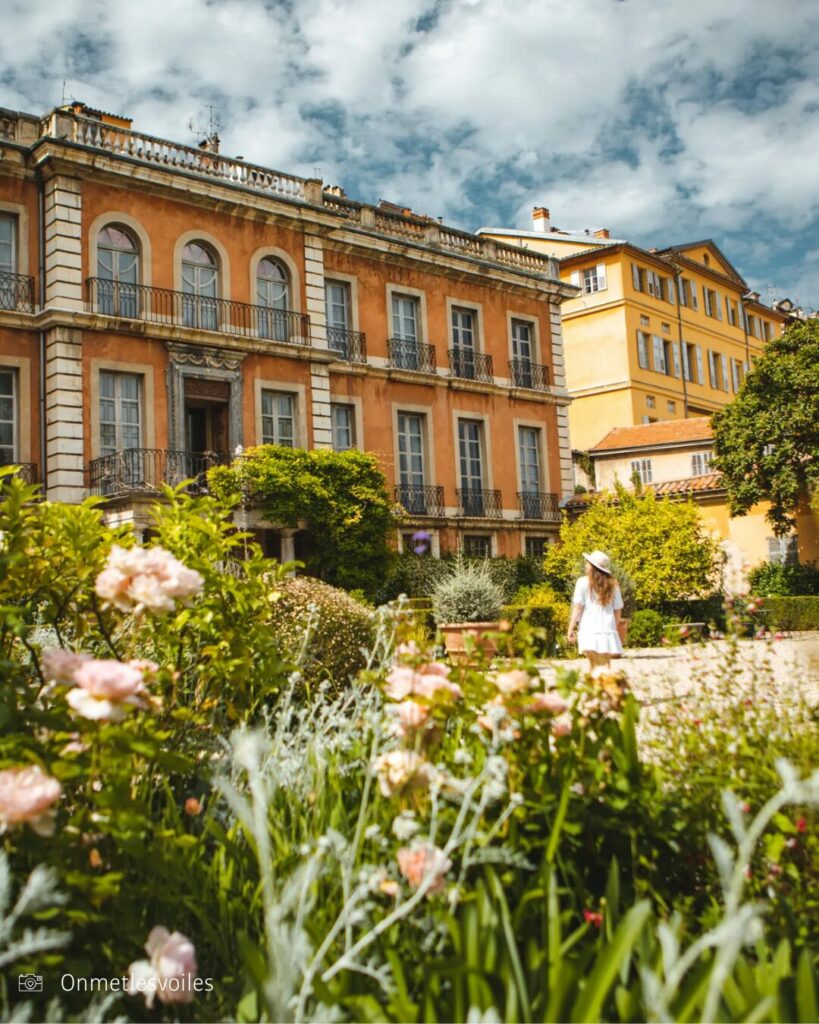
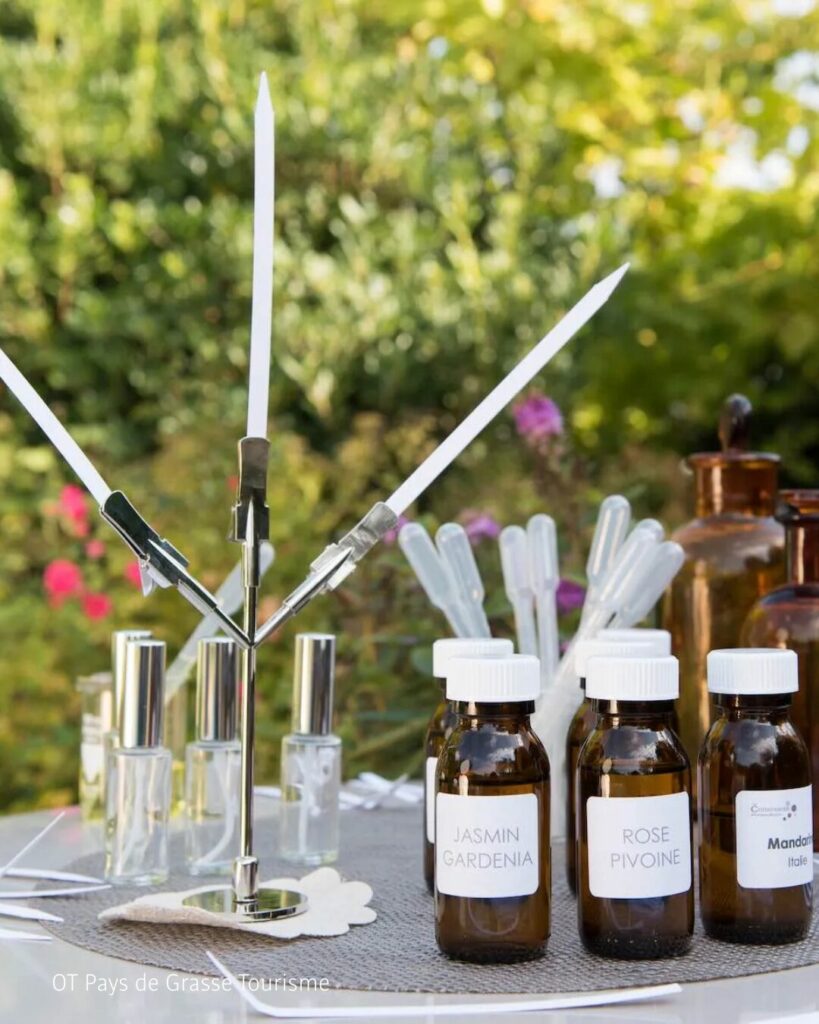
But tradition, here, never means withdrawal. Innovation has its full place, provided it respects the gesture. Several research structures work from Grasse on concrete subjects: green chemistry, gentle extraction, alternative molecules. The objective is not to replace nature, but to invent solutions where certain materials become too rare, or too regulated.
The question of sustainability is now central. And it is not limited to ingredients.
Several local players are today interested in sustainability: more economical extraction, solvents of natural origin, and reflection on more responsible packaging.
Here, knowledge intersects: that of the artisan, of the industrialist, of the researcher. This intersection is fertile. It sketches another model, at once demanding and adaptable.
Grasse does not rest solely on its heritage. It puts it back into play—each season, each harvest, each creation—by reaffirming the vitality of its ecosystem. What keeps it alive is this fertile tension between what it protects and what it explores. Fidelity and movement. Heritage and projection.
And it is perhaps this, ultimately, that means we continue to call it the capital of perfume without reservation or nostalgia.
From its jasmine hills to its green-chemistry laboratories, Grasse embodies a complete, demanding and resolutely living perfumery. Where other territories saw their know-how die out or become diluted, Grasse knew how to adapt without giving in to standardisation. It is this ability to reconcile the ancient gesture and the new vision that still makes its strength today.
While ecological and economic challenges redraw the contours of the sector, Grasse offers a precious model to observe: a town that does not sell an image, but an anchoring. A town that does not merely preserve a past, but that continues to inspire the future.