
Perfume in Autumn 🍁
Autumn, with its gentle melancholy and its palette of warm colours, evokes memories of walks in the forest, roasted chestnuts and leaves crunching underfoot. It is a season of transition, where the sunny days of summer melt into the coolness of longer evenings. Just as nature changes, our olfactory choices evolve, enriching themselves with deep, woody and enveloping notes. Autumn perfumery captures this unique atmosphere by playing on dark, textured and comforting accords. Let’s look together at the flagship notes of this season and the types of perfumes that showcase them.

The Scent of the Undergrowth: An Immersion in the Autumn Forest
In perfumery, autumn is the season of woody scents, earthy accents and comforting notes that evoke a return to the source, to the roots of nature.
One of the most emblematic images of autumn is that of dense forests, bathed in mist and silence, where each step makes the dead leaves crunch underfoot. Perfumers capture this sensation through undergrowth notes that faithfully recreate the smell of a walk in the forest after a fine rain.

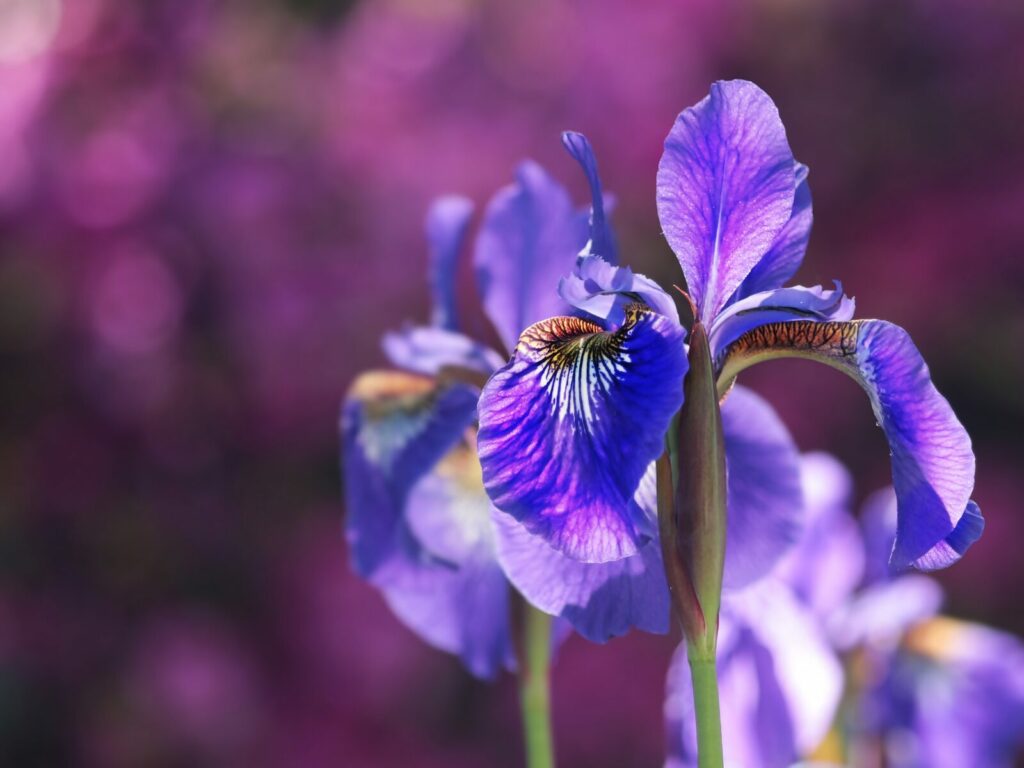
The key ingredients that evoke this atmosphere are often drawn directly from nature. Oakmoss, for example, is an emblematic note of many autumn perfumes. With its slightly damp, earthy smell, it recalls tree trunks carpeted with moss, decomposing leaves and the humus that gives off dark, enveloping wafts. Combined with notes of vetiver, an essence with smoky, earthy accents, and iris, which adds an elegant powdery touch, oakmoss offers a perfect base for a perfume that smells of the autumn forest.
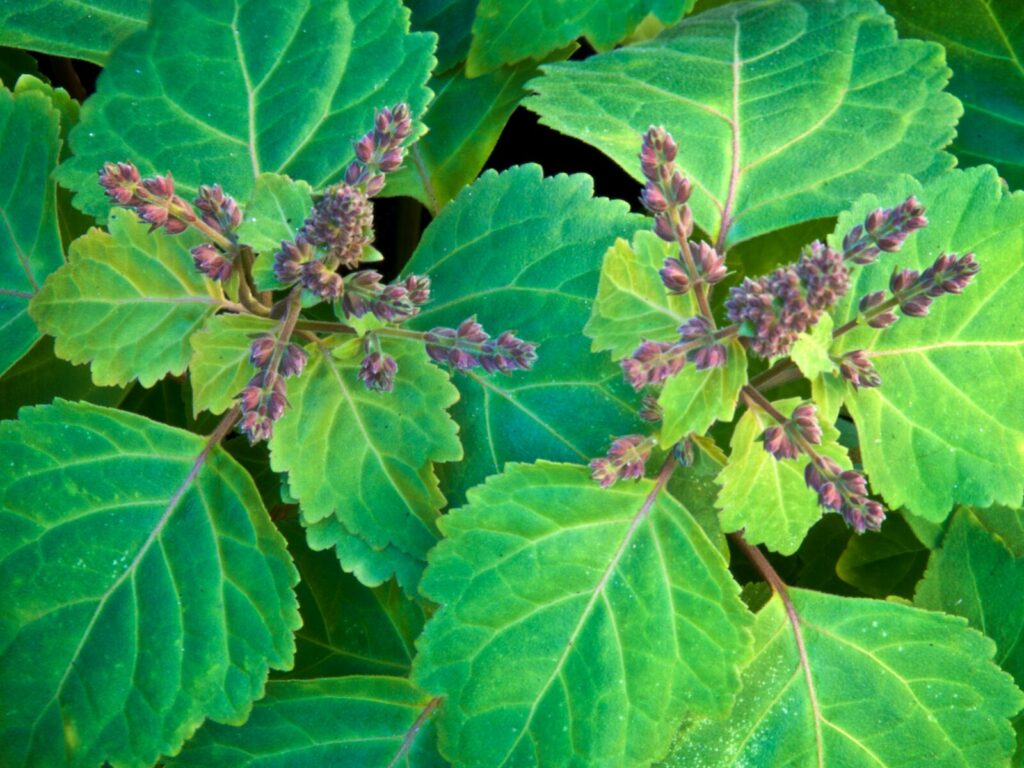
Patchouli, another star note of this season, brings a woody, slightly spicy density. It is often used to give depth and character to autumn creations, recalling the scents of damp wood and freshly turned earth. Its almost mystical side makes it an ingredient of choice for perfumes that seek to reproduce the enigmatic essence of autumn.
The Smell of Woods: Powerful, Comforting Accords
In this season when we seek to warm ourselves, woody notes take on their full importance. More than a simple smell of wood, these notes create a real sensation of warmth and cocooning. Cedar, often used in perfumery, is a dry wood with resinous accents, which evokes wooden cabins or the smell of the wood shavings of a pencil being sharpened. It brings a reassuring side and also pairs very well with floral or spicy notes for a subtle balance.
Sandalwood, softer and creamier, is another favourite note of autumn perfumes. Native to India, it is often considered one of the most sensual and soothing woods. Its milky, velvety smell creates an enveloping atmosphere, ideal for this season when we seek to protect ourselves from the first chills. Combined with spices such as nutmeg or cinnamon, sandalwood offers a cocooning effect, like a cashmere sweater or a crackling fireplace.
Autumn is also a period when smoky, resinous accords blend with woods. Ingredients such as labdanum or incense bring a mystical, sacred depth. These notes confer a spiritual dimension on perfumes, making them almost meditative, perfect for this season conducive to introspection.
A Balancing Act Between Freshness and Density
If woody notes dominate the autumn olfactory world, they are not enough on their own. To avoid falling into overly heavy creations, perfumers like to incorporate fresh, lively touches, recalling the last bursts of summer. Citruses, such as bergamot or lemon, are often used at the top of perfumes to create a striking contrast with the earthy bases. They bring a temporary lightness, which fades over time to give way to the deeper accords.
This balance between freshness and density is one of the signatures of autumn perfumes. They play on contrasts: a period of transition where nature, while preparing for winter, still retains memories of the summer warmth.
Nuts: Autumn Gourmandise
What makes nut notes so special in autumn is their ability to create a sensation of comfort without being too sweet or oppressive. Unlike winter perfumes that bet on heavier, very gourmand notes such as chocolate or caramel, nuts stay in a zone of gourmand lightness. They bring a warmth and roundness that pair perfectly with woody or spicy accords, creating compositions that evoke nature while being resolutely elegant.
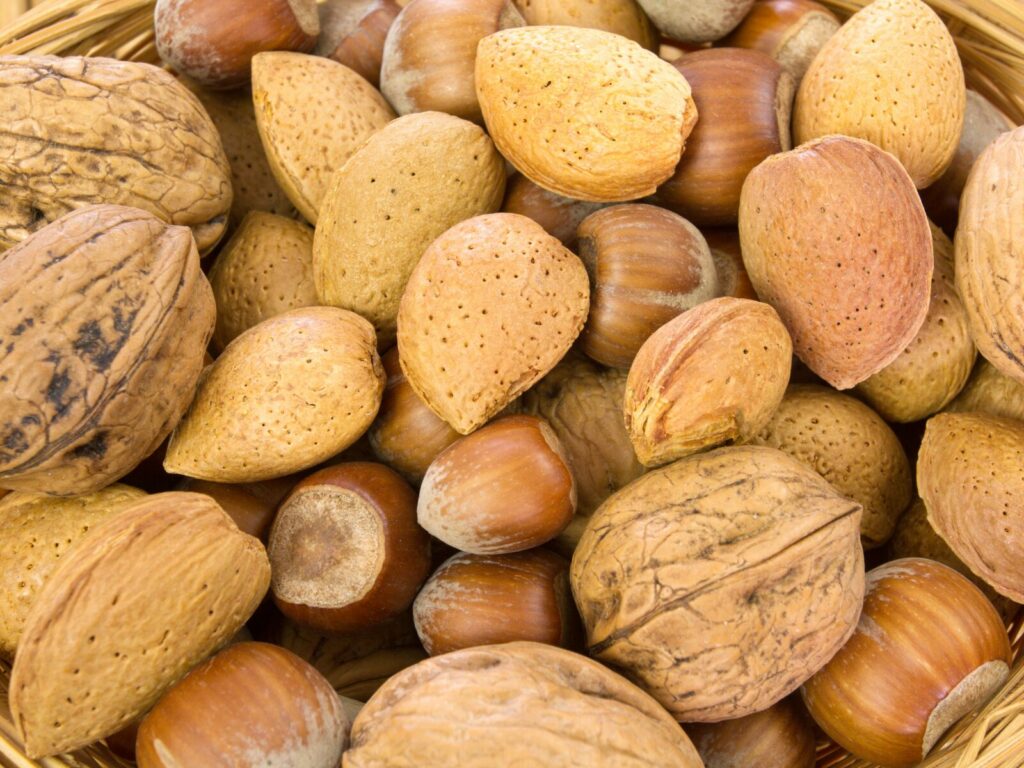
These notes are also very versatile. Depending on the associations, they can give rise to very different perfumes: an almond perfume combined with notes of vanilla and musk will create an impression of softness and femininity, while hazelnut combined with cedar and vetiver will be drier and more refined, perfect for unisex use.
One of the most emblematic notes of autumn perfumes is almond. Almond has a fascinating duality: at once soft and bitter, it can recall the almond powder used in pastry-making or the drier aromas of fresh shells. In perfumery, almond plays on this complexity. It can be worked in a gourmand way, evoking sweet treats such as marzipan or frangipane, but it can also reveal itself as drier and almost leathery, as in certain more pared-down perfumes. This duality makes almond an ideal note for autumn. When it is combined with spices such as cinnamon or nutmeg, it brings a gentle warmth, recalling afternoon snacks taken in shelter, around a wooden table, while outside the wind blows in the trees. Almond-based perfumes often evoke a feeling of comfort, of coming home, while remaining refined and elegant. This is one of the reasons why this note is often used in unisex compositions, because it appeals both to lovers of sweet treats and to those who prefer drier, more assertive accords.
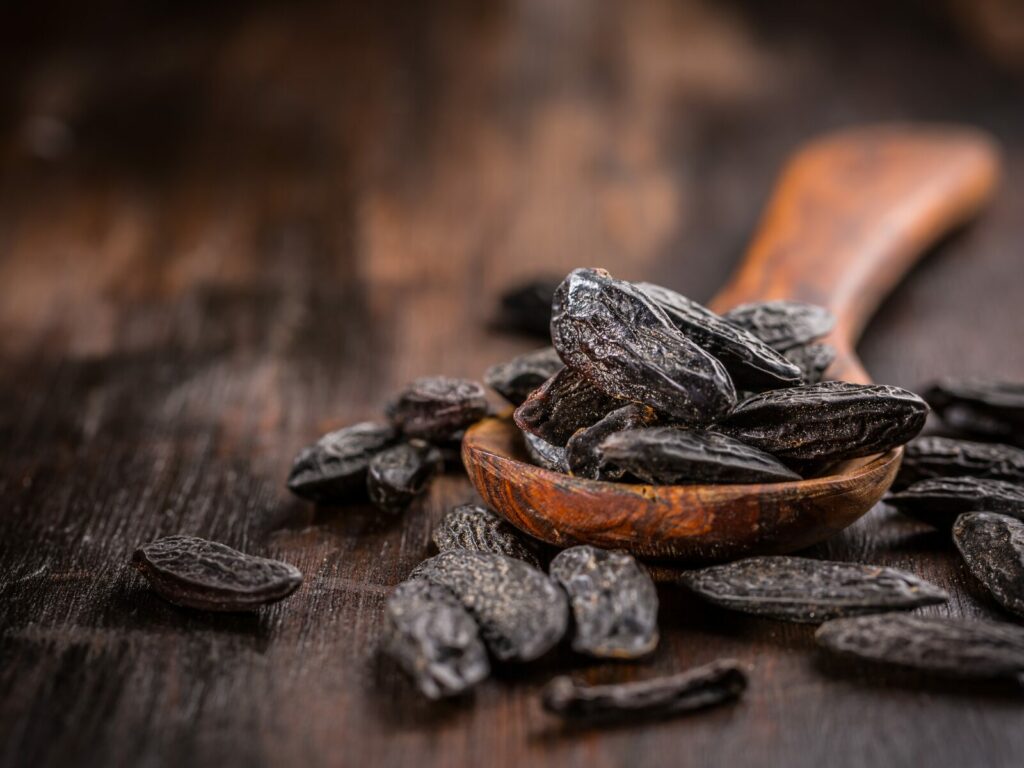
Tonka bean is another note that often makes its way into autumn perfumes. Native to the tropical regions of South America, this seed has both gourmand and woody facets. Its olfactory profile is complex, with touches of vanilla, caramel, and even bitter almond. It gives off an enveloping, addictive warmth that immediately evokes the rich, unctuous desserts of autumn, without ever falling into a stifling sweetness. Tonka bean is often combined with drier or spicier notes to counterbalance its roundness. It is thus found in compositions where it converses with sandalwood, amber or tobacco. These accords create an effect of complex softness, which leaves an impression of lasting comfort, like a merino wool sweater you slip on during the first cool evenings. It is a note that blends perfectly into the autumn spirit, combining gourmandise and sophistication.
Among the nuts, hazelnut stands out for its at once dry and sweet aspect. Its smell recalls just-roasted hazelnuts, but also pralines and other roasted treats. In perfumery, hazelnut is often used to bring a crunchy dimension to compositions. It introduces an olfactory texture that immediately evokes the crunch of leaves underfoot and of nuts between our teeth. When it is worked in combination with milky or woody accords, hazelnut can give rise to surprisingly subtle perfumes that do not fall into excessive gourmandise. It brings a creamy, soft side, but with a lightness that prevents the composition from becoming too heavy. Thus, it is often incorporated into autumn creations to recall the simple delights of the season, such as a bowl of roasted hazelnuts or an unctuous spread.
The Chypres: Elegance
Chypre perfumes are the very embodiment of timeless elegance in perfumery. Their name, drawn from the French word “chypre,” refers to the island of Cyprus, the historic cradle of certain raw materials used in this olfactory family. Appearing at the beginning of the 20th century, the classic structure of chypres is built around a fascinating contrast between fresh notes and dark, earthy notes, thus creating perfumes that are at once sophisticated and mysterious. In autumn, chypres find a particular resonance, evoking the richness and complexity of the seasonal landscapes, between golden lights and shaded undergrowth.
Autumn Chypres: Between Freshness and Depth
What makes chypres particularly suited to autumn is their ability to evolve over time, just like autumn days that go from cool and clear to darker and more enveloping. The initial freshness of the citrus recalls the cool mornings of September, while the deep, earthy notes evoke the richness of nature at the end of its cycle, when the leaves fall and the air fills with the smell of the undergrowth.
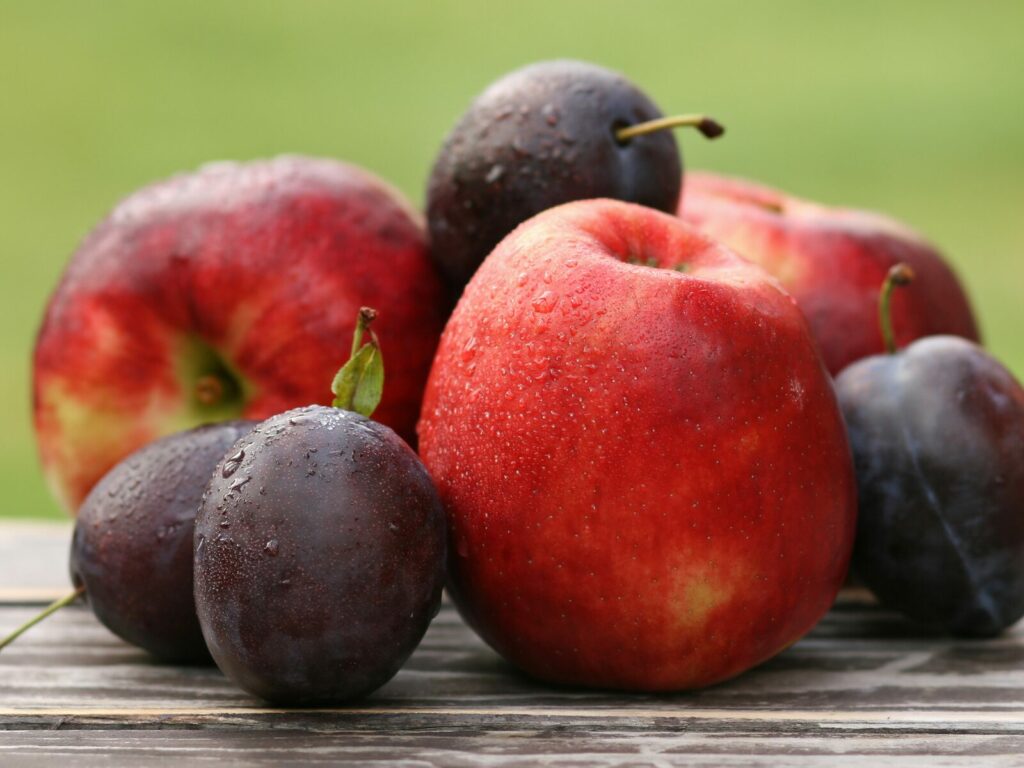
Autumn chypres are often distinguished by the addition of fruity or spicy notes that recall the late-season harvests. For example, touches of plum, fig or apple sometimes enrich the compositions, bringing a slightly sweet softness that contrasts with the darker base of oakmoss. These fruits confer a roundness on the whole, balancing the earthier aspects of the chypre.
Spices also play a key role in autumn chypres. Black pepper, cinnamon or clove bring a warm, enveloping dimension, perfect for cooler days. These spicy accords blend harmoniously with the woody notes, reinforcing the impression of comfort and sophistication.
One of the great strengths of chypres lies in their versatility. These perfumes lend themselves to all occasions and all times of day, while retaining a certain distinction.
Perfumes for Autumn: Between Sophistication and Comfort
In conclusion, autumn perfumes are often perceived as more intense and textured than those of summer. They unfold with a richness that reflects the maturity of nature in this season. Autumn creations are perfect for moments of comfort, whether it is snuggling under a blanket with a good book or strolling in a park with reddened leaves.
Woody and chypre scents, in particular, invite a certain refinement. They are ideal for more formal occasions, evening dinners or indoor events, where the warmth of these notes contrasts pleasantly with the coolness outside. As for perfumes based on nuts and spices, they are perfectly suited to everyday use, offering a touch of comfort without being too imposing.
Whether you prefer the mystery of the undergrowth, the softness of nuts or the majesty of chypres, each seasonal perfume tells a unique story, ready to accompany your autumn moments.