
Perfume in China: A Millennia-Old Olfactory Culture
The world of perfume in China offers a fascinating journey through time and the senses. From ancient China, where fragrances were deeply rooted in cultural and spiritual traditions, to the modern era, where innovation and global trends are redefining olfactory preferences, Chinese perfumery stands as a living testament to the evolution and richness of scents.
This article delves into the history, practices, and symbols of perfumery in China, revealing how this vast and diverse country has shaped—and continues to shape—the world of fragrances.
Perfumery in Ancient and Modern China
The history of perfumery in China is a fascinating testament to cultural and technical evolution. It illustrates how an ancient art can adapt and thrive in a modern context while remaining true to its roots.
Chinese perfumery, with its ancient origins rooted in rituals and traditional medicine, has endured through the ages, evolving from a sacred practice into a dynamic industry. In the past, natural fragrances such as incense and essential oils were used in both imperial ceremonies and for daily well-being, while “dragon’s saliva” or ambergris embodied rarity and mysticism. These traditions, enriched by foreign influences via the Silk Road, have shaped a unique olfactory identity, blending the gifts of the nature with the contributions of cultural exchange.
With globalization, modern China has embraced international trends, incorporating elements of foreign perfumery while promoting luxury brands. This openness has been accompanied by a quest to preserve the authenticity of local techniques and ingredients, reflecting a desire to fuse the traditional with the modern. Contemporary Chinese perfumery, rooted in its rich past yet focused on innovation, continues to thrive, honoring its heritage while constantly reinventing itself.
The Chinese Relationship with Fragrances and Scents
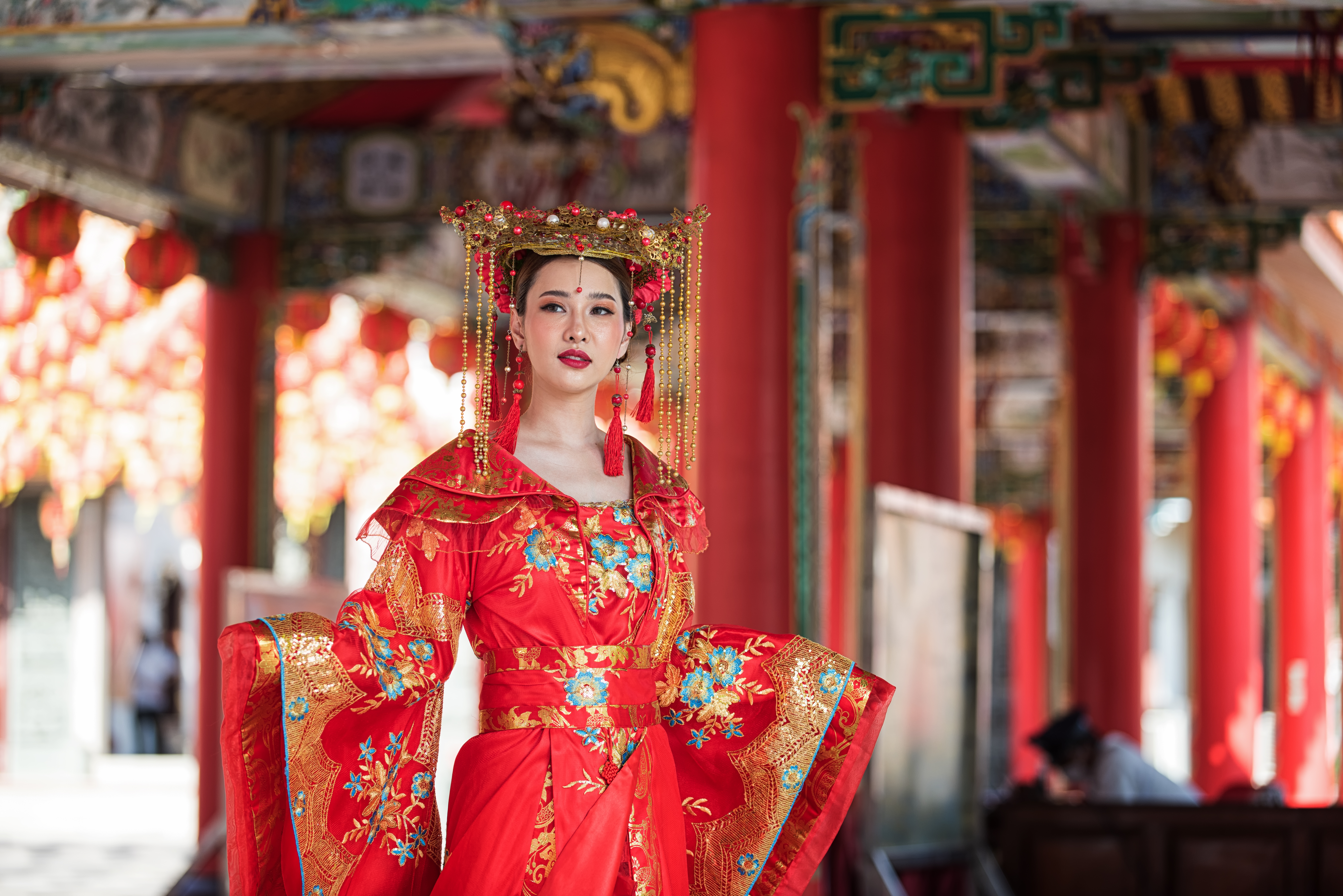
China’s relationship with perfumes and scents is deeply rooted in its history, philosophy, and traditional medicine. This relationship goes far beyond mere aesthetic appreciation to encompass cultural, spiritual, and therapeutic dimensions.
In Chinese society, fragrances are not only viewed as a means of personal adornment but also as a path to inner and outer balance and harmony.
Historically, the Chinese have used fragrances in various religious rituals and ceremonies to purify the air, ward off evil spirits, or facilitate meditation. Incense, in particular, plays a central role in Buddhist and Taoist practices, symbolizing transformation and the ascent of prayers to the heavens. These uses reflect a holistic approach to life, in which scents are integrated into the pursuit of spiritual and physical well-being.
In traditional Chinese medicine, scents play a crucial role in diagnosing and treating imbalances in the body. Certain fragrances are used for their healing properties, capable of influencing the flow of energy (Qi) in the body, harmonizing Yin and Yang, or treating specific ailments. This medicinal use of scents underscores the belief in an intrinsic connection between scents and health.
Chinese perfumery, with its rich history and traditions, is based on a range of raw materials that reflect both the country’s natural abundance and its philosophy of harmony. These carefully selected ingredients are at the heart of fragrance creation in China, blending ancestral heritage with contemporary aspirations.
In medieval China, the Tang (616–907) and Song (960–1279) dynasties enjoyed immersing themselves in a fragrant atmosphere. In addition to purifying incense, people took baths in scented waters (lemongrass, peach blossoms) and perfumed their clothing using fumigations and scented sachets tucked into the folds of their sleeves (Borneo camphor). They absorbed scented preparations that the skin exuded, which were then transmitted through touch.
Buildings are also scented by incorporating scented wood (sandalwood) and mixing fragrant substances (camphor, musk) into the mortar.
Traditional medicine incorporates numerous aromatic plants with healing properties: jasmine is invigorating, rose aids digestion, and ginger cures everything!
The Chinese Empire also used cinnamon, camphor, basil, lemongrass, styrax, civet, and musk.
While some of these ingredients have stood the test of time, today the key ingredients in perfumes from this region are as follows:
Sandalwood, with its rich, woody, and sweet scent, is a cornerstone of Chinese perfumery. Used in both spiritual practices and as a component in perfumes, it is renowned for its soothing and meditative properties.
Musk, historically prized for its depth and intensity, plays a significant role in the creation of complex and long-lasting fragrances. Although the use of natural musk is now restricted for ethical reasons, synthetic alternatives seek to recreate its warm and enveloping nuances.
Sambac jasmine, with its floral scent featuring exquisite, sweet, and fruity facets, is a prized essence in China, often symbolizing beauty and sensuality. It is frequently used in floral compositions, adding a touch of softness and elegance. It is also used to flavor tea and rice.
Notes of green tea (often reproduced synthetically) bring a vegetal freshness and a slight astringency to fragrances. This characteristic note is appreciated for its ability to evoke tranquility and purity.
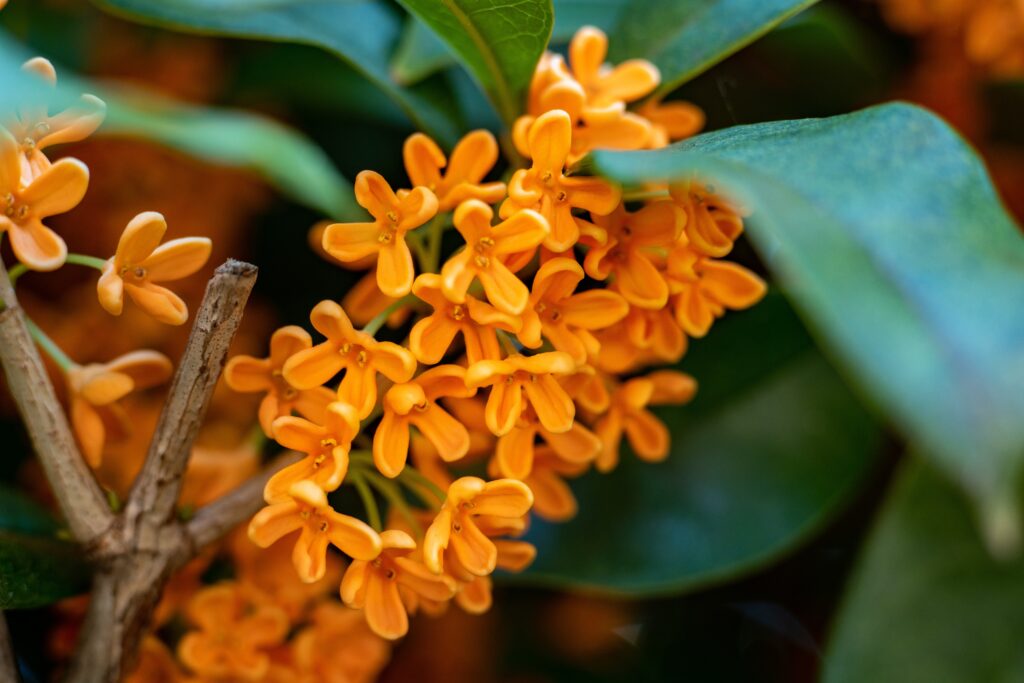
Osmanthus, with its delicate and slightly fruity scent, is a symbol of finesse and sophistication. Its floral, apricot-like, and leathery notes give it a prominent place in many fragrance compositions.
Chinese Perfume Brands
The fragrance industry in China has experienced exponential growth in recent years, with the emergence of local brands that now compete on the international stage. These brands draw on China’s cultural heritage while adopting modern approaches to create unique fragrances that captivate both local and global consumers. Here are some of the most influential and innovative Chinese fragrance brands:
A collaboration between Hermès and Chinese designer Jiang Qiong Er, Shang Xia is a brand that embodies the harmony between tradition and modernity. Although primarily known for its luxury goods and craftsmanship, Shang Xia has also developed a line of fragrances that reflects the brand’s aesthetic and philosophy. Their fragrances celebrate Chinese culture and craftsmanship, offering scent compositions that evoke the landscapes, stories, and emotions of China.
Scent Library is a cutting-edge brand that stands out for its innovative approach to fragrance creation. With uniquely designed boutiques that resemble contemporary libraries, it offers a vast collection of fragrances inspired by unexpected elements, such as childhood memories, abstract concepts, or natural phenomena. Scent Library successfully blends the art of perfumery with pop culture, making fragrance accessible and playful.
Herborist, a brand that draws its essence from traditional Chinese medicine, perfectly illustrates how ancestral knowledge can be applied to the realm of contemporary beauty and perfumery. Its products, including its fragrances, are formulated using natural ingredients from the Chinese pharmacopoeia, aiming to create harmony between body and mind. Herborist, in collaboration with Centdegrés, has launched Mon Instant, a fragrance centered on well-being.
Cha Ling is a brand that embodies the spirit of Yunnan’s tea culture and its connection to nature. Owned by the LVMH Group, Cha Ling specializes in beauty products but has recently expanded its line to include fragrances that capture the delicate and invigorating aromas of Pu’er tea. Cha Ling’s fragrances are an ode to simplicity, purity, and elegance, highlighting the subtle nuances of tea and the botanical riches of Yunnan.
Trending Fragrance Categories in China
Perfume culture in China, much like the country’s culture itself, is a blend of tradition and modernity, reflecting the nation’s preferences and aesthetic values. The popular fragrance categories in China reflect an appreciation for scents that subtly harmonize the senses, evoking both the richness of Chinese heritage and contemporary trends. Here is an overview of the most sought-after fragrance categories in China:
Floral
Floral fragrances hold a prominent place in Chinese fragrance preferences, prized for their ability to evoke natural beauty and delicacy. Notes of jasmine, rose, cherry blossom, and osmanthus are particularly sought after, offering a range of scents that span from subtle sweetness to intoxicating richness. These fragrances are often perceived as an expression of femininity and elegance, establishing a deep connection with the country’s lush and diverse flora.
Woody
Woody fragrances, with their notes of sandalwood, cedar, and vetiver, are also highly prized for their warmth and depth. These fragrances evoke strength, stability, and serenity, reminiscent of ancient forests and traditional Chinese gardens. Woody fragrances are often sought after for their unisex appeal, offering a sophisticated and down-to-earth alternative to lighter floral notes.
Fresh
Fresh fragrance categories—including aquatic, citrus, and green notes—are particularly prized for their ability to revitalize and evoke a sense of purity. Fresh fragrances are often associated with youth and vitality, offering a sensation of cleanliness and renewal. Notes of green tea, mint, bamboo, and lemon are frequently used, reflecting an appreciation for simplicity and harmony with nature.
Spicy
Although perhaps less dominant than other categories, spicy fragrances have their place in the Chinese olfactory landscape, offering warmth and exoticism. Notes of ginger, cinnamon, pepper, and cardamom bring a richness and complexity that can be both invigorating and comforting. These scents evoke spice markets, traditional kitchens, and ancient ceremonies, playing on the contrast between the familiar and the exotic.
Gourmand
Gourmand fragrances, though relatively new to the Chinese market, are gaining popularity, especially among young consumers. These fragrances, with their sweet, almost edible notes—such as vanilla, caramel, and fruit—bring a touch of joy and playfulness. They evoke the delights of Chinese cuisine and traditional festivals, creating a strong, nostalgic emotional connection.
The fragrance industry in China reflects its culture: rich, diverse, and constantly evolving. As the Chinese market continues to open up to global influences, it remains true to its roots, providing fertile ground for innovation and creativity. The future of perfumery in China promises to be as fragrant and vibrant as its past, with new olfactory discoveries and exciting trends on the horizon.
Want to continue this olfactory journey around the world?
The new Pocket Quiz by Master Parfums, “Around the World in Perfumes,” features 120 questions and answers that invite you on a captivating journey through the fragrance traditions and cutting-edge techniques of the world.