Perfume has always transcended its primary function as a simple olfactory pleasure to become a powerful vector of emotions and memories. At the intersection of the age-old tradition of perfumery and contemporary aspirations to well-being and mindfulness, holistic perfume is born. This revolutionary approach reinvents our relationship with fragrances, charging them with a new role: that of catalysts of harmony between body, mind and soul. In this article, I invite you to explore the world of holistic perfume, which combines the delicate art of perfumery with a quest for complete well-being, unveiling a new facet of olfactory beauty where each note and each scent carries within it the power to transform our inner well-being.
We will demystify the philosophy underpinning holistic perfume, reveal its essence and its use around the world, and distinguish its singularity from neighbouring practices such as aromatherapy, aromachology, and olfactotherapy. At the heart of this exploration lies an appealing promise: that of a rediscovered harmony and an existence embellished by smells capable of touching our whole being.

What Is Holistic Perfume?
Beyond a simple pleasant fragrance, holistic perfume embodies a vision where perfume becomes a bridge to overall well-being, a deep harmony between the physical, the mental and the emotional. This philosophy of perfumery considers fragrances as powerful tools capable of influencing not only our mood but also our overall health. Each essence, each note carries within it a specific energy and specific properties that, once released, can promote balance and well-being.
The creation of a holistic perfume is a delicate art that requires a deep understanding of the alchemy of smells and their effects on the human being. This often involves a process of personalisation, where the perfumer works closely with the individual to identify their specific needs and aspirations. The aim is to design a unique fragrance that harmonises with the personality, lifestyle and spiritual quests of the person, thus offering a deeply personal and enriching olfactory experience.
History of Holistic Perfumery
Holistic perfume is part of an ancestral tradition where natural fragrances were used for therapeutic, ritual and spiritual purposes. As early as antiquity, in civilisations such as ancient Egypt, India, and China, perfumes derived from plants, flowers and resins were integrated into daily life, not only for their olfactory pleasure but also for their curative properties and their ability to elevate the mind. These societies already recognised the profound impact of perfumes on human well-being, a knowledge that was gradually integrated into traditional medical practices through the ages.

The Use and Global Appreciation of Holistic Perfume
In our modern society, where stress and the frantic pace of life can profoundly affect our well-being, holistic perfume offers an oasis of peace and harmony. Its growing popularity testifies to a collective awareness of the importance of holistic well-being and a return to natural remedies.
Holistic perfumes are integrated into personal care practices, relaxation routines, meditation sessions, and even into professional environments, where they help create soothing, inspiring spaces.
Their ability to reconnect us with nature, to balance our inner being, and to enrich our daily lives makes them a precious tool in the contemporary quest for a more conscious, harmonious life.
Holistic Perfume in the West
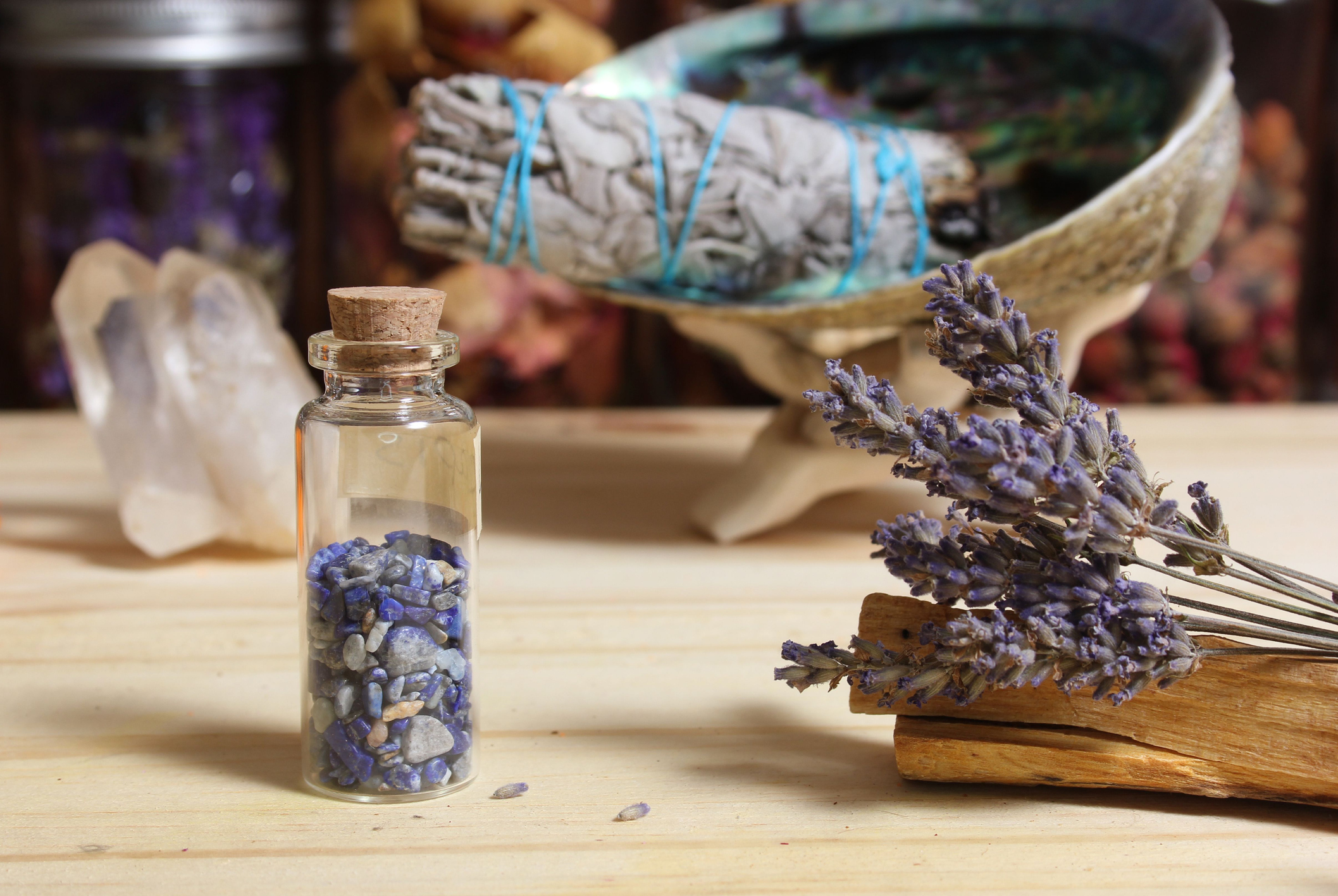
In the West, where interest in natural well-being practices and alternatives to chemical products keeps growing, holistic perfumes are becoming essentials of the personal care routine. They are appreciated not only for their purity and authenticity but also for their ability to improve daily well-being. In spaces such as yoga studios, spas and meditation retreats, these perfumes enrich the experience, facilitating deep relaxation and spiritual elevation.
Holistic Perfume in Asia
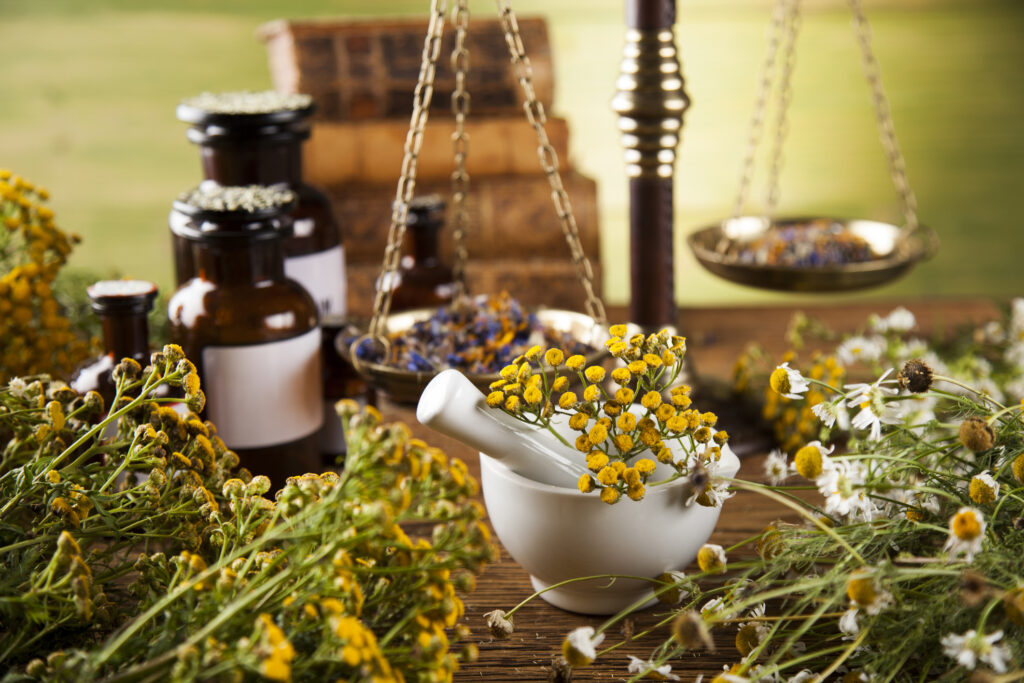
In Asia, holistic perfume blends with traditional philosophies such as Ayurveda and Taoism, valuing the harmony of body and mind and using medicinal plants, in a modern continuation of these ancient practices. Overall, holistic perfume is integrated into extended therapies such as music therapy and chromotherapy, enriching well-being through various workshops and products. This evolution underlines a shift towards a more integrated, conscious well-being, reinterpreting traditions for a more balanced contemporary lifestyle.
How Are the Great Creation Houses Involved?
Givaudan
MoodScentz™+ is an advanced technology by Givaudan designed to improve mood through specific perfumes and smells, supported by more than 35 years of scientific research. This programme, originally developed to explore the impact of perfumes on well-being, now uses innovations such as InSituScanz™ brain imaging to analyse the brain’s responses to smells. This technique, combined with other methods such as fMRI, EEG, and physiological monitoring, makes it possible to precisely measure the emotional and cognitive effects of perfumes.
The project also incorporates “Mood Portraits™,” where reactions to perfumes are assessed through images, helping to overcome the difficulties of verbalising emotions. The data collected has helped to create a “mood-smell map,” using advanced statistical techniques to formulate perfumes that trigger specific, scientifically validated positive moods.
MoodScentz™+ targets three main moods: exhilaration, energy, and relaxation, offering potential applications in various products ranging from fine perfumes to personal care and oral care products. This approach aligns with Givaudan’s commitment to improving consumer health and well-being, thus responding to a growing need for emotional well-being in a context of health, economic and ecological crises.
IFF
Perfumes are increasingly sought after for their ability to improve emotional and physical well-being. This change in perception has intensified since the Covid pandemic, with a heightened awareness of the therapeutic effects of plants and their scents. Studies by International Flavors & Fragrances (IFF) reveal that the majority of consumers now want perfumes that increase their emotional and physical comfort.
The use of neuroscience in perfumery, notably through techniques such as EEG and functional MRI, has revolutionised the understanding of the impact of perfumes on the brain. These technologies make it possible to visualise how different olfactory notes activate the brain and to study emotions without the biases of language. This leads to the creation of perfumes specifically formulated to evoke targeted emotional states such as energy, relaxation or confidence.
This scientific development helps perfumers design perfumes that respond to precise emotional needs, transforming perfumes into powerful tools for improving general well-being. This new era in perfumery no longer considers perfumes merely as luxuries or accessories but as essential vectors of personal well-being, opening unprecedented avenues for the interaction between smells and human emotions.
Firmenich
Perfumes have long been appreciated for their ability to evoke memories and embellish our daily lives. However, with advances in neuroscience, we now understand their power to directly influence our emotions and behaviours. This relationship is mainly mediated by the brain’s limbic system, a crucial centre that manages both our emotions and our sense of smell. It is fascinating to note that emotional reactions to smells can form in only 3.3 seconds, the time of a breath, but these impressions can last much longer in our memory.
In this context, Firmenich, a leader in the field of perfumery, has set up the EmotiOn programme, supported by 25 years of collaborative research with scientific and academic partners. This programme is at the cutting edge of innovation in perfumery, aiming to develop perfumes that not only smell good but also improve the emotional and physical well-being of the user. Research shows that 80% of daily decisions are influenced by our emotions, illustrating the importance of integrating emotional benefits into everyday consumer products.
EmotiOn uses advanced techniques to measure the emotional impacts of perfumes, adapting its creations to regional nuances that can influence the way a perfume is perceived and received around the world. In addition to responding to emotional needs, Firmenich has also launched EmotiCode™, an initiative that uses artificial intelligence to generate cross-category design rules that improve concentration. This technology has been scientifically validated to help consumers reach an optimal state of flow, allowing better mental performance and increased efficiency in their daily tasks.
With increasingly informed consumers who value the holistic functions of perfumes, Firmenich’s innovations show how modern perfumery is not limited to creating fragrances; it is becoming an integral part of general well-being, combining the art of perfumery with science to create enriching experiences that go well beyond simple olfactory pleasure.
Mane
WELLMOTION™ is a revolutionary innovation in the field of personal care products, designed to transform emotions into tangible experiences. This programme harnesses various products such as shampoos, shower gels, soaps, candles and creams to elicit targeted emotional responses in users. For example, the application of a WELLMOTION cream could induce a state of deep relaxation.
This initiative is the fruit of advanced research integrating cognitive sciences, neuroscience, psychology and linguistics in a holistic approach. WELLMOTION seeks to decipher the complex interactions between the senses and emotions, and to understand how perfumes can influence our emotional state. Furthermore, the programme includes complementary modules that enrich the aromachological impact of the ingredients, taking into account cultural variations in the perception of smells.
The development of WELLMOTION by Mane represents a significant advance not only in improving the sensory experience of consumers but also in exploring the links between perfumes and emotions. This approach deepens our understanding of the profound effects that the senses can have on emotions, offering a new dimension of well-being that goes beyond simple olfactory pleasure.
Perfume Brands Are Getting On Board
In the 1990s, riding the wave of well-being that came from Asia, some brands had already launched “care waters” linked to aromachology. One thinks of Lancôme with Aroma (Calme – Tonic), Clarins with its famous Eau Dynamisante, or Shiseido and its Relaxing Fragrance. Initiatives that did not yet reach the sphere of fine perfumery.
With the Covid-19 pandemic, some independent brands brought the ancestral therapeutic virtues of perfume back into fashion.
100BON, for example, offers a range of holistic fragrances that, according to your moods and needs, will let you “Let Go” (Lâcher Prise), “feel good” (Breathe In), lift your spirits (Save Our Souls), or fall asleep for “Sweet Dreams” (Doux Rêves).
AJNALOGIE takes care of our emotions with 100% natural eaux de parfum by Éléonore de Staël, each linked to a chakra and combining the principles of aromatherapy with the noble materials of perfumery to respond to our needs: grounding, desire, serenity, confidence.
We can also cite the energetic aromachology of the brand Petite Mila, the aroma-perfumes of the brand Aimée de Mars, the vibratory perfumes of Parfum d’Éveil…
And selective perfumery brands are increasingly communicating about the benefits of certain raw materials on emotional balance: citrus and energy, lavender and relaxation, musks and comfort, bamboo and optimism, tuberose and desire…
Holistic perfume is part of a broader quest for well-being, where the boundaries between the physical, the mental and the emotional blur. As such, it opens up fascinating perspectives for the future of perfumery, health and personal well-being. As we continue to explore the deep links between our senses and our well-being, holistic perfume positions itself at the forefront of this exploration, promising exciting discoveries and innovations in the years to come.
Perfumery and Its Commitment to the Planet
In a world increasingly aware of environmental issues, perfumery positions itself as a key player in the quest for harmony between humankind and nature. On the occasion of International Earth Day, we explore the significant contributions of this sector, notably through the prism of ethical sourcing. This practice, far from being a simple trend, is anchored in a deep approach aimed at reducing the industry’s ecological footprint while valuing the work of local producers.
Ethical Sourcing: A Priority for Perfumery
Ethical sourcing in perfumery is not limited to a simple selection of natural ingredients; it is a global, considered approach that encompasses ecological, economic, and social considerations. This approach has become a priority for brands concerned about their impact on the planet and eager to contribute positively to the communities with which they interact. Here is a panel of its different facets.
Traceability and Transparency of Ingredients
The traceability of ingredients is the cornerstone of ethical sourcing. It ensures that each component of a perfume can be traced back to its source, thus guaranteeing that it was grown and harvested in a sustainable, ethical way. This transparency is crucial for consumers, who are increasingly attentive to the origin of the products they buy. Perfumery brands implement rigorous traceability systems, often supported by technologies such as blockchain, to provide undeniable proof of the ethical origin of their ingredients.
Protection of Ecosystems and Biodiversity
Ethical sourcing also aims to protect the ecosystems from which the precious raw materials come. By choosing ingredients from sustainable crops, perfumery brands contribute to the preservation of biodiversity. This includes the implementation of agricultural practices that maintain soil health, save water, and avoid harmful chemicals. Moreover, some companies go beyond their own needs by committing to reforestation and natural-habitat conservation projects, crucial for the survival of the rare plant species used in perfumery.
Support for Local Communities
Beyond the environmental aspect, ethical sourcing has an important social dimension. It is about ensuring that the farmers and workers who grow and harvest the ingredients are treated fairly. This includes fair remuneration, safe working conditions, and access to essential services such as education and healthcare. By supporting the economic development of local communities, perfumery brands help create a virtuous circle where sustainable practices become the norm, not only for the production of perfumery ingredients but also for the local economy as a whole.

Commitment to Sustainable Production
Ethical sourcing does not stop at the selection of ingredients; it also encompasses production methods. This means the adoption of clean, efficient technologies for the extraction and distillation of essences, thus minimising the carbon footprint of the entire manufacturing process. Brands also invest in the research and development of ecological synthetic substitutes for rare or endangered ingredients, thus ensuring the sustainability of natural resources.
In conclusion, ethical sourcing in perfumery represents a holistic approach that takes into account the environmental, social, and economic impact of each step of the production chain. Through these practices, the perfume industry does not merely create fragrances that captivate the senses; it commits to a path that respects and enriches the planet and its inhabitants.
Concrete Initiatives for Responsible Perfumery
The concrete initiatives implemented by the perfume industry to integrate ethical sourcing into their production are as diverse as they are significant. These efforts reflect the commitment of brands to operate not only with respect for the environment but also by contributing positively to society. Here is a more in-depth examination of these initiatives:
Certifications and Ecological Labels
Perfumery brands actively seek certifications and labels that attest to their commitments to sustainable, ethical practices. These certifications, such as Fairtrade or Ecocert (for organic and ecological products), serve as a guarantee for consumers that the products they buy were produced according to strict standards respecting the environment and workers’ rights. These labels are not only a mark of quality but also a driver of change towards greener practices throughout the industry.

Innovations in Manufacturing and Packaging
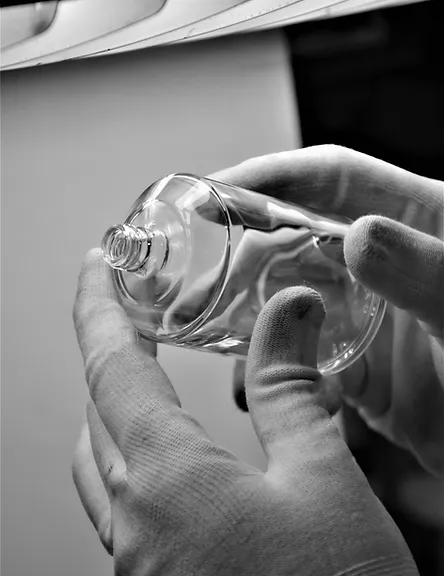
Perfumery brands constantly innovate in their manufacturing processes to make them less polluting and reduce waste. The use of green technologies to extract essences more efficiently and with a smaller carbon footprint is one example. Likewise, the industry is making significant advances in the use of recyclable, biodegradable, or reusable packaging, thus reducing the environmental impact of traditional packaging. These innovations are not only beneficial for the planet but also respond to the growing consumer demand for environmentally friendly products.

Collaboration with NGOs and Community Initiatives
Collaborations between perfumery brands and non-governmental organisations (NGOs) make it possible to support biodiversity-conservation and sustainable-development projects. For example, some partnerships aim to protect the forests or endangered species that are essential for certain essences used in perfumery.
These collaborations can also include the funding of community-development programmes, offering education, training, and healthcare to local communities. We can notably applaud initiatives such as Parfumeurs sans Frontières.

This type of commitment shows that the impact of perfumery goes well beyond the simple production of fragrances, contributing to a more global well-being.
Education and Awareness
Finally, an often underestimated but crucial aspect of sustainable initiatives is the education and awareness of consumers and stakeholders about the importance of ethical sourcing. Through communication campaigns, workshops, and educational partnerships, perfumery brands strive to spread the values of sustainability and ethics. The aim is to create an awareness that encourages responsible consumption choices, thus supporting the industry’s efforts towards a more sustainable future.
These initiatives show the deep commitment of the perfume industry to a greener future. By adopting ethical-sourcing practices, innovating in production and packaging, collaborating with NGOs, and educating the public, perfumery brands demonstrate that it is possible to marry luxury and environmental responsibility.
The Great Creation Houses
The great creation houses in perfumery, such as Givaudan, Firmenich, Symrise, IFF, and Mane, play a leading role in the adoption and implementation of ethical sourcing. Their significant influence on the industry, combined with their capacity for innovation and their global network, allows them to implement ethical-sourcing strategies on a large scale. Here is how these giants of perfumery integrate ethical sourcing into their practices:
Givaudan
Givaudan is actively committed to ethical sourcing through its sustainable-development programme “Sourcing for Shared Value.” This programme aims to ensure that all their raw materials are sourced responsibly, with an emphasis on traceability, biodiversity, and the well-being of local communities. Givaudan works closely with farmers to improve agricultural practices and guarantee fair remuneration. The company also invests in environmental conservation and restoration projects in the regions from which it draws its resources.
Firmenich
Firmenich places sustainability and ethical sourcing at the heart of its corporate strategy. It has committed to several initiatives aimed at promoting environmental and social responsibility, such as the “Naturals Together” programme, which aims to support farmers and preserve natural ecosystems. Firmenich works to guarantee the complete traceability of its natural ingredients and to maintain high standards of sustainability and ethics throughout its supply chain. The company emphasises green innovation, developing more sustainable production and extraction methods.

Symrise
Symrise adopts a global approach to ethical sourcing through its “Symrise Diana Food” initiative, which focuses on the responsible sourcing of raw materials. The company implements sustainable-sourcing practices for its ingredients, ensuring a positive impact on local communities and the environment. Symrise is committed to protecting biodiversity and supports sustainable-development programmes that benefit both the company and local communities. For example, Symrise works directly with producer communities to ensure fair working conditions and promote sustainable agricultural practices.

Common Practices and Innovations
These companies establish direct partnerships with local communities to ensure that cultivation practices are sustainable and that farmers receive fair remuneration. These partnerships also help preserve traditional knowledge about plant cultivation and the extraction of essences.
The adoption of advanced technologies for the extraction and distillation of essences makes it possible to reduce environmental impact and improve production efficiency.
The protection of biodiversity is a priority, with investments in reforestation and in conservation projects to protect natural habitats and plant species.
These great houses strive to obtain recognised certifications that attest to their commitments to sustainability and ethics, thus reinforcing consumer trust.
The creation houses do not merely follow trends in ethical sourcing; they define them. Through their continuous efforts, these houses show that the perfume industry can play a significant role in promoting sustainability, social equity, and environmental protection.
Modern perfumery, far from being limited to the creation of captivating fragrances, embraces a role as guardian of the environment through ethical sourcing. On this International Earth Day, we salute the initiatives of this sector which, by reinventing itself, actively contributes to the preservation of our world for future generations. Consumers, increasingly enlightened and demanding, play a crucial role in this evolution by favouring responsible brands. Thus, perfumery continues to intoxicate us, not only with its aromas, but also with its commitment to a greener planet.
In India, where the vibrant colours of Holi blend with the intoxicating aromas of spices and flowers, perfume is far more than a simple adornment. It is an offering, a symbol of seduction, and an essential part of everyday life. Embarking on an olfactory journey through the ages, we discover the rich and complex history of Indian perfumery by exploring three iconic cities: Kannauj, Mysore, and Madurai.
Indian Perfumery: A Rich Heritage of Culture and History
The art of perfumery in India is deeply rooted in the country’s history and spiritual traditions. References to fragrant oils and perfumes can already be found in ancient sacred texts such as the Vedas and the Upanishads, where aromatic substances were used during religious ceremonies to purify both body and soul.
Over the centuries, Indian perfumery evolved under Persian, Arab, and Chinese influences. Advances in distillation and essential oil extraction techniques enabled artisans to create an extraordinary diversity of fragrances, establishing India as one of the world’s earliest centres of perfume craftsmanship.
Today, fragrance continues to play a central role in Indian daily life. It accompanies religious festivals, family celebrations, acts of seduction, and personal well-being. Offering perfume is considered a gesture of affection, respect, and hospitality.
Perfume in Everyday Indian Life
Religious Rituals
Indian temples are filled with the scent of incense and fragrant oils. Worshippers often perfume themselves before entering sacred spaces as a symbol of purification.
Garlands woven from intensely fragrant flowers such as jasmine and tuberose are offered to the gods. Tradition even discourages smelling these flowers beforehand, as doing so would symbolically “steal” the fragrance intended for the deities. Similar floral offerings adorn the puja rooms—small household shrines dedicated to Hindu gods and ancestors.
Sandalwood, regarded as sacred throughout India, occupies a special place in religious practice. Burned as incense in temples, it is also applied as a paste to the forehead to offer spiritual protection and ward off negative influences.
Life Celebrations
Fragrance accompanies every important stage of life, from weddings and births to major religious ceremonies.
During Hindu weddings, the bride and groom exchange the jaimala, elaborate flower garlands traditionally composed of roses, jasmine or marigolds depending on the season. Marigolds, symbols of the sun and positive energy, are especially popular during these celebrations.
Seduction

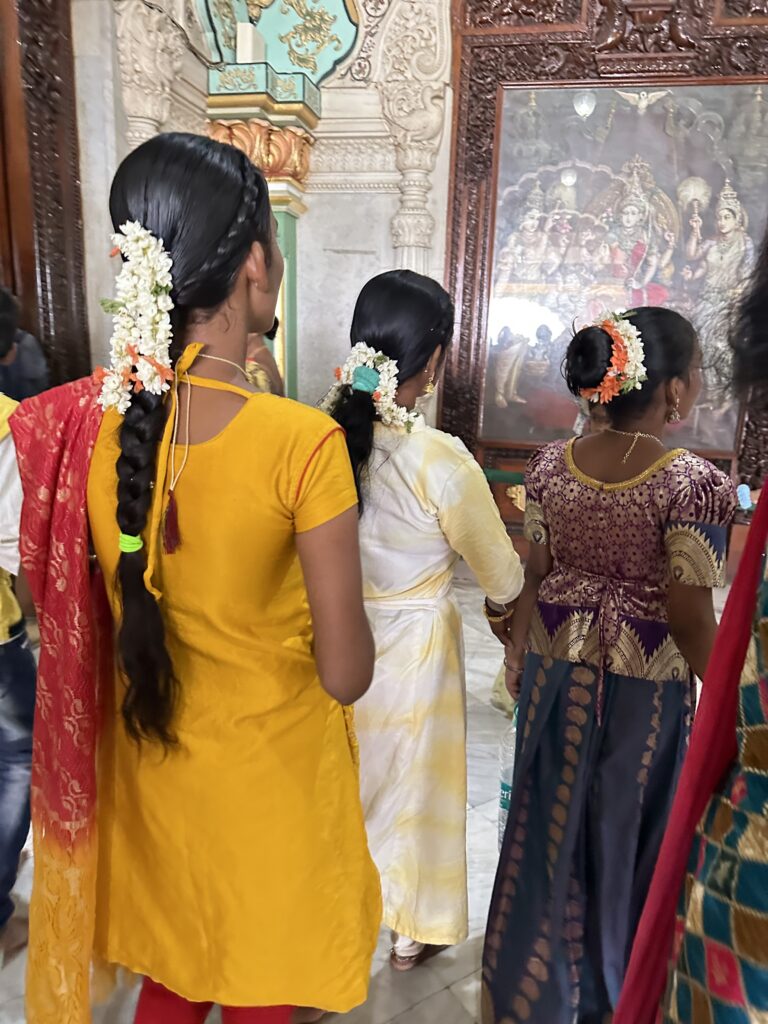
Perfume also plays a fundamental role in Indian ideals of beauty and attraction.
Women traditionally perfume their hair with floral oils before decorating their braids and buns with fresh Sambac jasmine garlands. As the flower buds gradually bloom throughout the day, they release their intoxicating fragrance, creating a naturally perfumed aura.
For newlyweds, bedrooms are often adorned with garlands of tuberose, a flower associated with sensuality and pleasure. Its narcotic scent has earned it the poetic nickname “the perfume of the night.”
Wellness
Essential oils have long been valued for their therapeutic and relaxing properties. They remain an integral part of Ayurvedic medicine, where aromatic plants are used to promote physical, emotional, and spiritual balance.
Kannauj: India’s Ancient Perfume Capital
Often described as the birthplace of Indian perfumery, Kannauj has enchanted emperors, poets, and travellers for more than two millennia. Situated on the fertile banks of the Ganges River, the city has earned its reputation as India’s perfume capital thanks to its ancestral distillation techniques and exceptional craftsmanship.
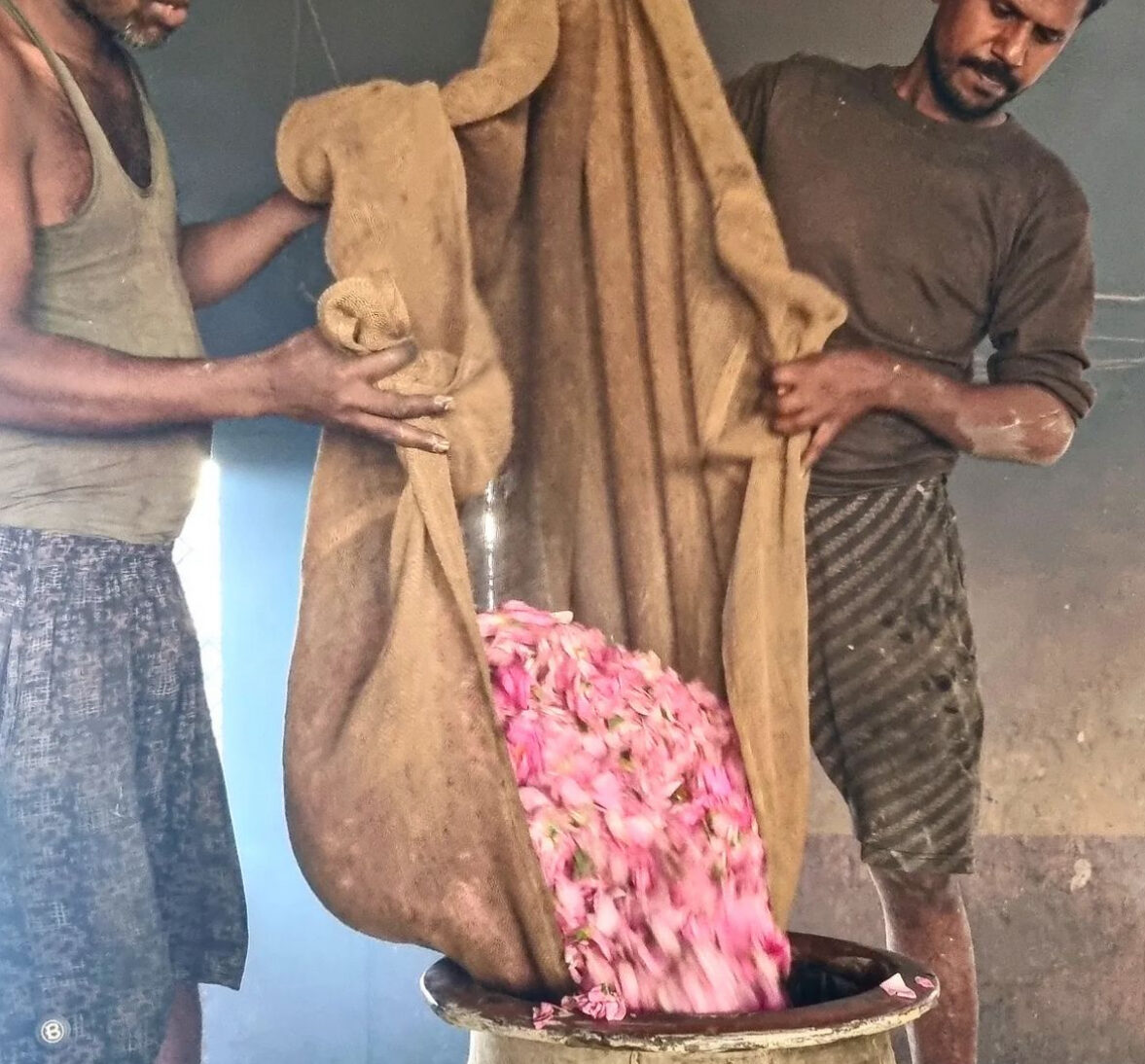
Kannauj is renowned for extracting fragrant oils from flowers such as jasmine, rose, kewda—a sweet, fruity floral blossom often compared to rose with a more exotic character—and the remarkable mitti attar, whose scent recreates the aroma of rain falling on dry earth. This unique fragrance is produced by distilling specially prepared clay.
A Legacy Spanning Two Thousand Years
Kannauj’s perfume-making tradition dates back over 2,000 years. During the Gupta Empire in the fourth century AD, the city had already established itself as an important centre of fragrance production.
Its distillation techniques have been carefully passed down from one generation to the next, allowing Kannauj to preserve its prestigious position within the global perfume industry.
Traditional Craftsmanship
The city’s reputation rests upon its remarkable expertise in extracting essential oils.
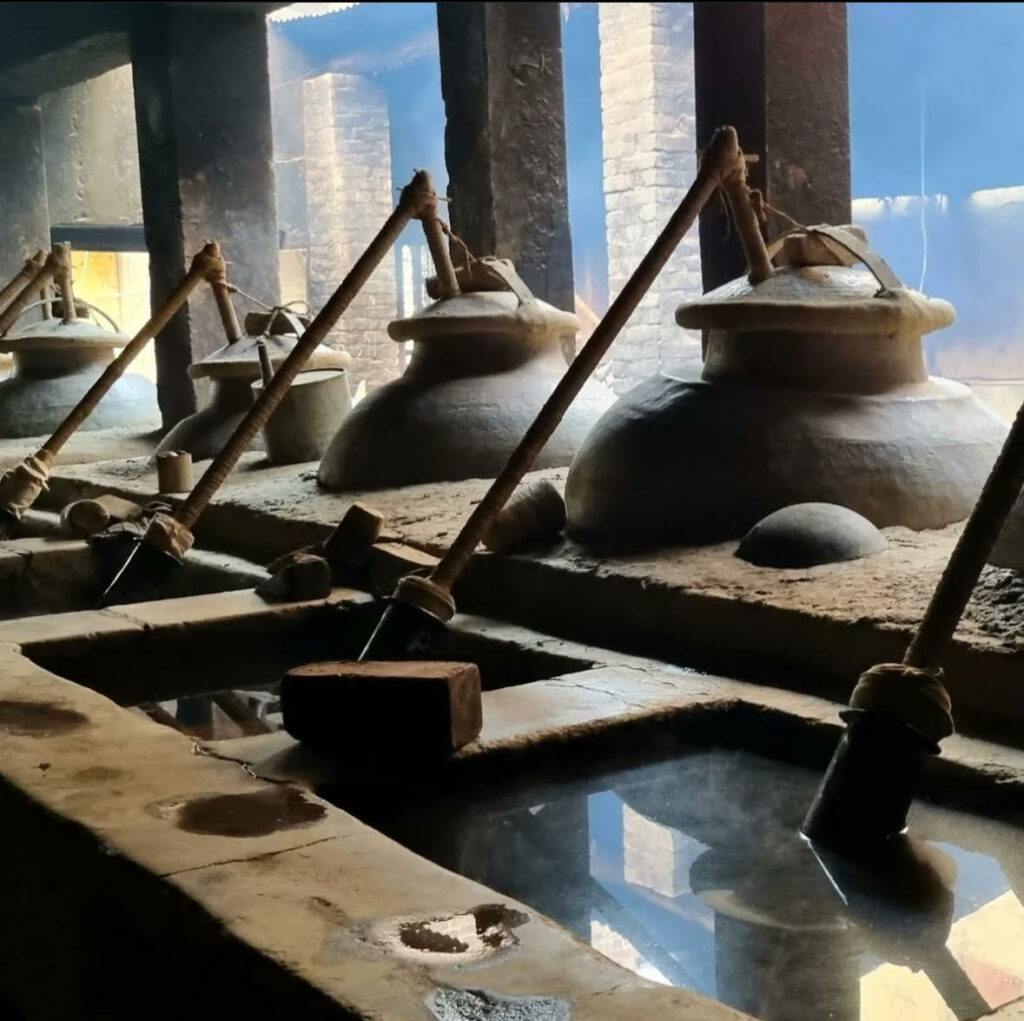
Its traditional Degh-Bhapka distillation method employs handcrafted copper stills connected to receivers immersed in cooling water. Slow steam distillation gently captures the aromatic molecules before they are absorbed into sandalwood oil, producing exceptionally pure and refined attars.
Although modern equipment has become increasingly common, many artisans continue to practise this centuries-old method, preserving an invaluable cultural heritage.
Exceptional Raw Materials
The fertile region surrounding Kannauj offers perfumers an extraordinary palette of botanical treasures.
Among its most prized flowers are:
- Jasmine
- Rose
- Kewda
- Tuberose
- Spikenard
These ingredients have formed the foundation of Indian perfumery for centuries.
The Art of Attar
Kannauj is internationally famous for its attars—traditional alcohol-free perfumes inherited from the Mughal Empire.
Unlike Western perfumes, attars are created by distilling flowers, spices, herbs or woods directly into sandalwood essential oil, which acts as both solvent and fixative. The result is an intensely rich, long-lasting fragrance with exceptional depth and natural complexity.
Kannauj also produces a wide range of Ayurvedic perfumes made exclusively from natural ingredients, free from synthetic chemicals.
An Economic and Cultural Treasure
Perfumery remains one of Kannauj’s most important industries, providing employment for thousands of people—from flower growers and distillers to artisans and master perfumers.
The city is also home to several perfume schools dedicated to preserving traditional knowledge and training future generations of artisans.
Protecting a Precious Heritage
Like many traditional industries, Kannauj faces significant challenges, including competition from synthetic fragrances and the pressures of globalisation.
Despite these obstacles, the city continues to safeguard its unique expertise while promoting the cultural importance of natural Indian perfumery.
For fragrance enthusiasts, Kannauj represents far more than a historical destination—it is a living museum where centuries of olfactory craftsmanship continue to flourish.
Mysore: The Royal Legacy of Sandalwood
Located in the heart of Karnataka, Mysore is renowned for its magnificent royal palace, impressive temples, and unique relationship with one of perfumery’s most precious ingredients: Santalum album, or Indian white sandalwood.
This elegant tree, whose pale heartwood gives it its Latin name album (“white”), grows as a semi-parasitic species, attaching its roots to neighbouring trees. Highly prized in perfumery, sandalwood produces a creamy, warm, milky, and velvety fragrance that has become one of the industry’s most treasured raw materials.
Its history is inseparable from the identity of Mysore itself.
Sandalwood: Mysore’s Greatest Treasure
Known throughout India as the “sacred wood,” sandalwood naturally grows in the tropical forests of southern India.
Mysore possesses one of the world’s most important sandalwood-producing regions, earning it the title of the country’s sandalwood capital.

Centuries of Tradition
The use of sandalwood in Mysore dates back many centuries.
Ancient rulers prized the wood for its religious significance and symbolic value. It featured prominently in royal ceremonies, Hindu rituals, traditional medicine, and the manufacture of sacred objects.
Mastering Sandalwood Distillation
Mysore has developed internationally recognised expertise in extracting sandalwood essential oil.
Local artisans continue to employ time-honoured distillation techniques to produce an oil celebrated for its exceptional richness, smoothness, and woody elegance.
A Precious Ingredient
Sandalwood oil is used in a remarkable variety of products, including:
- Fine fragrances
- Cosmetics
- Soap
- Aromatherapy
- Ayurvedic medicine
- Incense
- Religious artefacts
Its creamy, long-lasting character makes it one of the world’s most valuable perfume ingredients.
Economic and Cultural Importance
The sandalwood industry remains a cornerstone of Mysore’s economy, supporting thousands of livelihoods—from forestry workers and cultivators to distillers and perfumers.
Beyond its economic value, sandalwood has become one of the defining symbols of the city’s cultural identity.
Challenges for the Future
Despite its prestige, Mysore’s sandalwood industry faces considerable challenges.
Illegal logging and international trafficking have severely threatened natural sandalwood forests. As a result, sandalwood cultivation and harvesting are now strictly regulated by the Indian government.
These restrictions have also encouraged counterfeiting and increased competition from synthetic sandalwood molecules. Nevertheless, Mysore remains committed to protecting its remarkable heritage while promoting more sustainable cultivation and production practices.
Madurai: An Olfactory Symphony
Madurai, a historic city in Tamil Nadu in southeastern India, offers a truly unique sensory experience. Fragrant temples, lively spice markets, and a cuisine rich in aromas create an olfactory symphony that captivates every visitor.
A Perfumed History
Madurai’s history is deeply intertwined with spices. Once a major trading hub, the city attracted merchants from across the world. Its air was filled with the intense aromas of black pepper, clove, turmeric, nutmeg, and saffron.
But above all, Madurai is the kingdom of Sambac jasmine.
The Capital of Sambac Jasmine (Malligai)
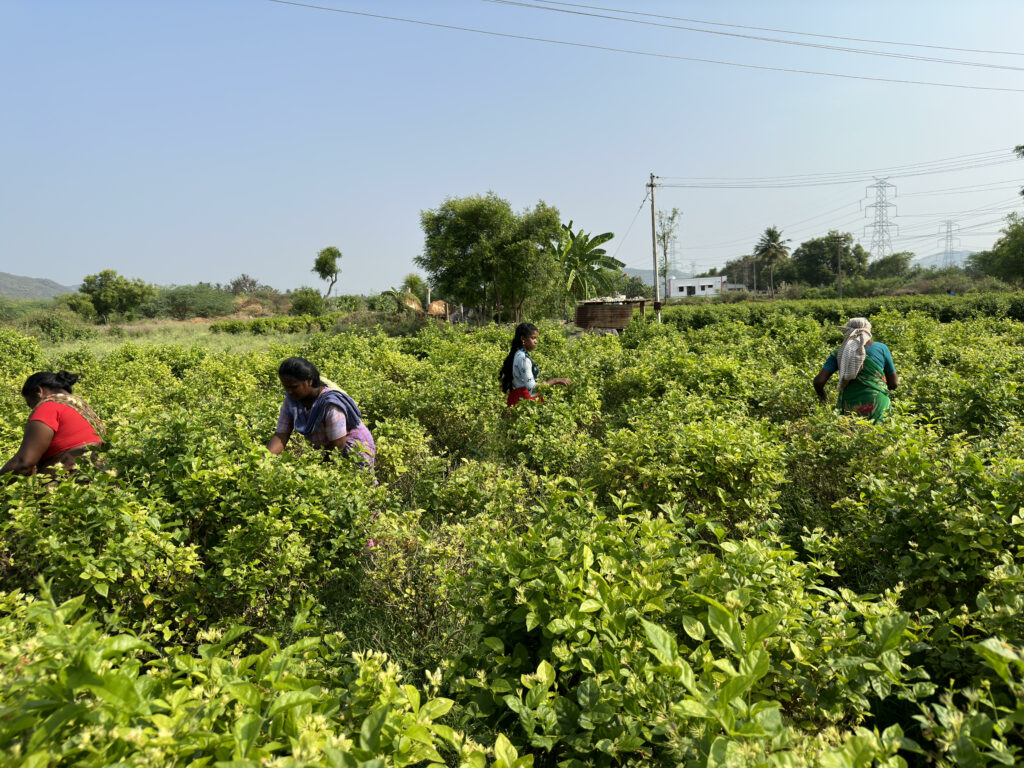
The most prized variety of jasmine, locally known as Madurai Malli, is cultivated in vast fields surrounding the city. Its intoxicating fragrance has become an iconic signature of Madurai.
The jasmine flower is deeply embedded in the city’s cultural identity—its shape appears in temple sculptures, traditional artworks, and ornamental jewellery.
The earliest references to Madurai jasmine can be found in Sangam literature, dating back to between 300 BCE and 300 CE.
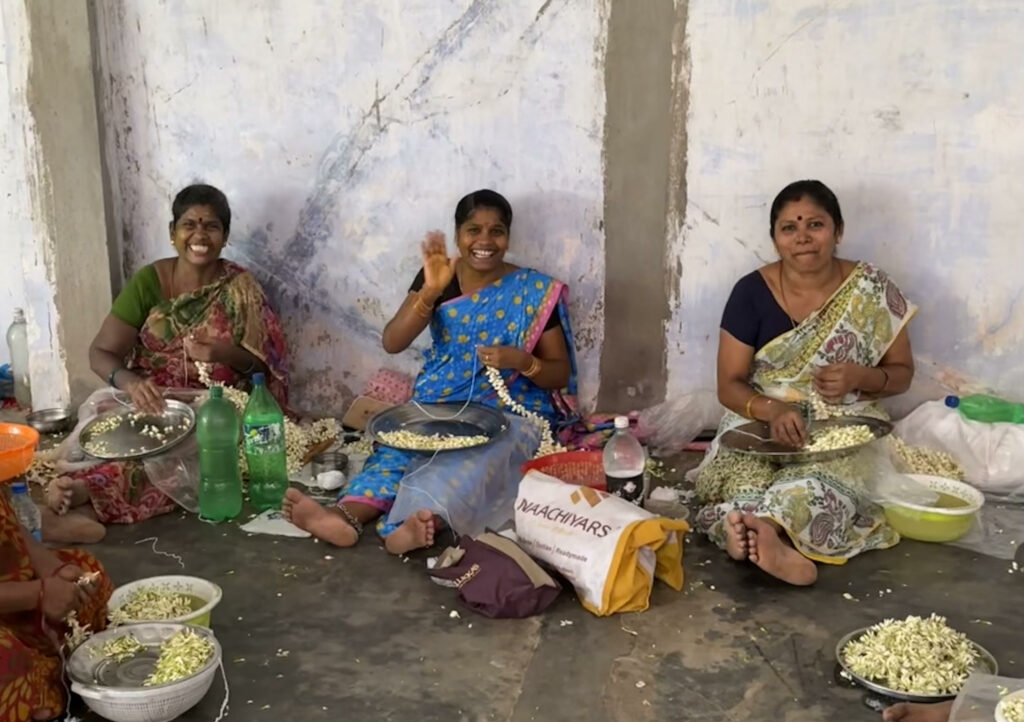
Freshly harvested jasmine buds are sold in early-morning flower markets known as “poo markets”, where growers bring their produce at dawn. These flowers are purchased while still in bud form and then woven into garlands used for prayer, decoration, and export across the world.
They are also essential to perfumery: solvent extraction produces precious concretes and absolutes, capturing the flower’s divine scent.
The term “sambac” comes from the Sanskrit campaka, referring to highly fragrant botanical species.
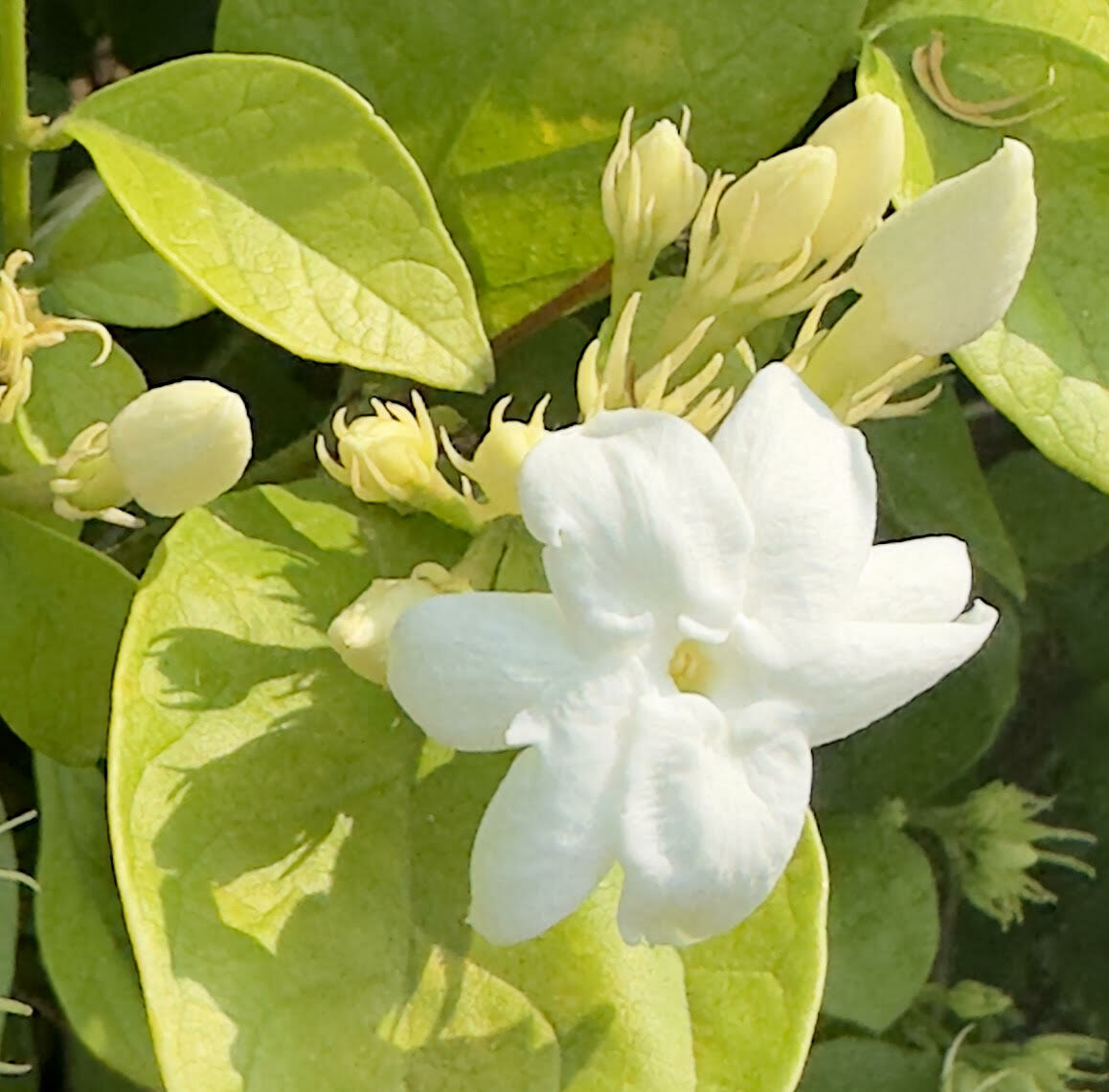
Its flowers, usually composed of 7 to 10 thick, waxy petals, release a complex scent profile. It opens with green, slightly banana-like freshness reminiscent of lily of the valley, before evolving into sunny, fruity, honeyed, and lightly animalic tones close to orange blossom.
While jasmine sambac has long been used in Indian and Middle Eastern attars, it only entered Western fine perfumery in the late 1980s.
Madurai: A Must-Visit Olfactory Destination
Madurai is an essential destination for anyone wishing to experience jasmine sambac at its source.
It is a city that must be explored through the nose. Its temples—especially the magnificent Meenakshi Temple, one of the largest Hindu temples in India—its markets, and its cuisine all offer an unforgettable sensory journey, where fragrance and spirituality merge in perfect harmony.
The Role of Perfume in India: Economic, Cultural, and Spiritual Dimensions
India’s fragrance industry is a dynamic and rapidly growing sector, representing a multi-billion-dollar market. Beyond its economic importance, perfume remains a gesture of respect, affection, and identity.
India is a true olfactory treasure, offering a journey through the richness of its culture, traditions, and natural resources. Kannauj, Mysore, and Madurai are not merely places on a map—they are the beating heart of a tradition that transcends borders and time.
Today, the future of Indian perfumery appears promising, driven by growing global demand for authentic, natural, and sustainable products. Consumers worldwide increasingly seek to understand the origin and meaning behind the fragrances they wear, turning toward scents that tell a genuine story. In this search for authenticity and depth, India offers an inexhaustible source of inspiration and precious raw materials, inviting the world to rediscover traditional perfumery in a modern context.
And if you wish to experience the magic of India at its source, you can embark on one of the olfactory journeys organized by Magali Quénet, founder of “Mon Parfum C’est Moi”. A passionate expert in raw materials, she invites participants to explore the origins of perfume with scent as the guiding thread of discovery. A truly immersive experience.
Article co-written by Elfa Jouini and Anne-Laure Hennequin