There are perfumes that cross the ages without ever losing their brilliance. Shalimar by Guerlain is one of them. A century after its creation, it continues to make us dream, to seduce and to embody a certain idea of French luxury. With its oriental swirls, its captivating sillage and its iconic bottle, it remains one of the most famous perfumes in history. Inspired by a timeless love legend, Shalimar is much more than a perfume: it is a declaration of sensuality and elegance, an olfactory work of art that defies time. As the House of Guerlain celebrates its centenary, let us plunge into the fascinating story of this perfumed masterpiece which, despite fashions and trends, remains an absolute reference.
Jacques Guerlain: The Name Behind Shalimar
In the history of perfumery, some names resonate as self-evident. Jacques Guerlain is one of them. Heir to an exceptional family know-how, he shaped the olfactory soul of the House of Guerlain with a signature recognisable among a thousand: that of a visionary aesthete, inhabited by the desire to transcend the raw material to extract pure emotion from it.
Trained in the shadow of his uncle Aimé Guerlain, he was not slow to distinguish himself through his audacity and his creative instinct. Where others content themselves with perfecting the existing, he explores, attempts, upsets conventions. He is at the origin of masterpieces that marked perfumery, from L’Heure Bleue to Mitsouko, but it is with Shalimar that he signs his stroke of genius. A vanilla of incandescent sensuality, a balance between hesperidic freshness and oriental depth: in 1925, he laid the foundations of a myth.
Jacques Guerlain is not only a talented perfumer, he is a storyteller. His creations tell stories, translate universal emotions. Shalimar, inspired by the passion between the emperor Shah Jahan and Mumtaz Mahal, does not escape this rule. More than a perfume, it becomes an invitation to travel, an echo of eternal love. Through it, Jacques Guerlain does not merely capture an era: he defies it, surpasses it and inscribes his name in eternity.
At the Origins of a Legend
Legends are often born of a simple shiver, of an instant suspended between reality and dream. Shalimar was born of a true story that became a myth. Its creation finds its roots in Mughal India in the 17th century, where love is engraved in the white marble of the Taj Mahal and blossoms in the lush gardens of Shalimar. It is the story of the devouring passion between the emperor Shah Jahan and his beloved Mumtaz Mahal. The sublime gardens of Shalimar surrounded the palace where their love blossomed. But the beauty lost her life giving birth to their fourteenth child. Inconsolable, Shah Jahan had a wonderful mausoleum built for her: the Taj Mahal.
Jacques Guerlain, captivated by this fabulous story, decided to make a perfume of it. An olfactory tribute to this eternal romance, a sillage capable of defying time.
But behind the poetry, there is chance—or genius. Legend has it that one day, in his laboratory, Jacques Guerlain added a dash of ethylvanillin, a recently synthesised molecule, to a bottle of Jicky, that revolutionary juice created by his uncle. The accord took on an unexpected depth, a burning sensuality that contrasts with the hesperidic freshness. He explores, adjusts, replaces, balances, pushing the oriental notes, modulating the hesperidics, until the alchemy operates, and the perfect balance takes shape. All that remains is to give it a name. It will be Shalimar, in reference to the gardens where the emperor and his queen loved to meet, far from the tumult of the world.
Launched in 1925 at the Exposition des Arts Décoratifs in Paris, Shalimar is not only a perfume: it is a revolution. At a time when Western perfumery remained dominated by powdery flowers and demure accords, it imposes its oriental breath, voluptuous, hypnotic. Its sillage is a promise of escape, a call to mystery. And it is thus that it enters history, not as a simple creation, but as an olfactory declaration of love, timeless and absolute.
Shalimar: Between Brilliance and Sensuality
Shalimar is not told, it is lived. It is one of those perfumes that leave an imprint, a shiver on the skin, a lingering presence in the air. Behind its mythical sillage hides an olfactory construction of absolute richness, where each raw material plays its role with an almost insolent precision.
The Initial Brilliance of an Eclipsing Bergamot
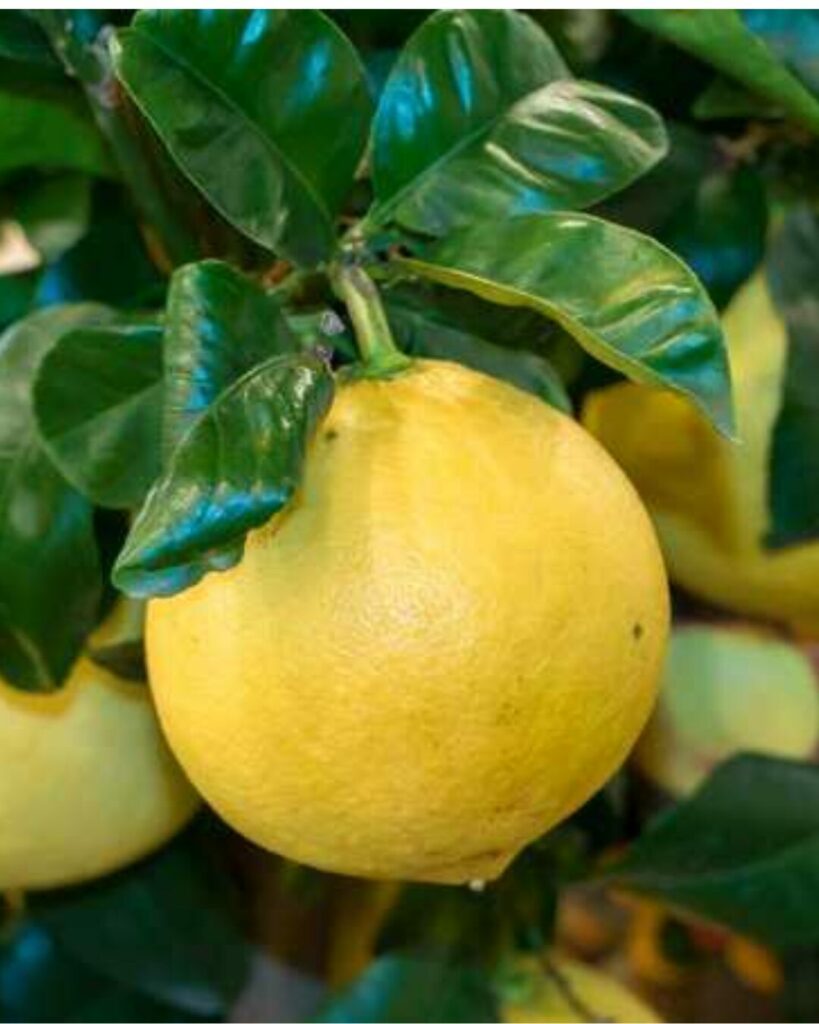
From the very first seconds, bergamot bursts forth with a sharp vivacity. It is not merely a simple touch of citrus; it illuminates the composition with a green, zesty, almost floral light. An incisive, biting start, which immediately captures attention before softening in the sweetness of the floral heart. Guerlain overdosed it, like a shard of glass crossed by the sun, and it is this mastered excess that gives Shalimar this luminous aura, this electrifying opening that precedes the total surrender to its sensual depths.
A Floral Heart Like a Veil of Silk
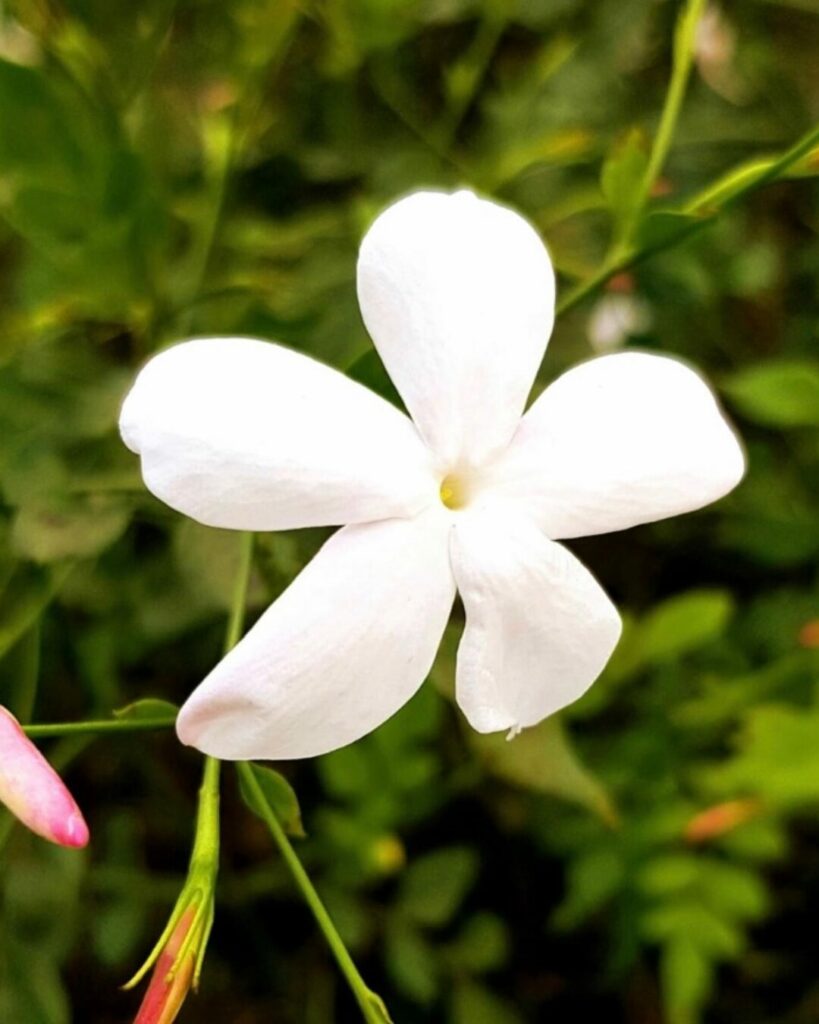
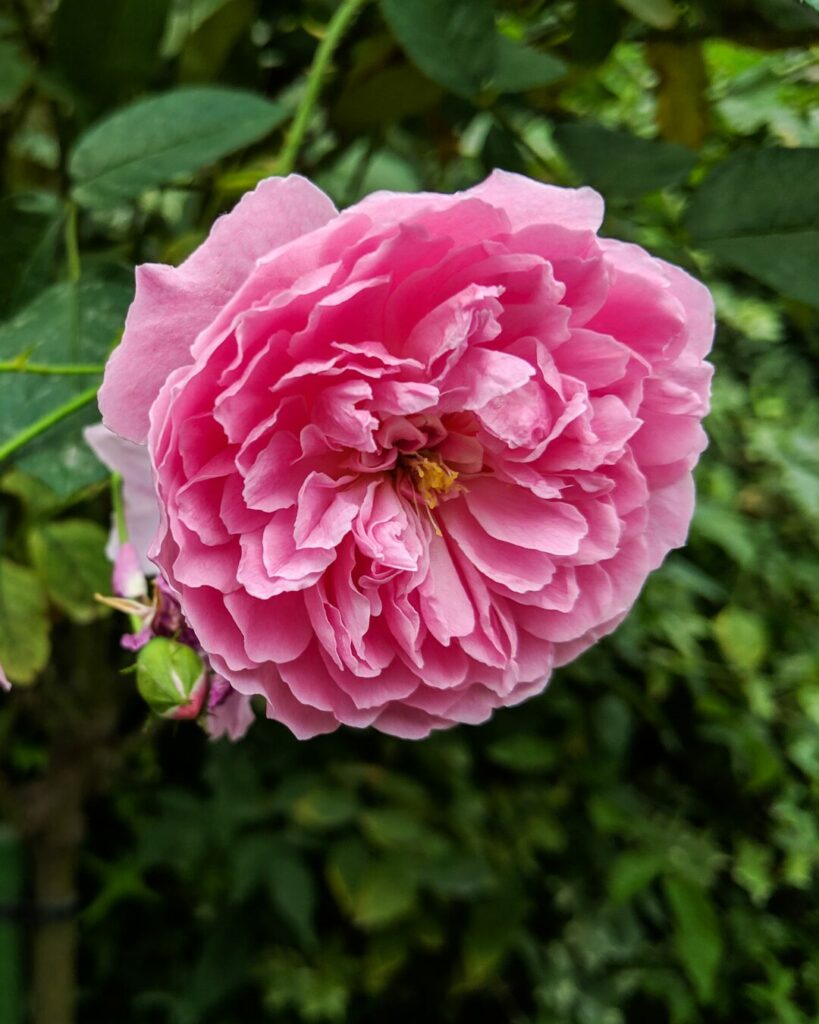
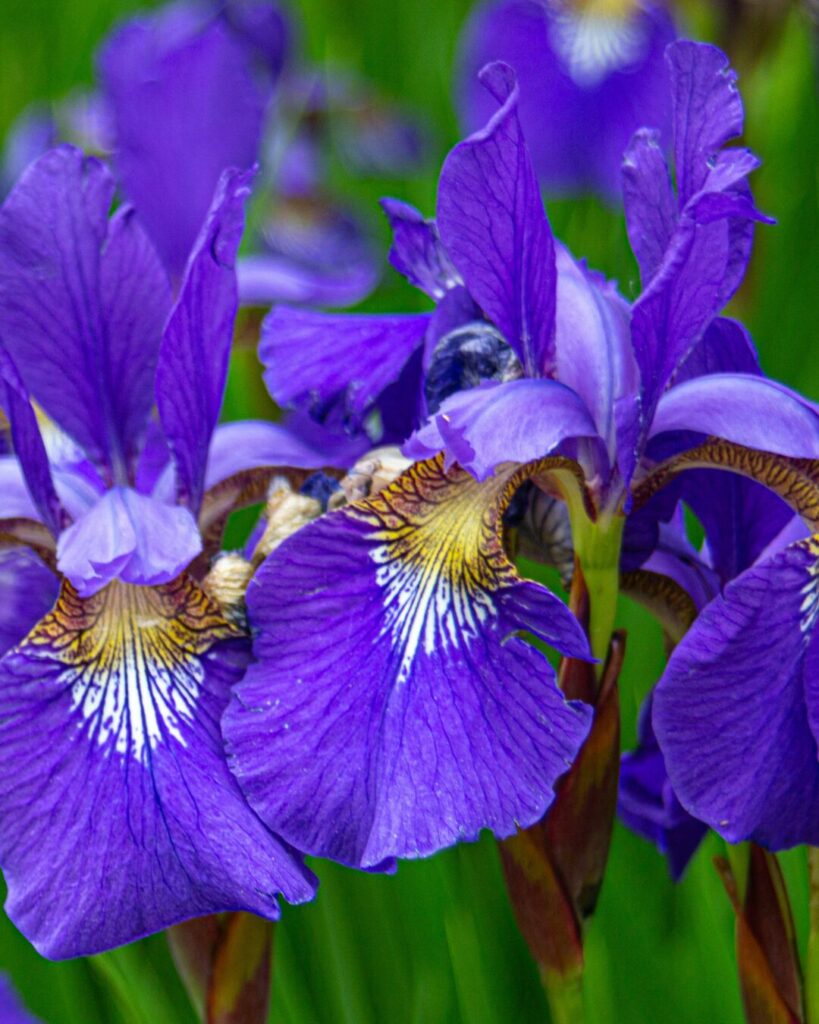
Beneath this, the heart is a subtle caress of jasmine, rose and iris. Here, no heady flowers, no floral explosion. Everything is muffled, delicately sketched, like a vaporous fabric that settles on the skin. Iris brings that powdery, almost tactile facet, which embraces the notes with an infinite softness. It is a discreet but essential heart, a passage between the light of the opening and the voluptuous shadow of the base.
The Incandescence of an Unforgettable Base
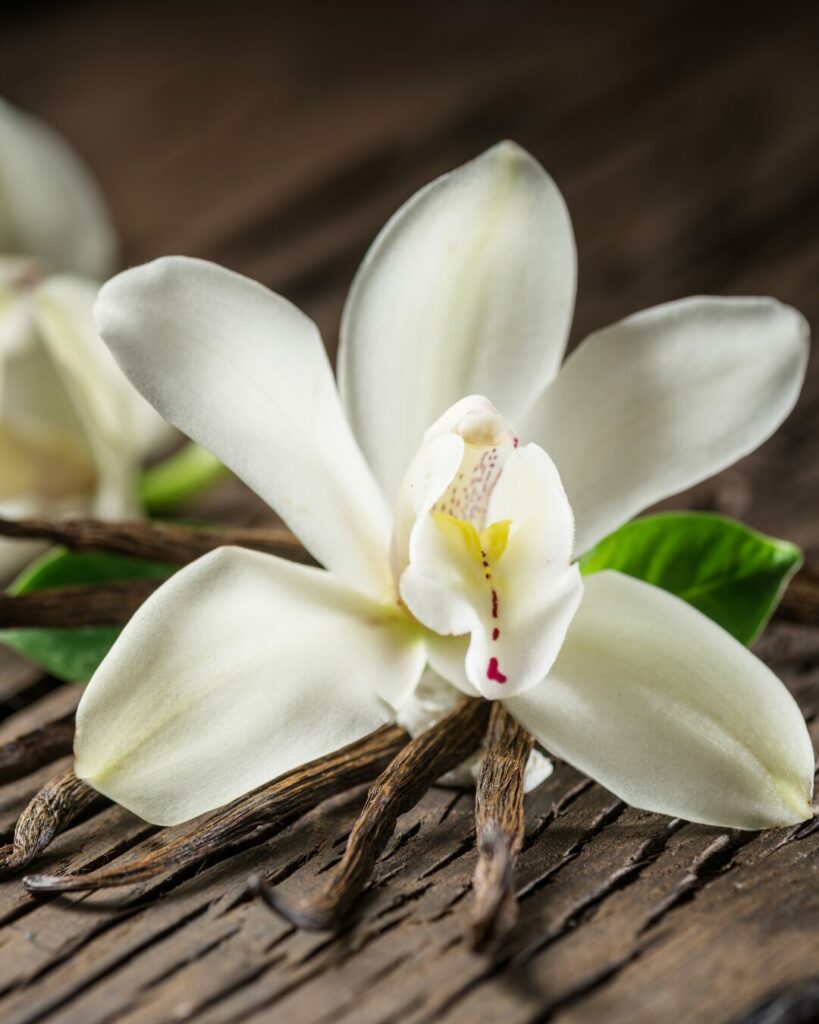
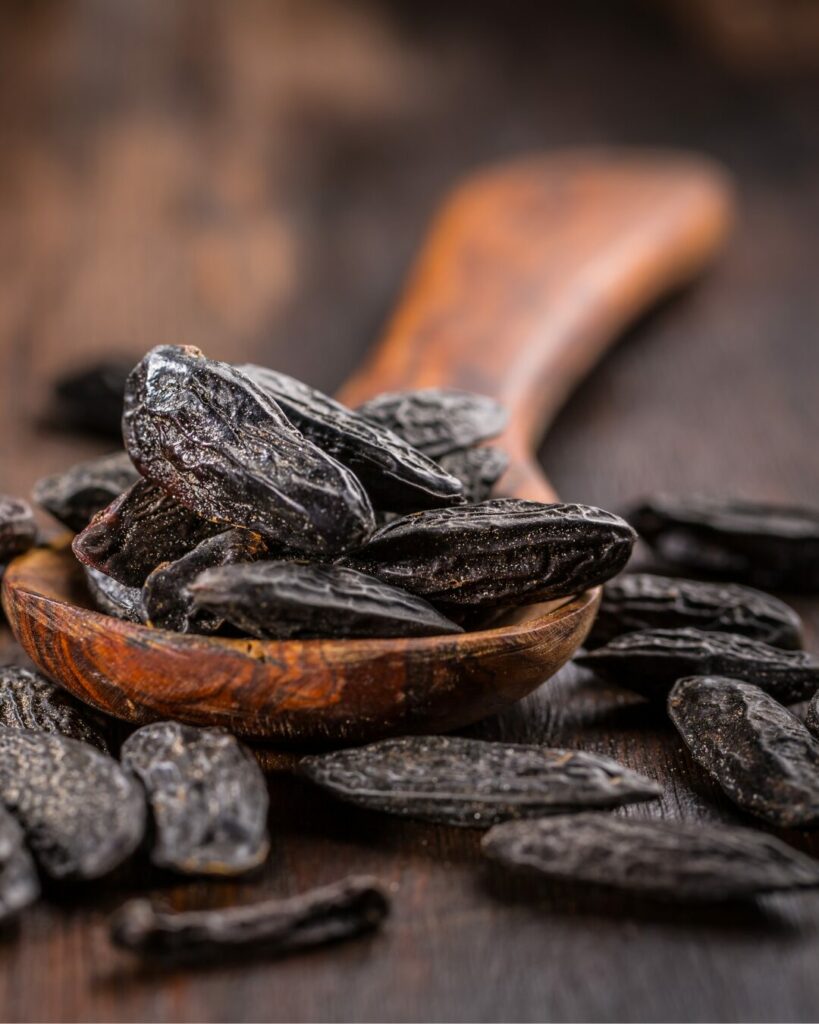
And then everything tips over. Vanilla enters the scene, creamy, captivating, of infinite richness. It is not alone: it is accompanied by tonka bean, opoponax and balsamic resins that densify it, make it deeper, more hypnotic. Here, Shalimar reveals its true face, that of a charming, enveloping perfume, burning with sensuality.
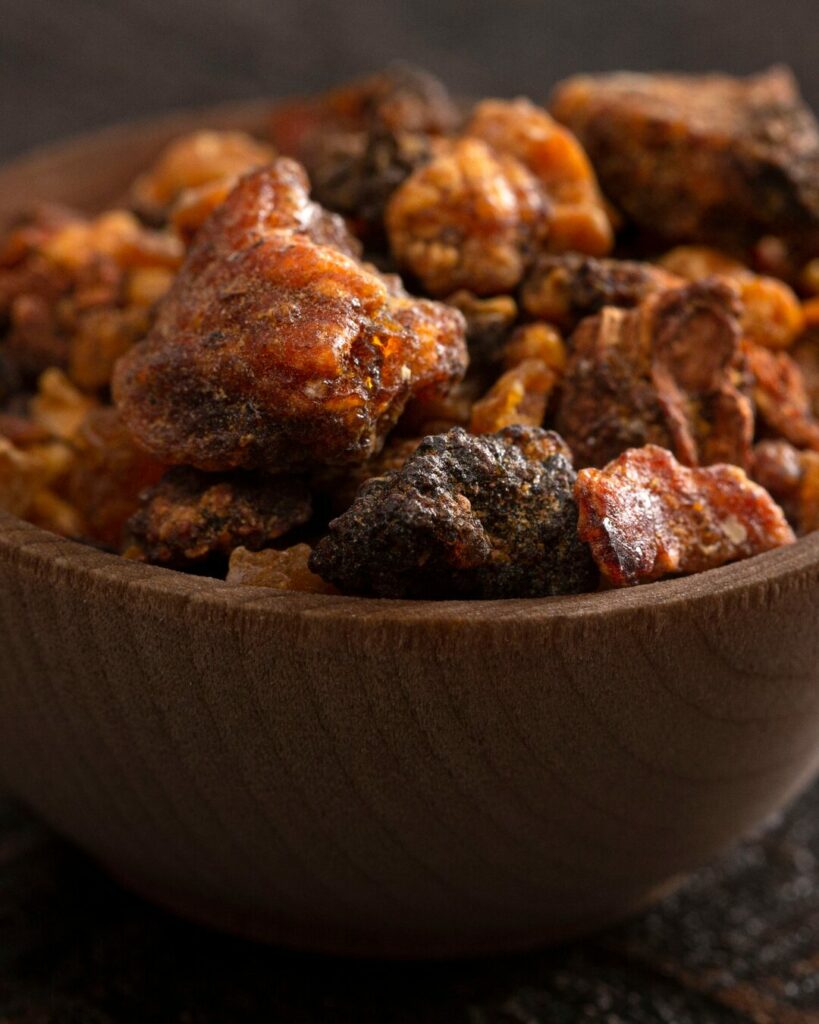
It is in these base notes that one recognises the Guerlinade, that signature particular to the House of Guerlain. Vanilla, bergamot, iris and tonka bean weave an invisible link between Shalimar and the other masterpieces of the house. But here, this accord takes on an almost carnal dimension. Shalimar is not a demure perfume, it is a declaration, a sillage that imprints itself, a breath that bewitches.
Some find it too powerful, others can no longer do without it. It does not seek to be consensual. It seduces, it disturbs, it imposes its law. A century after its birth, it continues to bewitch those who cross its sillage. Because Shalimar is not only a perfume. It is an imprint.
Shalimar: A Timeless Perfume Despite Trends
The world changes, fashions pass, generations succeed one another… and yet, Shalimar is still there. Some will say it is thanks to its heritage, others will speak of its iconic bottle. But the truth is that Shalimar does not merely exist: it imposes its presence.
What makes it timeless is that it does not seek to please at all costs. It does not adapt, it does not reinvent itself to fit the trends. It is what it is—a whole, assumed perfume, which has never yielded to compromises. It is precisely this intransigence that makes it so precious. It still seduces because it never needed to seduce: it imposes itself, with a natural elegance, without artifice.
The young generations adopt it, fascinated by its unique character, while those who have worn it all their lives continue to find themselves in it. It crosses the ages with an insolent ease, because it belongs to none of them. It is apart, out of time. Untouchable.
Its Influence and Its Legacy in Modern Perfumery
One does not create a perfume like Shalimar without leaving an indelible imprint. It is the first to have dared this overdose of vanilla notes, this olfactory shock between the acidity of citrus and the sensuality of oriental notes. Without Shalimar, perfumery would not be what it is today.
Its sillage opened a breach, inspiring generations of perfumers to explore more adventurous olfactory territories. It paved the way for the great oriental fragrances, influencing creations such as Opium by Yves Saint Laurent, Obsession by Calvin Klein, or L’Heure Bleue, its own soul-brother at Guerlain.
Shalimar did not only mark history, it became a norm, a base on which others build. But none has dethroned it. Because Shalimar is not a perfume among others. It is an icon.
Shalimar, the Timeless Sovereign
Some perfumes are born and fade, others mark history. Shalimar is one of those rare elixirs that defy time, imposing their sillage with an almost mystical presence. A hundred years after its creation, it remains an absolute reference, an olfactory myth. Its secret? It never transformed itself to seduce: it imposed itself. Faithful to itself, whole, indomitable, it does not seek to please, it fascinates. One loves it or finds it too audacious, but one cannot ignore it. It is a signature, an imprint, a perfume that shapes a presence far more than it accompanies it.
Passed down from generation to generation, Shalimar does not belong to an era, but to a personality. To wear it is to embrace a legend, to walk in history without ever blending into the background. Shalimar does not merely exist. It reigns.
Its Emblematic Bottle
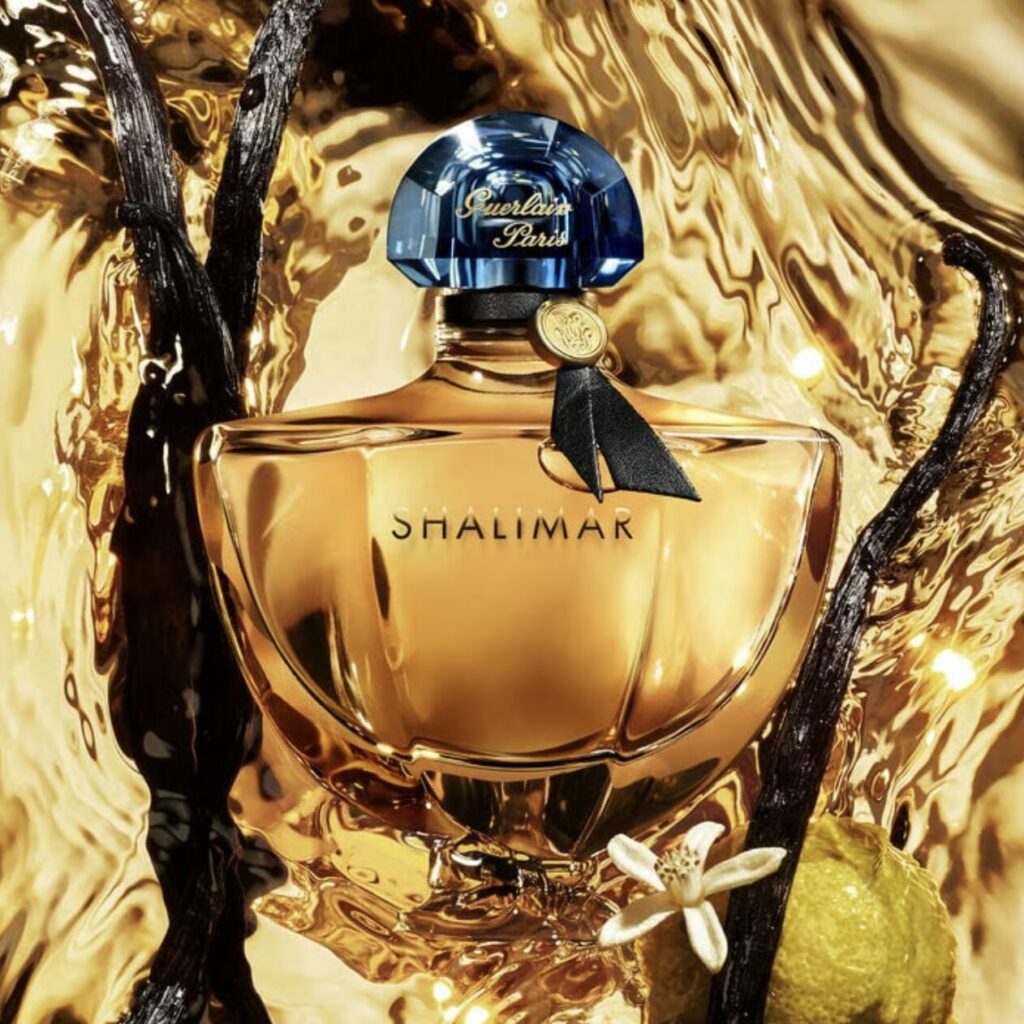
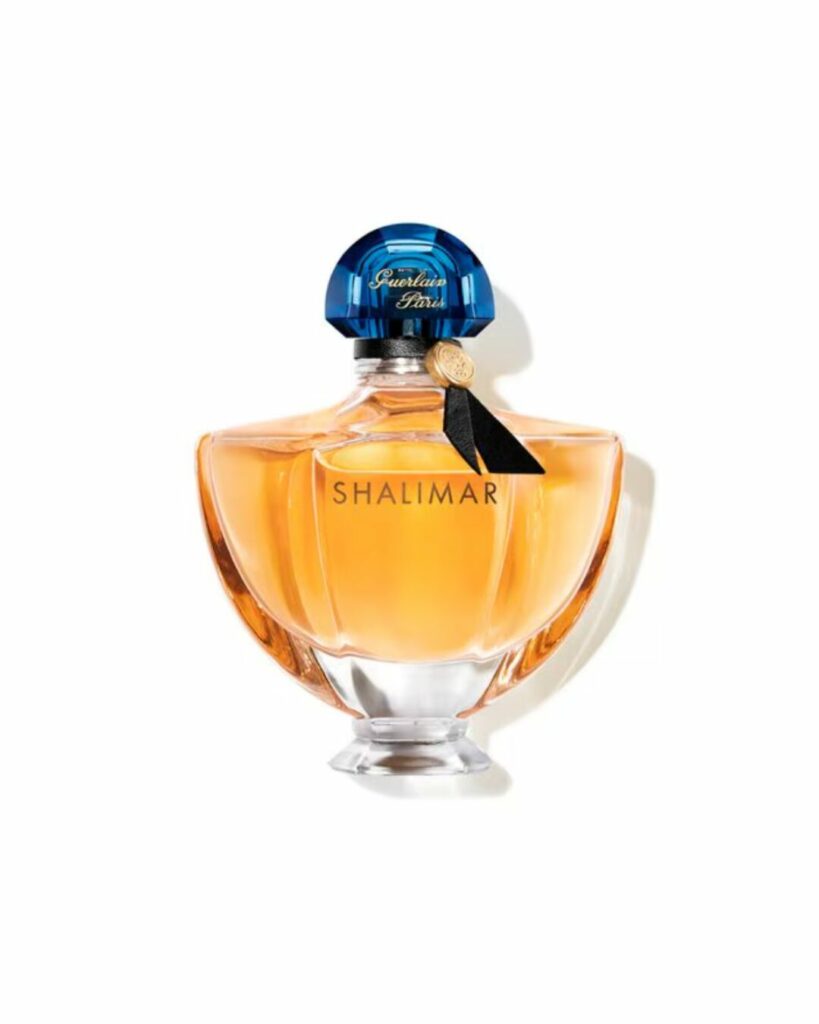
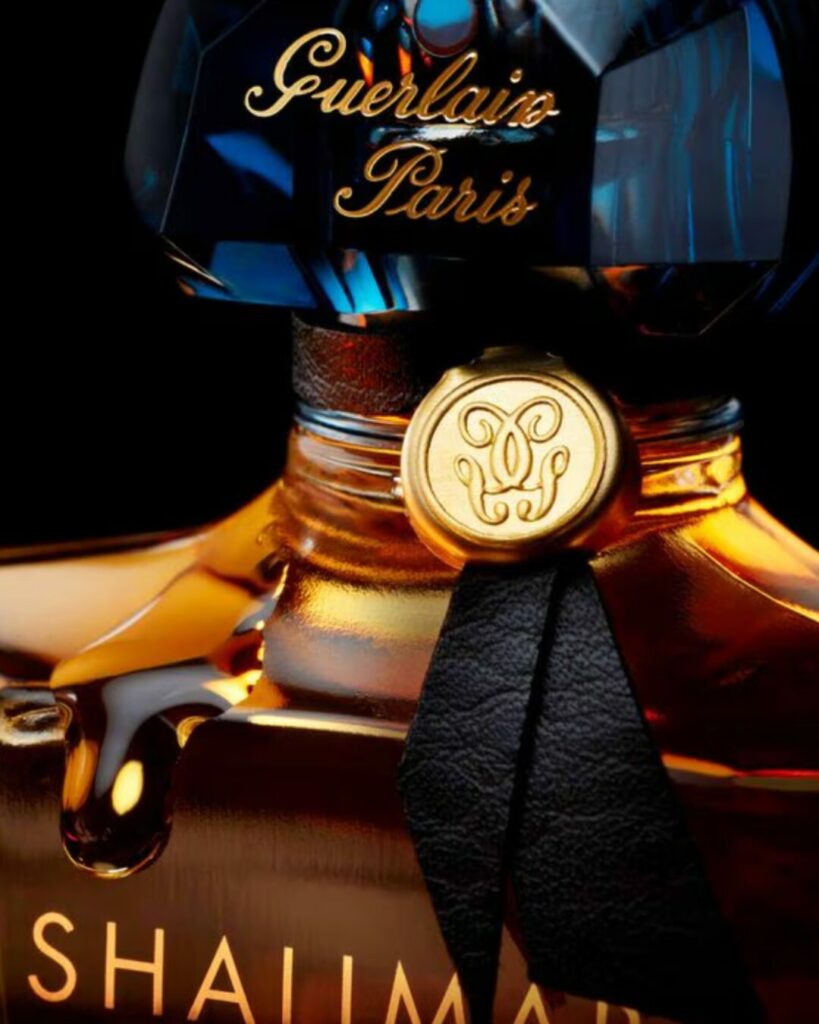
Its case, designed by Raymond Guerlain, draws inspiration from the basins of the Shalimar gardens, with a blue fan-shaped cabochon, the first coloured cabochon in perfumery, a technical feat by Baccarat. This bold design won first prize at the Exposition des Arts Décoratifs of 1925.
100 Years: The Initiatives Set Up by Guerlain for the Occasion
To celebrate Shalimar’s centenary, Guerlain launched several special initiatives. The house unveiled a limited edition adorned with Swarovski crystals, paying tribute to the elegance and refinement of the perfume. Moreover, Guerlain organised exhibitions retracing the history of Shalimar, allowing perfume lovers to discover or rediscover this icon in a new light.
In a century of existence, Shalimar has established itself as a pillar of world perfumery. A symbol of passion, luxury and timelessness, it continues to seduce and inspire, proving that some creations transcend time and fashions.
Dance is a language of the body. But this language, even before being seen or heard, is smelled. Each style of dance, each practice, each stage has its own olfactory world: the leather of flamenco boots, the dry wood of a ballet studio, the rhythmic sweat of a hip-hop battle, the incense diffused in oriental dances or the wafts of body oils in African dances.
The smell of dance is an organic, living blend. It speaks of the body at work, the materials rubbing together, the repeated gestures, the stage warming up, the intensity of the moment. Some perfume houses have drawn inspiration from it to create iconic perfumes, as one would compose a choreography: in layers, in tension, in freedom.
Materials and Their Scents: Dance in Its Raw State
Before being sublimated on stage, dance begins in a concrete, physical, textured space. It is a place of work, of effort, of repetition. And like any living space, it has a smell. Dance, whatever its form, rests on a direct sensory relationship to the material: that of the floor, the shoes, the body in movement, the fabrics rubbing together. These elements form a raw, organic olfactory landscape, often ignored, but of astonishing richness.
The Wood, the Floor, the Walls
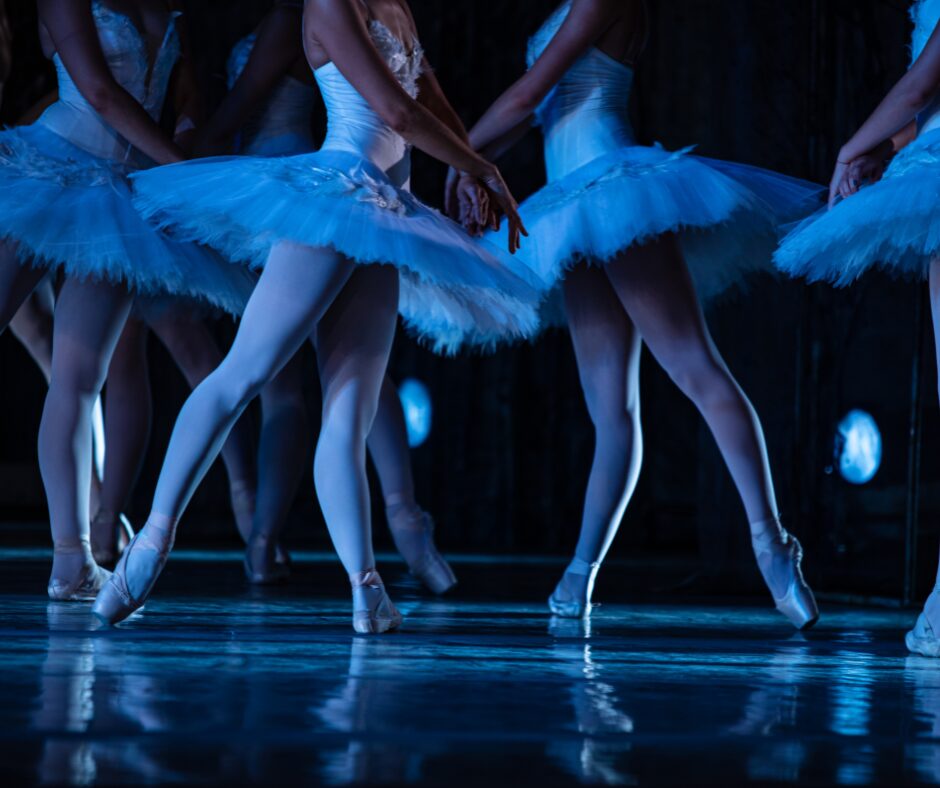
It is the dancer’s first partner. It absorbs the falls, supports the leaps, resonates under the strikes. In classical or contemporary dance studios, it is often light wood, sometimes patinated by the years, and exhales a dry, powdery, slightly resinous smell, impregnated with rosin—a pine resin used to promote the grip of the shoes. In the morning, when the space is still empty, one perceives whiffs of wax, dust, old glue.
In gymnasiums or urban dance studios, the heated linoleum, the worn plastic, and sometimes even the metallic scent of the air conditioning compose a whole other world: colder, more technical, but just as evocative. Outside, on the asphalt, it is the warm concrete or the wet stone that take over, with their raw minerality, sometimes tinged with pollution or crushed grass.
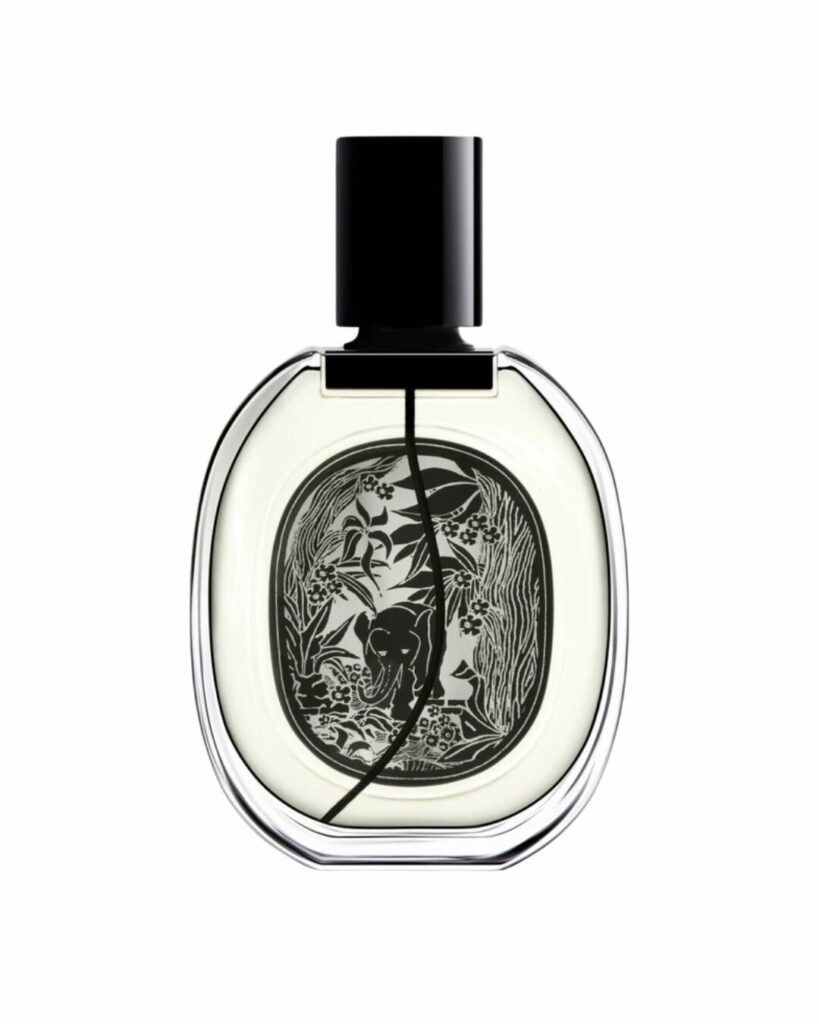
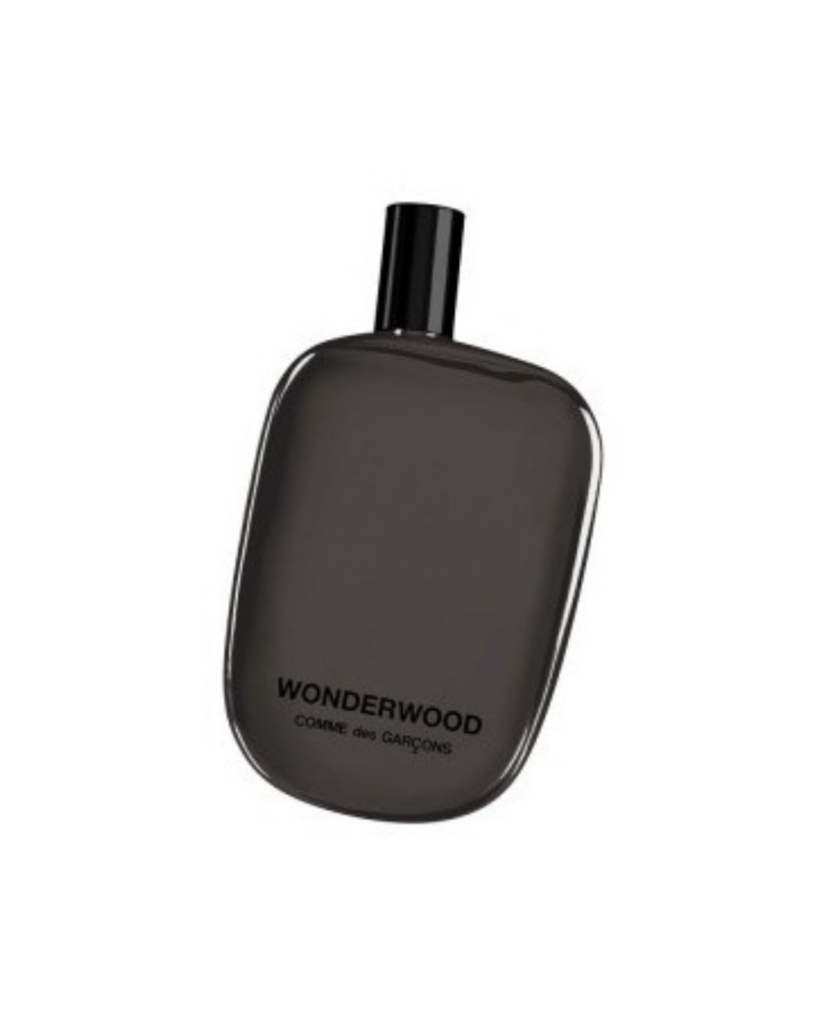
These impressions find an echo in certain woody, dry or mineral perfumes, such as Tam Dao (Diptyque), which recalls a soothed, milky sandalwood, or Wonderwood (Comme des Garçons), with its many woody, dusty and textured facets, almost grainy on the skin.
The Shoes: Leather, Fabric, Rubber
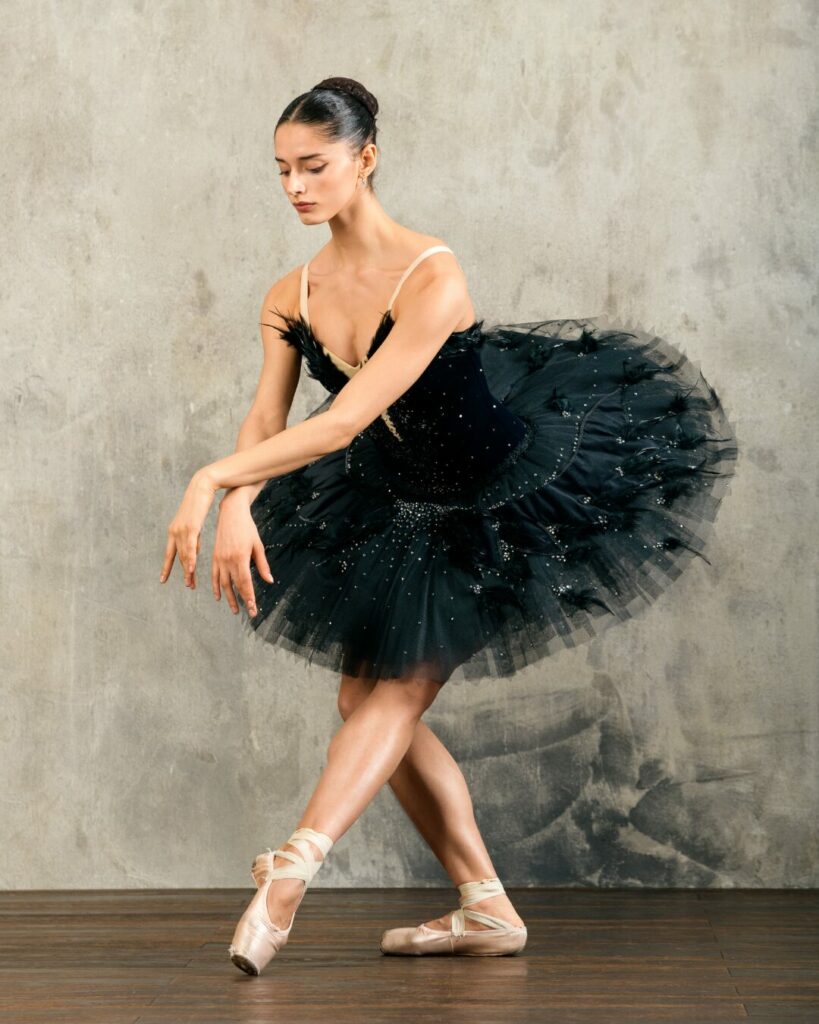
To each dance, its shoes. In the wings of the ballet, the satin pointe shoes and the soft-leather demi-pointes carry a soft, worked smell, a blend of animal material and resin. In flamenco, the studded boots smell of dry, tanned leather, heated by the heel strikes. In urban dance, the sneakers worn by the asphalt give off gummier, dustier notes, sometimes mingled with the smell of the street itself.
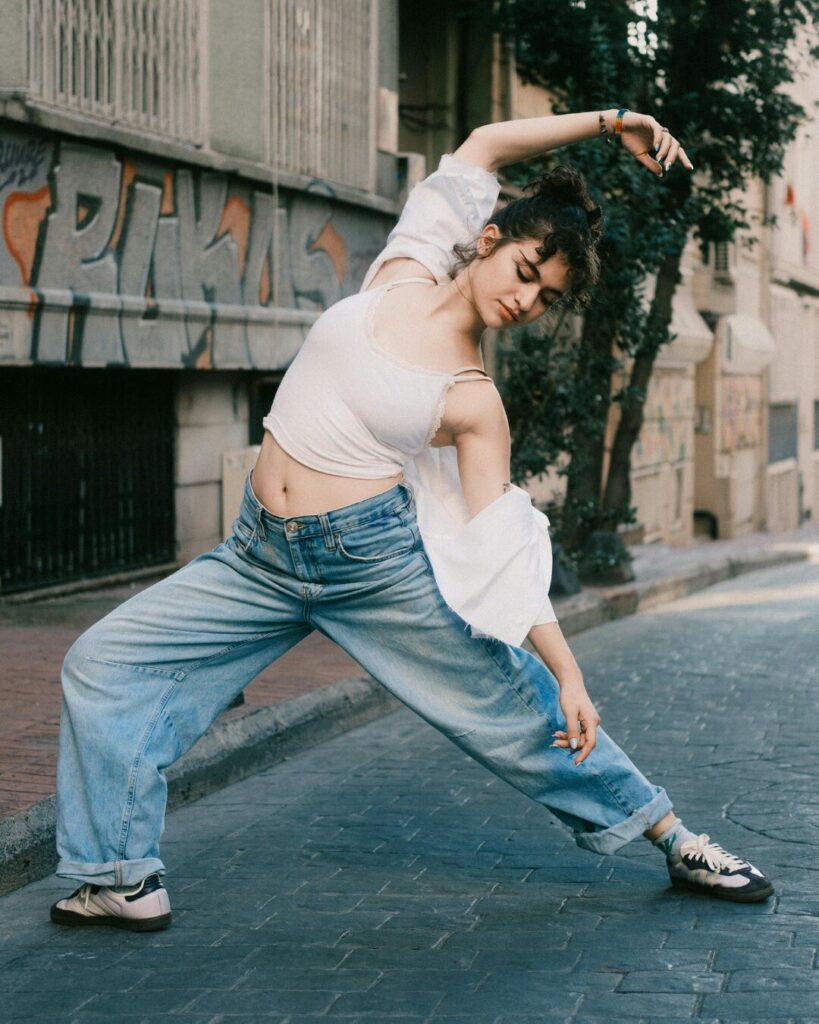
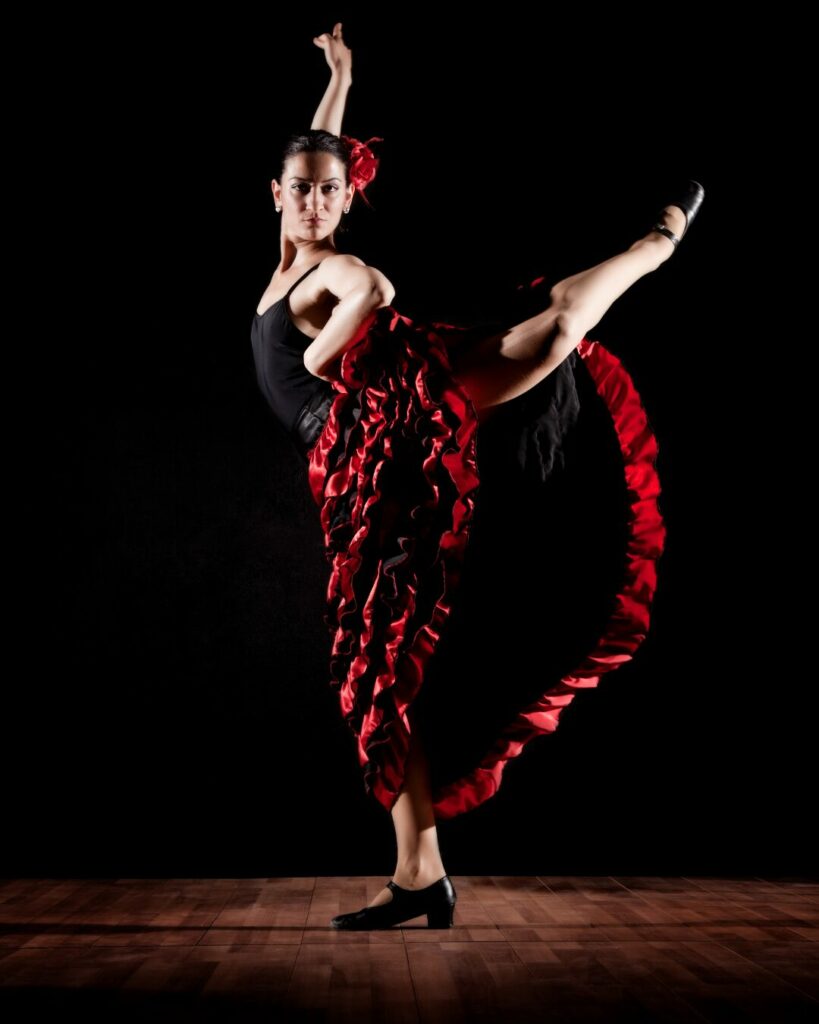
Oriental or African dances, often practised barefoot, bring the skin into direct contact with the floor or the mats, which retain bodily wafts, of vegetable oils, or of beaten earth. Here, the smell comes from the exchange between the body and the material.
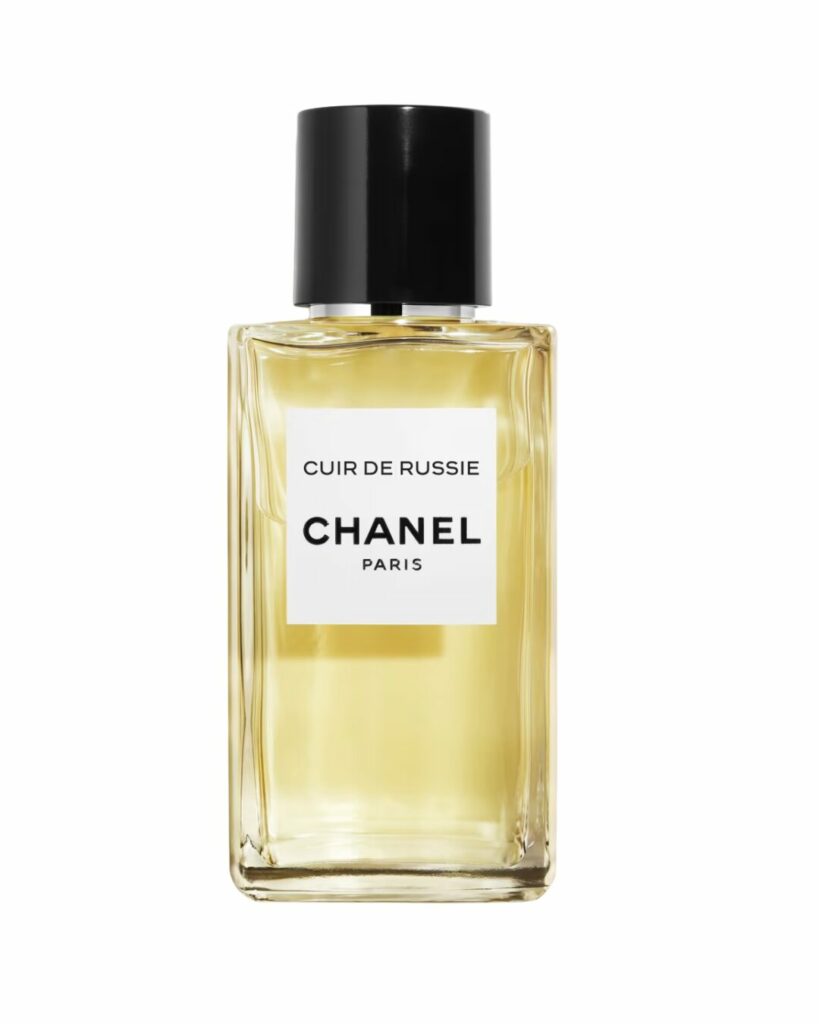
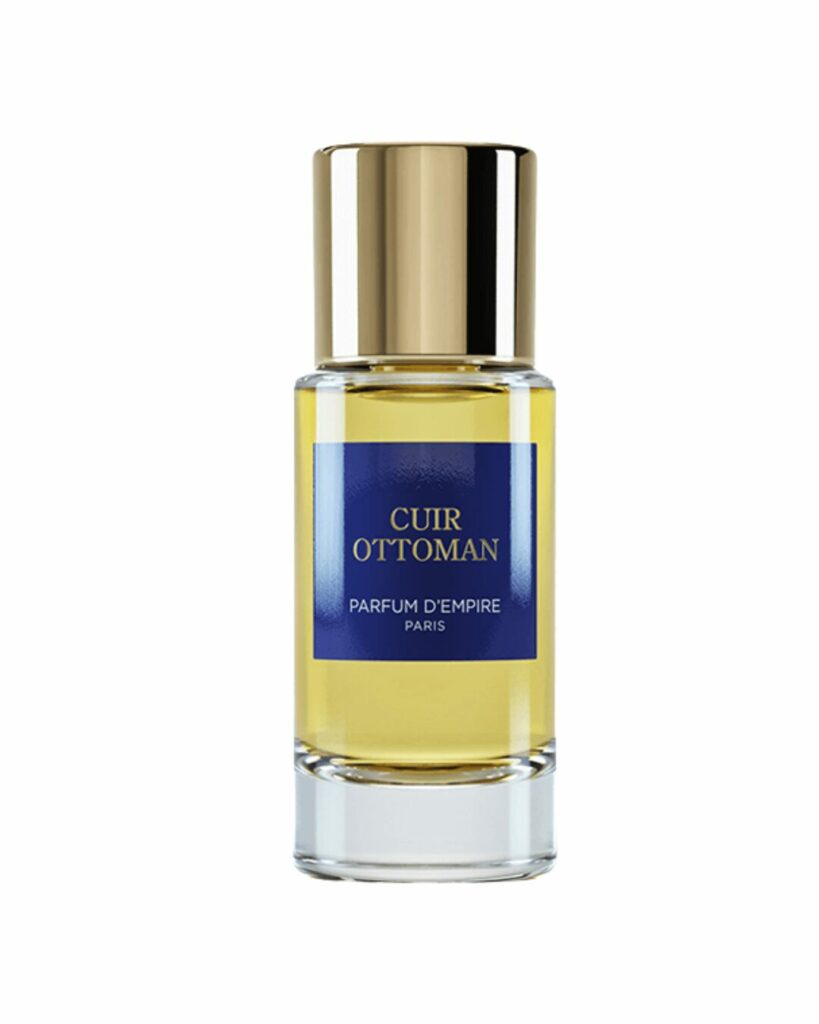
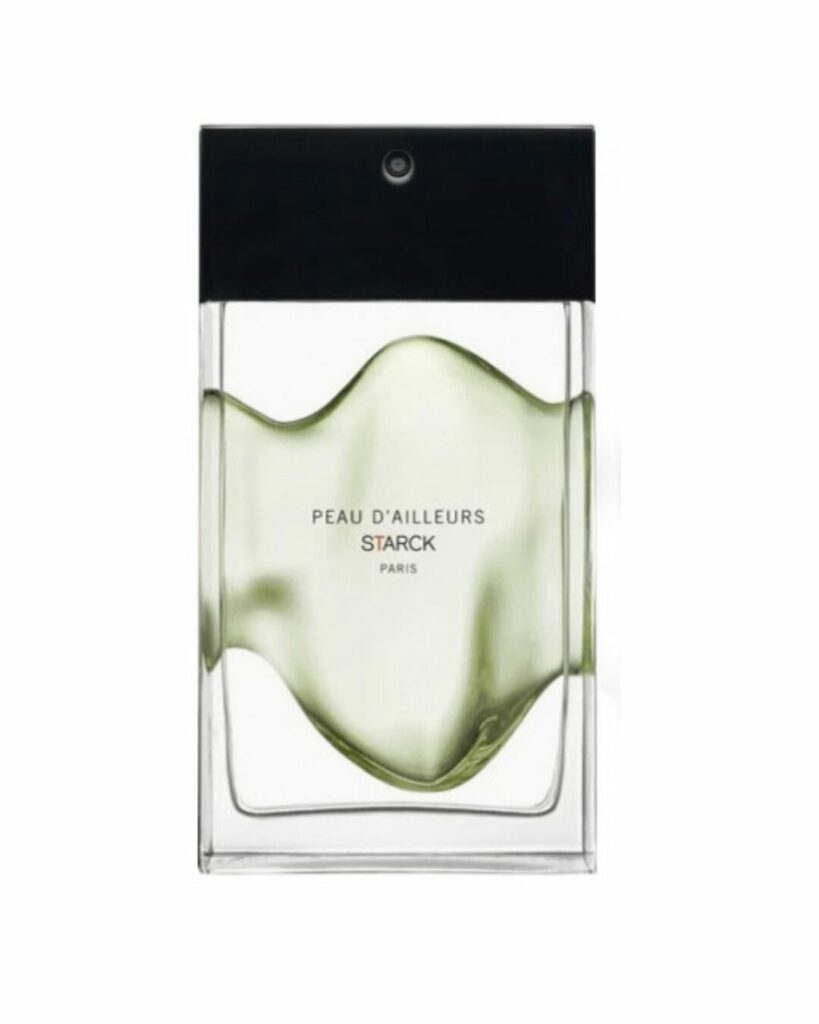
These sensations are found in leathery, sensual perfumes, such as Cuir de Russie (Chanel), with its smoky, floral leather, Cuir Ottoman (Parfum d’Empire), with its powerful balmy sensuality, or Peau d’Ailleurs (Starck), an abstract, shifting perfume that evokes a living, indefinable material.
The Body and Its Skin
Dance is a setting of the body in motion, but also a setting in smell. The dancer’s sweat is not raw; it is contained, repeated, stylised. It mingles with the smell of the skin, of the fabric, of the oils used before or after the effort.
In African or oriental dances, argan, coconut or shea oils impregnate the skin with a nourishing, solar, almost milky sillage. In contemporary or urban dance, the blend of perspiration, technical textiles and body heat gives rise to a clean, musky, intimate smell. The tiaré of the Monoï oil that impregnates the skin of Tahitian tamure dancers diffuses to the rhythm of the percussion.
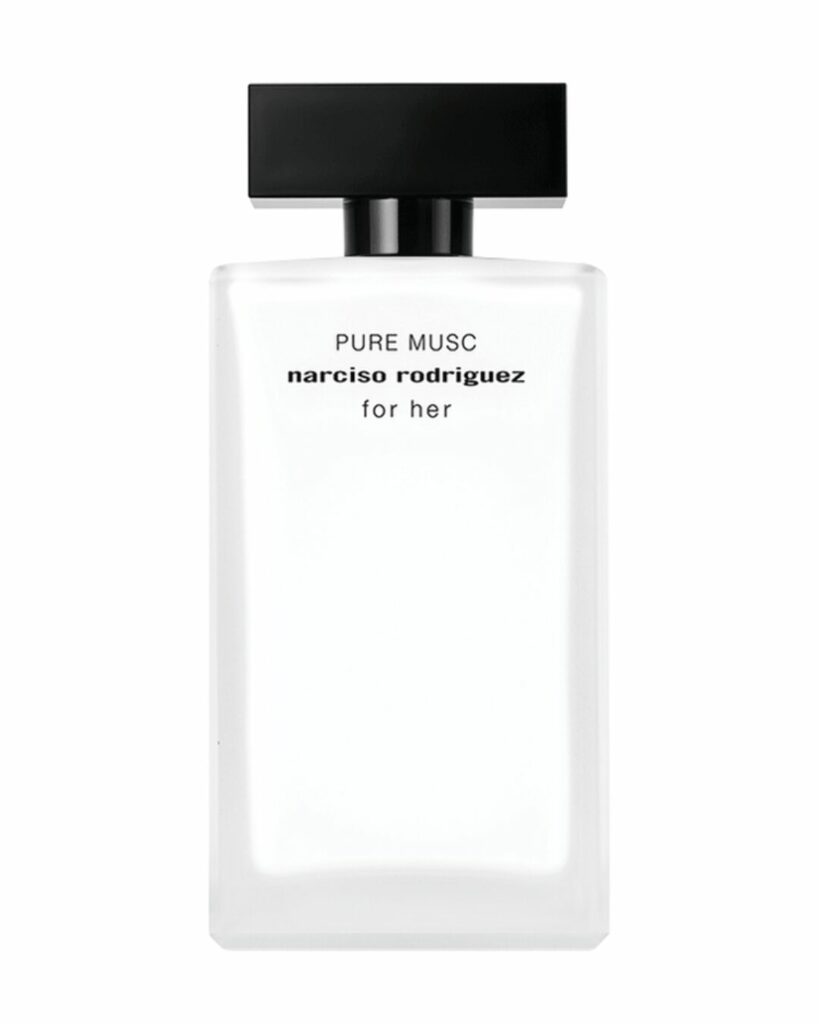
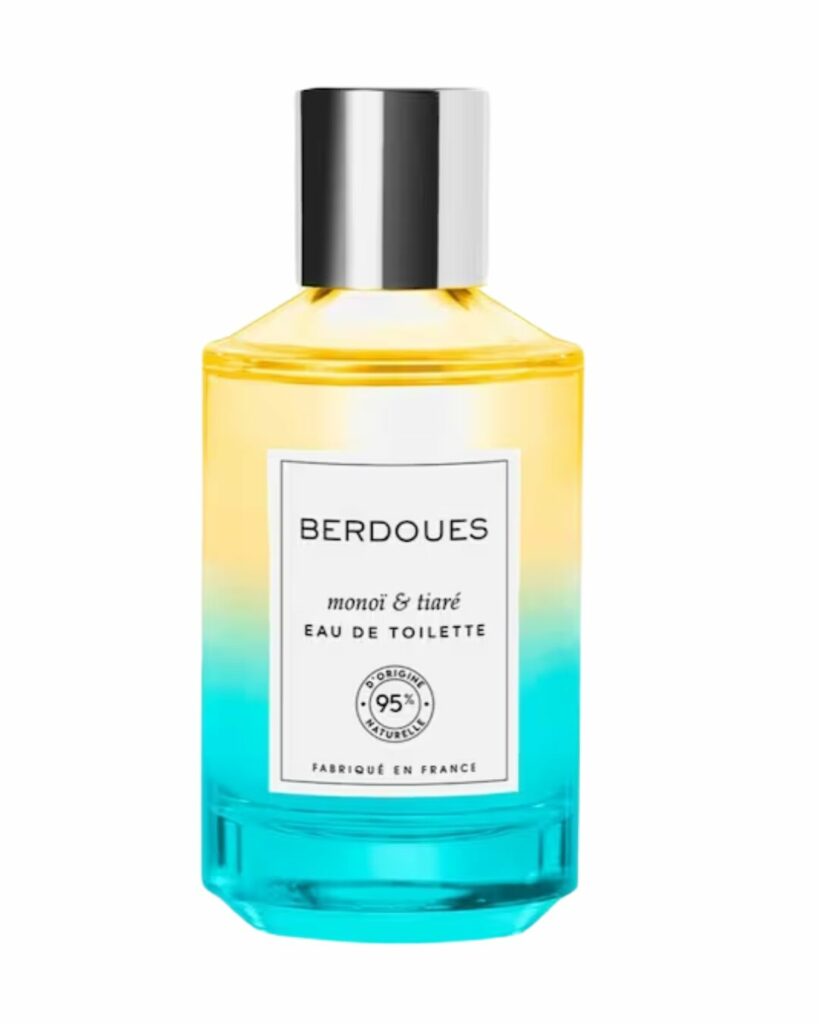
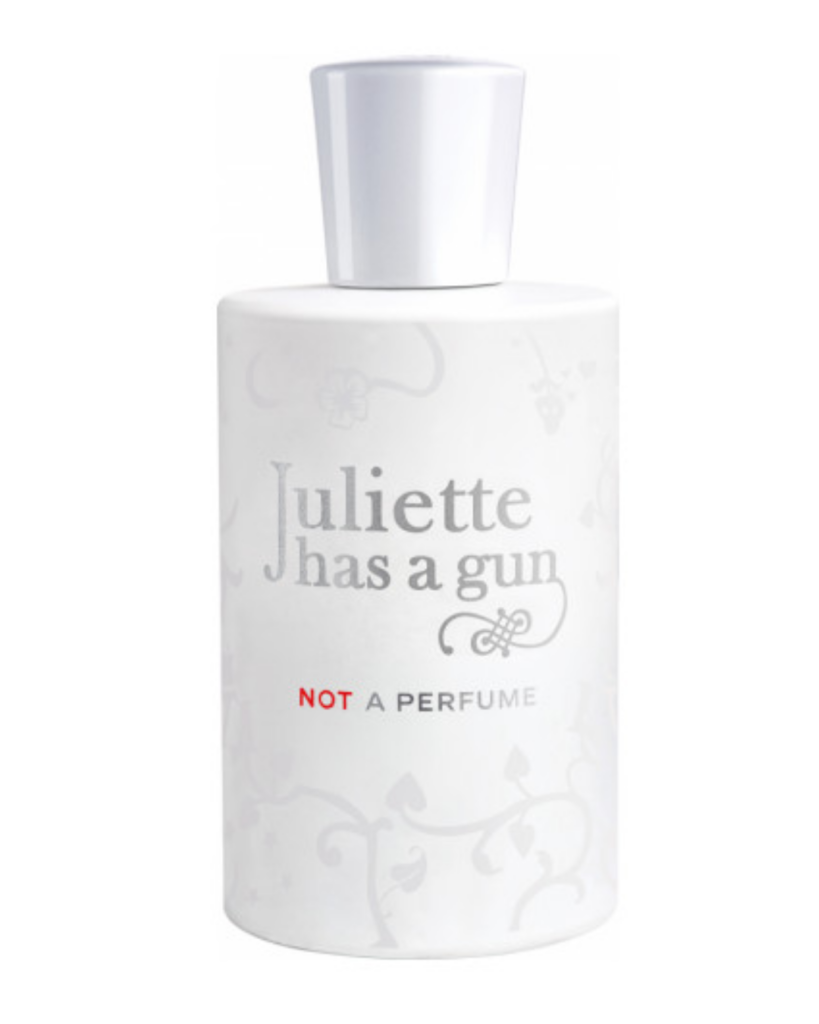
Certain perfumes render this discreet sensuality with accuracy: Dans Tes Bras (Frédéric Malle), with its wood-musk-violet accord that speaks of warm skin; Pure Musc (Narciso Rodriguez), of a disturbing purity; or Not a Perfume (Juliette Has a Gun), based on a single musky molecule, close to skin and human warmth. Monoï et Tiaré (Berdoues) plunges us into the warmth of a Tahitian show.
The Textile, the Costumes, the Stage
Dance is also the rustle of a fabric, the weight of a costume, the tension of a leotard on the skin. Textile materials—tulle, lycra, cotton, silk—absorb and transform smells. Stage costumes, often reused, retain traces of hairspray, powder, greasy make-up, but also of stage dust and warm light.
It is an enveloping, powdery, slightly vintage smell, which immediately summons the imagery of the show. It is the dressing rooms, the lit mirrors, the last-minute touch-ups.
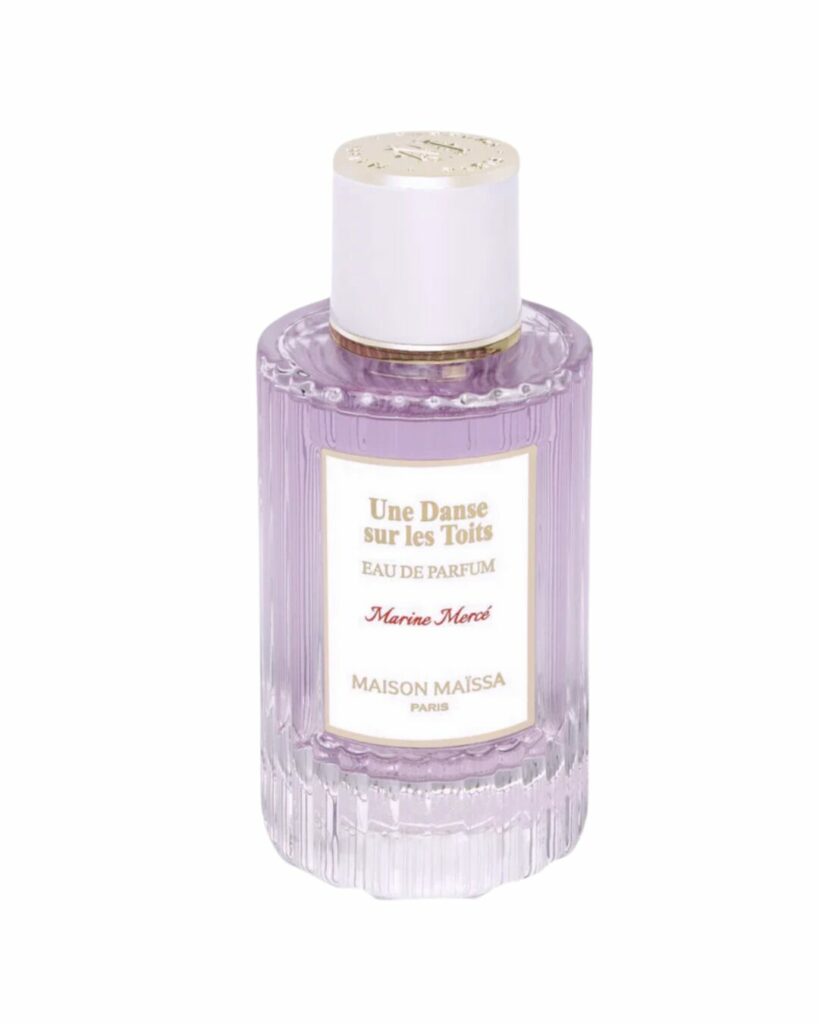
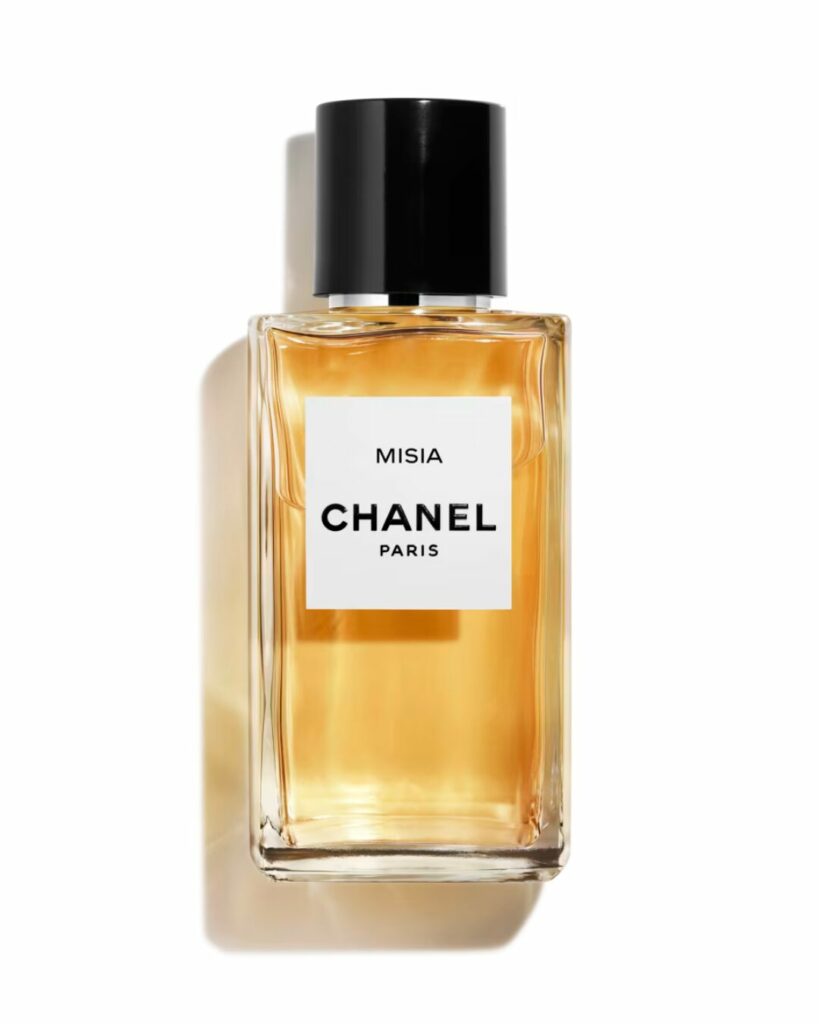
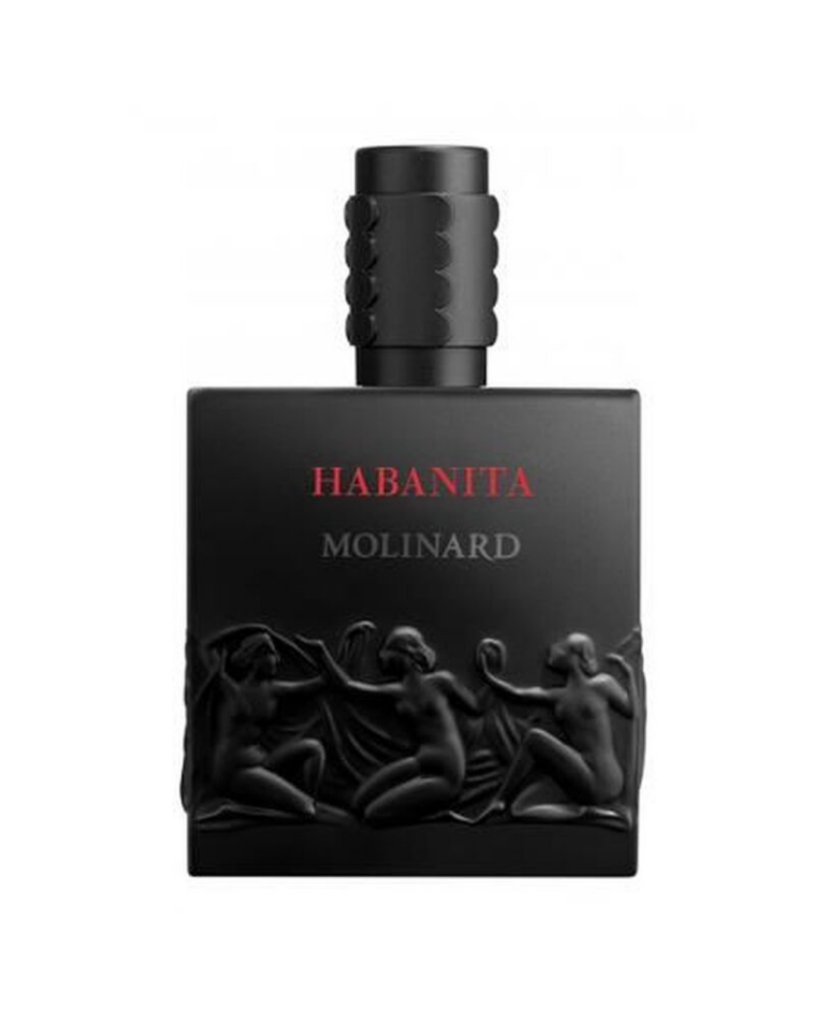
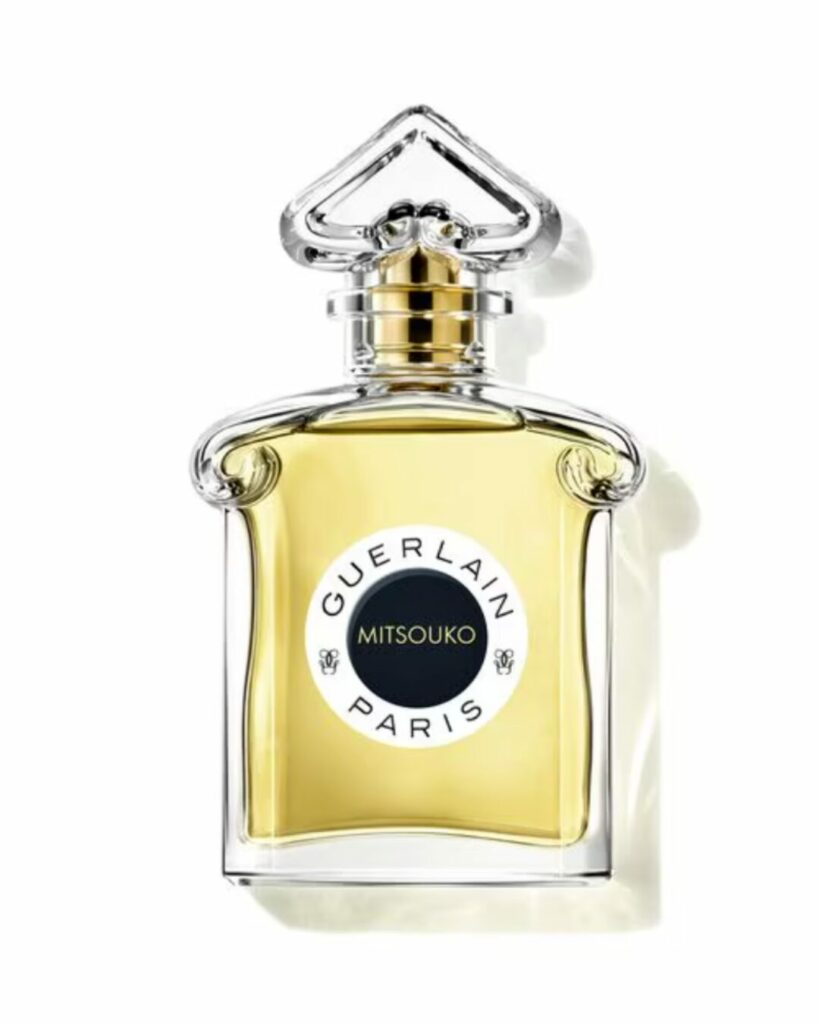
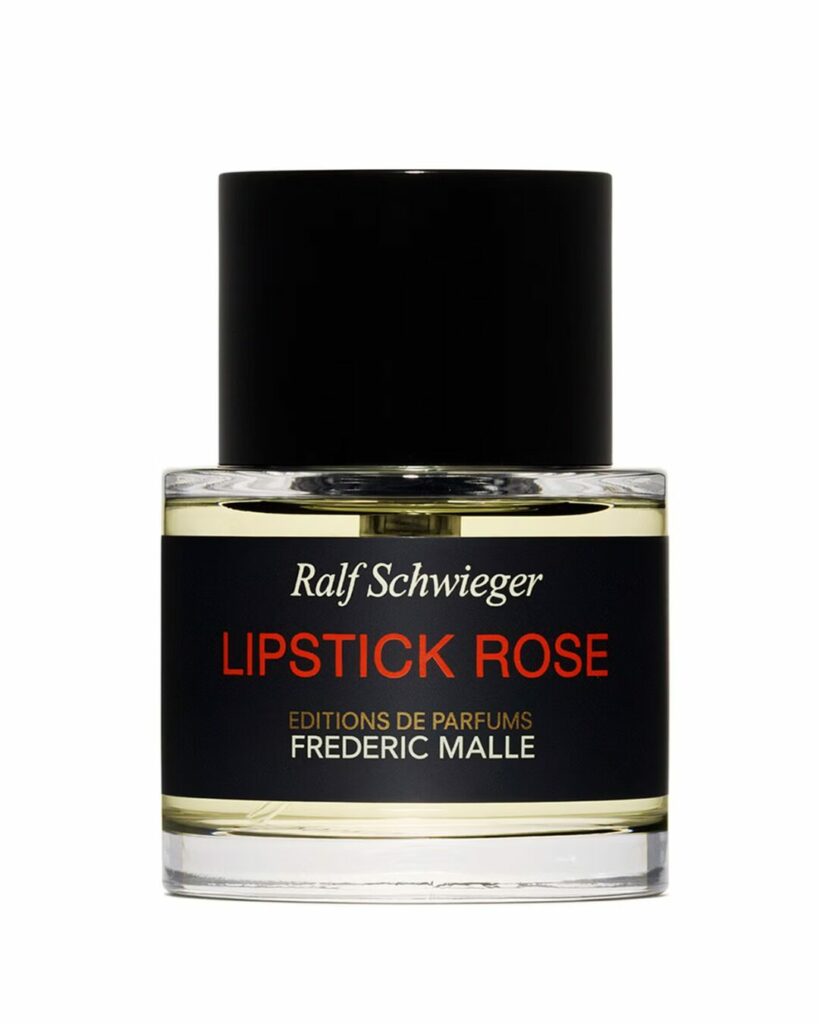
The perfumes that render this atmosphere are many: Lipstick Rose (Frédéric Malle), a direct tribute to lipstick and rice powder; Mitsouko (Guerlain), a deep, velvety chypre; Habanita (Molinard), with its powdery, leathery base; Misia (Chanel), which invites us into the dressing rooms of the opera; or Une Danse sur les Toits (Maison Maïssa), which captures the powdery elegance of a clean, floral textile.
Perfumes Inspired by Dance
Some perfumes do not seek to illustrate a specific material or smell, but to render a sensation, a movement, an inner rhythm. Like an abstract choreography, they do not tell a linear story, but unfold a sensory thread, between surges, pauses and tensions.
When Perfume Becomes Movement
Dance is told here not as a fixed scene, but as a dynamic, a kinetic emotion. We can then speak of choreographic perfumes: they rise, suspend, fall back. They turn around the skin like a partner around an axis.
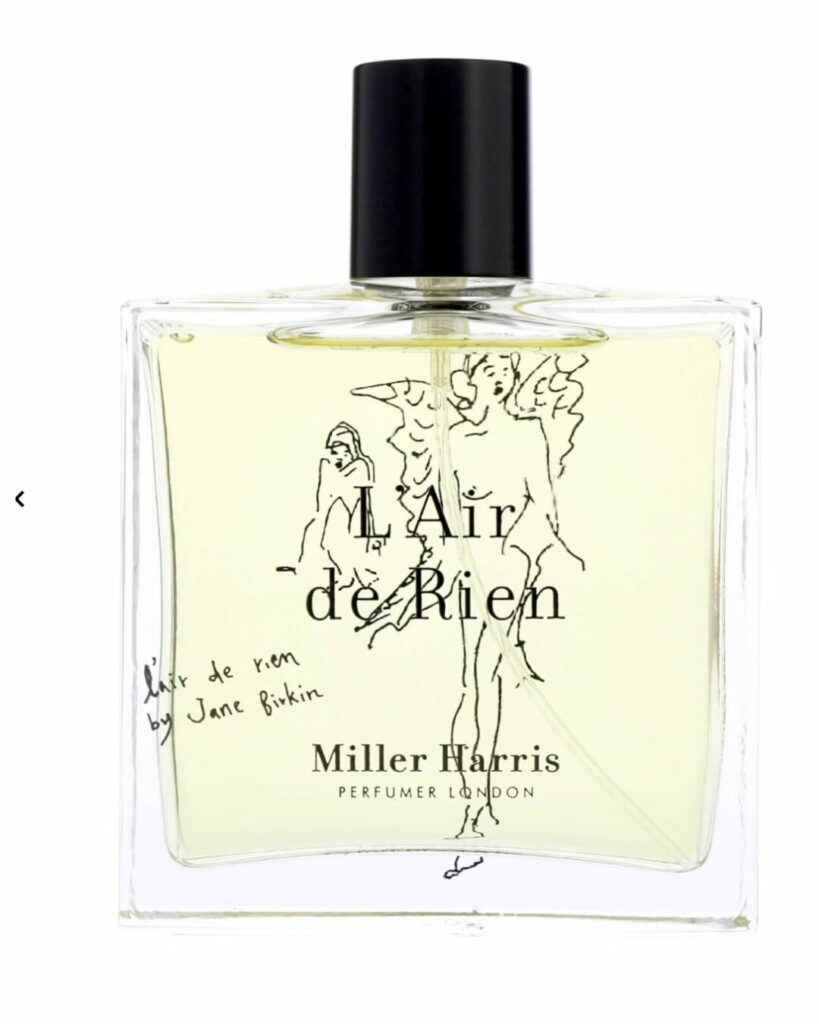
- L’Air de Rien (Miller Harris), created for Jane Birkin, offers a sensation of supple intimacy, almost careless but controlled, like a fluid gesture one does not watch, but feels.
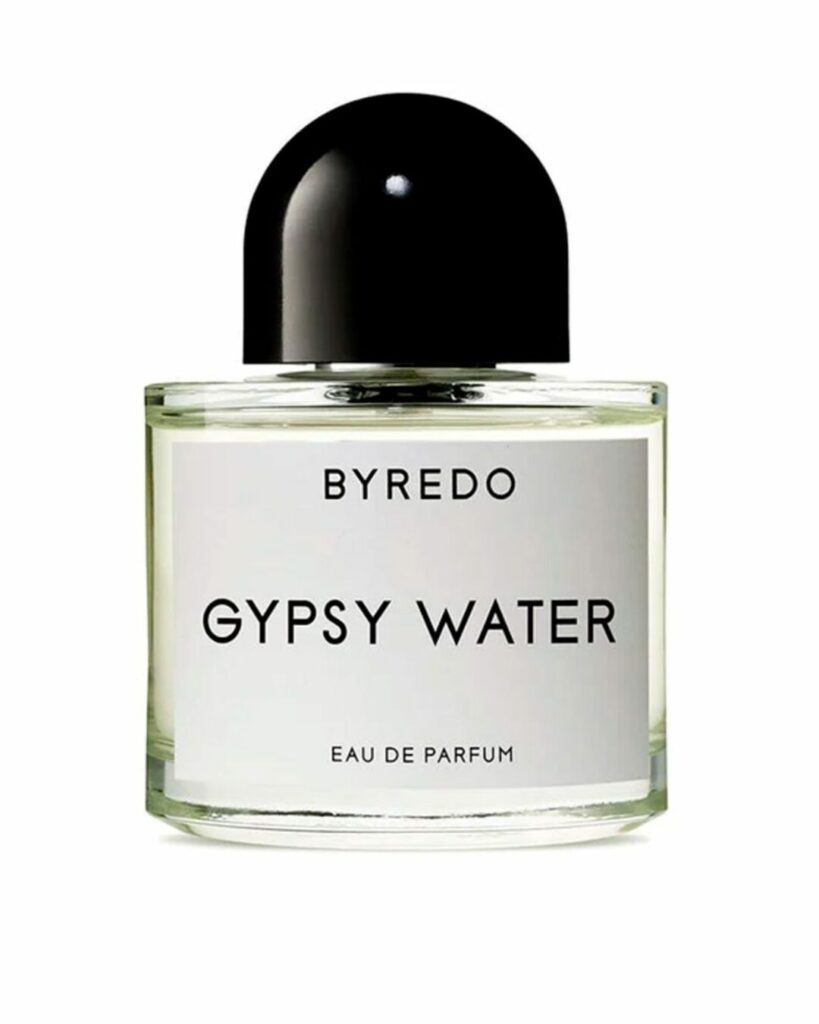
- Gypsy Water (Byredo) blends incense, vanilla and light woods in a light, free composition, which recalls the idea of a nomadic dance, outdoors, close to nature.
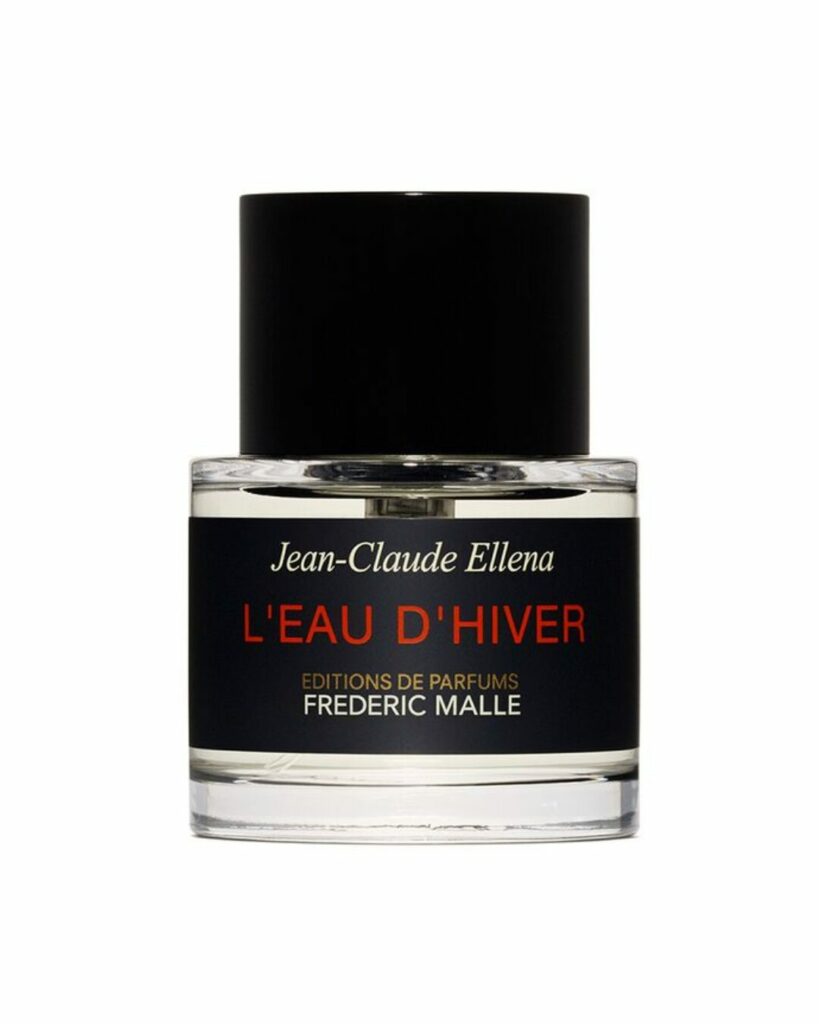
- L’Eau d’Hiver (Jean-Claude Ellena for Frédéric Malle) embodies a luminous, almost floating slowness. This skin perfume speaks of the silence of movement, of the softness of a gliding step. These perfumes do not say “I dance,” but “I let myself be crossed by a movement.” They render the space between the gestures, the unformulated intentions, the fragile balance between control and letting go.
Styles, Sillages
Because each dance has its gestures, its energy, its bodily and cultural grounding, each style can be associated with a particular olfactory register. These correspondences are not fixed, but they allow us to better sense—in the literal sense—the invisible texture of movement.

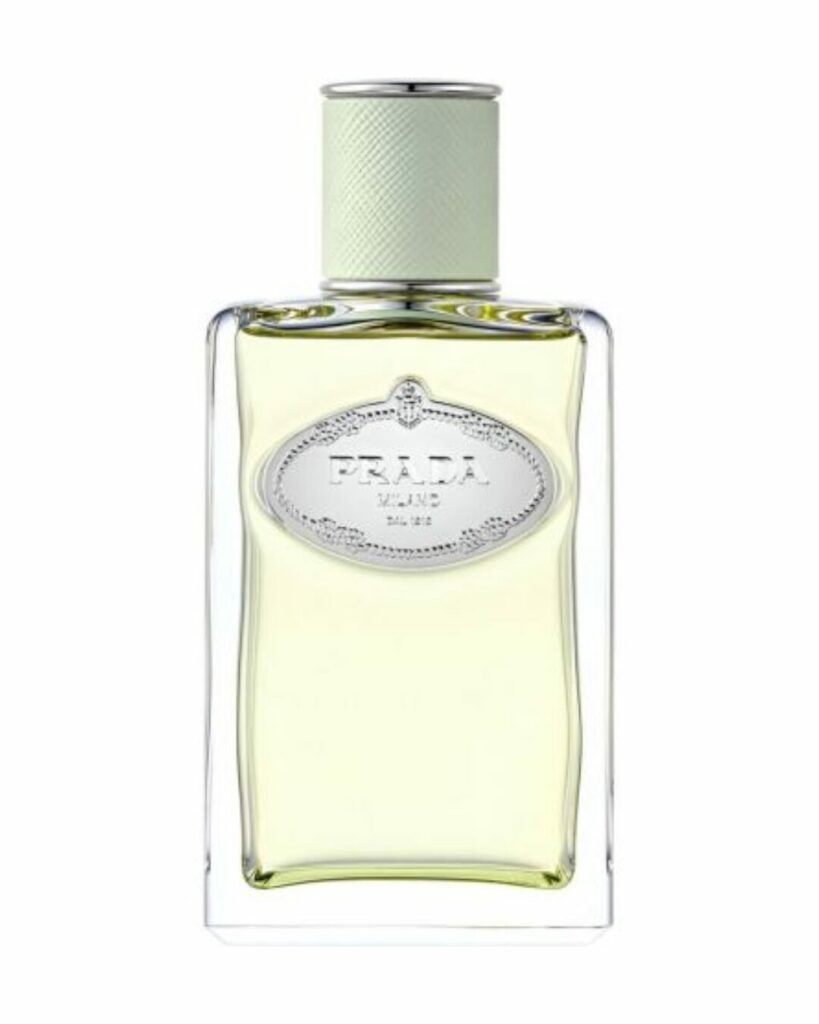
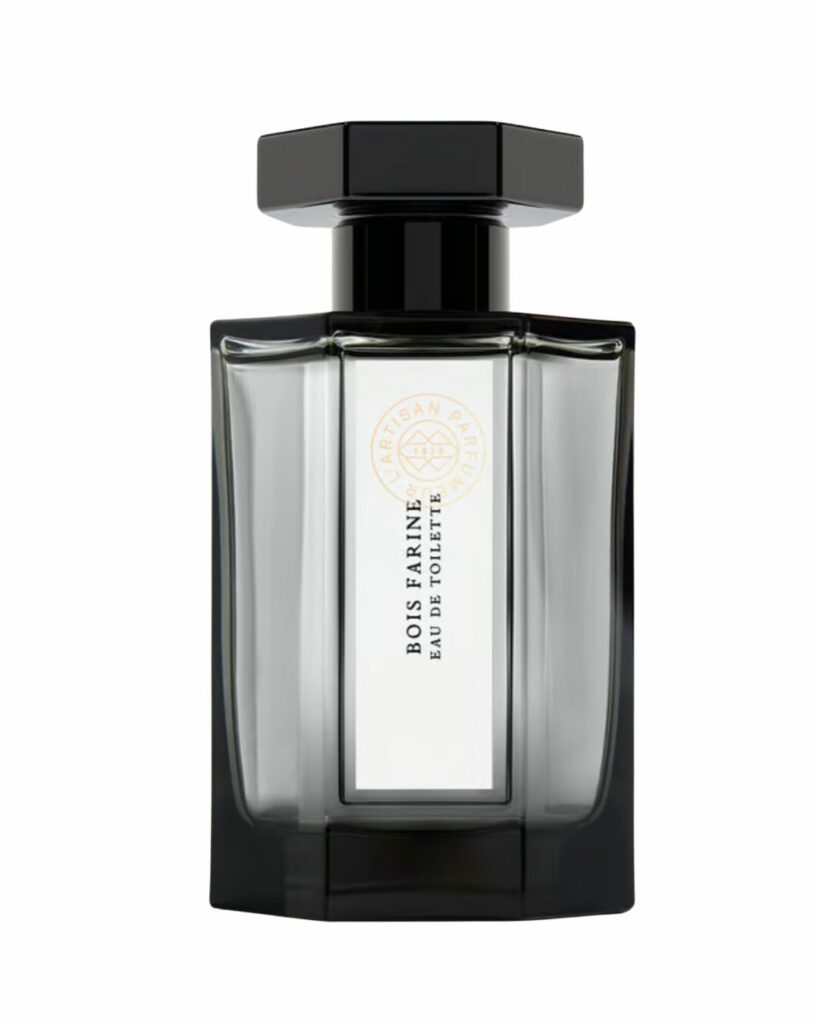
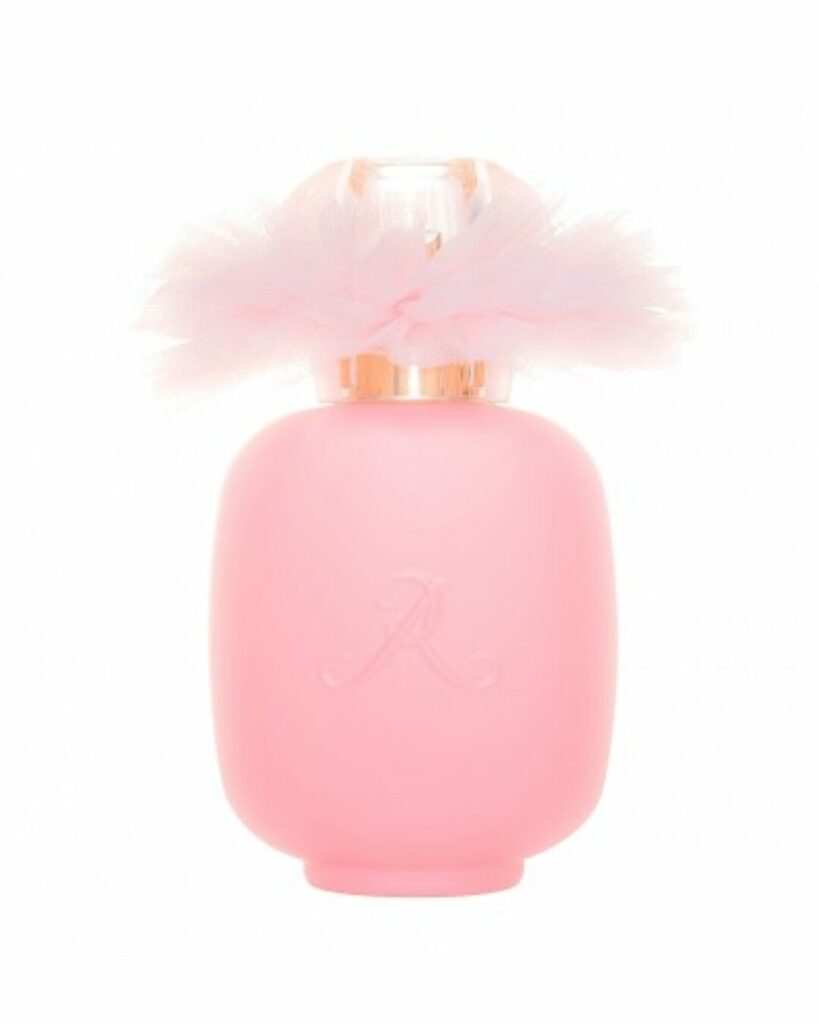
- Classical dance Elegance, tradition, discipline and poetry. Here we find fine powders, noble flowers, soft musks. → Infusion d’Iris (Prada), Bois Farine (L’Artisan Parfumeur), Ballerina No. 1 (Yosh). Inspired by the grace and elegance of classical dance, Repetto perfumes capture in bottles the emotion of a ballet and the delicacy of a movement.
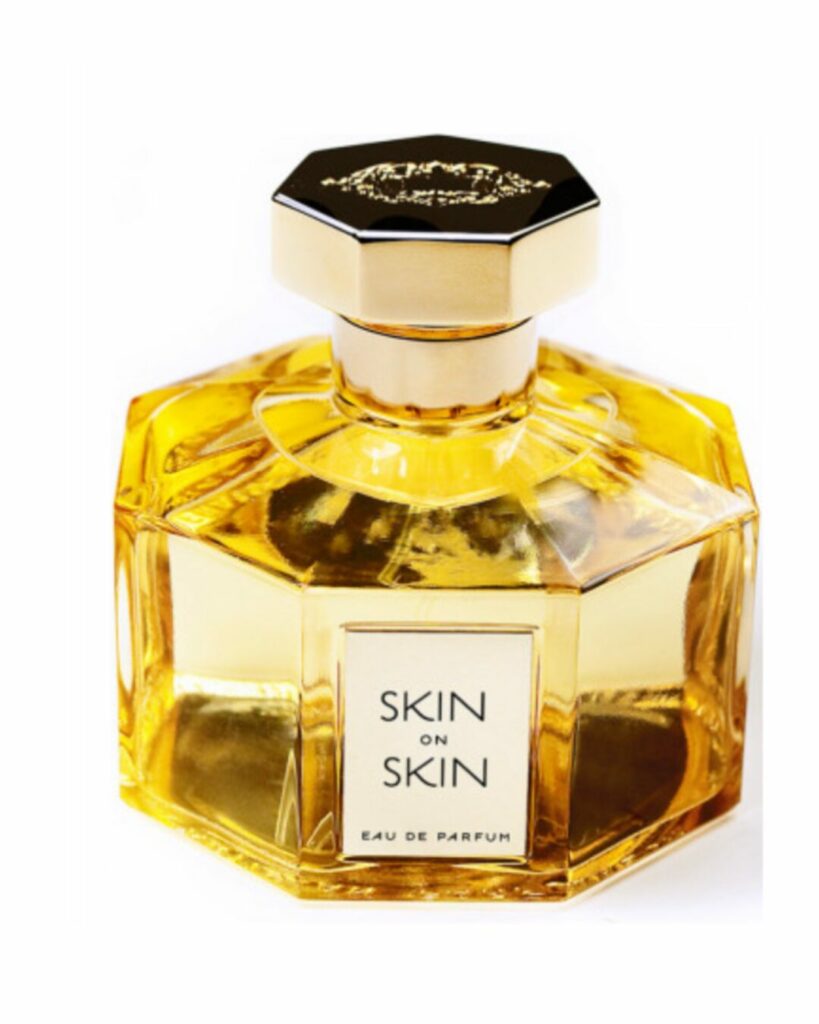
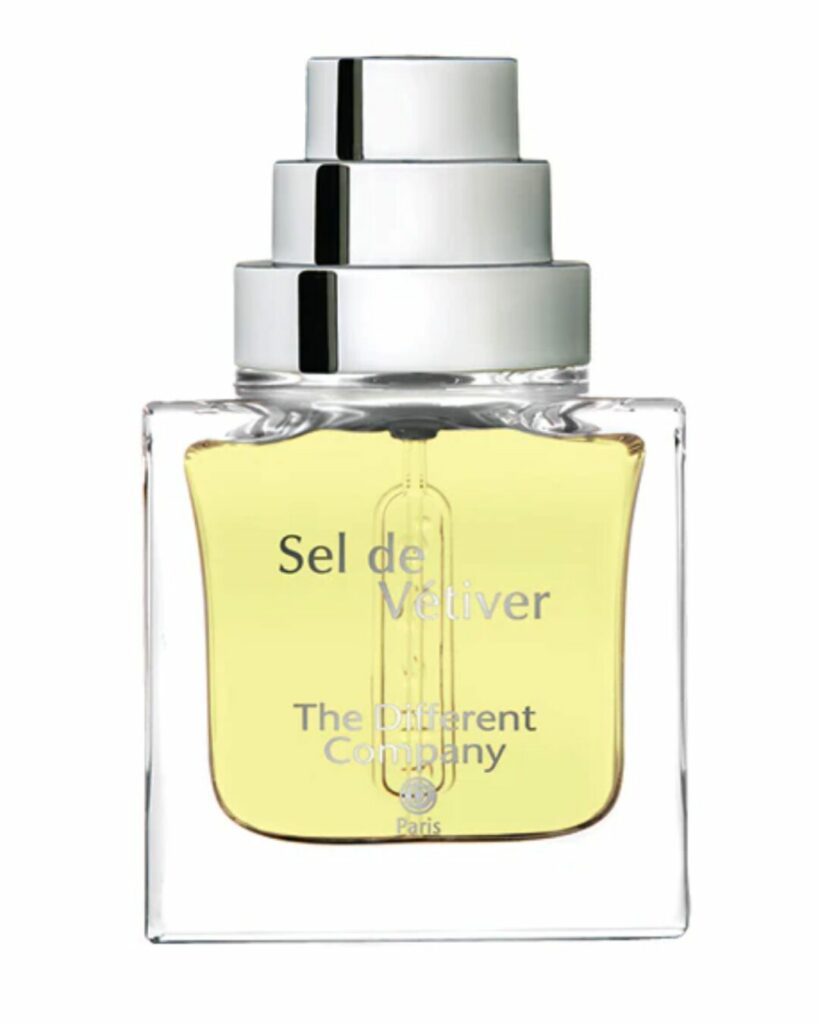
- Contemporary dance Body on the floor, breathing, interiority. The material becomes blurred, abstract, textured. → Skin on Skin (L’Artisan Parfumeur), Sel de Vétiver (The Different Company), You or Someone Like You (Etat Libre d’Orange).
- Hip-hop / street dance Speed, precision, raw energy, urban grounding. Dry woods, leather, vibrant musks take over. → Santal 33 (Le Labo), Encre Noire (Lalique), Ombre Leather (Tom Ford).
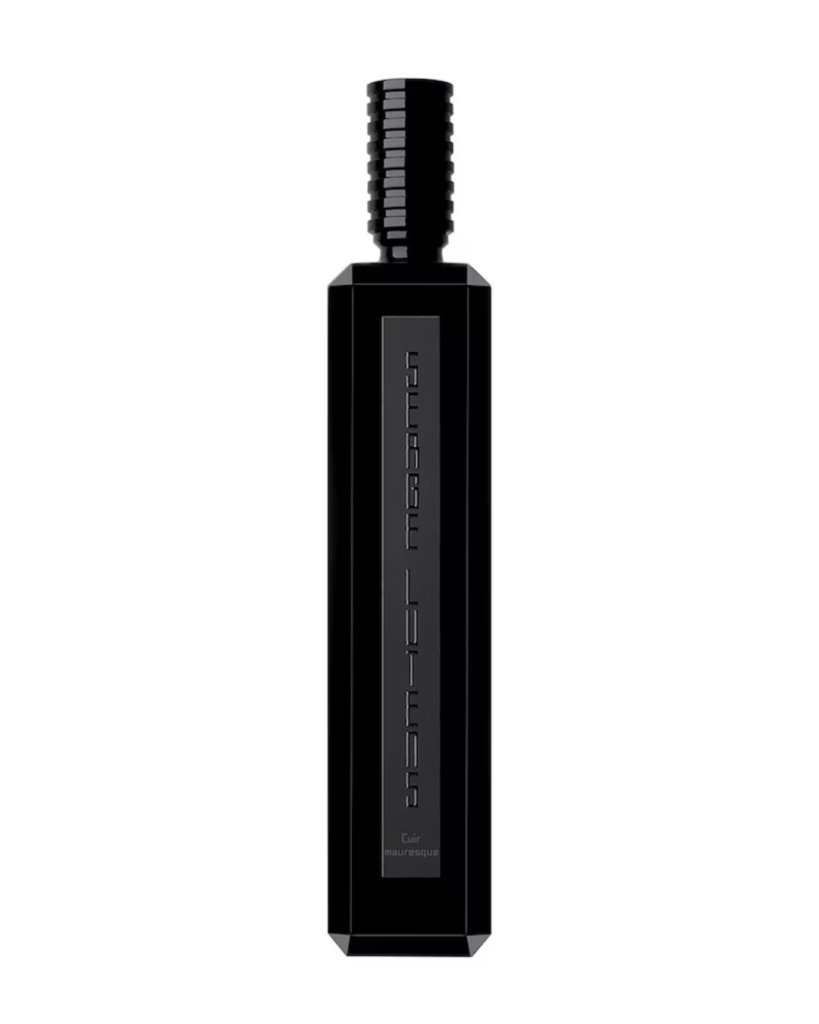
- Flamenco Dramatic tension, controlled power, bare/told emotion. Warm leather, spices, resins. → Spanish Leather (Memo), Cuir Mauresque (Serge Lutens), Eau du Fier (Annick Goutal).
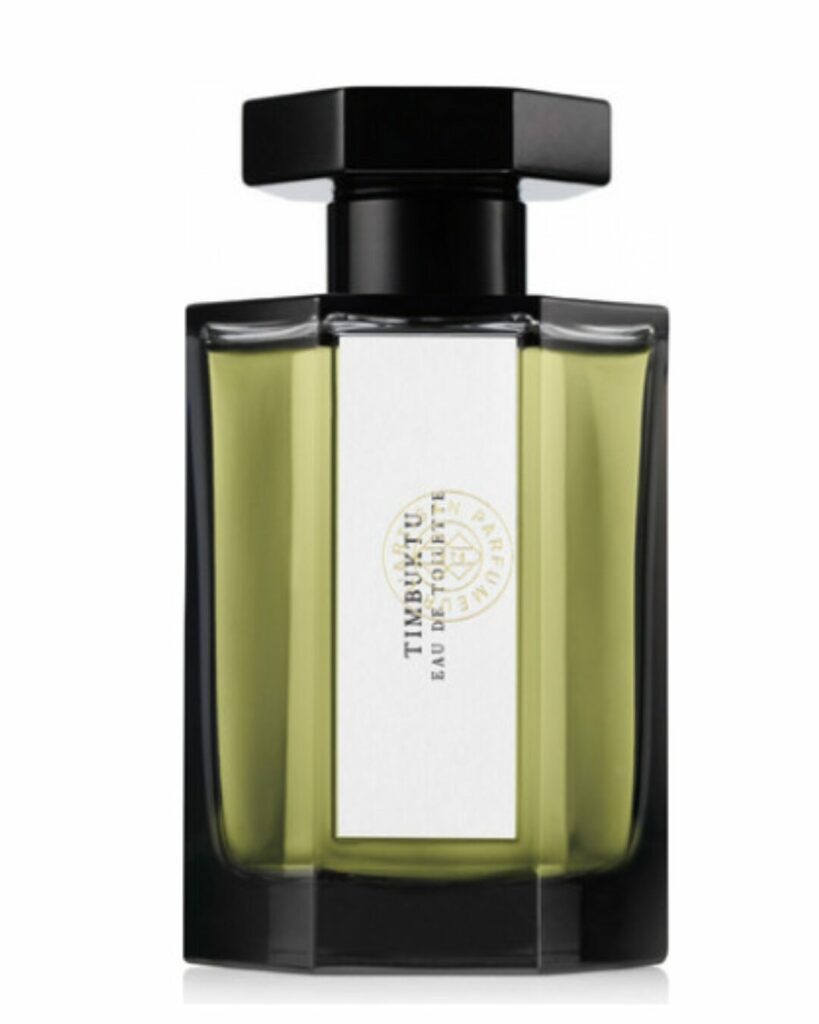
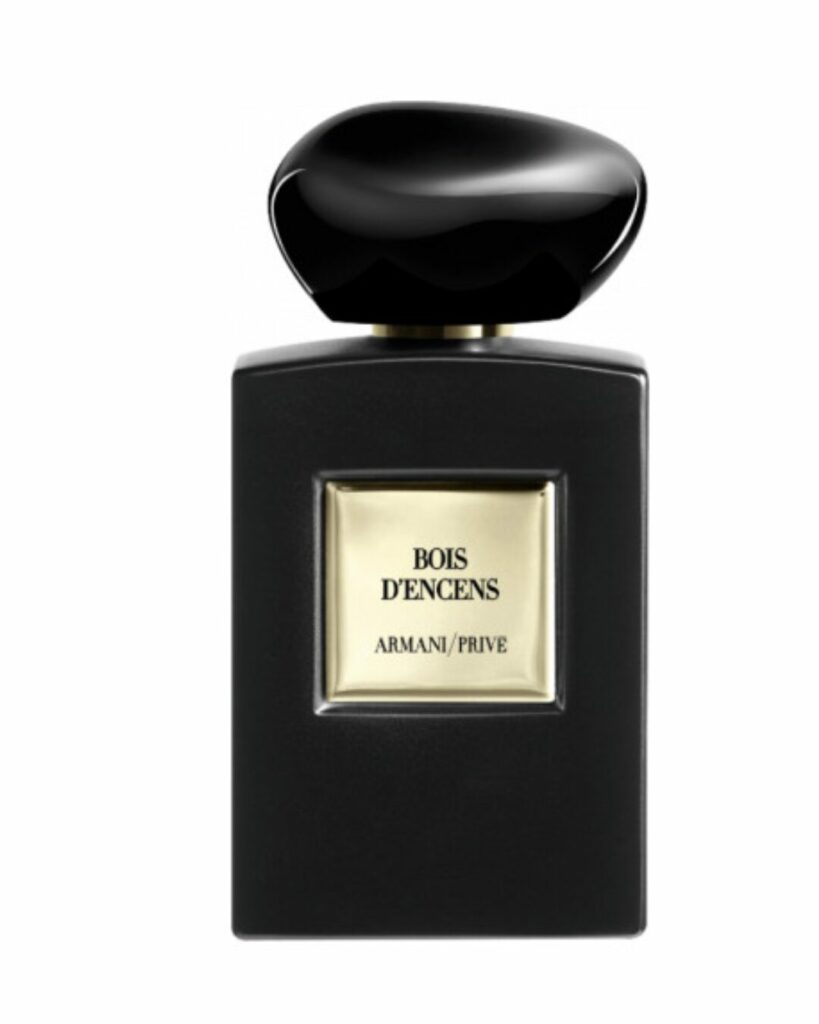
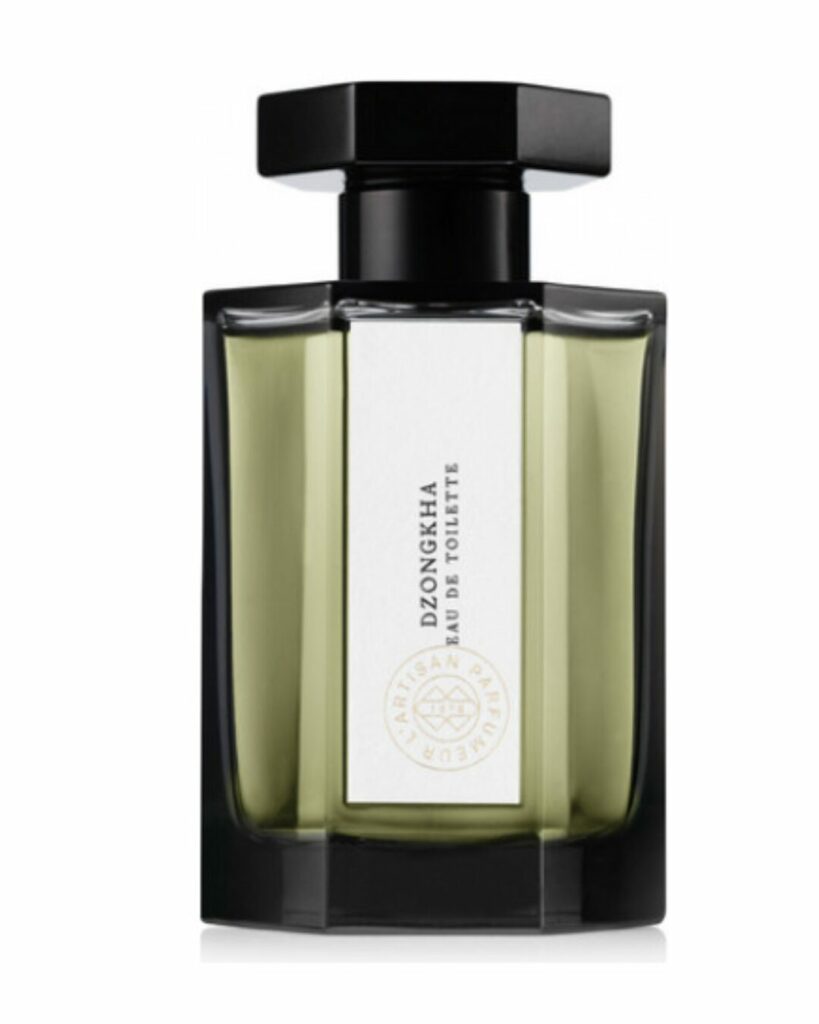
- African dances Roots, earth, percussion, vitality. Dry incense, vetiver, red woods, ritual smoke. → Timbuktu (L’Artisan Parfumeur), Dzongkha (L’Artisan Parfumeur), Bois d’Encens (Armani Privé).
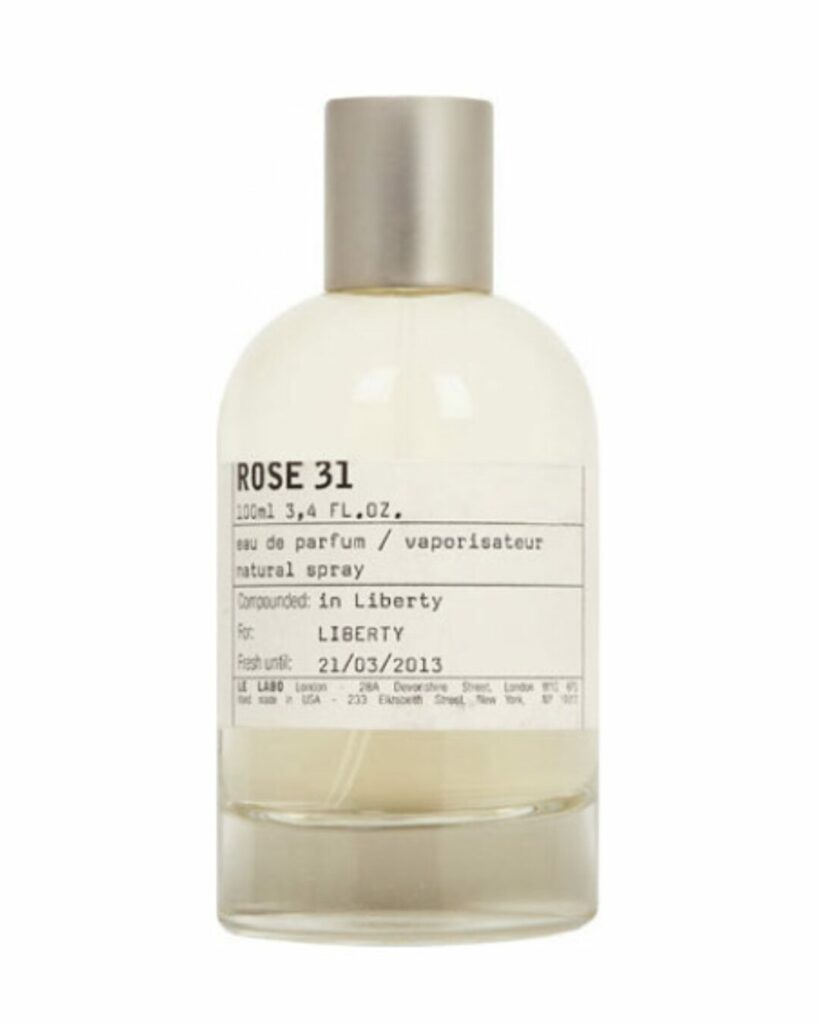
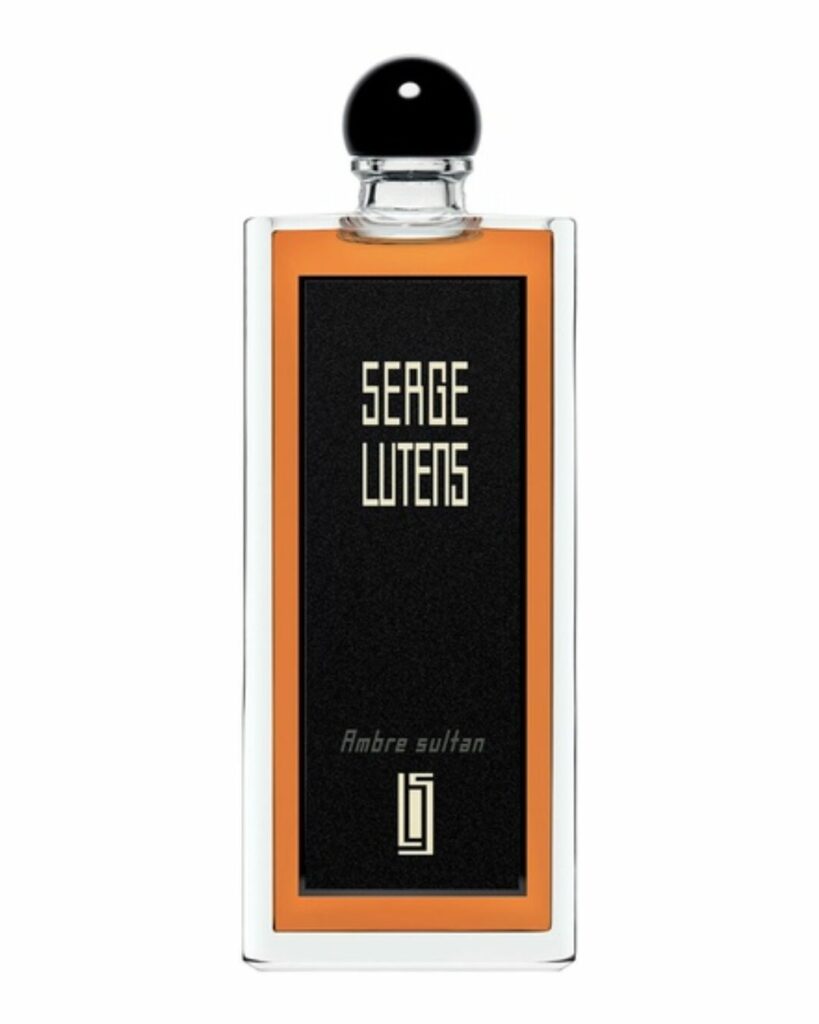
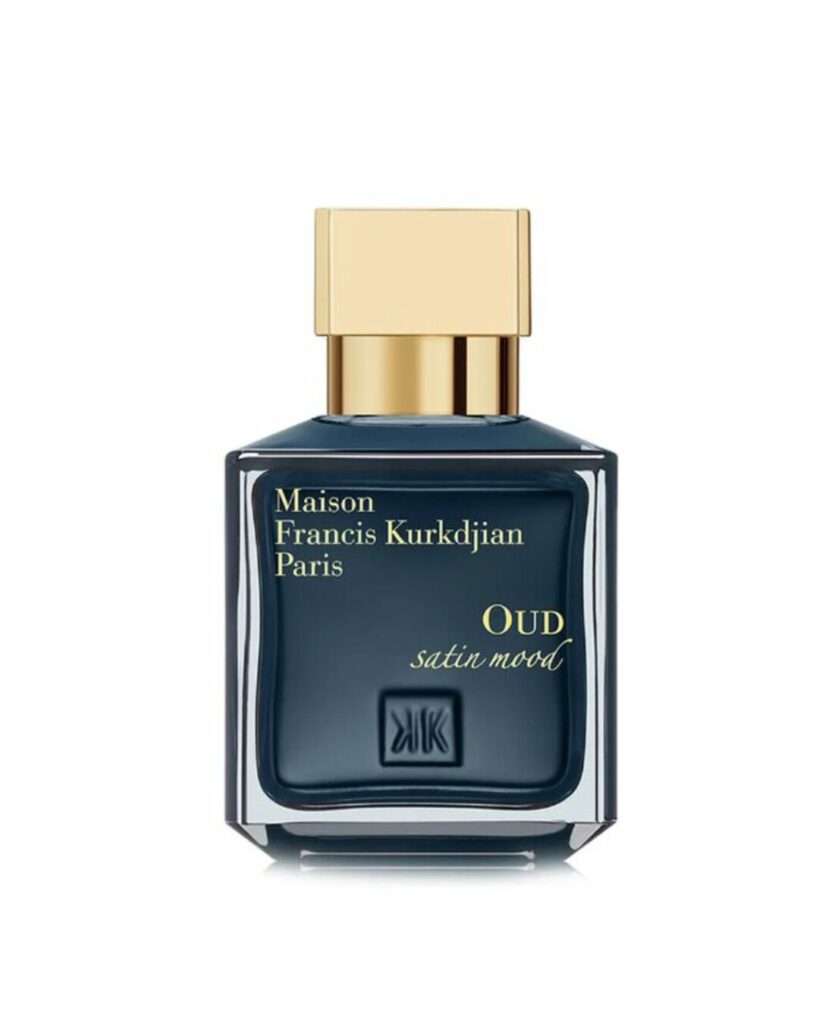
- Oriental dance Curves, slowness, contained sensuality. Dry rose, subtle oud, vibrant musk. → Rose 31 (Le Labo), Ambre Sultan (Serge Lutens), Oud Satin Mood (Maison Francis Kurkdjian).
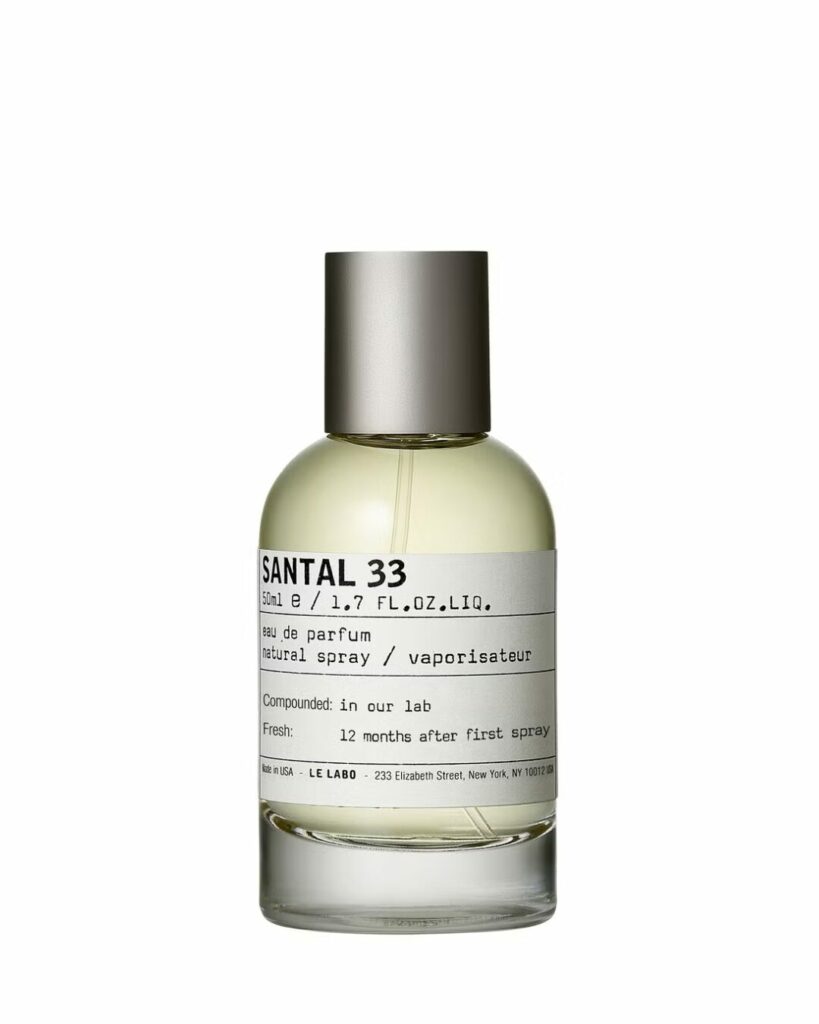
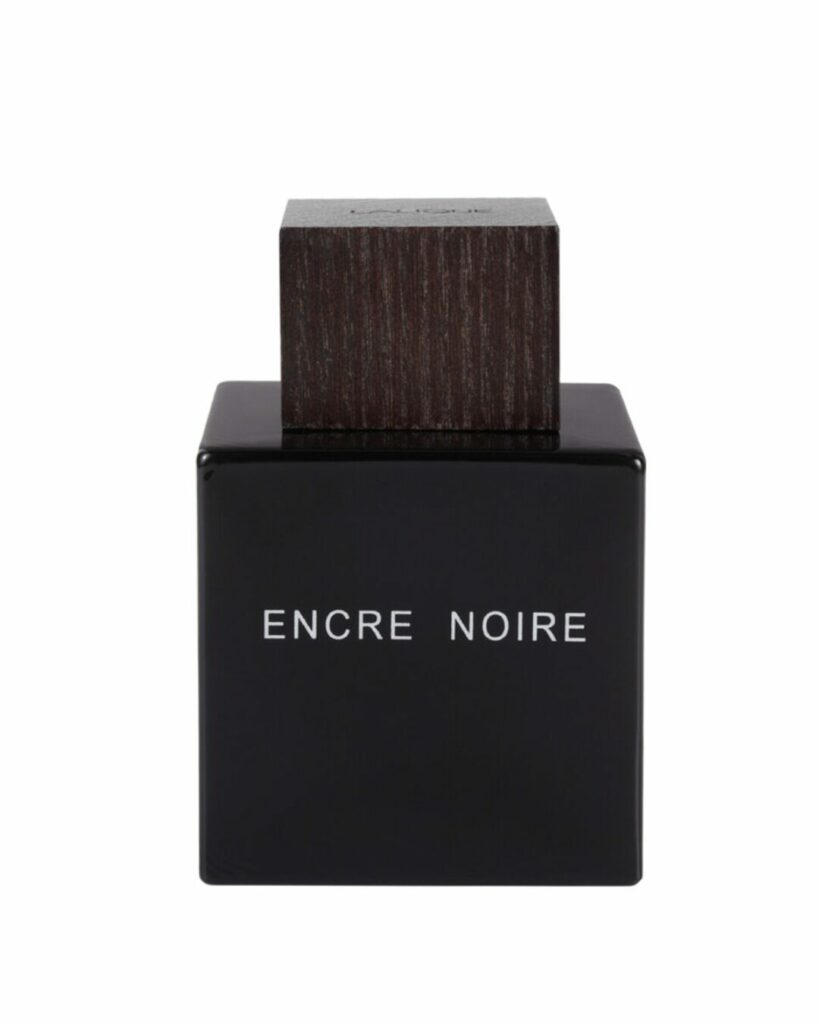
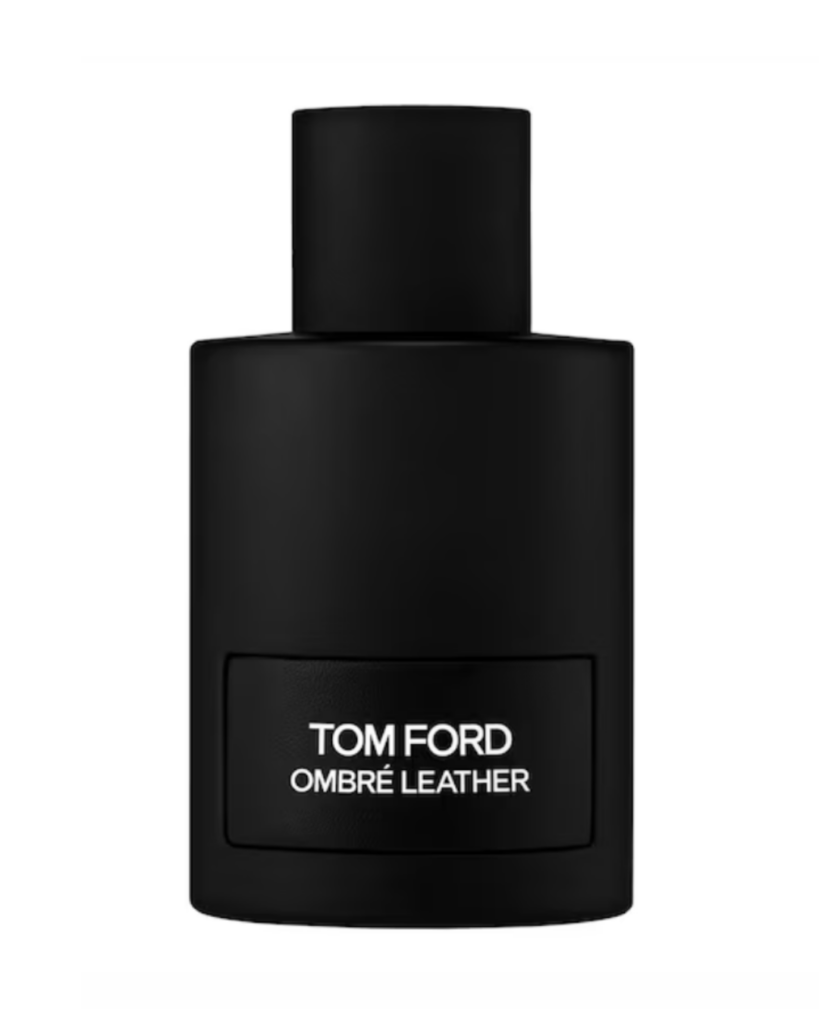
Each perfume becomes here an olfactory echo of the movement, a way of feeling dance without seeing it.
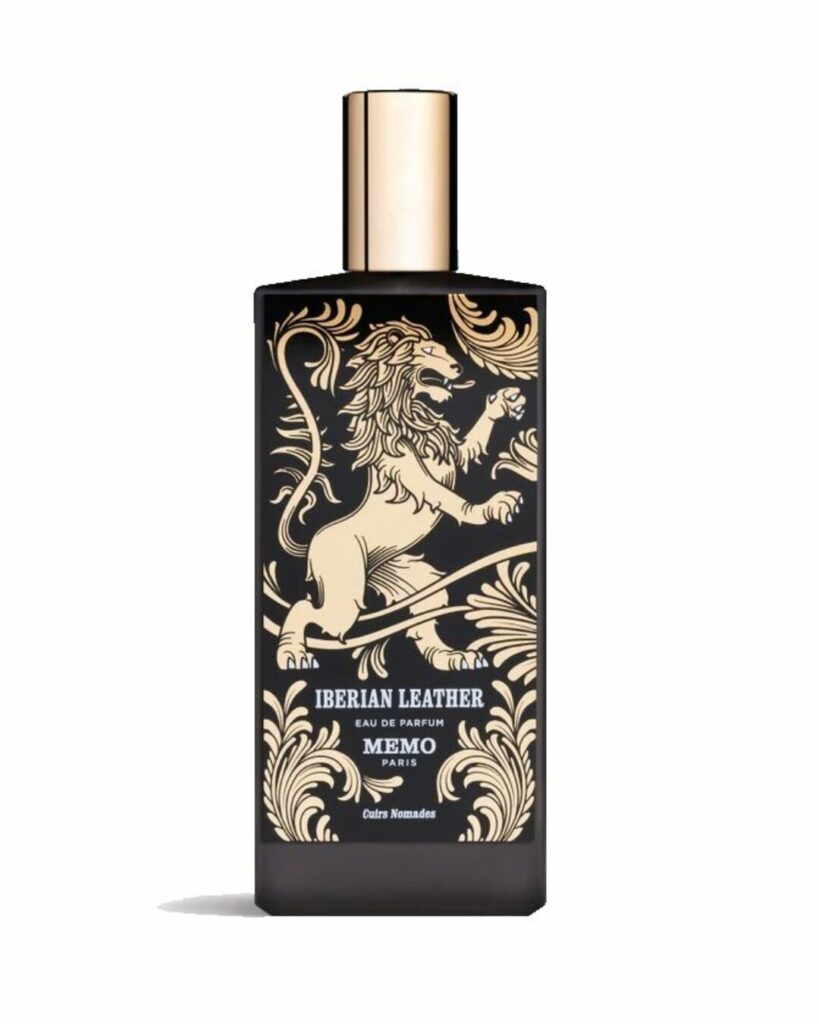
To Dance Is Also to Smell
Perfumery dances with the body, the material and the space. Whether it renders the wood of a floor, the tension of a leather, the memory of a stage or the energy of a movement, it captures an invisible but persistent memory.
The perfumes that tell the story of dance do not seek to freeze a choreography, but to suggest its momentum, its trace, its imprint on the skin.
And what if there were, in every sillage, a little of that fleeting grace that crosses the boards of a stage?