Summer radiates, the hours grow longer, the heat wraps around our days… we cannot resist the pleasure of wearing perfume. But one question comes back every year: can you wear perfume in the sun without damaging your skin?
The answer is yes—provided you know the right gestures!
Contrary to a widespread belief, it is not the alcohol in the perfume that stains the skin in the sun, but certain natural ingredients, such as citrus fruits, which contain furocoumarins, photosensitive molecules. Under the effect of UV rays, these components can cause pigment spots.
Fortunately, the majority of modern essential oils are deterpenated, which makes them safer to use in summer. And for those with sensitive skin, or who want to avoid any risk, here are 7 simple and effective tips for wearing perfume when it is hot, without fearing the effects of the sun.
1. Perfume Your Clothes Rather Than Your Skin
A safe method for enjoying your fragrance without direct contact with the skin: spray your clothes from 15 cm away. Avoid fragile textiles such as silk, and favour natural materials.
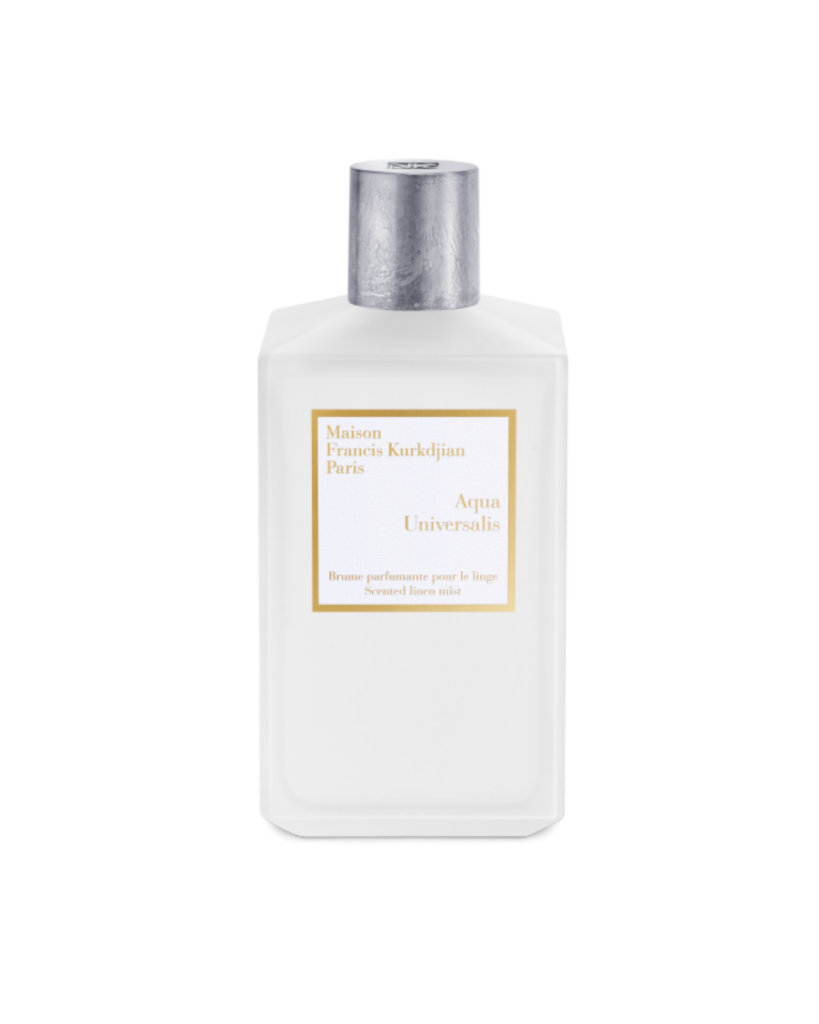
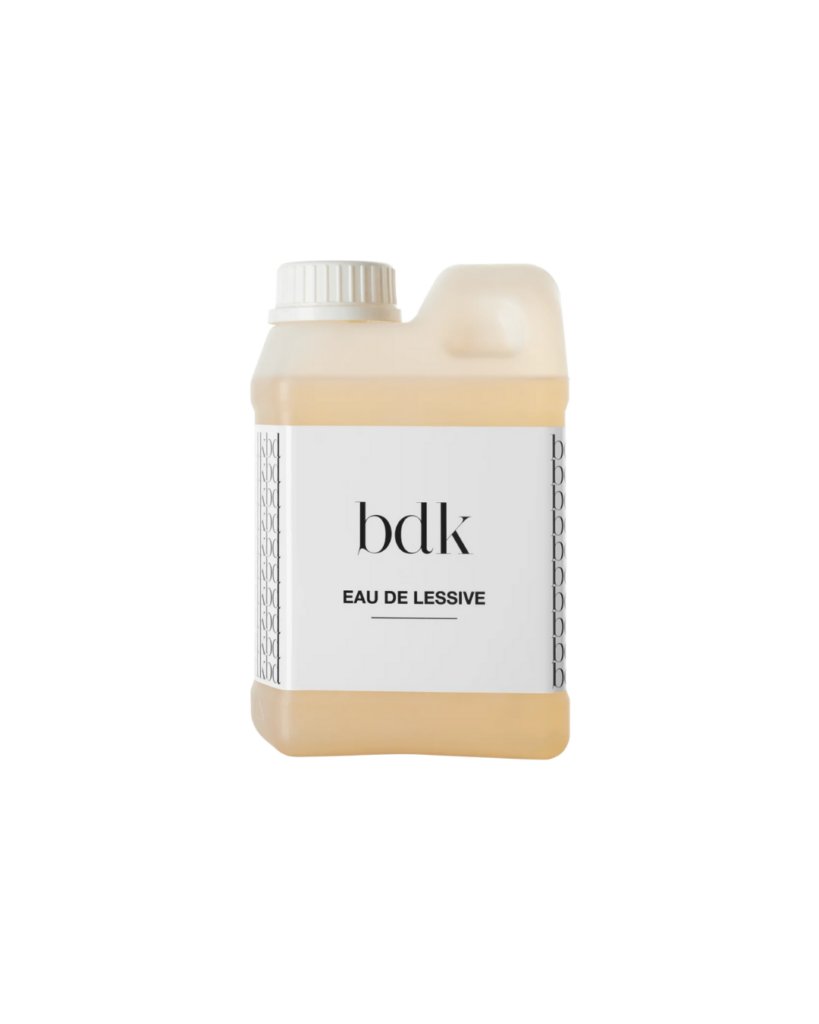
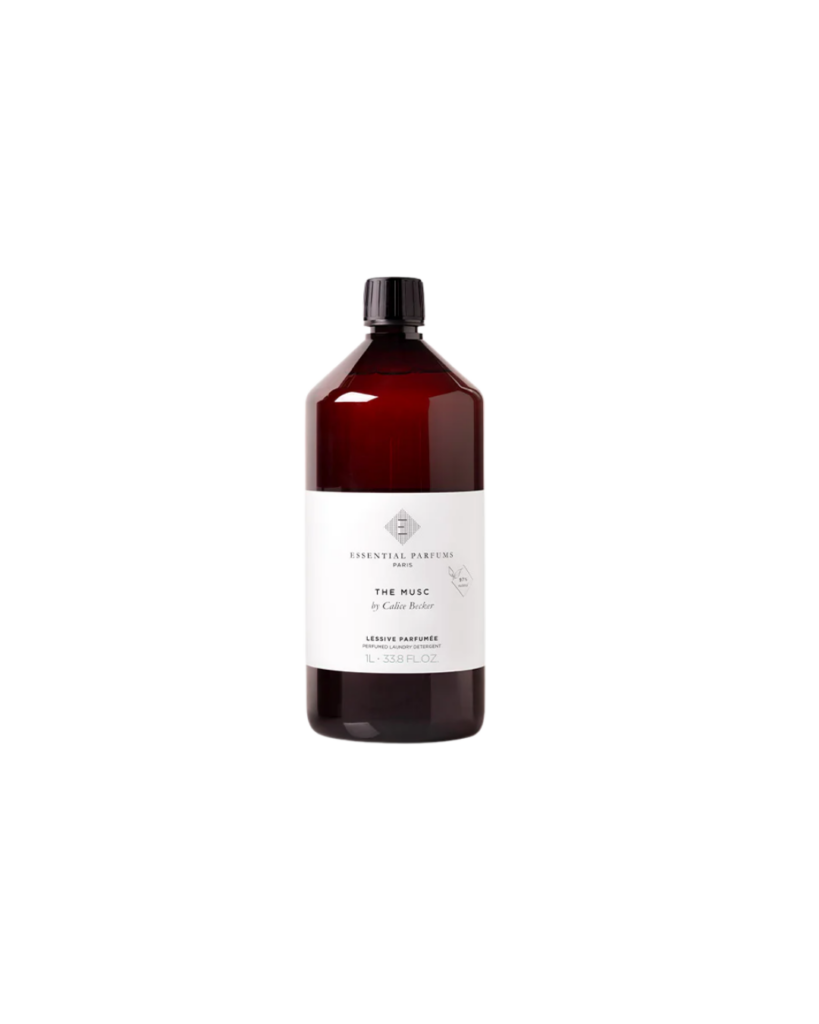
Some brands offer scented mists for laundry, or even detergents matched to their perfumes, perfect for prolonging the sillage all day long.
👉🏼 A few brands offering scented detergents and linen waters to discover: Essential Parfums, BDK, Maison Francis Kurkdjian, Rituals…
2. Opt for a Perfumed Milk or Oil
The sun has a drying effect on the skin, which therefore needs hydration. If your perfume comes in a body milk or perfumed oil version, use these instead of the classic eau de parfum, which you can instead spray on your clothes.
If the milk, cream or oil does not exist in your perfume’s range, use an unscented body milk. Put a hazelnut-sized amount of this neutral milk or oil in the palm of your hand and add a spray of your favourite perfume. Your perfumed milk is ready! Enjoy a soft, scented-skin effect, without alcohol—or in any case very diluted!
For a complete ritual, add the shower gel or soap from the same range for prolonged wear without risk in the sun.
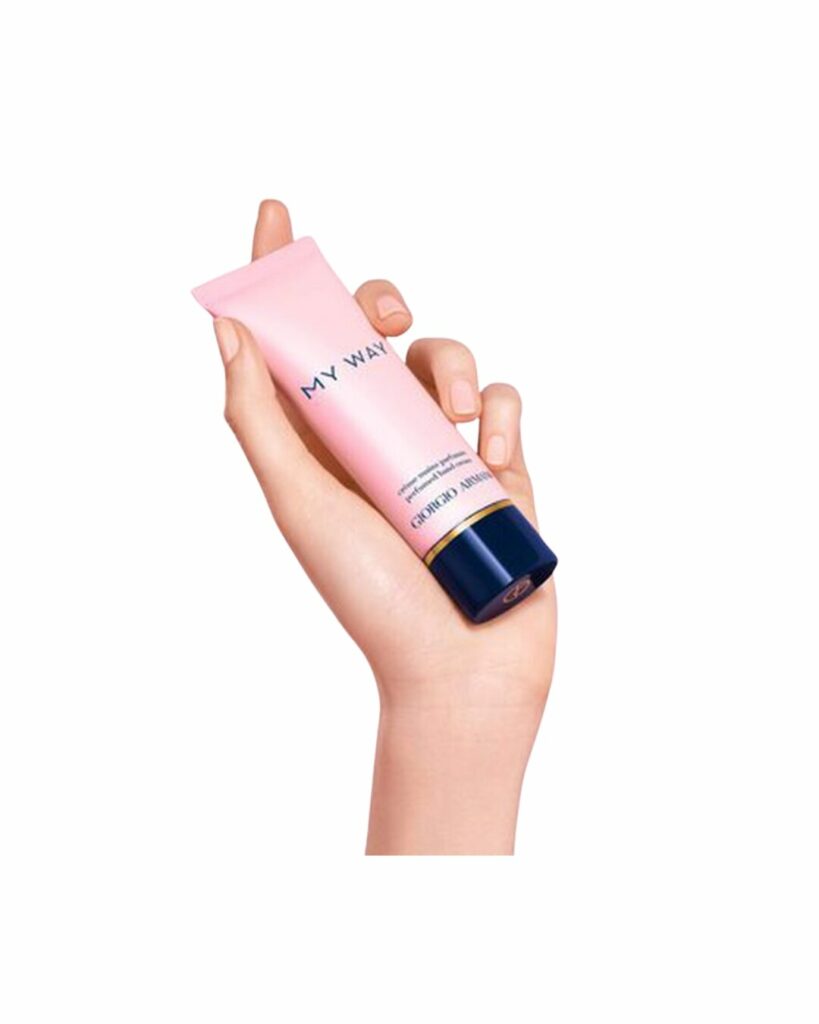
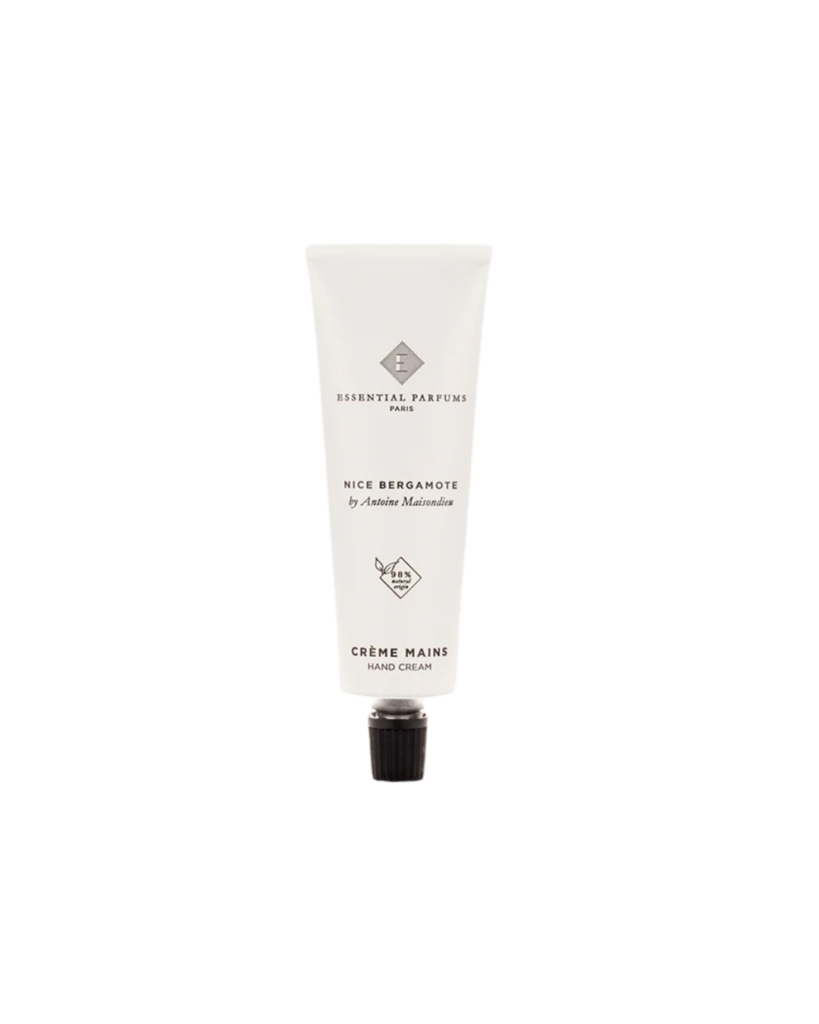
Practical bonus: think also of perfumed hand creams matched to your fragrance. Ideal for re-perfuming discreetly while keeping your hands soft.
👉🏼 A few brands: My Way – Armani, Nice Bergamote – Essential Parfums
3. Perfume Your Hair… but with the Right Products
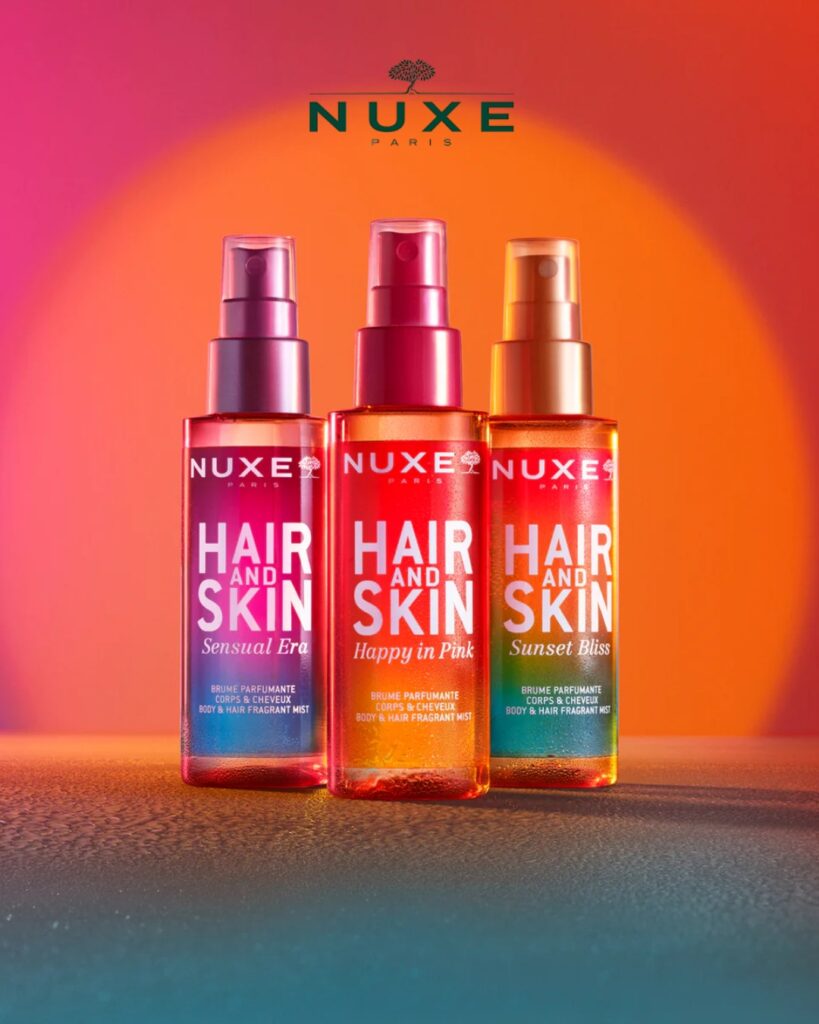
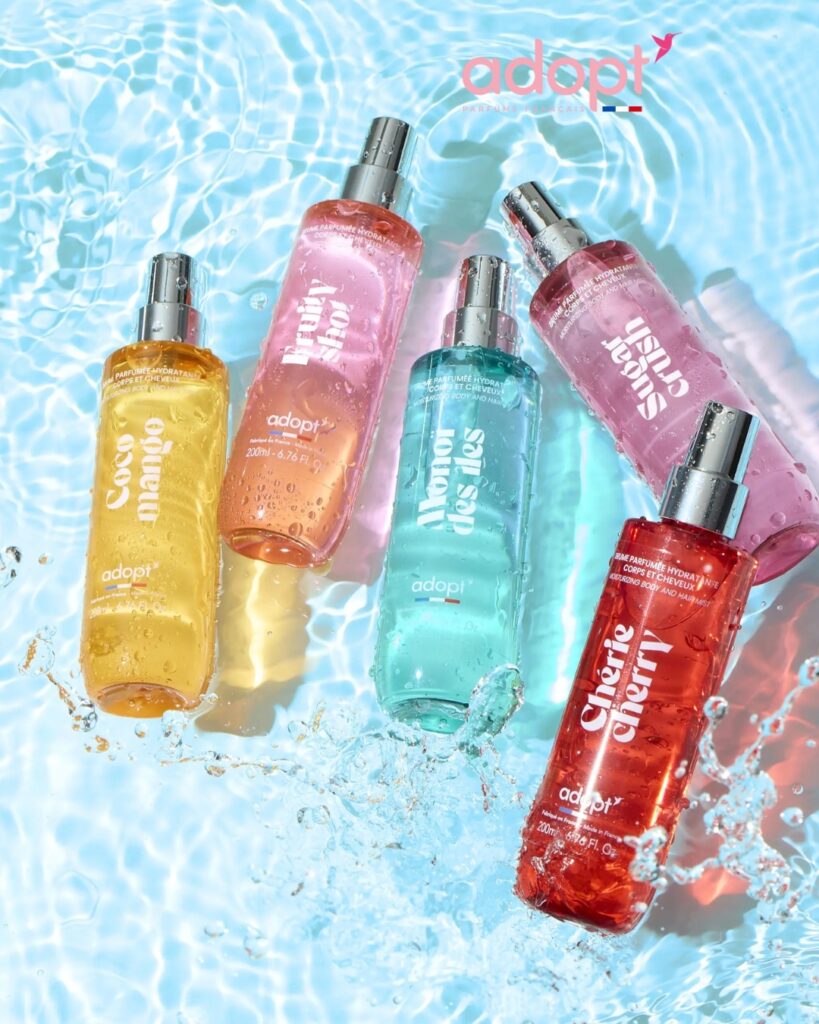
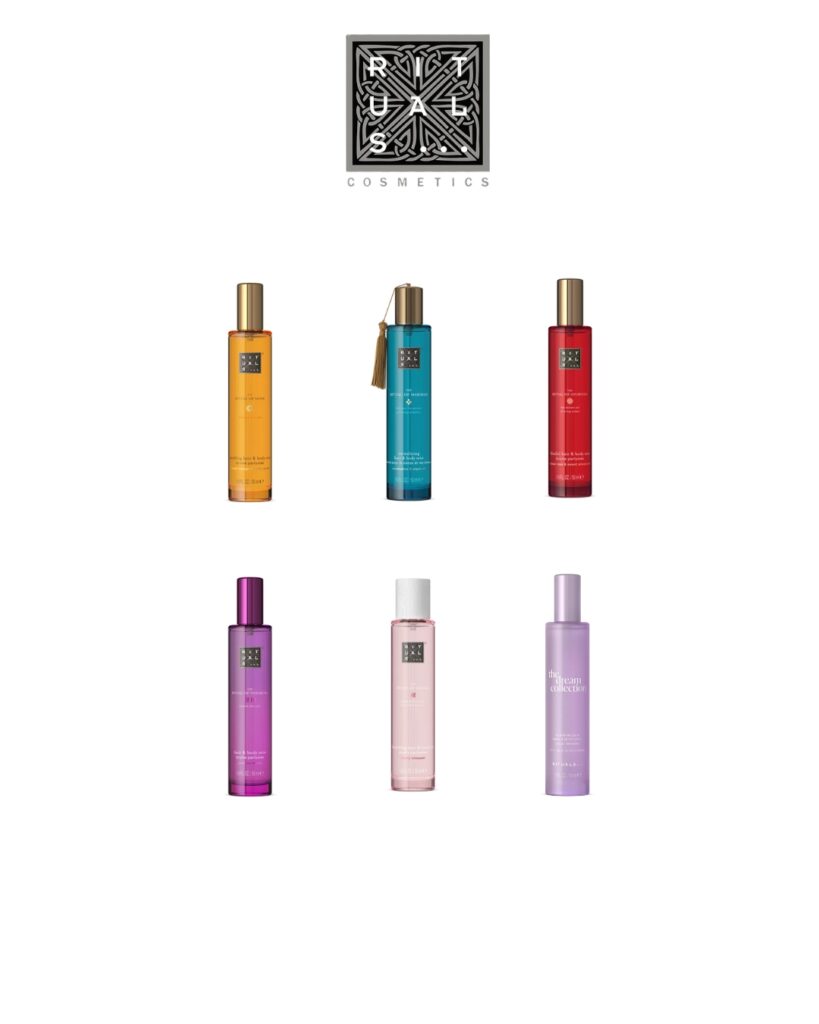
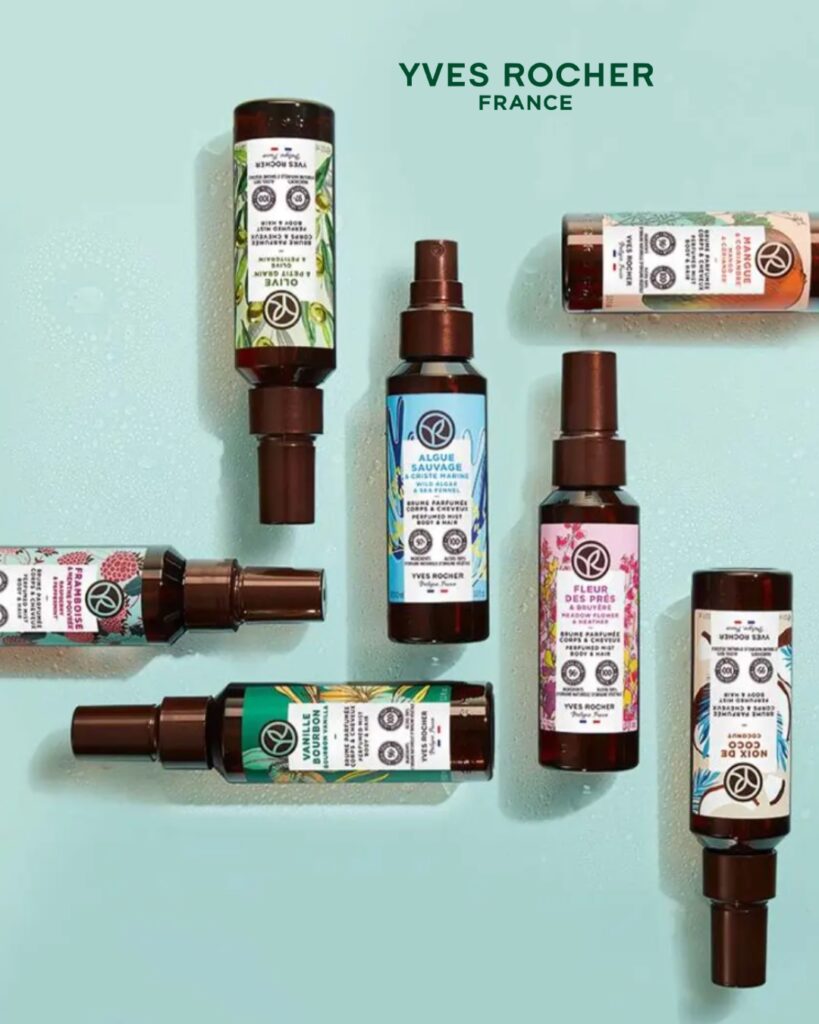
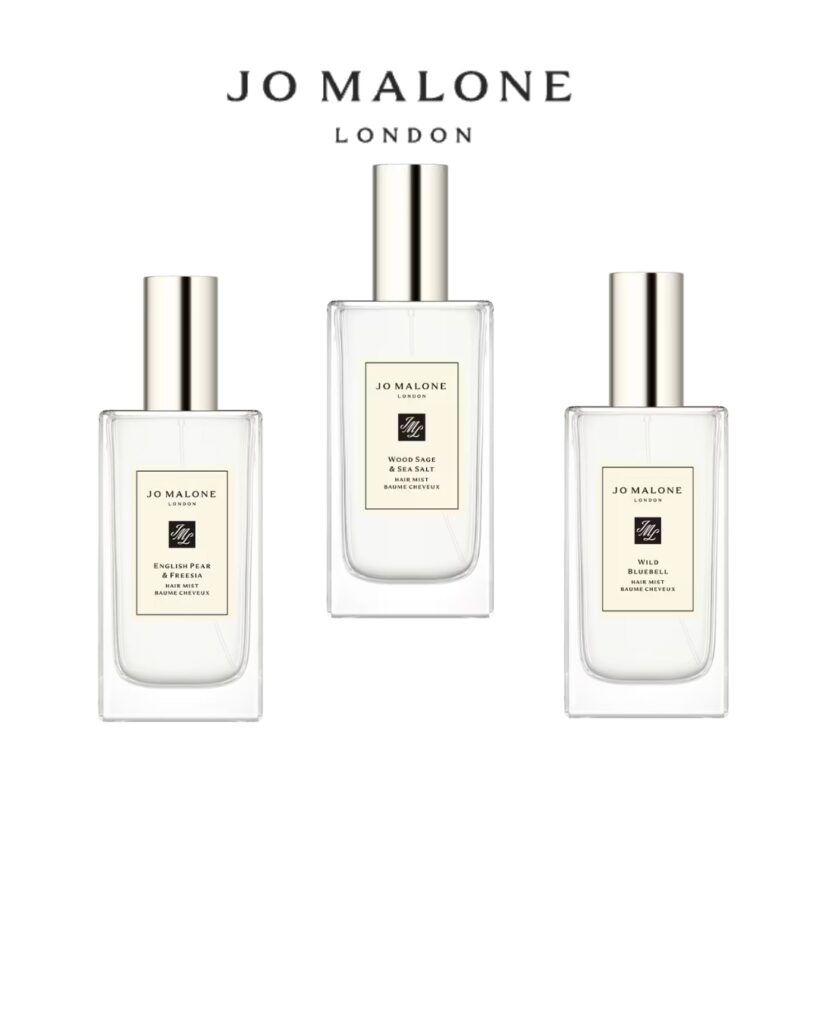
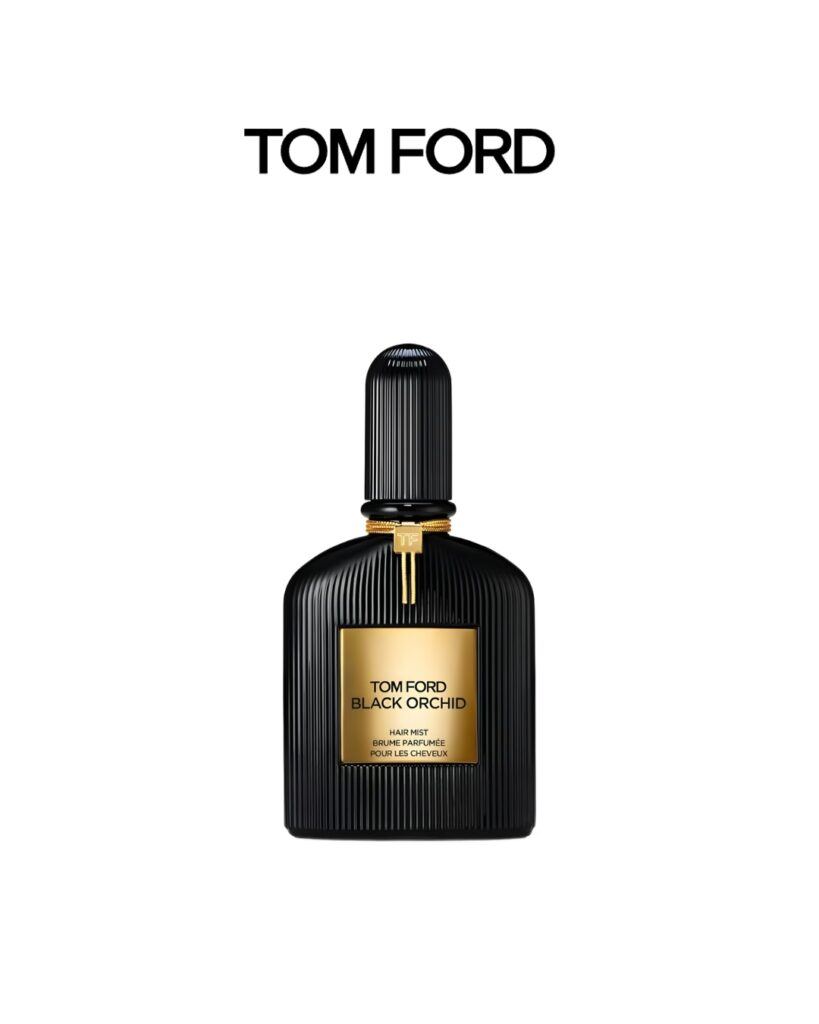
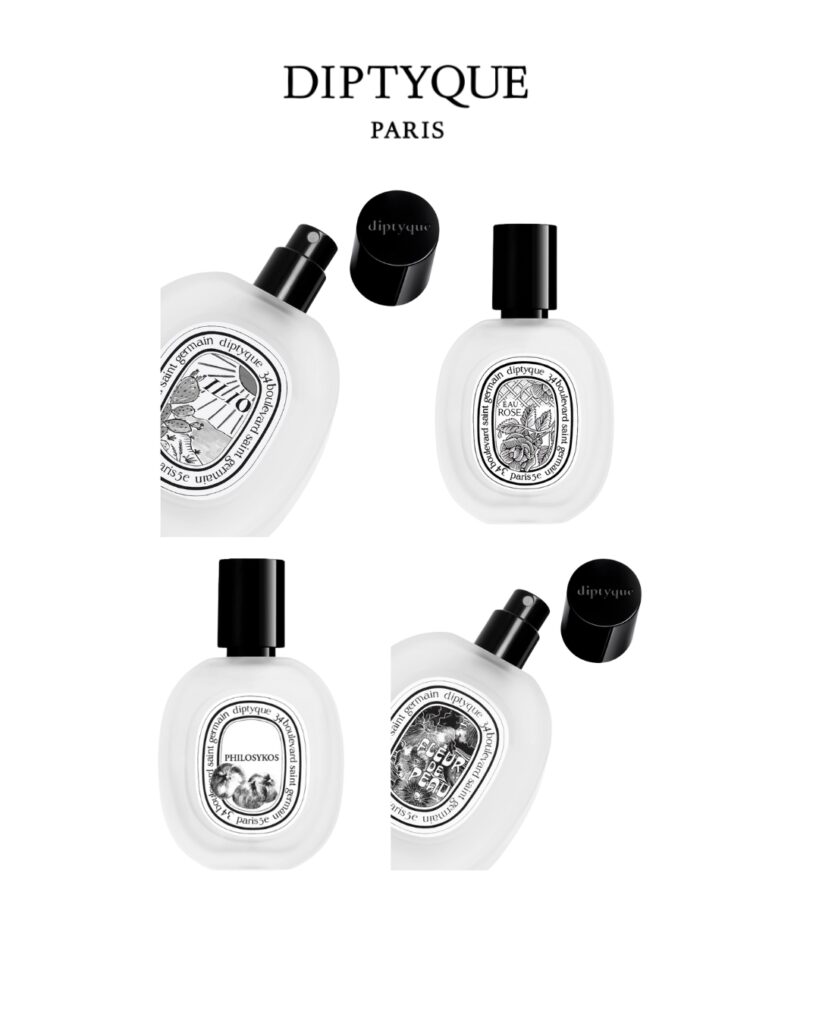
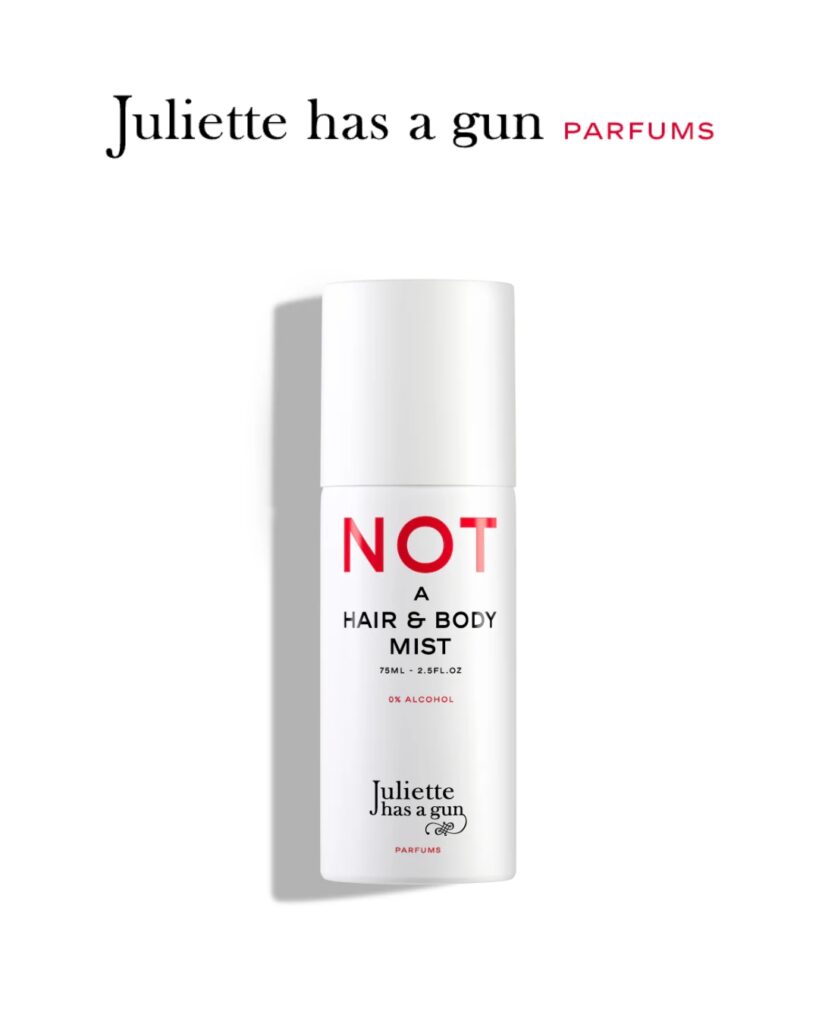
Hair absorbs perfume well, but beware of the alcohol, which can dry it out! Fortunately, more and more brands offer scented hair mists, enriched with protective agents such as keratin, silk or shea butter.
👉🏼 A few brands to discover: Nuxe, Adopt, Rituals, Yves Rocher, Jo Malone, Tom Ford, Diptyque Paris, Juliette Has a Gun…
Bonus: ideal after a stop in a smoky restaurant or bar!
4. Spray Your Brush or Your Accessories
Another clever way to perfume your hair without harming the hair fibre: 👉 Spray your perfume onto your brush, wait for the alcohol to evaporate, then style your hair.
You can also perfume a hat, a cap or a scarf, wait a few seconds, then wear it.
The result: a subtle scent with every movement!
5. Use an Alcohol-Free Perfume (Water-Based Perfume)
Alcohol-free perfumes are perfect for summer: gentler on the skin, they are water-based and can even have moisturising properties.
How does it work?
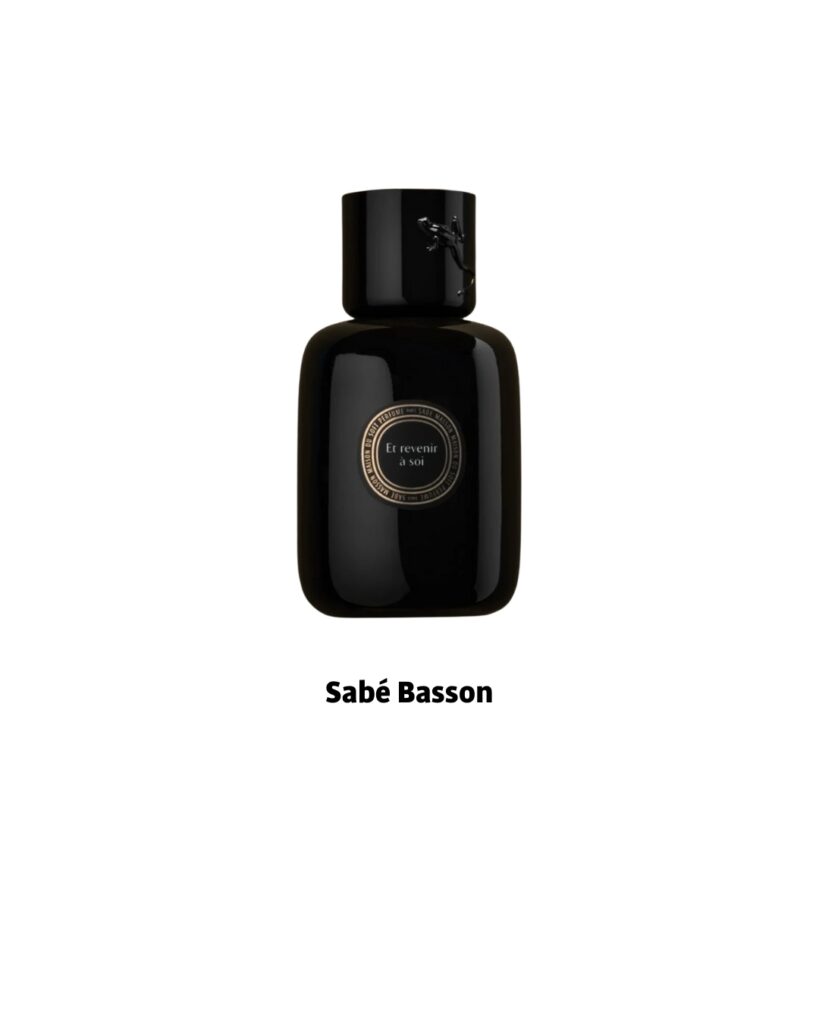
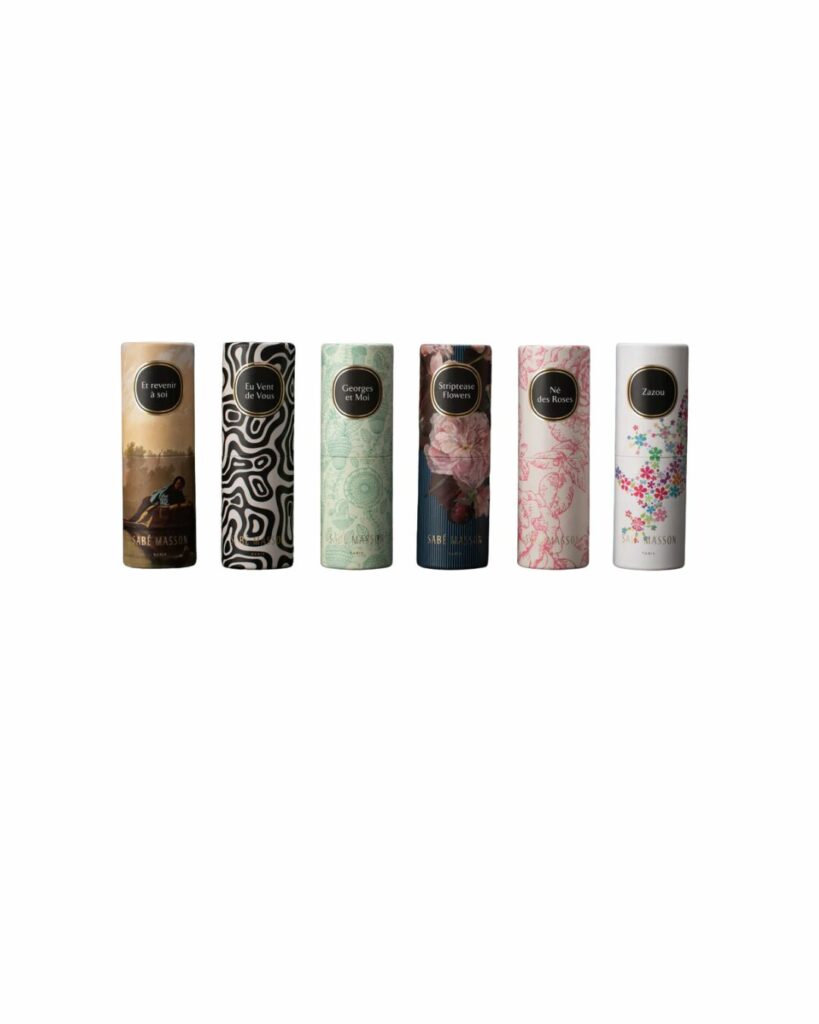
This type of perfume is designed on an aqueous rather than an alcoholic base. It is a micro-emulsion of the concentrated perfume oil in water, producing microdroplets. This is what gives the product a milky appearance. This aqueous base makes it possible, in particular, to incorporate cosmetic active ingredients. These are “care perfumes” (as the brand Sabé Masson, a pioneer in this type of product, calls them). No, these are not mists or body milks either, but true fragrances—which, moreover, have very good longevity, with the added benefits of hydration. A new way of perfuming your skin…
It should be noted that the top notes are less bursting than in traditional perfumes, an effect that is normally produced thanks to the alcohol. So you enter directly into the fragrance, without that evolution one usually feels when spraying oneself.
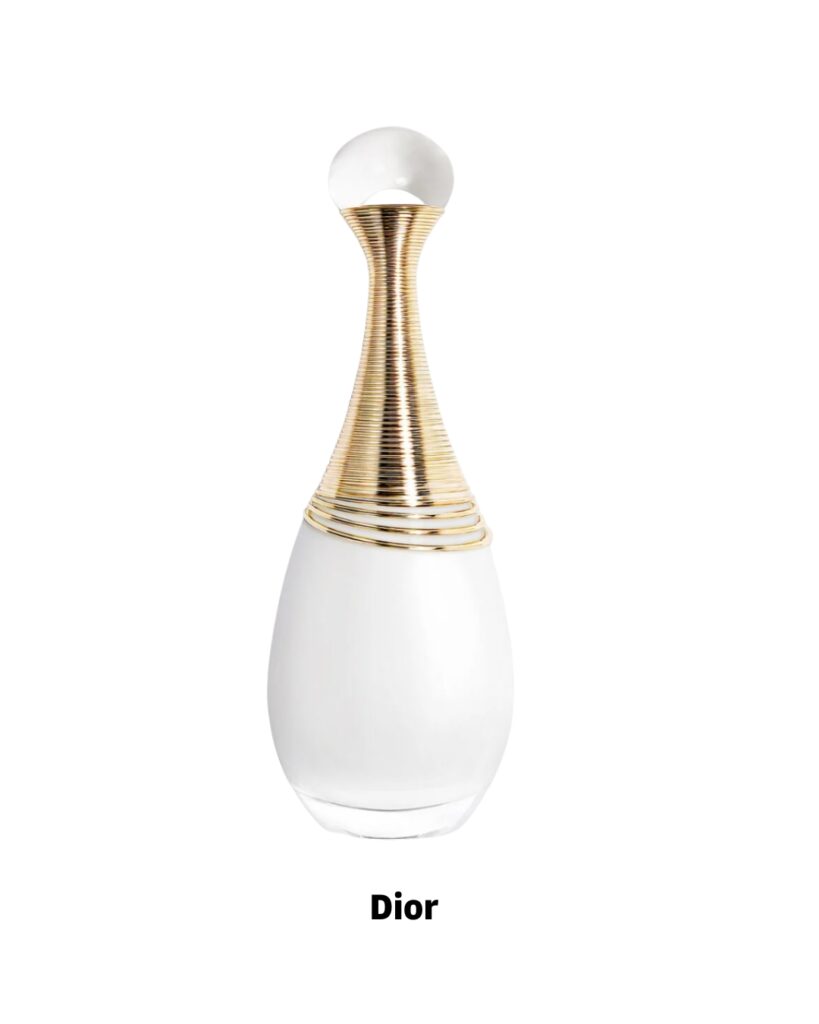
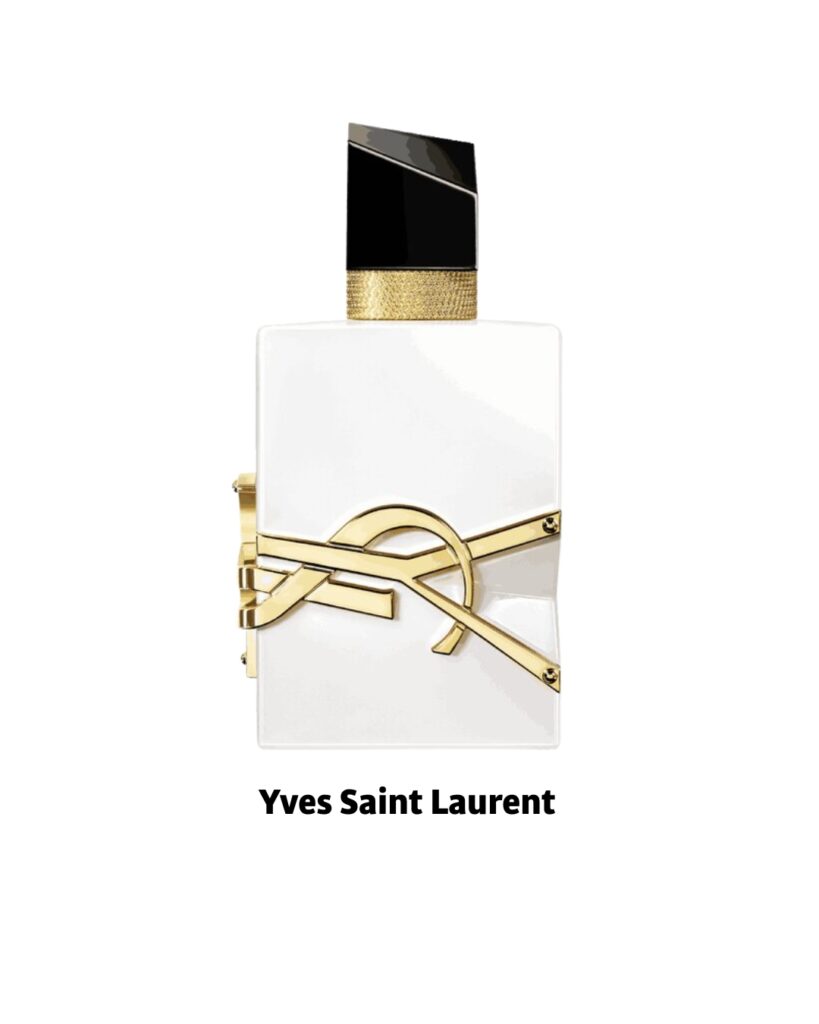
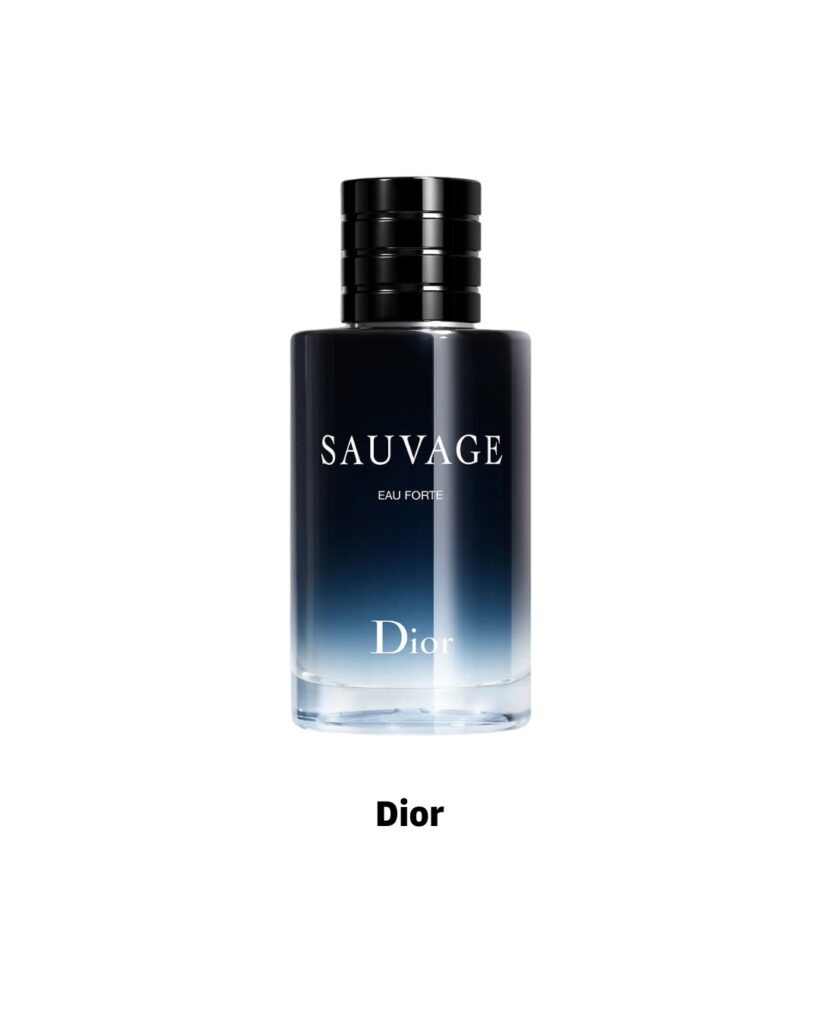
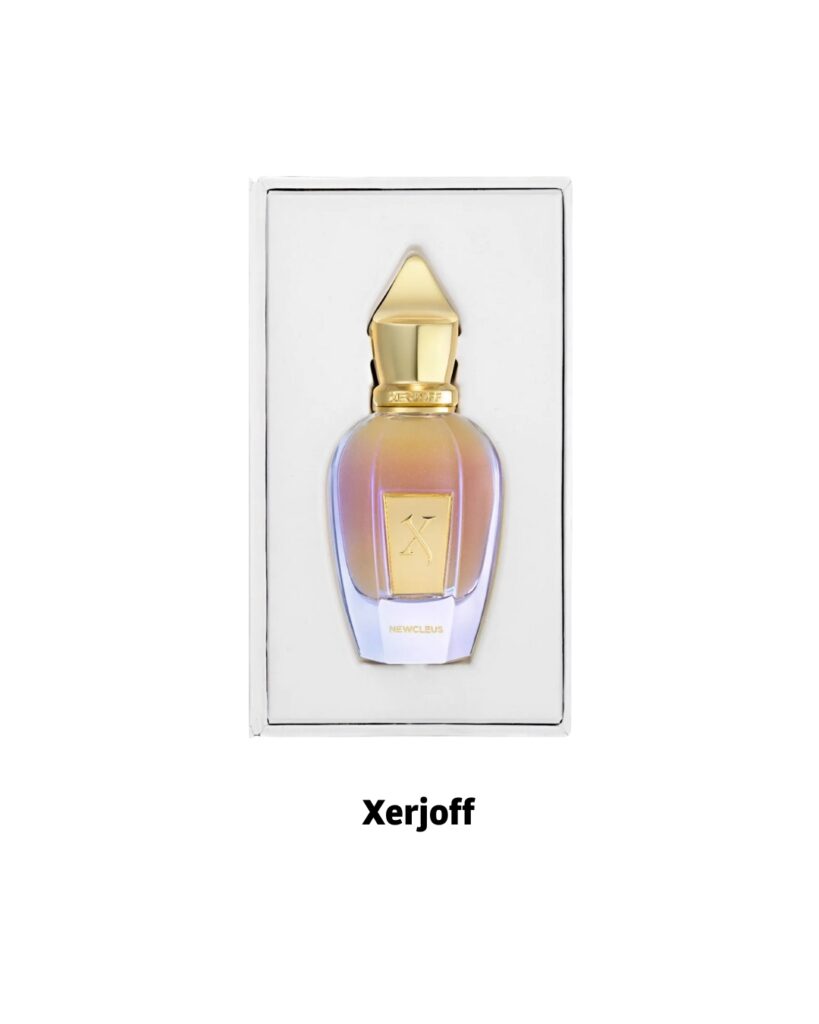
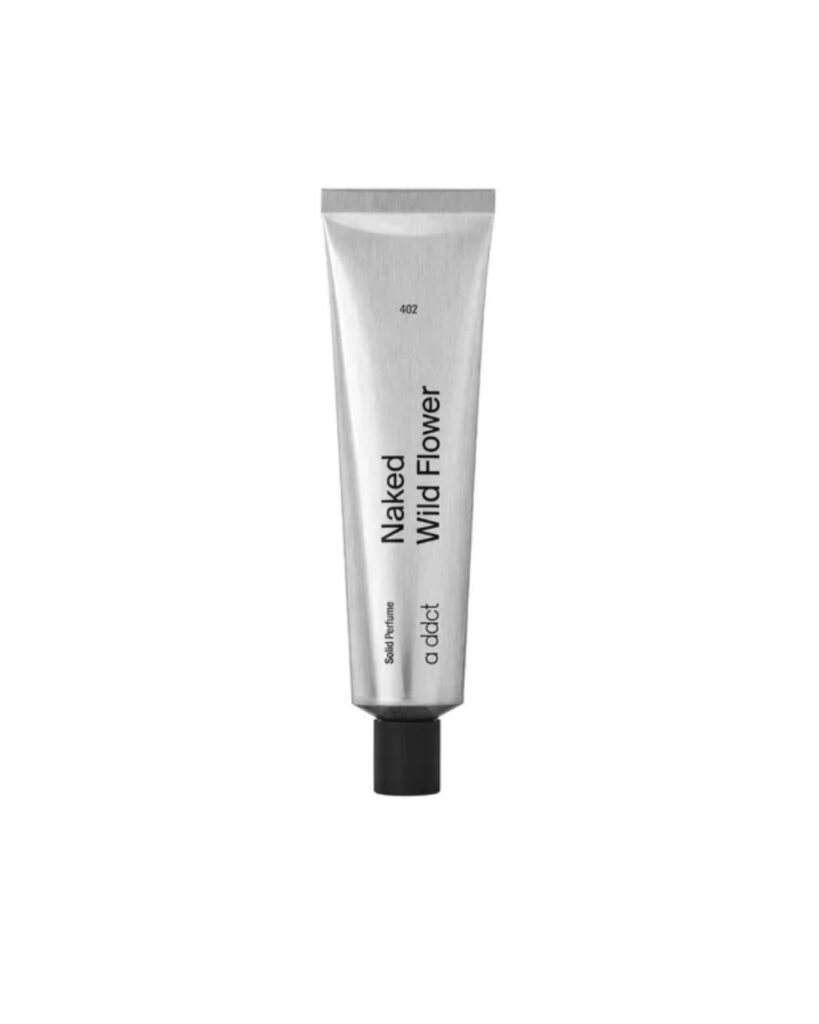
👉🏼 Some alcohol-free perfumes to discover: Sabé Masson, L’Eau Nue – YSL, Sauvage – Dior (alcohol-free version), Xerjoff – Essenza, A ddct (a Hong Kong brand)
A new way of wearing perfume, in line with the current “skinification” trend, which combines skincare and olfactory pleasure.
6. Bet on Roll-Ons and Solid Perfumes
Practical and easy to carry, solid perfumes and roll-ons are your best allies in summer.
Roll-ons are small bottles with a ball that you can apply behind the ears, on the wrists, on the nape of the neck (under the hair)—zones less exposed to the sun.
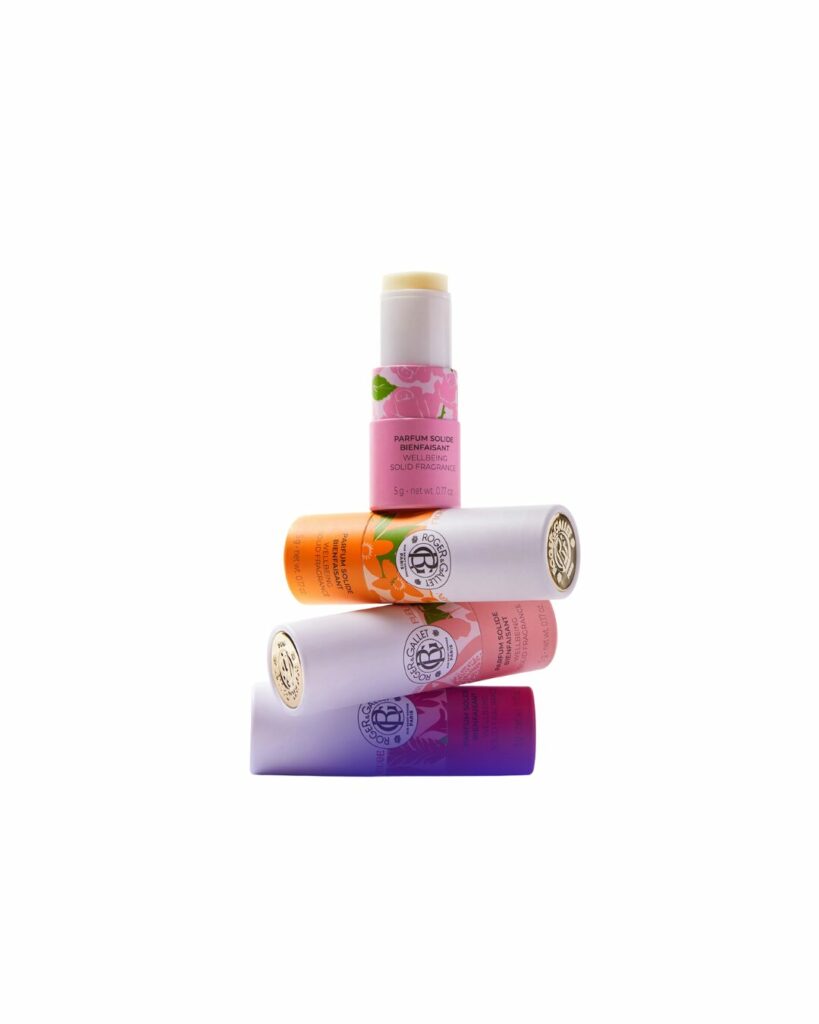
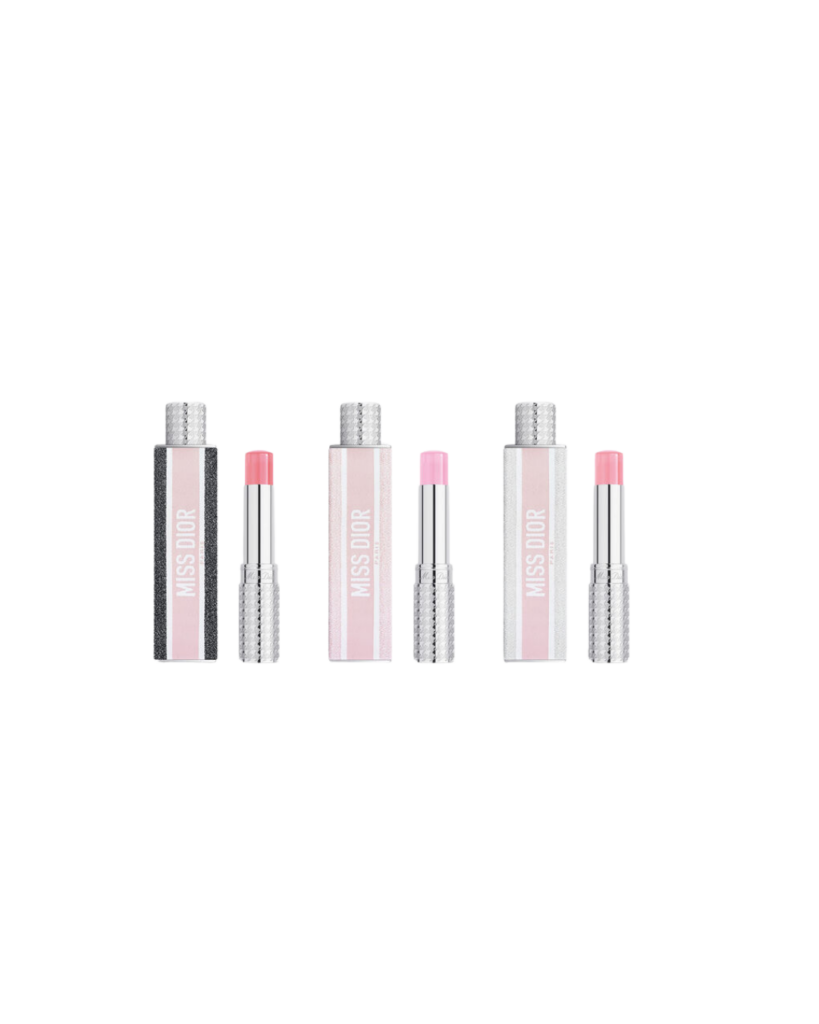
Solid perfumes (formerly called “concretes”) are non-greasy plant waxes infused with perfume concentrate, which are solidified for a caressing, sensual application on the skin. Easy to slip into your handbag or into the car for scented touch-ups during the day 😉
👉🏼 Brands to discover: Sabé Masson, Roger & Gallet, Mini Miss Dior, Rose et Marius, Diptyque, Jo Malone
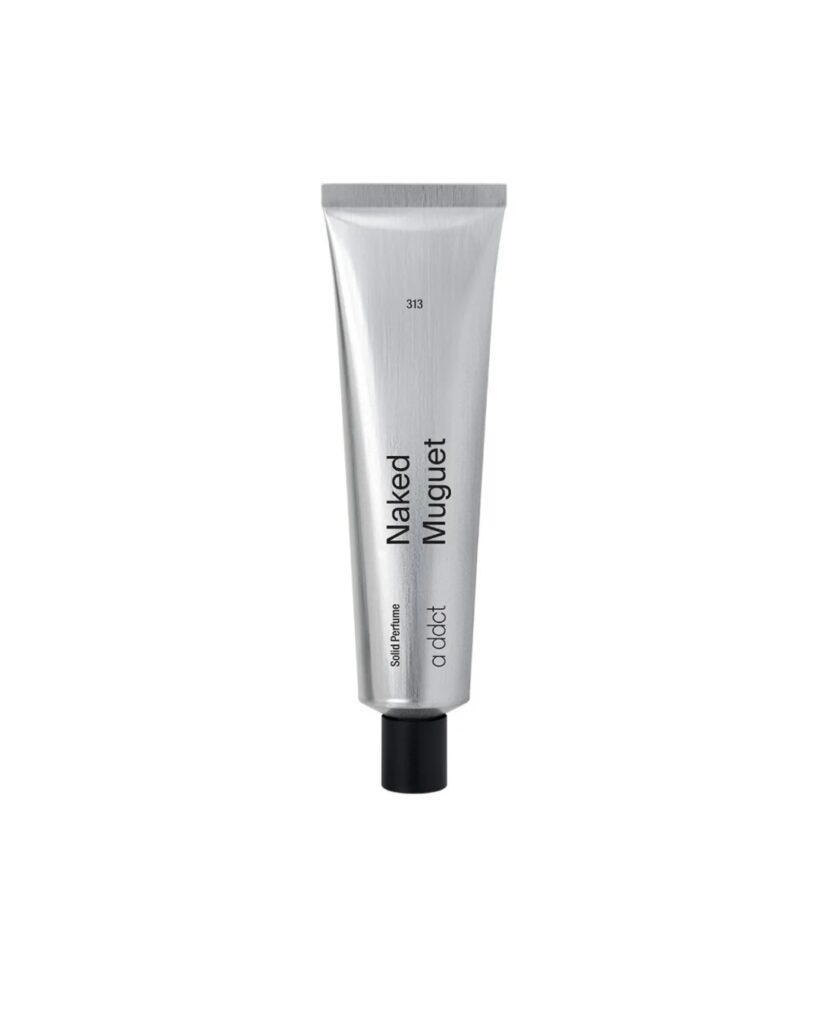
Perfume gels: a perfume formulated and designed like a “primer” that you can apply under a perfume, in layering, to prepare the skin and improve the longevity of the chosen fragrance (also alcohol-free), while adding an extra note to it or not. It can also be worn alone.
👉🏼 Brands to discover: the Hong Kong brand A ddct, and L’Occitane.
7. Adopt Perfume Jewellery
To combine elegance and fragrance throughout the day, fall for perfume jewellery. It contains a lava stone or a ceramic, whose porous nature makes it possible to absorb the fragrance and diffuse it slowly.
Bracelet, necklace, ring, earrings… as you move, you leave a discreet, refined sillage.
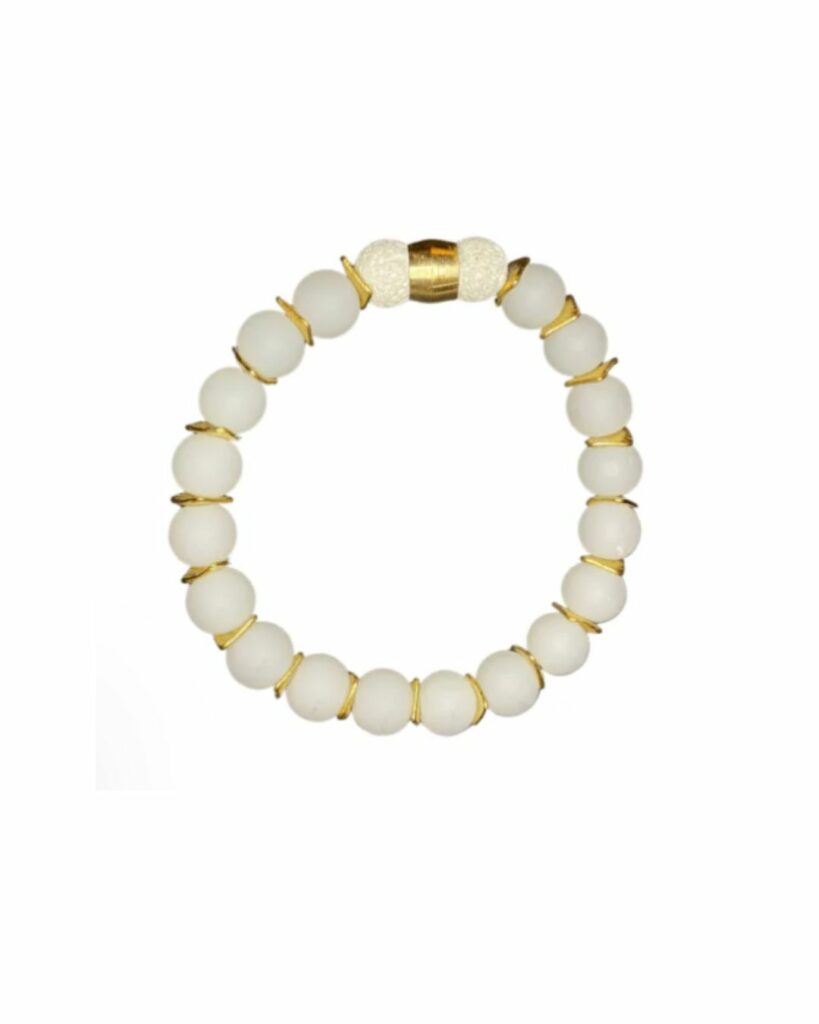
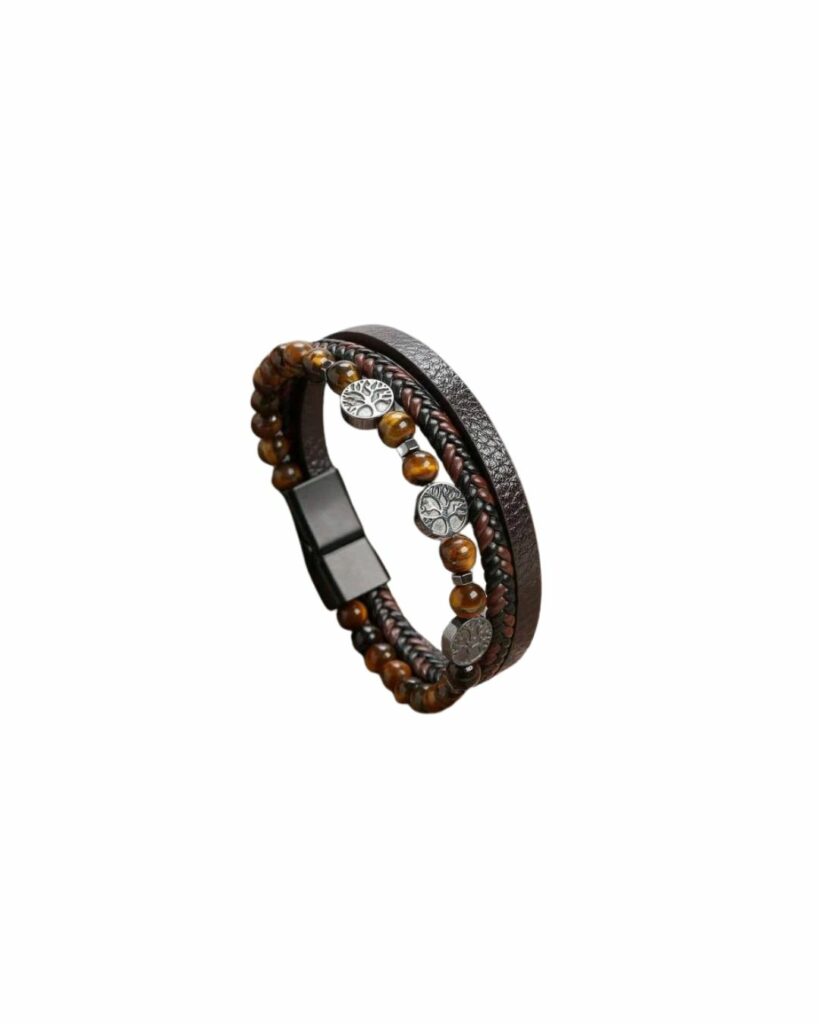
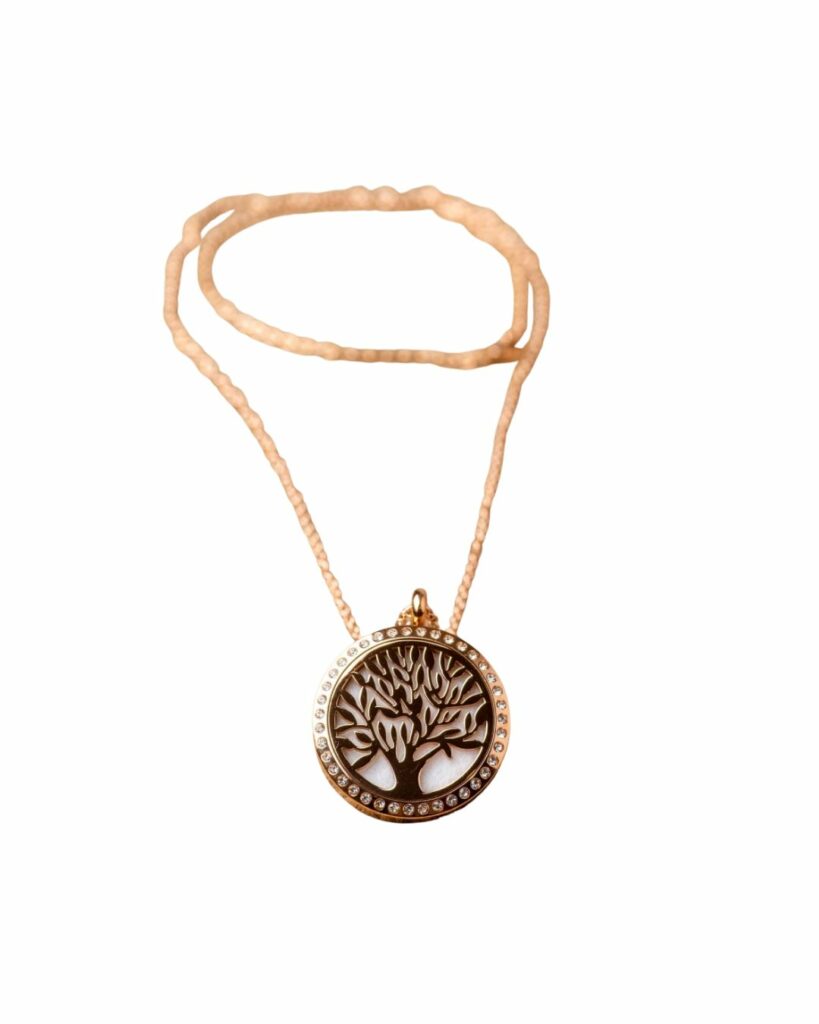
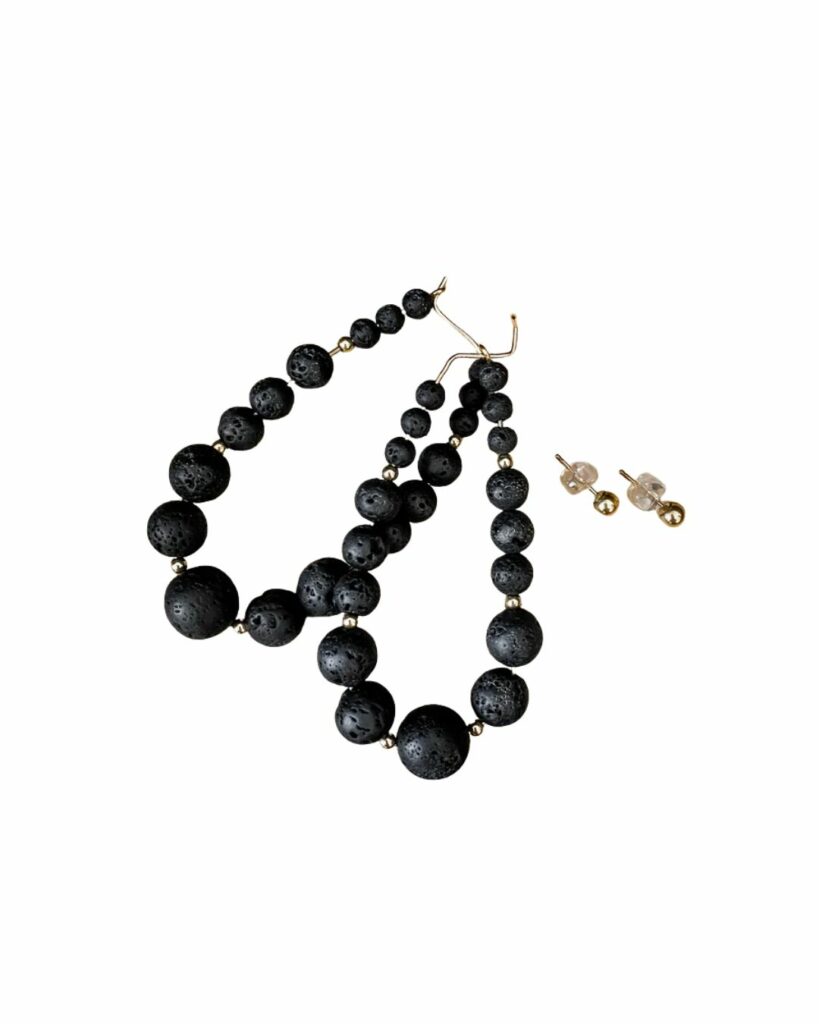
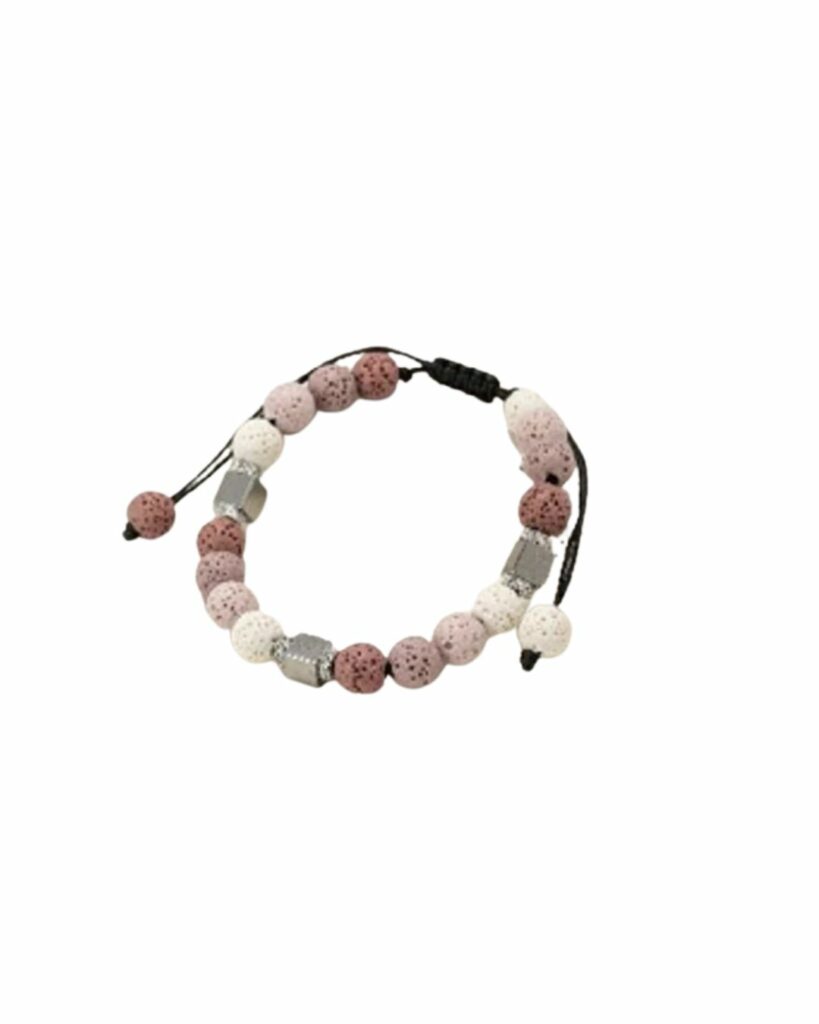
👉🏼 Brands to discover: Anuket, Aroflora, and other creators of perfumed jewellery.
A practice directly inspired by African customs, where women make perfumed necklaces with aphrodisiac virtues by mixing seed powders, spices, resins, amber… (see Master Parfums Pocket Quiz “Around the World in Perfumes”).
Wearing perfume when it is hot is entirely possible—provided you adapt your gestures. Thanks to these 7 tips, you can keep wearing your favourite perfumes, without staining your skin or drying out your hair, while staying fresh and elegant all summer long.
YOU MAY ALSO LIKE …
Summer holidays—the ideal moment to recharge differently. Perfume, the art of the invisible, can be listened to. Specialised podcasts offer a sonic dive into the olfactory world, with no need for a bottle. It is an invitation to an inner journey and to knowledge, with nothing but the voice.
A Recent Emergence, Between Sense and Storytelling
Perfume has never been an easy subject to translate. Too sensory for the written word, too invisible for the image, too complex for short formats. For a long time, it slipped between the lines, on the margins of cultural narratives. People spoke of it behind the scenes, among specialists, in confidential magazines or during professional conferences. Never in the public space, and even less in audio formats.
Radio, then the podcast, at first ignored this material. There was a misunderstanding: how to speak of what one can neither see nor hear? Olfaction, in the collective imagination, remained a matter of marketing or poetry. Either an opaque industry, or a vague territory of sensations. Between the two, little space for a rigorous, embodied discourse.
It was from 2018–2019 that a slow but significant change began. Several factors played a part. First, the rise of the podcast as an in-depth medium, favouring long formats, personal narratives, the sensitive approach. Then, the desire of certain perfume professionals—journalists, perfumers, creators or enthusiasts—to break out of the technical compartmentalisation.
There is also a broader cultural context. Since the pandemic, the need to slow down, to listen, to reconnect with more subtle forms of attention has opened the way to other ways of speaking about the sensory. Taste, touch, smell have regained a place in conversations. Perfume, as a cultural object, has ceased to be confined to the product to become once again a language, a memory, and even the reflection of the world.
It was in that moment that the podcast established itself as a relevant medium. With a clear aim: to explore. What the audio format allows is a distraction-free listening, a direct link with a voice, an emotion. Olfactory speech, often fragmented or mute, finds there a favourable ground. One can then take the time to unfold a childhood memory around a smell, retrace the history of a forgotten molecule, question a perfumer about what he does not always dare to say in the classic media.
And above all, the podcast makes it possible to say things differently. Not with product sheets, not with visual campaigns, but with the breath of someone who tells, doubts, hesitates, remembers. It is that speech that perfume was waiting for.
So no, one does not smell through a podcast. But one listens, and in that listening something else is born. A relationship with the smell. An idea of perfume. A sensation, always impalpable, with a new dimension.
Typologies of Content, or the Diversity of Approaches
When one explores the podcasts devoted to perfume, one quickly discovers that there is not just one type of olfactory discourse. There is no canonical format, nor a single model. On the contrary, what is striking is the diversity of intentions. Some go in search of the human encounter, others prefer technical analysis. Some tell stories, others give voice to places, materials, gestures. It is what makes this field alive.
Interviews with creators, perfumers, producers are often the point of entry. They give a voice to the artisans of the invisible.
- La Voix du Parfum, hosted by Isabelle Sadoux, is one of the most regular podcasts in this register. Each month, she invites a player in the industry: perfumers, growers of perfume plants, artisans of distillation. Far from formatted discourse, these exchanges make room for doubts, silences, the precision of a memory or a gesture. There one discovers the behind-the-scenes of creation, but also what precedes it: the land, the climate, the hands.
- In another style, the series Jean-Claude Ellena: Le Nez au Vent, initiated by France Culture, retraces in the first person the trajectory of a perfumer through the landscapes, the materials and the memories that shaped him. These are rare but precious formats, which anchor perfume in time, in lived experience.

Rarer, but just as essential, the podcasts that address the sector’s news and its trends are beginning to find a place.
- Podcasts by Nez, produced by the collective of the same name, offers journalistic formats, often in round table or interview, to examine the market’s transformations. The emergence of so-called niche perfumes, the redefinition of gender in perfumery, the impact of new regulations, the evolution of olfactory tastes: these subjects demand rigour, and find here a space worthy of them.
Finally, some podcasts set out to explore the culture and history of perfume.
- This is the case of À Fleur de Nez, produced in partnership with Fragonard, which alternates between historical narratives, scientific approaches and sensitive accounts.
- Nez à Nez adopts an even freer form, by inviting anonymous people to tell a personal story linked to a smell. The aim is not to comment on a perfume, but to reveal what the sense of smell keeps in memory, sometimes since childhood.
This diversity of formats, tones and viewpoints constitutes a richness. It reflects what perfume really is: a field of perceptions linked to knowledge and to storytelling. The podcast, through its plasticity and its intimacy, allows each person to find a path in it. Whether one is an amateur or a professional, curious or passionate, there are, in this abundant offering, a thousand ways to enter into a relationship with what cannot be seen.
Brands vs Independents: Two Registers, Two Intentions
In the landscape of podcasts devoted to perfume, two major editorial logics take shape. On one side, formats produced by brands, bearers of a controlled speech, aligned with their aesthetic and their values. On the other, independent voices, freer in their tone, often more critical, but not for all that exempt from strategy. The divide is not a frontal opposition, but a gap in posture, in rhythm, in intention.
Brand podcasts are akin to sensory extensions of their world.
- Fragrance Stories, launched by Serge Lutens, illustrates this approach with precision: each episode unfolds a slow, hushed, sometimes almost mystical narration, in line with the house’s visual and literary identity. Here, the podcast does not explain anything, it envelops. It does not describe the perfume, it deploys its resonances. Here we are in a controlled narrative register.
- Conversely, Essential Parfums adopts a clearer, almost didactic tone. The raw materials are told there by the perfumers themselves, in a pared-down format, where the speech transmits without overloading. It is not a dive into the imaginary, but a gesture of controlled pedagogy. The intention is noble: to awaken curiosity, to transmit knowledge, without superfluous noise.
Mirroring these calibrated narratives, the independent voices occupy a more shifting space, sometimes more abrupt, but always necessary.
- La Parfumerie Podcast, hosted by L’Ancien and Le Zen, falls within this vein. It is raw, passionate, sometimes disturbing. The episodes resemble conversations between friends, where favourites, rants and spontaneous analyses cross paths. There is no fixed line, but an assumed, subjective, almost militant speech. It is that breath that sets back in motion an olfactory discourse that is sometimes too smoothed over.
- More analytical, Podcasts by Nez, launched in 2021 by the eponymous collective, structures the speech around precise themes: gender, economics, the culture of perfume. Round tables, commented readings, cross-interviews: everything is designed to decompartmentalise. The tone is rigorous, sometimes arid, but always situated. It is a space where perfume is articulated with the world, without needless stylistic effect.
- Finally, Sens Figuré, carried by Anne-Laure Joalland, offers a sensitive alternative. Each episode is built around a voice, a memory, an intimate relationship with smell. There one hears few brands, few technical terms, but much lived experience. Emotion is not exploited there: it is welcomed. In this format, the podcast becomes almost a poetic gesture. A form of inner archaeology, where perfume reveals what it buries.

What emerges is not a hierarchy between controlled formats and free voices, but a coexistence of narratives. Each podcast draws its line, according to its resources, its objectives, its loyalties. What matters, at bottom, is not the origin of the podcast, but the aptness of what it attempts. The coherence between the substance and the form, the honesty of the tone, the attention paid to what is said… and to what is not said.
Limits and Challenges of the Format
Speaking of perfume without making it smelled. That is the whole challenge. And the whole paradox.
The podcast imposes an obvious constraint: the absence of smell. Where perfume rests on volatility, the instant, the skin, the audio format transmits nothing of the real material. It gives access neither to the direct sensation, nor to the sillage effect, nor to the evolution on the skin. This lack is head-on. It cannot be circumvented.
But it is precisely this limit that pushes those who take it up to invent something else. The podcast does not try to simulate perfume. It does not seek to fill the void, but to compose with it. One must then trust in language, in silences, in the mental images that words can awaken.
The main challenge remains that of vocabulary. Speaking of smell is always delicate. Too many technical words, and one loses the listener. Too many metaphors, and one drifts. One must find a rare balance between precision and evocation, between rigour and sensitivity. Those who succeed manage to make something felt, without imposing anything. The others get lost in generalities or in detours that tire.
Another difficulty: the audience. Perfume is a field still often perceived as elitist or too abstract. Podcasts must deal with this filter. The risk is twofold. On one side, remaining too confidential. On the other, oversimplifying. Finding one’s place between these two extremes takes time, a clear identity, and a real consistency in the discourse.
And then there is the question of rhythm. Perfume calls for slowness, depth, nuance. Yet the podcast remains a format subject to the listener’s availability, to their concentration, to their fatigue too. One must therefore capture attention without betraying the material. Avoid the “frozen monologue” effect, while refusing gratuitous chatter.
It is not an obvious format. It demands a sincere commitment, a capacity to listen, an attention to detail. But it is also what makes its strength. Because it shows nothing, the podcast opens an imaginary space. What one does not hear, one guesses. What one does not smell, one projects.
The creators who accept the rules of the game—to speak without showing, to suggest without saturating—then offer a unique experience. Another way of entering the world of perfume. More discreet. More inward. But sometimes more striking than many an illustrated discourse.
The podcast does not try to take the place of the smell, but rather to build a slower, more inward relationship. A speech that takes the time to settle.
These formats seek to highlight what, usually, makes no noise. A way of creating a link with perfume, no longer through the skin, but through listening.
The format remains young. But it is already tracing paths. Tomorrow, perhaps, the experience will be extended. A podcast accompanied by a sample. A narration conceived for the senses. A cross-exploration, where the ear and the nose would move forward together.
And there, already, is another way of inhabiting perfume.