
The Fig in Perfumery
Ah, the fig! This fleshy, sweet fruit, with its soft and subtle nuances, evokes not only culinary delights but also a rich and varied olfactory experience. Let’s delve into the heart of the fig and its environment, explore its fascinating role, and discover some classics from the world of perfumery.
Fig Varieties, Cultivation, and History
The fig is known as the fruit of the fig tree, a tree belonging to the Moraceae family. In reality, the fig is an inverted flower, containing many small flowers that, once pollinated, produce fruit—those little seeds that crunch between our teeth!
The fig tree is one of the oldest fruit trees cultivated by humans. It is estimated that its domestication dates back more than 11,000 years. Archaeological evidence of domesticated figs dating to around 9,400 B.C. has been discovered at Gilgal I.
This discovery suggests that the fig tree may have been the very first fruit tree to be domesticated, even before the domestication of grains such as barley and wheat.
Traditional figs are primarily grown in areas with a Mediterranean climate. Their cultivation has its roots in the Near East, specifically in Turkey and Syria. The Mediterranean basin—encompassing Europe and the Maghreb—is at the heart of the fig-growing tradition. The Middle East, particularly Iran, is also well established as a fig-producing region. California has become a major producer since Spanish missionaries introduced the fig there.
The world of figs is vast and diverse, with more than 750 varieties spread across the globe. Among them, the black Bourjassotte fig, the Solliès fig, and the white fig are must-tries, each offering unique flavors and aromas.
As for the prickly pear, it is a fruit that grows on the Opuntia cactus, found in the arid regions of the Americas, the Mediterranean, and North Africa. Despite its name, it has no direct connection to the traditional fig.
Extraction of the Fig’s Scent
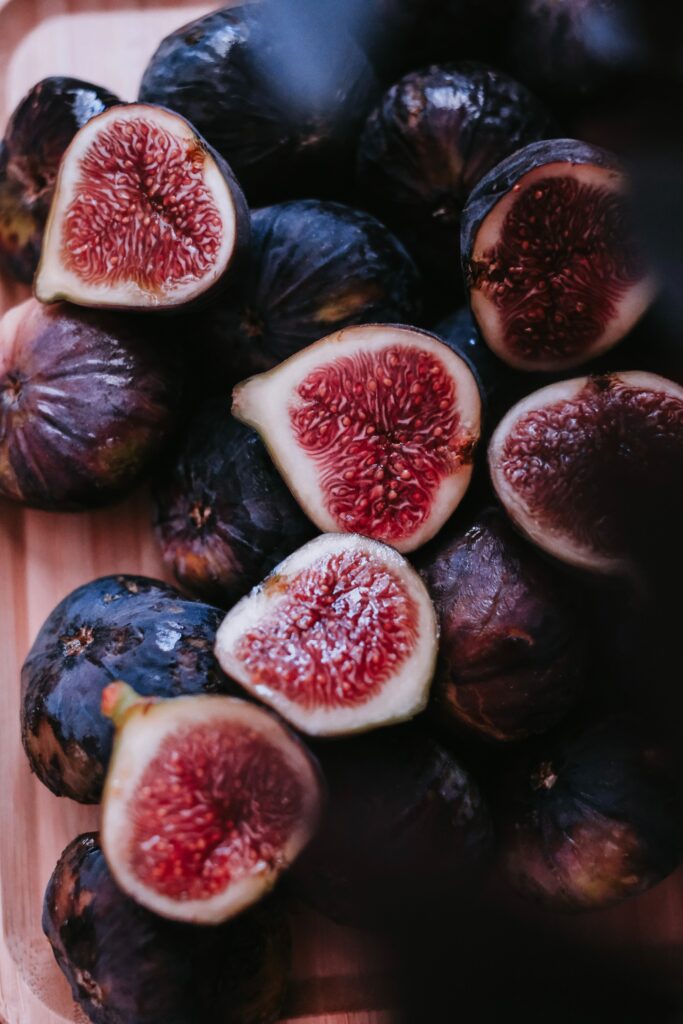
Fig Perfumery
Extracting scents is a delicate art that combines traditional and modern methods to capture the essence of the raw material. In the case of the fig, the process is particularly complex. Although the fruit is richly fragrant, its delicacy means it does not emit a scent strong enough to be extracted using traditional techniques such as distillation or enfleurage, as one would do with flowers or resins.
Chemistry in the Service of Perfumery
The magic of perfumes lies not only in natural ingredients but also in the ability of experts to manipulate chemistry to reproduce specific scents. If we tried to capture the scent of the fig directly from nature, the result might differ from our expectations. But thanks to modern techniques, perfumers have the tools to recreate the very essence of the fig, from the green freshness of its leaves to its sweet, sugary flavor.
These tools are actually specific chemical compounds—molecules—that, when combined, can evoke a precise image, sensation, or memory.
For the fig, it’s not simply a matter of reproducing its juicy fruit, but also the sensation of the sun warming its skin, the cooling shade of its leaves, and even the woody warmth of its trunk.
Thanks to these innovations, we have access to fragrances that not only evoke the fig more faithfully and in a wider variety of ways, but can also go beyond our perceptions by offering entirely new combinations.
These molecules are blended in varying proportions to achieve the desired nuance of the fig, whether it’s the green leaf of the fig tree, the sweet fruit, or the wood of the tree. It’s worth noting that creating a realistic and multifaceted fig note often requires a complex combination of several of these components.
The Importance of Natural and Synthetic Ingredients
Although synthetic methods are often used to recreate the scent of fig, this does not mean that their qualities are inferior. In fact, they can offer greater longevity and better sillage for a fragrance. However, the use of natural ingredients, when possible, can bring unmatched depth and complexity.
Capturing the scent of fig in perfumery is a fusion of science and art—a quest to capture the ephemeral and translate it into a lasting olfactory experience.
Multifaceted Fragrances: The Fig in All Its Forms
The fig tree is an olfactory treasure, not only through its fruit but also through its leaves and wood. Together, they form a triptych of scents that has inspired many perfumers.
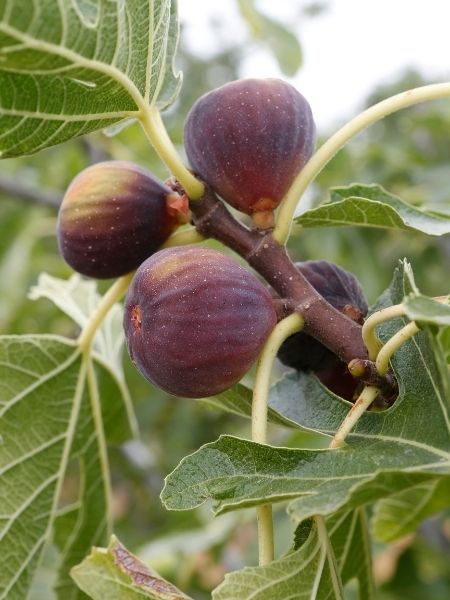
The fruit—the fig itself: Its juicy, fleshy pulp offers a soft, sensual bouquet that is slightly sweet, with a creamy, almost lactic nuance. In a fragrance, it can evoke a sense of nostalgia, recalling summers spent under the Mediterranean sun. Its scent is both subtle and enveloping, making the fig a favorite choice for fruity fragrances that aren’t overly sweet.
The fig leaf: If you’ve ever crumpled a fig leaf between your fingers, you’ll recognize its green, fresh, and almost raw scent. It evokes the shade beneath the tree on hot summer days—an instant escape to places of relaxation. In perfumery, the fig leaf note adds a green, slightly bitter, and crisp dimension that can counterbalance the sweetness of other ingredients.
Fig wood: Less common than the first two, fig wood offers a soft, creamy woody essence. It adds depth and warmth to a fragrance, evoking the sensation of bark warmed by the sun. When combined with other woods, such as cedar or sandalwood, it can enhance a woody accord or soften more powerful notes.
Complementary Combinations: Fig pairs wonderfully with many other ingredients. It can be combined with citrus notes for a more sparkling sensation, with white flowers for a more opulent dimension, or with resins and musks for a more sensual trail.
Iconic Fragrances: The Essence of the Traditional Fig
The fig, with its Mediterranean aura, has been used as an iconic note in many fragrances. Its delicate, sweet, and green scent evokes the warmth of summers past, the freshness of a fig tree’s lush leaves, and the indulgent sweetness of a roasted fig tart. Let’s explore some iconic fragrances where the traditional fig takes center stage.
Premier Figuier by L’Artisan Parfumeur: created in 1994 by Olivia Giacobetti. It was the very first fragrance to feature fig as the star ingredient, and it remains one of the most iconic to this day. What makes it unique is that the fig note did not yet exist in the perfumer’s repertoire.
It is an ode to the fig tree in its entirety, evoking the crispness of green leaves, the milky sweetness of fig milk, and the woody warmth of the tree. It is a fragrance that recalls a summer day in the Mediterranean, both fresh and creamy.
Ten years after the release of Premier Figuier, Olivia Giacobetti introduced the “Extrême” version, which builds on the original theme while intensifying it. The fig notes are deeper and more lush, enriched with indulgent touches such as almond cream. Sandalwood in the base note adds a creamy, warm dimension, making this version more opulent.
Philosykos by Diptyque: In 1996, Olivia Giacobetti repeated this exercise for Diptyque. Undoubtedly one of the most iconic fig fragrances, Philosykos Eau de Toilette beautifully captures the essence of the entire tree—from its lush green leaves to its fleshy fruit. The result is a woody, green fragrance that evokes a summer day spent under a fig tree. Then, in 2012, the perfumer created the eau de parfum, which accentuates the fig tree’s woody character with a touch of white cedar, slightly overshadowing the fruit’s sweetness. Philosykos evokes a summer on Mount Pelion, wandering through an orchard of wild fig trees, capturing the freshness of the leaves, the sweetness of the figs, and the depth of the tree.
Un Jardin en Méditerranée by Hermès: created in 2003 by Jean-Claude Ellena. Fresh, aquatic notes evoke the Mediterranean’s maritime character, followed by woody and green nuances reminiscent of the region’s trees and lush vegetation. Floral and fruity accents reflect the diversity of Mediterranean gardens. A fragrance that is both light and complex, mirroring a seaside garden.
Ninfeo Mio by Goutal, created in 2010 by Camille Goutal and Isabelle Doyen. The dominant note of fig leaf—fresh and green—evokes the garden’s shady trees. The citrus top notes recall the sparkling energy of dawn, while the deeper base notes convey the mystery and depth of ancient ruins. Ninfeo Mio is an ode to nature, history, and beauty, capturing the essence of the Garden of Ninfa in a bottle.
Womanity by Thierry Mugler: created in 2010 by Alexis Dadier and Ralf Schwieger. Although it is not a fragrance centered exclusively on fig, Womanity deserves a mention for its bold use of the fig note in combination with a “caviar” note. This surprising blend creates a sweet-and-salty fragrance that is both intriguing and modern.
Fig Infusion by Essential Parfums: created in 2022 by Nathalie Lorson. Nathalie Lorson has created a fruity fragrance with a realistic fig note, enhanced by Italian mandarin. This fragrance blends with a floral heart of orange blossom and notes of Sri Lankan black tea. The composition is rounded out by a woody blend of Virginia cedar and creamy sandalwood. The balsamic note of benzoin adds a refined, comforting touch.
The fig, with its rich olfactory profile and nuances ranging from the crisp greenness of its leaves to the creamy sweetness of its fruit, has long captivated the imagination of perfumers. Its history, deeply rooted in ancient civilizations, attests to its central place in culture, religion, and gastronomy.
One thing is certain: the fig in perfumery is much more than just a note. It is an invitation to travel, to dream, and to reconnect with nature. And as perfumery continues to evolve, there is no doubt that the fig, with its rich heritage and versatility, will continue to inspire new generations of perfumers in search of the next great classic.
Practice recognizing different scents—and why not try recreating the facets of the fig using the scented pencils from the Master Parfums olfactory activity book!