Autumn, with its gentle melancholy and its palette of warm colours, evokes memories of walks in the forest, roasted chestnuts and leaves crunching underfoot. It is a season of transition, where the sunny days of summer melt into the coolness of longer evenings. Just as nature changes, our olfactory choices evolve, enriching themselves with deep, woody and enveloping notes. Autumn perfumery captures this unique atmosphere by playing on dark, textured and comforting accords. Let’s look together at the flagship notes of this season and the types of perfumes that showcase them.

The Scent of the Undergrowth: An Immersion in the Autumn Forest
In perfumery, autumn is the season of woody scents, earthy accents and comforting notes that evoke a return to the source, to the roots of nature.
One of the most emblematic images of autumn is that of dense forests, bathed in mist and silence, where each step makes the dead leaves crunch underfoot. Perfumers capture this sensation through undergrowth notes that faithfully recreate the smell of a walk in the forest after a fine rain.

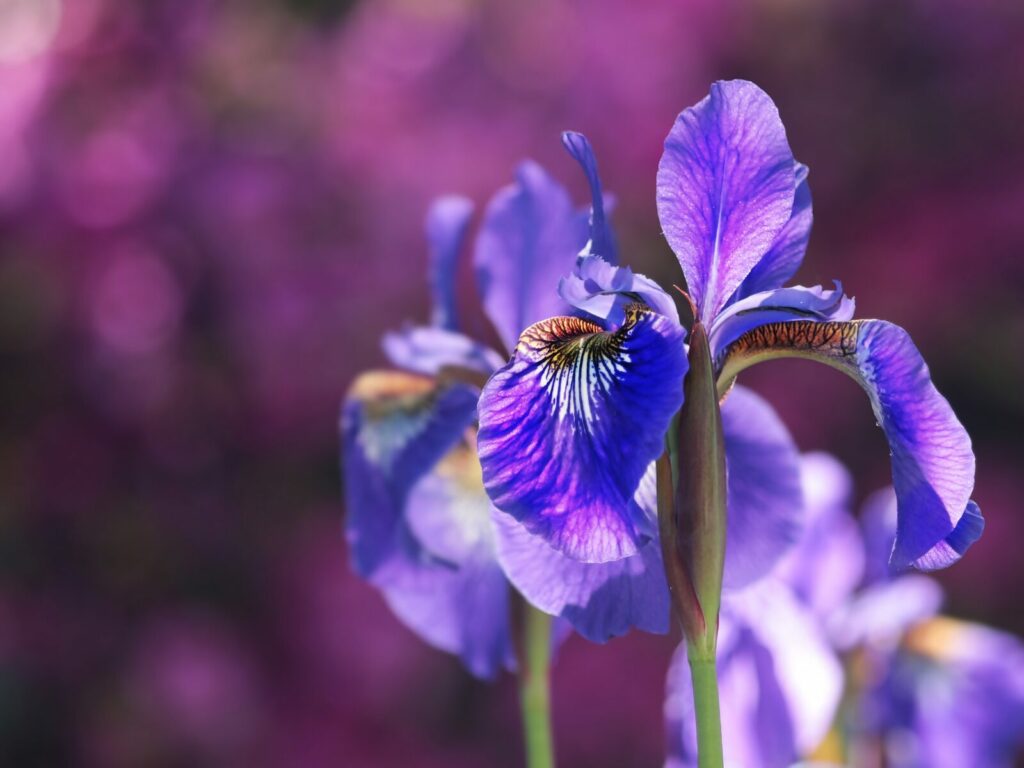
The key ingredients that evoke this atmosphere are often drawn directly from nature. Oakmoss, for example, is an emblematic note of many autumn perfumes. With its slightly damp, earthy smell, it recalls tree trunks carpeted with moss, decomposing leaves and the humus that gives off dark, enveloping wafts. Combined with notes of vetiver, an essence with smoky, earthy accents, and iris, which adds an elegant powdery touch, oakmoss offers a perfect base for a perfume that smells of the autumn forest.
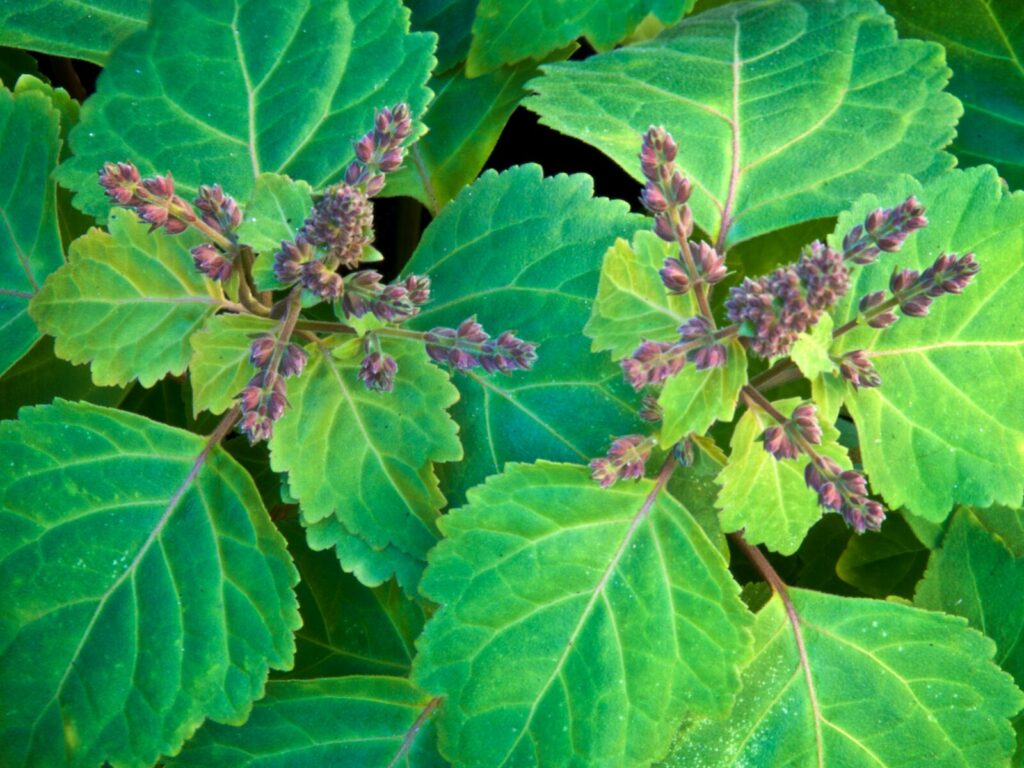
Patchouli, another star note of this season, brings a woody, slightly spicy density. It is often used to give depth and character to autumn creations, recalling the scents of damp wood and freshly turned earth. Its almost mystical side makes it an ingredient of choice for perfumes that seek to reproduce the enigmatic essence of autumn.
The Smell of Woods: Powerful, Comforting Accords
In this season when we seek to warm ourselves, woody notes take on their full importance. More than a simple smell of wood, these notes create a real sensation of warmth and cocooning. Cedar, often used in perfumery, is a dry wood with resinous accents, which evokes wooden cabins or the smell of the wood shavings of a pencil being sharpened. It brings a reassuring side and also pairs very well with floral or spicy notes for a subtle balance.
Sandalwood, softer and creamier, is another favourite note of autumn perfumes. Native to India, it is often considered one of the most sensual and soothing woods. Its milky, velvety smell creates an enveloping atmosphere, ideal for this season when we seek to protect ourselves from the first chills. Combined with spices such as nutmeg or cinnamon, sandalwood offers a cocooning effect, like a cashmere sweater or a crackling fireplace.
Autumn is also a period when smoky, resinous accords blend with woods. Ingredients such as labdanum or incense bring a mystical, sacred depth. These notes confer a spiritual dimension on perfumes, making them almost meditative, perfect for this season conducive to introspection.
A Balancing Act Between Freshness and Density
If woody notes dominate the autumn olfactory world, they are not enough on their own. To avoid falling into overly heavy creations, perfumers like to incorporate fresh, lively touches, recalling the last bursts of summer. Citruses, such as bergamot or lemon, are often used at the top of perfumes to create a striking contrast with the earthy bases. They bring a temporary lightness, which fades over time to give way to the deeper accords.
This balance between freshness and density is one of the signatures of autumn perfumes. They play on contrasts: a period of transition where nature, while preparing for winter, still retains memories of the summer warmth.
Nuts: Autumn Gourmandise
What makes nut notes so special in autumn is their ability to create a sensation of comfort without being too sweet or oppressive. Unlike winter perfumes that bet on heavier, very gourmand notes such as chocolate or caramel, nuts stay in a zone of gourmand lightness. They bring a warmth and roundness that pair perfectly with woody or spicy accords, creating compositions that evoke nature while being resolutely elegant.
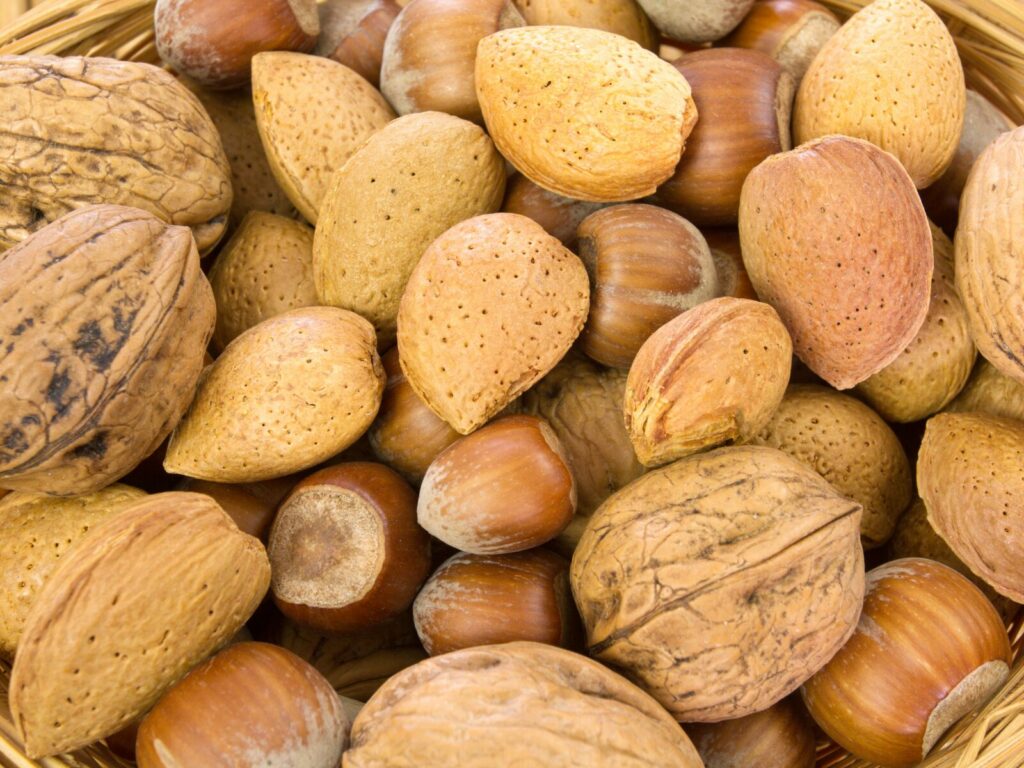
These notes are also very versatile. Depending on the associations, they can give rise to very different perfumes: an almond perfume combined with notes of vanilla and musk will create an impression of softness and femininity, while hazelnut combined with cedar and vetiver will be drier and more refined, perfect for unisex use.
One of the most emblematic notes of autumn perfumes is almond. Almond has a fascinating duality: at once soft and bitter, it can recall the almond powder used in pastry-making or the drier aromas of fresh shells. In perfumery, almond plays on this complexity. It can be worked in a gourmand way, evoking sweet treats such as marzipan or frangipane, but it can also reveal itself as drier and almost leathery, as in certain more pared-down perfumes. This duality makes almond an ideal note for autumn. When it is combined with spices such as cinnamon or nutmeg, it brings a gentle warmth, recalling afternoon snacks taken in shelter, around a wooden table, while outside the wind blows in the trees. Almond-based perfumes often evoke a feeling of comfort, of coming home, while remaining refined and elegant. This is one of the reasons why this note is often used in unisex compositions, because it appeals both to lovers of sweet treats and to those who prefer drier, more assertive accords.
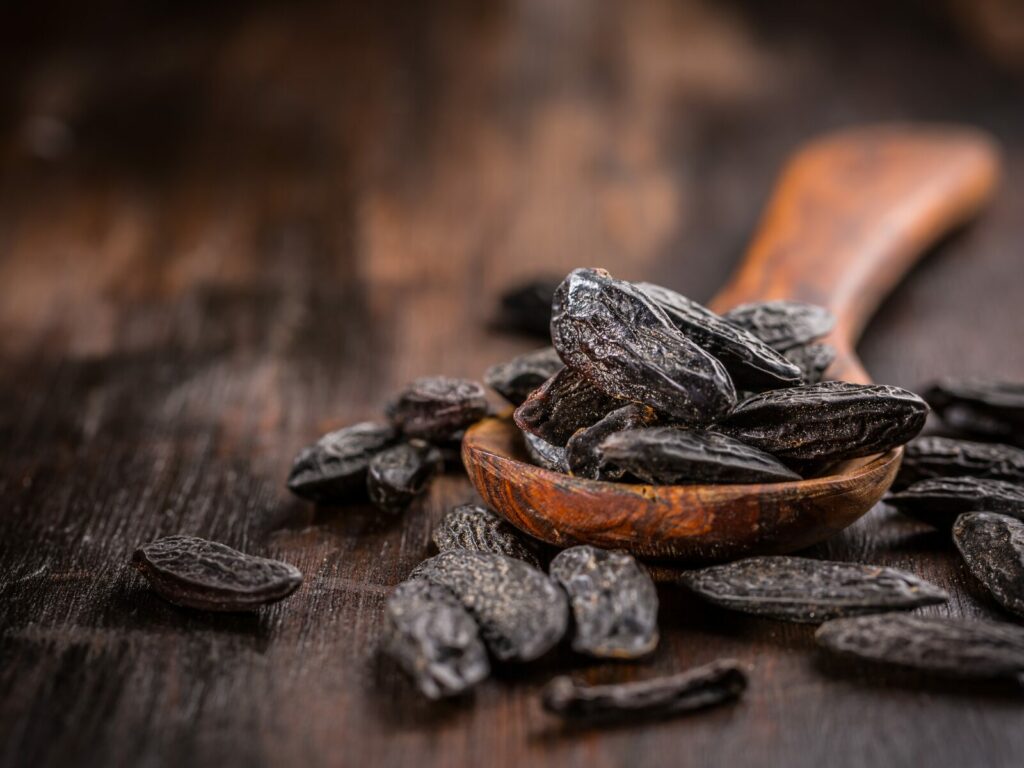
Tonka bean is another note that often makes its way into autumn perfumes. Native to the tropical regions of South America, this seed has both gourmand and woody facets. Its olfactory profile is complex, with touches of vanilla, caramel, and even bitter almond. It gives off an enveloping, addictive warmth that immediately evokes the rich, unctuous desserts of autumn, without ever falling into a stifling sweetness. Tonka bean is often combined with drier or spicier notes to counterbalance its roundness. It is thus found in compositions where it converses with sandalwood, amber or tobacco. These accords create an effect of complex softness, which leaves an impression of lasting comfort, like a merino wool sweater you slip on during the first cool evenings. It is a note that blends perfectly into the autumn spirit, combining gourmandise and sophistication.
Among the nuts, hazelnut stands out for its at once dry and sweet aspect. Its smell recalls just-roasted hazelnuts, but also pralines and other roasted treats. In perfumery, hazelnut is often used to bring a crunchy dimension to compositions. It introduces an olfactory texture that immediately evokes the crunch of leaves underfoot and of nuts between our teeth. When it is worked in combination with milky or woody accords, hazelnut can give rise to surprisingly subtle perfumes that do not fall into excessive gourmandise. It brings a creamy, soft side, but with a lightness that prevents the composition from becoming too heavy. Thus, it is often incorporated into autumn creations to recall the simple delights of the season, such as a bowl of roasted hazelnuts or an unctuous spread.
The Chypres: Elegance
Chypre perfumes are the very embodiment of timeless elegance in perfumery. Their name, drawn from the French word “chypre,” refers to the island of Cyprus, the historic cradle of certain raw materials used in this olfactory family. Appearing at the beginning of the 20th century, the classic structure of chypres is built around a fascinating contrast between fresh notes and dark, earthy notes, thus creating perfumes that are at once sophisticated and mysterious. In autumn, chypres find a particular resonance, evoking the richness and complexity of the seasonal landscapes, between golden lights and shaded undergrowth.
Autumn Chypres: Between Freshness and Depth
What makes chypres particularly suited to autumn is their ability to evolve over time, just like autumn days that go from cool and clear to darker and more enveloping. The initial freshness of the citrus recalls the cool mornings of September, while the deep, earthy notes evoke the richness of nature at the end of its cycle, when the leaves fall and the air fills with the smell of the undergrowth.
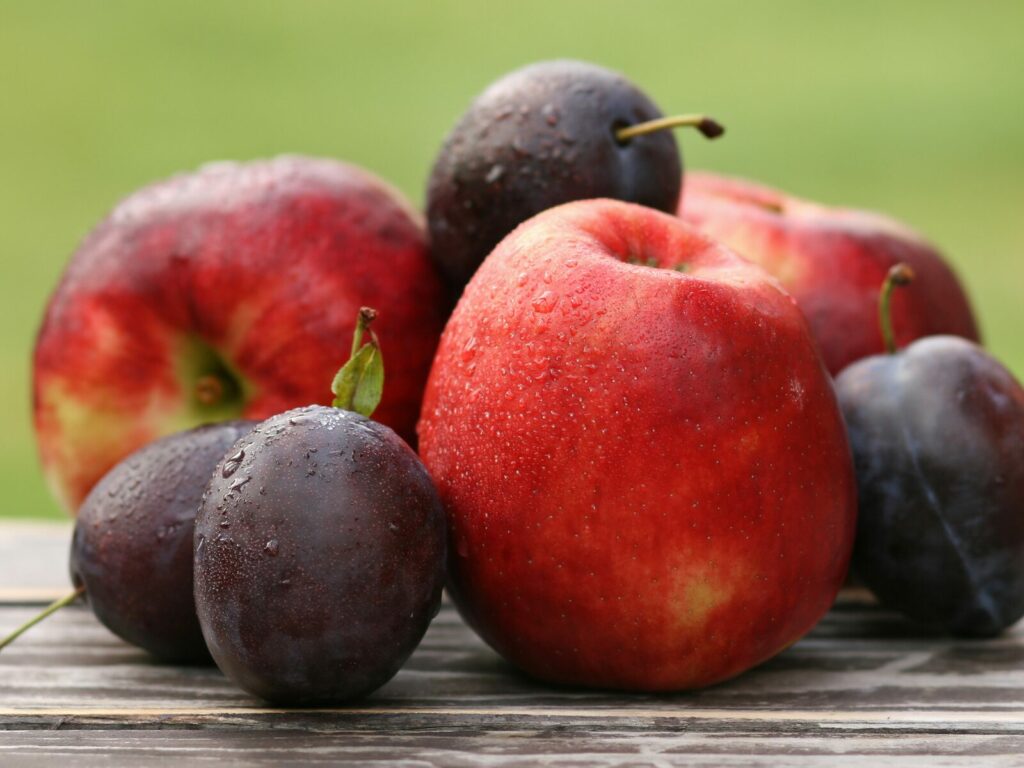
Autumn chypres are often distinguished by the addition of fruity or spicy notes that recall the late-season harvests. For example, touches of plum, fig or apple sometimes enrich the compositions, bringing a slightly sweet softness that contrasts with the darker base of oakmoss. These fruits confer a roundness on the whole, balancing the earthier aspects of the chypre.
Spices also play a key role in autumn chypres. Black pepper, cinnamon or clove bring a warm, enveloping dimension, perfect for cooler days. These spicy accords blend harmoniously with the woody notes, reinforcing the impression of comfort and sophistication.
One of the great strengths of chypres lies in their versatility. These perfumes lend themselves to all occasions and all times of day, while retaining a certain distinction.
Perfumes for Autumn: Between Sophistication and Comfort
In conclusion, autumn perfumes are often perceived as more intense and textured than those of summer. They unfold with a richness that reflects the maturity of nature in this season. Autumn creations are perfect for moments of comfort, whether it is snuggling under a blanket with a good book or strolling in a park with reddened leaves.
Woody and chypre scents, in particular, invite a certain refinement. They are ideal for more formal occasions, evening dinners or indoor events, where the warmth of these notes contrasts pleasantly with the coolness outside. As for perfumes based on nuts and spices, they are perfectly suited to everyday use, offering a touch of comfort without being too imposing.
Whether you prefer the mystery of the undergrowth, the softness of nuts or the majesty of chypres, each seasonal perfume tells a unique story, ready to accompany your autumn moments.
Cologne, also known as eau de Cologne, is much more than a simple perfumed product. It embodies a rich, complex olfactory tradition dating back several centuries. In this article, we will explore the history of Cologne, its technical specificities, its distinctive olfactory characteristics and the various uses it has adopted from its beginnings to the present day. Furthermore, we will present a few emblematic examples of Cologne, accompanied by a detailed olfactory review.

The History of Cologne
The first “miraculous waters”—those therapeutic elixirs based on aromatic plants concocted by herbalist monks from the 14th century—are said to be the precursors of eaux de Cologne: Hungary Water (1370), an elixir of youth; Eau d’Arquebusade, which heals wounds; Eau des Carmes, an anti-migraine and digestive remedy…
The ancestor of eau de Cologne is said to come from Italy, a country where the citrus fruits brought back by the great Genoese explorers of the Renaissance grew in the 16th century. It was therefore natural to include citrus in the preparations of aromatic herbs. This is how the first formula of this new kind of perfume, which we call the Hesperidics, was born. More than perfumes, these potions—which could be sprinkled, rubbed or drunk—were prescribed for their tonic and stimulating properties.
And it was in 1533, in Florence, at the monastery of Santa Maria Novella, that René le Florentin, perfumer to Catherine de’ Medici, trained by the Dominican monks, created at her request a perfume to give to her future husband and king of France, Henri II. This is Acqua della Regina, an aromatic hesperidic, still in the catalogue of the Officina Profumo-Farmaceutica di Santa Maria Novella.
The origin of the true eau de Cologne is rather obscure because highly controversial, and several versions contradict each other on the authorship of this creation. Even today, several eaux de Cologne said to be “original,” “the real one,” “originale,” “extra old” coexist—sometimes developed by a certain Giovanni Paolo Feminis, other times a Giovanni Maria Farina, or even Franz Maria Farina! (Read the interesting analysis of the investigation conducted by Maïté Turonnet in her book “Pot-Pourri” or the Fabulous History of Eau de Cologne, both from Éditions NEZ.) Here we will pause on the version of the eau de Cologne of Jean-Marie Farina. In 1709, Giovanni Maria Farina, an Italian perfumer based in Cologne, Germany—a commercial crossroads of the time renowned for the quality of its products—created, on the olfactory model of Acqua della Regina, an acqua mirabilis (admirable water). Farina, inspired by the landscapes of his native Italy, wished to encapsulate the smell of a spring morning after the rain, a fresh, lively and stimulating scent. He declared, moreover, to his brother in a letter: “My perfume is like an Italian spring morning after the rain, of oranges, lemons, grapefruits, bergamot, cedars, flowers and herbs that my homeland offers.”
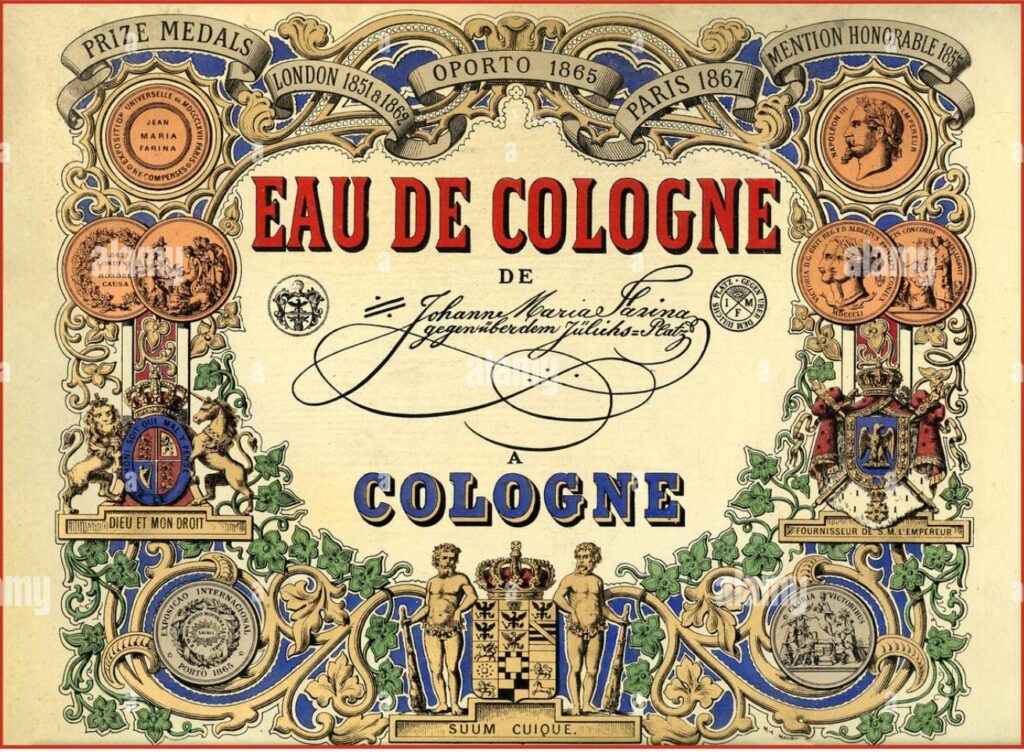
This “admirable” water then enjoyed great success. In the middle of the 18th century, during the Seven Years’ War, the soldiers of Louis XV brought it back to France, where it was renamed eau de Cologne. Monarchs and nobles from all over Europe were fascinated by this new fragrance that distinguished itself from the heavy, spicy perfumes of the time. Eau de Cologne was appreciated for its freshness but also, and above all, for its medicinal properties. It was credited with antiseptic virtues and was often used to disinfect wounds or purify the air of homes. Its toning, invigorating virtues were even recognised by the Cologne Academy of Medicine in 1727.
During that century, it was applied generously to the skin, added to bath water, or even ingested, as a kind of internal remedy for its supposed beneficial effects on digestion and mood. It was also used for a dry wash by soaking a cloth with which one rubbed the body.
The success of Farina’s eau de Cologne quickly inspired many imitators. The city of Cologne, becoming a centre of production of this fragrance, gave its name to this category of perfume. Various versions and interpretations of eau de Cologne emerged, each with variations in ingredients and proportions, but always retaining that fresh, hesperidic olfactory signature.
In the 19th century, the production of Cologne became industrialised, allowing an even wider distribution. The fragrance became a symbol of cleanliness and refinement in an era marked by growing attention to personal hygiene. It was then sold by the litre in accessible shops, and its use became familial and a vector of well-being. Famous brands such as 4711, created in 1792, consolidated the reputation of Cologne as a luxury product accessible to a wider clientele.
At the beginning of the 20th century, with the improvement of hygiene and easier access to water, perfume evolved from its hygienist role towards an art of pleasure. New, more elaborate compositions appeared. Eau de Cologne ended up losing its lustre in favour of eaux de toilette and extraits, and settled onto supermarket shelves. During the day, after washing, one refreshed oneself with eaux de Cologne, and for special occasions, one wore a more sophisticated eau de toilette or an extrait. Only a few eaux de Cologne from renowned brands continued to keep their aura, such as Guerlain’s Eau de Cologne Impériale.
Elisabeth de Feydeau, perfume historian, points out, moreover, that at this time these brands offered “eau de Cologne” versions of their great perfumes (see the section on concentrations below), more affordable and lighter, so that women could wear them during the day. Men’s perfumes, for their part, remained focused on hygiene, with fragrances based on citrus, lavender, and rustic notes.
From the 1950s, fresh waters—a compromise between the energising freshness of an eau de Cologne and the longevity of an eau de toilette—came to sing a tune of freedom.
After the Second World War, Europe, fascinated by the United States, aspired to “the American way of life,” which valued leisure and sport. This period of bodily freedom and carefreeness favoured the emergence of a new type of fragrance: the Eaux Fraîches, a compromise between the energising freshness of an eau de Cologne and the elegance and longevity of an eau de toilette (Eau de Roche by Rochas, in 1948; L’Eau Fraîche by Dior in 1953).
Others would follow in the 1960s, amid a current of freedom of morals, feminism and a return to the natural (Ô de Lancôme, 1969).
After the exuberance of the 1980s, the 1990s symbolised the search for fullness and naturalness, and marked a great return of care waters, led by “L’Eau Dynamisante” by Clarins.
But it was thanks to Thierry Mugler that eau de Cologne came back in force, with the ingenious idea of adding an overdose of white musks to the composition of his “Cologne.” He thus created the first eau de Cologne with real tenacity, never seen before, hesperidics being by nature very volatile and not very tenacious.
Since then, “Colognes” designate the perfumes of this Hesperidic family, of which eau de Cologne was the precursor. They have become refined, gained longevity, and are magnified by qualifiers such as “concentrée,” “intense,” “extrait,” “absolue,” or “indélébile.” Still prized for its lightness and its freshness, offering a refined alternative to more intense perfumes, modern Cologne continues to embody a discreet elegance, recalling its rich heritage while responding to contemporary preferences.
The Technical Specificities of Eau de Cologne
It is distinguished by its unique technical characteristics that define its olfactory profile and its perception. Understanding its specificities makes it possible to fully appreciate this category of perfume and to grasp why it remains so popular across the centuries.
Concentration of Essential Oils
Eaux de Cologne are characterised by a low concentration of essential oils, generally between 2% and 5%. This relatively low concentration makes it a light, ephemeral perfume, ideal for a generous, repeated application throughout the day. By comparison, an eau de toilette contains between 5% and 15% essential oils, while an eau de parfum contains between 15% and 20%, and a pure perfume can contain up to 40%.
This low concentration gives eau de Cologne its refreshing, non-invasive aspect. It is designed to be discreet, bringing a sensation of cleanliness and vitality without excessively saturating the air. This makes it a perfect option for those who prefer subtler, less persistent scents.
Volatility and Longevity
One of the most marked technical specificities of eaux de Cologne is their volatility. The olfactory molecules of citrus notes are small and very volatile, which means they evaporate quickly after application. This explains why eaux de Cologne offer an immediate sensation of freshness, but do not persist as long as a more concentrated perfume.
For this reason, they are often applied several times a day. Their ephemeral nature is seen as an advantage, allowing re-application without the risk of overloading the sense of smell of the user or of those around them.
The Olfactory Characteristics of Cologne
Cologne is a unique category of perfume distinguished by its fresh, energising olfactory profile. Its specific olfactory characteristics make it a light, invigorating fragrance, perfect for everyday use.
The Top Notes
The top notes of Cologne are immediately perceptible and offer an explosion of freshness from application. These notes are dominated by citrus, such as lemon, bergamot, orange, and sometimes grapefruit. This was, moreover, the first time bergamot was used in a perfume. These components bring an invigorating, sparkling sensation, ideal for awakening the senses and bringing a touch of dynamism. The volatility of citrus means these notes evaporate quickly, giving way to the heart notes.
The Heart Notes
The heart notes of Cologne are more subtle and last a little longer than the top notes. They often include aromatic ingredients such as lavender, rosemary, neroli (orange blossom), and herbs such as mint or basil. These notes add a herbaceous, floral dimension to Cologne, balancing the freshness of the citrus with softer, more relaxing touches. Lavender, for example, is known for its soothing properties, while rosemary brings a slightly camphoraceous, stimulating note.
The Base Notes
The base notes, although light, bring depth and longevity to Cologne. They often include soft woods such as sandalwood, cedar, as well as touches of musk or amber. These ingredients slightly fix the more volatile notes, thus prolonging the presence of the fragrance on the skin without making it invasive. The subtlety of the base notes allows Cologne to retain its lightness while adding a warm, grounded and deeper dimension.
A Selection of Emblematic Colognes
Farina 1709 Eau de Cologne Originale (1709) — Farina 1709 Eau de Cologne Originale is said to be the first eau de Cologne, created by Johann Maria Farina (Johann Maria being the name Giovanni Maria Farina took once settled in Cologne). The first wafts of fresh bergamot are followed by the delicate scents of jasmine and violet, and end with warm notes of sandalwood and olibanum. It is an elegant eau de Cologne without being invasive, a timeless unisex perfume.
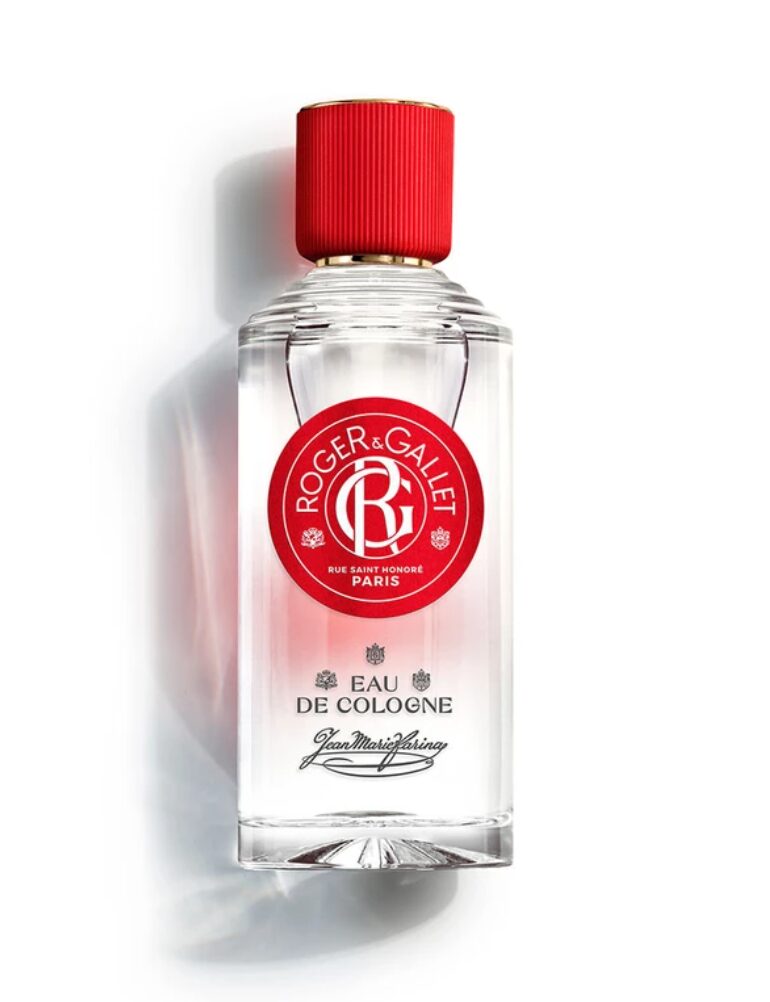
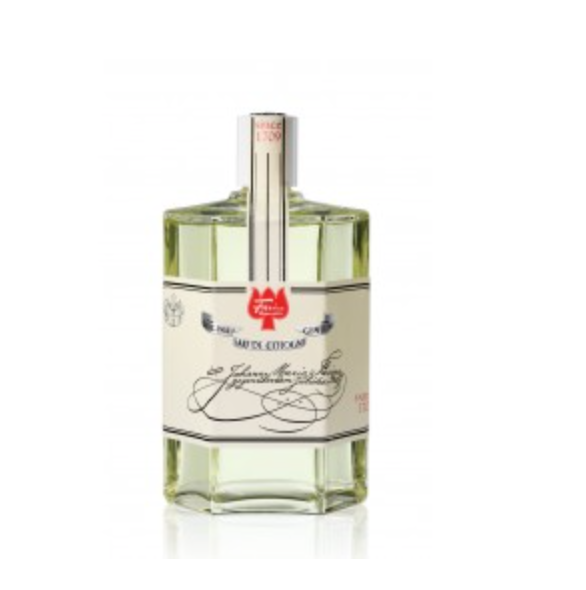
Jean Marie Farina Eau de Cologne by Roger et Gallet (1806) — Jean Marie Farina Eau de Cologne is a historic, refreshing fragrance, opening on lively, sparkling notes of orange, petitgrain and lemon. The heart is an aromatic blend of lavender, rosemary and neroli, adding a herbaceous, floral touch. The base notes of oakmoss and cedar bring a woody depth, creating an elegant, lasting base. This Cologne evokes elegance and tradition, ideal for those who appreciate classic, timeless perfumes.
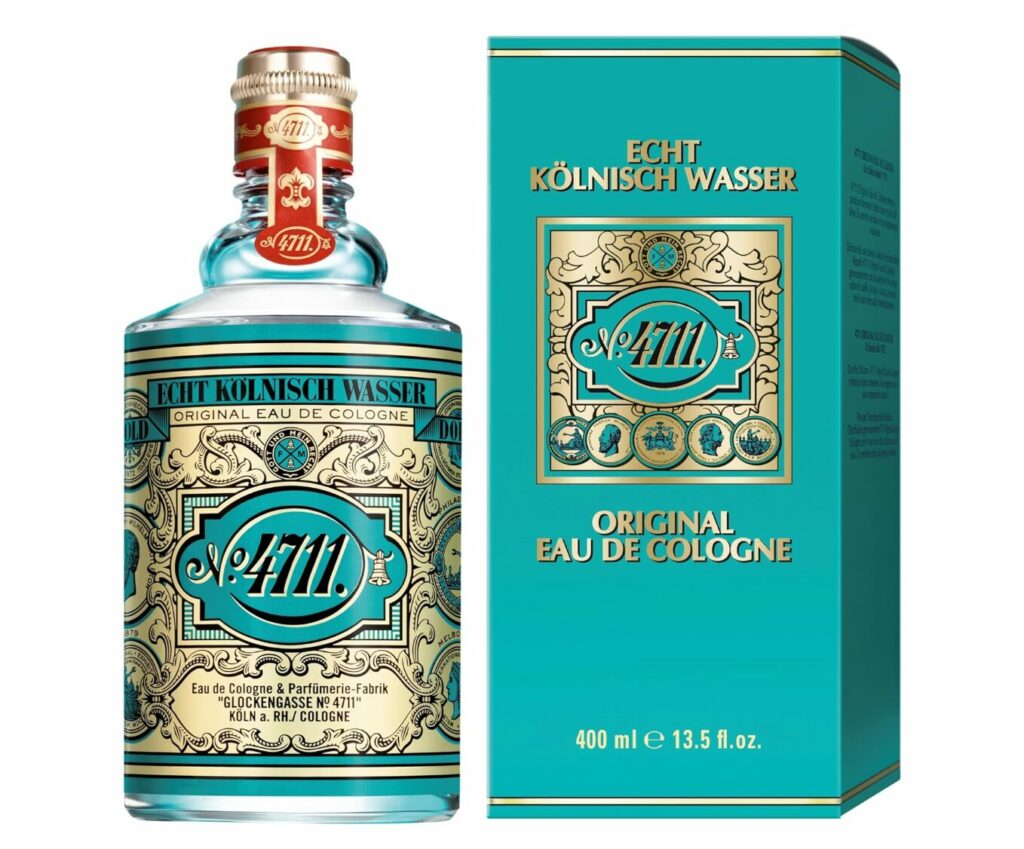
4711 Original Eau de Cologne (1792) — 4711 is often considered the eau de Cologne par excellence. Its simple, balanced composition offers a timeless aromatic hesperidic freshness. Launched in 1792, the sparkling start of lemon, bergamot and orange offers instant freshness. The heart of lavender and rosemary adds a soothing herbaceous touch. The base notes of neroli and petitgrain confer a subtle softness, creating a balanced, timeless fragrance.
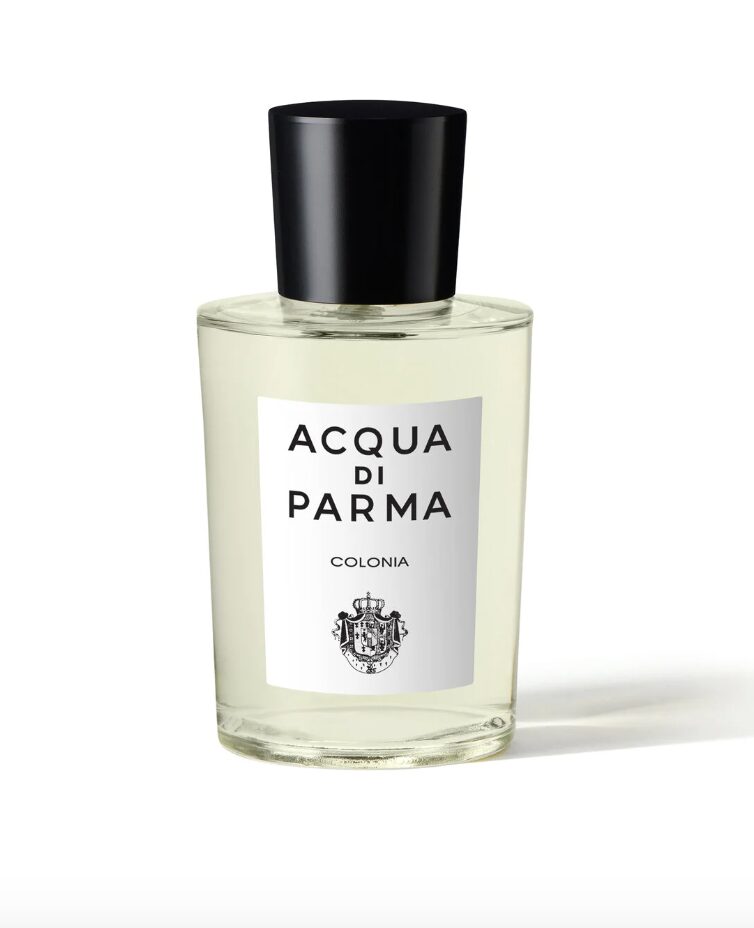
Acqua di Parma Colonia (1916) — Colonia is an icon of Italian freshness with sparkling notes of lemon, sweet orange and Calabrian bergamot. Lavender, Bulgarian rose, verbena and rosemary at the heart add a refined aromatic, floral dimension. The base notes of vetiver, sandalwood and patchouli confer a woody, earthy depth, creating a balanced, sophisticated fragrance.
Eau d’Orange Verte by Hermès (1979) by Françoise Caron — Eau d’Orange Verte is a symphony of freshness and vitality with vibrant notes of orange, lemon and mandarin. Neroli and lily of the valley add a delicate softness, while patchouli and oakmoss bring a woody, intense depth.

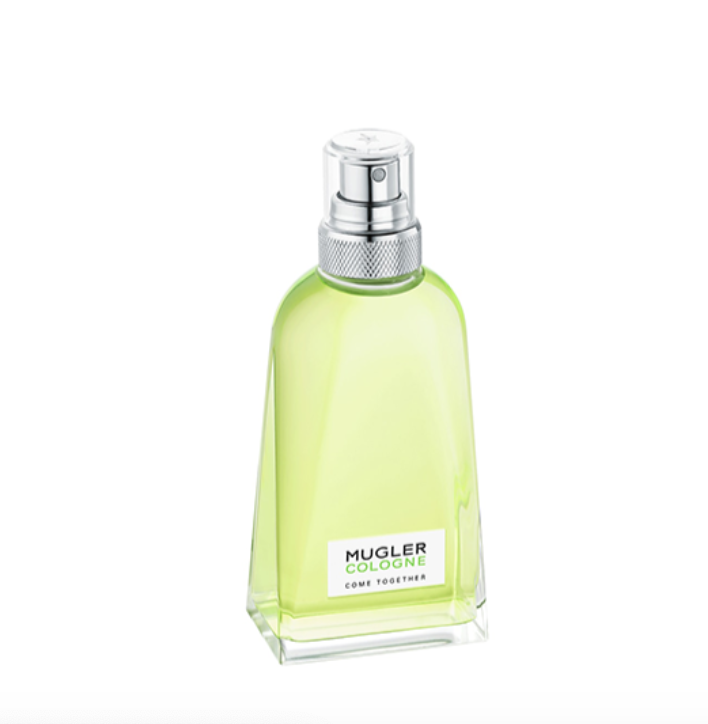
Mugler Cologne by Thierry Mugler (2001) by Alberto Morillas — Renamed Cologne Mugler Come Together within the brand’s Cologne collection. Fascinated by the eau de Cologne of former times, Thierry Mugler reinvented this miraculous water. He imagined the first sensual cologne of modern perfumery, characterised by the disquieting alliance of an extreme freshness and a musky sensuality, with a longevity worthy of an eau de parfum. This unisex cologne opens a new life for the eau de Cologne of yesteryear.
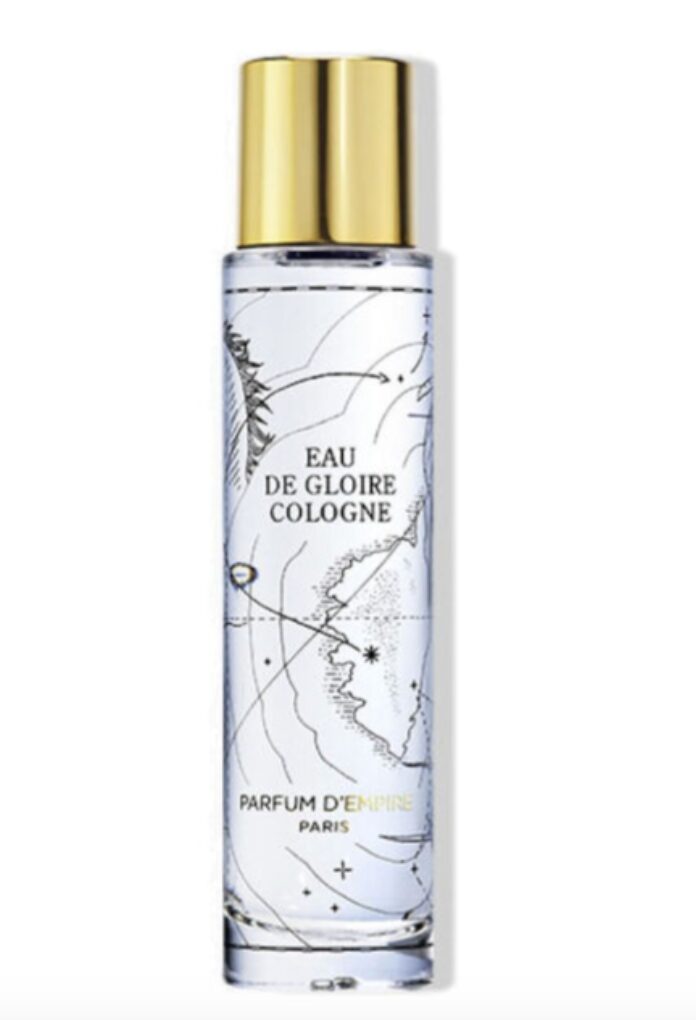
Eau de Gloire Cologne by Parfum d’Empire (2003) by Marc-Antoine Corticchiato — Eau de Gloire Cologne takes up the structure of the eau de parfum of the same name, adding a very energising, juicy opening. Bergamot and bitter orange, in particular, play an essential role in a Mediterranean freshness. A green heart with bay laurel, rosemary and myrtle brings an aromatic character with influences of the Corsican maquis. Lavender and tobacco at the heart bring an elegant depth, olibanum makes the whole more grounded, while leather and amber in the base create a rich, persistent base. An intense Cologne to be worn all year round.
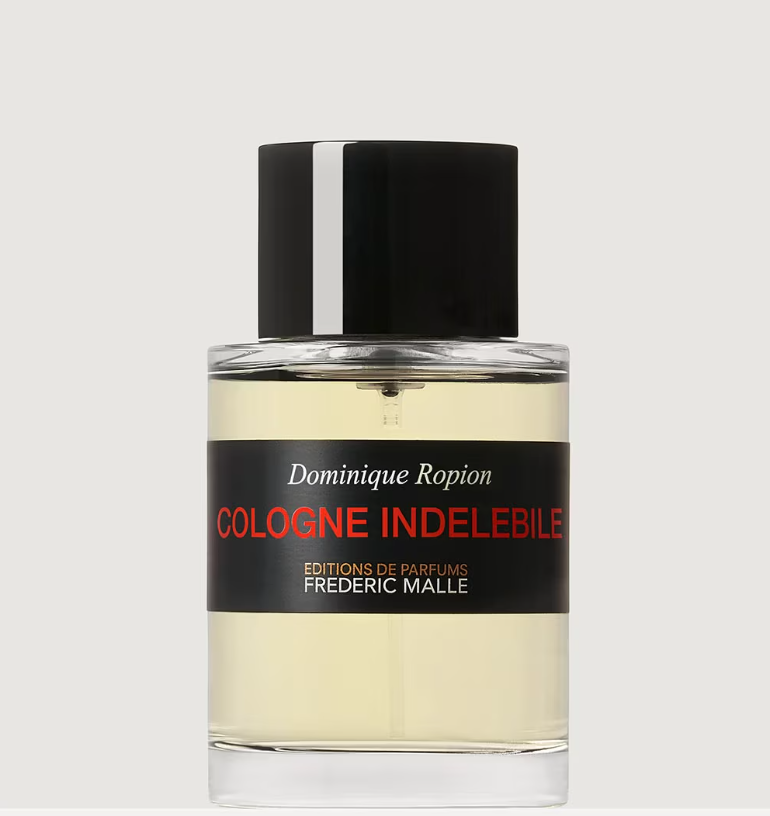
Cologne Indélébile by Editions de Parfums Frédéric Malle (2015) by Dominique Ropion — A cologne that plays on erotic naivety, combining innocence and temptation. A sumptuous eau de Cologne with notes of lemon, bergamot, rosemary and orange blossom, set on a base of white musks. Despite its volatile citrus accents, it lasts a long time thanks to the musks that compose it.
Grand Siècle Intense 7.1 by Pierre Guillaume Paris (2021) by Pierre Guillaume — Grand Siècle Intense 7.1 is a hesperidic beginning with radiant notes of bergamot, mandarin and bitter orange. The refreshing, intense heart with lemon tree leaves, galbanum, cypress and iris adds a green, aromatic depth. The base notes of honey, vetiver and chypre create a warm, earthy quality.
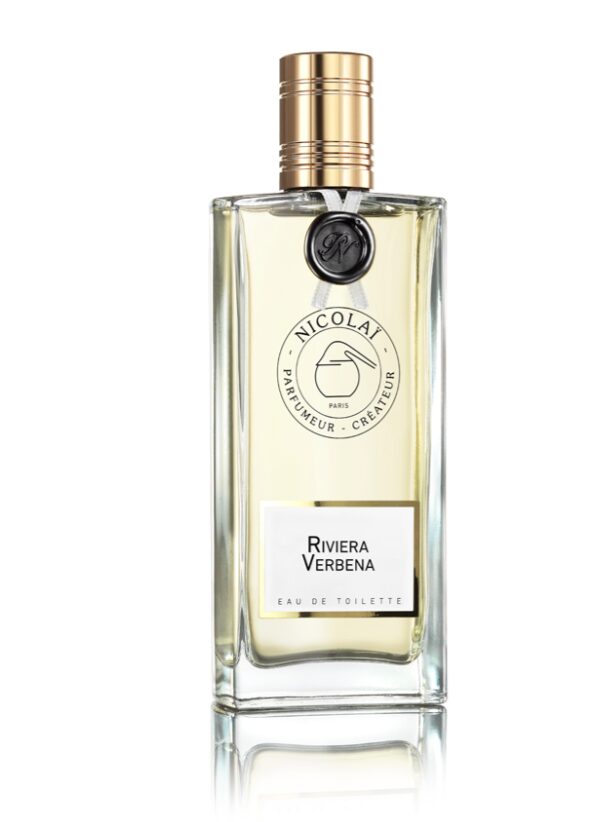

Riviera Verbena by Nicolaï (2022) by Patricia de Nicolaï — Riviera Verbena evokes a walk by the sea with fresh notes of verbena, lemon and mint. Jasmine and rosemary add a subtle, soothing dimension, calone brings its grain of sea salt, while vetiver and musk bring an assertive woody finish.
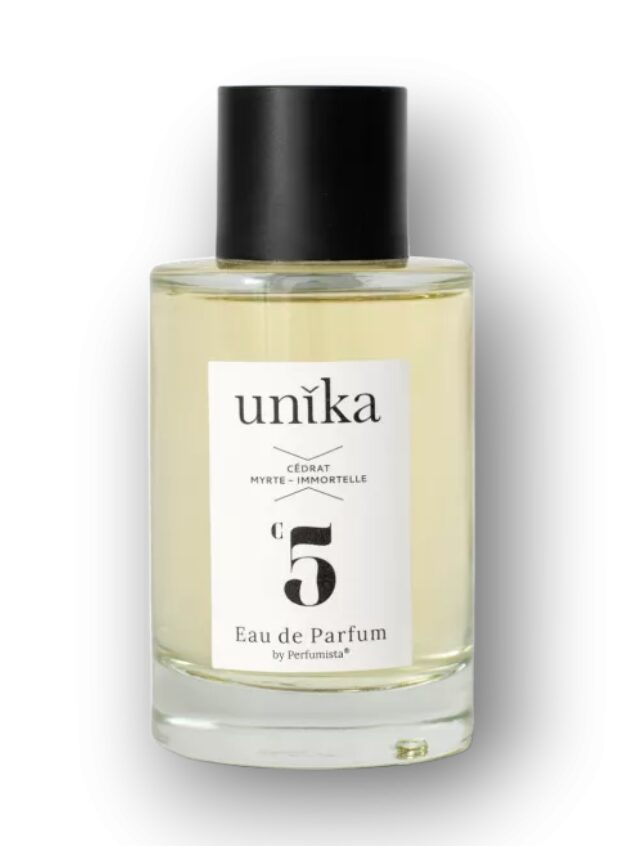
Cédrat Myrte Immortelle 5 by Unika (2021) by Véronique Stambouli — Cédrat Myrte Immortelle is a unique, vibrant fragrance that opens on fresh, radiant top notes of citron, bergamot and myrtle. The rich heart of immortelle, lavender and jasmine adds a floral, aromatic complexity. The base notes of vetiver, amber and musk bring an earthy, warm depth, creating a balanced, sophisticated olfactory experience, ideal for those seeking a distinctive, refined fragrance.
Today, Cologne is appreciated for its lightness and its versatility. It is ideal for everyday use, particularly in summer or in warm climates. Many perfume lovers use it as a daytime fragrance, or as a base to which they add layers of more intense perfumes.
Thus, the history of eau de Cologne is that of a timeless fragrance that has managed to evolve while retaining its original essence: an olfactory symphony evoking purity and vitality, rooted in an age-old tradition.
Cologne remains a unique category of perfume, combining freshness and tradition. Its light composition and its invigorating notes make it a perfect choice for those seeking a discreet yet elegant fragrance. From its historic origins to its contemporary use, Cologne continues to appeal to perfume lovers around the world.
What makes Cologne unique is its perfect balance between freshness and sophistication. The apparent simplicity of its composition often hides great complexity in the harmonisation of the different notes. Master perfumers strive to create blends where each note complements and enriches the others, offering a coherent, harmonious olfactory experience.
Article co-written by Elfa and Anne-Laure.