
The Smells of Dance 🩰💃🏻
Dance is a language of the body. But this language, even before being seen or heard, is smelled. Each style of dance, each practice, each stage has its own olfactory world: the leather of flamenco boots, the dry wood of a ballet studio, the rhythmic sweat of a hip-hop battle, the incense diffused in oriental dances or the wafts of body oils in African dances.
The smell of dance is an organic, living blend. It speaks of the body at work, the materials rubbing together, the repeated gestures, the stage warming up, the intensity of the moment. Some perfume houses have drawn inspiration from it to create iconic perfumes, as one would compose a choreography: in layers, in tension, in freedom.
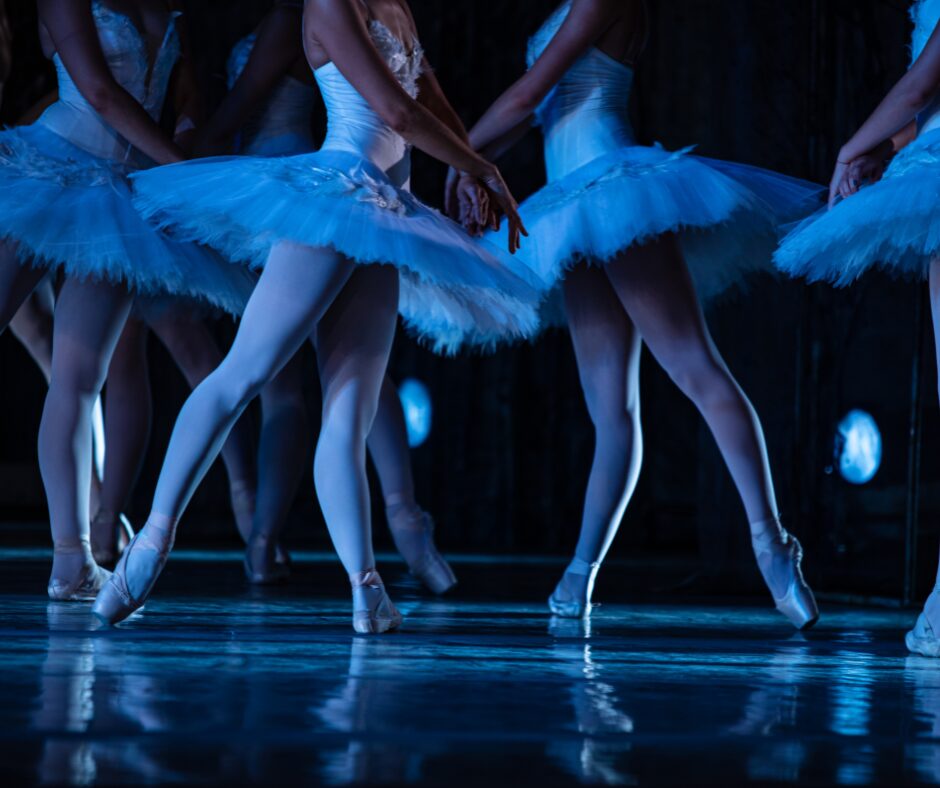
Materials and Their Scents: Dance in Its Raw State
Before being sublimated on stage, dance begins in a concrete, physical, textured space. It is a place of work, of effort, of repetition. And like any living space, it has a smell. Dance, whatever its form, rests on a direct sensory relationship to the material: that of the floor, the shoes, the body in movement, the fabrics rubbing together. These elements form a raw, organic olfactory landscape, often ignored, but of astonishing richness.
The Wood, the Floor, the Walls
It is the dancer’s first partner. It absorbs the falls, supports the leaps, resonates under the strikes. In classical or contemporary dance studios, it is often light wood, sometimes patinated by the years, and exhales a dry, powdery, slightly resinous smell, impregnated with rosin—a pine resin used to promote the grip of the shoes. In the morning, when the space is still empty, one perceives whiffs of wax, dust, old glue.
In gymnasiums or urban dance studios, the heated linoleum, the worn plastic, and sometimes even the metallic scent of the air conditioning compose a whole other world: colder, more technical, but just as evocative. Outside, on the asphalt, it is the warm concrete or the wet stone that take over, with their raw minerality, sometimes tinged with pollution or crushed grass.
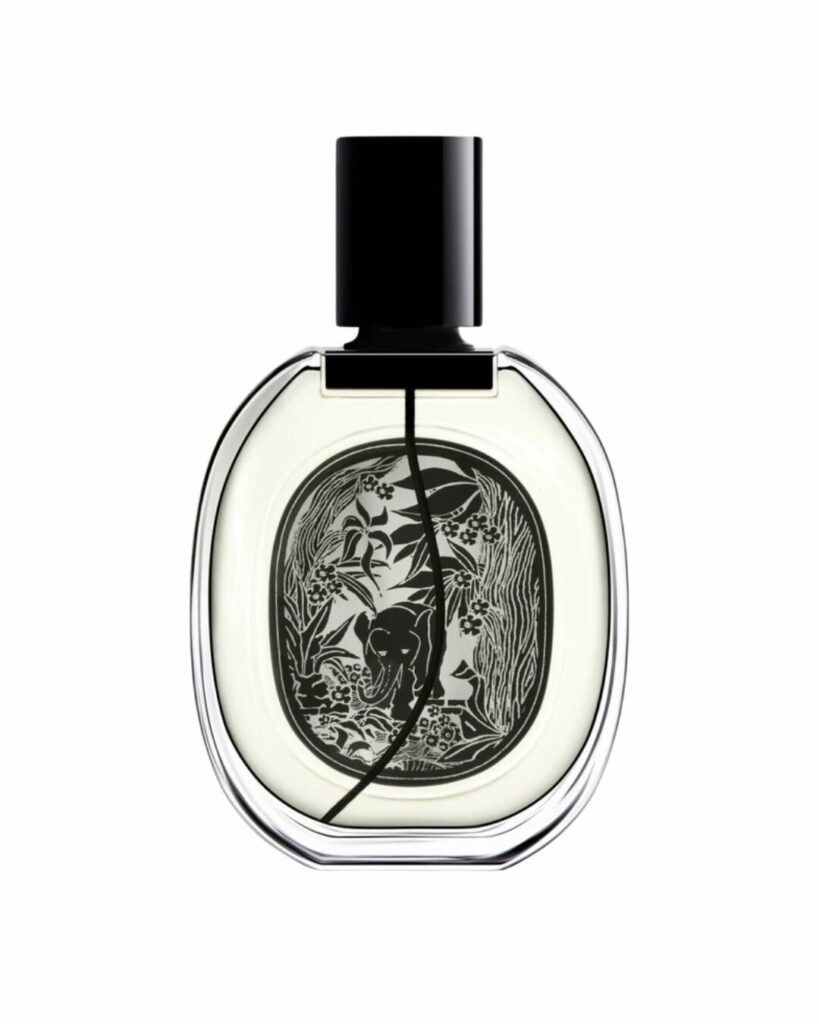
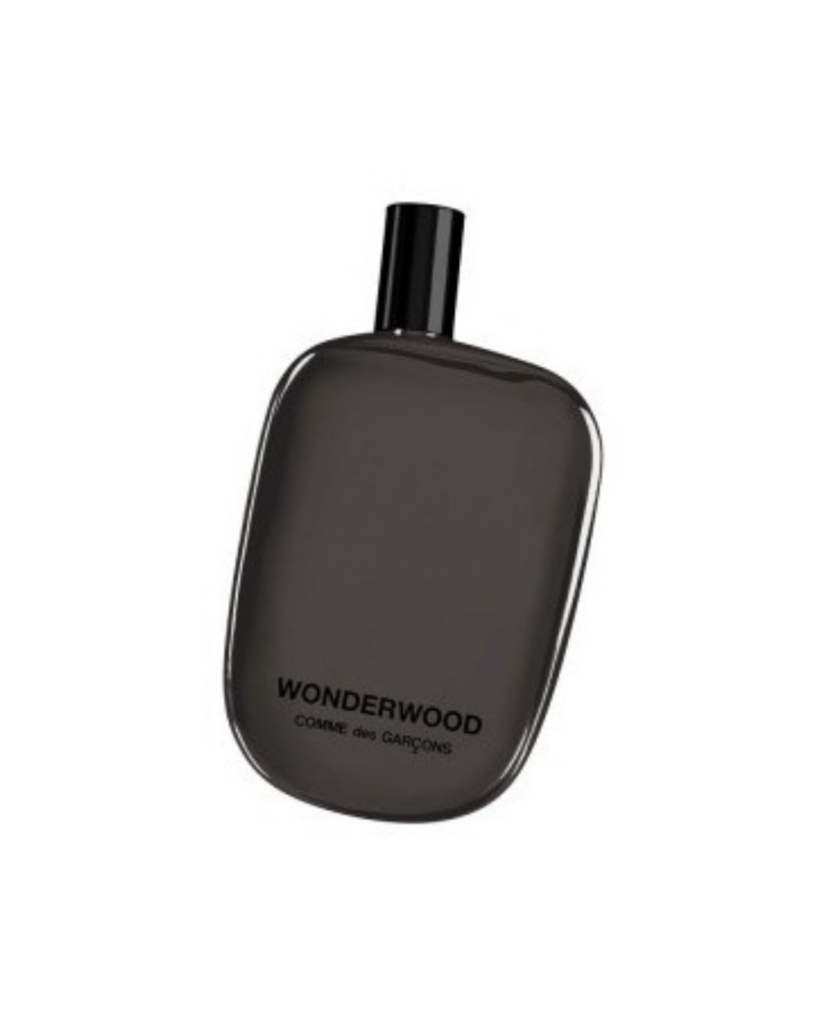
These impressions find an echo in certain woody, dry or mineral perfumes, such as Tam Dao (Diptyque), which recalls a soothed, milky sandalwood, or Wonderwood (Comme des Garçons), with its many woody, dusty and textured facets, almost grainy on the skin.
The Shoes: Leather, Fabric, Rubber
To each dance, its shoes. In the wings of the ballet, the satin pointe shoes and the soft-leather demi-pointes carry a soft, worked smell, a blend of animal material and resin. In flamenco, the studded boots smell of dry, tanned leather, heated by the heel strikes. In urban dance, the sneakers worn by the asphalt give off gummier, dustier notes, sometimes mingled with the smell of the street itself.
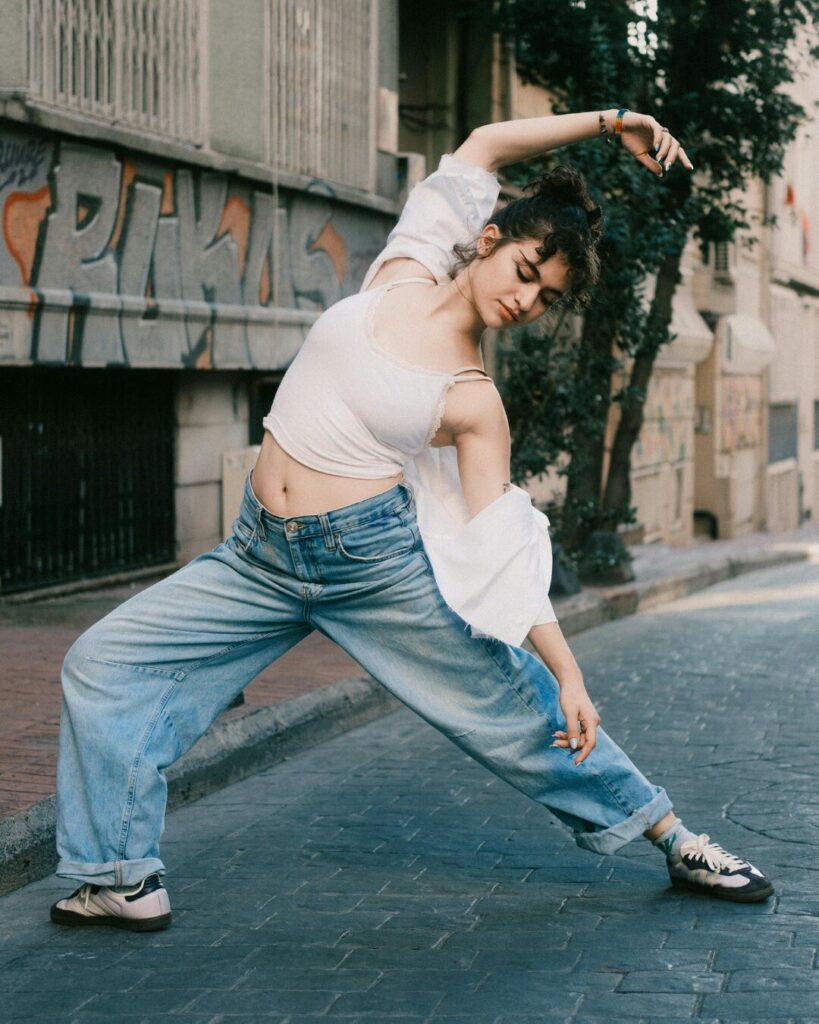
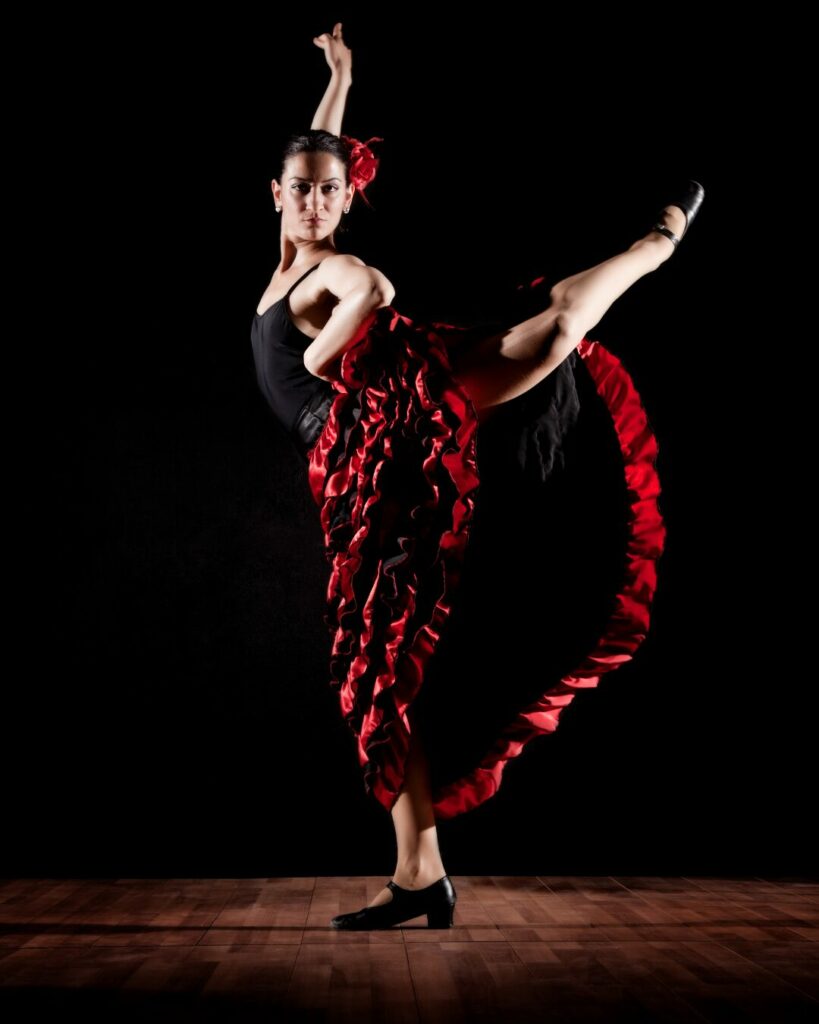
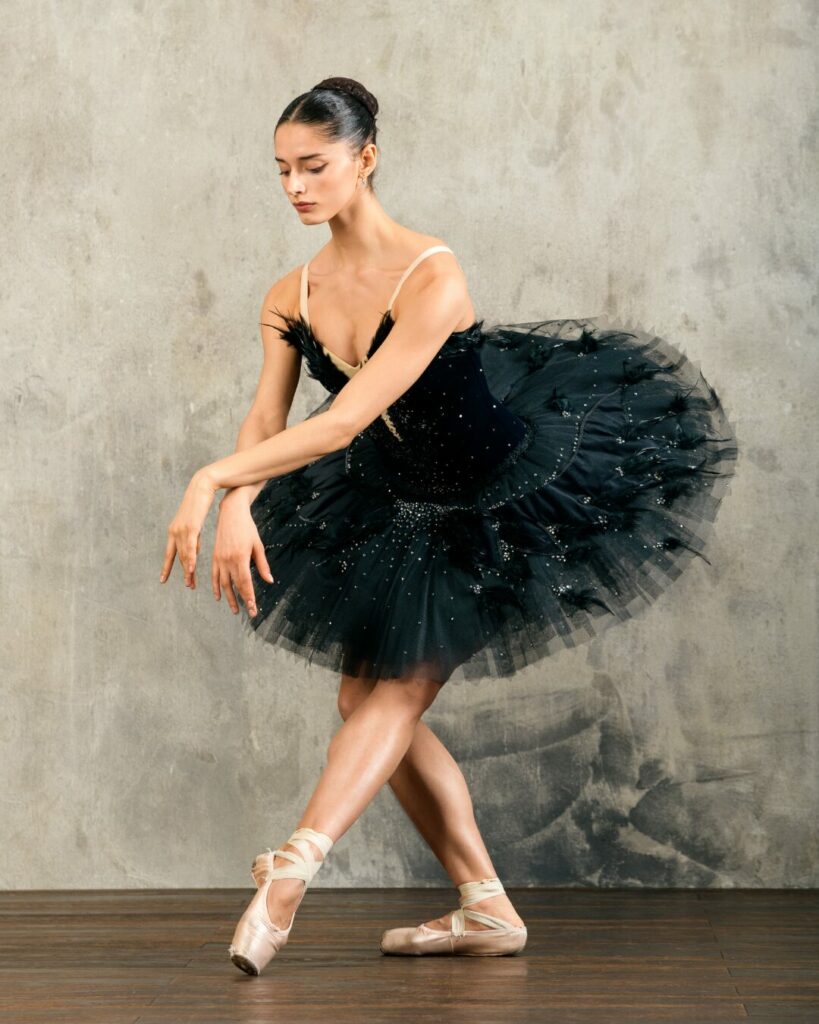
Oriental or African dances, often practised barefoot, bring the skin into direct contact with the floor or the mats, which retain bodily wafts, of vegetable oils, or of beaten earth. Here, the smell comes from the exchange between the body and the material.
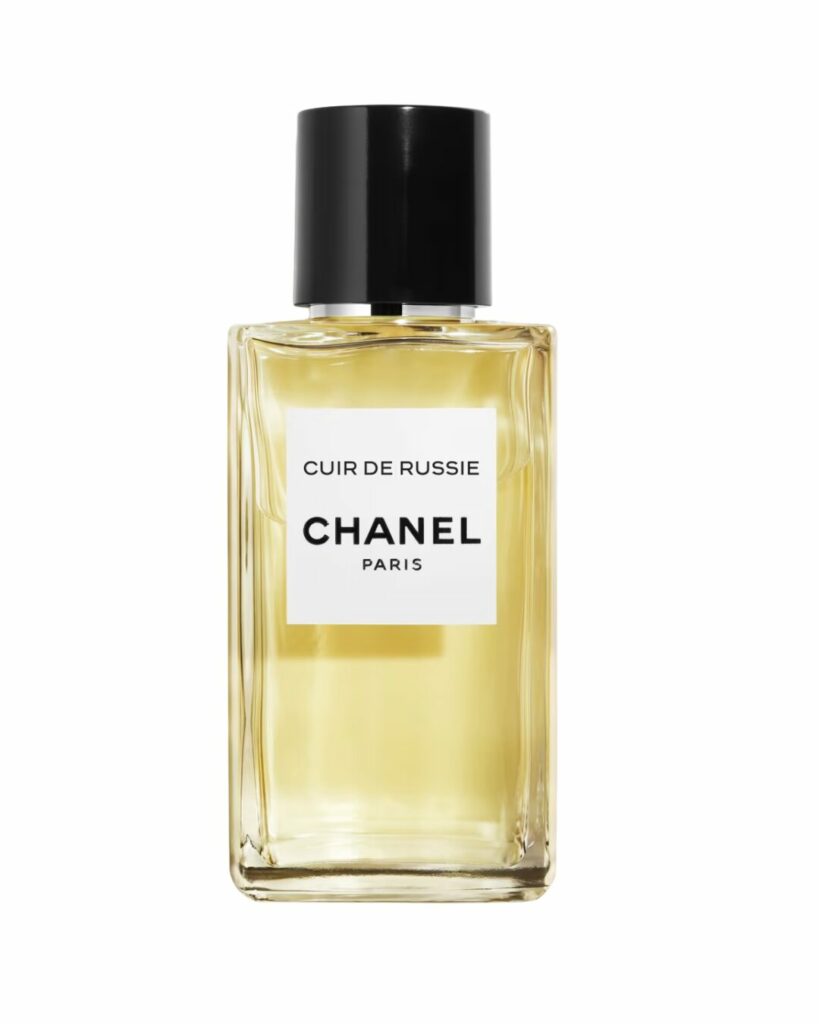
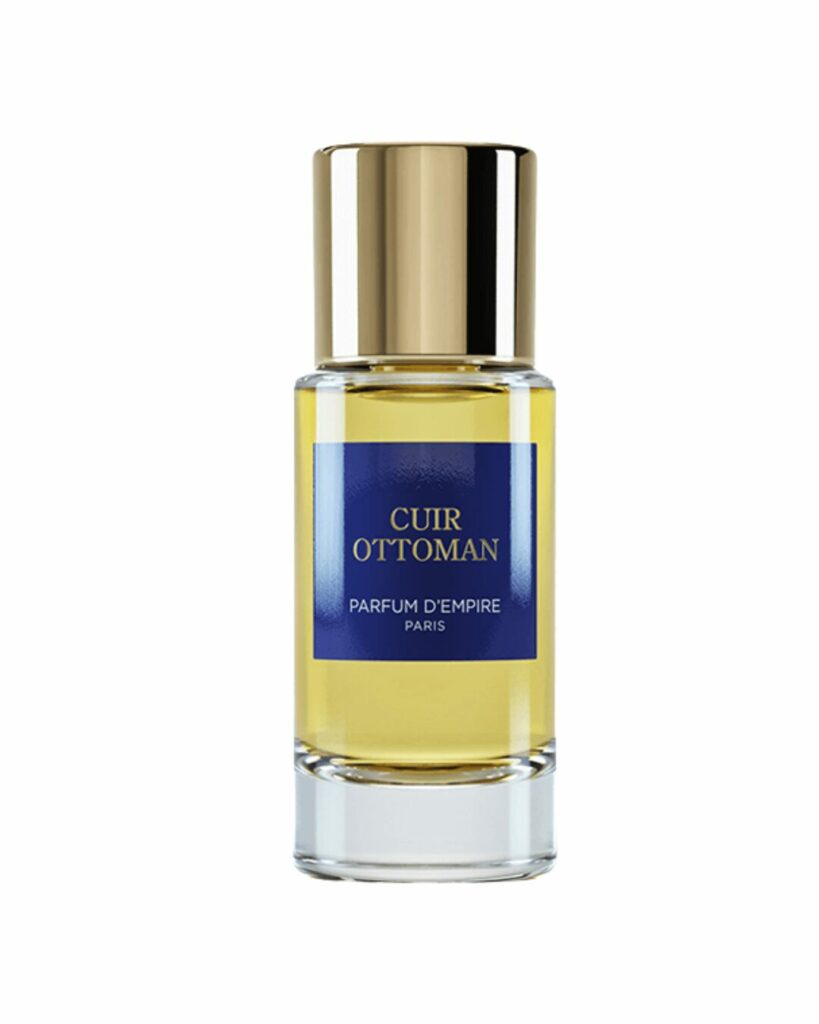
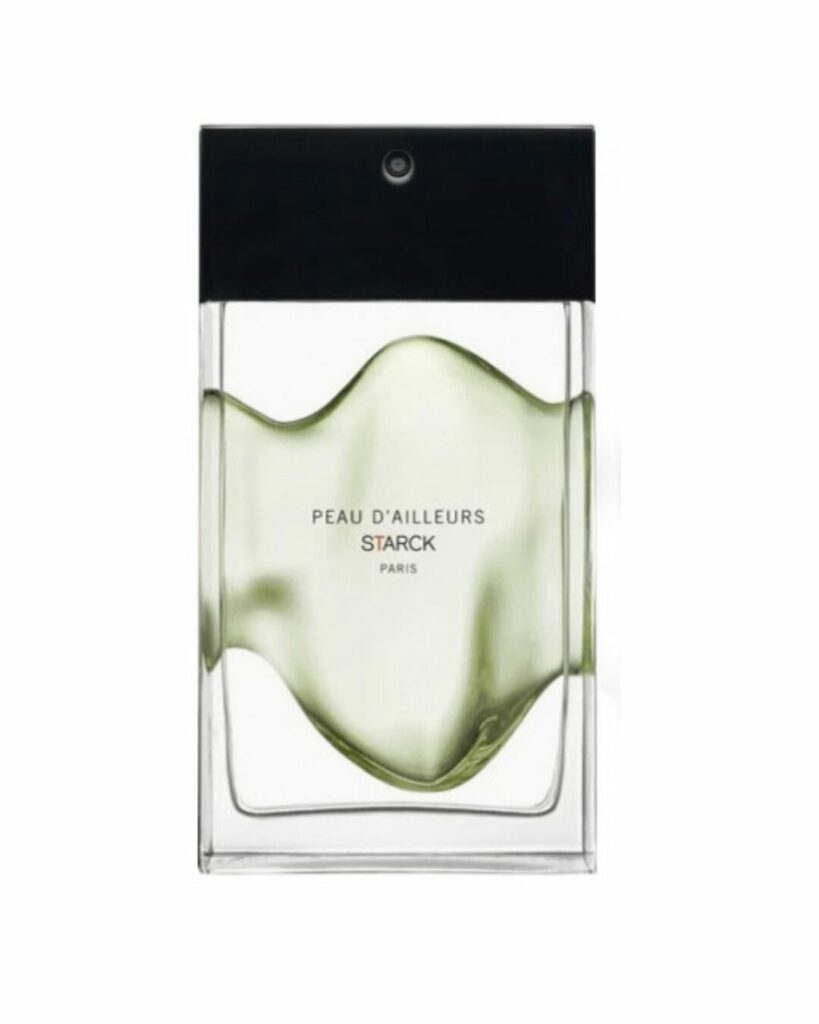
These sensations are found in leathery, sensual perfumes, such as Cuir de Russie (Chanel), with its smoky, floral leather, Cuir Ottoman (Parfum d’Empire), with its powerful balmy sensuality, or Peau d’Ailleurs (Starck), an abstract, shifting perfume that evokes a living, indefinable material.
The Body and Its Skin
Dance is a setting of the body in motion, but also a setting in smell. The dancer’s sweat is not raw; it is contained, repeated, stylised. It mingles with the smell of the skin, of the fabric, of the oils used before or after the effort.
In African or oriental dances, argan, coconut or shea oils impregnate the skin with a nourishing, solar, almost milky sillage. In contemporary or urban dance, the blend of perspiration, technical textiles and body heat gives rise to a clean, musky, intimate smell. The tiaré of the Monoï oil that impregnates the skin of Tahitian tamure dancers diffuses to the rhythm of the percussion.
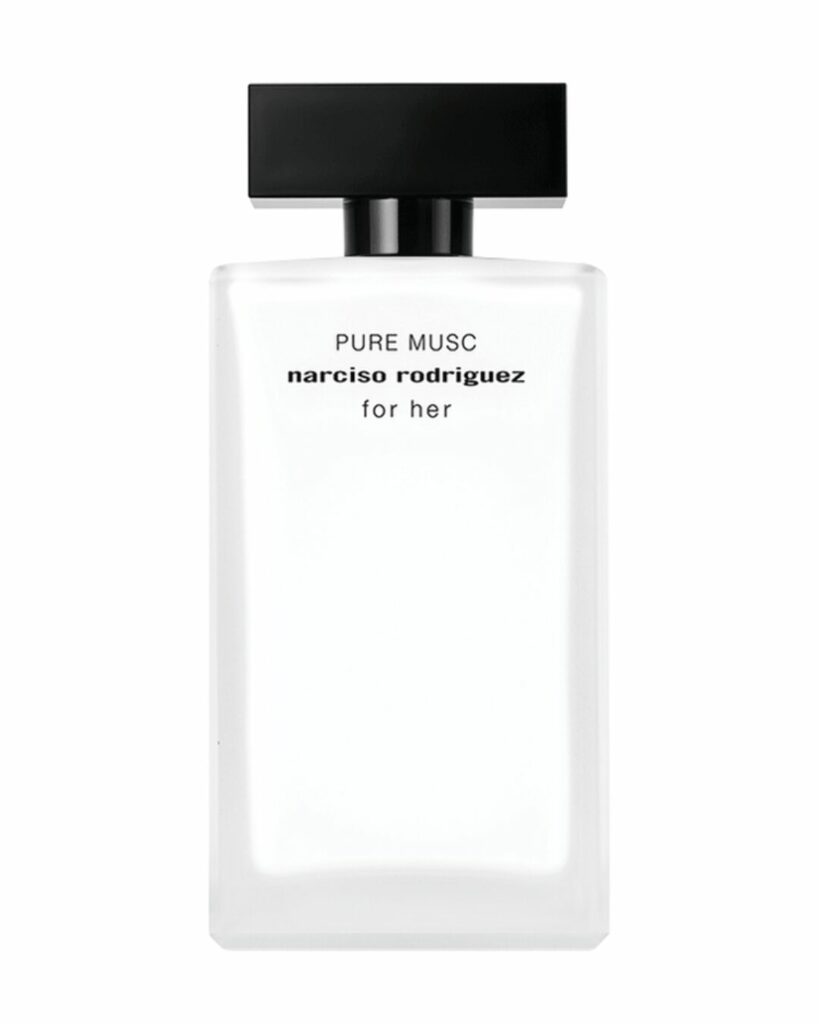
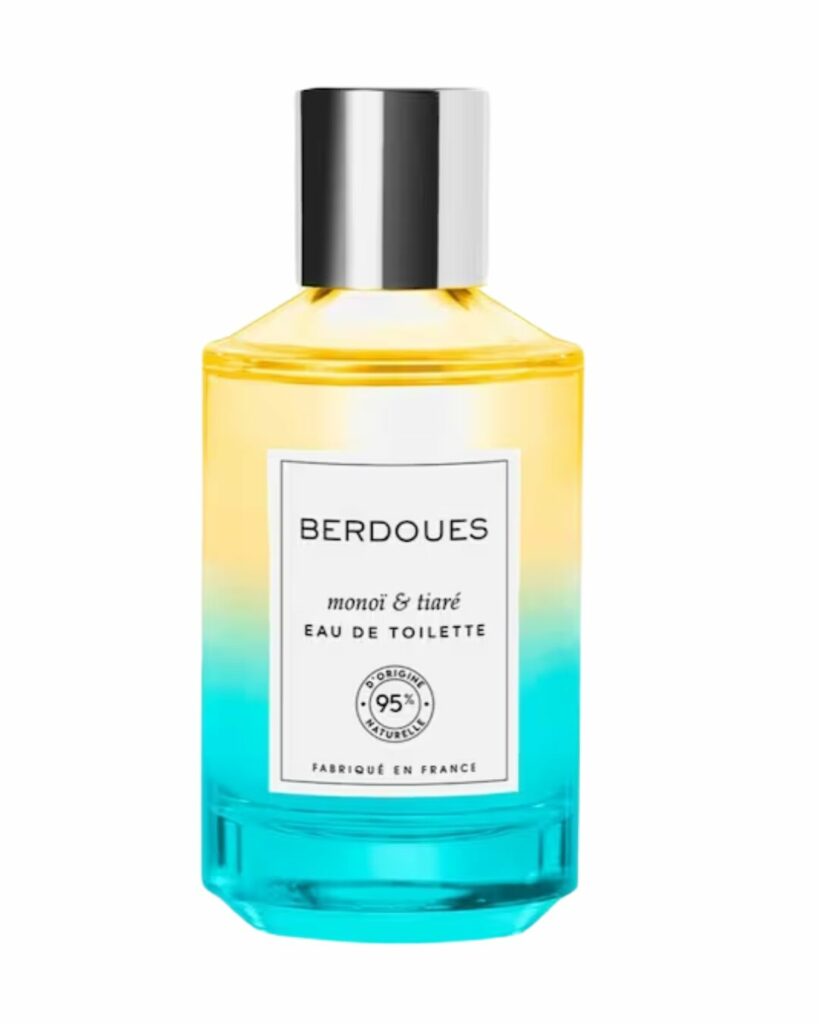
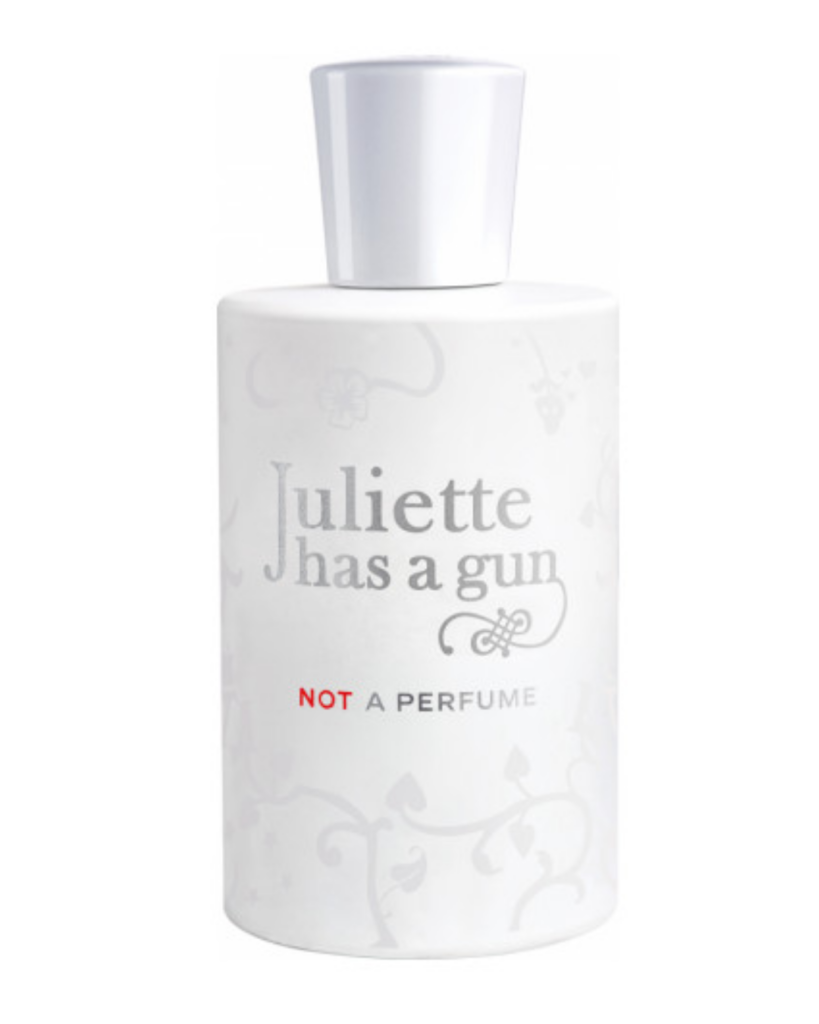
Certain perfumes render this discreet sensuality with accuracy: Dans Tes Bras (Frédéric Malle), with its wood-musk-violet accord that speaks of warm skin; Pure Musc (Narciso Rodriguez), of a disturbing purity; or Not a Perfume (Juliette Has a Gun), based on a single musky molecule, close to skin and human warmth. Monoï et Tiaré (Berdoues) plunges us into the warmth of a Tahitian show.
The Textile, the Costumes, the Stage
Dance is also the rustle of a fabric, the weight of a costume, the tension of a leotard on the skin. Textile materials—tulle, lycra, cotton, silk—absorb and transform smells. Stage costumes, often reused, retain traces of hairspray, powder, greasy make-up, but also of stage dust and warm light.
It is an enveloping, powdery, slightly vintage smell, which immediately summons the imagery of the show. It is the dressing rooms, the lit mirrors, the last-minute touch-ups.
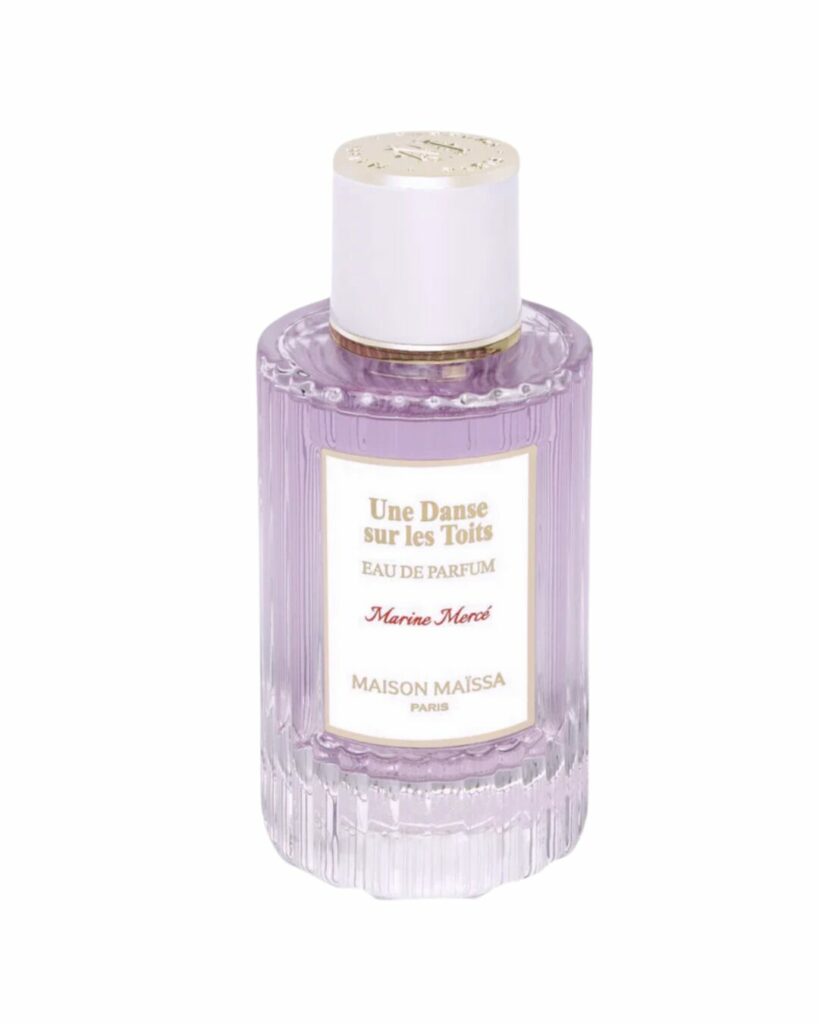
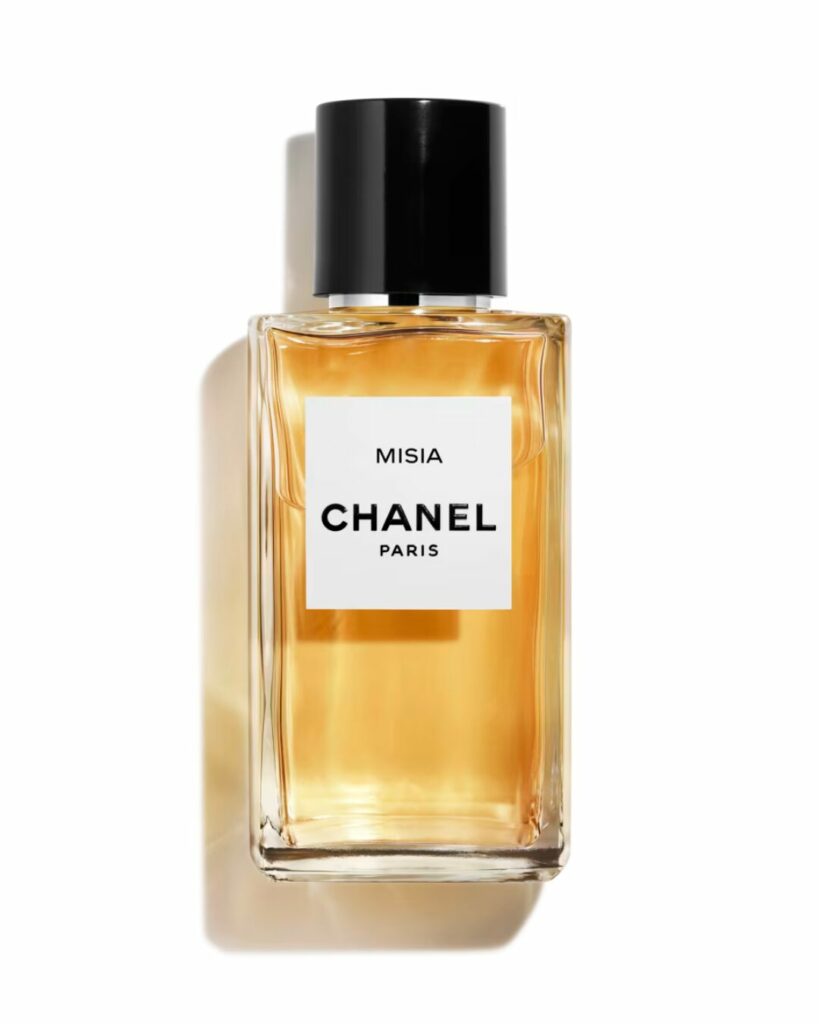
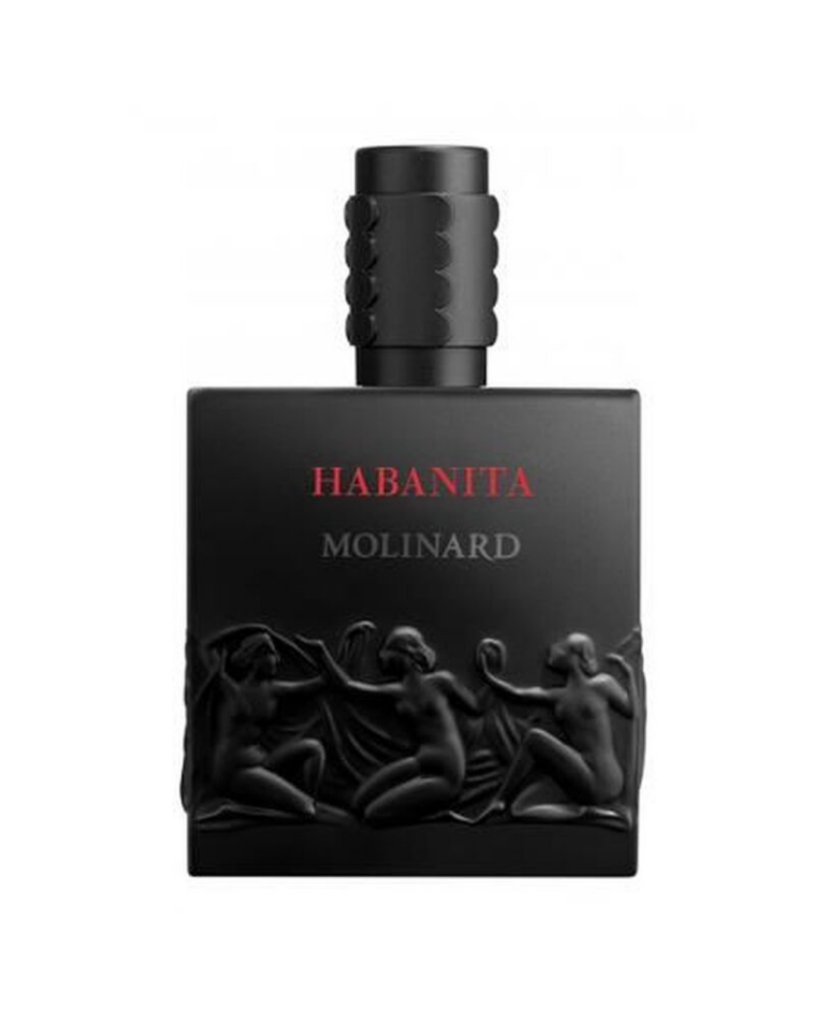
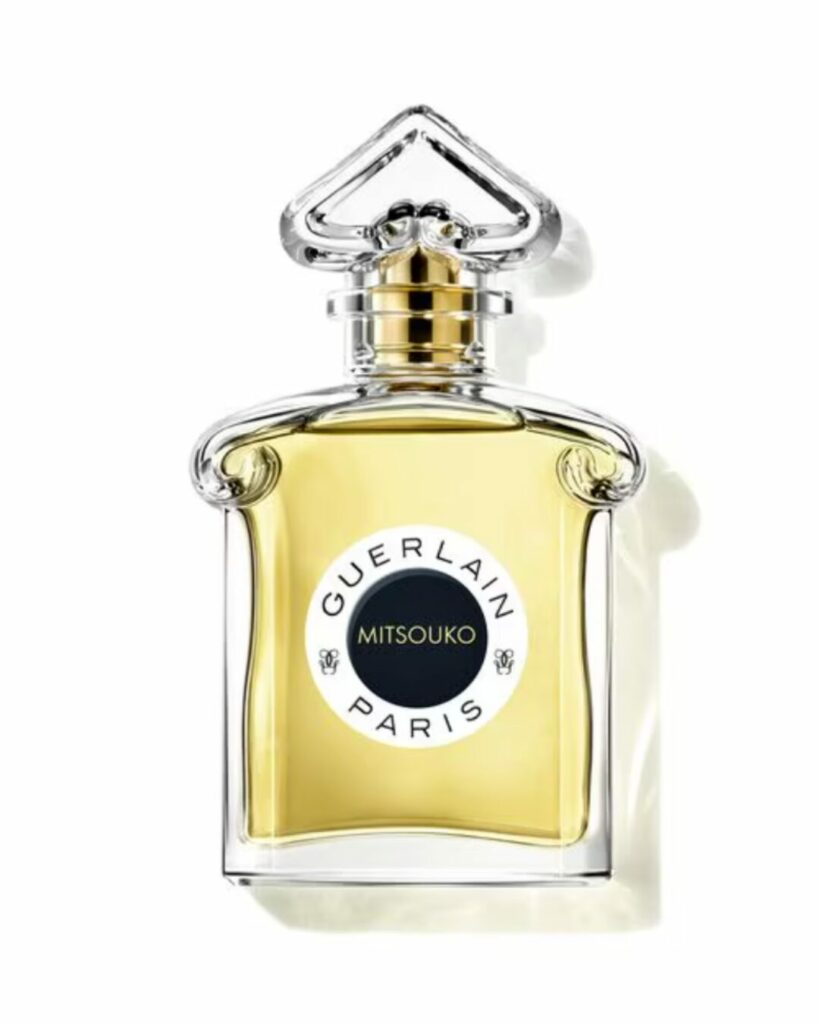
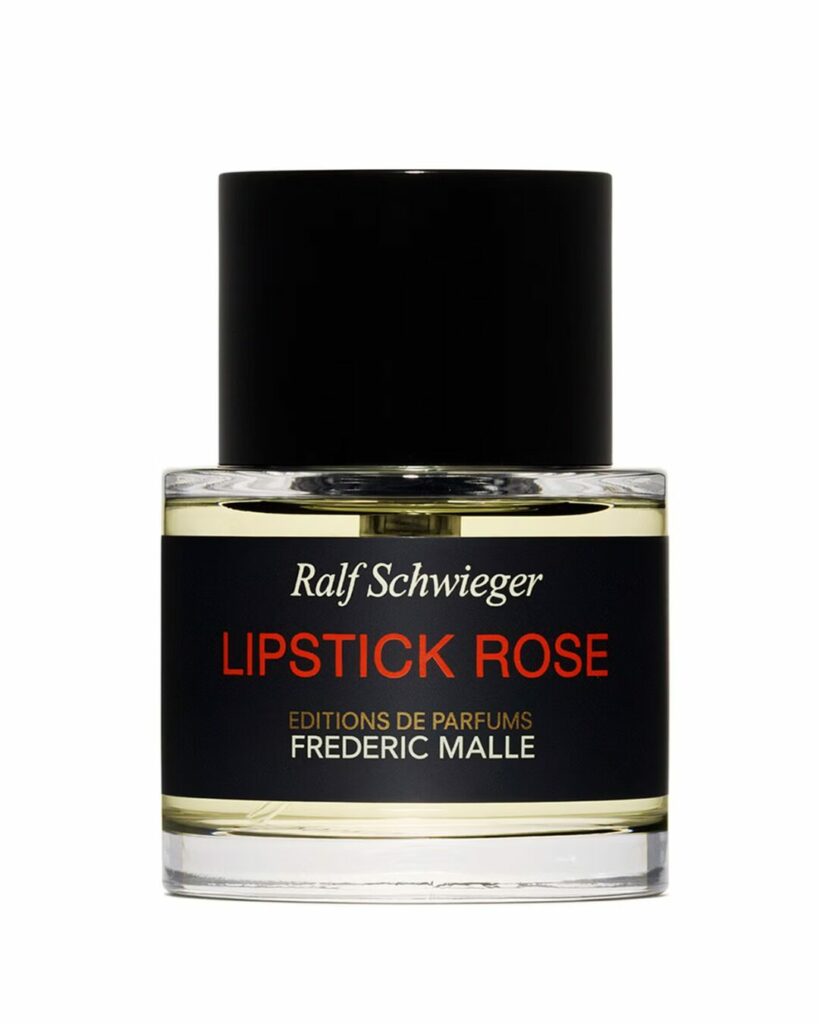
The perfumes that render this atmosphere are many: Lipstick Rose (Frédéric Malle), a direct tribute to lipstick and rice powder; Mitsouko (Guerlain), a deep, velvety chypre; Habanita (Molinard), with its powdery, leathery base; Misia (Chanel), which invites us into the dressing rooms of the opera; or Une Danse sur les Toits (Maison Maïssa), which captures the powdery elegance of a clean, floral textile.
Perfumes Inspired by Dance
Some perfumes do not seek to illustrate a specific material or smell, but to render a sensation, a movement, an inner rhythm. Like an abstract choreography, they do not tell a linear story, but unfold a sensory thread, between surges, pauses and tensions.
When Perfume Becomes Movement
Dance is told here not as a fixed scene, but as a dynamic, a kinetic emotion. We can then speak of choreographic perfumes: they rise, suspend, fall back. They turn around the skin like a partner around an axis.
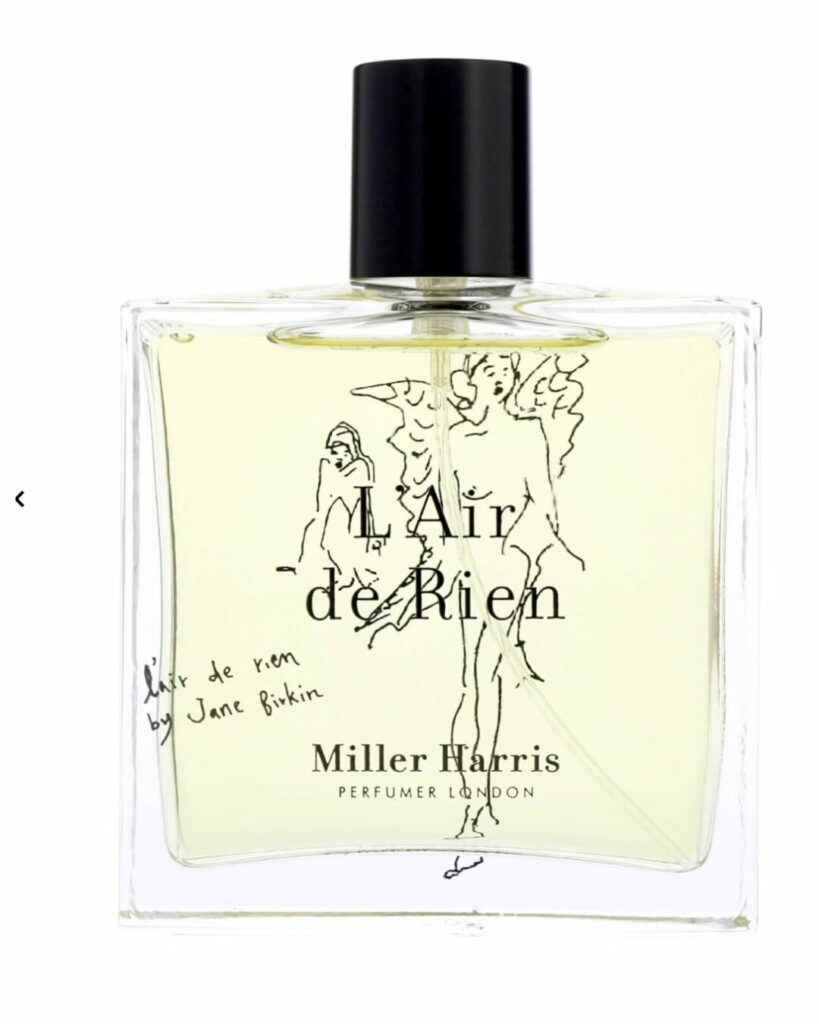
- L’Air de Rien (Miller Harris), created for Jane Birkin, offers a sensation of supple intimacy, almost careless but controlled, like a fluid gesture one does not watch, but feels.
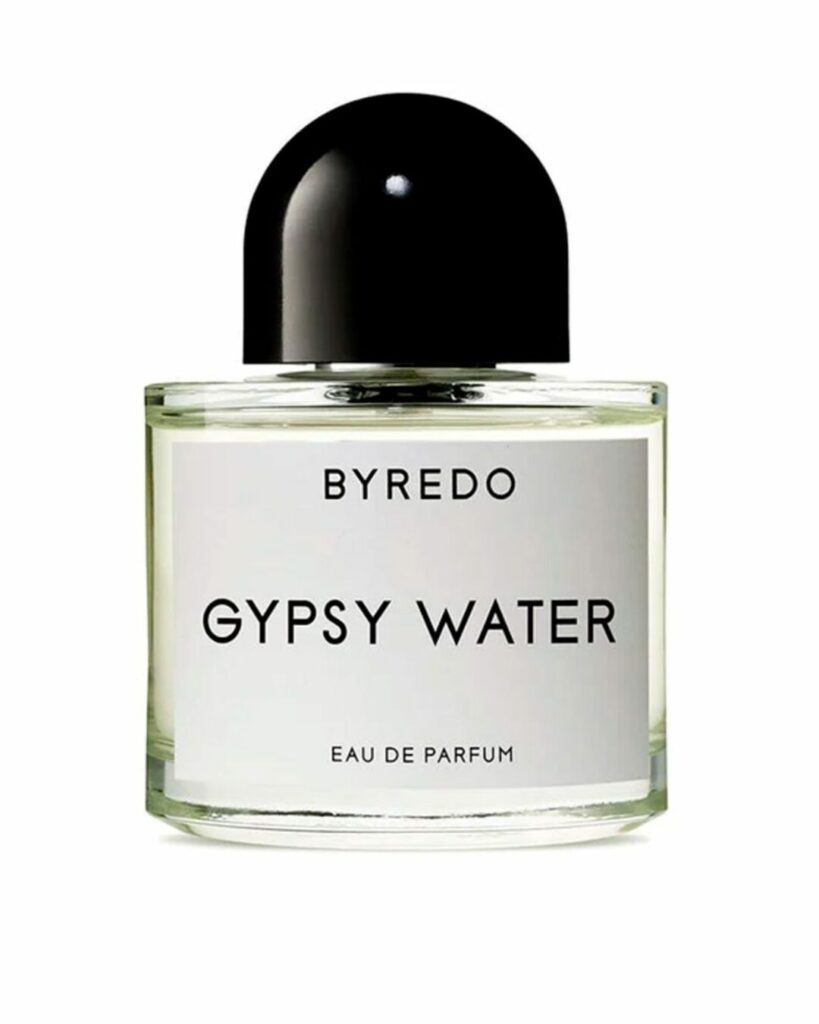
- Gypsy Water (Byredo) blends incense, vanilla and light woods in a light, free composition, which recalls the idea of a nomadic dance, outdoors, close to nature.
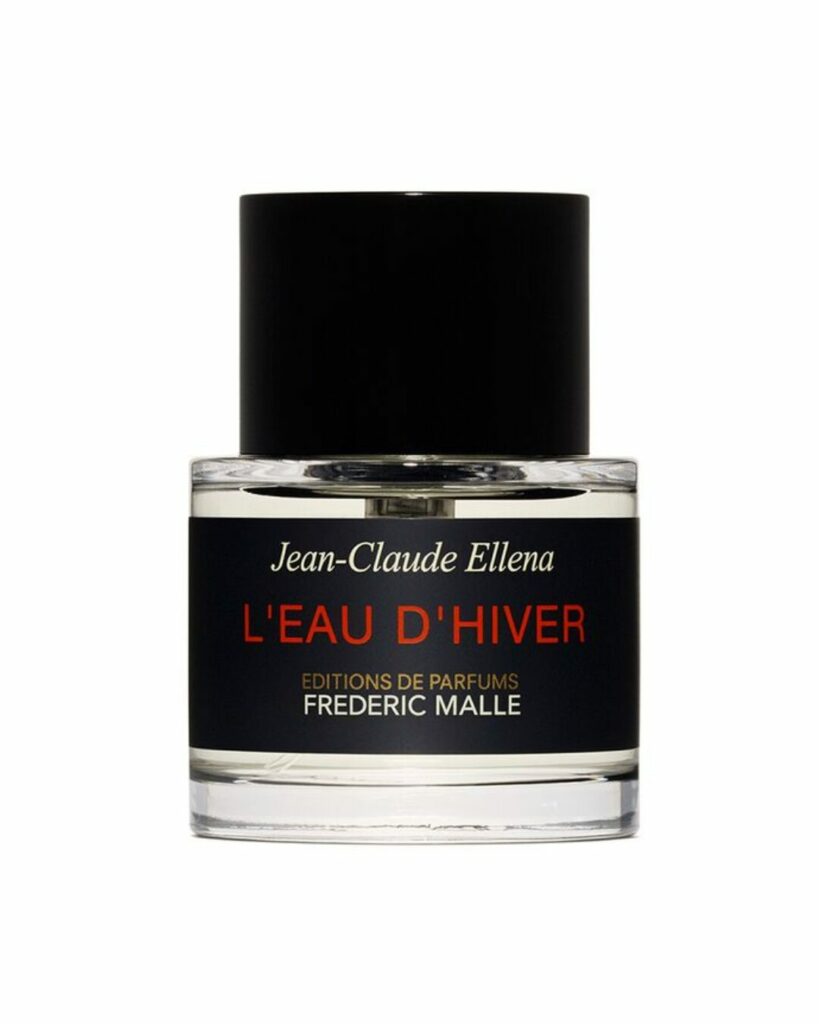
- L’Eau d’Hiver (Jean-Claude Ellena for Frédéric Malle) embodies a luminous, almost floating slowness. This skin perfume speaks of the silence of movement, of the softness of a gliding step. These perfumes do not say “I dance,” but “I let myself be crossed by a movement.” They render the space between the gestures, the unformulated intentions, the fragile balance between control and letting go.
Styles, Sillages
Because each dance has its gestures, its energy, its bodily and cultural grounding, each style can be associated with a particular olfactory register. These correspondences are not fixed, but they allow us to better sense—in the literal sense—the invisible texture of movement.
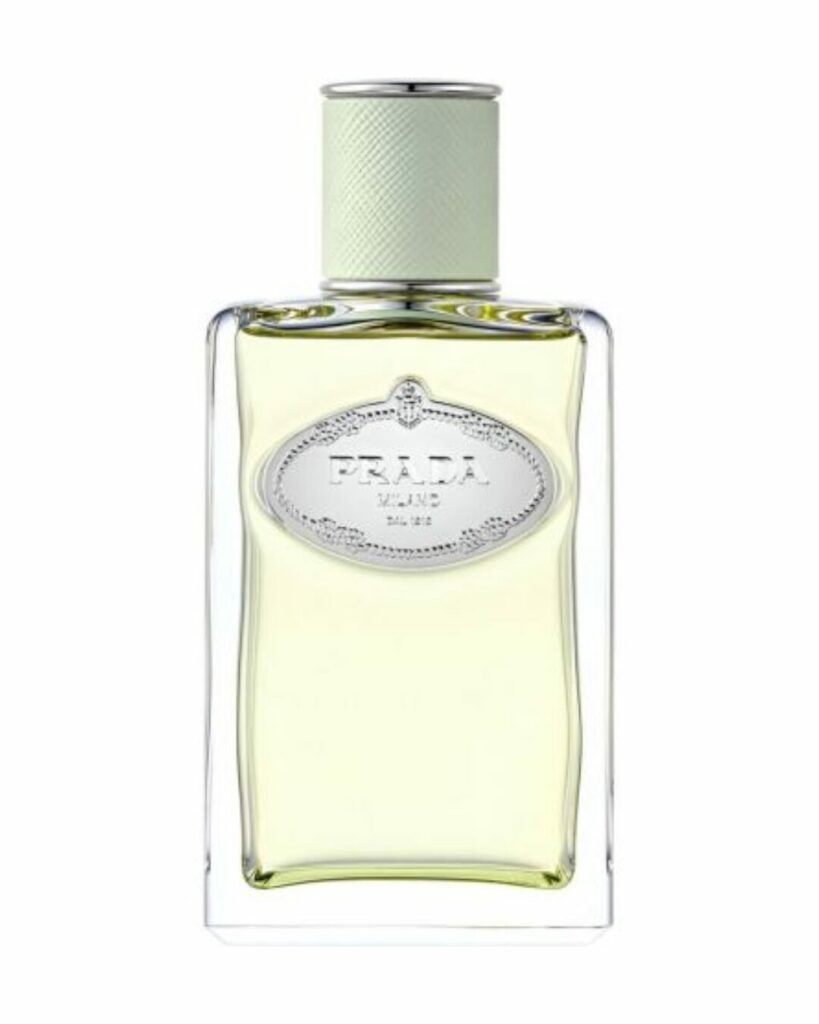
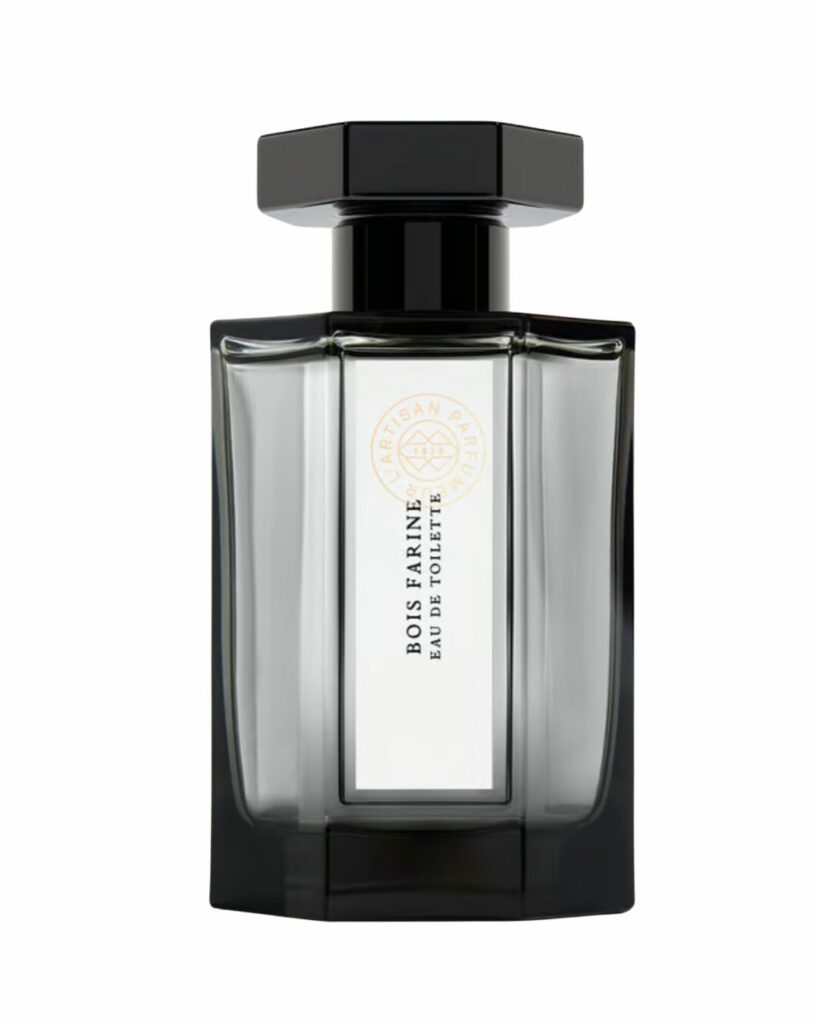
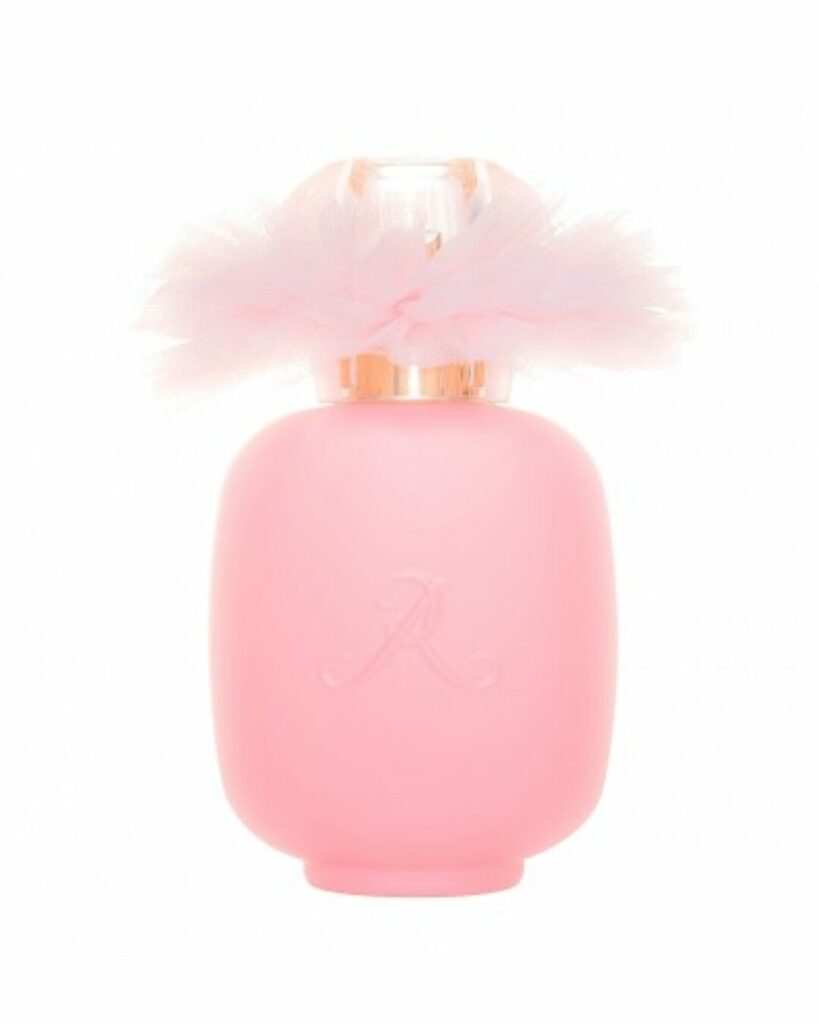
- Classical dance Elegance, tradition, discipline and poetry. Here we find fine powders, noble flowers, soft musks. → Infusion d’Iris (Prada), Bois Farine (L’Artisan Parfumeur), Ballerina No. 1 (Yosh). Inspired by the grace and elegance of classical dance, Repetto perfumes capture in bottles the emotion of a ballet and the delicacy of a movement.
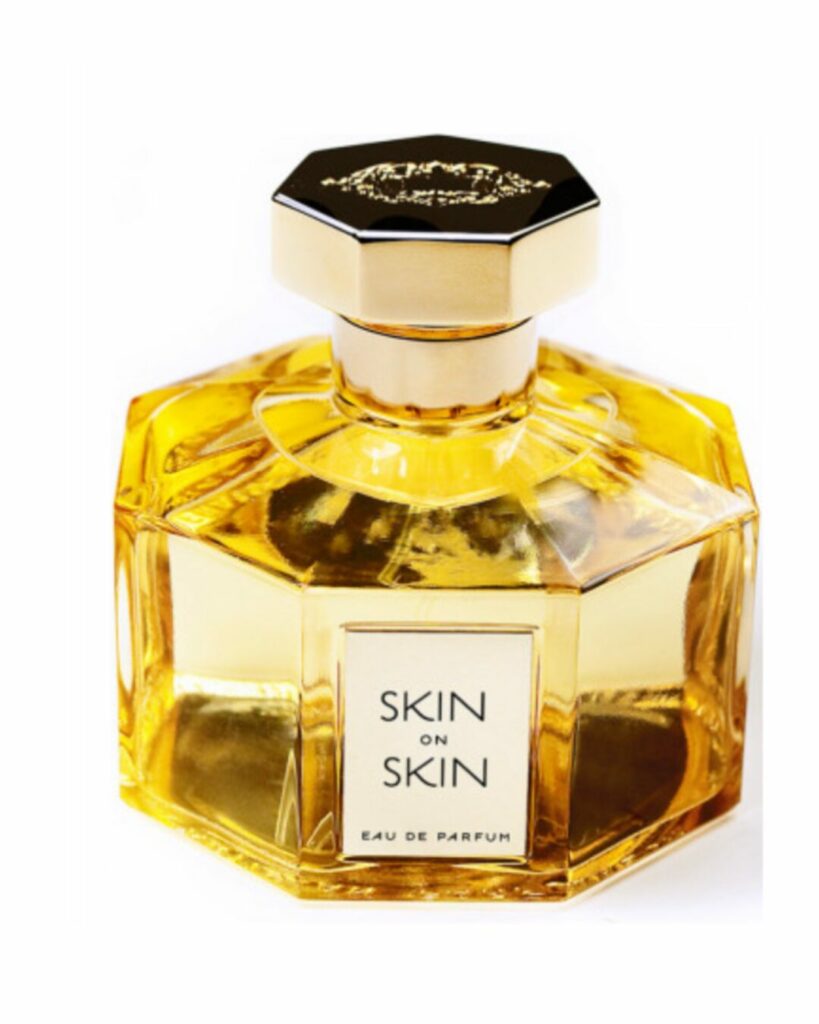
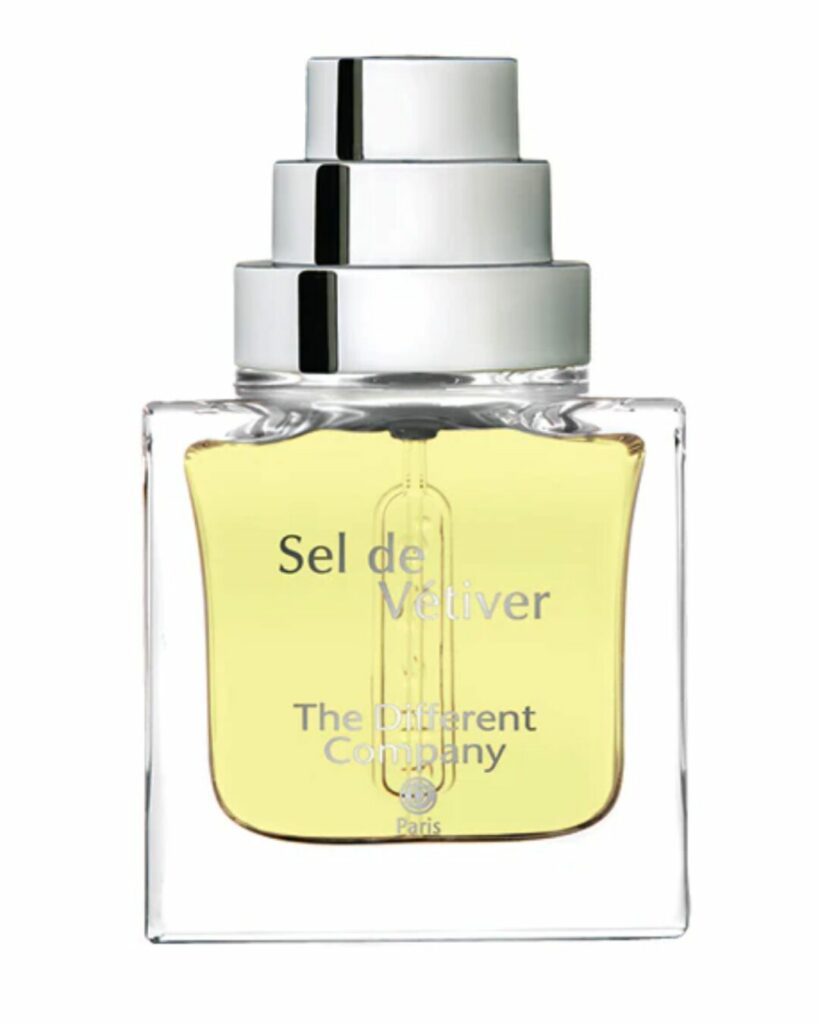
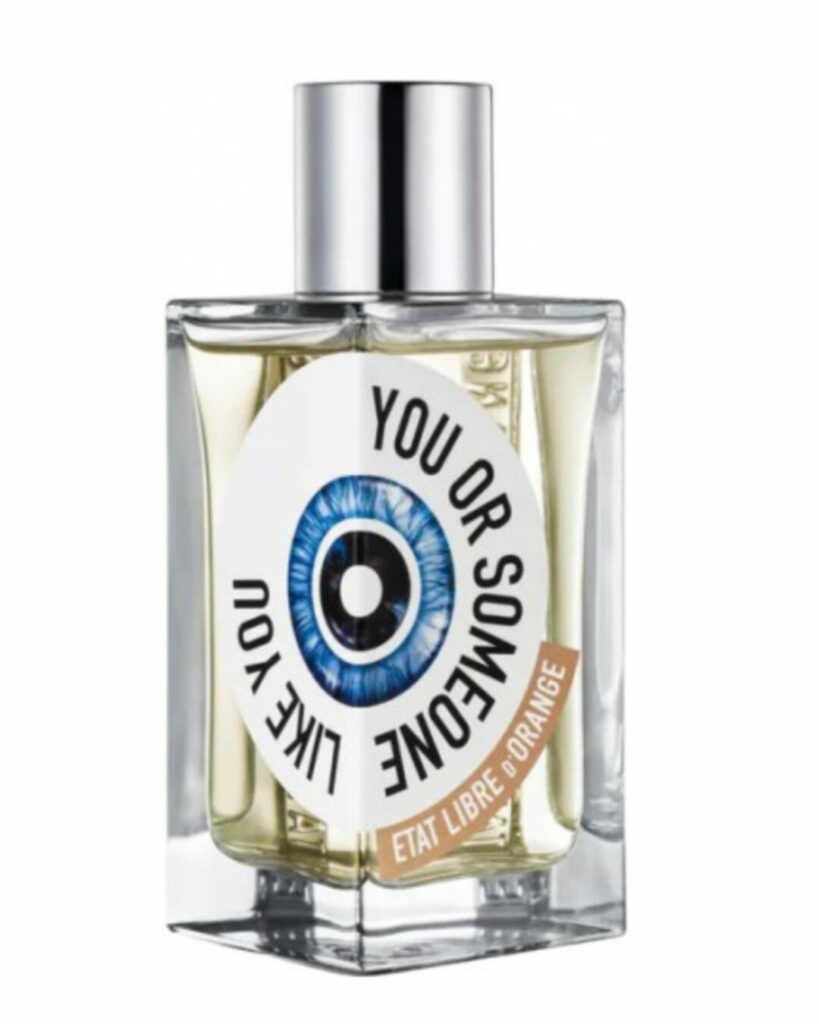
- Contemporary dance Body on the floor, breathing, interiority. The material becomes blurred, abstract, textured. → Skin on Skin (L’Artisan Parfumeur), Sel de Vétiver (The Different Company), You or Someone Like You (Etat Libre d’Orange).
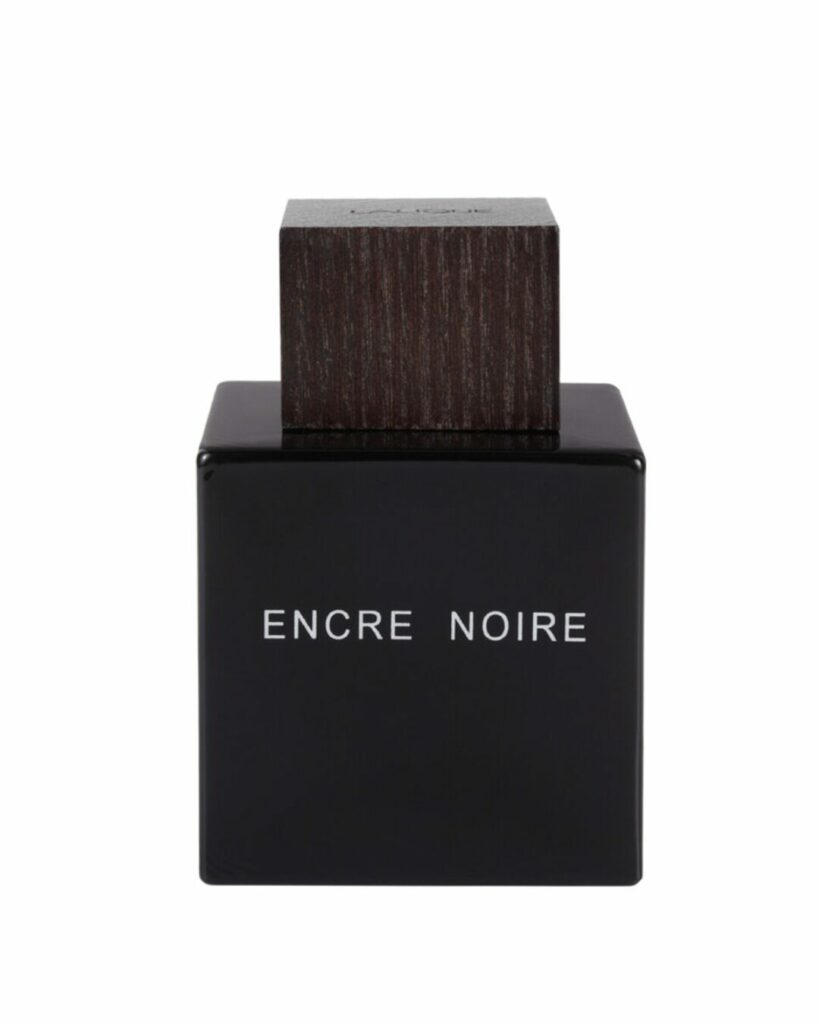
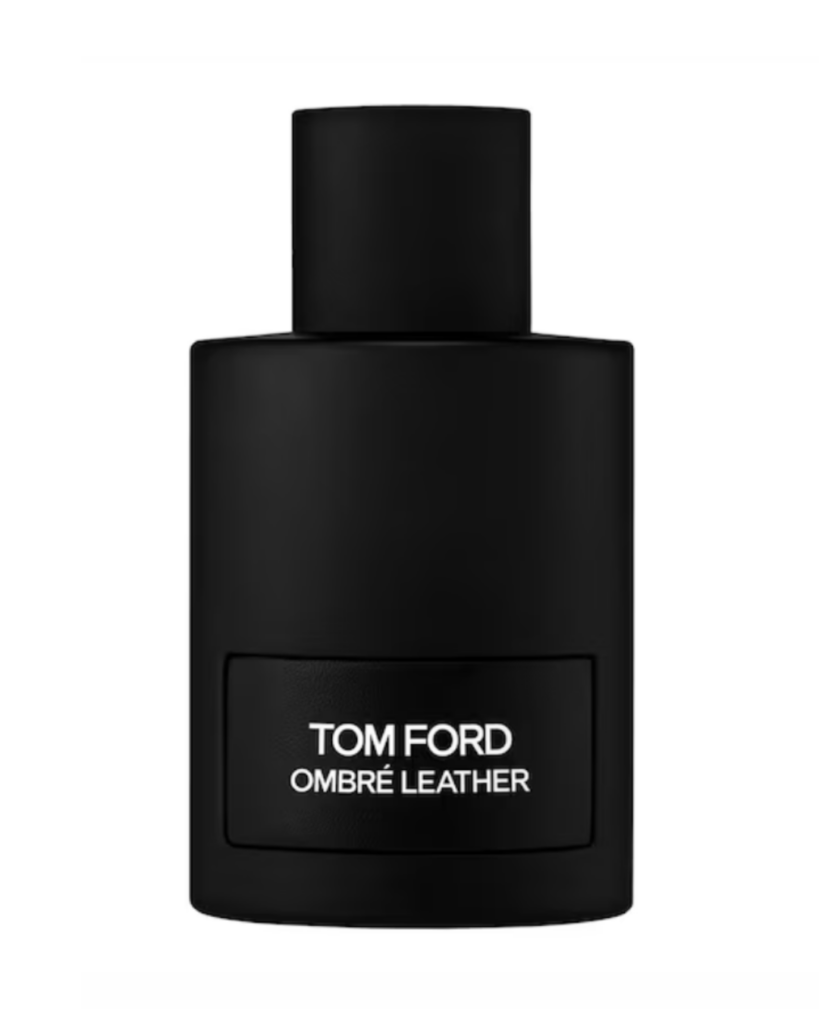
- Hip-hop / street dance Speed, precision, raw energy, urban grounding. Dry woods, leather, vibrant musks take over. → Santal 33 (Le Labo), Encre Noire (Lalique), Ombre Leather (Tom Ford).
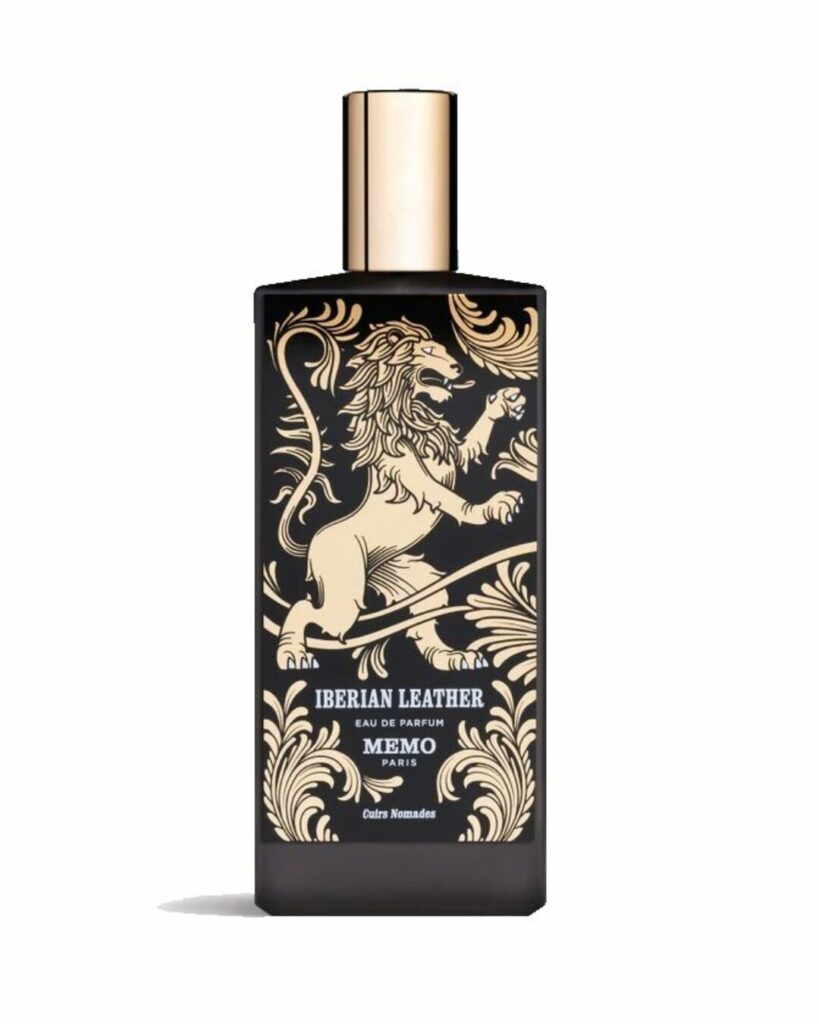
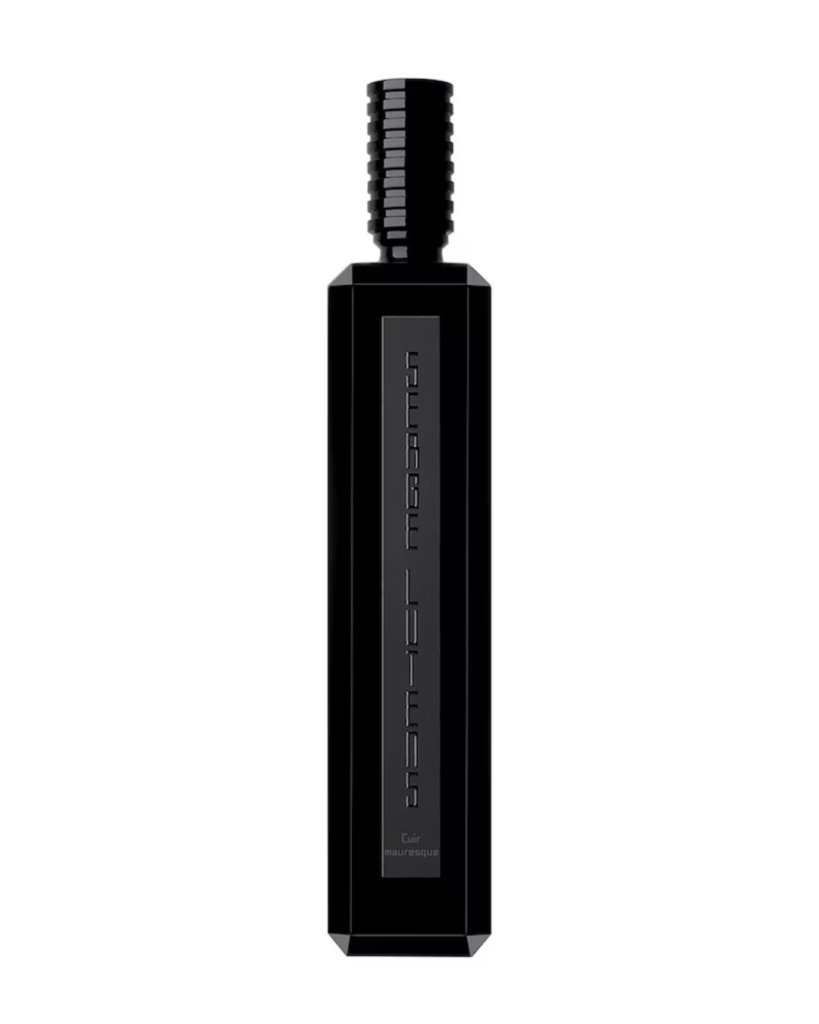
- Flamenco Dramatic tension, controlled power, bare/told emotion. Warm leather, spices, resins. → Spanish Leather (Memo), Cuir Mauresque (Serge Lutens), Eau du Fier (Annick Goutal).
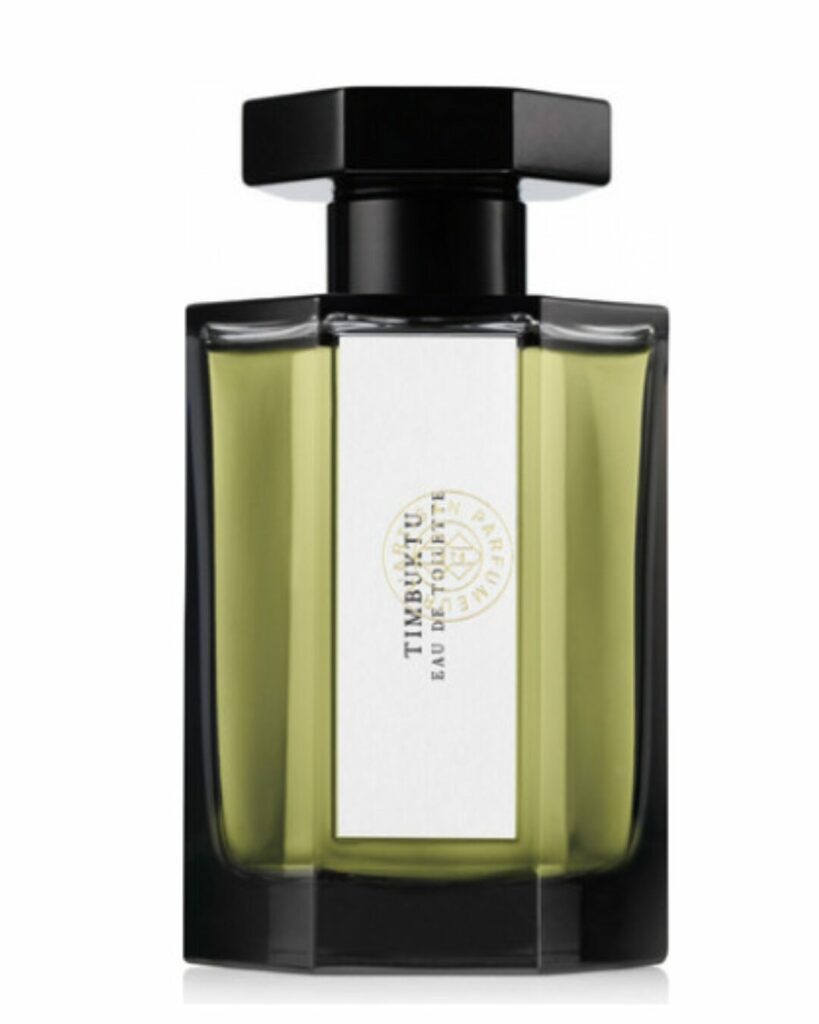
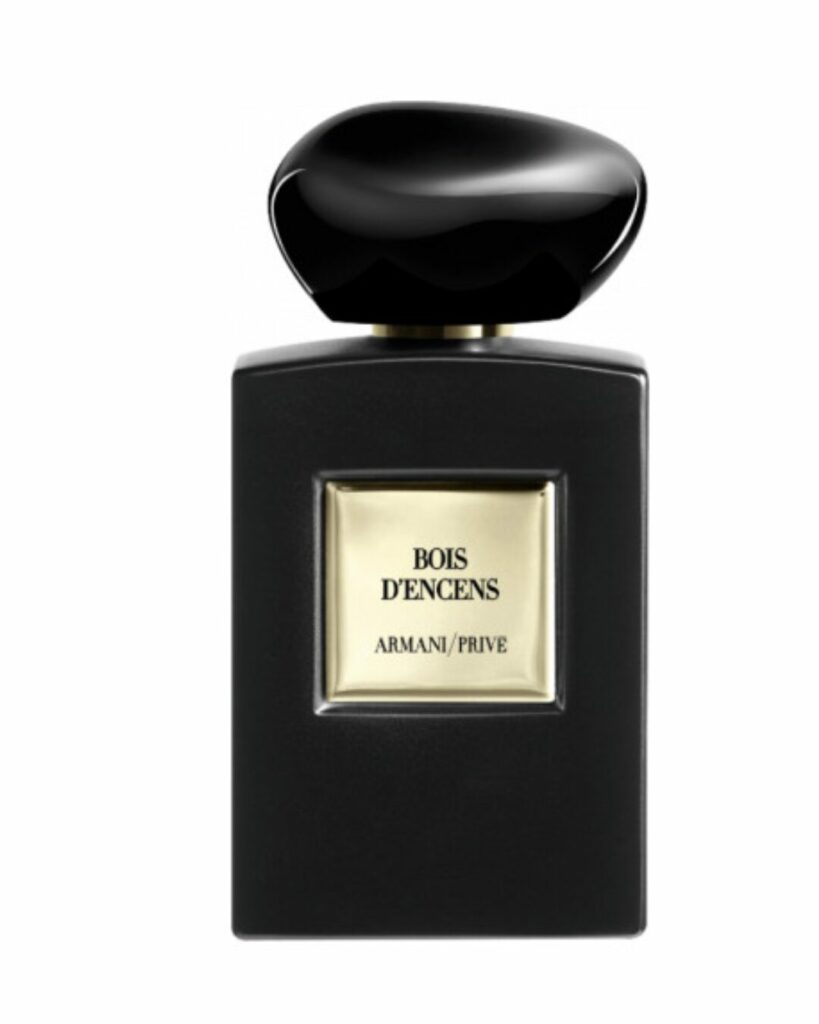
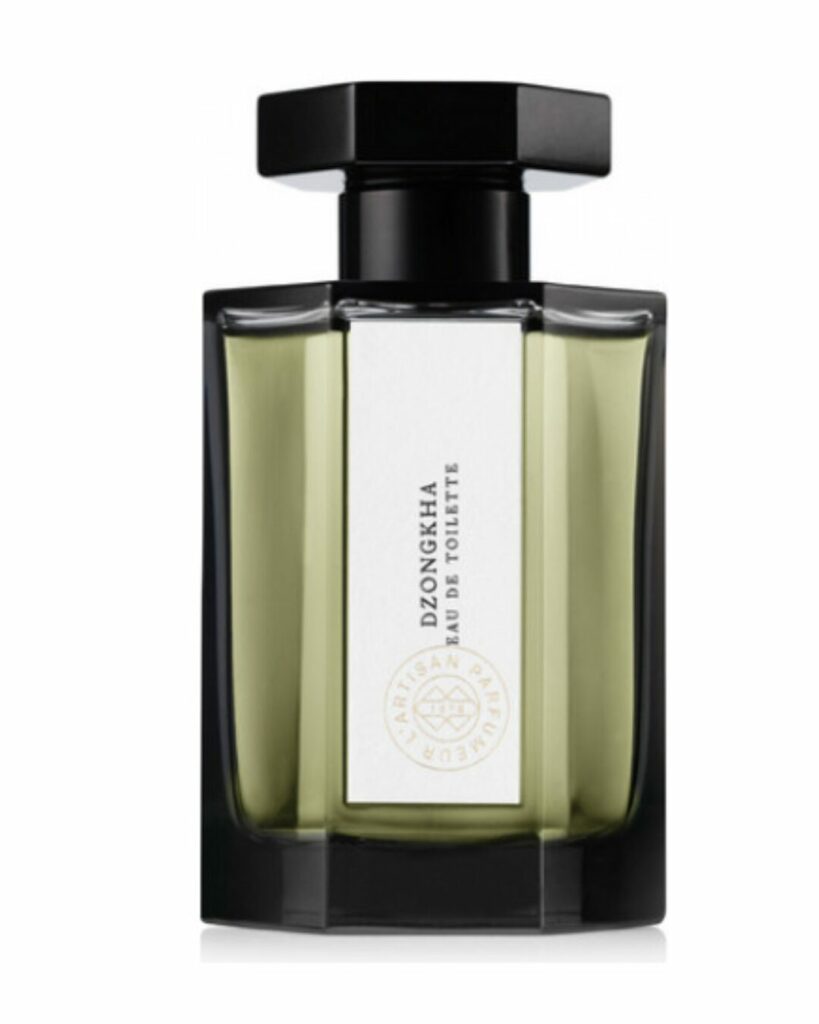
- African dances Roots, earth, percussion, vitality. Dry incense, vetiver, red woods, ritual smoke. → Timbuktu (L’Artisan Parfumeur), Dzongkha (L’Artisan Parfumeur), Bois d’Encens (Armani Privé).
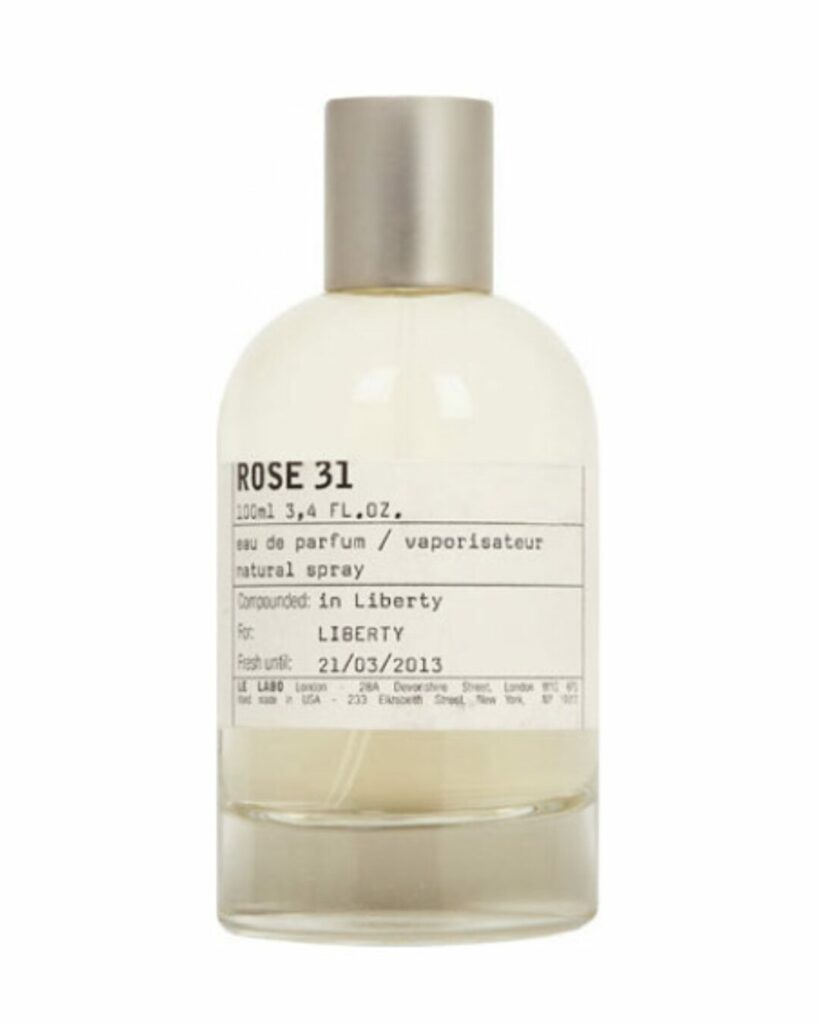
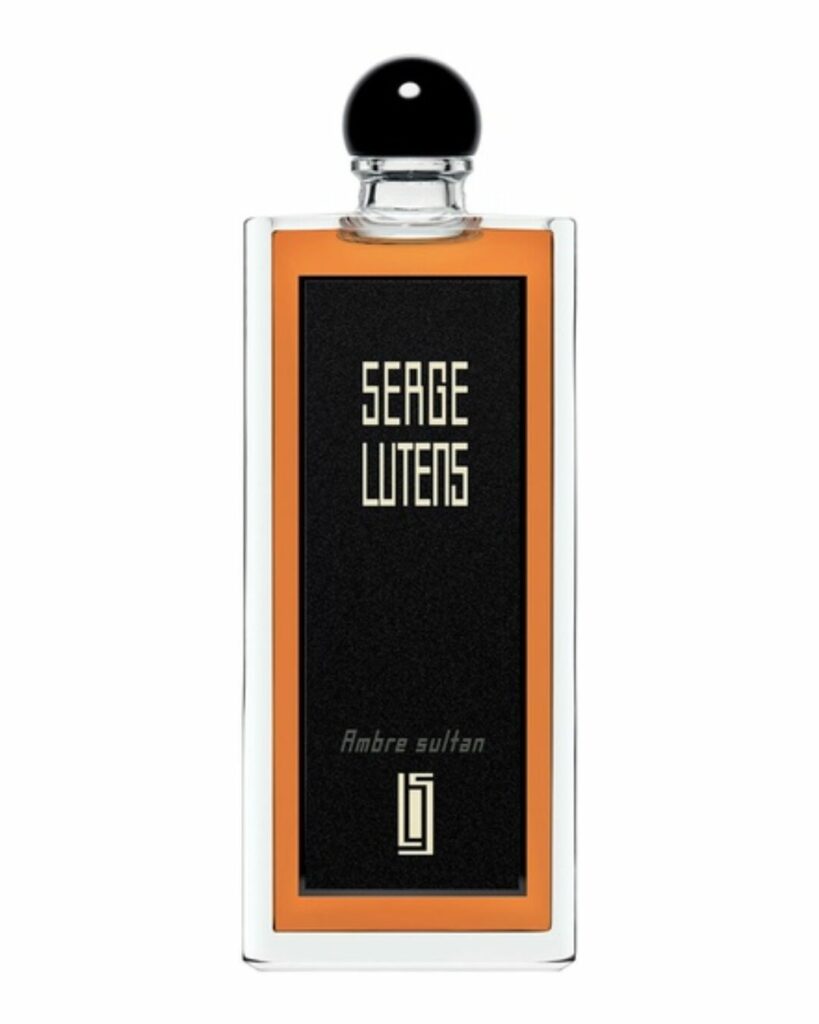
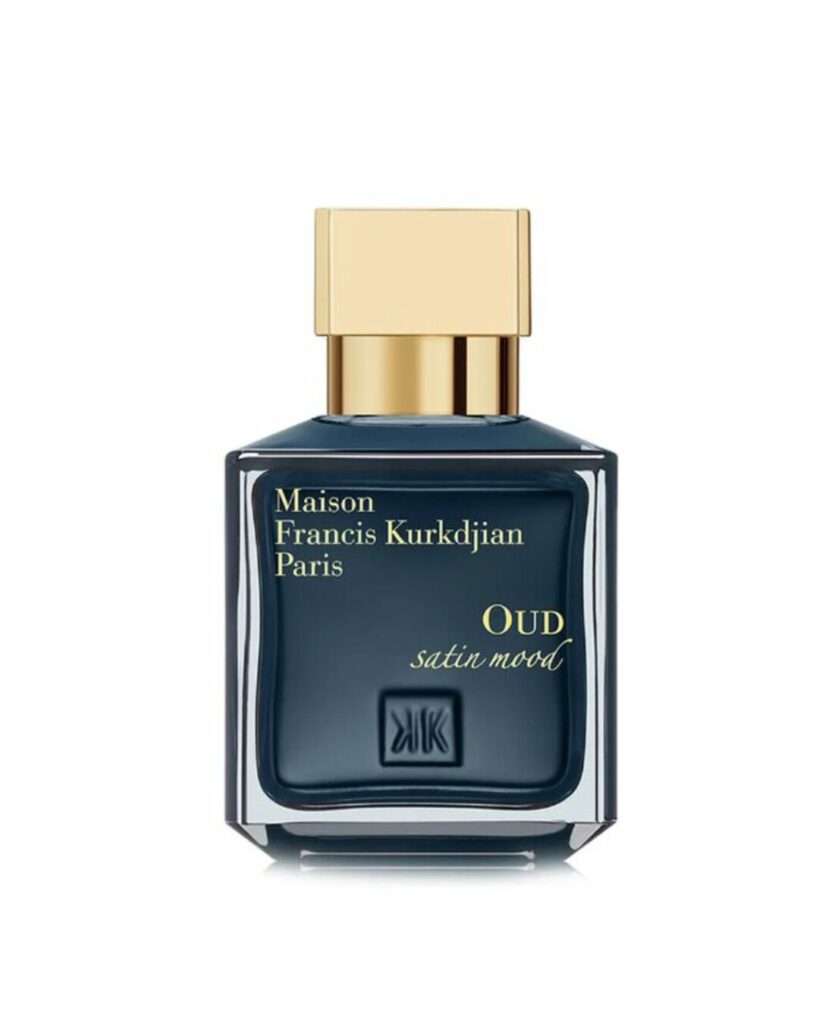
- Oriental dance Curves, slowness, contained sensuality. Dry rose, subtle oud, vibrant musk. → Rose 31 (Le Labo), Ambre Sultan (Serge Lutens), Oud Satin Mood (Maison Francis Kurkdjian).
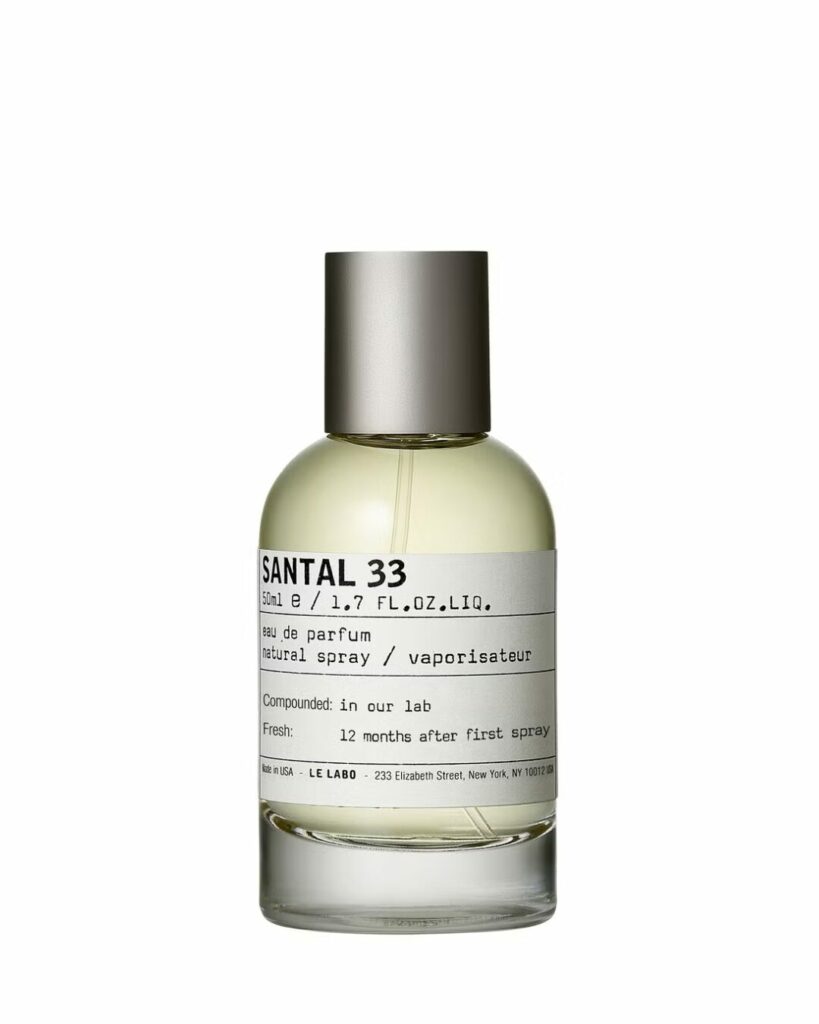
Each perfume becomes here an olfactory echo of the movement, a way of feeling dance without seeing it.
To Dance Is Also to Smell
Perfumery dances with the body, the material and the space. Whether it renders the wood of a floor, the tension of a leather, the memory of a stage or the energy of a movement, it captures an invisible but persistent memory.
The perfumes that tell the story of dance do not seek to freeze a choreography, but to suggest its momentum, its trace, its imprint on the skin.
And what if there were, in every sillage, a little of that fleeting grace that crosses the boards of a stage?