
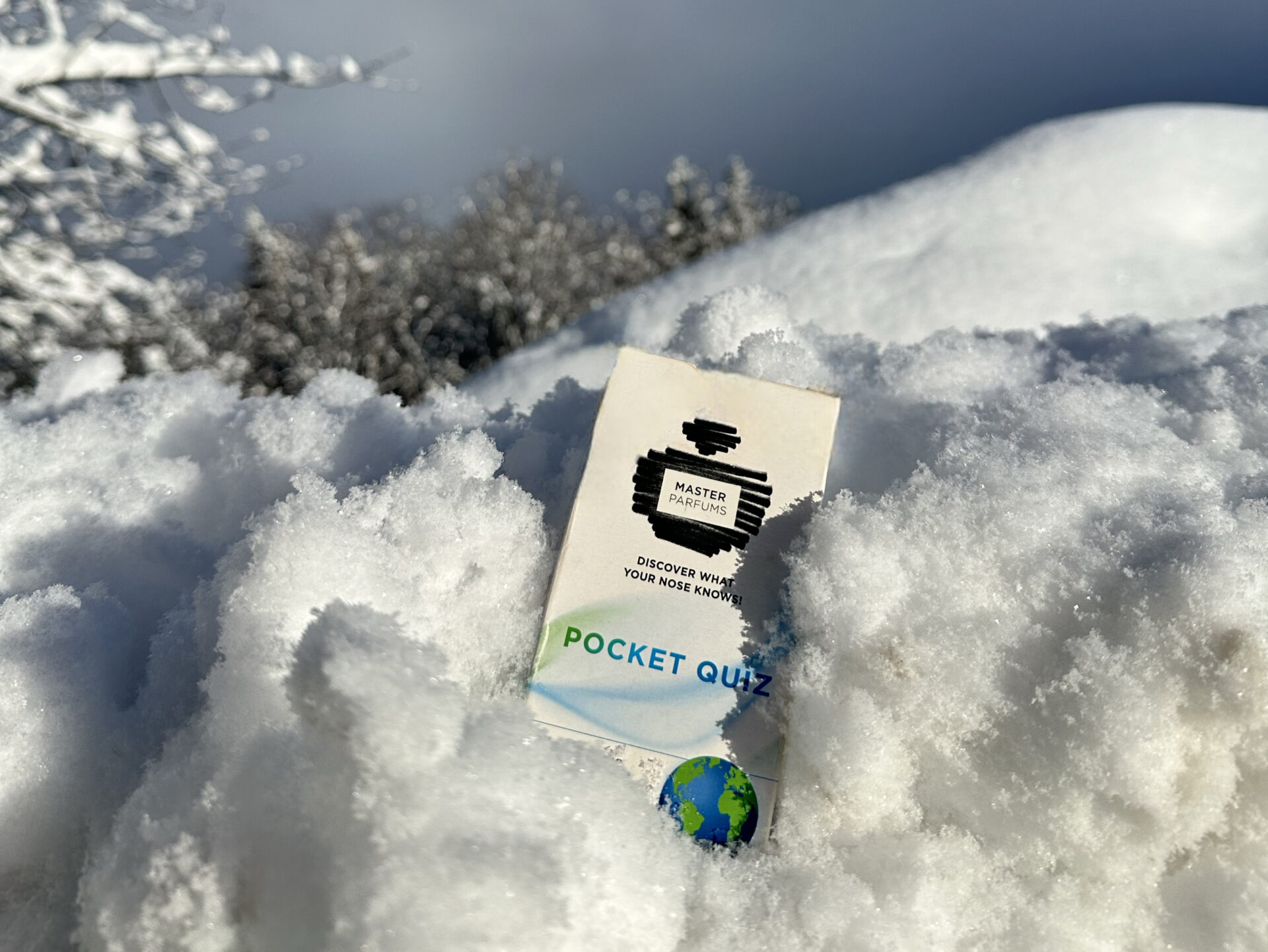
What Does Cold Smell Like? ❄️
When winter sets in and the thermometer plunges, an intriguing phenomenon occurs: smells seem to vanish, leaving an almost palpable olfactory void. This sensation is more than a mere impression: it originates in well-understood physical and biological processes. Odorant molecules, responsible for the diffusion of smells, depend on heat to evaporate and disperse into the air. Cold, however, reduces the energy of these molecules, limiting their ability to reach our nose. This molecular inertia explains why the scents of forests, flowers or soil become scarce in cold weather.

Smell in Winter: A Sense on Standby 👃🏼
In winter, our olfactory faculties are put to a severe test by specific environmental and physiological conditions. Although the sense of smell remains functional, its efficiency drops noticeably for several reasons.
The Volatility of Odorant Molecules
Smell relies on the perception of volatile molecules present in the air. These molecules are released and dispersed thanks to thermal energy, so heat is indispensable. When temperatures drop, the volatility of the molecules decreases: they evaporate less readily, and their concentration in the air becomes insufficient to stimulate our olfactory receptors. For example, a bouquet of flowers left in a cold room will give off little scent compared to a warmer environment.
The Impact of Cold, Dry Air on the Nasal Mucous Membranes
In winter, the air is often dry owing to the fall in temperatures and to indoor heating. This dry air directly affects our nasal mucous membranes, which play a key role in the perception of smells. These mucous membranes, located in the nasal cavities, contain a thin layer of mucus that captures odorant molecules and carries them to the olfactory receptors. When the air is cold and dry, this layer of mucus dries out, thereby limiting its ability to “trap” odorant molecules.
Moreover, cold causes vasoconstriction—that is, a narrowing of the blood vessels in the nose. This phenomenon reduces the blood supply to the mucous membranes and slows their functioning, making the sense of smell less effective.
Human Physiology in the Face of Cold
The human body prioritises thermal regulation in winter, concentrating its efforts on vital functions. Blood circulation is redirected towards the internal organs to maintain body temperature, at the expense of the extremities, including the nose. This phenomenon can reduce olfactory sensitivity even further.
Raw Materials to Evoke Cold 🥶
Perfumery possesses a sophisticated olfactory language that allows it to translate physical sensations and landscapes into fragrances. When the aim is to recreate cold, perfumers choose raw materials capable of conveying a glacial freshness or a sensation of crystalline purity. These ingredients, both natural and synthetic, evoke the bite of the winter wind, the brilliance of snow or the transparency of icy air.
Menthol and Peppermint: Intense Freshness
Menthol, derived from peppermint, is emblematic of cold sensations in perfumery. This molecule, used in small doses, provides an immediate and striking freshness, almost anaesthetising, evoking the bite of frost on the skin. Peppermint, for its part, adds an aromatic and slightly camphoraceous facet, reinforcing the impression of an icy breath. These raw materials are often used in fresh or aromatic perfumes to amplify the frosted effect.
Camphor: Biting Freshness
Camphor, obtained from the camphor tree, is a natural raw material with resinous and medicinal facets. Its penetrating, slightly pungent smell recalls the pure air of snow-covered mountains or high-altitude forests in winter. In perfumery, it is often used to bring a polar, almost medicinal dimension to compositions that seek to capture the essence of cold.
Eucalyptus: An Invigorating Breath
Eucalyptus notes, with their aromatic freshness and pungent vivacity, are ideal for recreating the atmosphere of a harsh winter. Their airy facet evokes cold winds sweeping through coniferous forests. Eucalyptus is often paired with woody and resinous notes to reinforce the impression of frosted nature.



Aldehydic Notes: Snow Crystals
Aldehydes hold a central place in the olfactory evocation of cold and freshness. These synthetic molecules are famous for their metallic, airy and slightly soapy facets. Their particular brilliance recalls the bright, immaculate sparkle of snowflakes. Popularised by Ernest Beaux in Chanel No. 5, aldehydes continue to be a favoured tool for building cold, elegant and crystalline accords. Legend has it that Ernest Beaux had been posted to Siberia beyond the Arctic Circle, and that with aldehydes he wished to render the icy sensation of those vast, immaculate landscapes and the smell of frozen lakes and rivers.
Frosted and Icy Accords: The Alchemy of Sensations
Frosted accords, which simulate the freshness of ice or frost, are often built by combining several families of ingredients. Aldehydes are paired with crystalline musks to bring a sensation of purity. Aquatic or ozonic notes, recalling cold, damp air, are added to give an impression of glacial transparency. Sometimes, touches of menthol, mint or citrus come to reinforce the frosted effect, heightening the illusion of an icy breath.
Aromatic Notes: Snow-Covered Nature
Certain aromatic plants, such as rosemary, sage or coriander—rich in aldehydes—are used to evoke snowy landscapes or wintry forests. Their lively freshness, combined with woody or resinous pine nuances, reinforces the impression of a natural setting frozen in the cold.



Iris: Powdery Coldness
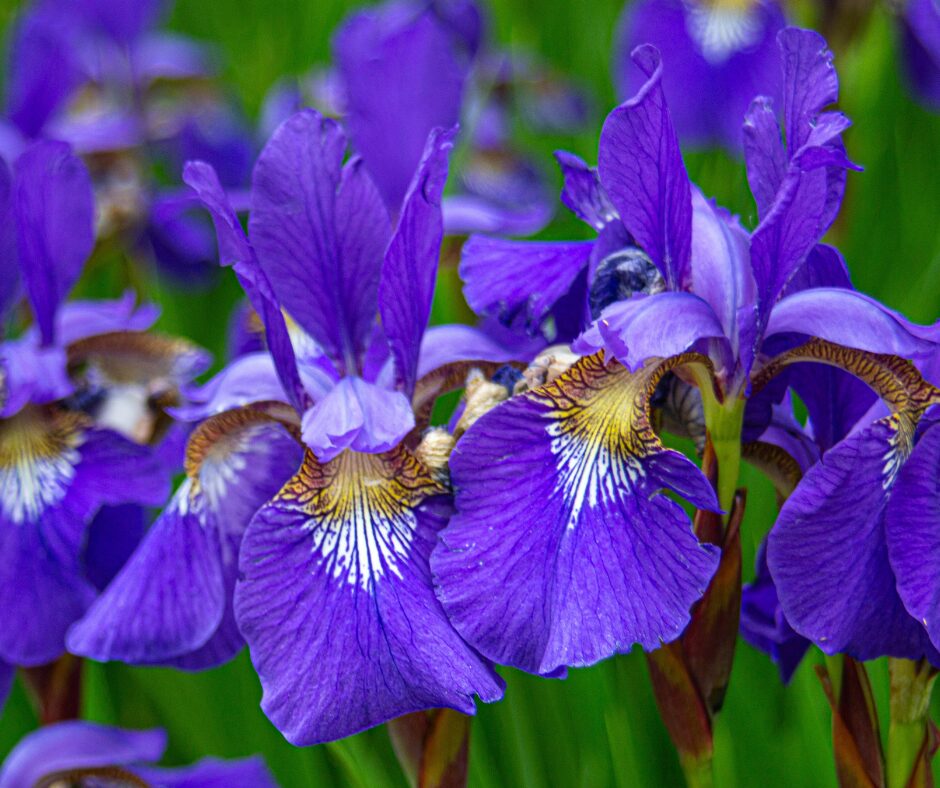
Iris is a flower often used for its absolute or its butter, which confer a powdery, elegant texture. This note has a slightly metallic and rooty aspect, recalling immaculate snow or a muffled cold. Iris is often combined with musks or aldehydes to accentuate this impression of cold purity.
Frosted Rose: A Subtle Freshness
Certain varieties of rose, such as the May rose or the Damascena rose, possess aqueous, petalled facets that can be worked to evoke a cold sensation. Paired with aldehydes or musks, the rose can be transformed into a luminous, glacial element, suggesting a frosted rose in the heart of winter.
Edelweiss: A Mountain Icon
Edelweiss, although rarely used in perfumery owing to its low natural olfactory yield, is often reconstituted to symbolise snowy alpine landscapes. Its soft, powdery and slightly herbaceous facets evoke the purity and cold of the peaks.
These flowers are not enough on their own to recreate cold, but they bring nuances of freshness, purity or clarity that enrich frosted accords. By combining them with raw materials such as menthol, aldehydes or ozonic notes, perfumers can sublimate their glacial potential and offer sophisticated, evocative creations.

Iconic Perfumes That Embody Cold 🥶
Certain olfactory creations stand out for their ability to translate winter into a unique sensory experience. These perfumes, often built around raw materials evoking purity, freshness or glacial light, capture the essence of cold and its many facets.
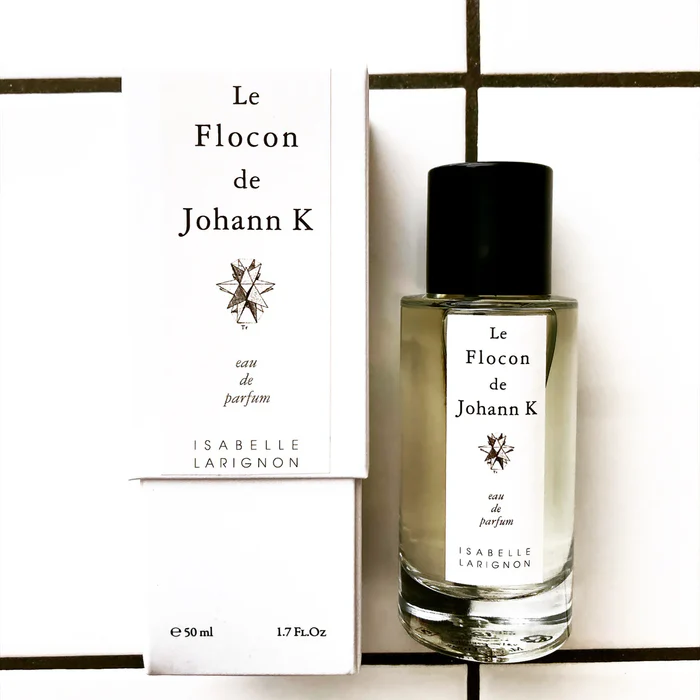
Le Flocon by Johann K., by Isabelle Larignon
An olfactory caress that evokes the delicacy of a snowflake settling gently on the hand. The crystalline freshness of lemon and cyclamen unfolds in an airy heart of ozone and mint notes, subtly softened by mimosa. The base, dominated by white musk, prolongs this sensation of delicate purity. Le Flocon by Johann K. is an evanescent poem, an ode to the fragile, soothing beauty of winter.
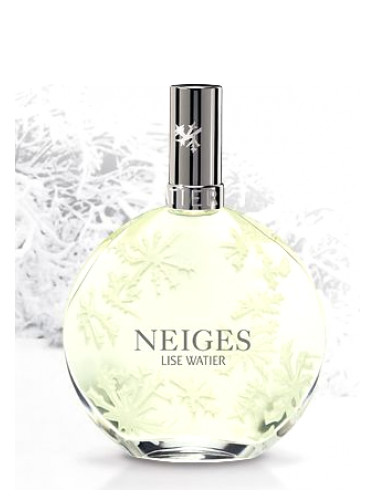
Neiges by Lise Watier
A true Canadian classic, Neiges was created by C. Benaïm. A delicate tribute to winter, in which the lightness of lily of the valley and hyacinth intertwines with the floral elegance of jasmine and rose. At the heart, magnolia brings a luminous softness, while orange blossom adds a subtly solar nuance. The base, enveloping with musk and sandalwood, prolongs this crystalline purity.
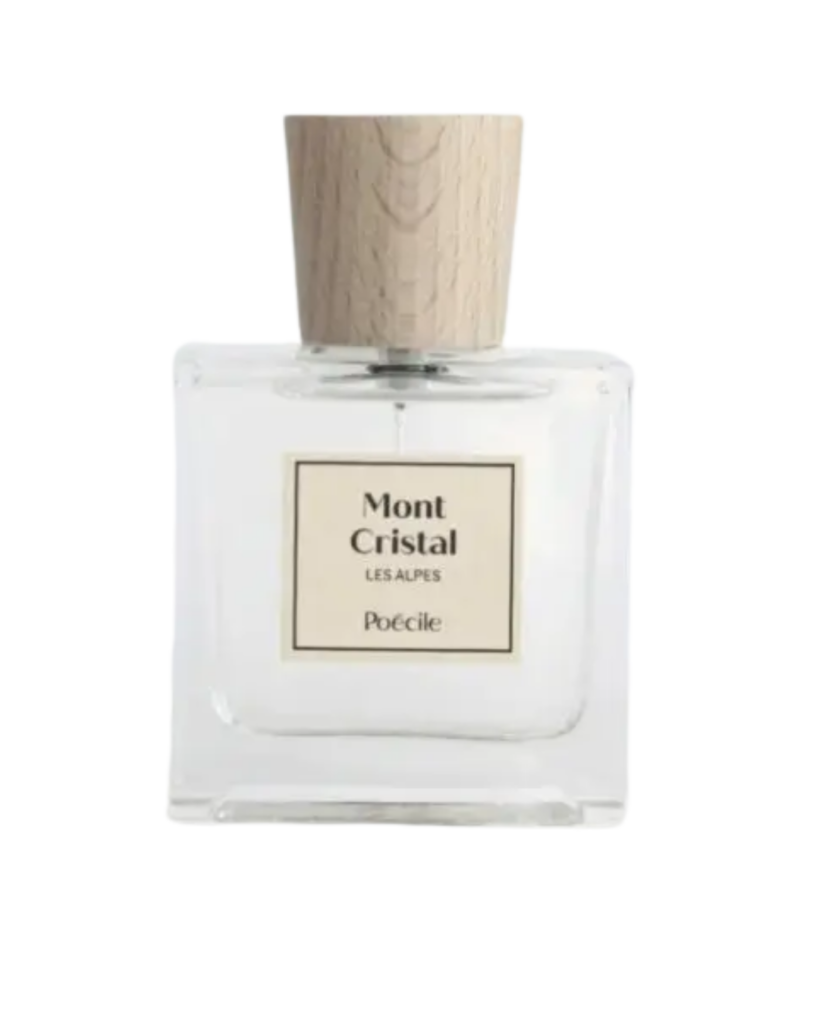
Mont Cristal by Poecile
Mont Cristal, created by P. Revillard, is an interpretation of the bright, cold light of the snow-covered mountain. Its ozonic accord and its notes evoking freshly fallen snow emphasise an underlying floral greenness. Edelweiss and iris bring an impression of immaculate powder, while enveloping musks convey the softness of a snowy landscape where a soothing silence reigns. This perfume is a true ode to cold, an invitation to the serenity and fullness of the wintry peaks.
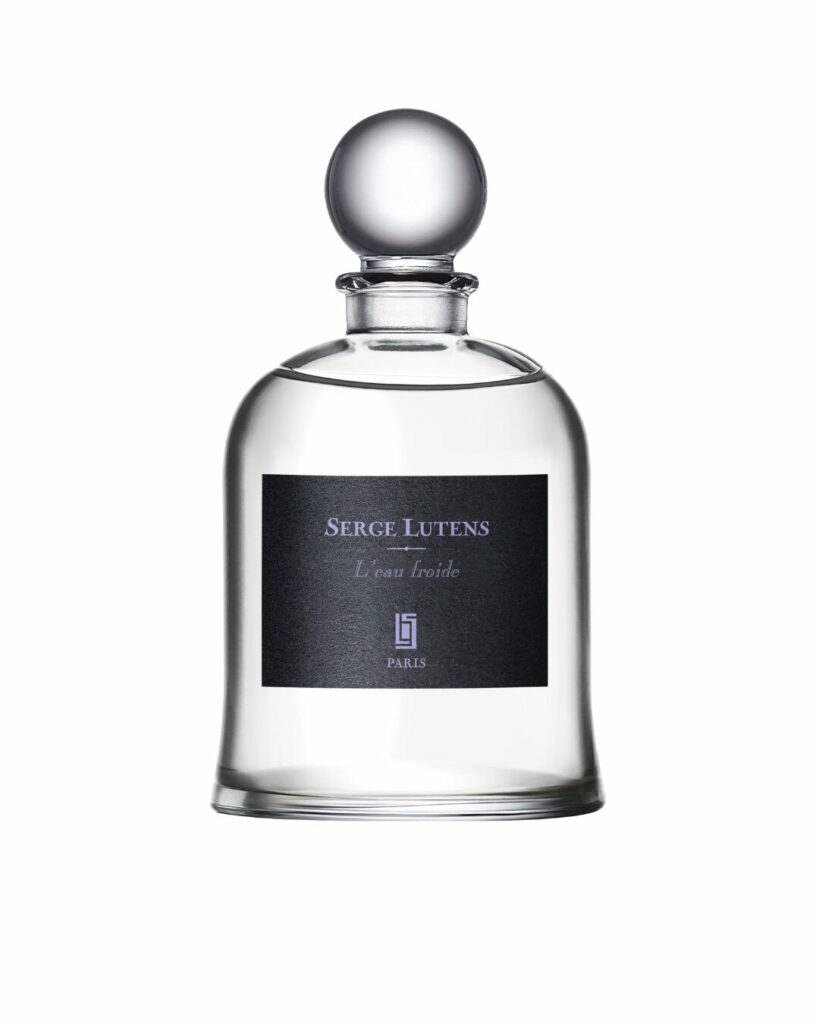
L’Eau Froide by Serge Lutens
Where other perfumes suggest a soft, luminous snow, L’Eau Froide, created by C. Sheldrake, imposes a raw cold, sharp as an icy gust. Incense, usually warm, becomes here crystalline and cutting, almost metallic. Its dry, camphoraceous breath, accentuated by cold resins, evokes a biting purity. No comfort, no warmth: just the bite of frozen air, freezing everything in its path. A radical interpretation of cold, between austerity and brilliance.
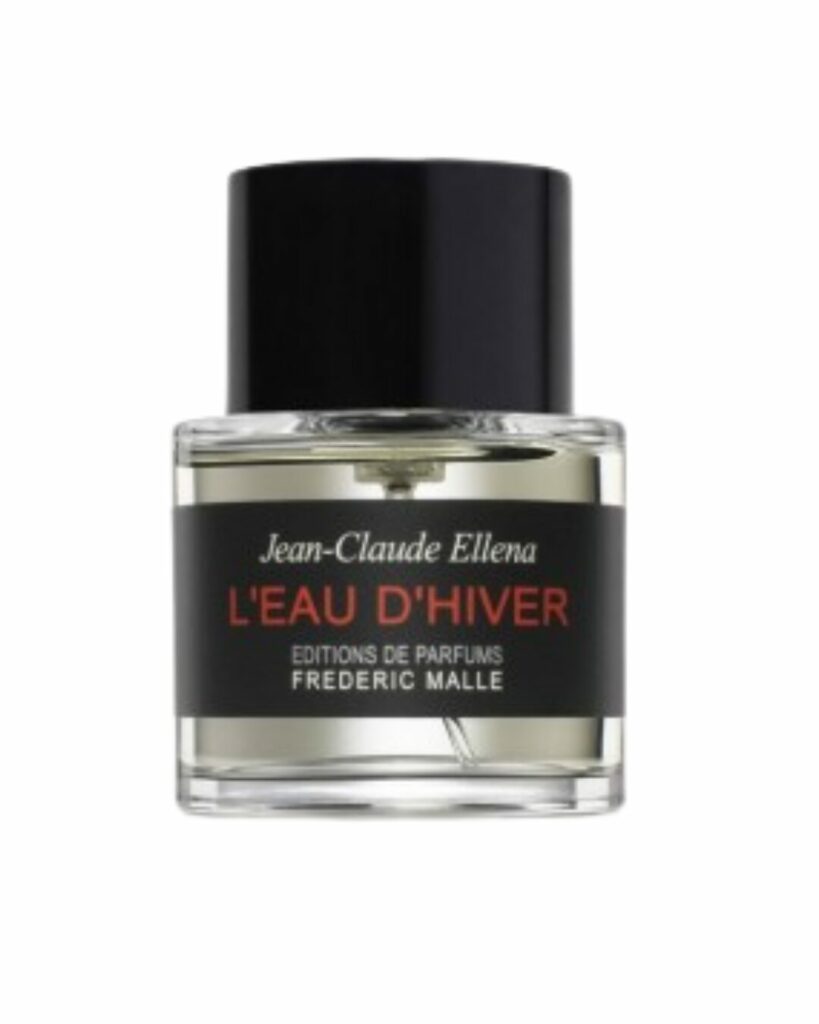
L’Eau d’Hiver by Frédéric Malle
L’Eau d’Hiver reinvents cold as a cottony, comforting caress. All lightness, this perfume plays on a soft, powdery freshness in which heliotrope and musk blend with luminous, airy accents. More than a biting cold, it evokes the diffuse light of a winter morning, enveloping and soothing. An intimate, elegant vision of the cold season, signed by Jean-Claude Ellena.
These iconic perfumes transcend the limits of the season to make winter a captivating olfactory canvas. They render the sensation of cold, at once biting and soothing, testifying to perfumery’s power to play with emotions and memories. They prove that winter, far from freezing our sense of smell, can on the contrary stimulate our imagination.
A Sense on Standby, but Not Extinguished
When winter sets in, the sense of smell seems to pause, odorant molecules becoming more discreet under the effect of the cold. In perfumery, this transformation becomes a fascinating field of exploration, where raw materials and frosted accords transcribe coldness in all its nuances: brutal and biting, cottony and muffled, crystalline and airy.
But cold, far from being an end in itself, also opens the way to a rediscovery of smells, as if the wintry silence were teaching us to listen more closely to our nose. Perhaps, in this pause imposed by nature, there lies an invitation to perceive differently, to feel what ordinarily escapes us. And what if, instead of enduring the cold, we learned to tame it, to breathe it in fully?