
What Is Niche Perfumery?
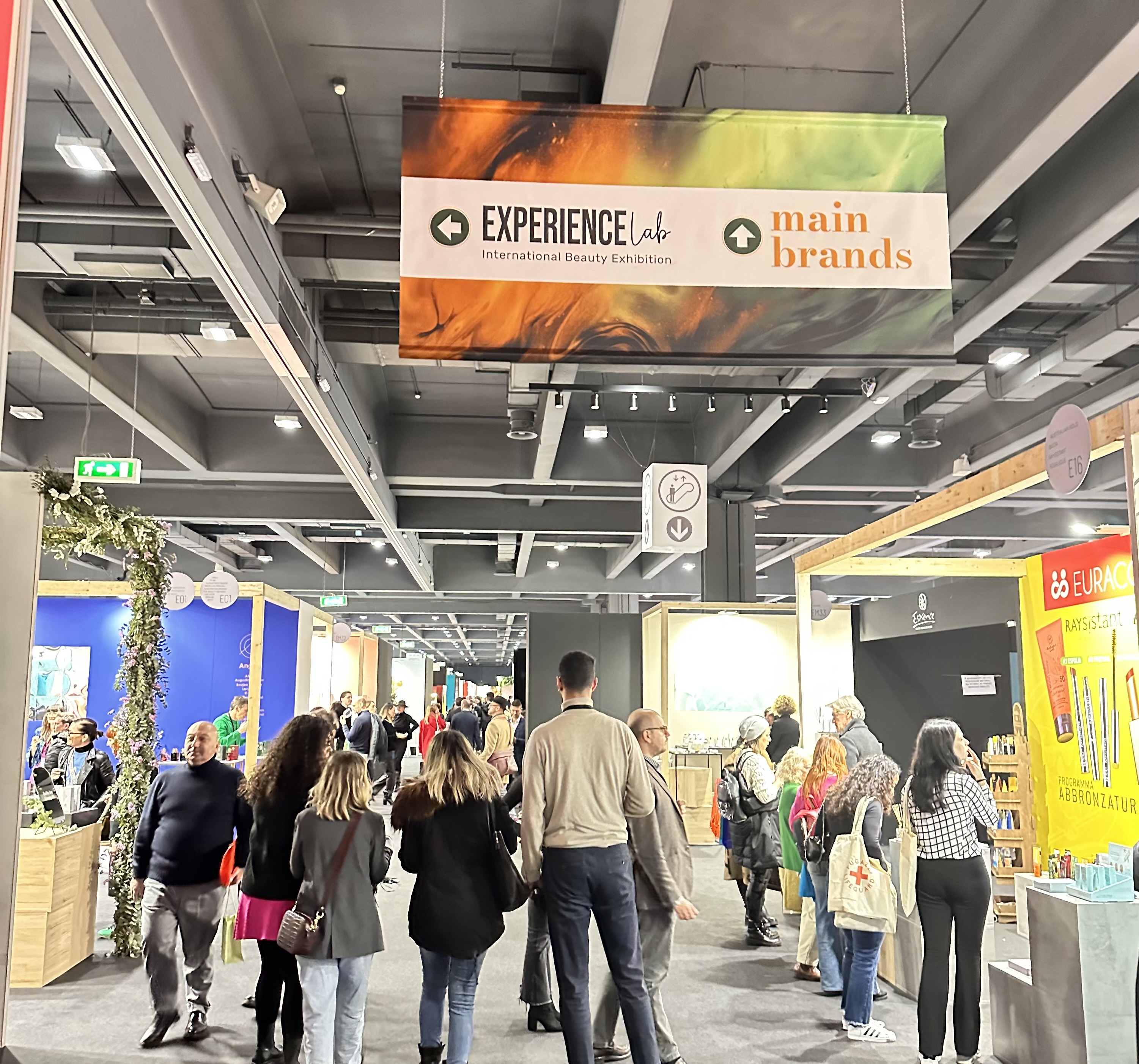
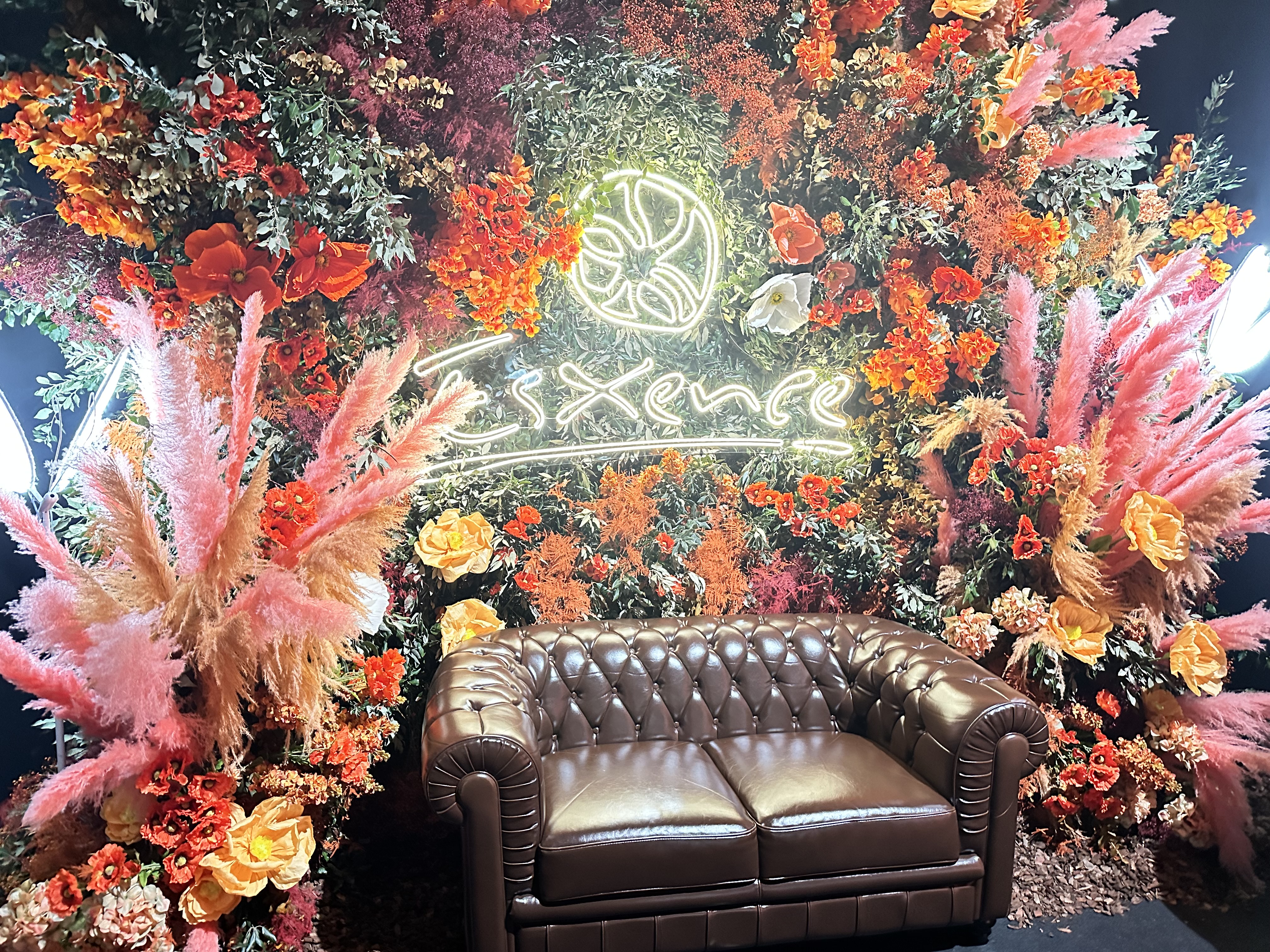
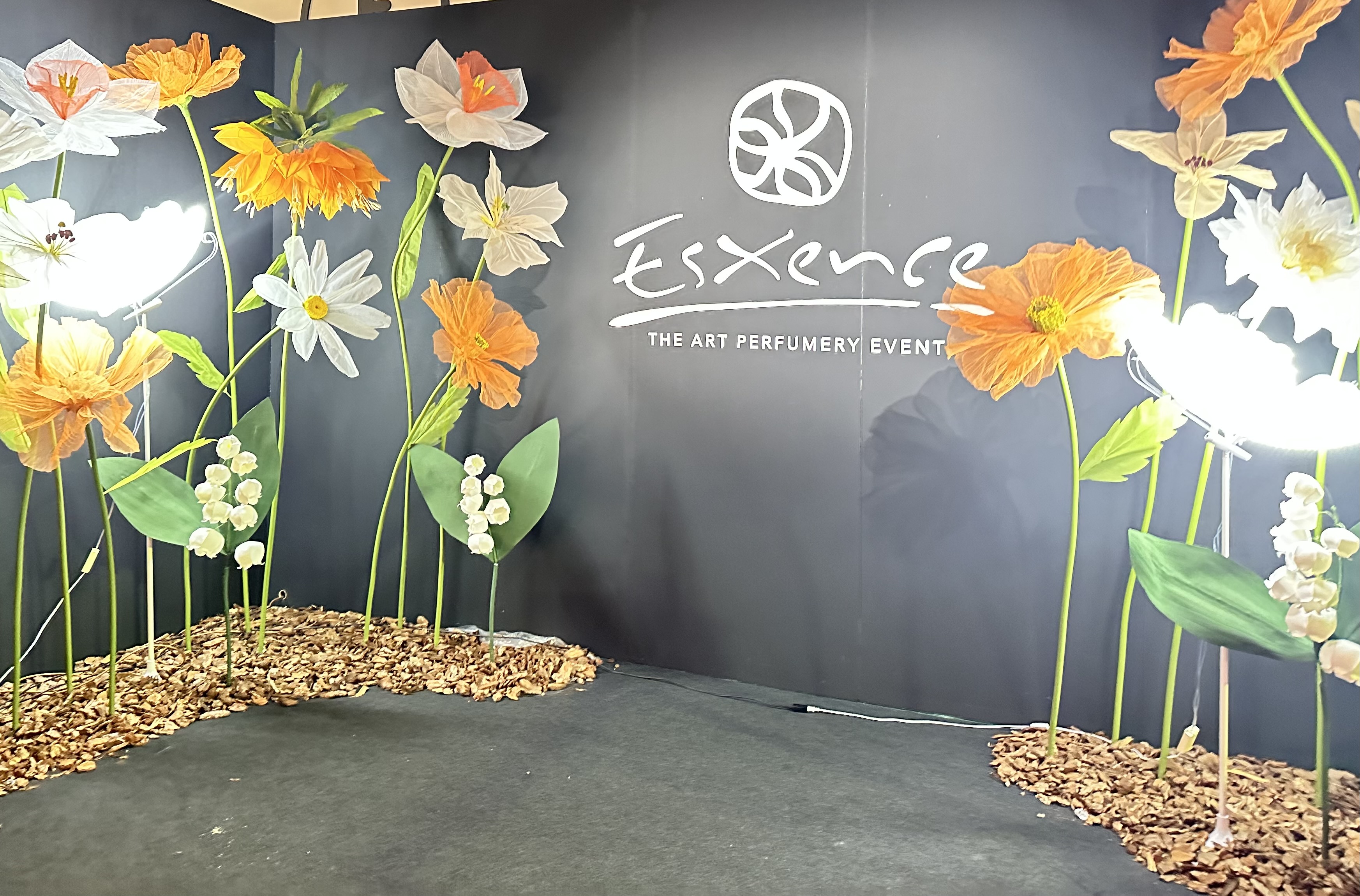
From 6 to 9 March, the 14th edition of the Esxence fair takes place. Every year, perfumers and brands, professionals of all kinds from the perfumery world and a passionate public gather in Milan for this unmissable rendezvous of niche perfumery. It is also called haute perfumery, artistic perfumery, alternative perfumery, confidential perfumery or creators’ perfumery—at Master Parfums, we take stock of this branch of perfumery, its origins and its ambitions.
Before Niche Perfumery
Perfume was for a long time a luxury object and the marker of a high social status. But from the 19th century, several events would change the game. With the Industrial Revolution and the advances of chemistry, craftsmanship and the bespoke faded in favour of mass production. François Coty would contribute largely to the democratisation of perfumery. This evolution also affected the fashion sector. But while during the first half of the 20th century couturiers made their way onto the perfume market, with precursors such as Paul Poiret, Gabrielle Chanel or Jeanne Lanvin, a fragrance remained a purchase reserved for the wealthiest.
It was not until the aftermath of the Second World War that the marketing of perfumes by fashion houses resumed and that jewellers followed in their footsteps, with the ambition of broadening the range of social classes able to afford a fragrance… and it succeeded! We then witnessed the first steps of what we know today as mass perfumery.
Mass Perfumery, or the Mainstream Counterpart of Perfumery
Mass perfumery is the perfumes created by major luxury brands and easily found in department stores. Think of the fragrances of Chanel, Dior, Lancôme, Dolce & Gabbana or Givenchy, which teem on the shelves of the big perfumery chains such as Sephora, Marionnaud, Nocibé and other department stores. Very often, these perfumes seek to please as many people as possible. Market studies, olfactory panels… Many means are deployed to orchestrate the successes and prevent the flops. When success is there, a fragrance will then have many variations, also called flankers, the aim being to capitalise on this success while maximising the profitability of the initial product.
Mass perfumery gives pride of place to marketing and communication during a new launch, treating itself to advertising spots at staggering prices and making the promotion of the perfume—or even of the entire brand—rest amply on a celebrity. Thus, by buying a perfume, consumers will be granted a little piece of prestige, elegance, sensuality and much more, by mimicry with the fragrance’s headliner. On reading the words “J’adore, Dior,” perhaps you saw Charlize Theron spring up in a corner of your head?
Unfortunately, the popularity and accessibility of perfume are double-edged. Over the years, we have witnessed a phenomenon of standardisation: the desire to transform perfume into a consumer product means that as early as the 1950s, in the eyes of some, fragrances began to resemble one another a little too much, as if the very art of perfumery was losing a little of its soul… It is in reaction to this that niche perfumery emerged towards the end of the 1960s.
Niche Perfumery, or the Rebellious Child of the Olfactory World
If mass perfumes are, in a way, the blockbusters of the perfume market, confidential perfumery means to be a more authentic alternative. It makes the choice to target a more restricted, less competitive market, also often made up of connoisseurs—in short, a niche!
The perfume historian Elisabeth de Feydeau defines the ambitions of niche perfumery as those of “awakening emotion, flattering the personality and responding to a strong need to set oneself apart.”
In the 1970s, creators wished to free themselves from the tyranny of markets and refocus perfume on the essential: the juice itself.
Little by little, new brands came into being. Relegating market studies and olfactory and commercial trends to the background, individuality, originality and creative freedom became the watchwords. At the time, people spoke of “third perfumery” or “parallel perfumery.”
The perfumers hit the mark, and the following decades saw niche perfumery prosper before it experienced a real boom at the beginning of the new millennium. For the journalist specialising in perfumery Maïté Turonnet, the three great pioneers of niche perfumery are Jean Laporte with L’Artisan Parfumeur, Serge Lutens and Annick Goutal.
Among the houses that established themselves as references in the niche world are Le Jardin Retrouvé, Nicolaï, Editions de Parfums Frédéric Malle, Le Labo, By Kilian, Maison Francis Kurkdjian, Byredo, Juliette Has A Gun, The Different Company or Memo. Some newcomers such as BDK Parfums or Maison Crivelli are well set to stay.
In hindsight, some brands born before the movement found themselves labelled niche—for example, Diptyque (1961), Penhaligon’s (1870), Creed (1760) or even Santa Maria Novella (1221), the latter being houses endowed with a rich historic olfactory heritage.
Characteristics of Niche Perfumery
In niche perfumery, the emphasis is placed on the quality and nobility of the raw materials, and it is often they that one seeks to value and place at the centre of communication. Niche perfumes take on the responsibility of incorporating into their compositions less conventional ingredients and notes, sometimes avant-garde proposals and concepts that can surprise, or even displease, and they claim this difference. Here, it is no longer a question of wanting to identify with a brand’s muse or of blending into the mass by adopting the latest olfactory trend, but rather of expressing a more personal, fully assumed identity.
As niche perfumes target a more restricted market, they are also distributed in a more selective way, in the brand’s points of sale, independent perfumeries or pop-up stores. As they are produced in smaller numbers, they are also often more expensive, because one must still be profitable… The good news is that the brand will also have to sell fewer of them to reach this profitability. Finally, a good number of niche perfumes are unisex, non-gendered perfumes.
It is important to recall that the fact that a perfume is niche is not necessarily a guarantee of quality. In the same way, a mass perfume is not automatically inferior or devoid of all artistic sensitivity: many fragrances that are today mythical and considered little olfactory jewels are mass perfumes! Here, it is a question of highlighting the differences in approach between two branches of perfumery.
Mass and Niche: Increasingly Less Hermetic Boundaries?
In recent years, the boundaries between mass perfumery and niche perfumery have crumbled. Many niche brands have joined large groups in order to pursue their development. This is the case, for example, of Frédéric Malle and Le Labo, which were bought by Estée Lauder; Maison Francis Kurkdjian joined LVMH, Atelier Cologne joined L’Oréal, while Byredo, Penhaligon’s and L’Artisan Parfumeur are now part of Puig.
Some brands have emerged from the confines of confidential shops and extended their reach, making their way into Sephora or department stores such as Galeries Lafayette. Furthermore, several niche fragrances have acquired a certain renown: Le Labo with Santal 33, Frédéric Malle with Portrait of a Lady, Creed with Aventus… Indeed, success has made the audience of certain houses… a little less niche!
Finally, brands historically accustomed to mass perfumes have begun to offer creations turned towards niche, with a greater valuing of raw materials, higher prices and a more selective distribution: Tom Ford and his Private Blend collection, Armani with Armani Privé, Chanel with Les Exclusifs de Chanel, the Collection Privée of Christian Dior, or Olfactories at Prada…
In any case, niche perfume remains above all a philosophy, a way of approaching perfume and the relationship we maintain with it. To continue this discovery of confidential perfumery while having fun, opt for the Master Parfums Pocket Quiz special Jovoy edition, the Parisian temple of this confidential perfumery. A game of 120 questions and answers to get to know niche perfume!
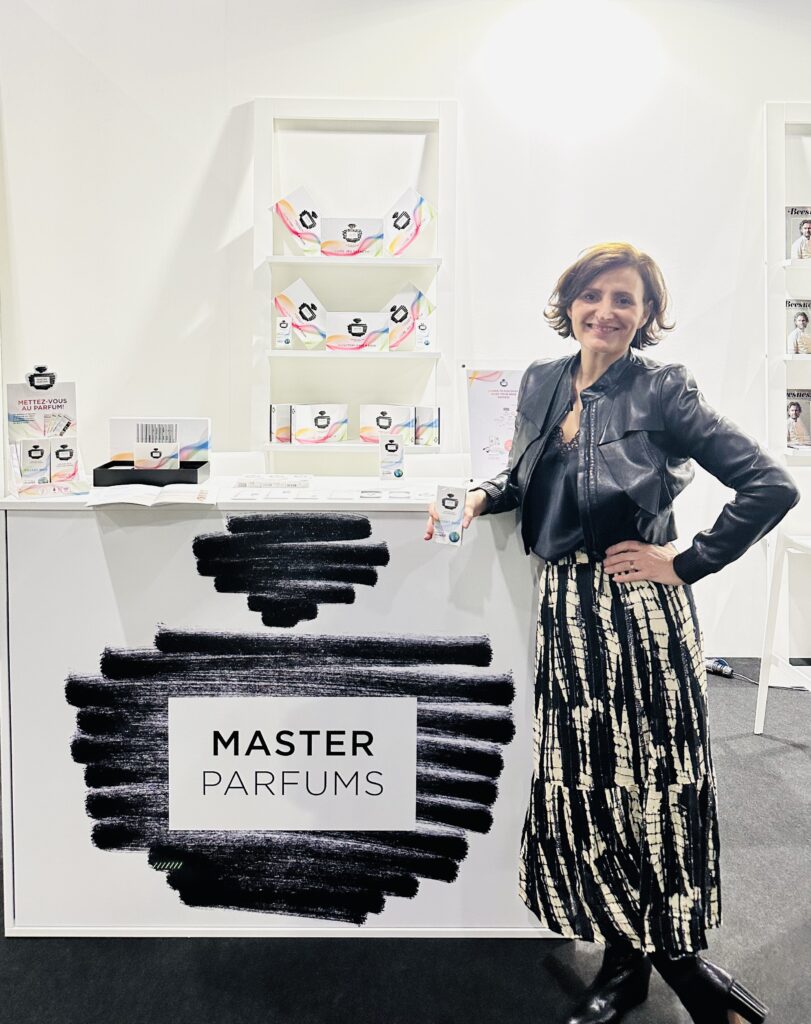
That’s not all: if you are in the vicinity during the Esxence fair, good news, Master Parfums will be there too! Who better to plunge you into the brand’s world and its range of olfactory games than its creator Anne-Laure Hennequin? See you in Milan, from 6 to 9 March!