Layering in perfumery, also called the superposition of perfumes, consists of applying several fragrances in order to create a unique, personalised olfactory signature. This fragrant technique, long confidential, is establishing itself today as an increasingly widespread gesture among perfume lovers and connoisseurs. Far from being a mere trend, it is an ancient practice that makes it possible to modulate a perfume, enrich its longevity or transform its sillage. Inherited from historical rituals and now integrated into the strategies of certain houses, this approach invites us to rethink perfume: no longer as a fixed creation, but as an evolving olfactory composition that everyone can adapt.
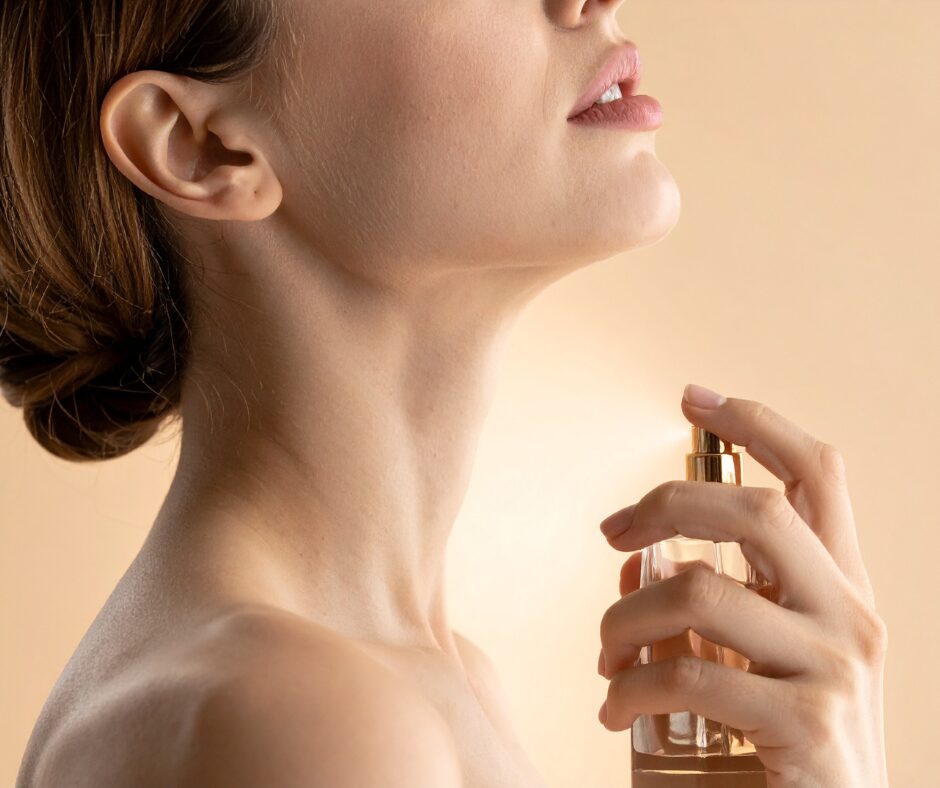
Perfume Layering: An Ancestral Tradition Brought Back into Fashion
Long before the word “perfume layering” entered the Western vocabulary, the superposition of perfumes was already an integral part of beauty rituals in the Middle East. In these cultures, perfuming oneself was not a mere aesthetic gesture: it was a social, spiritual and sensory act. Scent accompanied every moment of life: from prayer to marriage, from the bath to family reunions.
Women, in particular, practised the art of tahannuk or tatayyoub, literally “to embalm oneself.” This ritual consisted of superimposing different perfumed materials on the body and clothing:
First, perfumed oils (often rose, jasmine or white musk), applied directly to the skin after the bath;
Then more resinous essences such as oud wood, heated in a burner (mabkhara) so that its smoke would impregnate the hair and fabrics;
Finally, a perfumed powder or a concentrated perfume (attar) came to seal the whole.
Each combination reflected an intention: purity, seduction, contemplation. The body became the living support of an olfactory composition, adjusted according to mood, season or event.
This know-how was passed down from generation to generation, evolving with the available materials: sandalwood, ambergris, myrrh, then later synthetic musks.
The arrival of colognes and alcohol-based perfumes, imported from Europe in the 19th century, did not make these practices disappear: it transformed them. Arab women began to pair Western perfumes with local oils, creating unprecedented alliances between two olfactory worlds: the volatile freshness of Cologne and the oriental depth of wood or resin. It is largely from this hybridisation that the modern idea of layering comes.
In the 1990s, Jo Malone London drew inspiration from it to develop deliberately simple, transparent fragrances, designed to be combined with one another. By transposing this heritage into a Western language, the brand made the concept accessible, almost playful, without betraying its essence: that of an intimate gesture, where everyone composes their own olfactory balance.
Can Layering Turn the Harmony of a Perfume into Cacophony?
Perfume layering, when poorly mastered, can quickly turn a subtle intention into olfactory disorder. What was meant to express a personality then becomes a clash of materials, where each note seeks to dominate rather than to converse.
The main risk is sensory saturation.
A perfume is not a simple addition of scents: it is an architecture, a balance of tensions. When you superimpose two highly constructed formulas, you also add together their structures: their top notes, their hearts, their bases; and these tiers jostle one another.
The result: the top notes evaporate faster, the base accords are crushed, and the overall perception becomes confused.
Certain combinations are particularly unstable:
- Sweet gourmands with powdery florals often give a pasty, almost stifling impression.
- Green or aromatic notes often conflict with ambery accords.
- A smoky wood can dominate to the point of neutralising a soft musk, like a shadow too dense that absorbs the light.
- And the most frequent mistake: superimposing two powerful perfumes. One does not reinforce the other; they cancel each other out.
Some perfumers are ironic about these “cobbled-together” blends, comparing the practice to “that of someone who would put pickle on chocolate”: two strong tastes, excellent separately, but indigestible together.
This image is not trivial: it underlines that in olfaction, success often lies in the mastery of dosage and of the silence between the materials. Too many notes is like too many words: you lose the meaning.
Beyond the olfactory result, there is a question of respect for the perfumer’s work. Each composition is conceived within a precise balance of diffusion, contrast and temporality. By mixing at random, you break this narrative thread: the fragrance no longer evolves as intended, the transitions are crushed, and the sillage loses its coherence.
This does not mean that layering is forbidden, but that it requires fine listening: sensing how one material responds to another, observing their evolution on the skin, understanding when the dialogue becomes dissonance.
How Does the Skin Influence Perfume Layering?
Perfume layering does not play out only in the bottles; it plays out above all on the skin. This living, variable, unpredictable support transforms each superposition of perfumes into a personal experience. Unlike a fabric or a paper blotter, the skin is never neutral. Its pH, its sebum level, its level of hydration, its microbiome, its temperature, its diet, its hormonal state… all influence the way a fragrance develops and interacts with another. The same duo of perfumes can evolve harmoniously on one person, and become dissonant on another.
Why is the skin a complex terrain for perfume layering?
- Raw materials react differently according to the characteristics of the skin.
- Aldehydes can become more metallic on dry skin;
- A musk can blend in or, on the contrary, completely disappear;
- Citrus notes volatilise faster if the skin lacks water;
- Animalic or leathery notes are amplified in the case of acidic perspiration.
Within the framework of layering, these parameters double. If a first formula anchors itself differently according to the skin, the second will respond to it differently. Superposition is therefore not only a matter of associations, but also a matter of skin chemistry.
The Microbiome Plays a Key Role
Recent studies show that the skin microbiome influences the way certain molecules are metabolised or perceived (notably musks, lactones, certain woody notes).
This means that the final smell is not only the result of the perfume applied, but of its degradation—sometimes slow, sometimes instantaneous—by the bacteria present on the surface of the skin.
Taking Temporality into Account
When you superimpose, it is essential to test not only the opening, but the evolution across several phases. Sometimes, two perfumes work perfectly in the first hour, then fall completely out of tune in the base.
For example: an overly sweet ambery base can grow heavier as the musks of a second perfume rise. Conversely, a dry vetiver applied as a first layer can bring out a white flower with elegance after two hours, where it seemed timid at the start.
An Almost Preparatory Gesture
Some enthusiasts use neutral or lightly perfumed oils (sandalwood, sweet almond, jojoba) to perfect the diffusion and make the base notes last. Others prelude with a treatment (lotion or body milk) to create a kind of “olfactory cushion” even before the first spray.
In all cases: the skin is never a mere support. It is the space where the perfume comes alive. Layering, applied without listening to this dimension, can miss its vocation: as if one were playing two instruments without tuning one of them.
What Are the Best Practices for Successful Layering in Perfumery?
Mastering the art of perfume layering means understanding that perfume is not an accessory, but a living material. Each fragrance has its rhythm, its texture, its temperature, and superimposing them requires attentive listening to these nuances.
The aim is not to “correct” a perfume, but to nuance it, prolong it or reveal it differently. Successful layering rests on a clear intention: what do you want to bring out? More depth, more light, more softness?
The approach will not be the same depending on whether you seek to round out an oud, warm up a musk or soften a white flower. It is the intention that guides the gesture.
A few markers make it possible to practise layering in perfumery in a balanced way:
- Start with the most powerful The first layer, applied directly to the skin, should be the densest: wood, amber, leather, oud, resins… These notes structure and anchor the composition. You then superimpose a lighter fragrance—floral, musky, hesperidic—to bring relief or transparency. This inversion of logic is essential: the strongest perfume should serve as a base, not as a damper.
- Play with textures Perfumed oils or milks, applied before the spray, make it possible to reinforce the longevity and soften the diffusion. It is also a discreet way of transforming a note into a skin accord.
- Think in terms of accords, not accumulation A woody perfume can magnify a vanilla, a musk reveal a white flower, a vetiver sublimate a citrus. But two compositions too close together cancel each other out. Layering means seeking complementarity, not redundancy.
- Evaluate over time An association can seem harmonious in the first minute and become heavy after an hour. You must give the perfume time to evolve, to interact with the skin, before judging the balance.
- Explore spatiality Nothing obliges you to superimpose everything in the same place. You can play on the zones: an ambery base on the neck, a white flower on the wrists, a musk on the hair. This distribution creates an olfactory movement, a sillage in layers, more nuanced than a strict superposition.
In short, layering is not a gesture of accumulation, but an art of modulation. It is a conversation between materials, where the skin becomes the place of balance. The perfume does not impose itself: it converses, it adjusts, it breathes.
Which Perfume Brands Offer Layering Today?
The development of the layering technique is no longer limited to individual practices: many perfume houses now integrate this approach into their offering, their campaigns or their dedicated ranges. Layering is becoming a strategic axis: it allows brands to offer not only a perfume to wear, but a modular universe, a personalised signature. Here are a few concrete examples of houses that have taken the plunge.
Jo Malone London
Jo Malone London is one of the first Western houses to have institutionalised the concept. On its official website, the brand explicitly speaks of “Scent Layering” or “Scent Pairing,” inviting the wearer to combine its Colognes to “create a personal signature.” Each fragrance is “designed to be worn alone or paired with another.”
This educational approach—kits, combination guides—has largely helped to democratise the idea of superposition rather than simple single wear.
Obvious
Obvious makes layering a central element of its approach. For the fragrance Un Musc, the brand explains that its perfumes were designed to be combined with one another and invites you to superimpose two fragrances to create a more personal signature.
Same logic for Un Oud: the brand proposes possible duos, such as “Un Oud + Un Patchouli” or “Un Oud + Une Rose,” to enrich and modulate the olfactory experience.
The thinking around layering is integrated from the very creation of the perfumes, which makes it an offering truly designed for superposition.
It is in this spirit that the Kakigori collection was developed: gourmand perfumes designed to be laid over a “clean scent” base. The idea is to make an edible sweetness and a cleaner structure converse, for intelligent, instinctive but coherent layering.
Kayali
The house founded by Mona Kattan directly adopts layering as the central axis of its strategy. Indeed, the concept of perfume superposition is at the heart of its “modular fragrance” positioning.
Layering is promoted there as “the starting point”: the brand speaks of blends, of chosen alliances, of “duos” or series designed to compose together.
This illustrates a broader trend: brands no longer simply seek to offer a “signature” perfume, but a perfumed universe to modulate.
Valentino: Anatomy of Dreams
The Anatomy of Dreams collection includes two enhancers designed specifically for layering: Bianco 1968 and Rockstud Noir. Each has a well-defined role in the modulation of a perfume from the range.
- Bianco 1968 This is a white musk enhancer. It is designed to bring light, radiance, and a clean-skin sensation. Its role: to make a composition more radiant, softer, while preserving its transparency. It serves to clarify or harmonise a fragrance without altering its character.
- Rockstud Noir This enhancer is based on sandalwood. It is designed to add depth, a creamy and sensual effect, to the perfumes with which it is layered. It reinforces the woody structure, enriches the base, and adds a more opulent sillage.
Dior
The house of Dior has, for several years, integrated perfumed oils into its olfactory ritual. A significant example: the J’adore oil, used as a base on the skin to amplify the perfume’s longevity, smooth the diffusion and create an enveloping effect that slightly modifies the perception of the floral and musky notes. To this gesture can be added lotions, gels and perfumed creams from the same range, allowing controlled superposition from the very preparation of the skin.
In the Collection Privée, with “Les Élixirs Précieux,” Dior offers a structured way of practising layering. These are not perfumes to be worn alone, but ultra-concentrated perfumed oils—with oud, rose, amber, musk, and more recently jasmine and patchouli—designed to be superimposed on one of the house’s eaux de parfum. Their role: to densify a material, prolong a base or intensify an accord, without breaking the initial balance of the creation.
Where layering is often improvised, Dior introduces the logic of an olfactory “booster”: a tool that enriches the signature without distorting it, respecting the perfumer’s intention.
Carolina Herrera
The New York house offers exclusive perfumed oils in the Herrera Confidential collection. They are packaged in dropper bottles, a system that makes it possible to dose the oil drop by drop. This precise gesture offers real mastery of layering: you can reinforce a note, round out an accord or enrich the base without saturating the composition.
These oils are designed to be superimposed on the extraits or eaux de parfum of the same range. The dropper makes it possible to dose the material as a perfumer would, while respecting the initial structure of the perfume. A subtle approach, which makes layering a considered gesture rather than an accumulation.
Layering requires a fine understanding of materials, of the skin and of time. When it is mastered, it becomes a tool of personalisation that respects the logic of the formula while opening a space of freedom. Its rise poses a central question: should perfume remain a finished work, or become a living base to be reinvented by the person who wears it?
YOU MAY ALSO LIKE …
Summer holidays—the ideal moment to recharge differently. Perfume, the art of the invisible, can be listened to. Specialised podcasts offer a sonic dive into the olfactory world, with no need for a bottle. It is an invitation to an inner journey and to knowledge, with nothing but the voice.
A Recent Emergence, Between Sense and Storytelling
Perfume has never been an easy subject to translate. Too sensory for the written word, too invisible for the image, too complex for short formats. For a long time, it slipped between the lines, on the margins of cultural narratives. People spoke of it behind the scenes, among specialists, in confidential magazines or during professional conferences. Never in the public space, and even less in audio formats.
Radio, then the podcast, at first ignored this material. There was a misunderstanding: how to speak of what one can neither see nor hear? Olfaction, in the collective imagination, remained a matter of marketing or poetry. Either an opaque industry, or a vague territory of sensations. Between the two, little space for a rigorous, embodied discourse.
It was from 2018–2019 that a slow but significant change began. Several factors played a part. First, the rise of the podcast as an in-depth medium, favouring long formats, personal narratives, the sensitive approach. Then, the desire of certain perfume professionals—journalists, perfumers, creators or enthusiasts—to break out of the technical compartmentalisation.
There is also a broader cultural context. Since the pandemic, the need to slow down, to listen, to reconnect with more subtle forms of attention has opened the way to other ways of speaking about the sensory. Taste, touch, smell have regained a place in conversations. Perfume, as a cultural object, has ceased to be confined to the product to become once again a language, a memory, and even the reflection of the world.
It was in that moment that the podcast established itself as a relevant medium. With a clear aim: to explore. What the audio format allows is a distraction-free listening, a direct link with a voice, an emotion. Olfactory speech, often fragmented or mute, finds there a favourable ground. One can then take the time to unfold a childhood memory around a smell, retrace the history of a forgotten molecule, question a perfumer about what he does not always dare to say in the classic media.
And above all, the podcast makes it possible to say things differently. Not with product sheets, not with visual campaigns, but with the breath of someone who tells, doubts, hesitates, remembers. It is that speech that perfume was waiting for.
So no, one does not smell through a podcast. But one listens, and in that listening something else is born. A relationship with the smell. An idea of perfume. A sensation, always impalpable, with a new dimension.
Typologies of Content, or the Diversity of Approaches
When one explores the podcasts devoted to perfume, one quickly discovers that there is not just one type of olfactory discourse. There is no canonical format, nor a single model. On the contrary, what is striking is the diversity of intentions. Some go in search of the human encounter, others prefer technical analysis. Some tell stories, others give voice to places, materials, gestures. It is what makes this field alive.
Interviews with creators, perfumers, producers are often the point of entry. They give a voice to the artisans of the invisible.
- La Voix du Parfum, hosted by Isabelle Sadoux, is one of the most regular podcasts in this register. Each month, she invites a player in the industry: perfumers, growers of perfume plants, artisans of distillation. Far from formatted discourse, these exchanges make room for doubts, silences, the precision of a memory or a gesture. There one discovers the behind-the-scenes of creation, but also what precedes it: the land, the climate, the hands.
- In another style, the series Jean-Claude Ellena: Le Nez au Vent, initiated by France Culture, retraces in the first person the trajectory of a perfumer through the landscapes, the materials and the memories that shaped him. These are rare but precious formats, which anchor perfume in time, in lived experience.

Rarer, but just as essential, the podcasts that address the sector’s news and its trends are beginning to find a place.
- Podcasts by Nez, produced by the collective of the same name, offers journalistic formats, often in round table or interview, to examine the market’s transformations. The emergence of so-called niche perfumes, the redefinition of gender in perfumery, the impact of new regulations, the evolution of olfactory tastes: these subjects demand rigour, and find here a space worthy of them.
Finally, some podcasts set out to explore the culture and history of perfume.
- This is the case of À Fleur de Nez, produced in partnership with Fragonard, which alternates between historical narratives, scientific approaches and sensitive accounts.
- Nez à Nez adopts an even freer form, by inviting anonymous people to tell a personal story linked to a smell. The aim is not to comment on a perfume, but to reveal what the sense of smell keeps in memory, sometimes since childhood.

This diversity of formats, tones and viewpoints constitutes a richness. It reflects what perfume really is: a field of perceptions linked to knowledge and to storytelling. The podcast, through its plasticity and its intimacy, allows each person to find a path in it. Whether one is an amateur or a professional, curious or passionate, there are, in this abundant offering, a thousand ways to enter into a relationship with what cannot be seen.
Brands vs Independents: Two Registers, Two Intentions
In the landscape of podcasts devoted to perfume, two major editorial logics take shape. On one side, formats produced by brands, bearers of a controlled speech, aligned with their aesthetic and their values. On the other, independent voices, freer in their tone, often more critical, but not for all that exempt from strategy. The divide is not a frontal opposition, but a gap in posture, in rhythm, in intention.
Brand podcasts are akin to sensory extensions of their world.
- Fragrance Stories, launched by Serge Lutens, illustrates this approach with precision: each episode unfolds a slow, hushed, sometimes almost mystical narration, in line with the house’s visual and literary identity. Here, the podcast does not explain anything, it envelops. It does not describe the perfume, it deploys its resonances. Here we are in a controlled narrative register.
- Conversely, Essential Parfums adopts a clearer, almost didactic tone. The raw materials are told there by the perfumers themselves, in a pared-down format, where the speech transmits without overloading. It is not a dive into the imaginary, but a gesture of controlled pedagogy. The intention is noble: to awaken curiosity, to transmit knowledge, without superfluous noise.
Mirroring these calibrated narratives, the independent voices occupy a more shifting space, sometimes more abrupt, but always necessary.
- La Parfumerie Podcast, hosted by L’Ancien and Le Zen, falls within this vein. It is raw, passionate, sometimes disturbing. The episodes resemble conversations between friends, where favourites, rants and spontaneous analyses cross paths. There is no fixed line, but an assumed, subjective, almost militant speech. It is that breath that sets back in motion an olfactory discourse that is sometimes too smoothed over.
- More analytical, Podcasts by Nez, launched in 2021 by the eponymous collective, structures the speech around precise themes: gender, economics, the culture of perfume. Round tables, commented readings, cross-interviews: everything is designed to decompartmentalise. The tone is rigorous, sometimes arid, but always situated. It is a space where perfume is articulated with the world, without needless stylistic effect.
- Finally, Sens Figuré, carried by Anne-Laure Joalland, offers a sensitive alternative. Each episode is built around a voice, a memory, an intimate relationship with smell. There one hears few brands, few technical terms, but much lived experience. Emotion is not exploited there: it is welcomed. In this format, the podcast becomes almost a poetic gesture. A form of inner archaeology, where perfume reveals what it buries.

What emerges is not a hierarchy between controlled formats and free voices, but a coexistence of narratives. Each podcast draws its line, according to its resources, its objectives, its loyalties. What matters, at bottom, is not the origin of the podcast, but the aptness of what it attempts. The coherence between the substance and the form, the honesty of the tone, the attention paid to what is said… and to what is not said.
Limits and Challenges of the Format
Speaking of perfume without making it smelled. That is the whole challenge. And the whole paradox.
The podcast imposes an obvious constraint: the absence of smell. Where perfume rests on volatility, the instant, the skin, the audio format transmits nothing of the real material. It gives access neither to the direct sensation, nor to the sillage effect, nor to the evolution on the skin. This lack is head-on. It cannot be circumvented.
But it is precisely this limit that pushes those who take it up to invent something else. The podcast does not try to simulate perfume. It does not seek to fill the void, but to compose with it. One must then trust in language, in silences, in the mental images that words can awaken.
The main challenge remains that of vocabulary. Speaking of smell is always delicate. Too many technical words, and one loses the listener. Too many metaphors, and one drifts. One must find a rare balance between precision and evocation, between rigour and sensitivity. Those who succeed manage to make something felt, without imposing anything. The others get lost in generalities or in detours that tire.
Another difficulty: the audience. Perfume is a field still often perceived as elitist or too abstract. Podcasts must deal with this filter. The risk is twofold. On one side, remaining too confidential. On the other, oversimplifying. Finding one’s place between these two extremes takes time, a clear identity, and a real consistency in the discourse.
And then there is the question of rhythm. Perfume calls for slowness, depth, nuance. Yet the podcast remains a format subject to the listener’s availability, to their concentration, to their fatigue too. One must therefore capture attention without betraying the material. Avoid the “frozen monologue” effect, while refusing gratuitous chatter.
It is not an obvious format. It demands a sincere commitment, a capacity to listen, an attention to detail. But it is also what makes its strength. Because it shows nothing, the podcast opens an imaginary space. What one does not hear, one guesses. What one does not smell, one projects.
The creators who accept the rules of the game—to speak without showing, to suggest without saturating—then offer a unique experience. Another way of entering the world of perfume. More discreet. More inward. But sometimes more striking than many an illustrated discourse.
The podcast does not try to take the place of the smell, but rather to build a slower, more inward relationship. A speech that takes the time to settle.
These formats seek to highlight what, usually, makes no noise. A way of creating a link with perfume, no longer through the skin, but through listening.
The format remains young. But it is already tracing paths. Tomorrow, perhaps, the experience will be extended. A podcast accompanied by a sample. A narration conceived for the senses. A cross-exploration, where the ear and the nose would move forward together.
And there, already, is another way of inhabiting perfume.
From 3 to 5 July, Grasse Perfume Week will enliven the sunlit hills of the South of France. If you love perfume, you have surely heard of it. But do you know why Grasse is called the “world capital of perfume”?
This title does not come from a slogan, still less from a marketing operation. It was built over the centuries, between a privileged climate, meticulous floral culture and artisanal gestures that became references. For behind every fragrance, there is an origin, a story, a place. And very often, that place is Grasse.
In this article, we invite you to (re)discover this territory apart: from jasmine fields to sustainable innovation, from the glover-perfumers of the 16th century to today’s laboratories.
A Terroir Conducive to the Development of Perfumery
One does not become the capital of perfume by accident. Grasse became so because everything, here, seemed to lead it there.
You must first look at the land, the sky, and those who have cultivated it for generations. That is where it all begins. With its mild winters, its bright, dry summers, and its perfectly measured humidity, Grasse offers flowers far more than a pleasant climate: a true field of expression.
The town benefits from a unique microclimate favoured by the foehn effect. This meteorological phenomenon, due to the proximity of the mountains, brings drier, warmer air as it descends towards the town. The result: an ideal climate for floral cultivation (May rose, jasmine…), limiting diseases and improving the quality of the harvests. It is one of the natural secrets that made Grasse’s reputation in the world of perfume.
Add to that the almost constant light, and the gentle slopes that multiply the exposures, and the ideal altitude, and numerous natural springs: everything conspires to give flowers a rare intensity.
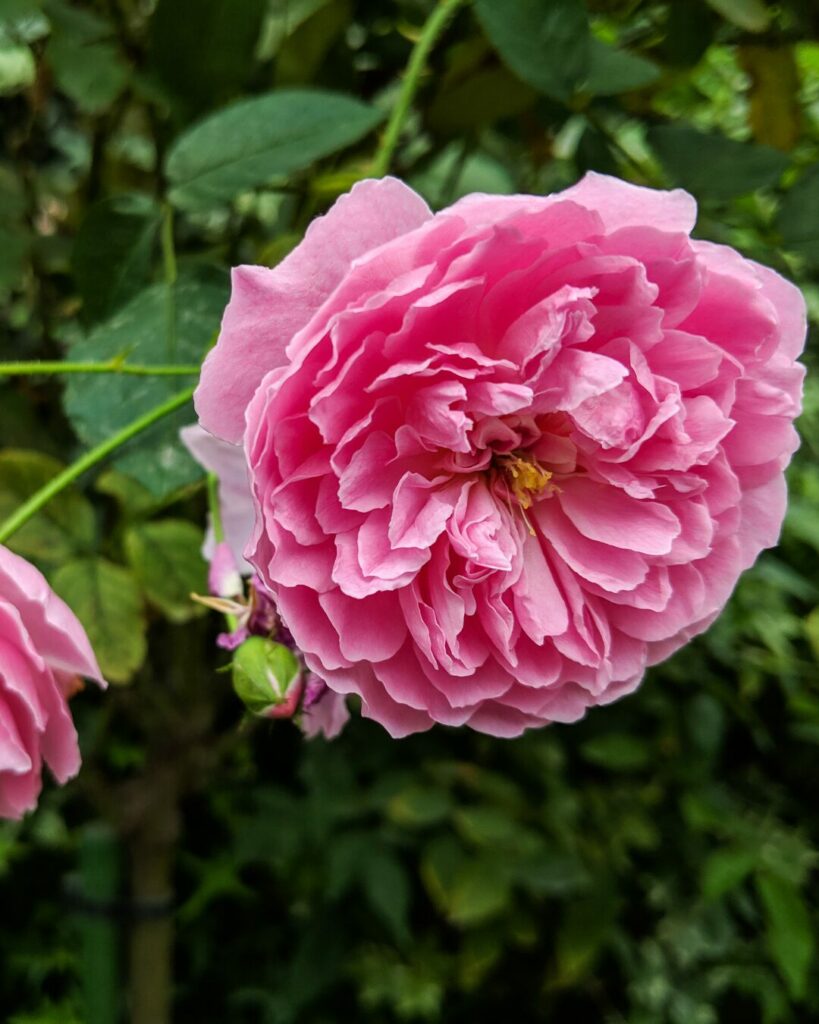
Four emblematic flowers have long shaped the olfactory profile of the region: jasmine Grandiflorum, Rosa Centifolia, tuberose and true lavender. But each of them imposes its own rhythm, its requirements, and its way of being approached.
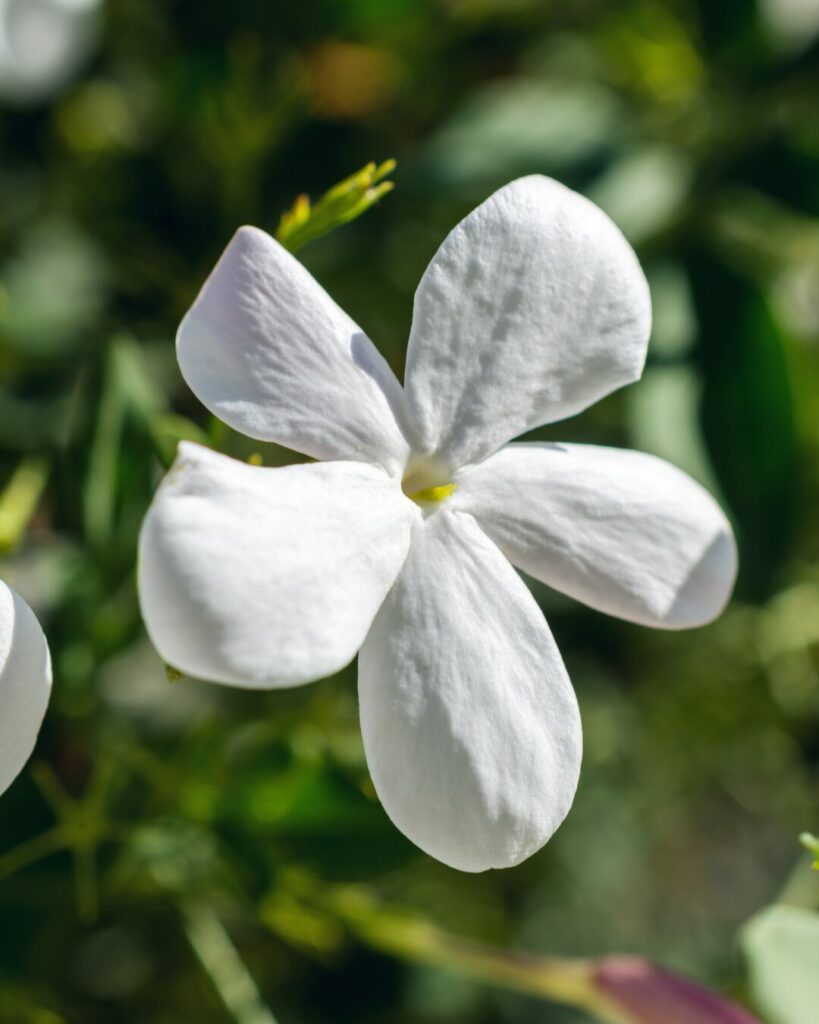
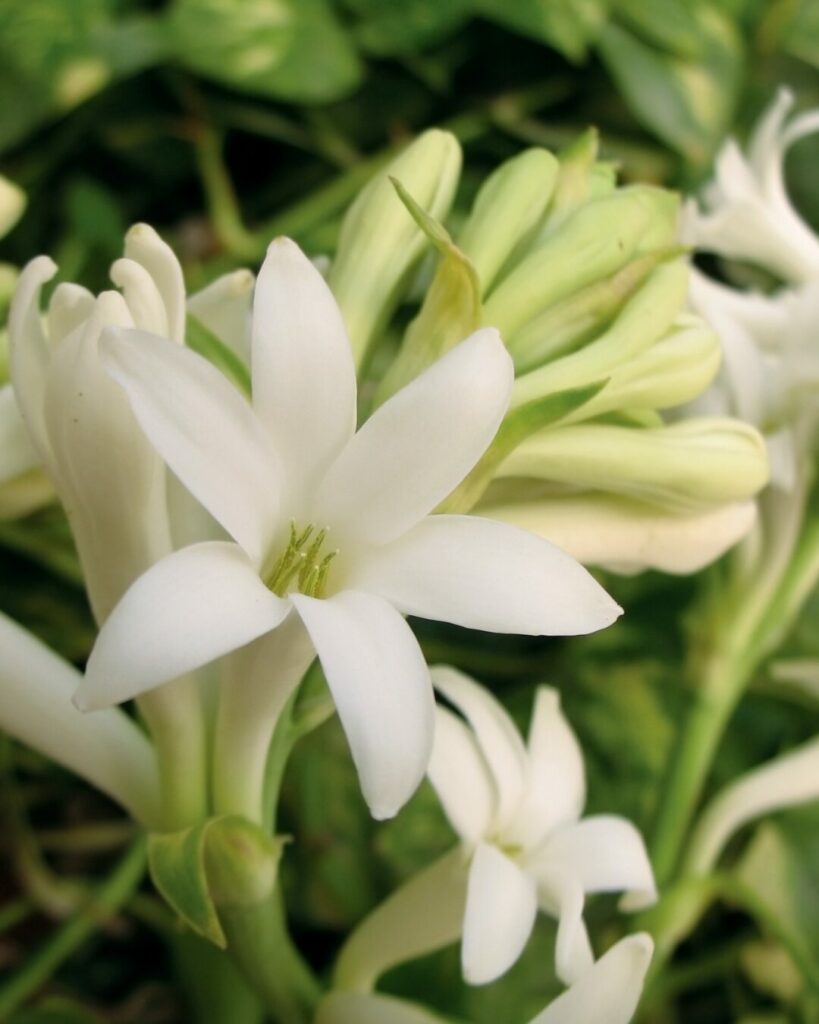
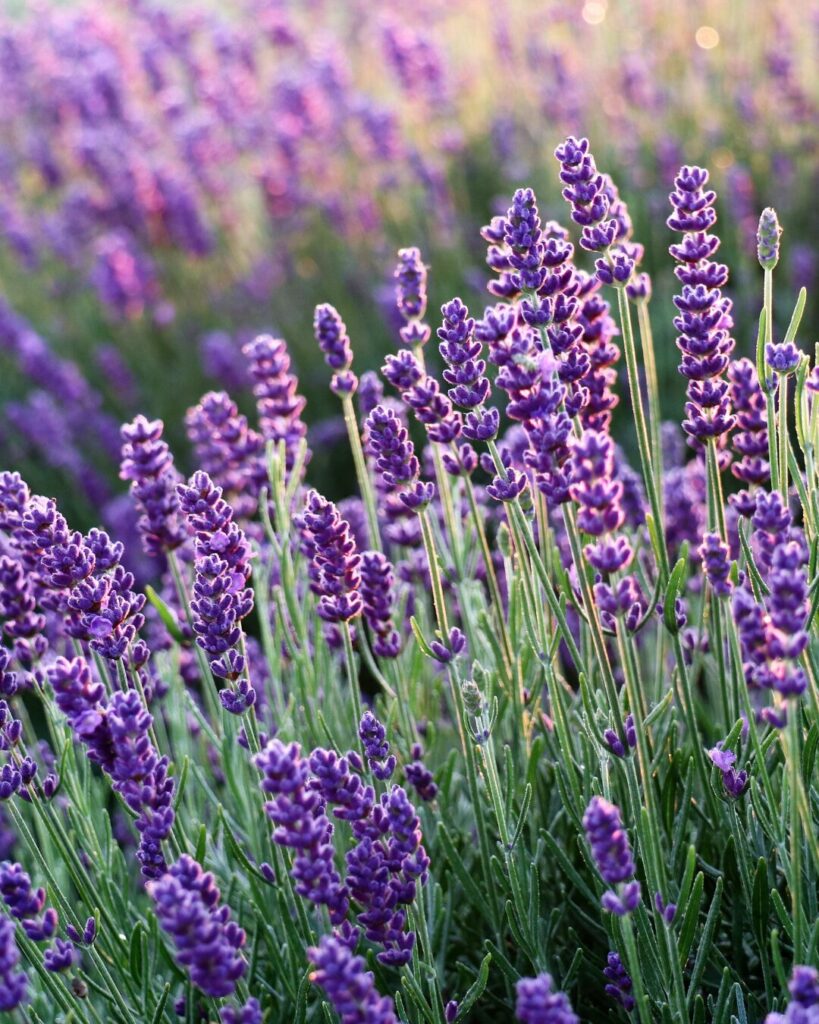
Jasmine, for example, is picked only at dawn, when the air is still cool. An hour later, its fragrance alters.
The May rose offers its bloom over three weeks, no more. It must be harvested flower by flower, with a patience that cannot be invented.
Tuberose, capricious and generous at once, requires well-drained soil and constant attention.
And then lavender, discreet but powerful, grows on the heights. It gives the whole its aromatic, almost medicinal touch.
None of this would be possible without those who, here, know how to read the land and speak to the flowers.
In Grasse, cultivating flowers is not a side job. It is a heritage, a memory passed on through the gesture. One learns early to recognise the right moment, to sense without looking, to sort without damaging. This knowledge is not taught: it is caught, by watching others do it.
It is these gestures, learned without a manual, that form the invisible but essential foundation of the whole industry. Most producers work as families, often grouped in cooperatives. It is a way of staying strong, of standing together, and of guaranteeing an uncompromising quality.
Some farms, like the one in Pégomas, have woven close ties with major houses. For several decades, Chanel has sourced from the Mul family in Pégomas for its jasmine and its Rosa Centifolia, used notably in the composition of N°5.
Today, the dynamic is clear: organic farming, short supply chains, a return to the local. Grasse does not follow a trend; it defends its own coherence.
Here, one cultivates far more than flowers. One cultivates a balance between the land, time, the gesture… and what one chooses to make of it.
An Artisanal Know-How That Became Industrial
The history of perfumery in Grasse begins with leather. In the 16th century, the town, thanks to its springs, is an active centre of tanning. Tanned leather kept a strong smell, which some artisans sought to mask with floral essences.
The gesture is at first utilitarian, then becomes a marker of distinction. From the 16th century, perfumed gloves gained popularity among the European elites, notably at the French court. Grasse, then a glove-making town, began to distinguish itself through this nascent know-how.
This ancillary activity would gradually gain its autonomy. From the 17th century, perfumery detached itself from glove-making to establish itself as an industry in its own right. Grasse then benefited from two decisive assets: the local availability of perfume flowers, and a workforce accustomed to transforming materials with meticulousness.
The extraction techniques developed in this era continue to imbue Grasse know-how:
Steam distillation, suited to robust plants such as lavender or rosemary, makes it possible to extract essential oils by heating the plant material.
Cold enfleurage, a process typical of Grasse, relies on the absorption of odorant molecules by a neutral fat, then their recovery through alcohol. This method is particularly used for delicate flowers such as jasmine or tuberose, which withstand neither heat nor pressure.
Maceration, which consists of soaking the raw materials in a solvent for several days or weeks, offers another mode of capturing the smell.
Throughout the 18th and 19th centuries, Grasse developed a true perfume industry, structured around these processes. Artisans became processors, farms specialised, and the first merchants appeared. The town became a crossroads between culture, technique and commerce, capable of meeting the growing demands of the nascent luxury perfume industry.
The 20th century marks the entry into a new phase: controlled industrialisation. Grasse developed its infrastructure, modernised its tools, but retained its foundations. Small family structures rubbed shoulders with larger houses; manual gestures remained present even within production units. This double movement—fidelity to ancient techniques and adaptation to global demand—allowed Grasse to preserve its singularity in an increasingly globalised sector.
Even today, despite technological progress and the arrival of synthetic chemistry, the great houses and independent perfumers continue to rely on traditional Grasse techniques. Because they are not only effective: they guarantee a sensory quality and an olfactory depth that no standardised process can replace.
The International Influence of Grasse
From the 19th century, Grasse changes scale. It is no longer merely a town specialising in the transformation of flowers: it is a name that circulates, a reference that establishes itself. Its know-how transcends borders. It is no longer limited to what is produced locally, but expresses itself in every perfume that claims an anchoring in excellence. Three pillars structure this reputation: the cultivation of perfume plants, their transformation, and the art of making them speak in a composition. Grasse masters all three.
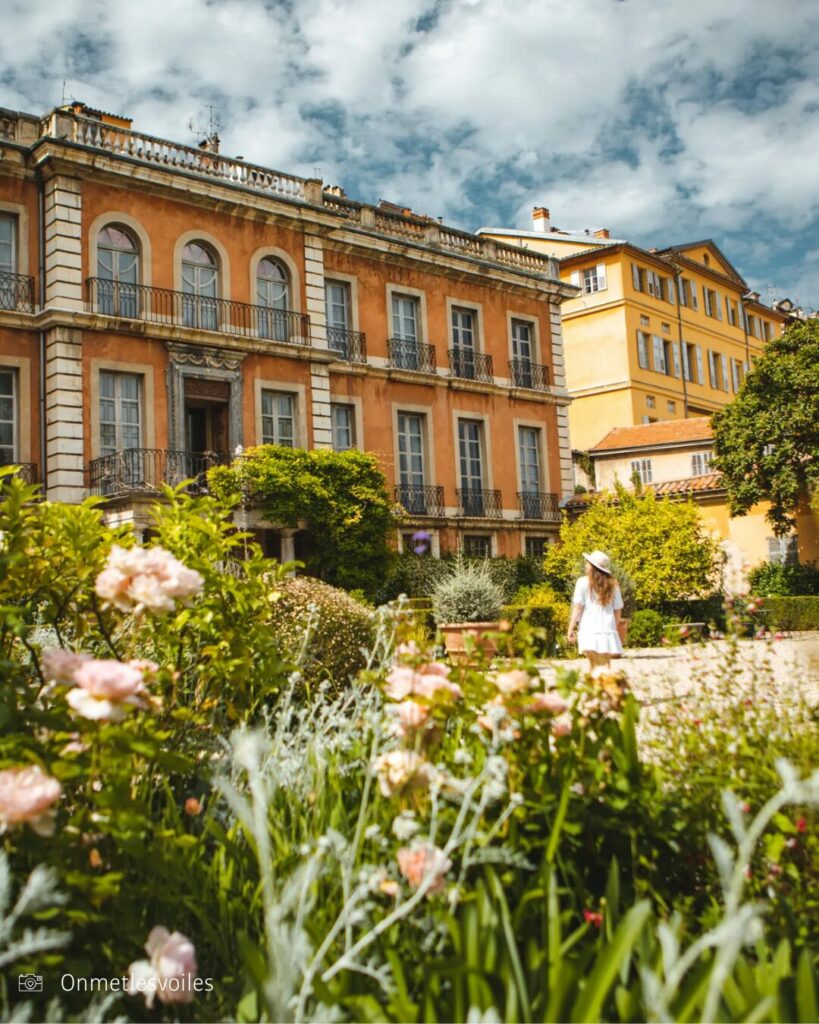
This influence is embodied first through its historic houses. Fragonard, Molinard, Galimard: all three have crossed the eras without becoming fixed. They retain their local anchoring, while having known how to open their doors to the general public. Their workshops are still active, but they have also developed museums, visitor trails, accessible collections. Their role goes beyond the simple preservation of a heritage: they participate in its transmission, its understanding, its reinvention. They do not preserve a set piece; they prolong a gesture.
But Grasse’s influence does not rest solely on its houses. It also expresses itself in the quality of its flowers, which the great houses fight over. Chanel, Dior, Guerlain, Hermès… all maintain lasting relationships with Grasse producers. Some go even further, like Chanel, which for several decades has collaborated exclusively with the Mul family, in Pégomas. It is there that the jasmine and Rosa Centifolia used in the house’s most emblematic formulas are cultivated each year. This type of partnership rests on a double commitment: a constant quality on one side, economic security on the other. It is this bond of trust that makes it possible to maintain traditional cultivation, without compromise on practices.
The house of Dior collaborated with Edmond Roudnitska, based in Cabris, for several of its emblematic compositions. While Cabris is not a production site for the brand, it remains symbolically linked to that period of creation.
Lancôme, with the Domaine de la Rose, a place dedicated to the organic cultivation of Rosa Centifolia, symbol of the brand, combining tradition, innovation and ecological commitment.
Aurélien Guichard, co-founder of Matière Première, cultivates on an Ecocert-certified organic estate in the Grasse region fields of Rosa Centifolia, tuberose and lavandin in order to produce his own natural ingredients himself—which makes him the only perfumer in the world to master in this way the entire raw-material supply chain.
In all cases, the intention is the same: to preserve a real closeness between olfactory creation and the living world. Perfumers, whether in-house or independent, come to Grasse to smell, exchange, choose. They walk in the fields, talk with the growers, breathe the air of the place. This direct, almost ritual experience contributes to the accuracy of the creative gesture.
This organic link between a land and an industry was officially recognised in 2018. That year, UNESCO inscribed the know-how linked to perfume in the Pays de Grasse on the intangible cultural heritage of humanity. It is not a mere symbolic distinction: it is the recognition of a complete chain, from the plant to the perfume. The inscription honours the cultivation of flowers, their transformation, but also the way these materials become language, in a logic of intergenerational transmission. It values a living know-how, which articulates nature, technique and local economy. Grasse thus becomes the first territory in the world to receive such recognition in the field of perfume.
Today, the name of Grasse no longer designates only a place. It evokes a promise: that of a perfume built with rigour, authenticity and mastery. In professional circles as in the imagination of luxury, Grasse remains a signature.
Grasse Today: Between Tradition and Innovation
While world perfumery is going through a period of questioning about its impact, its sources, its responsibilities, Grasse continues to move forward. It does so at its own pace, without spectacular rupture, but without stagnation either. Faithful to itself, it moves without denying. It adjusts, without ever giving up what forms its backbone.
Protecting its floral cultures remains a concrete priority, not a discourse. Faced with the pressure of land that sells faster than it is replanted, faced with competition from elsewhere, producers are organising themselves. Many have chosen to group together in cooperatives, so as not to bear the weight of the season or the market alone. Organic is increasingly establishing itself, not only because it is fashionable, but because the soil, too, needs time, accuracy, respect. Short supply chains are developing: to guarantee quality, but also to give meaning back to each stage.
Here, to transmit is a verb of action. It is conjugated at all ages. At the École Supérieure du Parfum, at the horticultural school, or in the continuing education programmes supported by the houses, one learns by watching others do it. The transmission of know-how in Grasse rests largely on observation, experience and the daily repetition of gestures.
Museums, workshops, olfactory trails for the general public also open doors: because perfumery must no longer remain the affair of a few. In Grasse, perfume culture is transmitted at once in the fields, in the workshops and in the training venues—a concrete transmission rooted in the territory.

But tradition, here, never means withdrawal. Innovation has its full place, provided it respects the gesture. Several research structures work from Grasse on concrete subjects: green chemistry, gentle extraction, alternative molecules. The objective is not to replace nature, but to invent solutions where certain materials become too rare, or too regulated.
The question of sustainability is now central. And it is not limited to ingredients.
Several local players are today interested in sustainability: more economical extraction, solvents of natural origin, and reflection on more responsible packaging.
Here, knowledge intersects: that of the artisan, of the industrialist, of the researcher. This intersection is fertile. It sketches another model, at once demanding and adaptable.
Grasse does not rest solely on its heritage. It puts it back into play—each season, each harvest, each creation—by reaffirming the vitality of its ecosystem. What keeps it alive is this fertile tension between what it protects and what it explores. Fidelity and movement. Heritage and projection.
And it is perhaps this, ultimately, that means we continue to call it the capital of perfume without reservation or nostalgia.
From its jasmine hills to its green-chemistry laboratories, Grasse embodies a complete, demanding and resolutely living perfumery. Where other territories saw their know-how die out or become diluted, Grasse knew how to adapt without giving in to standardisation. It is this ability to reconcile the ancient gesture and the new vision that still makes its strength today.
While ecological and economic challenges redraw the contours of the sector, Grasse offers a precious model to observe: a town that does not sell an image, but an anchoring. A town that does not merely preserve a past, but that continues to inspire the future.
There are perfumes that cross the ages without ever losing their brilliance. Shalimar by Guerlain is one of them. A century after its creation, it continues to make us dream, to seduce and to embody a certain idea of French luxury. With its oriental swirls, its captivating sillage and its iconic bottle, it remains one of the most famous perfumes in history. Inspired by a timeless love legend, Shalimar is much more than a perfume: it is a declaration of sensuality and elegance, an olfactory work of art that defies time. As the House of Guerlain celebrates its centenary, let us plunge into the fascinating story of this perfumed masterpiece which, despite fashions and trends, remains an absolute reference.
Jacques Guerlain: The Name Behind Shalimar
In the history of perfumery, some names resonate as self-evident. Jacques Guerlain is one of them. Heir to an exceptional family know-how, he shaped the olfactory soul of the House of Guerlain with a signature recognisable among a thousand: that of a visionary aesthete, inhabited by the desire to transcend the raw material to extract pure emotion from it.
Trained in the shadow of his uncle Aimé Guerlain, he was not slow to distinguish himself through his audacity and his creative instinct. Where others content themselves with perfecting the existing, he explores, attempts, upsets conventions. He is at the origin of masterpieces that marked perfumery, from L’Heure Bleue to Mitsouko, but it is with Shalimar that he signs his stroke of genius. A vanilla of incandescent sensuality, a balance between hesperidic freshness and oriental depth: in 1925, he laid the foundations of a myth.
Jacques Guerlain is not only a talented perfumer, he is a storyteller. His creations tell stories, translate universal emotions. Shalimar, inspired by the passion between the emperor Shah Jahan and Mumtaz Mahal, does not escape this rule. More than a perfume, it becomes an invitation to travel, an echo of eternal love. Through it, Jacques Guerlain does not merely capture an era: he defies it, surpasses it and inscribes his name in eternity.
At the Origins of a Legend
Legends are often born of a simple shiver, of an instant suspended between reality and dream. Shalimar was born of a true story that became a myth. Its creation finds its roots in Mughal India in the 17th century, where love is engraved in the white marble of the Taj Mahal and blossoms in the lush gardens of Shalimar. It is the story of the devouring passion between the emperor Shah Jahan and his beloved Mumtaz Mahal. The sublime gardens of Shalimar surrounded the palace where their love blossomed. But the beauty lost her life giving birth to their fourteenth child. Inconsolable, Shah Jahan had a wonderful mausoleum built for her: the Taj Mahal.
Jacques Guerlain, captivated by this fabulous story, decided to make a perfume of it. An olfactory tribute to this eternal romance, a sillage capable of defying time.
But behind the poetry, there is chance—or genius. Legend has it that one day, in his laboratory, Jacques Guerlain added a dash of ethylvanillin, a recently synthesised molecule, to a bottle of Jicky, that revolutionary juice created by his uncle. The accord took on an unexpected depth, a burning sensuality that contrasts with the hesperidic freshness. He explores, adjusts, replaces, balances, pushing the oriental notes, modulating the hesperidics, until the alchemy operates, and the perfect balance takes shape. All that remains is to give it a name. It will be Shalimar, in reference to the gardens where the emperor and his queen loved to meet, far from the tumult of the world.
Launched in 1925 at the Exposition des Arts Décoratifs in Paris, Shalimar is not only a perfume: it is a revolution. At a time when Western perfumery remained dominated by powdery flowers and demure accords, it imposes its oriental breath, voluptuous, hypnotic. Its sillage is a promise of escape, a call to mystery. And it is thus that it enters history, not as a simple creation, but as an olfactory declaration of love, timeless and absolute.
Shalimar: Between Brilliance and Sensuality
Shalimar is not told, it is lived. It is one of those perfumes that leave an imprint, a shiver on the skin, a lingering presence in the air. Behind its mythical sillage hides an olfactory construction of absolute richness, where each raw material plays its role with an almost insolent precision.
The Initial Brilliance of an Eclipsing Bergamot
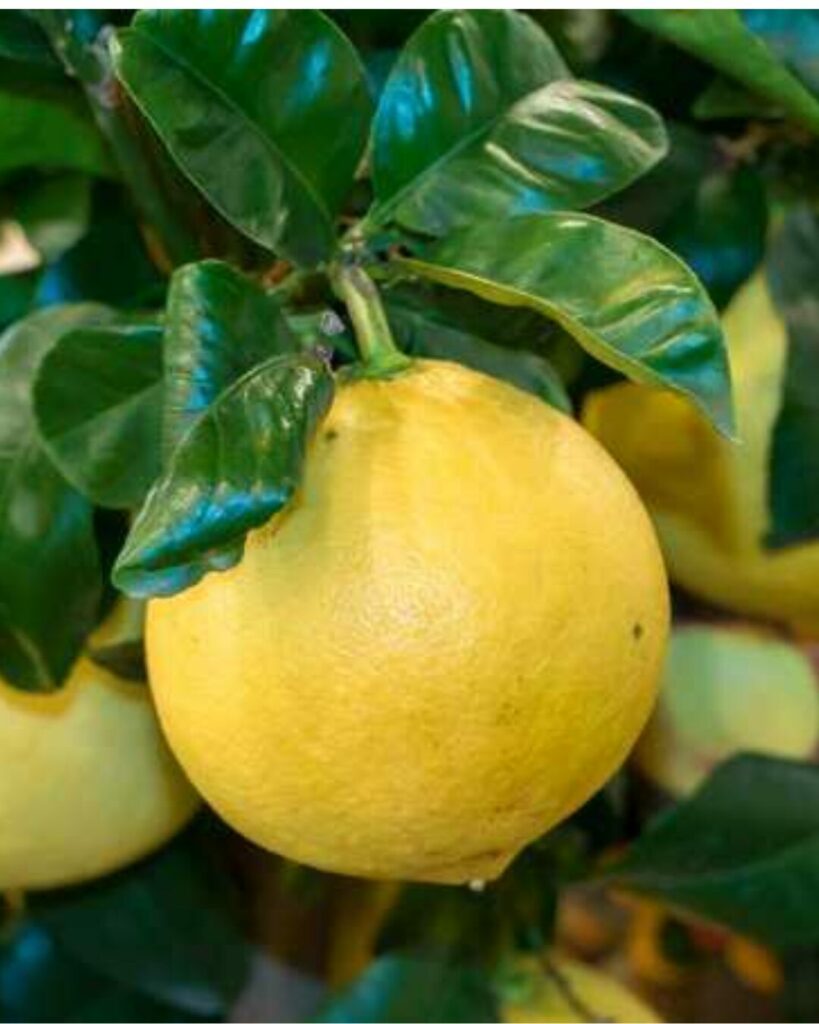
From the very first seconds, bergamot bursts forth with a sharp vivacity. It is not merely a simple touch of citrus; it illuminates the composition with a green, zesty, almost floral light. An incisive, biting start, which immediately captures attention before softening in the sweetness of the floral heart. Guerlain overdosed it, like a shard of glass crossed by the sun, and it is this mastered excess that gives Shalimar this luminous aura, this electrifying opening that precedes the total surrender to its sensual depths.
A Floral Heart Like a Veil of Silk
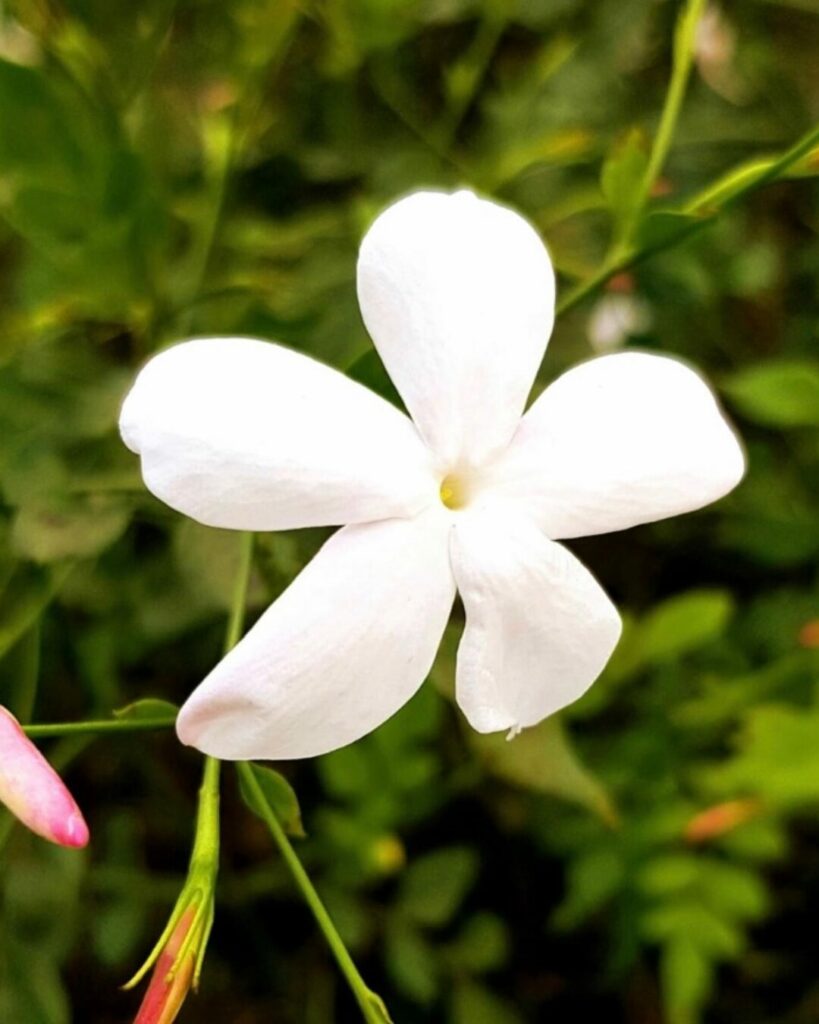
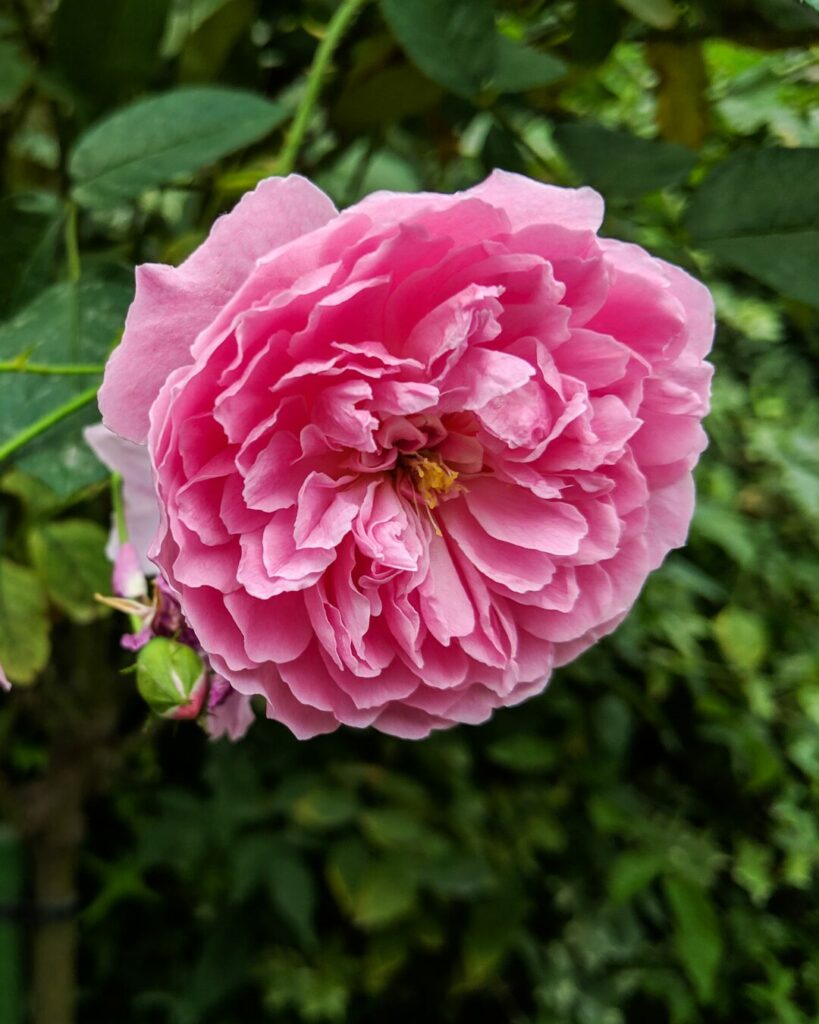
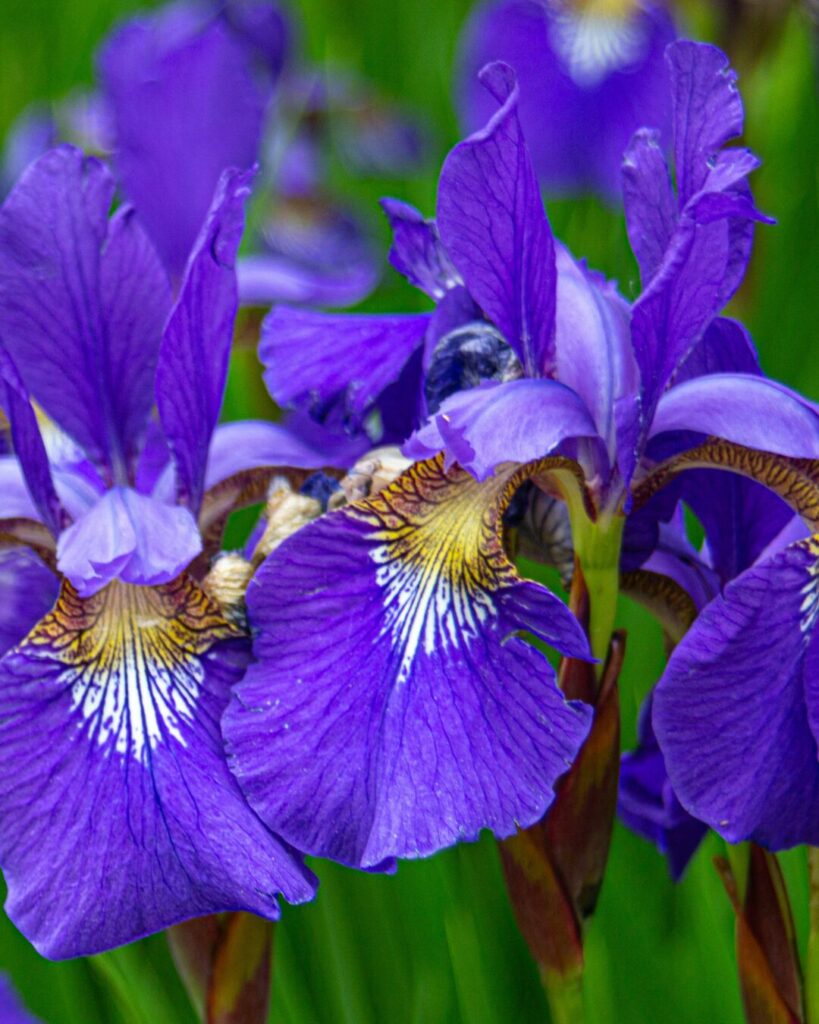
Beneath this, the heart is a subtle caress of jasmine, rose and iris. Here, no heady flowers, no floral explosion. Everything is muffled, delicately sketched, like a vaporous fabric that settles on the skin. Iris brings that powdery, almost tactile facet, which embraces the notes with an infinite softness. It is a discreet but essential heart, a passage between the light of the opening and the voluptuous shadow of the base.
The Incandescence of an Unforgettable Base
And then everything tips over. Vanilla enters the scene, creamy, captivating, of infinite richness. It is not alone: it is accompanied by tonka bean, opoponax and balsamic resins that densify it, make it deeper, more hypnotic. Here, Shalimar reveals its true face, that of a charming, enveloping perfume, burning with sensuality.
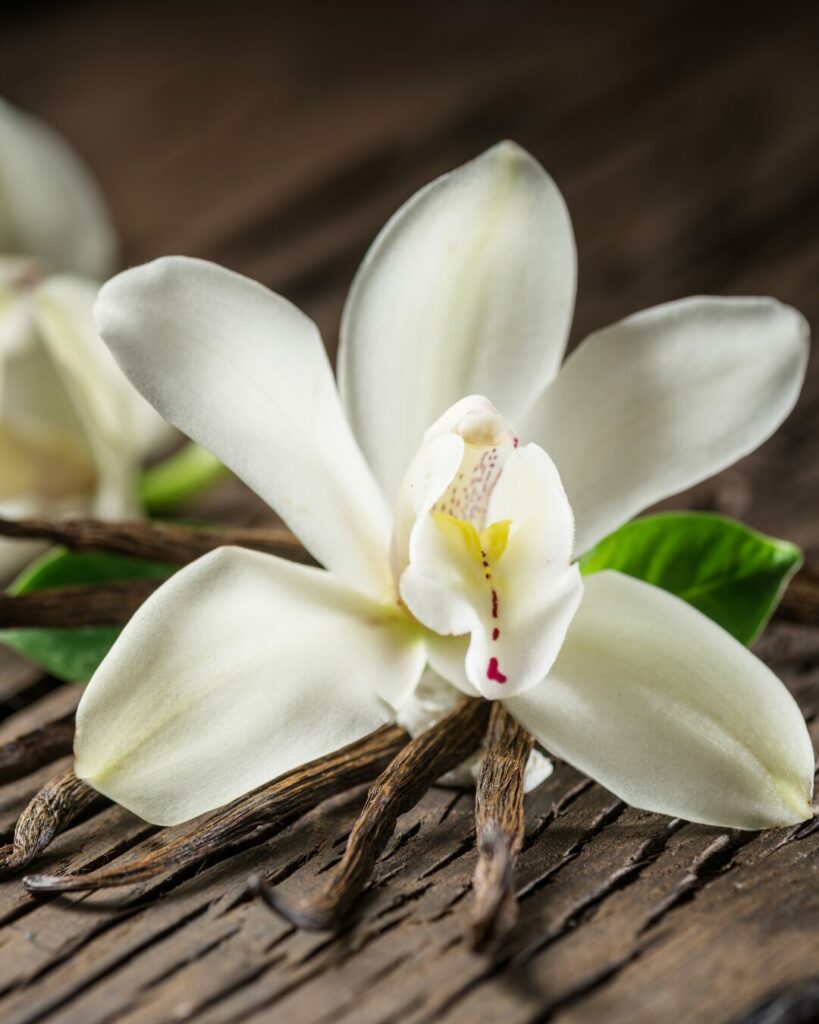
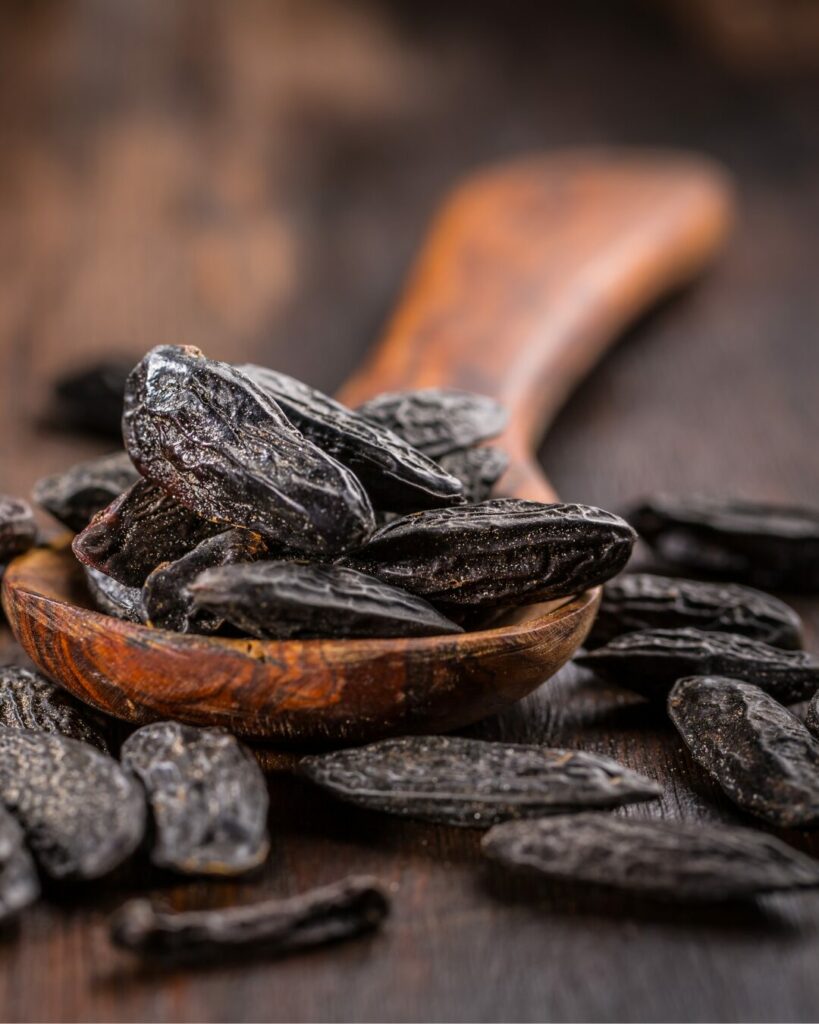
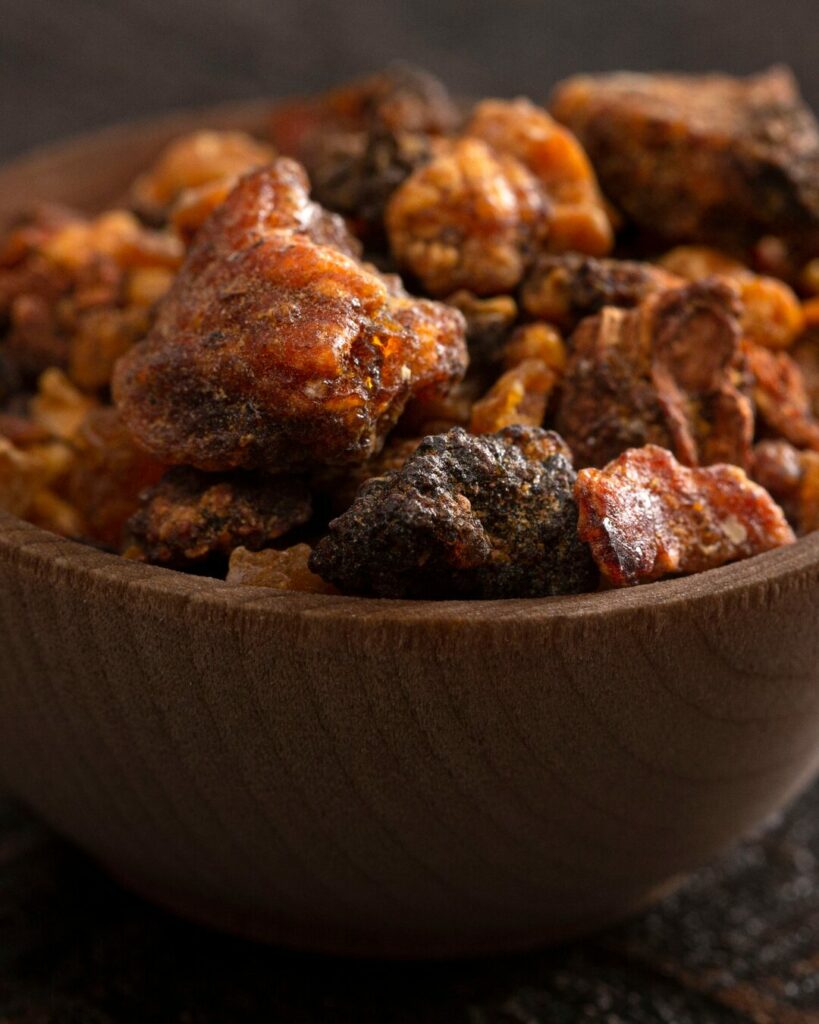
It is in these base notes that one recognises the Guerlinade, that signature particular to the House of Guerlain. Vanilla, bergamot, iris and tonka bean weave an invisible link between Shalimar and the other masterpieces of the house. But here, this accord takes on an almost carnal dimension. Shalimar is not a demure perfume, it is a declaration, a sillage that imprints itself, a breath that bewitches.
Some find it too powerful, others can no longer do without it. It does not seek to be consensual. It seduces, it disturbs, it imposes its law. A century after its birth, it continues to bewitch those who cross its sillage. Because Shalimar is not only a perfume. It is an imprint.
Shalimar: A Timeless Perfume Despite Trends
The world changes, fashions pass, generations succeed one another… and yet, Shalimar is still there. Some will say it is thanks to its heritage, others will speak of its iconic bottle. But the truth is that Shalimar does not merely exist: it imposes its presence.
What makes it timeless is that it does not seek to please at all costs. It does not adapt, it does not reinvent itself to fit the trends. It is what it is—a whole, assumed perfume, which has never yielded to compromises. It is precisely this intransigence that makes it so precious. It still seduces because it never needed to seduce: it imposes itself, with a natural elegance, without artifice.
The young generations adopt it, fascinated by its unique character, while those who have worn it all their lives continue to find themselves in it. It crosses the ages with an insolent ease, because it belongs to none of them. It is apart, out of time. Untouchable.
Its Influence and Its Legacy in Modern Perfumery
One does not create a perfume like Shalimar without leaving an indelible imprint. It is the first to have dared this overdose of vanilla notes, this olfactory shock between the acidity of citrus and the sensuality of oriental notes. Without Shalimar, perfumery would not be what it is today.
Its sillage opened a breach, inspiring generations of perfumers to explore more adventurous olfactory territories. It paved the way for the great oriental fragrances, influencing creations such as Opium by Yves Saint Laurent, Obsession by Calvin Klein, or L’Heure Bleue, its own soul-brother at Guerlain.
Shalimar did not only mark history, it became a norm, a base on which others build. But none has dethroned it. Because Shalimar is not a perfume among others. It is an icon.
Shalimar, the Timeless Sovereign
Some perfumes are born and fade, others mark history. Shalimar is one of those rare elixirs that defy time, imposing their sillage with an almost mystical presence. A hundred years after its creation, it remains an absolute reference, an olfactory myth. Its secret? It never transformed itself to seduce: it imposed itself. Faithful to itself, whole, indomitable, it does not seek to please, it fascinates. One loves it or finds it too audacious, but one cannot ignore it. It is a signature, an imprint, a perfume that shapes a presence far more than it accompanies it.
Passed down from generation to generation, Shalimar does not belong to an era, but to a personality. To wear it is to embrace a legend, to walk in history without ever blending into the background. Shalimar does not merely exist. It reigns.
Its Emblematic Bottle
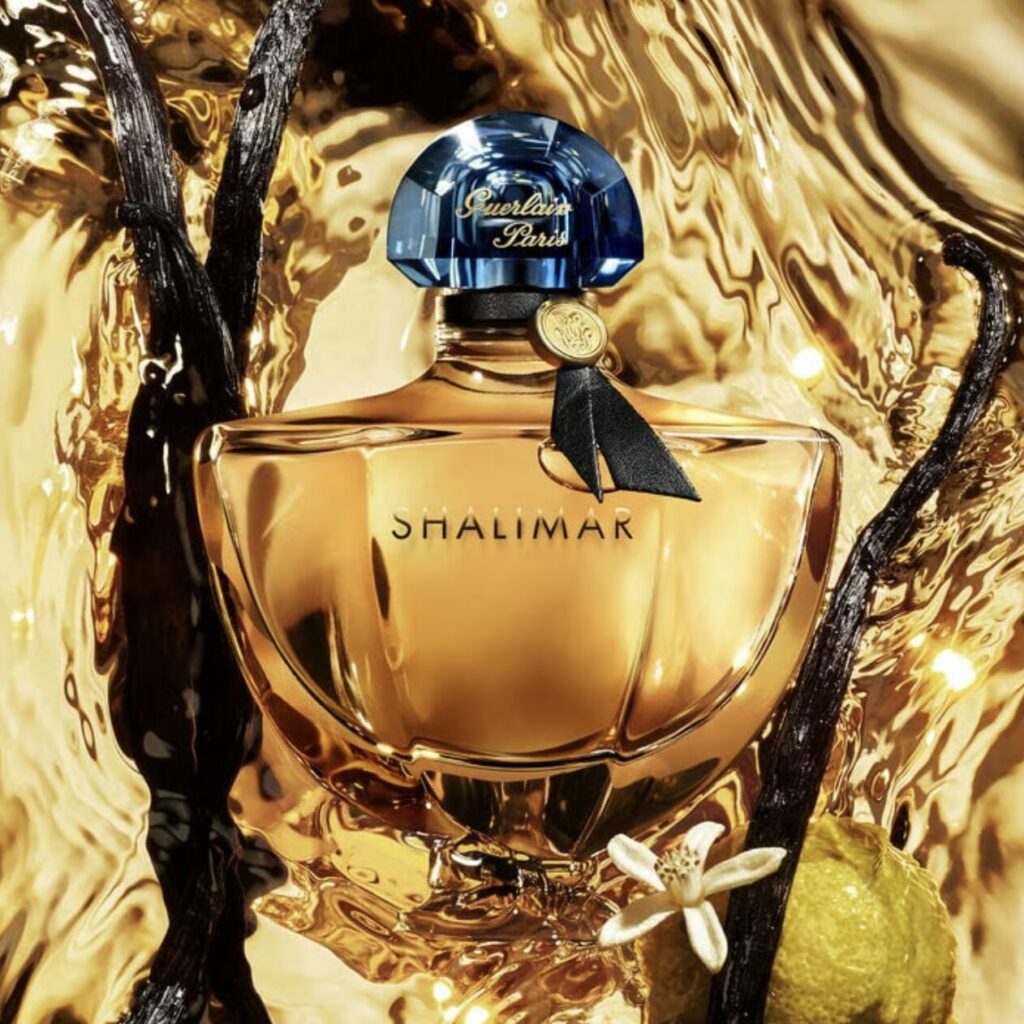
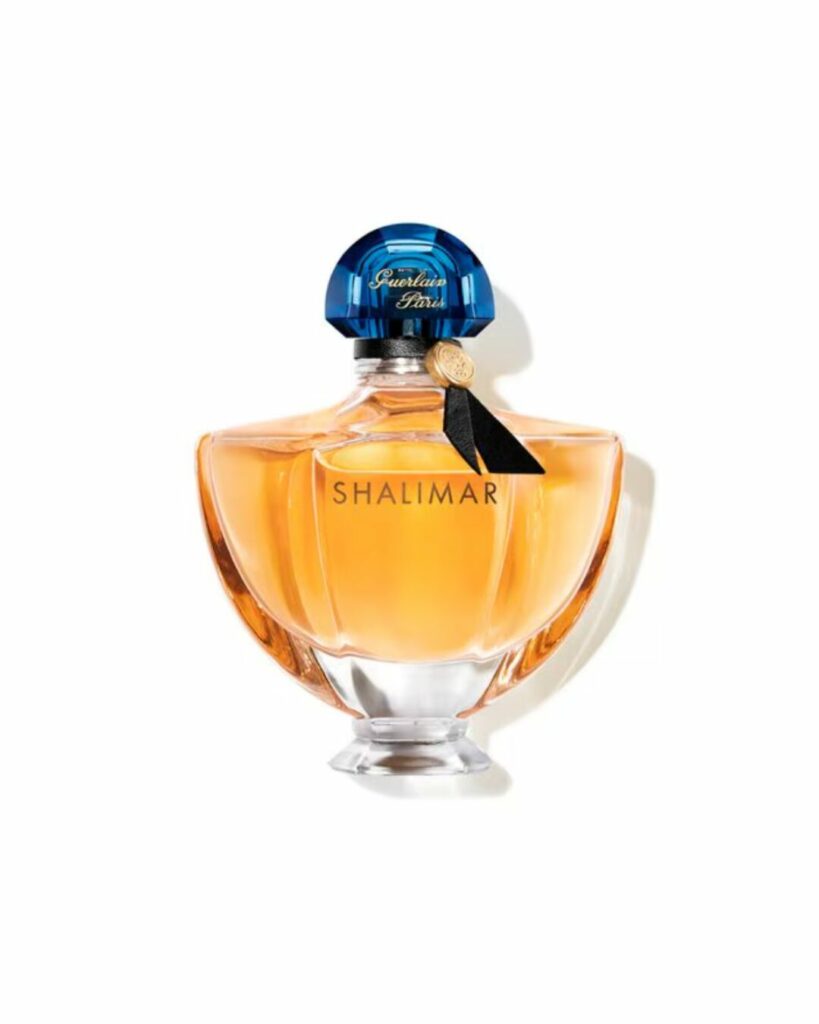
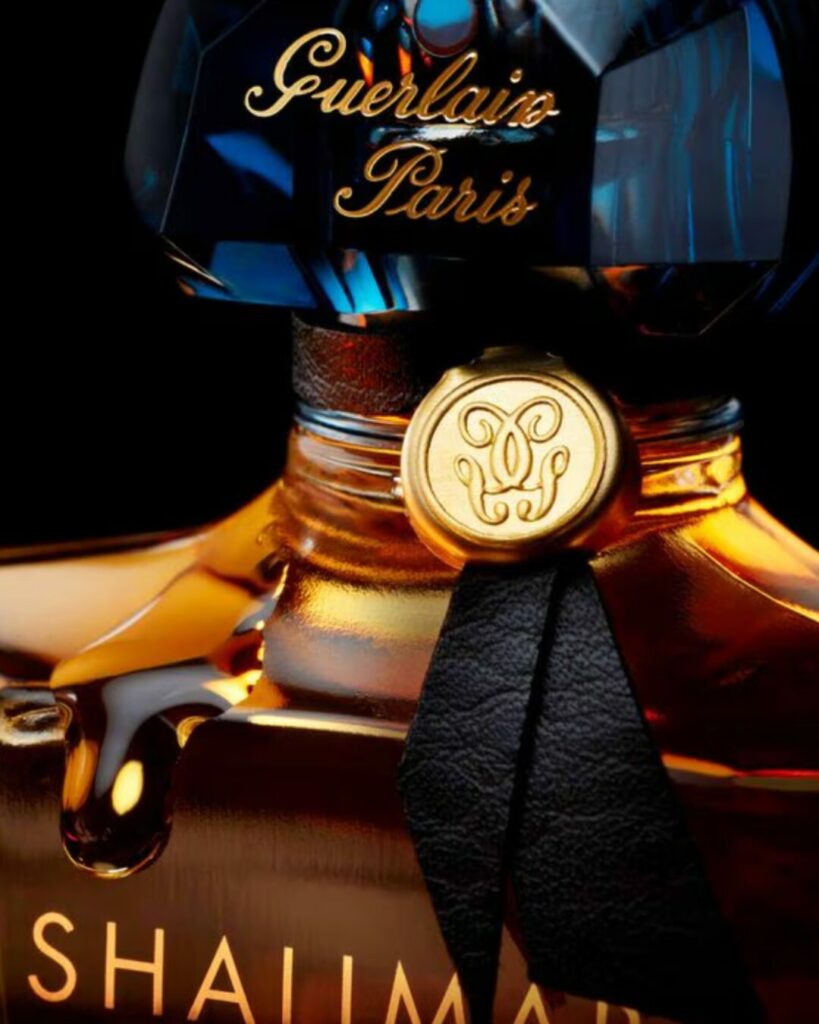
Its case, designed by Raymond Guerlain, draws inspiration from the basins of the Shalimar gardens, with a blue fan-shaped cabochon, the first coloured cabochon in perfumery, a technical feat by Baccarat. This bold design won first prize at the Exposition des Arts Décoratifs of 1925.
100 Years: The Initiatives Set Up by Guerlain for the Occasion
To celebrate Shalimar’s centenary, Guerlain launched several special initiatives. The house unveiled a limited edition adorned with Swarovski crystals, paying tribute to the elegance and refinement of the perfume. Moreover, Guerlain organised exhibitions retracing the history of Shalimar, allowing perfume lovers to discover or rediscover this icon in a new light.
In a century of existence, Shalimar has established itself as a pillar of world perfumery. A symbol of passion, luxury and timelessness, it continues to seduce and inspire, proving that some creations transcend time and fashions.
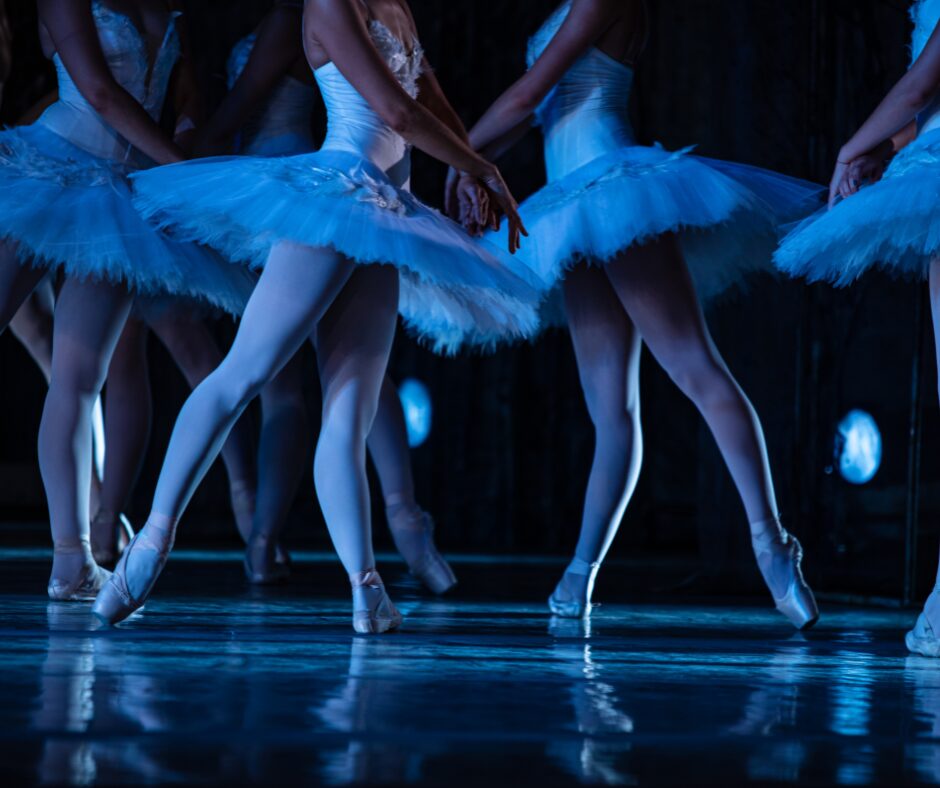
Dance is a language of the body. But this language, even before being seen or heard, is smelled. Each style of dance, each practice, each stage has its own olfactory world: the leather of flamenco boots, the dry wood of a ballet studio, the rhythmic sweat of a hip-hop battle, the incense diffused in oriental dances or the wafts of body oils in African dances.
The smell of dance is an organic, living blend. It speaks of the body at work, the materials rubbing together, the repeated gestures, the stage warming up, the intensity of the moment. Some perfume houses have drawn inspiration from it to create iconic perfumes, as one would compose a choreography: in layers, in tension, in freedom.
Materials and Their Scents: Dance in Its Raw State
Before being sublimated on stage, dance begins in a concrete, physical, textured space. It is a place of work, of effort, of repetition. And like any living space, it has a smell. Dance, whatever its form, rests on a direct sensory relationship to the material: that of the floor, the shoes, the body in movement, the fabrics rubbing together. These elements form a raw, organic olfactory landscape, often ignored, but of astonishing richness.
The Wood, the Floor, the Walls
It is the dancer’s first partner. It absorbs the falls, supports the leaps, resonates under the strikes. In classical or contemporary dance studios, it is often light wood, sometimes patinated by the years, and exhales a dry, powdery, slightly resinous smell, impregnated with rosin—a pine resin used to promote the grip of the shoes. In the morning, when the space is still empty, one perceives whiffs of wax, dust, old glue.
In gymnasiums or urban dance studios, the heated linoleum, the worn plastic, and sometimes even the metallic scent of the air conditioning compose a whole other world: colder, more technical, but just as evocative. Outside, on the asphalt, it is the warm concrete or the wet stone that take over, with their raw minerality, sometimes tinged with pollution or crushed grass.
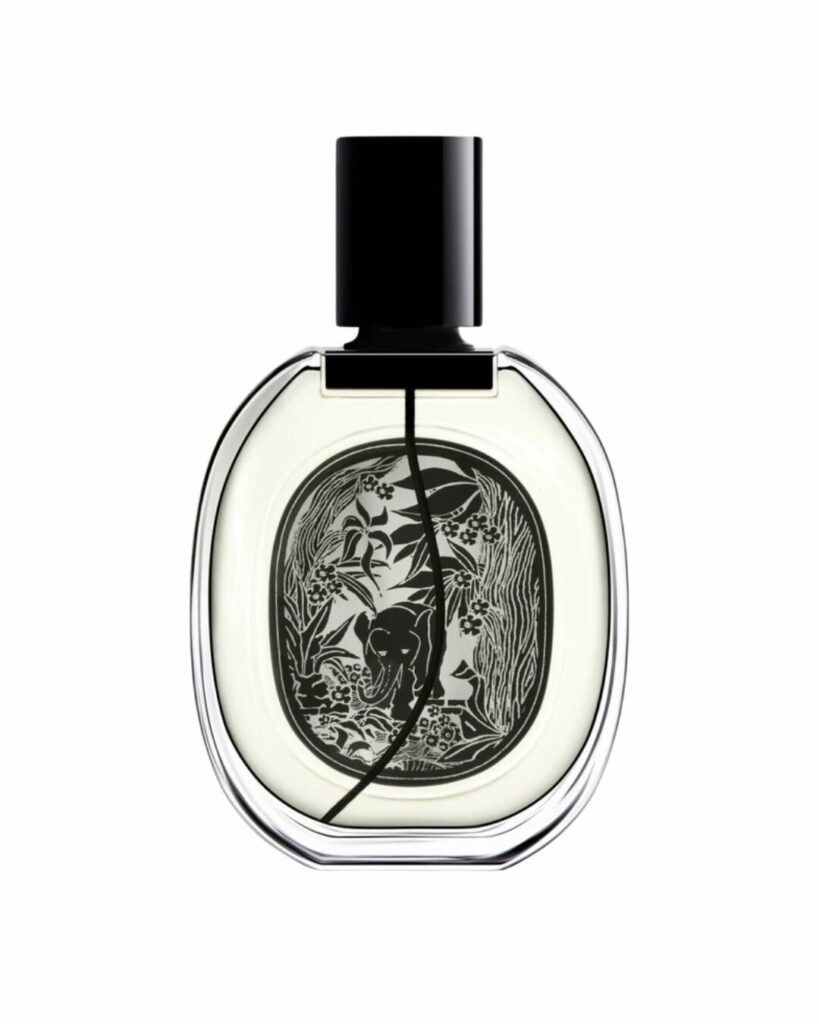
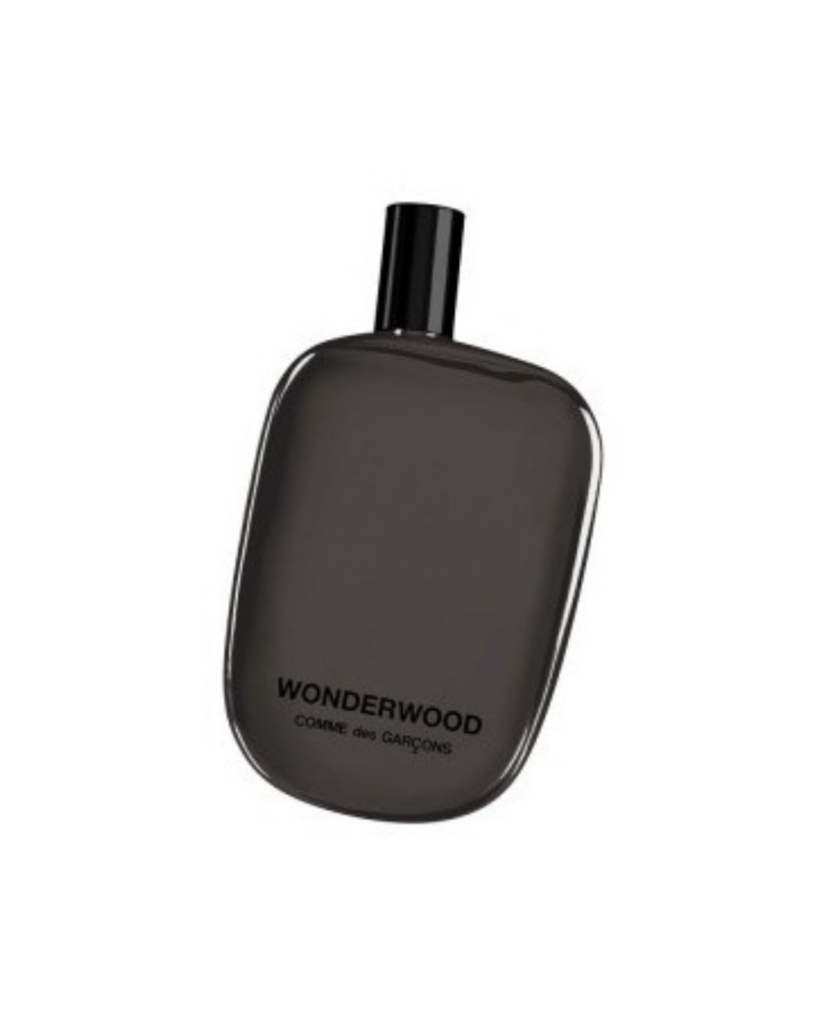
These impressions find an echo in certain woody, dry or mineral perfumes, such as Tam Dao (Diptyque), which recalls a soothed, milky sandalwood, or Wonderwood (Comme des Garçons), with its many woody, dusty and textured facets, almost grainy on the skin.
The Shoes: Leather, Fabric, Rubber
To each dance, its shoes. In the wings of the ballet, the satin pointe shoes and the soft-leather demi-pointes carry a soft, worked smell, a blend of animal material and resin. In flamenco, the studded boots smell of dry, tanned leather, heated by the heel strikes. In urban dance, the sneakers worn by the asphalt give off gummier, dustier notes, sometimes mingled with the smell of the street itself.
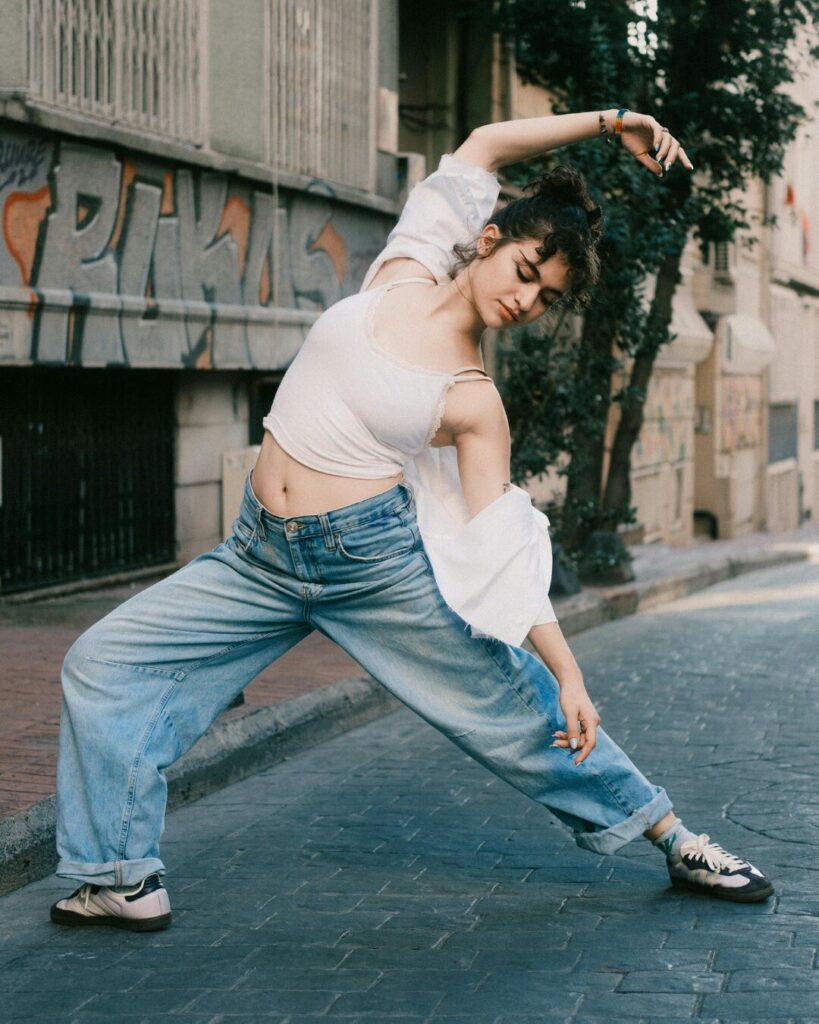
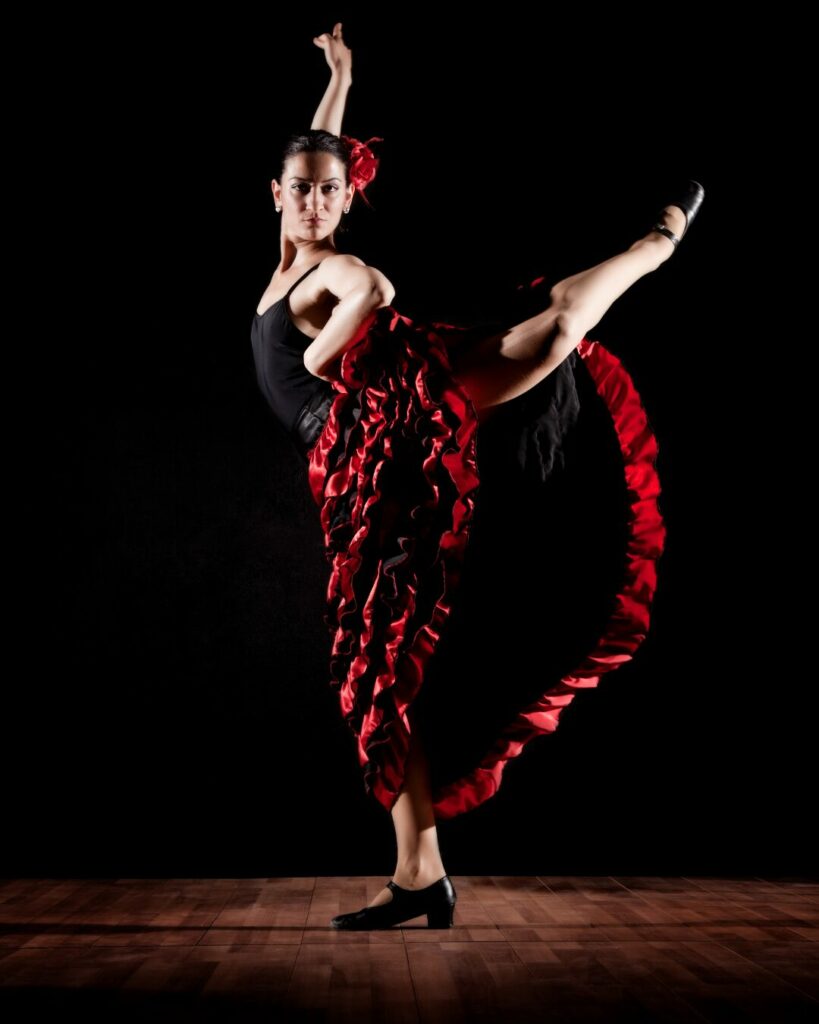
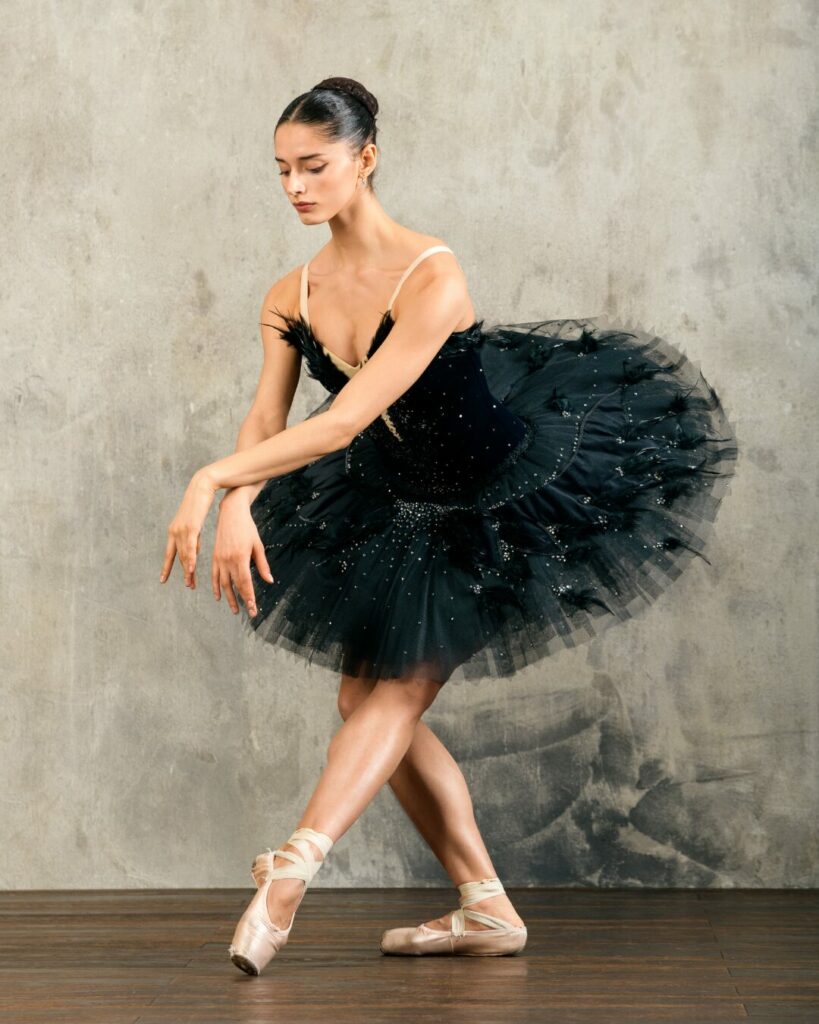
Oriental or African dances, often practised barefoot, bring the skin into direct contact with the floor or the mats, which retain bodily wafts, of vegetable oils, or of beaten earth. Here, the smell comes from the exchange between the body and the material.
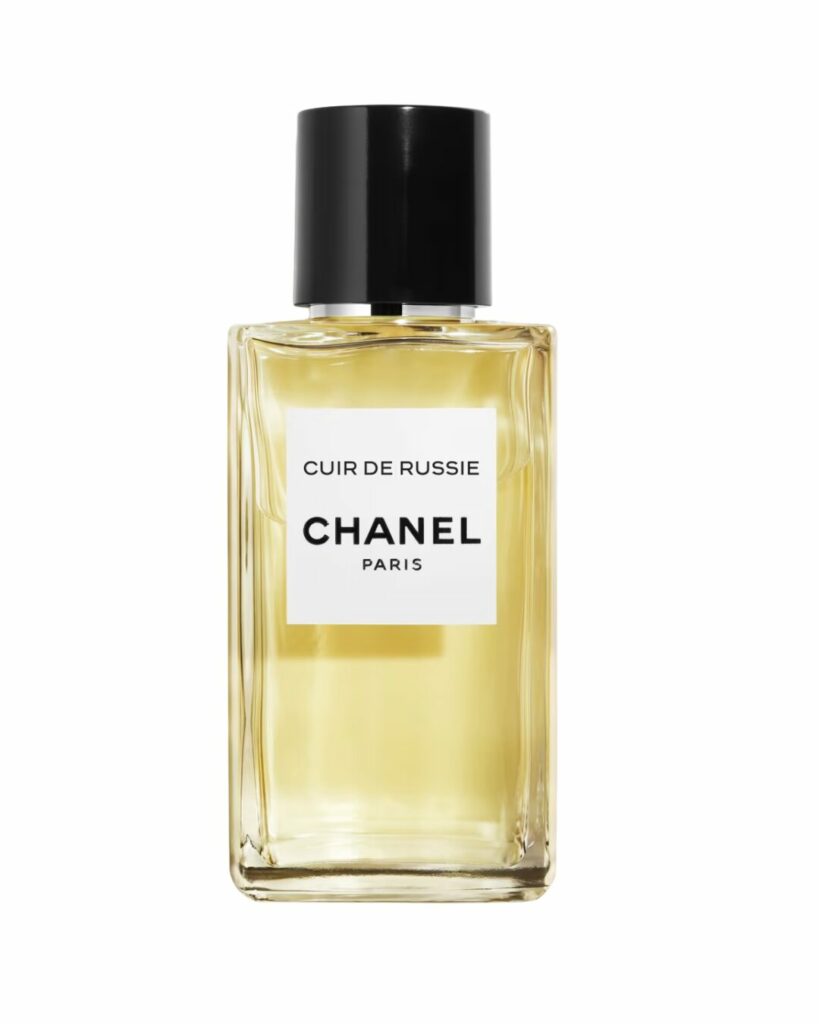
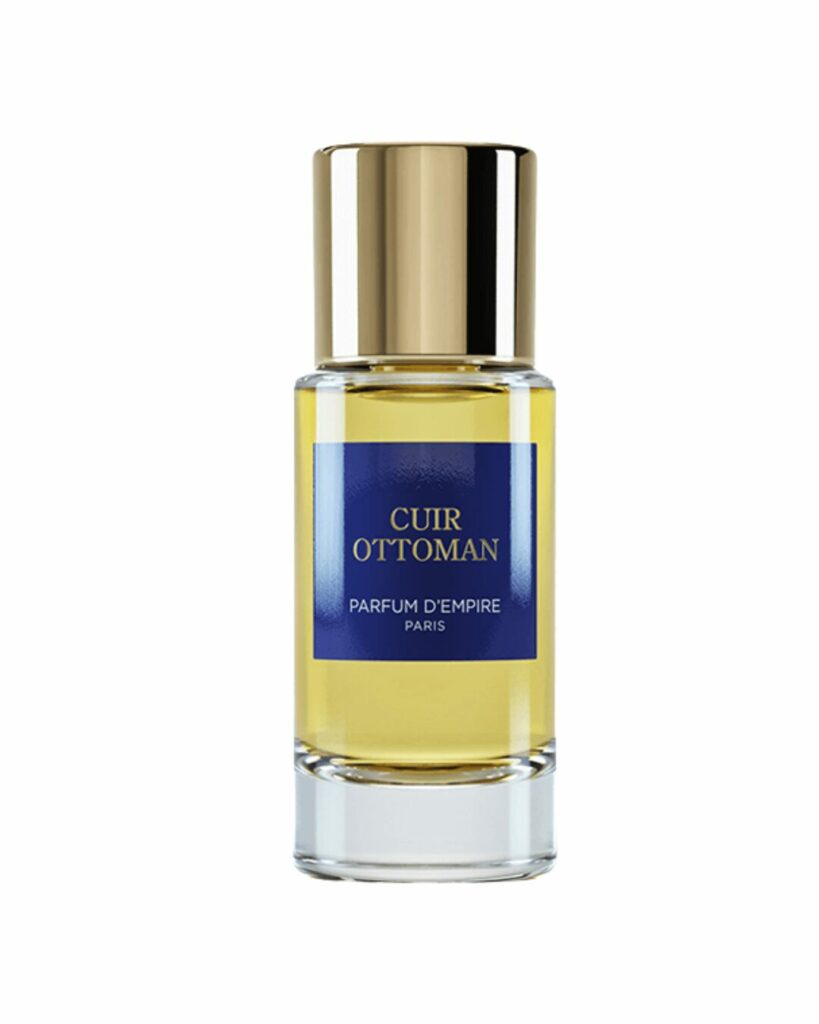
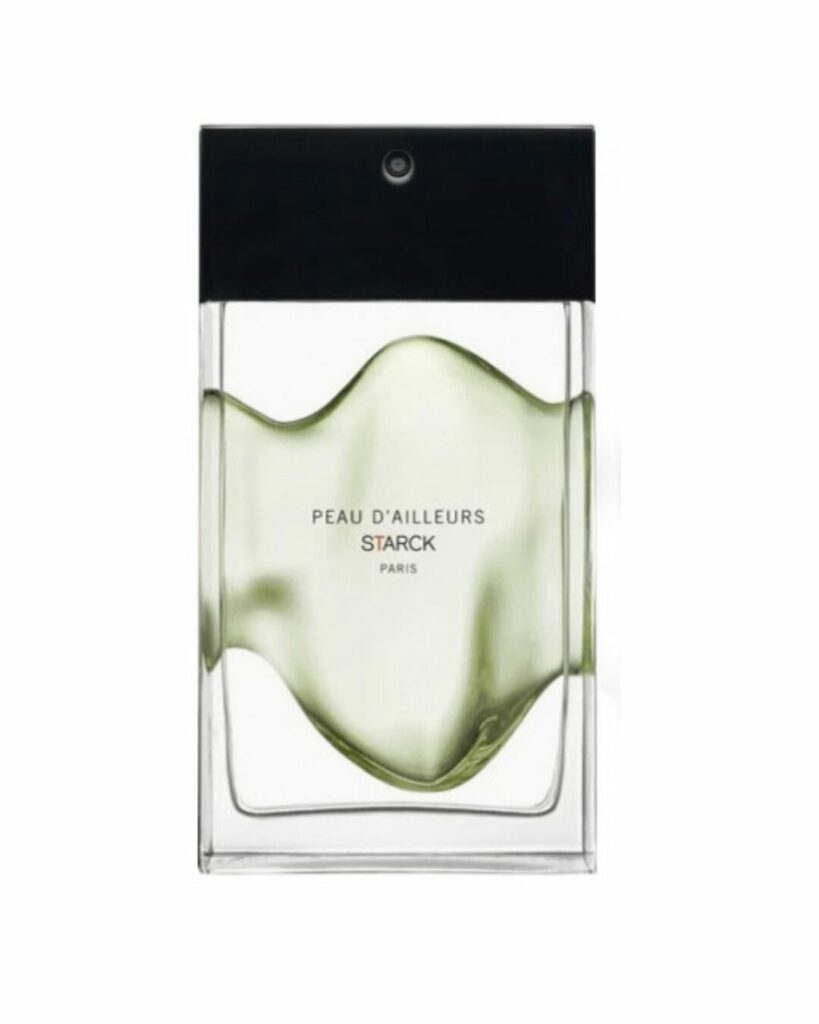
These sensations are found in leathery, sensual perfumes, such as Cuir de Russie (Chanel), with its smoky, floral leather, Cuir Ottoman (Parfum d’Empire), with its powerful balmy sensuality, or Peau d’Ailleurs (Starck), an abstract, shifting perfume that evokes a living, indefinable material.
The Body and Its Skin
Dance is a setting of the body in motion, but also a setting in smell. The dancer’s sweat is not raw; it is contained, repeated, stylised. It mingles with the smell of the skin, of the fabric, of the oils used before or after the effort.
In African or oriental dances, argan, coconut or shea oils impregnate the skin with a nourishing, solar, almost milky sillage. In contemporary or urban dance, the blend of perspiration, technical textiles and body heat gives rise to a clean, musky, intimate smell. The tiaré of the Monoï oil that impregnates the skin of Tahitian tamure dancers diffuses to the rhythm of the percussion.
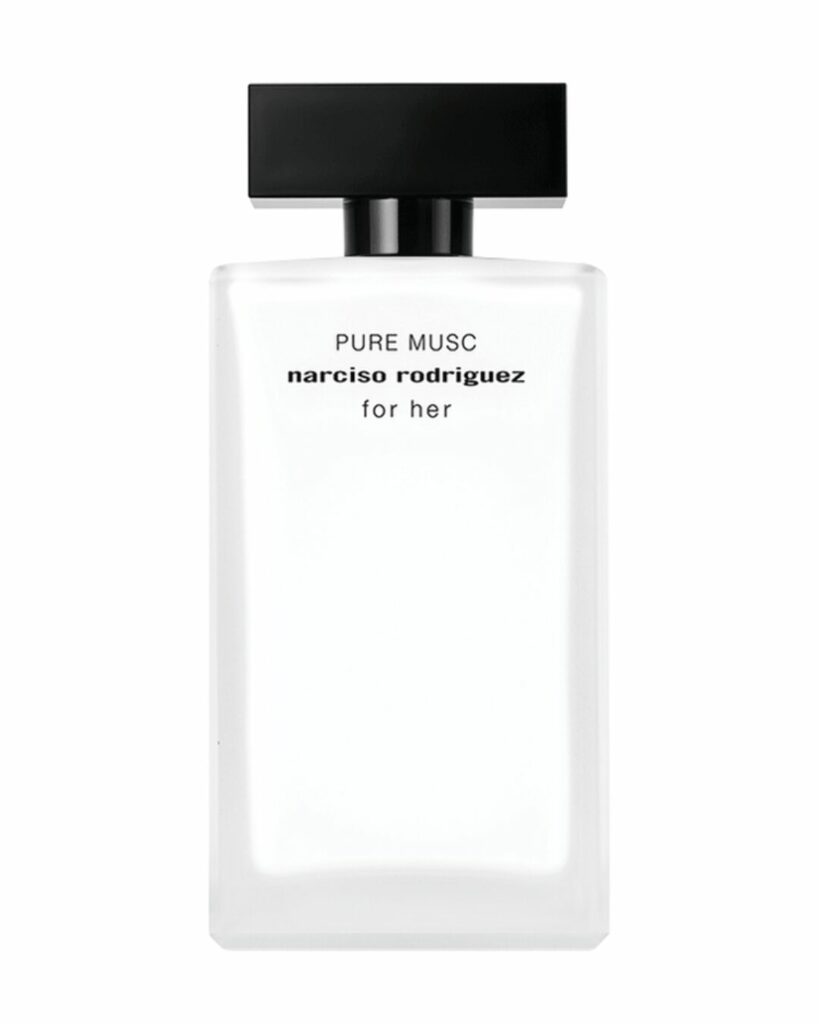
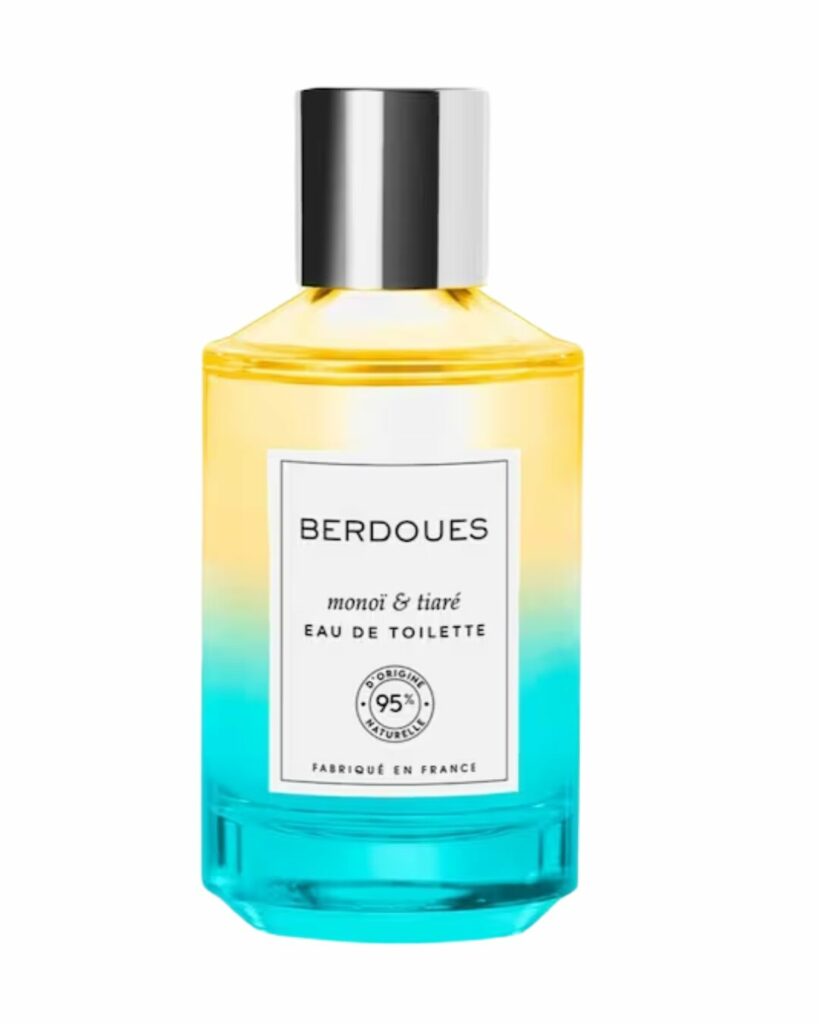
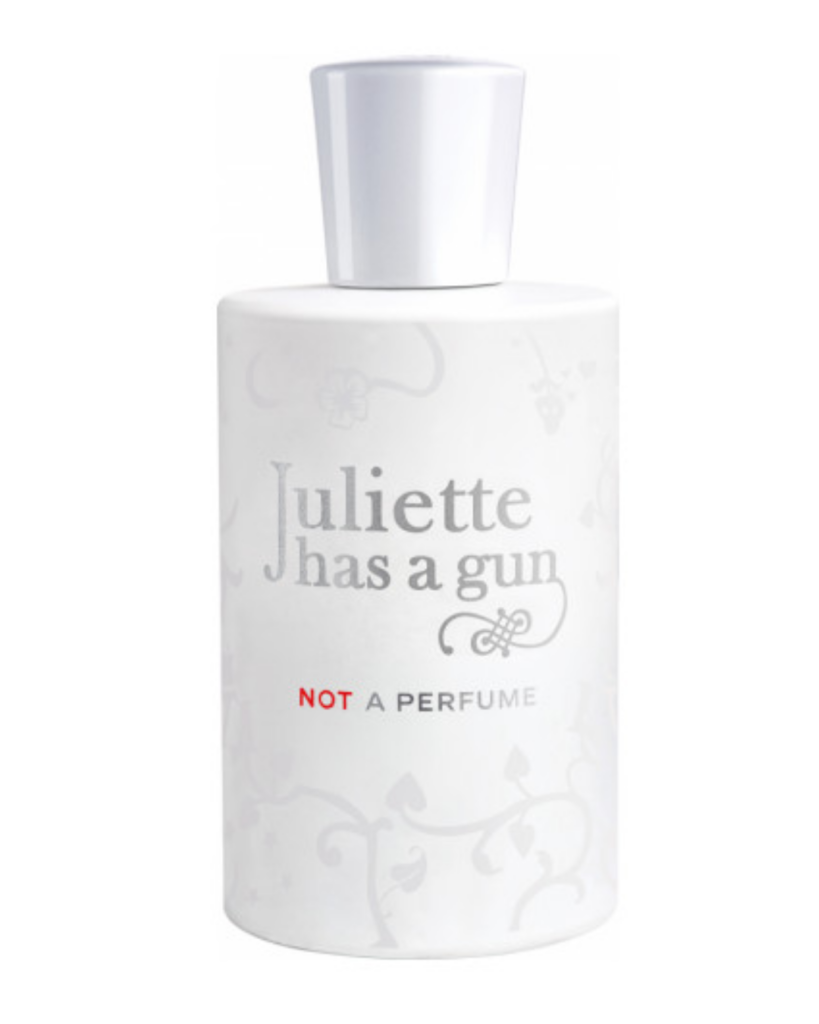
Certain perfumes render this discreet sensuality with accuracy: Dans Tes Bras (Frédéric Malle), with its wood-musk-violet accord that speaks of warm skin; Pure Musc (Narciso Rodriguez), of a disturbing purity; or Not a Perfume (Juliette Has a Gun), based on a single musky molecule, close to skin and human warmth. Monoï et Tiaré (Berdoues) plunges us into the warmth of a Tahitian show.
The Textile, the Costumes, the Stage
Dance is also the rustle of a fabric, the weight of a costume, the tension of a leotard on the skin. Textile materials—tulle, lycra, cotton, silk—absorb and transform smells. Stage costumes, often reused, retain traces of hairspray, powder, greasy make-up, but also of stage dust and warm light.
It is an enveloping, powdery, slightly vintage smell, which immediately summons the imagery of the show. It is the dressing rooms, the lit mirrors, the last-minute touch-ups.
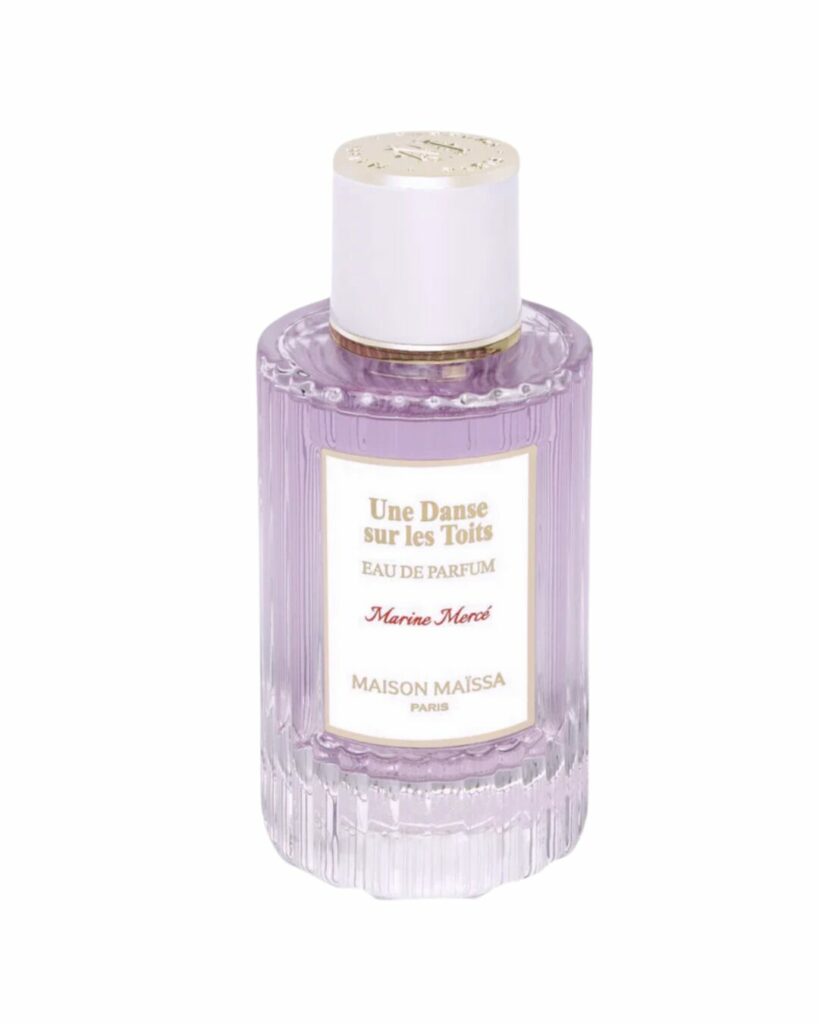
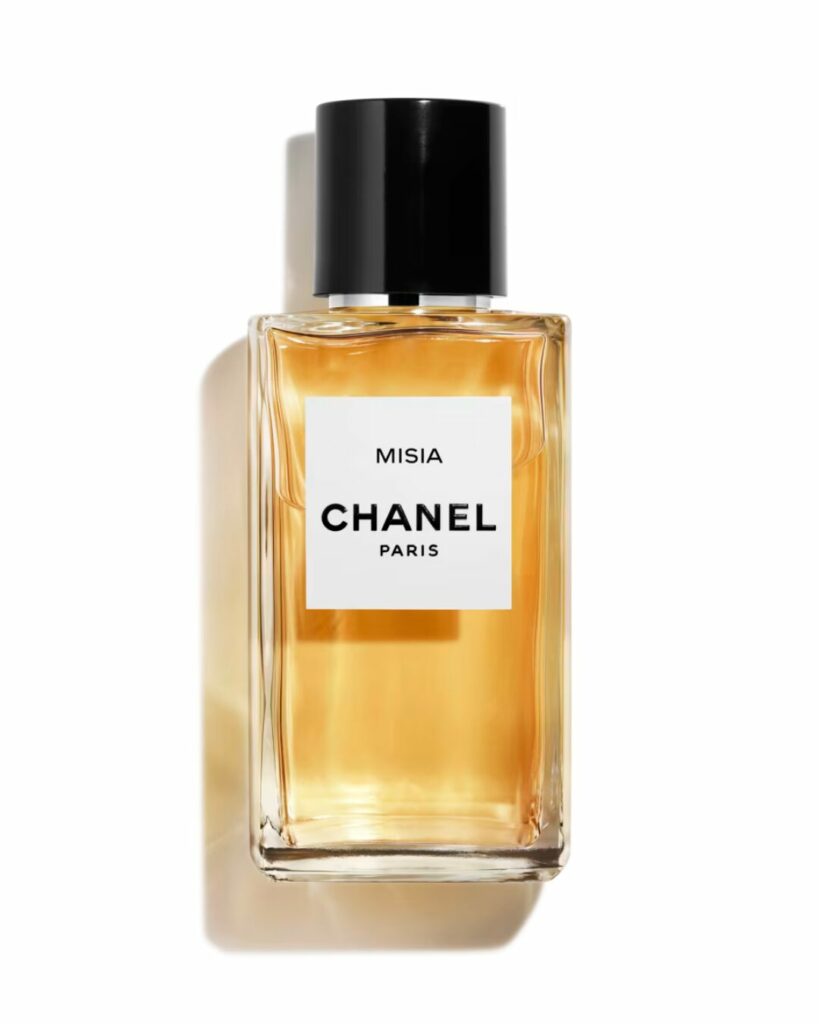
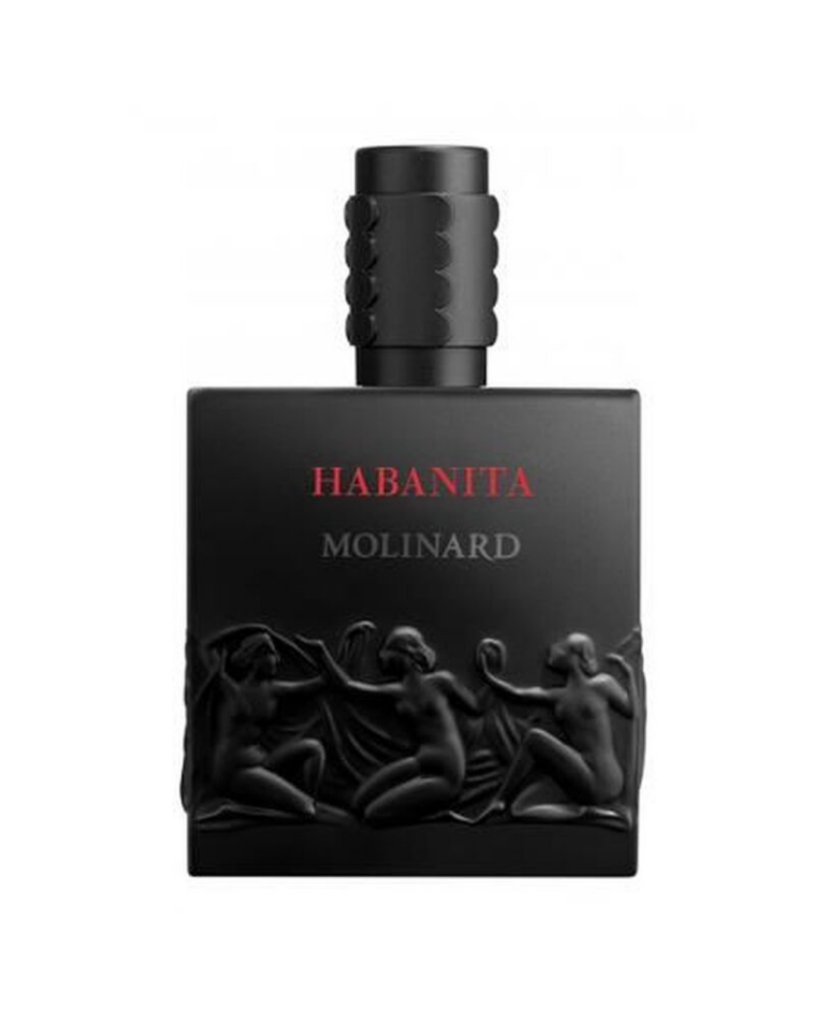
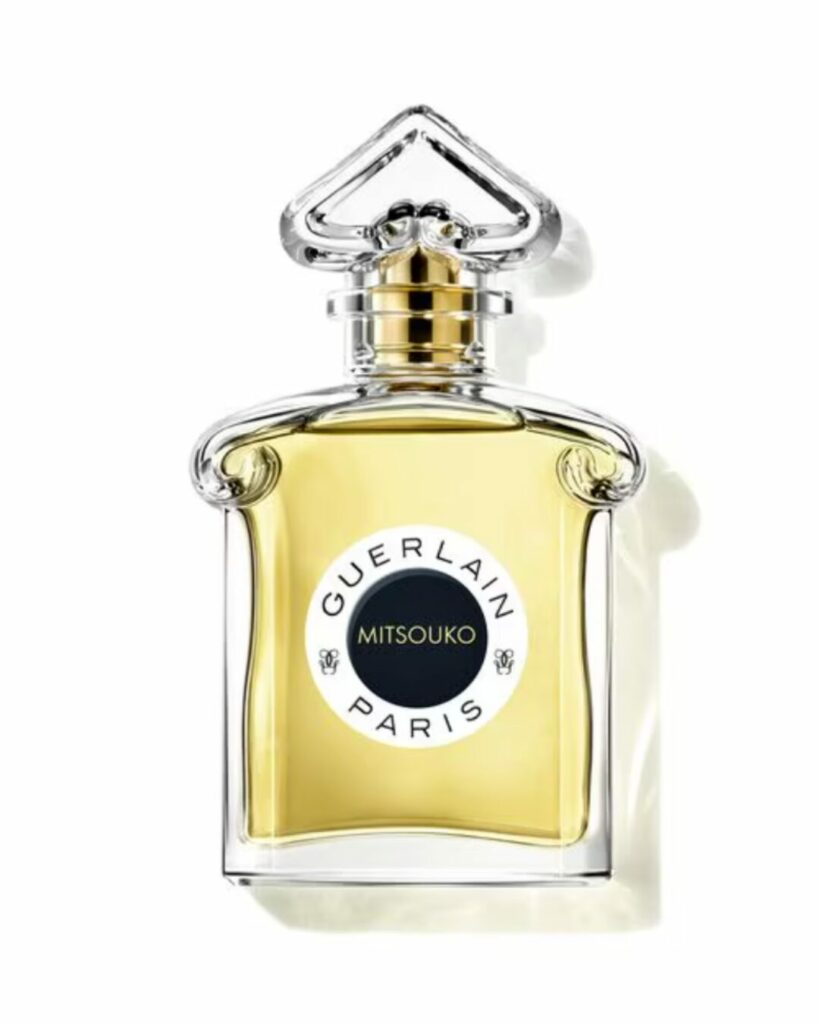
The perfumes that render this atmosphere are many: Lipstick Rose (Frédéric Malle), a direct tribute to lipstick and rice powder; Mitsouko (Guerlain), a deep, velvety chypre; Habanita (Molinard), with its powdery, leathery base; Misia (Chanel), which invites us into the dressing rooms of the opera; or Une Danse sur les Toits (Maison Maïssa), which captures the powdery elegance of a clean, floral textile.
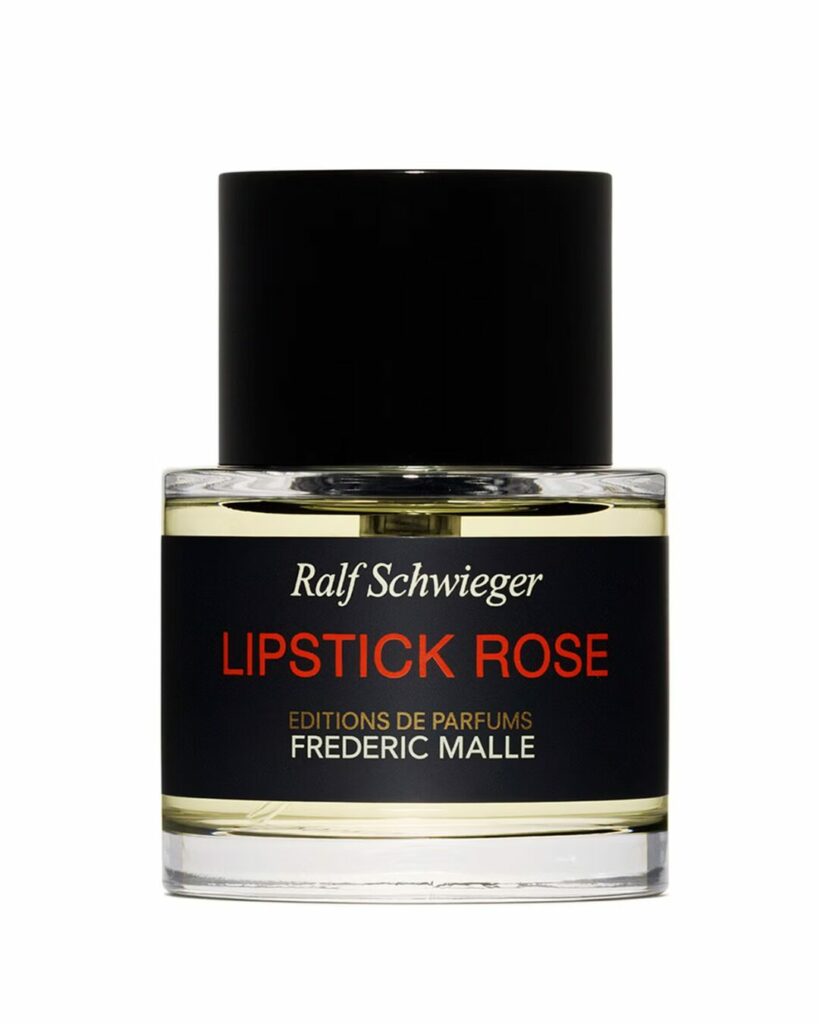
Perfumes Inspired by Dance
Some perfumes do not seek to illustrate a specific material or smell, but to render a sensation, a movement, an inner rhythm. Like an abstract choreography, they do not tell a linear story, but unfold a sensory thread, between surges, pauses and tensions.
When Perfume Becomes Movement
Dance is told here not as a fixed scene, but as a dynamic, a kinetic emotion. We can then speak of choreographic perfumes: they rise, suspend, fall back. They turn around the skin like a partner around an axis.
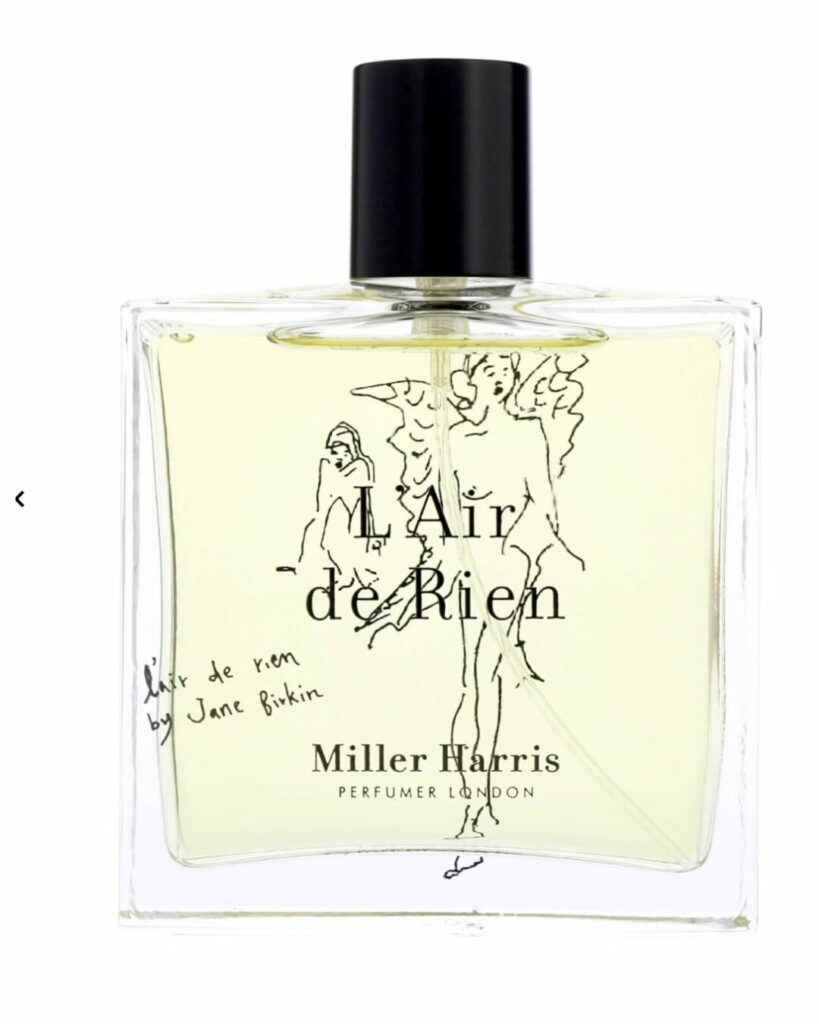
- L’Air de Rien (Miller Harris), created for Jane Birkin, offers a sensation of supple intimacy, almost careless but controlled, like a fluid gesture one does not watch, but feels.
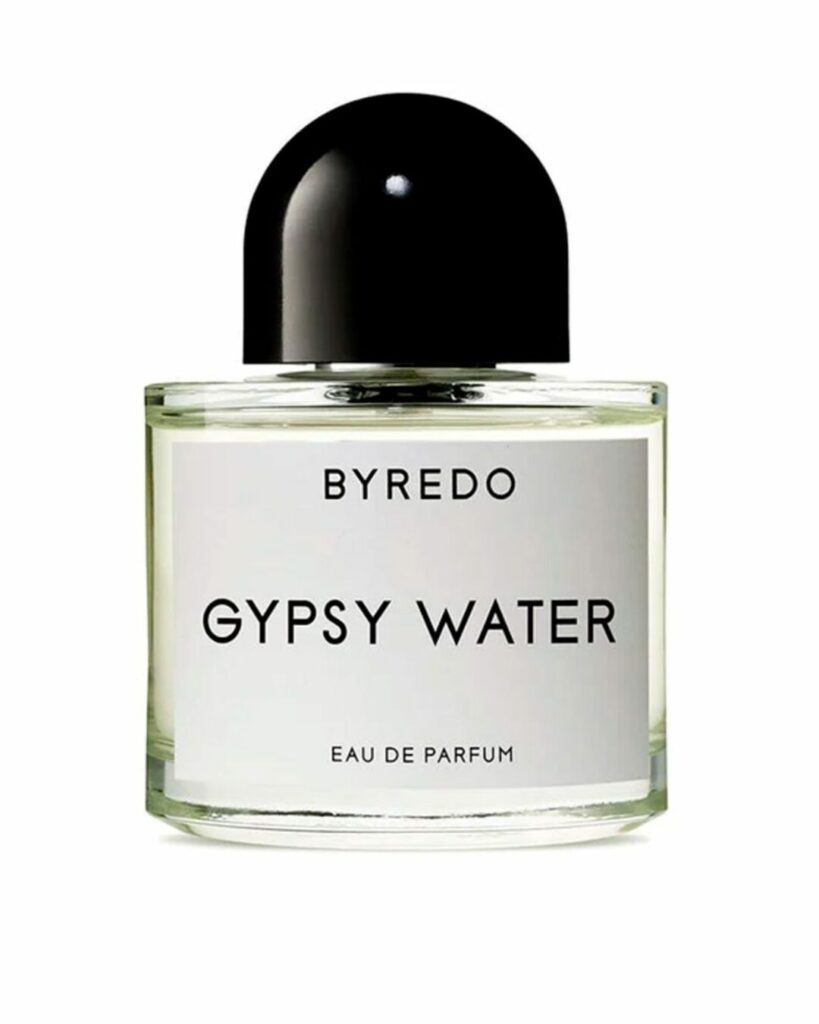
- Gypsy Water (Byredo) blends incense, vanilla and light woods in a light, free composition, which recalls the idea of a nomadic dance, outdoors, close to nature.
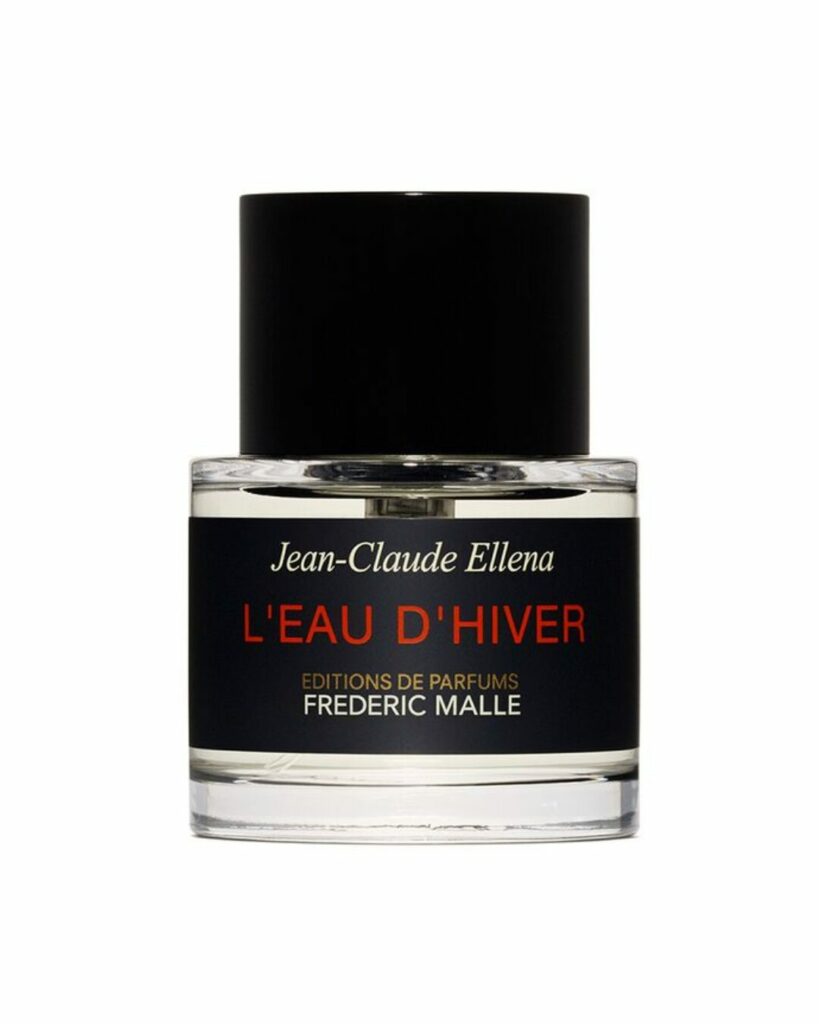
- L’Eau d’Hiver (Jean-Claude Ellena for Frédéric Malle) embodies a luminous, almost floating slowness. This skin perfume speaks of the silence of movement, of the softness of a gliding step. These perfumes do not say “I dance,” but “I let myself be crossed by a movement.” They render the space between the gestures, the unformulated intentions, the fragile balance between control and letting go.
Styles, Sillages
Because each dance has its gestures, its energy, its bodily and cultural grounding, each style can be associated with a particular olfactory register. These correspondences are not fixed, but they allow us to better sense—in the literal sense—the invisible texture of movement.

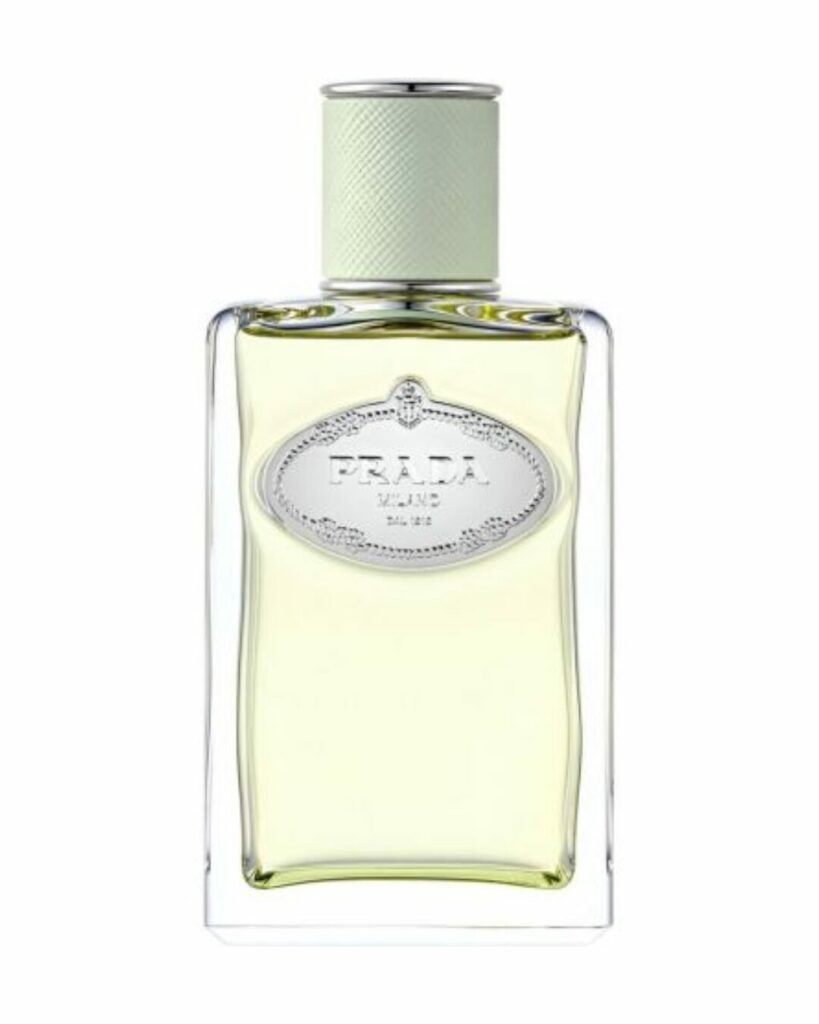
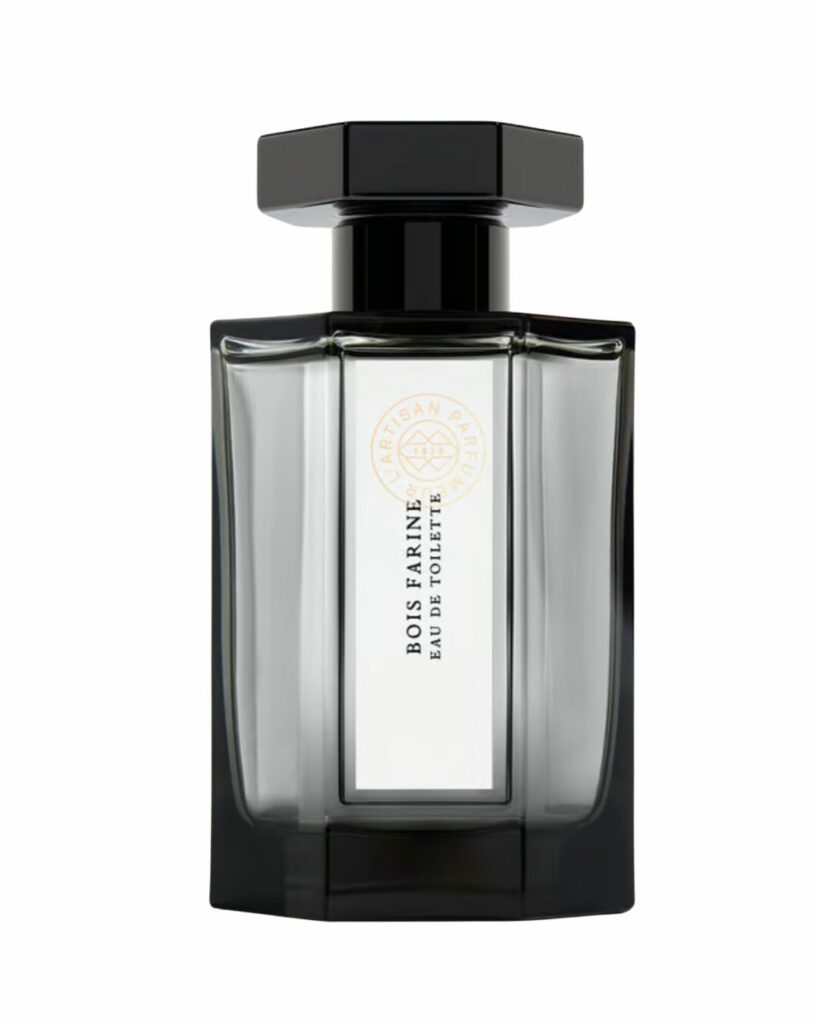
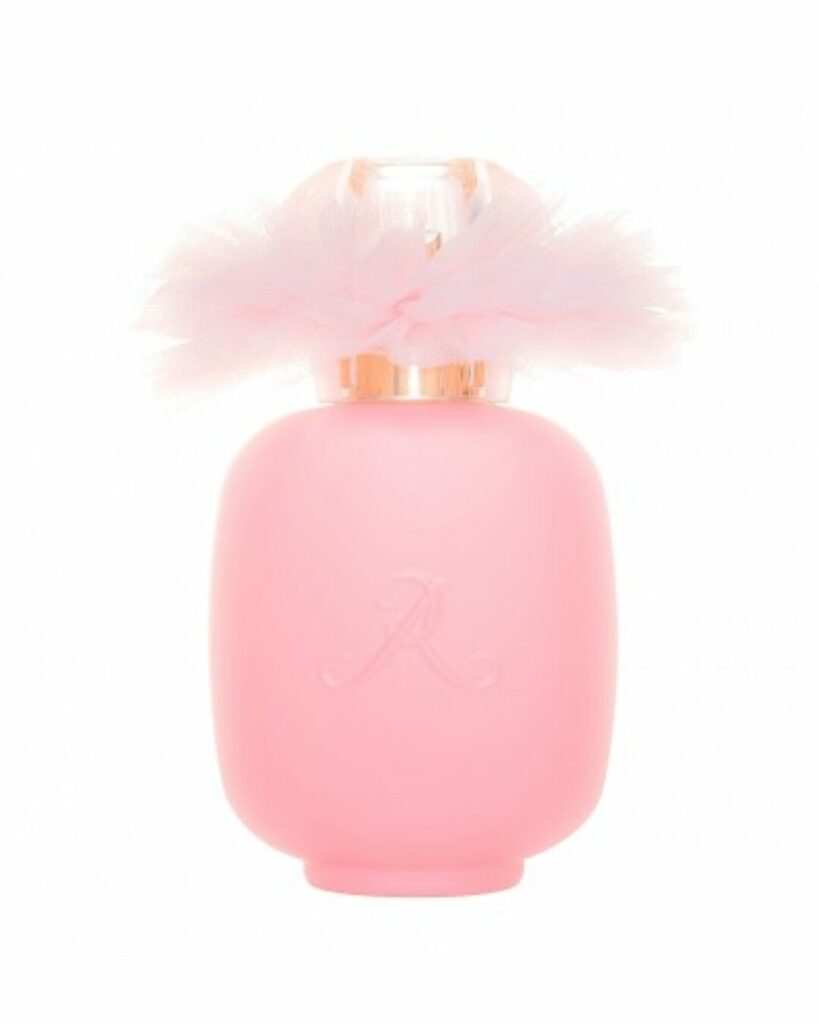
- Classical dance Elegance, tradition, discipline and poetry. Here we find fine powders, noble flowers, soft musks. → Infusion d’Iris (Prada), Bois Farine (L’Artisan Parfumeur), Ballerina No. 1 (Yosh). Inspired by the grace and elegance of classical dance, Repetto perfumes capture in bottles the emotion of a ballet and the delicacy of a movement.
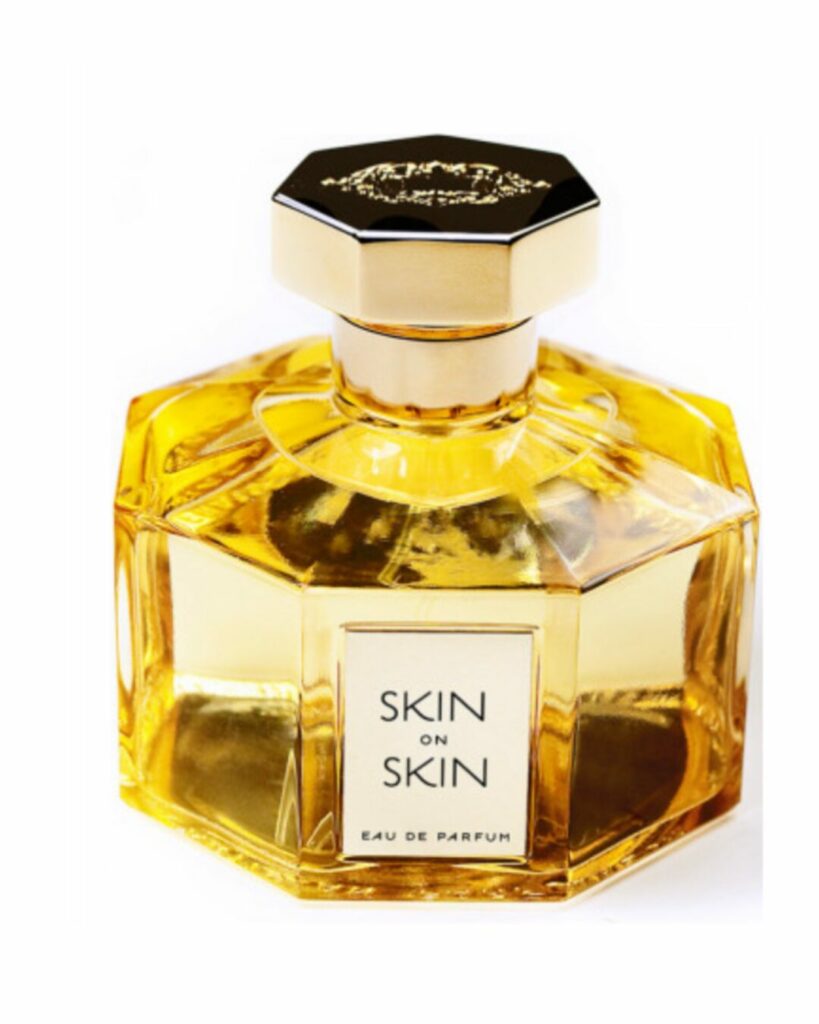
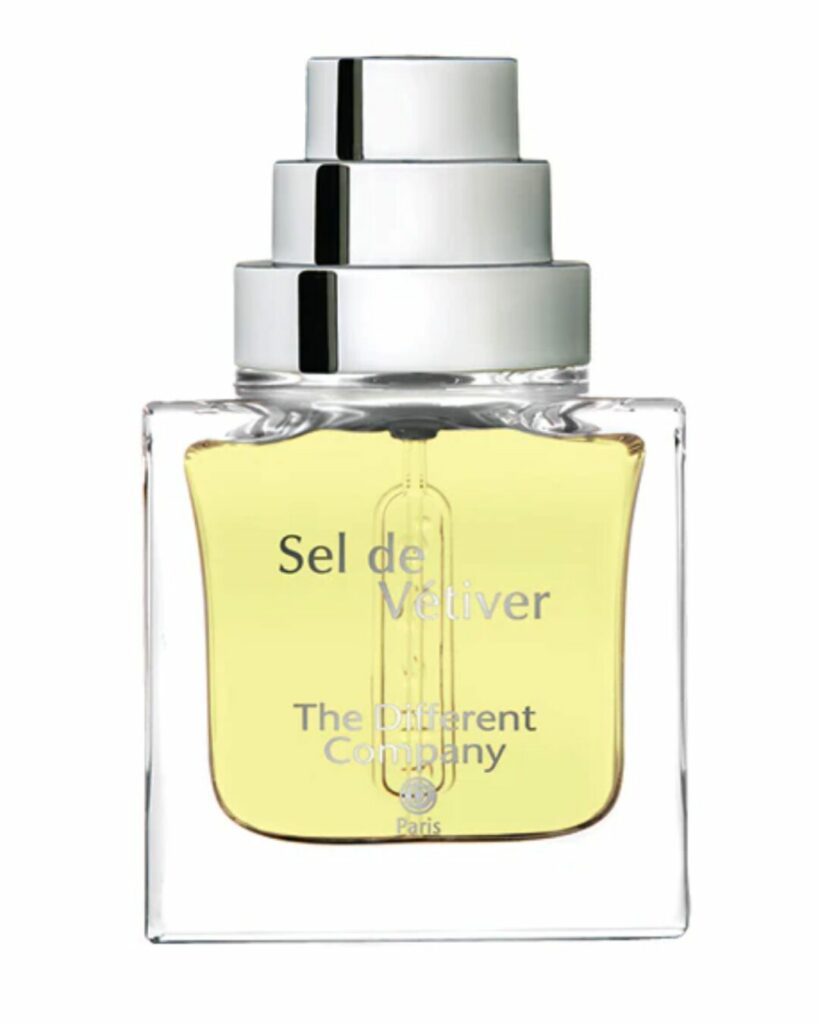
- Contemporary dance Body on the floor, breathing, interiority. The material becomes blurred, abstract, textured. → Skin on Skin (L’Artisan Parfumeur), Sel de Vétiver (The Different Company), You or Someone Like You (Etat Libre d’Orange).
- Hip-hop / street dance Speed, precision, raw energy, urban grounding. Dry woods, leather, vibrant musks take over. → Santal 33 (Le Labo), Encre Noire (Lalique), Ombre Leather (Tom Ford).
- Flamenco Dramatic tension, controlled power, bare/told emotion. Warm leather, spices, resins. → Spanish Leather (Memo), Cuir Mauresque (Serge Lutens), Eau du Fier (Annick Goutal).
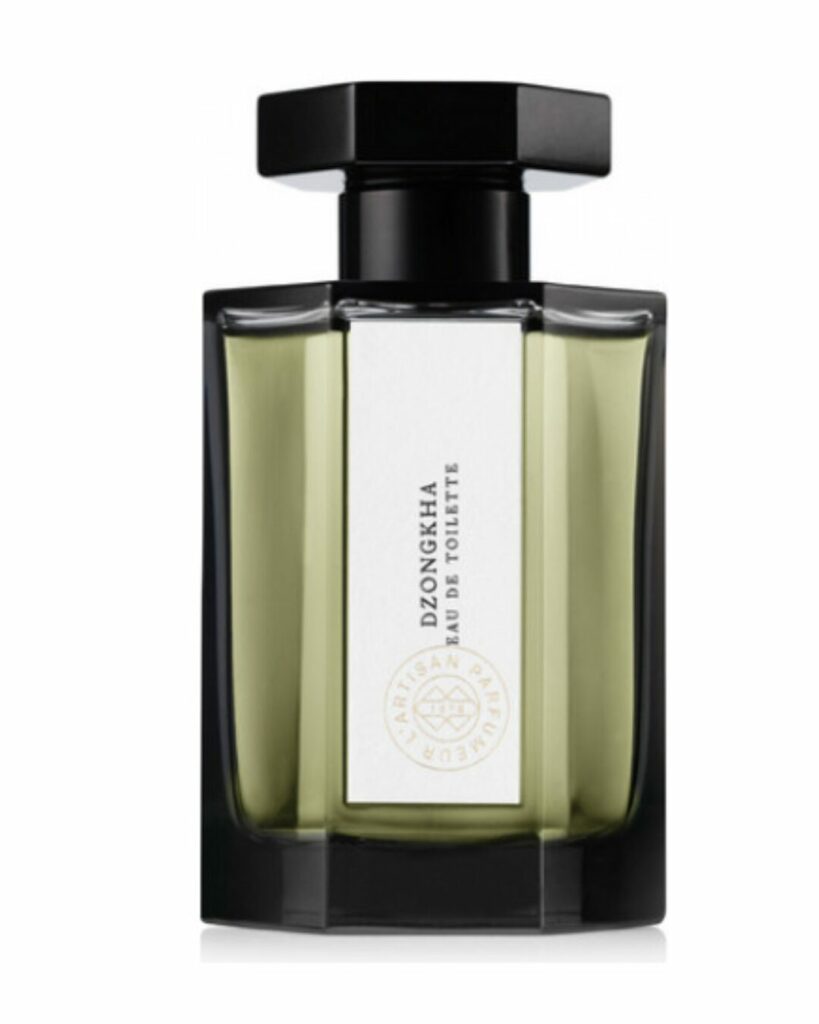
- African dances Roots, earth, percussion, vitality. Dry incense, vetiver, red woods, ritual smoke. → Timbuktu (L’Artisan Parfumeur), Dzongkha (L’Artisan Parfumeur), Bois d’Encens (Armani Privé).
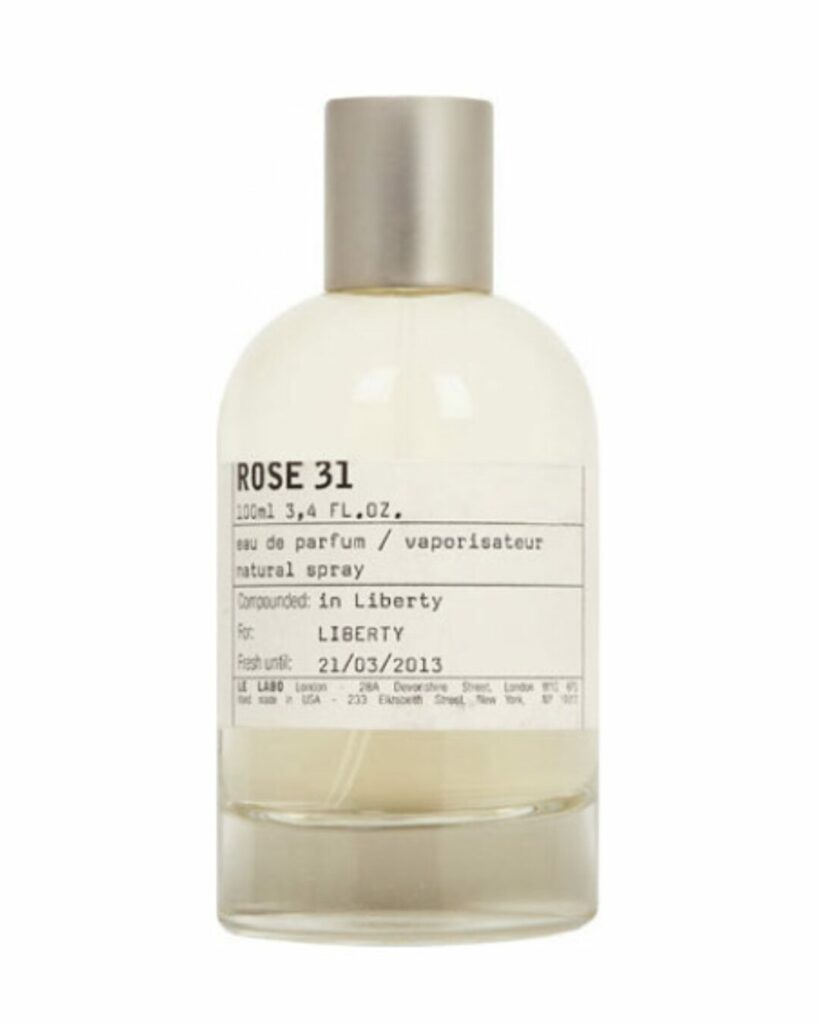
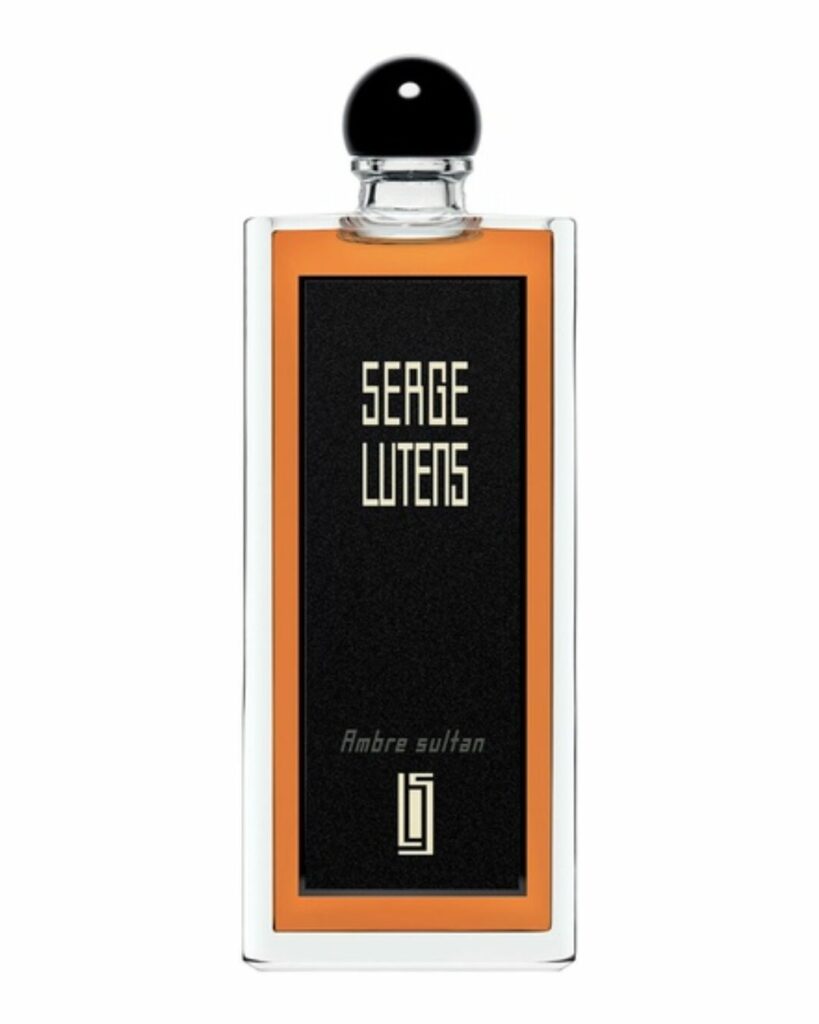
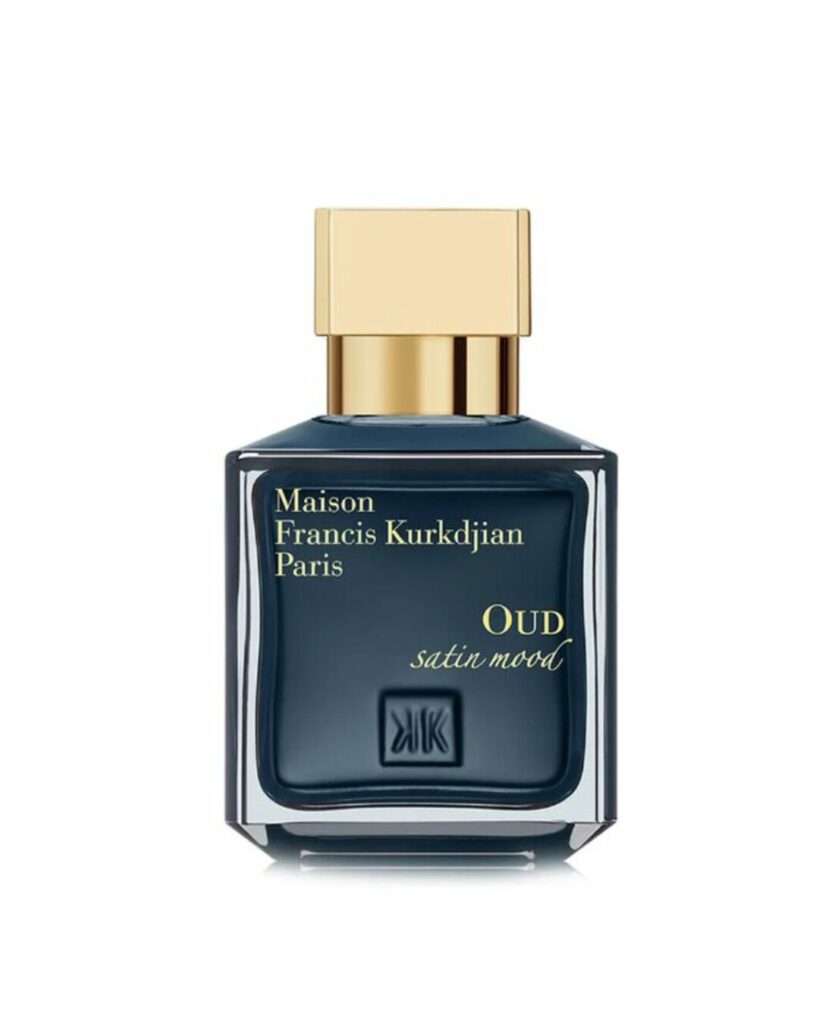
- Oriental dance Curves, slowness, contained sensuality. Dry rose, subtle oud, vibrant musk. → Rose 31 (Le Labo), Ambre Sultan (Serge Lutens), Oud Satin Mood (Maison Francis Kurkdjian).
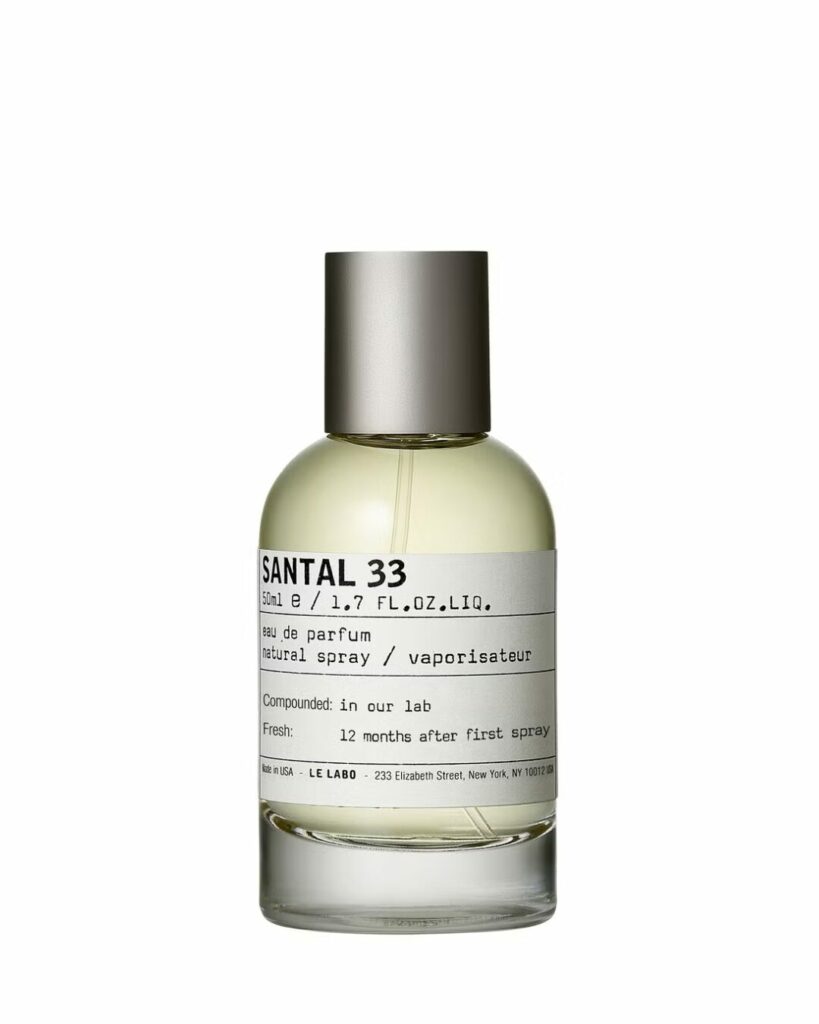
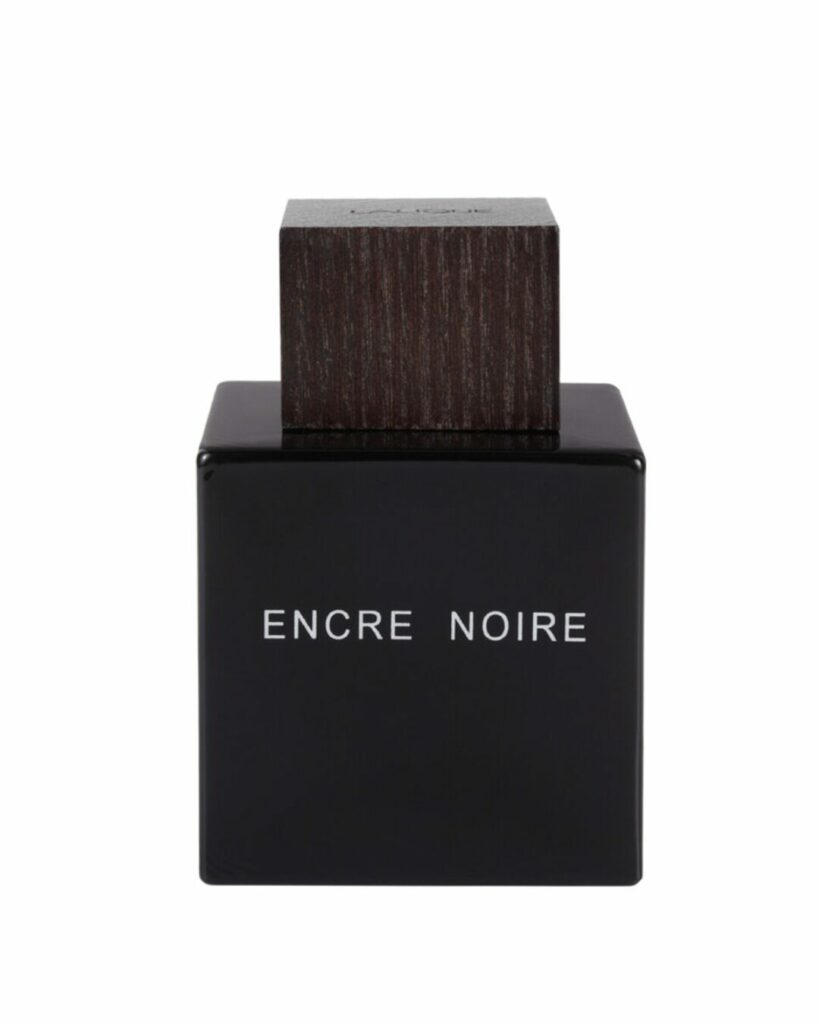
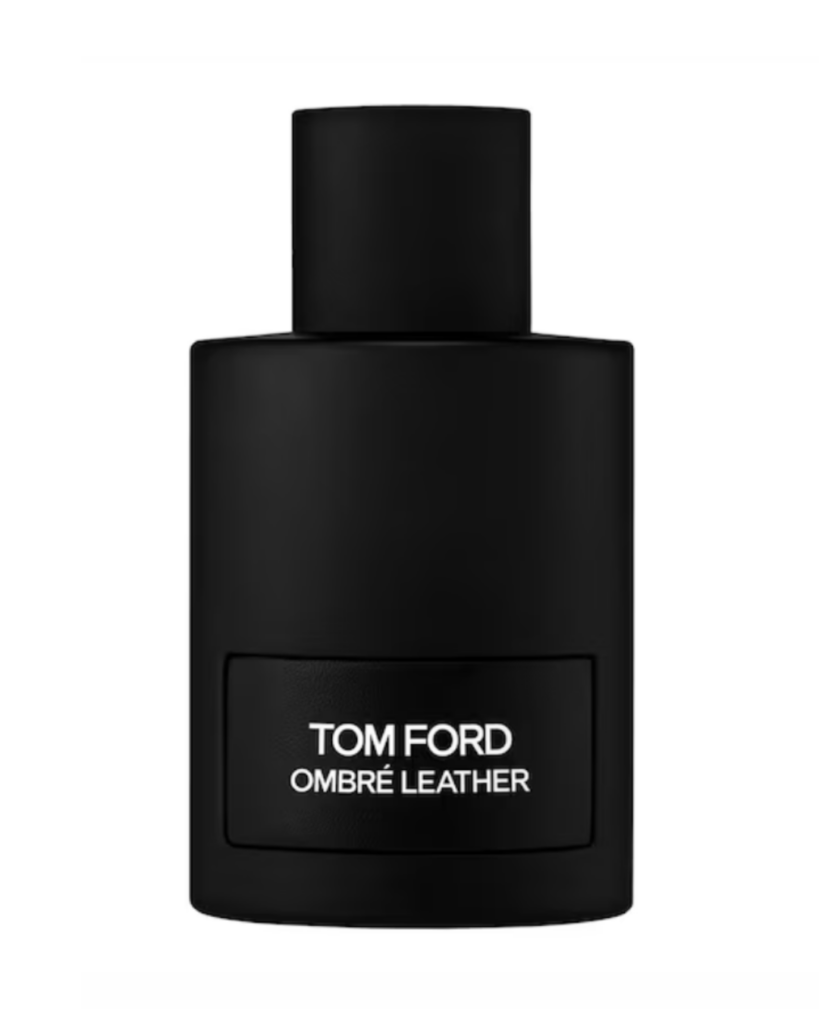
Each perfume becomes here an olfactory echo of the movement, a way of feeling dance without seeing it.
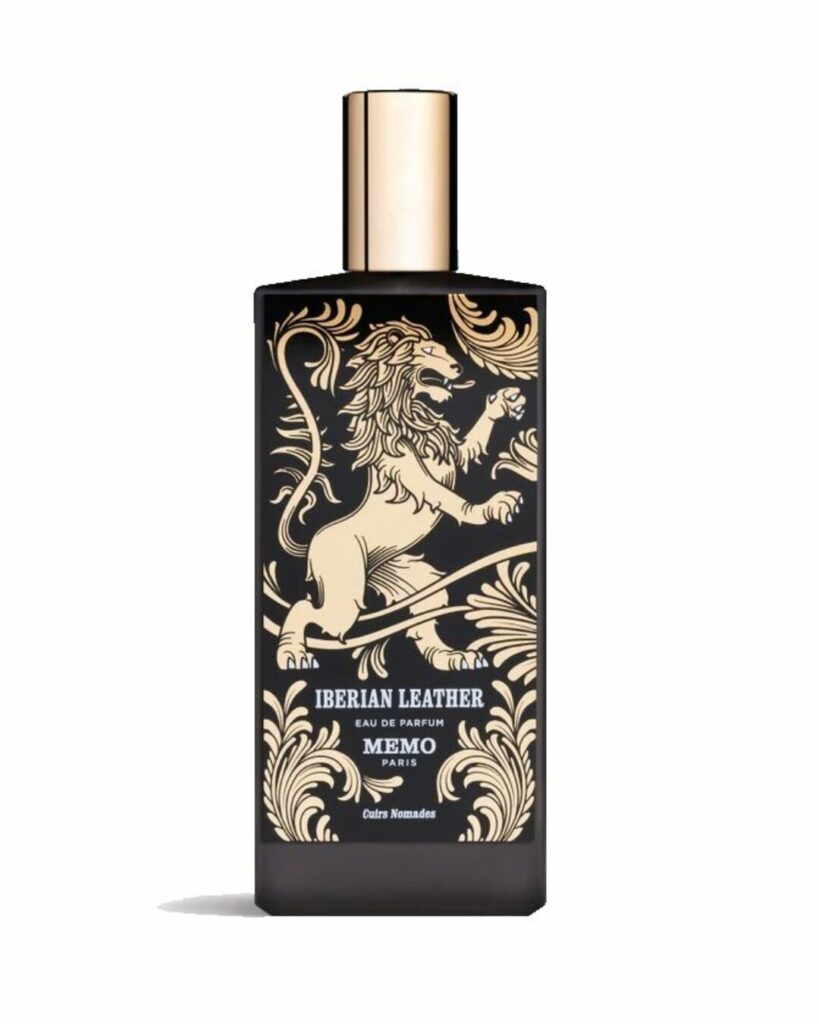
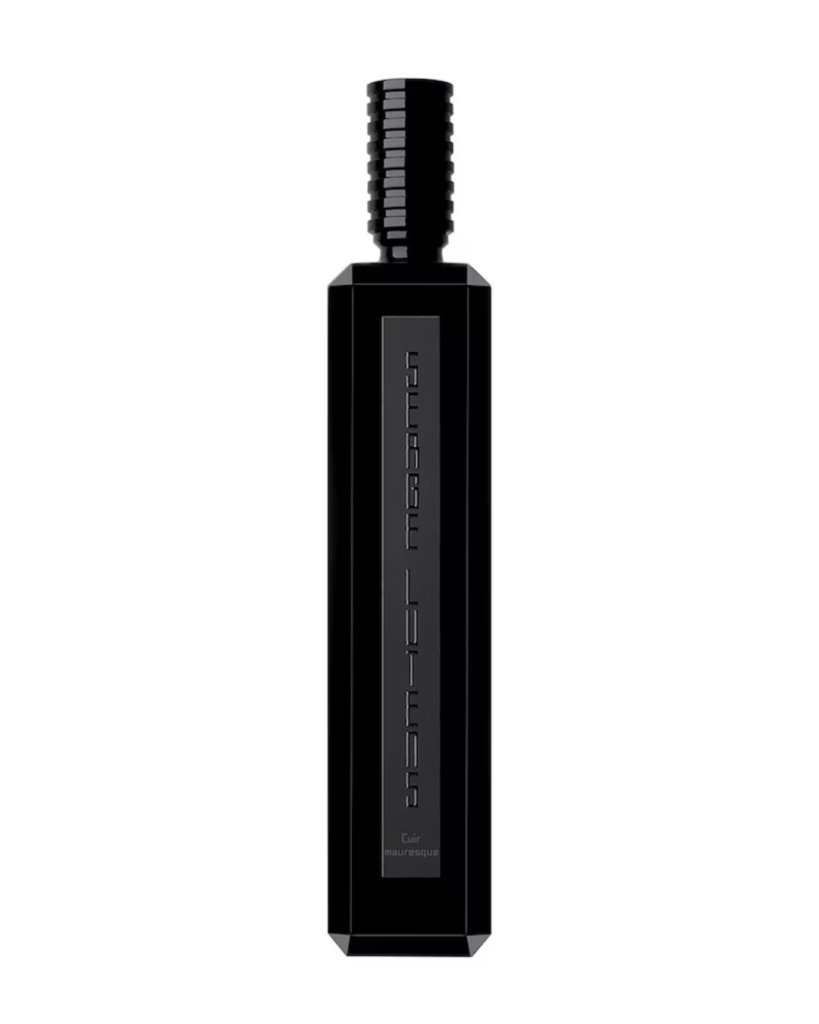
To Dance Is Also to Smell
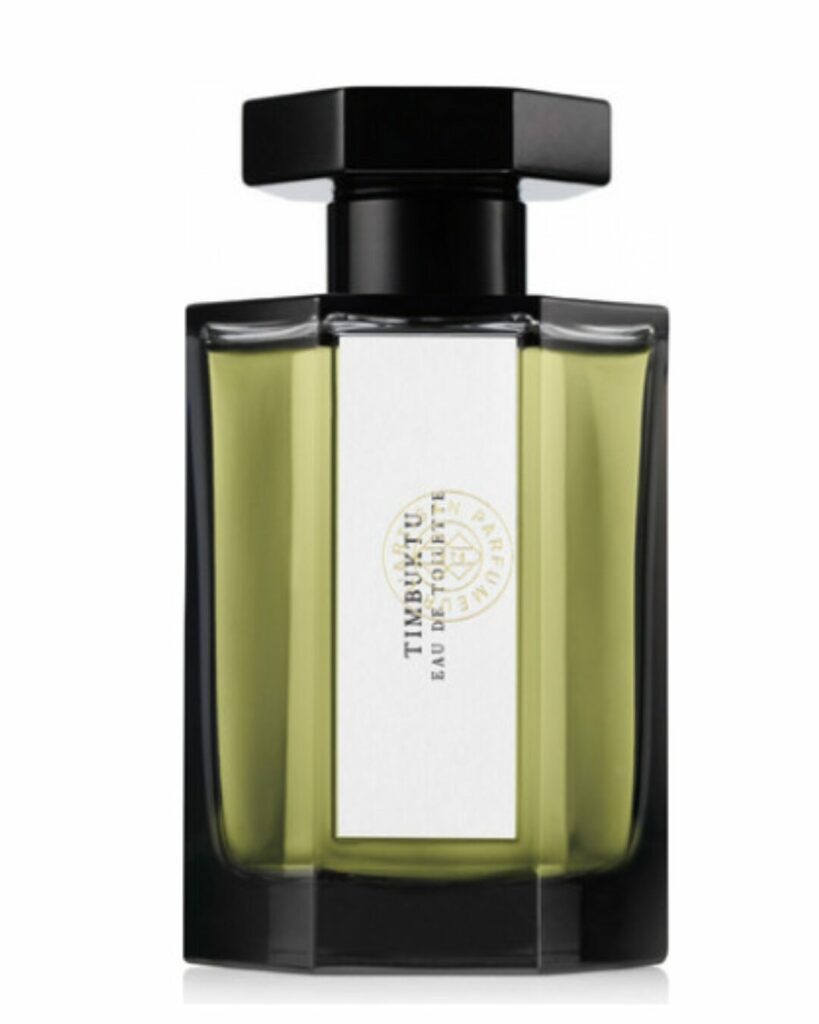
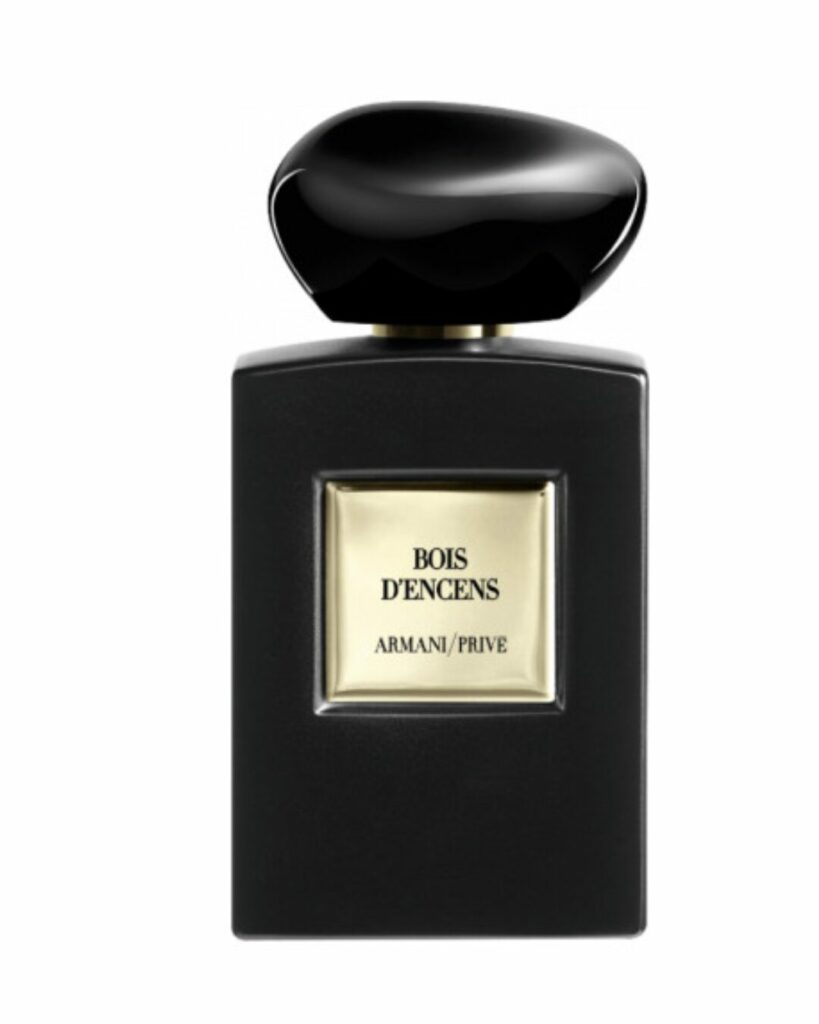
Perfumery dances with the body, the material and the space. Whether it renders the wood of a floor, the tension of a leather, the memory of a stage or the energy of a movement, it captures an invisible but persistent memory.
The perfumes that tell the story of dance do not seek to freeze a choreography, but to suggest its momentum, its trace, its imprint on the skin.
And what if there were, in every sillage, a little of that fleeting grace that crosses the boards of a stage?
Every year, Japan hosts one of its greatest natural spectacles: the cherry blossom season, or sakura. This poetic, fleeting moment fascinates as much as it moves. It embodies, on its own, a very singular relationship to time, to beauty… and to the invisible. Scent in Japan is perceived in the same way: as a discreet breath, a carrier of memory, culture and spirituality.
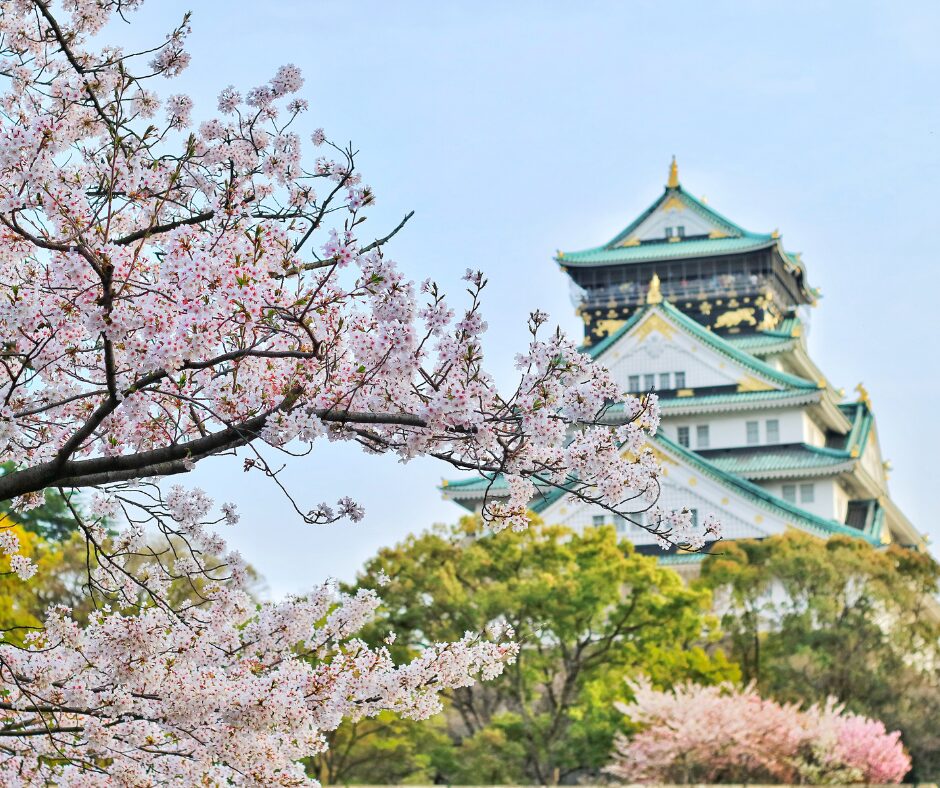
At the crossroads of art, care and silence, Japanese perfumery stands out for its extreme delicacy. Subtle, almost meditative, it oscillates between traditional heritage and technological modernity. In this article, we set out to explore this unique sensory universe, through its historical foundations, its emblematic brands, and the trends shaping its future.
History and olfactory tradition in Japan
Japan’s olfactory history does not begin with perfume as we understand it in the West, but with incense, whose use dates back more than 1,400 years. As early as the Nara period (8th century), the Japanese used fragrant woods imported from Southeast Asia for Buddhist religious rituals. These materials were so precious that they were kept as imperial treasures. One of the most emblematic woods, jinkō (agarwood, also known as oud wood), is still considered today a noble, sacred and mysterious ingredient.
But the height of this olfactory culture emerged during the Heian period (794–1185), with the codification of Kōdō, literally “the way of fragrance.” Less well known than ikebana (the art of flower arranging) or the tea ceremony, Kōdō is nonetheless one of the three great traditional Japanese arts. It consists of “listening” to the scents of heated—not burned—incense, in order to grasp its different nuances. This is not a mere sensory experience: it is a spiritual and aesthetic practice, an invitation to calm, concentration and introspection.
Each wood has its own olfactory profile, often poetic: an incense may be described as “calm as the sea at dawn,” or “luminous as a plum blossom in winter.” The relationship to scent is thus intimately tied to the imagination, to seasonality, and to the moment.
Unlike Western perfumery, which values expressiveness, even opulence, Japan has long cultivated an aesthetic of restraint. Scent is never invasive; it serves an atmosphere, a state of mind. In Japanese tradition, wearing too prominent a fragrance could be perceived as a lack of refinement, or even as a selfish act.
This subtle relationship to scent extends even to traditional clothing: kimonos were often imbued with delicate incense fumigations, a technique called takimono, used both to seduce and to signal social belonging.
Even today, certain rituals endure. Kōdō circles exist in several major Japanese cities, where this art is practiced under codified conditions. Likewise, Kōdō’s influence can be found in contemporary Japanese perfumery: discretion, precision, respect for olfactory silence.
And at the heart of this olfactory tradition, one image persists, fragile and evocative: that of the cherry trees in bloom. Ephemeral, they symbolize both transient beauty and the power of the present moment. A scent, in Japan, is like a sakura petal: it exists, then vanishes, never seeking to impose itself.
Modern perfumery and its specificities in Japan
Modern Japanese perfumery was not built in rupture with tradition, but rather in a form of silent continuity. While Western influences enabled the rise of liquid perfumes over the course of the 20th century, Japan chose early on to adapt this perfumery to its own olfactory sensibility, rather than to copy it.
Here, perfume is not a vehicle for assertive seduction, nor an accessory of power. It is a discreet extension of the self, on the border between skincare, intimacy and emotion. What is sought is lightness, transparency, airy and fresh notes that are almost imperceptible to others. The favorite accords? Green tea, yuzu, white woods, aquatic florals, clean musk, and shiso—that aromatic herb with facets that are both mentholated and green.
In Japan, people often speak of clean scents or skin scents: fragrances of the skin that evoke rather than assert. In contrast to the powerful sillages so present in Europe or the Middle East, Japanese perfume respects the olfactory bubble of others. It is worn not to be noticed, but to feel aligned with oneself. This relationship to scent is shaped by deep cultural values: politeness, modesty, harmony.
Houses like Shiseido, a pioneer since 1917 with Hanatsubaki, or Kenzo with Kenzo pour Homme in 1991, have embodied this Japanese olfactory aesthetic internationally. Today, more confidential brands such as Parfum Satori, Flora Notis by Jill Stuart, or THREE are deepening this path with compositions that are often minimalist, yet emotionally very powerful.
Packaging follows the same logic: pared-down design, soft hues, light bottles with sober lines, often inspired by nature or daily rituals. The care given to the object is just as important as the juice it contains, in a spirit of overall elegance and silent beauty.
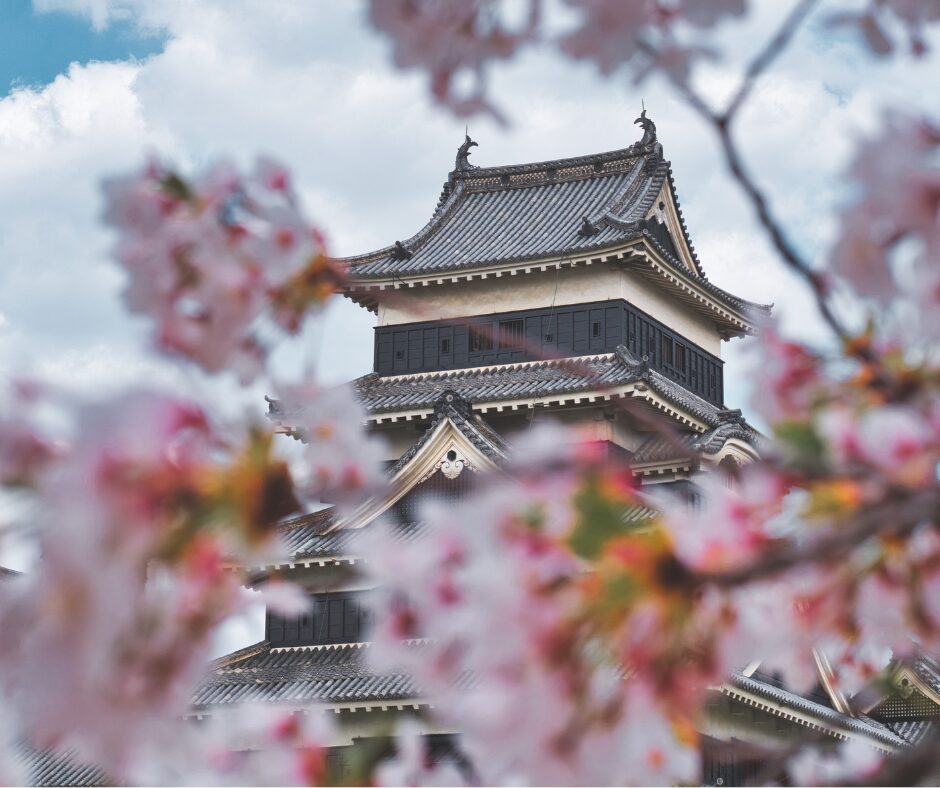
And in this delicate landscape, the cherry blossoms hold a special place. They return each year like an immaterial perfume, inscribed in the collective memory. This symbol of fleetingness, of fragile beauty, continues to inspire modern Japanese perfumers, who sometimes attempt to translate sakura into scent—without ever fixing it, always through a form of poetic suggestion.
The perfume industry in Japan
Far from the media spotlight of Grasse or Paris, the Japanese perfume industry has developed in a more underground fashion, though no less ambitious. It rests on solid pillars, starting with major cosmetics groups such as Shiseido, Kao, Pola Orbis and Kanebo, all of which have their own research laboratories, production chains and fragrance brands.
The domestic market is structured around three main axes: personal fragrances, home fragrances, and scented care products (mists, oils, lotions, etc.). Unlike Europe, where perfume is often experienced as a statement of identity, Japan favors gentle uses and subtle applications, often hybrids between fragrance, skincare and wellbeing.
A crucial point in the strategy of Japanese brands: technological innovation. Here, brands do not merely compose accords; they also invent new forms of diffusion, light textures, or encapsulated fragrances that release throughout the day. Some brands even develop textiles impregnated with scented microcapsules, activated by friction or body heat.
Formulation standards are also stricter than in Europe: fragrances must be non-allergenic, with little or no alcohol, and controlled longevity so as not to disturb others. This explains the dominance of alternative formats: pillow mists, solid perfumes, roll-ons and scented oils are commonplace, especially in lifestyle boutiques.
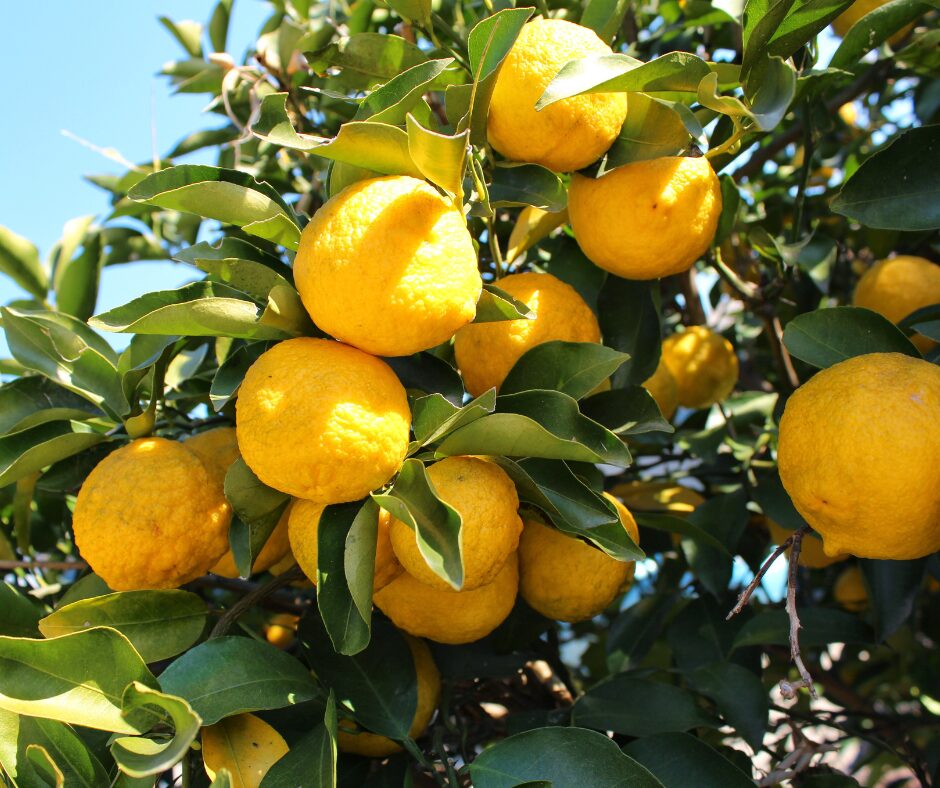
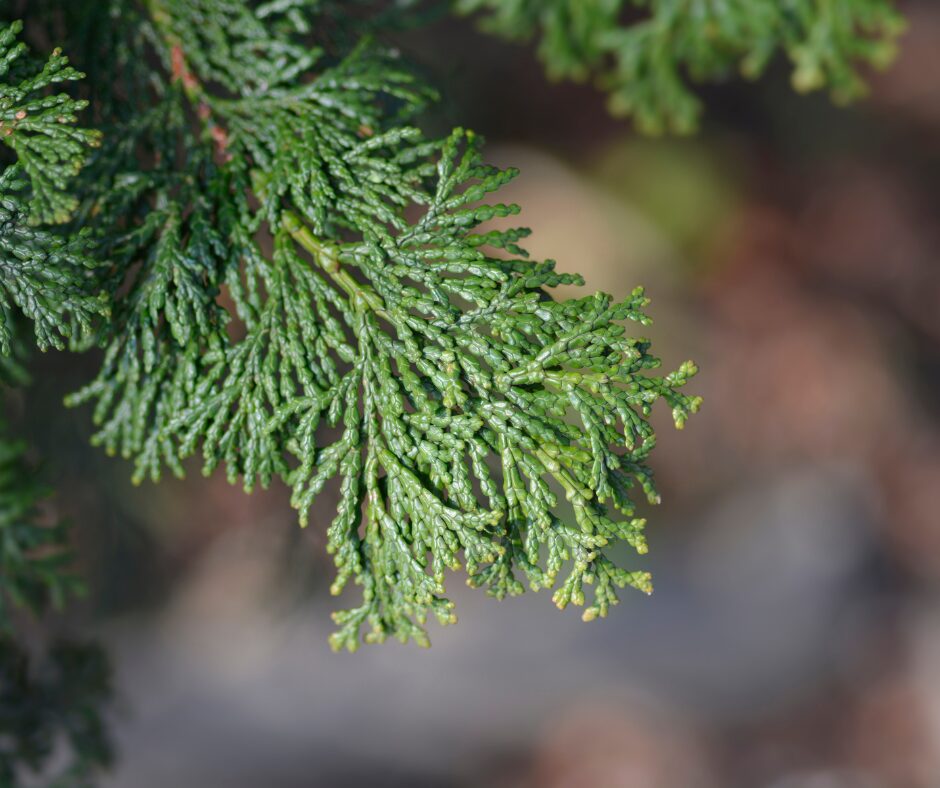
The Japanese industry also excels in the integration of local ingredients, often sourced from traditional agriculture or wild harvesting. Yuzu (a fresh, tangy citrus), hinoki (Japanese cypress), kinmokusei (golden osmanthus) and matcha are all emblematic olfactory materials—both distinctly Japanese and universal.


On the distribution side, Japanese brands have also mastered the art of experiential retail: stores are designed as sensory cocoons, somewhere between visual minimalism and high-tech sophistication. Testing a perfume never happens amid the hustle: you settle in, you breathe, you take your time. A whole philosophy of respect for the sense of smell, almost meditative, unfolds in these points of sale.
Finally, it is worth noting that Japan also plays a key role in the industry as a test market: many foreign brands launch their innovations there first, to gauge the reception of a demanding public attentive to the smallest detail. If a perfume works in Japan, it can work anywhere.
Trends and innovations in Japanese perfumery
Discreet yet buzzing with activity, the Japanese olfactory scene is today experiencing a revival, marked by the emergence of new independent brands, a more sensory approach to consumption, and an approach more emotional than ever.
A first strong trend: the return to craftsmanship and local materials. Houses such as Di Ser, based in Sapporo, or Parfum Satori in Tokyo, create fragrances in small batches, from rare ingredients, sometimes grown or distilled on site. Their creations incorporate typically Japanese elements such as shiso, kōdō-matsu (ceremonial pine) or kinmokusei, that little orange flower that perfumes Japanese streets in autumn. This is artisanal, author-driven perfumery, subtly rooted in Japanese nature, a world away from globalized trends.
Another notable movement: functional perfumery. Fragrance is becoming an everyday tool to soothe, focus, comfort. This current draws inspiration from Zen practices and gentle medicine: brands are developing “anti-stress,” “morning wake-up” and “olfactory memory” fragrances. These products are often sold as “aroma mists,” oils or scented sticks, to be used as personal rituals. The success of these ranges shows just how much perfume is perceived in Japan as an extension of wellbeing, rather than a social marker.
In terms of technological innovation, Japan remains at the forefront. Some companies are already exploring digital perfumery, through smart diffusers or collaborations between perfumers and engineers. Devices make it possible to program scents according to the time of day, or even one’s mood. A brand like Scentee Machina, for example, offers a connected diffuser designed like a work of art, controllable via smartphone.
Finally, younger Japanese generations are redefining their relationship to fragrance. Less constrained by norms of discretion, they are opening up to bolder sillages and international niche perfumery, while valuing ethical, transparent and local consumption. Vegan, alcohol-free fragrances with traceable ingredients are increasingly appealing. Emotion, the sincerity of the approach and the story behind the bottle often matter more than the prestige of the brand.
And as a symbolic nod, the sakura—eternal metaphor of passing time—continue to inspire countless seasonal olfactory creations, among local and international brands alike. Every spring, perfumery shelves take on shades of pale pink, in an olfactory tradition that has become a cultural rendezvous in its own right.
Perfumery in Japan is not shouted; it is sensed, like the scent of sakura carried on the wind. Anything but a copy of the Western model, it follows its own path: an art of discretion, of the precise gesture, of suspended time. It speaks in a low voice, but often says what matters most.
Between a thousand-year-old incense tradition and a refined, high-tech modernity, it offers another way of thinking about scent: more inward, more poetic, at times meditative. In an era saturated with stimuli, this sensitive and respectful approach to fragrance appears almost as a form of resistance: slowing down, breathing, feeling.
At a time when global perfumery tends toward standardization, Japan is tracing a unique—and perhaps essential—path. It restores perfume to its original function: marking the moment, without weighing it down.
What if the future of fragrance lay precisely in this art of silence and fleetingness, like that of the cherry trees in bloom?
The sense of smell is often underestimated; yet it profoundly structures our relationship with the world. It influences our memories, our emotions and even our social interactions. But what happens when this sense is absent? This is the reality of people with anosmia, a condition that can be congenital or acquired.
Living without a sense of smell upends the perception of flavours, the appreciation of perfumes and the safety of everyday life. For these people, smelling a perfume does not come down to a simple olfactory experience, but becomes a real challenge of interpretation through other senses. How do they define a smell? What strategies do they adopt to choose a perfume? And how does the perfume industry try to make this world more accessible?
This article dives into the world of the anosmic and explores the solutions put in place to help them perceive scents differently.
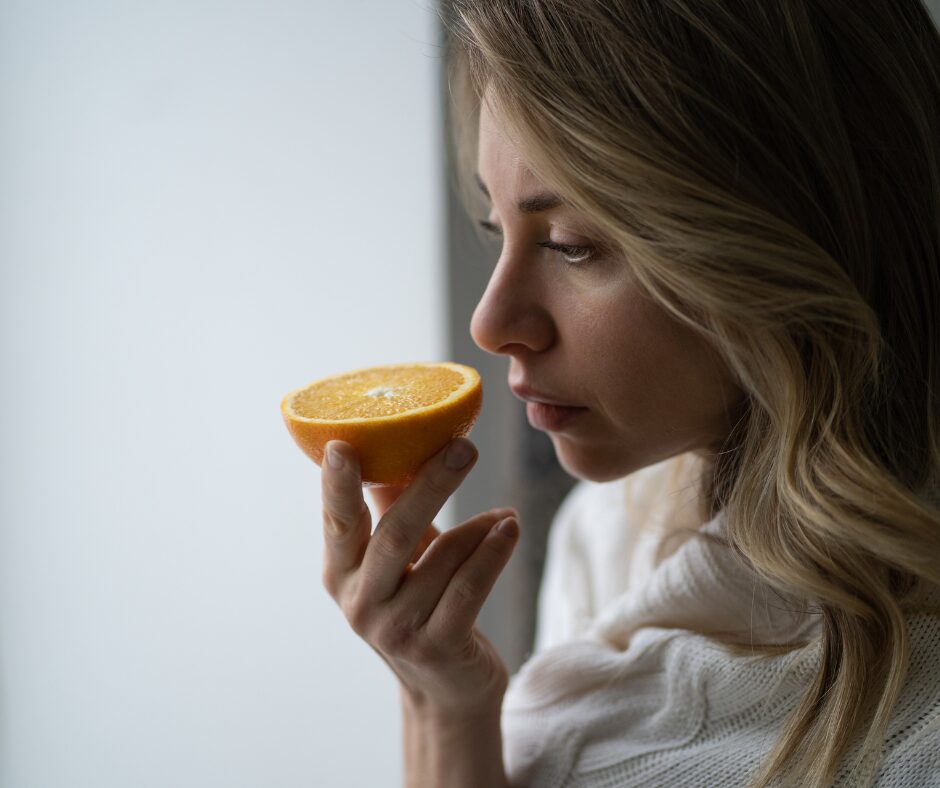
Understanding the Odourless World of Anosmia
What Is Anosmia?
Anosmia is the total loss of the sense of smell. It can be congenital (present from birth) or acquired following an illness, a head trauma, a viral infection or prolonged exposure to toxic substances. There are also forms of partial anosmia, where certain smells are still perceived while others disappear completely.
According to the association Anosmie.org, a significant proportion of the population is affected by olfactory disorders to varying degrees. Yet this condition remains largely unknown and receives little media coverage. Unlike the loss of sight or hearing, which directly affects our perception and our interactions, smell often acts in a discreet but essential way. Its disappearance can nevertheless have major repercussions on daily life.
A Sensory Loss with Multiple Consequences
Losing the sense of smell is not simply a passing inconvenience; it is a profound transformation of the perception of the world. Anosmia brings about changes in three major areas:
Food and taste: Smell plays a key role in the perception of flavours. Without it, foods lose much of their aromatic complexity. A strawberry no longer has a sweet-fruity taste, but comes down to a soft, slightly tangy sensation on the tongue. Chocolate becomes a simple creamy texture, without its gourmand, comforting notes. Anosmics must adapt by favouring dishes with varied textures and more pronounced mouth sensations, such as the heat of chilli or the acidity of a citrus fruit.
Emotions and memory: Smell is directly connected to the limbic system, the area of the brain that manages emotions and memory. A smell can instantly revive a childhood memory or provide a sensation of well-being. Deprived of this olfactory connection, many anosmics report a feeling of emotional isolation, as if they had lost a link with their sensory past.
Safety and self-perception: Smell is a natural alert mechanism. It makes it possible to detect a gas leak, an incipient fire or the spoiling of food. Anosmics must compensate for this loss by adopting safety reflexes, such as using smoke and gas detectors or asking their loved ones to check the freshness of food. They also lose the ability to perceive their own body odour, which can be a source of worry in social interactions.
A Late Realisation
Anosmia is often diagnosed late, because it does not cause immediate difficulty in communicating with others, unlike deafness or blindness. Many congenitally anosmic people only realise their condition in adolescence, when olfactory experiences take on a more prominent place in social and intimate life.
This is the case for Marie-Soline, anosmic from birth, who only truly became aware of her absence of smell at the age of 15. Like her friends, she wanted to choose a perfume for herself, but in the shop, she smelled nothing. She did not understand what “a woody perfume” or “a floral note” meant. “I felt excluded from a world that everyone understood except me,” she says. Her circle, having never noticed this lack, paid no attention to her feelings, considering that smell was not an essential sense.
At 18, she came across a report on anosmia by chance. Intrigued, she consulted an ENT specialist, who prescribed an MRI. The verdict was final: she had never had an olfactory bulb. “It was both a shock and a relief. I finally had an explanation,” she says.
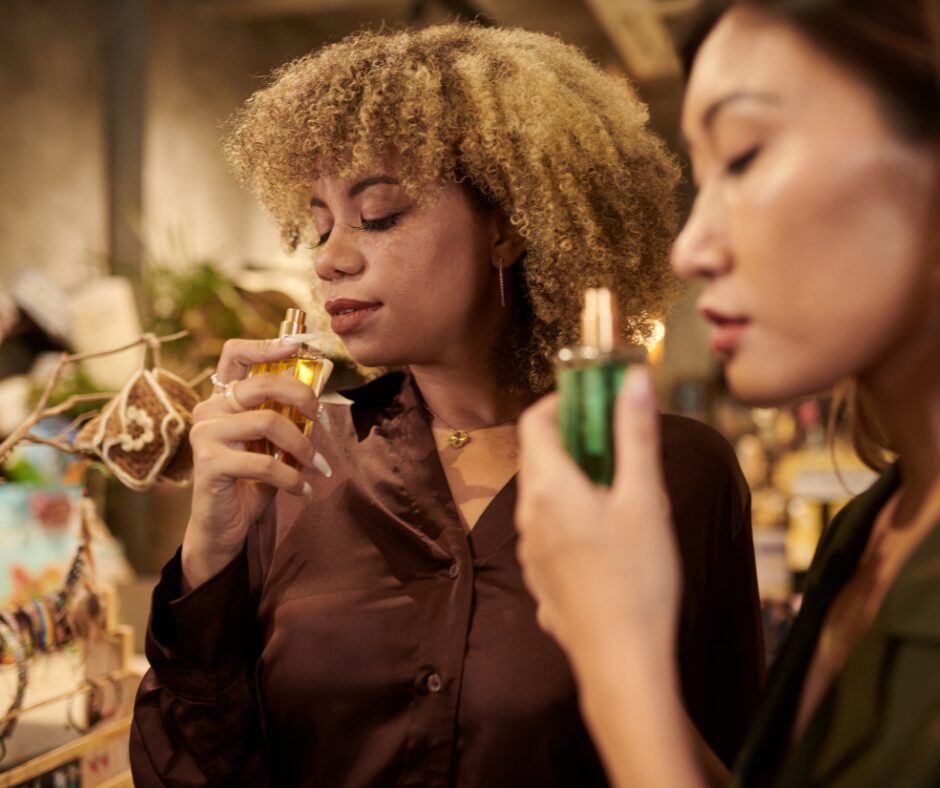
A Still Poorly Understood Condition
Unlike blindness or deafness, anosmia is an invisible disability. It does not change appearance or verbal communication, which often makes it misunderstood by those around. Anosmics often have to explain their condition to their loved ones, who struggle to imagine a world without smells.
Marie-Soline explains that she still sometimes faces misunderstandings: “Someone hands me a flower saying ‘smell how good this smells!’ and I have to remind them that I perceive nothing. People forget, because it is a sense that is automatic for them.”
Anosmia is still largely under-diagnosed and little recognised by society. Yet it profoundly impacts the perception of the world, social relationships and even the mental health of those who suffer from it.
Anosmia: An Obstacle to the Perception of Perfume
Perfume is much more than a simple smell sprayed on the skin: it represents an identity, a unique olfactory signature. For an anosmic person, this invisible language is totally absent, which poses a challenge in the choice and appreciation of a perfume.
In a world where scents are omnipresent—whether through perfumery, gastronomy or even the atmosphere of places—anosmics must adopt alternative strategies to make this sensory world their own. If, for most people, the choice of a perfume rests on an immediate sensory experience, for anosmic people this selection is based on other criteria, such as the aesthetics of the bottle, the emotions conveyed by brands’ storytelling, or the opinion of those around them.
An Inaccessible Ritual
Wearing perfume is often perceived as an intimate, sensory gesture. It is a ritual that is not limited to an application on the skin, but that encompasses a complete experience: the pleasure of discovering a new fragrance, the act of testing different notes, and the satisfaction of wearing a scent that matches one’s identity. For anosmics, however, this ritual becomes abstract.
Marie-Soline, a congenital anosmic, explains that she became aware of her condition when she wanted, like her friends, to choose a perfume for herself. When she went to the shop, she realised that she smelled nothing and did not understand the salespeople’s descriptions: “it’s floral,” “it’s woody”… She found this strange, and this experience revealed to her a sensory gap she had never realised before.
The Importance of the Visual and Touch
Deprived of smell, anosmic people develop other sensibilities to apprehend perfumes. One of the essential elements is the visual. Bottles become a first indication of a perfume’s universe:
Bottles with clean, minimalist shapes often evoke modern, fresh compositions. Those adorned with gilding and baroque motifs recall heady, sophisticated perfumes.
Colours also play a role: a blue juice is often associated with freshness and the sea (oops, Angel by Mugler!), while a red bottle suggests an intense, sensual fragrance.
In parallel, touch takes on a predominant place. Some anosmics associate the olfactory description with a physical sensation. Marie-Soline thus explains that she prefers “soft” materials such as vanilla. When something soft is described to her, she imagines it as a comfort blanket, cosy and reassuring.
Relying on Descriptions and Emotions
Words are another key to allowing anosmics to understand a perfume. Many perfume houses today invest in olfactory storytelling that no longer merely lists the top, heart and base notes, but seeks to tell a real sensory story.
Marie-Soline shares that when she has to choose a perfume, she relies on the description her circle gives her, using sensory references accessible to her. Her loved ones describe the scents through other sensory markers such as texture or colour. For example:
- A powdery perfume will be compared to the softness of a velvet fabric.
- A woody perfume will evoke the rough sensation of a tree trunk under the hand.
- A spicy note might be described as a warmth that tingles on the tongue.
The Impact of Outside Opinions
Finally, many anosmics rely on those around them to make their choice. They ask their loved ones to smell the perfumes for them and give them a sincere opinion. Marie-Soline explains that she chooses her perfumes based on the recommendations of her loved ones: “If I’m told that this perfume suits me, then I adopt it. I have no other way of knowing.”
A Different but Just as Meaningful Approach
Although anosmics cannot experience perfume as the majority of people do, their relationship with fragrances is no less profound. They develop a unique, intimate way of choosing their scents, relying on the other senses, on their imagination and on the narrative that accompanies each fragrance.
In the next section, we will see how certain perfume houses innovate to make the olfactory experience accessible beyond the sense of smell alone.
How Do You Define Smells and Perfumes Without a Sense of Smell?
Anosmics develop strategies to apprehend the olfactory world by relying on other senses. Without being able to perceive scents directly, they use analogies based on texture, vision, language or even music.
Through Texture and Sensations
Marie-Soline relies on the opinion of her loved ones, who describe the scents to her using comparisons with touch. A “soft” perfume will evoke for her a sensation of comfort similar to that of a plush comfort blanket. Likewise, she prefers vanilla notes, which she instinctively associates with an enveloping, reassuring texture.
Through Sight and Colours
Colour plays an important role in the olfactory imagination of anosmics. Green perfumes are often perceived as fresh and natural, while golden bottles evoke warmth and elegance. Marie-Soline applies this logic to her food choices: she favours foods with bright colours and textures she enjoys, such as red-fruit herbal teas, whose vivid hue and slight acidity she likes.
Through Words and Emotions
Perfumers’ descriptions help anosmics to project themselves into a sensory experience. A perfume described as “a walk in the forest after the rain” or “a comforting cocoon of vanilla and amber” makes it possible to evoke a world that, although not perceptible olfactorily, can be felt through the imagination.
Through Music and Sounds
Some perfume houses have explored the links between music and scents. L’Orchestre Parfum, for example, associates each fragrance with a melody, thus allowing anosmic people to imagine a perfume through the prism of music. This is the principle of synaesthesia. The top notes then become high, crystalline sounds, the heart notes warm chords, and the base notes deep, captivating bass tones.
Perfume Brands and the Sensory Experience Beyond Smell
Faced with the challenge of anosmia, some brands offer innovative approaches to make perfumery accessible beyond the sense of smell.
L’Orchestre Parfum: When Perfume Becomes Music
Founded by Pierre Guguen, L’Orchestre Parfum offers a unique approach where each fragrance is associated with a musical composition. This multisensory experience transforms perfume into a melody that can be felt otherwise than with the sense of smell.
The brand’s creations incorporate instruments and rhythms reflecting the soul of each fragrance, allowing anosmic people to apprehend them through sound. Rather than simply describing olfactory notes, L’Orchestre Parfum invites you to listen to the scents, offering a sensory immersion where olfaction becomes an auditory experience. This innovative approach broadens the way perfume can be perceived, making the olfactory world more inclusive and accessible.
Viktor & Rolf: A Visual and Narrative Experience
Some brands, like Viktor & Rolf, bet on sculptural bottles and striking visual campaigns. Through iconic designs, such as the famous grenade-shaped bottle of Flowerbomb or the bow silhouette of Bonbon, the brand creates a strong identity that transcends olfaction. These objects become symbols of desire and emotion, offering a sensory experience where sight and touch replace smell.
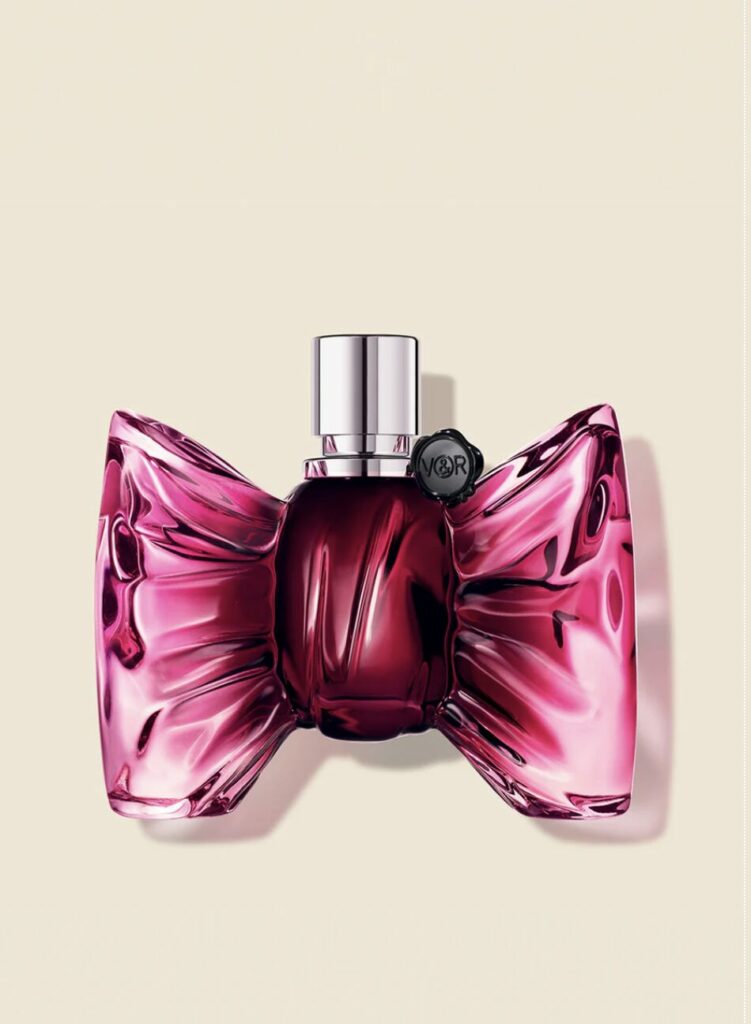
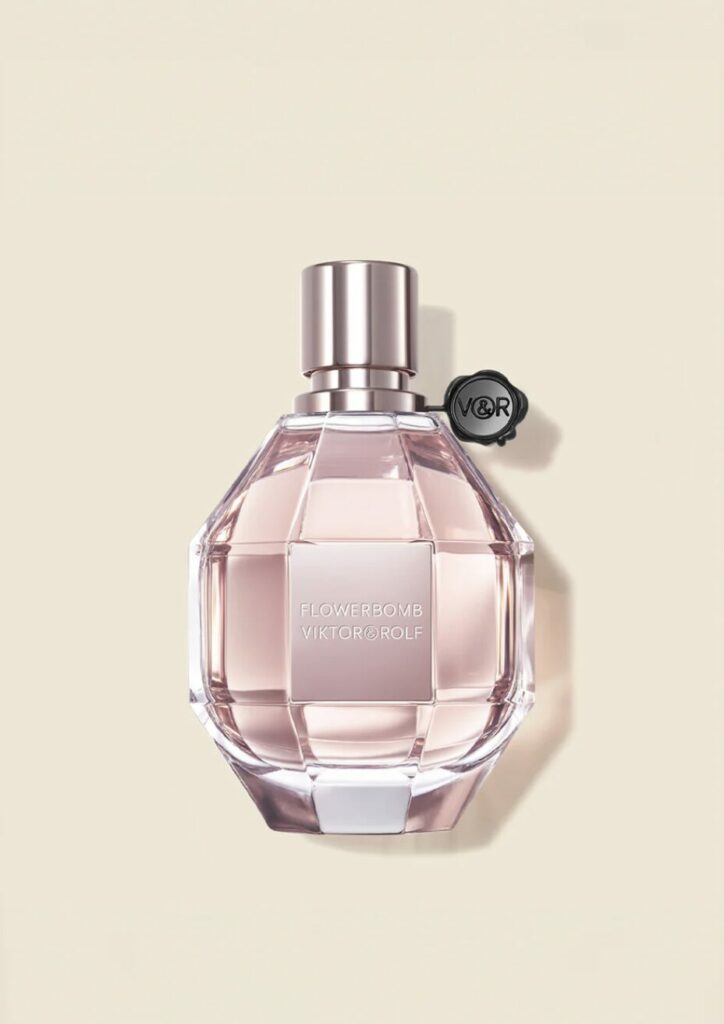
Moreover, Viktor & Rolf’s advertising campaigns play on immersive storytelling, staging the perfume in artistic, dreamlike worlds. These stagings allow anosmic people to make a perfume their own differently, by associating it with a strong sensory world. The perfume can then be perceived beyond the sense of smell alone. Example: Spicebomb Infrared and the sound that raises the body’s heat: https://www.youtube.com/watch?v=Pg6KNZZUCPs
J’emme: An Innovative and Inclusive Olfactory Approach
The Belgian brand J’emme, founded by Julie Tinant, associates its perfumes with semi-precious stones, offering a sensory experience where the visual, touch and energy replace olfaction. Each fragrance is linked to a specific stone, such as Après l’Aurore and citrine, symbolising confidence and optimism.
The bottles, containing visible crystals, create a tactile and visual interaction, allowing anosmics to feel their perfume differently. J’emme favours immersive storytelling, highlighting emotions and intentions rather than purely olfactory descriptions. This innovative approach redefines perfumery by making it more inclusive and accessible to people deprived of the sense of smell.
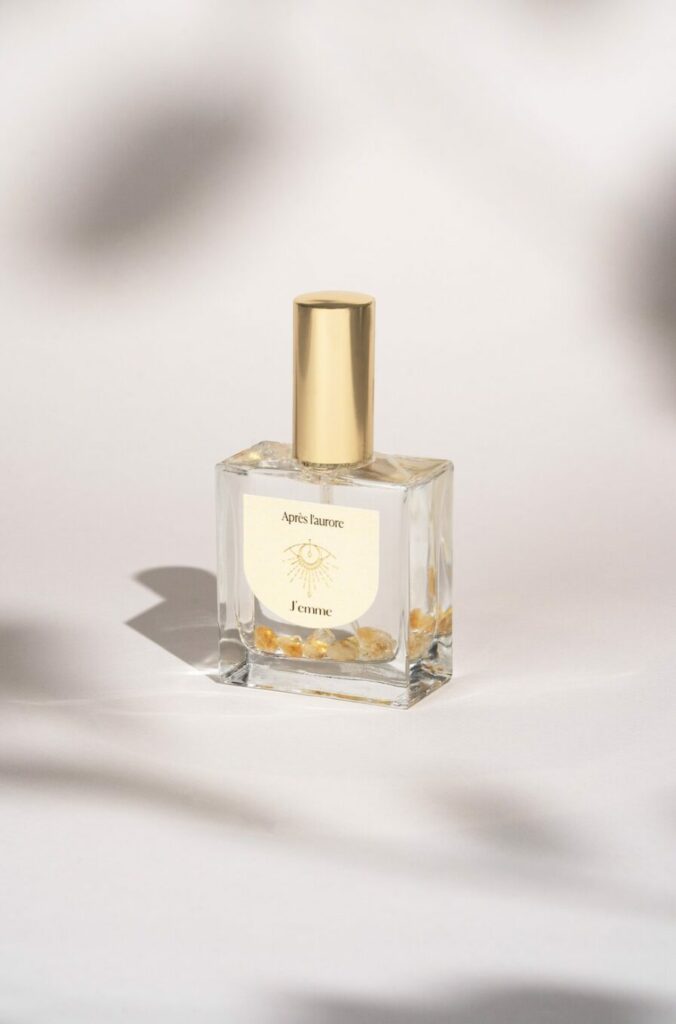
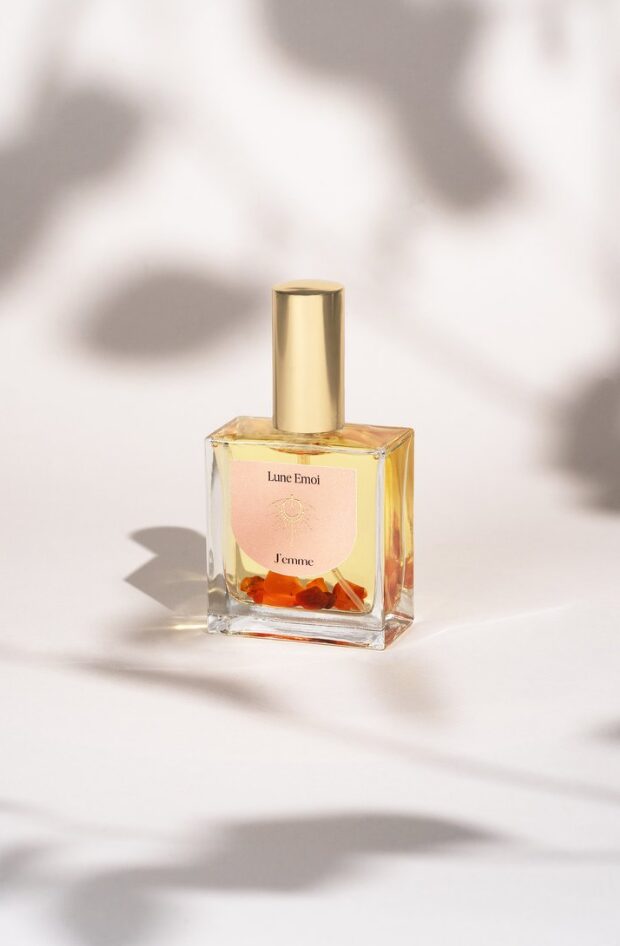
Anosmia is much more than a simple sensory deficit. It profoundly impacts quality of life, self-perception and social interactions. Thanks to scientific advances and technological innovations, the hope of more effective care is on the horizon.
In the meantime, raising awareness remains essential to better understand this condition and offer solutions suited to anosmic people, whether in their daily lives or through more inclusive initiatives in the world of perfumery and gastronomy.
Perfumery, an art rooted in dreams and imagination, has long drawn inspiration from mythology to infuse its creations with grandeur and mystery. Ancient gods and goddesses—symbols of strength, beauty, and seduction—continue to captivate our imagination centuries later. Since the 1980s, these mythological references have evolved alongside changing cultural trends and perceptions. Let us revisit this olfactory journey, where Antiquity meets the present to continually reinvent the timeless beauty of fragrance.
Since ancient times, perfume has been associated with the sacred. It was used in religious rituals to honor the gods, seek their favor, and mark solemn occasions. This connection between fragrance and divinity still exists today, although it has taken on a more artistic and narrative dimension. Contemporary perfumers draw on the richness of classical mythology to reinterpret legendary figures such as Achilles, the invincible hero, or Aphrodite, the goddess of beauty, through fragrances that celebrate their mystical aura, sensuality, and timeless appeal.

These perfumes offer far more than a pleasant scent—they create emotional experiences. Through sophisticated and evocative accords, they invite fragrance lovers to identify with legendary characters or immerse themselves in imaginary worlds where the power of gods and the splendor of goddesses intertwine with the personal pursuit of identity and beauty.
The Ancient Gods: The Birth of the Masculine Myth
During the 1980s, ancient gods and heroes became iconic symbols of the masculine ideal in perfumery. Fragrances inspired by mythology reflected an image of men as strong, fearless conquerors, embodying triumphant masculinity. Their names alone reinforced the association between fragrance and divine power, transforming every bottle into an ode to heroism and virility.
One of the earliest and most influential examples is Kouros by Yves Saint Laurent, launched in 1981. Inspired by the marble statues of idealized young men from Ancient Greece, Kouros stood out thanks to its bold composition. Its animalic, musky, and chypre notes portrayed a confident man who was both untamed and sculptural—almost timeless. More than simply a fragrance, Kouros became a tribute to classical aesthetics, where physical strength and elegance exist in perfect harmony.
That same year, Antaeus by Chanel drew inspiration from another powerful myth. Antaeus, the son of Gaia (Mother Earth), was an invincible giant whose strength depended on remaining in contact with the ground. The fragrance captures this fascinating duality of overwhelming power and underlying vulnerability through its leathery, chypre composition, dark, sophisticated, and deeply intriguing. Rather than merely glorifying masculinity, Antaeus tells the story of strength rooted in the earth while constantly striving for transcendence.
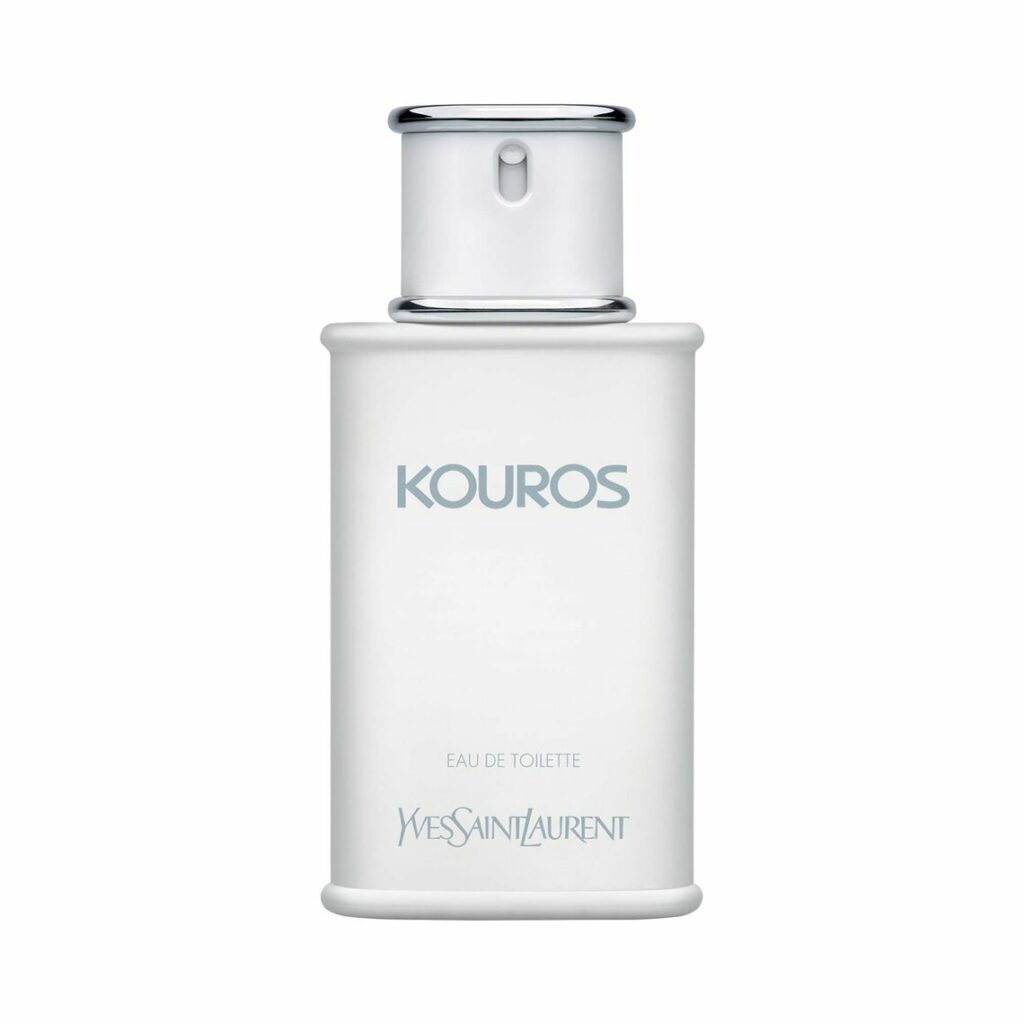
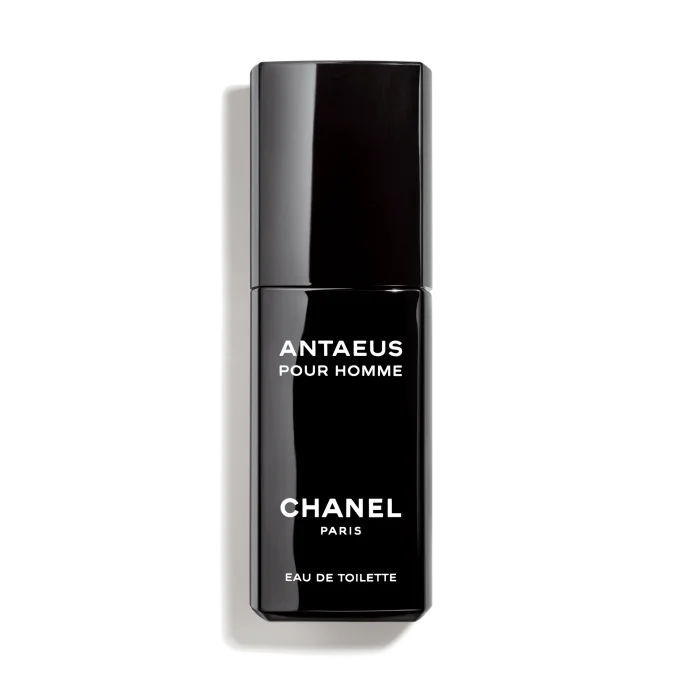
A few years later, in 1986, Givenchy introduced Xeryus, inspired by the Persian king Xerxes, whose legendary reputation lent the fragrance a mythical dimension. Combining aromatic, woody, and spicy notes, Xeryus embodied an elegant yet commanding masculinity. It was created for leaders—men who sought to master their world without sacrificing refinement.
These mythologically inspired fragrances of the 1980s appealed to more than luxury consumers. They reflected a broader cultural vision of masculinity that celebrated virility, endurance, and authority. Ancient gods, symbols of power and domination, offered a compelling visual and emotional language that translated contemporary masculine aspirations into olfactory form. Dominated by leather, chypre, and aromatic accords, these fragrances became more than accessories—they represented an ideal, elevating everyday life toward heroic immortality.
This fascination with male deities would not disappear, but it would gradually evolve. While these early creations emphasized strength and domination, the following decades would explore more nuanced emotions, incorporating sensitivity, seduction, and even feminine influences, ultimately redefining mythology’s place in modern perfumery.
The 2000s: A New Era of Seduction and Lightness
At the turn of the millennium, mythology-inspired perfumery underwent a significant transformation. While the 1980s celebrated heroic masculinity through bold, commanding fragrances, the 2000s embraced lighter, more seductive, and sometimes playful interpretations. Ancient gods and goddesses, once symbols of raw power, became embodiments of desire, attraction, and emotion, appealing to a new generation seeking modernity and accessibility.
One of the defining fragrances of this new era is Eros by Versace, launched in 2012. Inspired by the Greek god of love and passion, the fragrance celebrates unapologetic sensuality. Fresh mint and crisp green apple blend seamlessly with an oriental base of tonka bean and vanilla. The message is unmistakable: Eros represents a magnetic, seductive man whose true strength lies in his ability to captivate. This is no austere mythological hero, but a confident modern man who embraces the power of attraction.

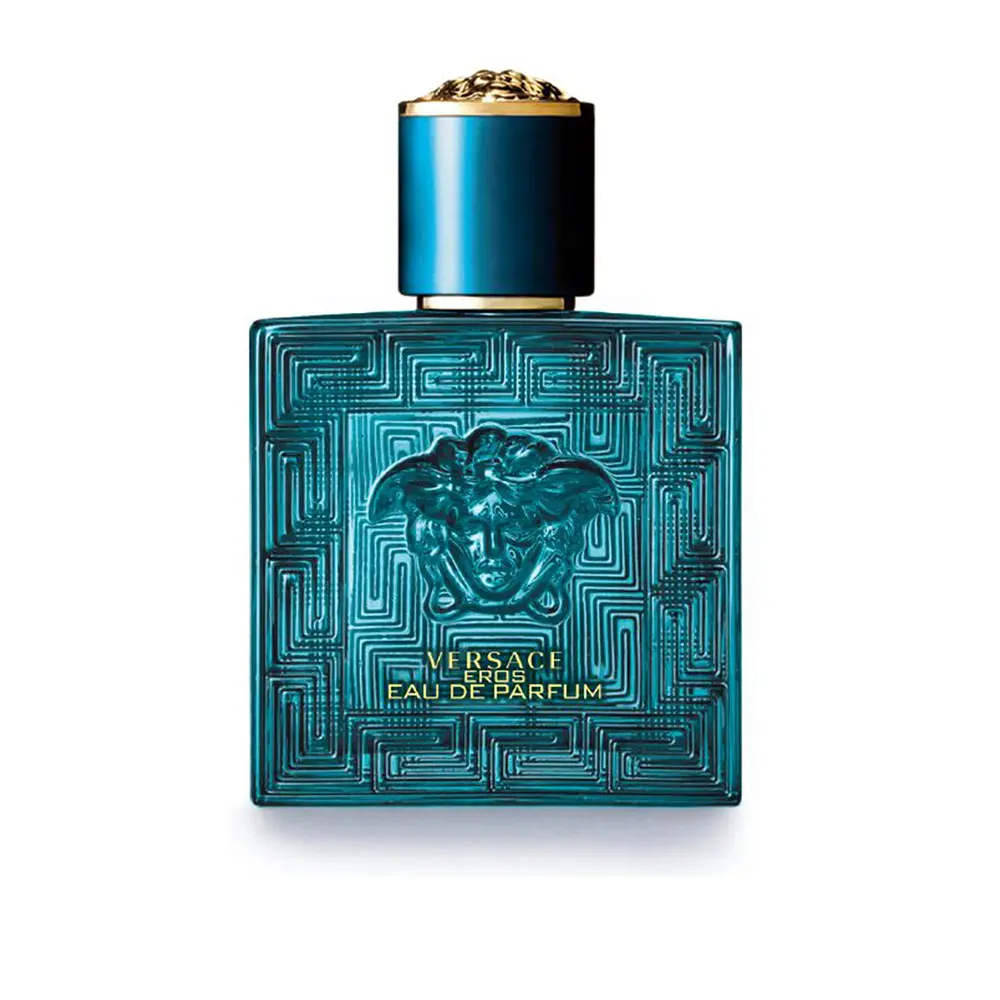
A similar reinterpretation appears in Invictus by Paco Rabanne, released in 2013. Here, the invincible hero of antiquity is reimagined for the twenty-first century. Invictus is no distant deity but an athlete—a contemporary hero. Aquatic notes evoke the salty skin of a champion in the midst of competition, while aromatic bay leaf, the ancient symbol of victory, combines with woody accords to express the exhilaration of immediate success. Mythology becomes a celebration of modern values such as self-achievement, resilience, and personal victory.
This evolution also marked a break from the traditional codes of mythological perfumery. Heavy, opulent compositions built around leather, resins, and rich chypre accords gave way to brighter, fresher, and more luminous creations. Perfumers sought to captivate a younger audience with fragrances that balanced freshness and sensuality. Mythological gods and heroes were no longer untouchable figures frozen in antiquity—they became relatable symbols reflecting contemporary aspirations.
This renewed emphasis on seduction also mirrored broader cultural changes. Luxury was increasingly associated not only with prestige but also with pleasure, spontaneity, and self-expression. Even the bottles reflected this shift. The monumental, architectural designs of the 1980s were replaced by more dynamic creations, such as Invictus’ trophy-shaped bottle or the sculptural sensuality of the Eros flacon.
Beyond men’s fragrances, this softer and more seductive interpretation also found its way into women’s perfumery. The 2000s laid the foundations for creations such as Olympéa by Paco Rabanne, Gaultier Divine by Jean Paul Gaultier, and Goddess by Burberry, where divine femininity would emerge in an entirely new light.
Ultimately, the 2000s redefined mythology in perfumery by making it more inclusive, approachable, and emotionally engaging. Gods were no longer mere symbols of authority and domination; they became storytellers capable of expressing personal emotions and aspirations. Mythology ceased to be a distant legend and instead became a mirror in which everyone could recognize themselves.
The Rise of the Goddesses: Divine Femininity Takes Center Stage
For many years, mythological references in perfumery focused primarily on male figures, celebrating strength, conquest, and power. Over time, however, a shift emerged: women claimed their place in the olfactory pantheon. The rise of goddesses in fragrance marks a turning point in which femininity is celebrated in all its forms—sensual, sovereign, mysterious, and empowering. Fragrances are no longer simply tributes to heroic male figures; they have become symbols of confidence and self-expression for modern women.
One of the most striking examples of this movement is Olympéa by Paco Rabanne, launched in 2015. Inspired by Mount Olympus, the fragrance imagines a contemporary goddess—a woman who is both powerful and sensual, radiating irresistible magnetism. Its composition contrasts the salty freshness of salted vanilla with warm, enveloping vanilla notes. Olympéa does not celebrate passive femininity; instead, it portrays a determined woman capable of ruling the modern world while remaining deeply sensual and playfully seductive.
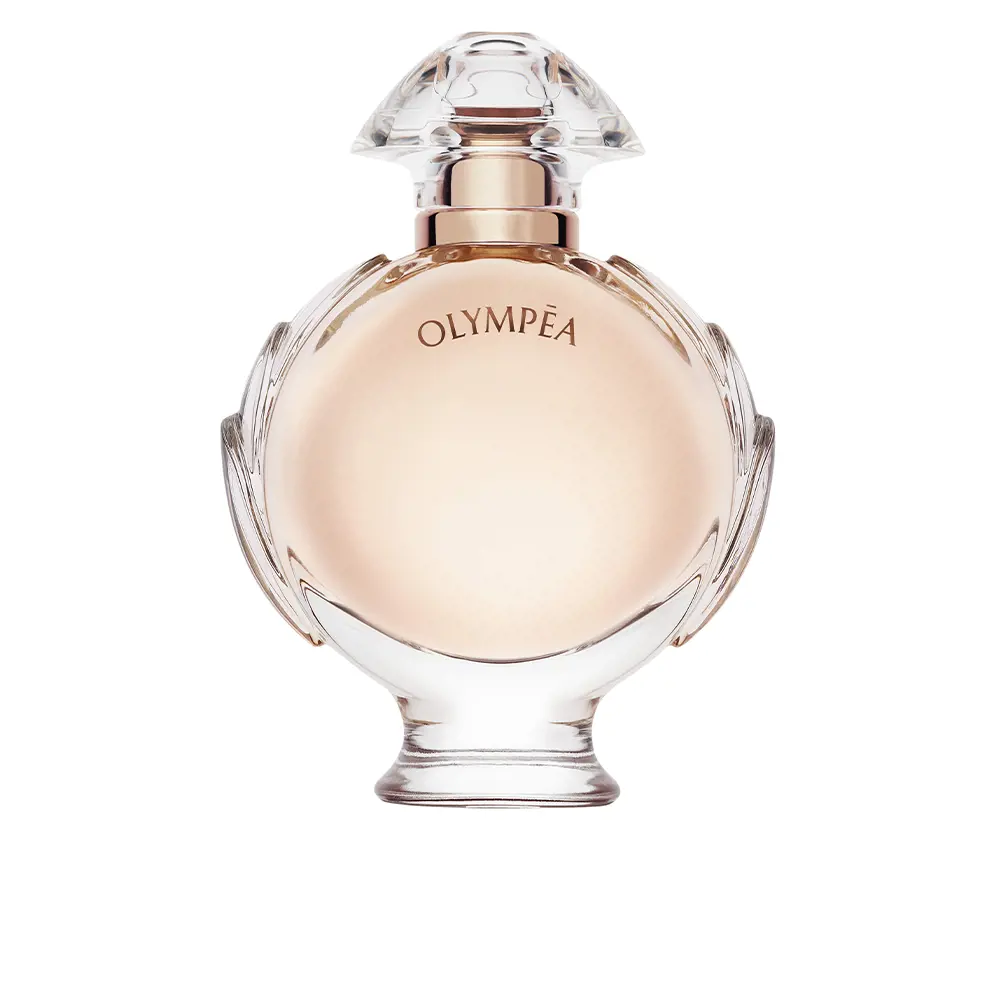
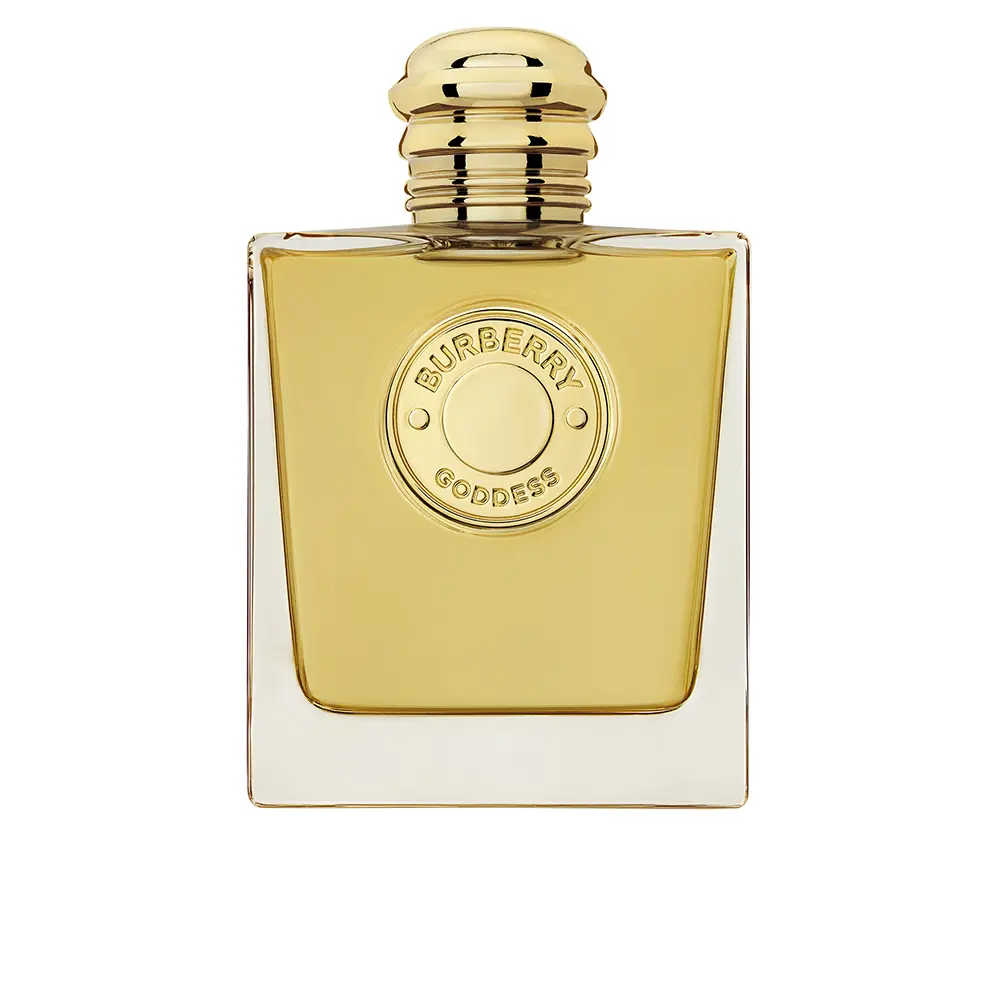
More recently, Goddess by Burberry (2023) introduced a softer, more universal interpretation of feminine divinity. Blending creamy vanilla with delicate white flowers and subtle woody notes, it speaks to women who find their strength in serenity. Rather than emphasizing the grandiosity traditionally associated with ancient goddesses, Goddess reflects the aspirations of today’s woman—self-assured, grounded, and quietly powerful.
The newest addition to this divine lineage is Venus by Nina Ricci, inspired by the Roman goddess of love and beauty. Conceived as an ode to self-love, the fragrance encourages women to embrace themselves fully and shine with confidence. This luminous floral chypre composition showcases magnolia, enriched by addictive vanilla and wrapped in soft white patchouli.
Interestingly, the same Venus also adorned the 2024 Christmas collector’s edition of Gaultier Divine by Jean Paul Gaultier, confirming that the goddess of love is very much in vogue within the Puig fragrance portfolio.
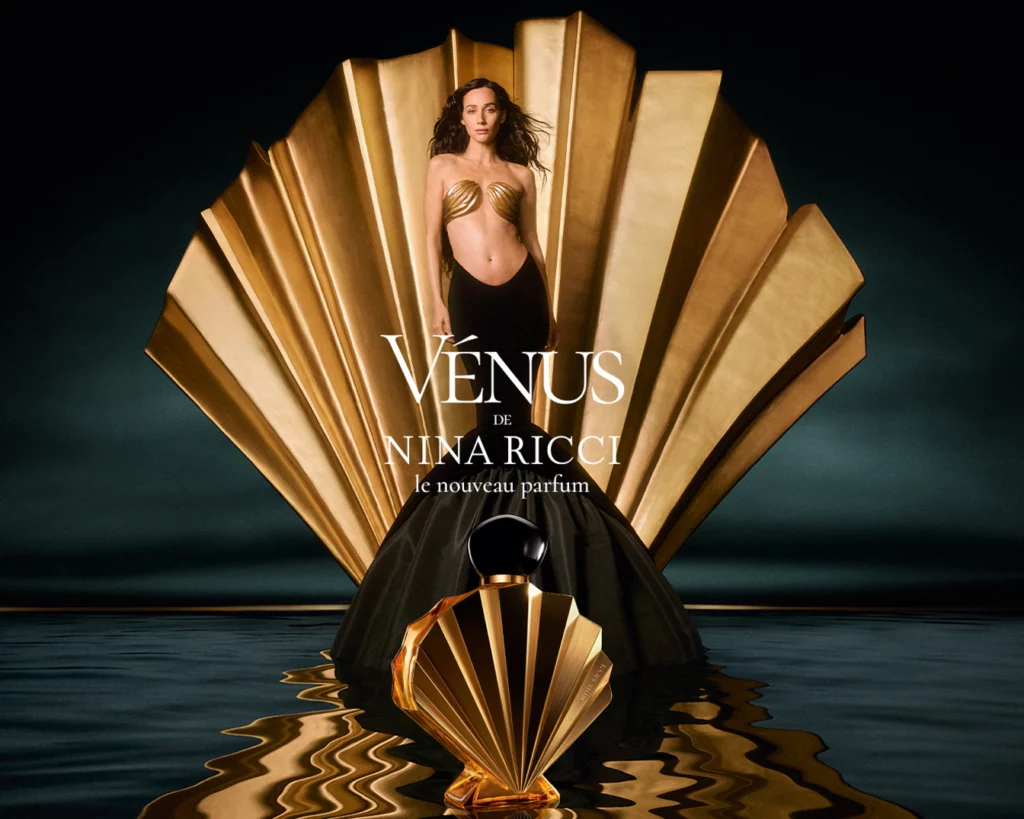
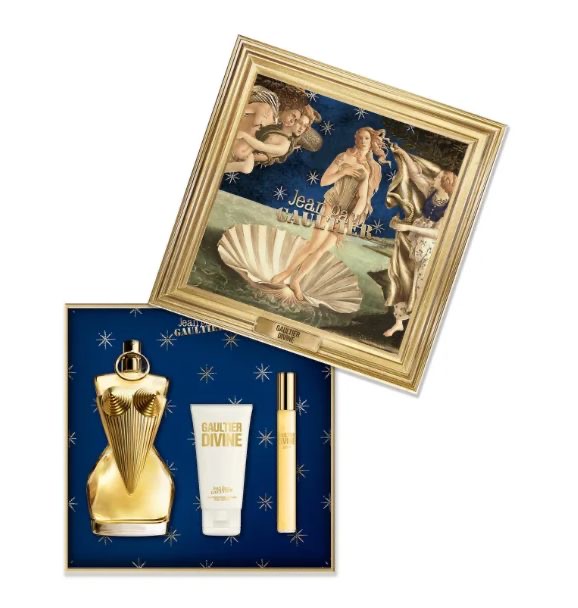
Yet the celebration of divine femininity is far from a recent invention. As early as 1930, Jean Patou introduced Divine, a floral fragrance paying tribute to feminine beauty and majesty. In 1939, Lancôme launched Danaé, inspired by the Greek princess seduced by Zeus. While visionary for their time, these fragrances remained isolated examples in a market still largely dominated by masculine symbolism. Only decades later would perfumery fully embrace and reinterpret the concept of the divine feminine.
A Reflection of Modern Womanhood
This growing prominence of goddesses also mirrors profound social change. Modern women increasingly assert their independence, strength, and freedom, and perfumery has evolved alongside them. Today’s goddesses are no longer distant, idealized muses—they embody real women, with their strengths, vulnerabilities, ambitions, and complexity.
Each fragrance becomes an expression of this multifaceted femininity, inviting women to dream, identify with, or empower themselves through scent.
By restoring goddesses to the center of olfactory storytelling, perfumery has opened a new chapter in which divinity is no longer synonymous with unattainable perfection but instead reflects deeply human aspirations. These goddesses no longer remain on Mount Olympus—they walk among us, carrying messages of love, resilience, confidence, and personal fulfillment. Through every bottle, modern women are invited to reconnect with their own inner greatness, ready to conquer their world one spray at a time.
Contemporary Interpretations: Between Heritage and Modernity
Today, niche perfumery has also embraced mythology, often through more poetic, artistic, and abstract interpretations.
At Parfums de Marly, Athalia pays tribute to a strong yet enigmatic heroine through an elegant blend of powdery iris, amber, and musk. Far removed from conventional representations, the fragrance evokes a mysterious goddess existing somewhere between shadow and light.
With Orphéon, Diptyque draws inspiration from the legend of Orpheus and his lyre but reimagines the myth in an intimate, urban setting. Cedarwood, juniper berry, soft powdery facets, and almond-like tonka bean recreate the warm atmosphere of literary cafés, where the divine and the everyday subtly intersect.
Meanwhile, the London-based house Electimuss looks to Ancient Rome and its extraordinary fascination with perfume. Its luxurious collection celebrates the Romans’ relentless pursuit of the world’s finest raw materials, reviving the rich rituals, stories, and olfactory traditions of an empire whose influence still resonates today.
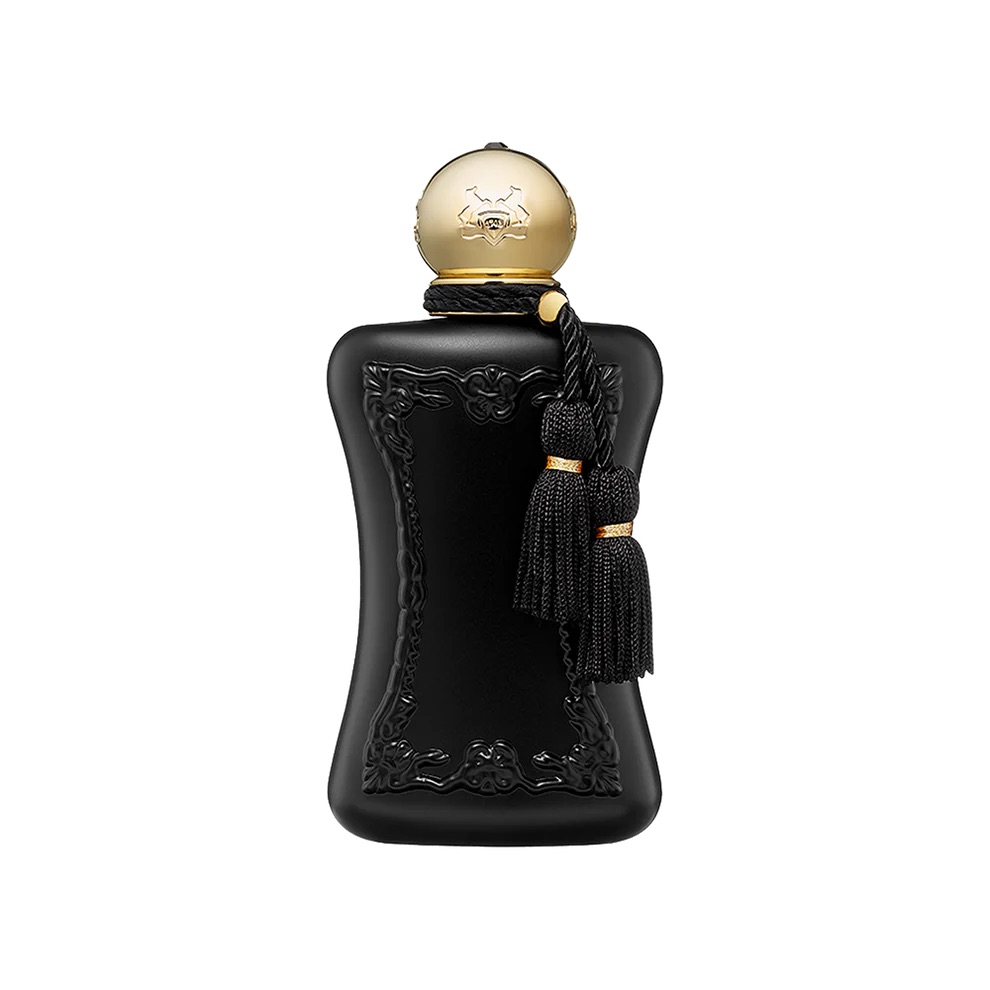
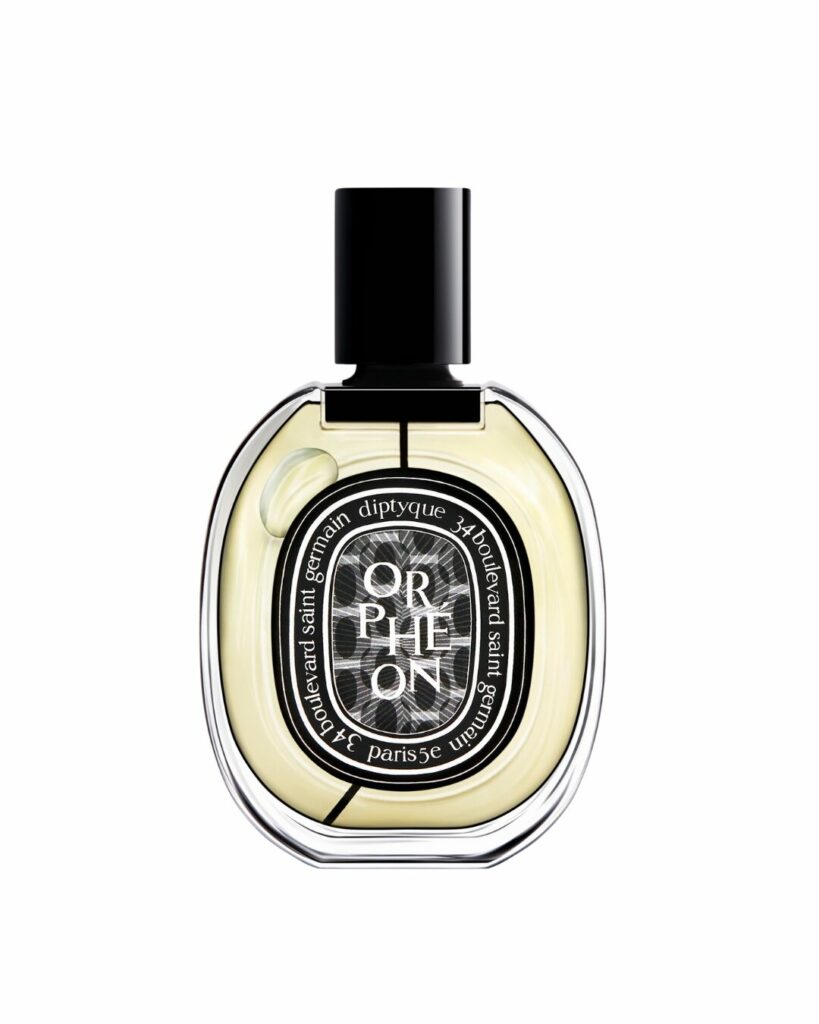
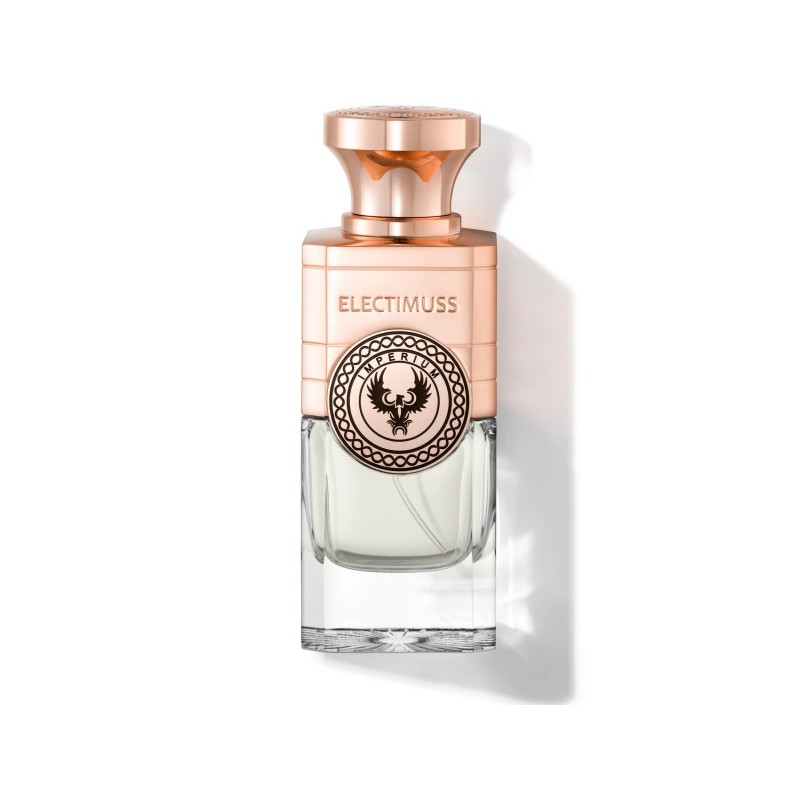
A Lasting Trend: Reinventing the Myth
The enduring fascination with ancient gods and goddesses reflects a universal desire for transcendence and escapism. These timeless mythological figures provide perfumers with an inexhaustible source of inspiration, allowing them to reinterpret ideas of power, sensuality, and elegance through fragrances that resonate with contemporary values.
While the late twentieth century largely celebrated heroic masculine archetypes, the twenty-first century has increasingly embraced sovereign femininity. Beyond questions of gender, however, mythology offers a universal language in which every fragrance becomes a gateway to a unique olfactory pantheon.
Ancient gods and goddesses represent far more than a simple fascination with classical mythology. They embody humanity’s enduring search for power, beauty, seduction, and self-transcendence. From the heroic masculine creations of the 1980s to today’s flourishing celebration of divine femininity, each era has reinterpreted these timeless stories to reflect its own ideals and aspirations.
Modern perfumery continues to reinvent these myths, creating fragrances that invite us to embody our own greatness. Whether you see yourself as a hero or a goddess, perfume becomes a bridge between the ancient world and contemporary emotion—a promise of escape, self-discovery, and empowerment.
When winter sets in and the thermometer plunges, an intriguing phenomenon occurs: smells seem to vanish, leaving an almost palpable olfactory void. This sensation is more than a mere impression: it originates in well-understood physical and biological processes. Odorant molecules, responsible for the diffusion of smells, depend on heat to evaporate and disperse into the air. Cold, however, reduces the energy of these molecules, limiting their ability to reach our nose. This molecular inertia explains why the scents of forests, flowers or soil become scarce in cold weather.

Smell in Winter: A Sense on Standby 👃🏼
In winter, our olfactory faculties are put to a severe test by specific environmental and physiological conditions. Although the sense of smell remains functional, its efficiency drops noticeably for several reasons.
The Volatility of Odorant Molecules
Smell relies on the perception of volatile molecules present in the air. These molecules are released and dispersed thanks to thermal energy, so heat is indispensable. When temperatures drop, the volatility of the molecules decreases: they evaporate less readily, and their concentration in the air becomes insufficient to stimulate our olfactory receptors. For example, a bouquet of flowers left in a cold room will give off little scent compared to a warmer environment.
The Impact of Cold, Dry Air on the Nasal Mucous Membranes
In winter, the air is often dry owing to the fall in temperatures and to indoor heating. This dry air directly affects our nasal mucous membranes, which play a key role in the perception of smells. These mucous membranes, located in the nasal cavities, contain a thin layer of mucus that captures odorant molecules and carries them to the olfactory receptors. When the air is cold and dry, this layer of mucus dries out, thereby limiting its ability to “trap” odorant molecules.
Moreover, cold causes vasoconstriction—that is, a narrowing of the blood vessels in the nose. This phenomenon reduces the blood supply to the mucous membranes and slows their functioning, making the sense of smell less effective.
Human Physiology in the Face of Cold
The human body prioritises thermal regulation in winter, concentrating its efforts on vital functions. Blood circulation is redirected towards the internal organs to maintain body temperature, at the expense of the extremities, including the nose. This phenomenon can reduce olfactory sensitivity even further.
Raw Materials to Evoke Cold 🥶
Perfumery possesses a sophisticated olfactory language that allows it to translate physical sensations and landscapes into fragrances. When the aim is to recreate cold, perfumers choose raw materials capable of conveying a glacial freshness or a sensation of crystalline purity. These ingredients, both natural and synthetic, evoke the bite of the winter wind, the brilliance of snow or the transparency of icy air.
Menthol and Peppermint: Intense Freshness
Menthol, derived from peppermint, is emblematic of cold sensations in perfumery. This molecule, used in small doses, provides an immediate and striking freshness, almost anaesthetising, evoking the bite of frost on the skin. Peppermint, for its part, adds an aromatic and slightly camphoraceous facet, reinforcing the impression of an icy breath. These raw materials are often used in fresh or aromatic perfumes to amplify the frosted effect.
Camphor: Biting Freshness
Camphor, obtained from the camphor tree, is a natural raw material with resinous and medicinal facets. Its penetrating, slightly pungent smell recalls the pure air of snow-covered mountains or high-altitude forests in winter. In perfumery, it is often used to bring a polar, almost medicinal dimension to compositions that seek to capture the essence of cold.
Eucalyptus: An Invigorating Breath
Eucalyptus notes, with their aromatic freshness and pungent vivacity, are ideal for recreating the atmosphere of a harsh winter. Their airy facet evokes cold winds sweeping through coniferous forests. Eucalyptus is often paired with woody and resinous notes to reinforce the impression of frosted nature.

Aldehydic Notes: Snow Crystals
Aldehydes hold a central place in the olfactory evocation of cold and freshness. These synthetic molecules are famous for their metallic, airy and slightly soapy facets. Their particular brilliance recalls the bright, immaculate sparkle of snowflakes. Popularised by Ernest Beaux in Chanel No. 5, aldehydes continue to be a favoured tool for building cold, elegant and crystalline accords. Legend has it that Ernest Beaux had been posted to Siberia beyond the Arctic Circle, and that with aldehydes he wished to render the icy sensation of those vast, immaculate landscapes and the smell of frozen lakes and rivers.
Frosted and Icy Accords: The Alchemy of Sensations
Frosted accords, which simulate the freshness of ice or frost, are often built by combining several families of ingredients. Aldehydes are paired with crystalline musks to bring a sensation of purity. Aquatic or ozonic notes, recalling cold, damp air, are added to give an impression of glacial transparency. Sometimes, touches of menthol, mint or citrus come to reinforce the frosted effect, heightening the illusion of an icy breath.
Aromatic Notes: Snow-Covered Nature
Certain aromatic plants, such as rosemary, sage or coriander—rich in aldehydes—are used to evoke snowy landscapes or wintry forests. Their lively freshness, combined with woody or resinous pine nuances, reinforces the impression of a natural setting frozen in the cold.

Iris: Powdery Coldness
Iris is a flower often used for its absolute or its butter, which confer a powdery, elegant texture. This note has a slightly metallic and rooty aspect, recalling immaculate snow or a muffled cold. Iris is often combined with musks or aldehydes to accentuate this impression of cold purity.
Frosted Rose: A Subtle Freshness
Certain varieties of rose, such as the May rose or the Damascena rose, possess aqueous, petalled facets that can be worked to evoke a cold sensation. Paired with aldehydes or musks, the rose can be transformed into a luminous, glacial element, suggesting a frosted rose in the heart of winter.
Edelweiss: A Mountain Icon
Edelweiss, although rarely used in perfumery owing to its low natural olfactory yield, is often reconstituted to symbolise snowy alpine landscapes. Its soft, powdery and slightly herbaceous facets evoke the purity and cold of the peaks.
These flowers are not enough on their own to recreate cold, but they bring nuances of freshness, purity or clarity that enrich frosted accords. By combining them with raw materials such as menthol, aldehydes or ozonic notes, perfumers can sublimate their glacial potential and offer sophisticated, evocative creations.
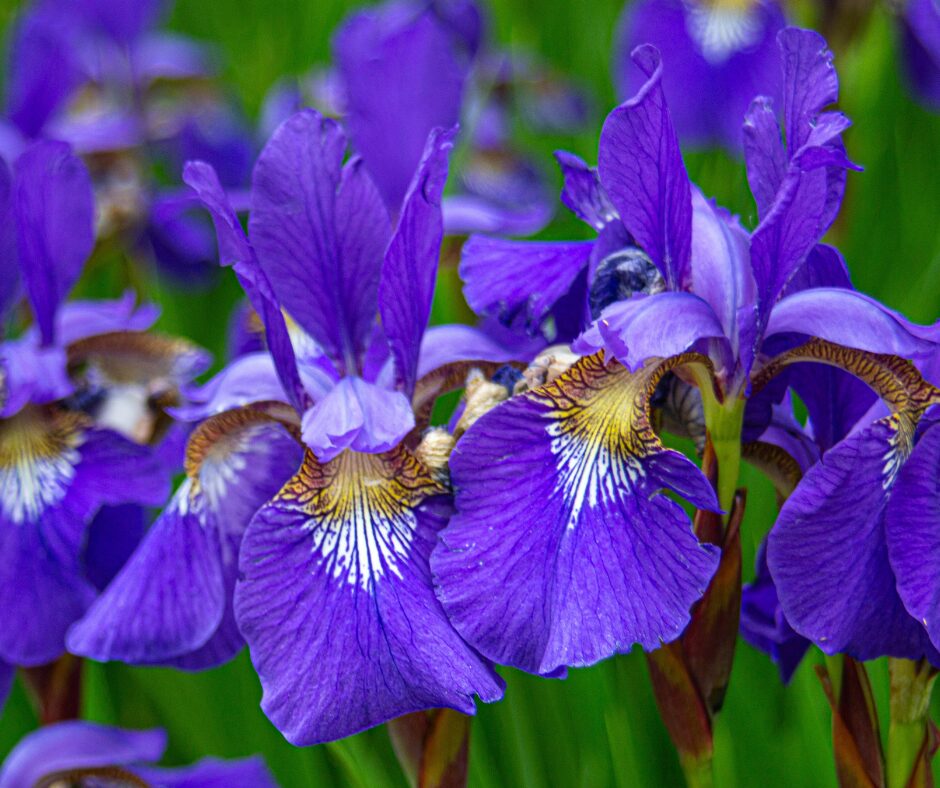
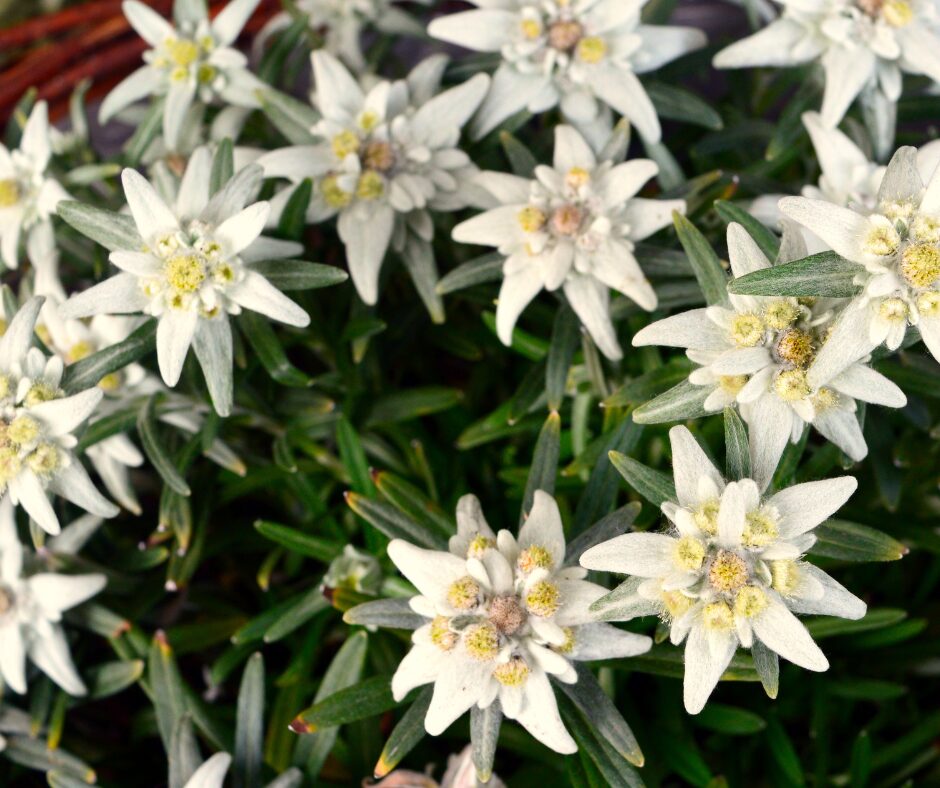
Iconic Perfumes That Embody Cold 🥶
Certain olfactory creations stand out for their ability to translate winter into a unique sensory experience. These perfumes, often built around raw materials evoking purity, freshness or glacial light, capture the essence of cold and its many facets.
Le Flocon by Johann K., by Isabelle Larignon
An olfactory caress that evokes the delicacy of a snowflake settling gently on the hand. The crystalline freshness of lemon and cyclamen unfolds in an airy heart of ozone and mint notes, subtly softened by mimosa. The base, dominated by white musk, prolongs this sensation of delicate purity. Le Flocon by Johann K. is an evanescent poem, an ode to the fragile, soothing beauty of winter.
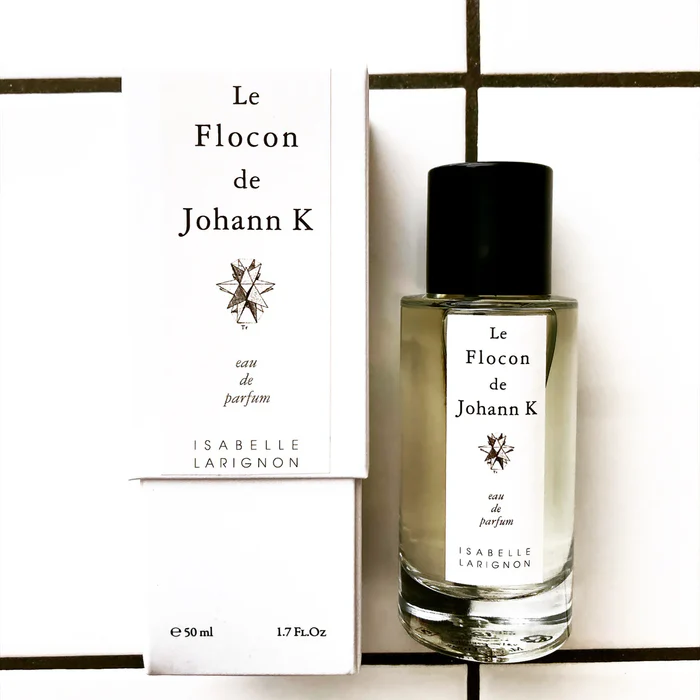
Neiges by Lise Watier
A true Canadian classic, Neiges was created by C. Benaïm. A delicate tribute to winter, in which the lightness of lily of the valley and hyacinth intertwines with the floral elegance of jasmine and rose. At the heart, magnolia brings a luminous softness, while orange blossom adds a subtly solar nuance. The base, enveloping with musk and sandalwood, prolongs this crystalline purity.
Mont Cristal by Poecile
Mont Cristal, created by P. Revillard, is an interpretation of the bright, cold light of the snow-covered mountain. Its ozonic accord and its notes evoking freshly fallen snow emphasise an underlying floral greenness. Edelweiss and iris bring an impression of immaculate powder, while enveloping musks convey the softness of a snowy landscape where a soothing silence reigns. This perfume is a true ode to cold, an invitation to the serenity and fullness of the wintry peaks.
L’Eau Froide by Serge Lutens
Where other perfumes suggest a soft, luminous snow, L’Eau Froide, created by C. Sheldrake, imposes a raw cold, sharp as an icy gust. Incense, usually warm, becomes here crystalline and cutting, almost metallic. Its dry, camphoraceous breath, accentuated by cold resins, evokes a biting purity. No comfort, no warmth: just the bite of frozen air, freezing everything in its path. A radical interpretation of cold, between austerity and brilliance.
L’Eau d’Hiver by Frédéric Malle
L’Eau d’Hiver reinvents cold as a cottony, comforting caress. All lightness, this perfume plays on a soft, powdery freshness in which heliotrope and musk blend with luminous, airy accents. More than a biting cold, it evokes the diffuse light of a winter morning, enveloping and soothing. An intimate, elegant vision of the cold season, signed by Jean-Claude Ellena.
These iconic perfumes transcend the limits of the season to make winter a captivating olfactory canvas. They render the sensation of cold, at once biting and soothing, testifying to perfumery’s power to play with emotions and memories. They prove that winter, far from freezing our sense of smell, can on the contrary stimulate our imagination.
A Sense on Standby, but Not Extinguished
When winter sets in, the sense of smell seems to pause, odorant molecules becoming more discreet under the effect of the cold. In perfumery, this transformation becomes a fascinating field of exploration, where raw materials and frosted accords transcribe coldness in all its nuances: brutal and biting, cottony and muffled, crystalline and airy.
But cold, far from being an end in itself, also opens the way to a rediscovery of smells, as if the wintry silence were teaching us to listen more closely to our nose. Perhaps, in this pause imposed by nature, there lies an invitation to perceive differently, to feel what ordinarily escapes us. And what if, instead of enduring the cold, we learned to tame it, to breathe it in fully?
Thanksgiving, the iconic autumn holiday, is much more than a family meal. It is a celebration of the senses, where scents play a central role. From the indulgent notes of traditional desserts to smoky accords evoking a crackling fireplace, and the freshness of seasonal fruits, Thanksgiving offers a rich and diverse olfactory inspiration. A sensory journey into this warm and festive celebration, steeped in enduring tradition. Let’s explore the scents associated with this beloved holiday from across the Atlantic.

Thanksgiving: A Celebration of Gratitude and Togetherness
Thanksgiving, celebrated in the United States on the fourth Thursday of November and in Canada in October, has its roots in early harvests and the cooperation between settlers and Indigenous peoples. Symbolizing gratitude and sharing, this holiday gathers families around a bountiful meal featuring emblematic dishes like roast turkey, sweet potatoes, and pumpkin pies.
Beyond the meal, Thanksgiving embodies warmth and comfort. Homes are adorned with autumnal decorations, fireplaces crackle, and the atmosphere around the table is convivial. It is a time to slow down, reconnect with loved ones, and savor simple pleasures. Through its flavors and traditions, Thanksgiving also inspires the world of perfumery, seeking to recreate this unique ambiance in evocative olfactory creations.
The Scents of Thanksgiving
Eucalyptus and Fireplace Aromas
Thanksgiving begins the moment guests arrive, greeted by a blend of natural and warm aromas.
Eucalyptus bouquets, often used as table decorations, lend a green and resinous freshness. This aromatic facet also resonates in perfumes with woody or herbal accents, balancing the richness of gourmand notes.
Complementing this is the comforting scent of a crackling fireplace, captured in perfumery through smoky and woody accords. These notes evoke the raw intensity of burning wood—a quintessential autumn evening experience.

The Smell of Wood
The essence of a fireplace relies on raw materials that convey the distinctive scent of burnt wood. Cedar, guaiac, or birch notes are ideal for a realistic and evocative smoky facet.
Cedar: Its dry and resinous nuances evoke logs crackling in the hearth.
Guaiac: Slightly milky and smoky, it adds a soft, enveloping warmth.
Burnt birch: Burnt birch, often used in small amounts, adds a distinctive intensity to woody accords, evoking the raw sensation of a freshly lit fire.
Sandalwood: Creamy and comforting, it softens smoky accords and extends their warmth on skin.
Vetiver: With its earthy dryness, it adds an autumnal forest touch.
Cedar and vetiver, drier and earthier, can be incorporated as a subtle nod to autumn and the forest. These well-balanced woods provide structure to the fragrance, delivering a sense of comfort without excess.
In perfumery, these accords translate the universal emotions of safety and serenity one feels surrounded by family in a cozy setting. Their intensity, though pronounced, is never overwhelming, wrapping the wearer like a warm blanket on a chilly fall evening.
Notable Fragrances:
Maison Margiela – Replica By the Fireplace: A blend of vanilla, roasted chestnuts, and clove, reminiscent of sweet pies and caramelized sweet potatoes.
La Manufacture Parfums – Bois de Feu: Smoky cade wood and oud intertwine with incense, benzoin, and vanilla, echoing a timeless fireplace warmth.
Diptyque – Feu de Bois Candle: Captures dense, smoky notes of slowly burning logs, conjuring moments of cozy fireside chats.
The Aromas of Food and Desserts
The olfactory richness of Thanksgiving continues with the aromas wafting from the kitchen, each dish telling its own story.
Roast Turkey
The centerpiece of the meal, roast turkey, fills the home with rich and savory aromas.

In perfumery, culinary inspirations appear in bold creations like :
Versatile Parfums – La Foncedalle : featuring grilled chicken notes that reimagine savory accords evocative of crispy turkey skin.
The Spices: the olfactory signature of Thanksgiving
Thanksgiving wouldn’t be complete without its signature spicy aromas. Cinnamon, nutmeg, clove, and ginger are the stars of the holiday, associated with warmth and comfort. These powerful notes bring depth and a sense of coziness, reminiscent of seasonal pies and hot drinks.
Notable Spiced Fragrances:
Diptyque – Eau Duelle: A gentle vanilla accented with ginger and pepper, evoking the warmth of spiced eggnog.
Hermès – Ambre Narguilé: Cinnamon, honey, and candied fruits recreate the ambiance of spiced drinks and desserts.
Serge Lutens – Ambre Sultan: Perfect for fans of amber and spice, it captures the essence of Thanksgiving’s festive spice blends.
Sweet Potatoes, Yams and Spiced Pumpkin
Sweet potatoe mash, yams topped with marshmallow, and pumpkin dishes, staples of Thanksgiving, bring sweet and spicy aromas.
Notable Gourmand Fragrances:
Officine universelle Bully- Eau Triple Caribbean sweet potato and afghan carrot: Blending the sunny sweetness of carrot with the spicy accents of sweet potato, warmed by the woody and gourmand notes of vetiver.
By Killian – Love, Don’t Be Shy: With marshmallow, orange blossom, and vanilla, it’s a nod to the sweet nostalgia of marshmallow-topped sweet potatoes.
Parlez-moi de Parfum – Guimauve de Noël: An olfactory ode to melting marshmallow.
Fruity Nuances in Complex Compositions
Fruits play a key role in the overall structure of fragrances inspired by Thanksgiving. They bring essential brightness to the top notes, contrasting with the heavier, enveloping bases of woods or resins. This contrast creates balanced compositions, where the energy of the fruits complements the richness of autumnal accords.
Perfumers often use fruits as a connecting thread, linking the various facets of a fragrance. For instance, a cranberry top note can transition into a floral and spicy heart before settling into a woody and amber base. This olfactory progression mirrors the evolution of a Thanksgiving meal, with its flavors blending harmoniously.

Cranberries and Tangy Berries
Cranberries, a key Thanksgiving ingredient. The traditionnal cranberry gravy that accompanies the turkey adds a tangy twist to the meal.
In perfumery, their acidic brightness is recreated with red berry accords, bringing a vibrant freshness to compositions. Perfumers draw inspiration from their vibrancy to infuse their creations with a sparkling and juicy freshness.
Red berry accords, such as raspberry or redcurrant, share the same energy as cranberry: a blend of tartness and sweetness that awakens the senses. These light and luminous notes are often featured in top notes, offering a joyful and vibrant first impression, perfectly capturing the lively spirit of this celebration.
Notable Berry-Inspired Fragrances:
Ralph Lauren – Polo Red: Evokes crisp cranberries on an amber-woody base.
Givenchy – Ange ou Démon Le Secret: Cranberries add a mischievous and seductive touch to this floral scent.
Demeter Fragrance Library – Cranberry: the bright, tangy aroma of ripe berries, unsweetened, inspired by the autumn landscapes of New England.
Autumn Fruits
Autumn fruits, such as apples and pears, play a central role in the Thanksgiving imagination.
Often caramelized or roasted in traditional dishes, these fruits are translated into perfumery through gourmand and rounded accords.
The apple is the star of apple cider, the warm drink enjoyed during Thanksgiving. It can be captured in fragrance with notes that are both sweet and rounded, evoking a nostalgic sensation.

Nina Ricci – Nina: Apple, lemon, and white floral accords create a soft and sweet scent reminiscent of candy apples.
By Killian – Apple Brandy on the Rocks: Liqueur-like notes of apple brandy are enhanced with a unique icy touch atop a refined woody base. The perfect cocktail for a festive and sophisticated atmosphere.
Nobile 1942 – La Danza delle Libellule: Combines notes of apple, cinnamon, and vanilla to offer a soft, spicy fragrance reminiscent of apple pastries.
Freshly Baked Bread and Biscuits
The aroma of freshly baked bread and homemade biscuits enhances Thanksgiving’s cozy atmosphere.

Serge Lutens – Jeux de peau: Inspired by bakery memories, this fragrance combines notes of milk, wheat, and vanilla, reminiscent of fresh bread and golden biscuits.
L’artisan Parfumeur- Bois Farine: Blends dried fruits, floury notes, and creamy woods for a signature reminiscent of warm bread.
Scents of Wood – Bread in Chesnut: Combines the buttery creamy facets of Sandalwood, with the toasted warmth of Bran absolute and almond tonalities of Tonka Bean.
Prada – Infusion d’Amande: Almond and heliotrope notes recall homemade cookies.
L’Artisan Parfumeur – Noir Exquis: Coffee, maple, and candied chestnuts capture the essence of autumn treats.
The Sweetness of Thanksgiving Desserts
One of the most defining elements of Thanksgiving is the aroma of sweet desserts fresh out of the oven. Pumpkin pies, pecan pies, and apple pies fill the air with rich, indulgent scents. In perfumery, these aromas are often translated into accords of vanilla, caramel, and brown sugar. Vanilla, both soft and creamy, acts as a universal comforting note, instantly evoking childhood memories and moments shared with family.
These aromas are perfectly captured in creations like:
État Libre d’Orange – Like This, which embraces the spiced sweetness of pumpkin with notes of ginger and immortelle, paired with the flavors of a pumpkin latte.
Tom Ford – Tobacco Vanille, beautifully recreates the aroma of roasted nuts with its warm, spicy, and enveloping nuances.
Maison Violet – Pour rêver, featuring smoky and frosted chestnut notes wrapped in vanilla, reminiscent of warm seasonal treats.
Thanksgiving is a sensory celebration where every moment, from the arrival at the table to the desserts, is marked by unique aromas. This sensory richness serves as an endless source of inspiration for perfumers. By capturing gourmand, woody, smoky, and fruity accords, they extend the cozy atmosphere of Thanksgiving far beyond shared meals and autumn evenings.
Co-written by Elfa and Anne-Laure