Summer radiates, the hours grow longer, the heat wraps around our days… we cannot resist the pleasure of wearing perfume. But one question comes back every year: can you wear perfume in the sun without damaging your skin?
The answer is yes—provided you know the right gestures!
Contrary to a widespread belief, it is not the alcohol in the perfume that stains the skin in the sun, but certain natural ingredients, such as citrus fruits, which contain furocoumarins, photosensitive molecules. Under the effect of UV rays, these components can cause pigment spots.
Fortunately, the majority of modern essential oils are deterpenated, which makes them safer to use in summer. And for those with sensitive skin, or who want to avoid any risk, here are 7 simple and effective tips for wearing perfume when it is hot, without fearing the effects of the sun.
1. Perfume Your Clothes Rather Than Your Skin
A safe method for enjoying your fragrance without direct contact with the skin: spray your clothes from 15 cm away. Avoid fragile textiles such as silk, and favour natural materials.
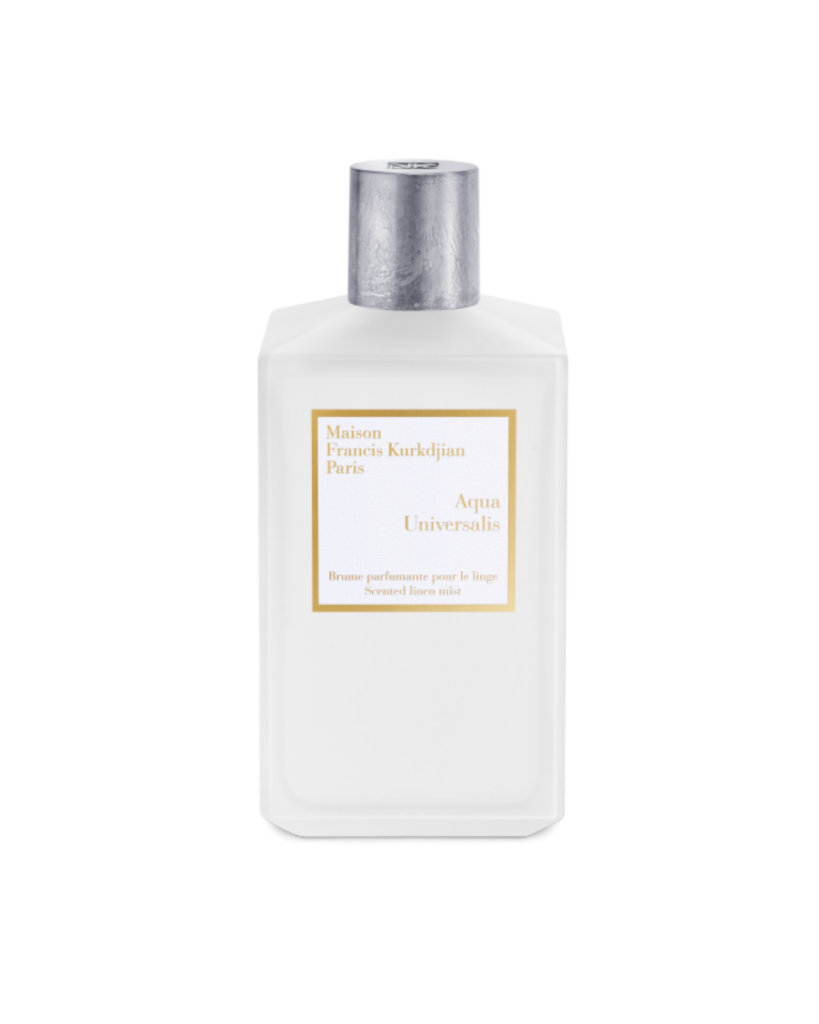
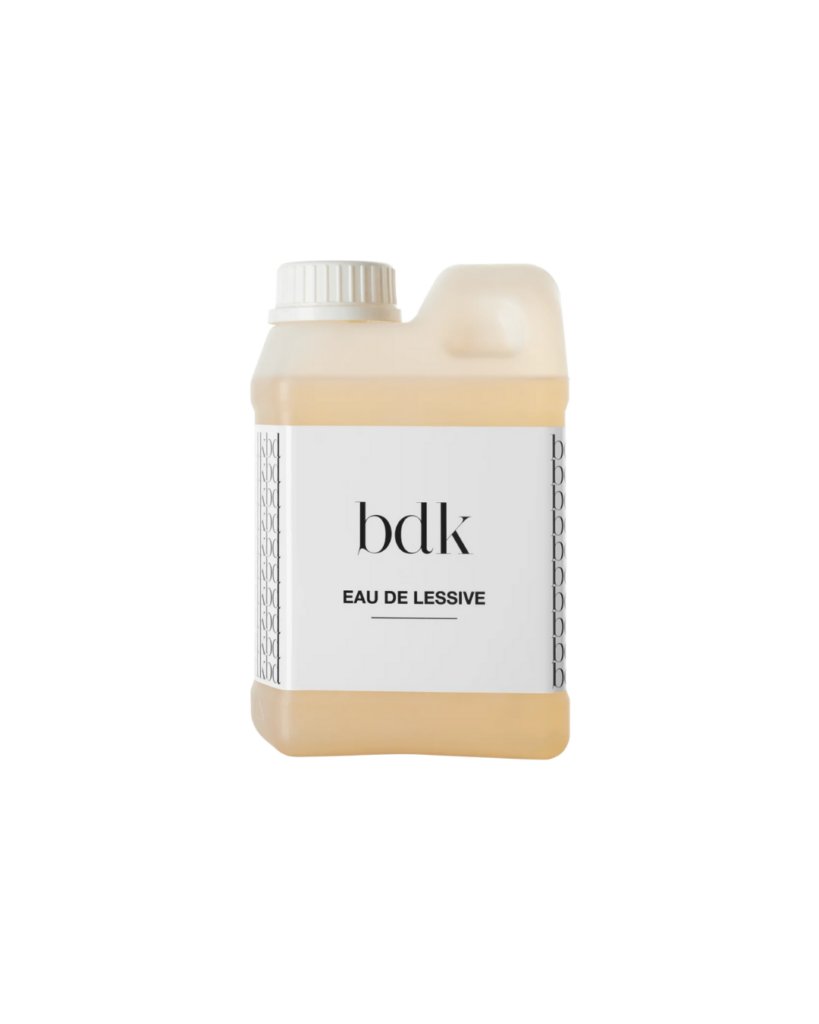
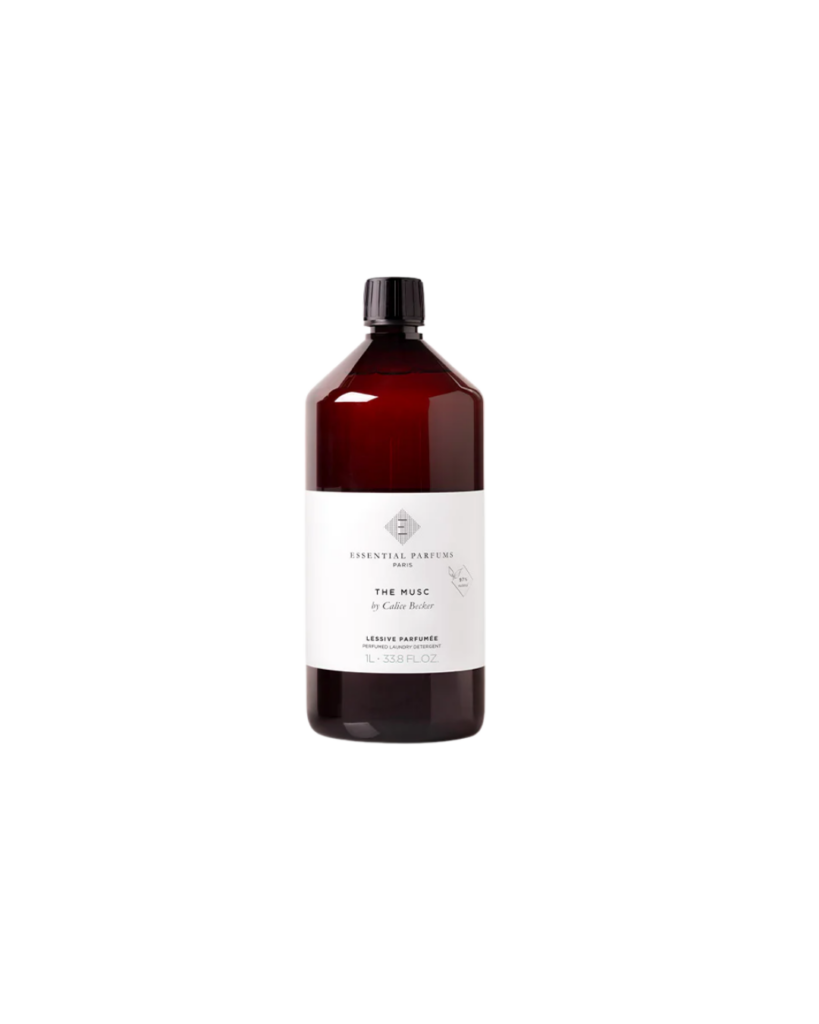
Some brands offer scented mists for laundry, or even detergents matched to their perfumes, perfect for prolonging the sillage all day long.
👉🏼 A few brands offering scented detergents and linen waters to discover: Essential Parfums, BDK, Maison Francis Kurkdjian, Rituals…
2. Opt for a Perfumed Milk or Oil
The sun has a drying effect on the skin, which therefore needs hydration. If your perfume comes in a body milk or perfumed oil version, use these instead of the classic eau de parfum, which you can instead spray on your clothes.
If the milk, cream or oil does not exist in your perfume’s range, use an unscented body milk. Put a hazelnut-sized amount of this neutral milk or oil in the palm of your hand and add a spray of your favourite perfume. Your perfumed milk is ready! Enjoy a soft, scented-skin effect, without alcohol—or in any case very diluted!
For a complete ritual, add the shower gel or soap from the same range for prolonged wear without risk in the sun.
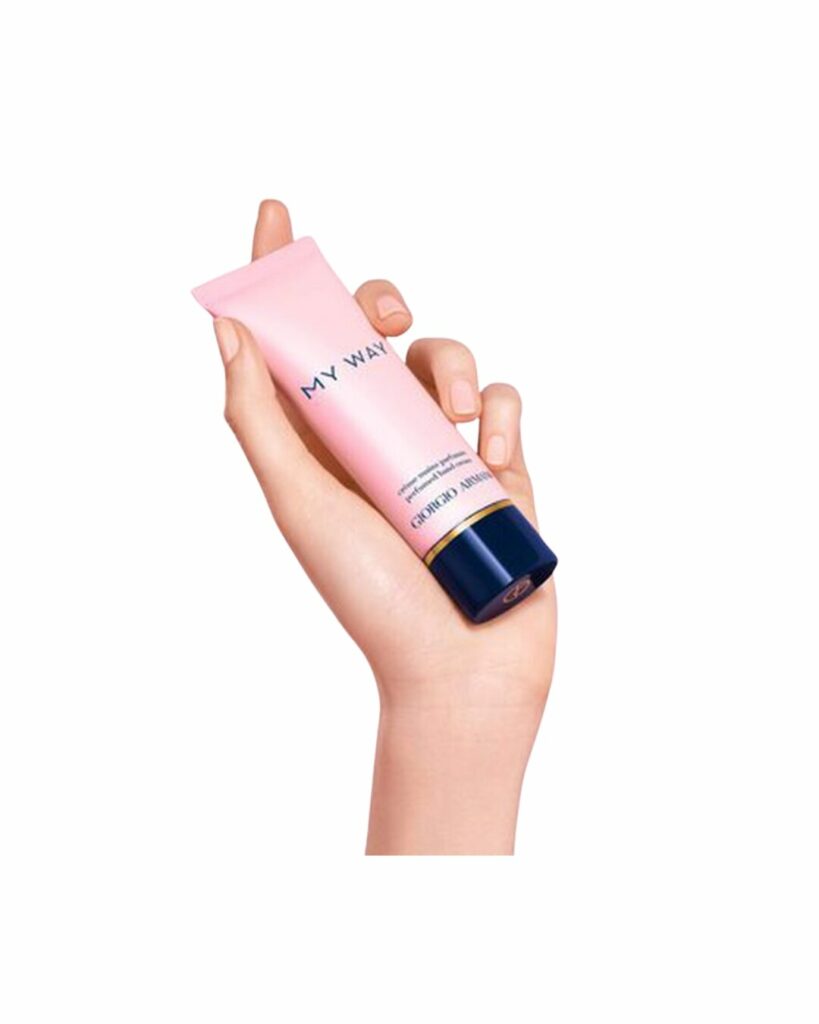
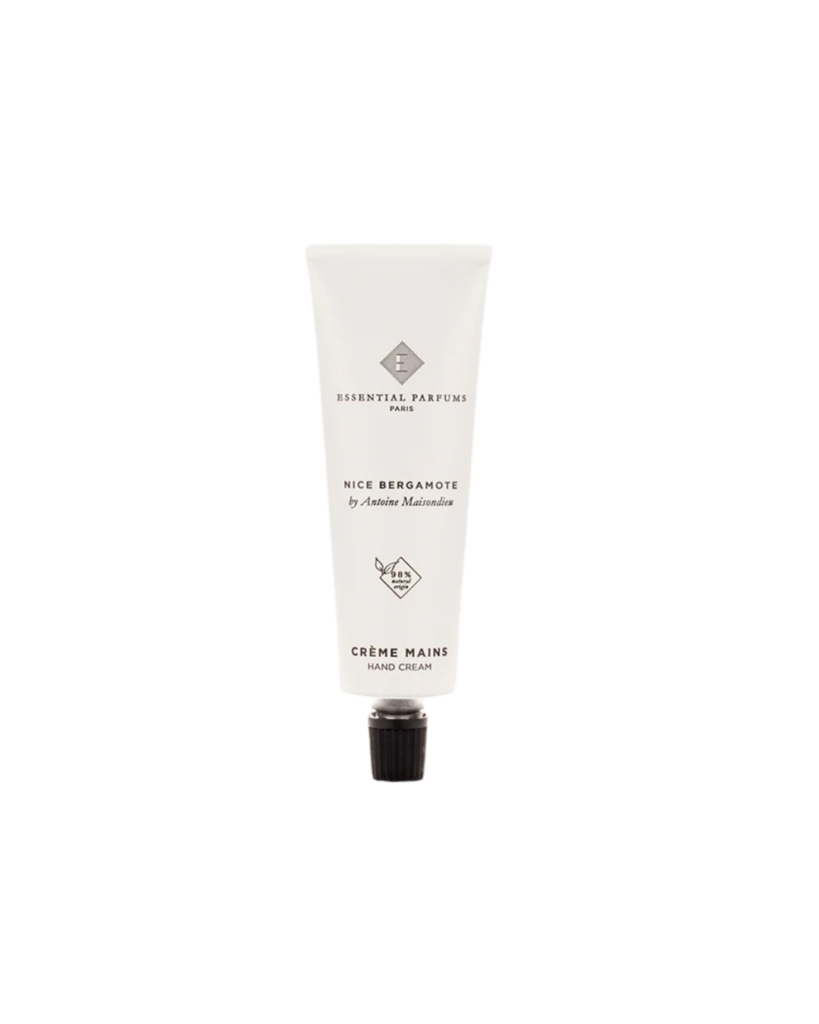
Practical bonus: think also of perfumed hand creams matched to your fragrance. Ideal for re-perfuming discreetly while keeping your hands soft.
👉🏼 A few brands: My Way – Armani, Nice Bergamote – Essential Parfums
3. Perfume Your Hair… but with the Right Products
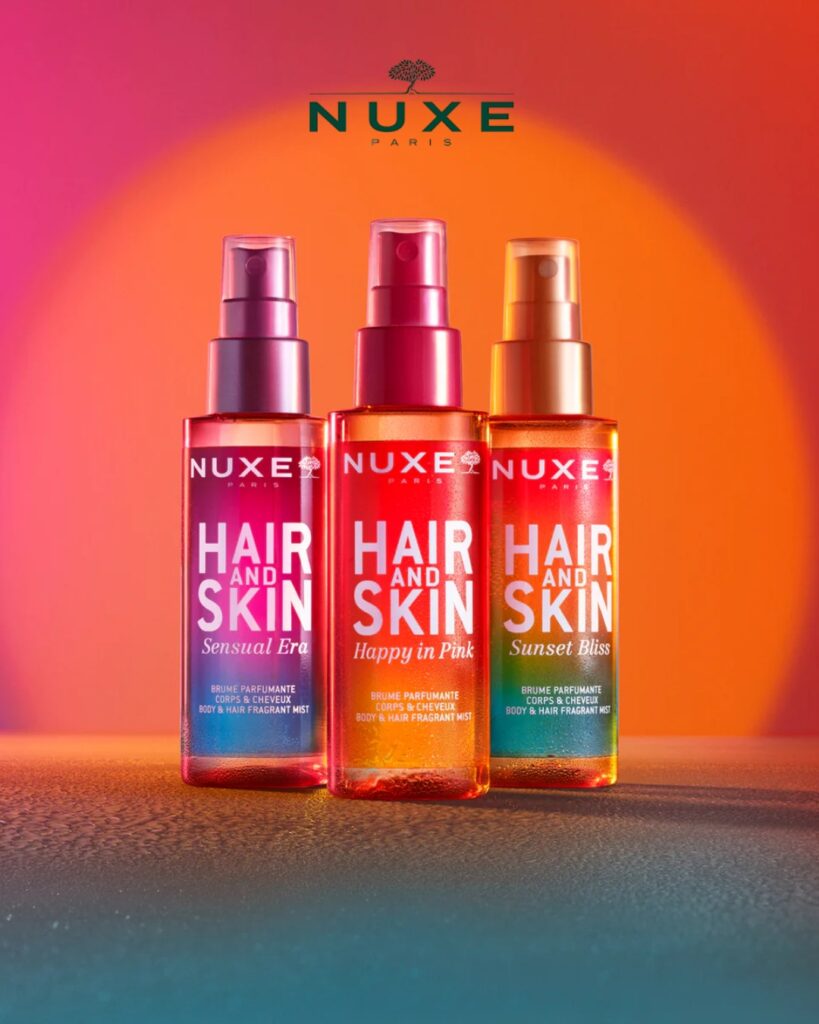
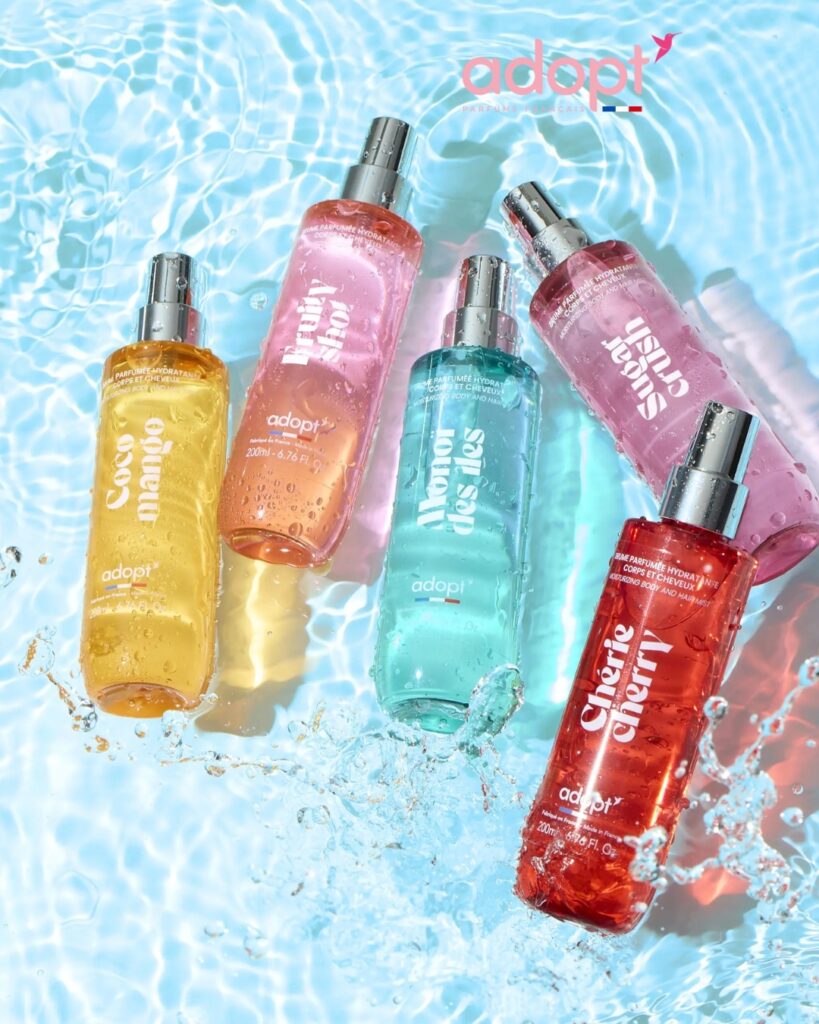
Hair absorbs perfume well, but beware of the alcohol, which can dry it out! Fortunately, more and more brands offer scented hair mists, enriched with protective agents such as keratin, silk or shea butter.
👉🏼 A few brands to discover: Nuxe, Adopt, Rituals, Yves Rocher, Jo Malone, Tom Ford, Diptyque Paris, Juliette Has a Gun…
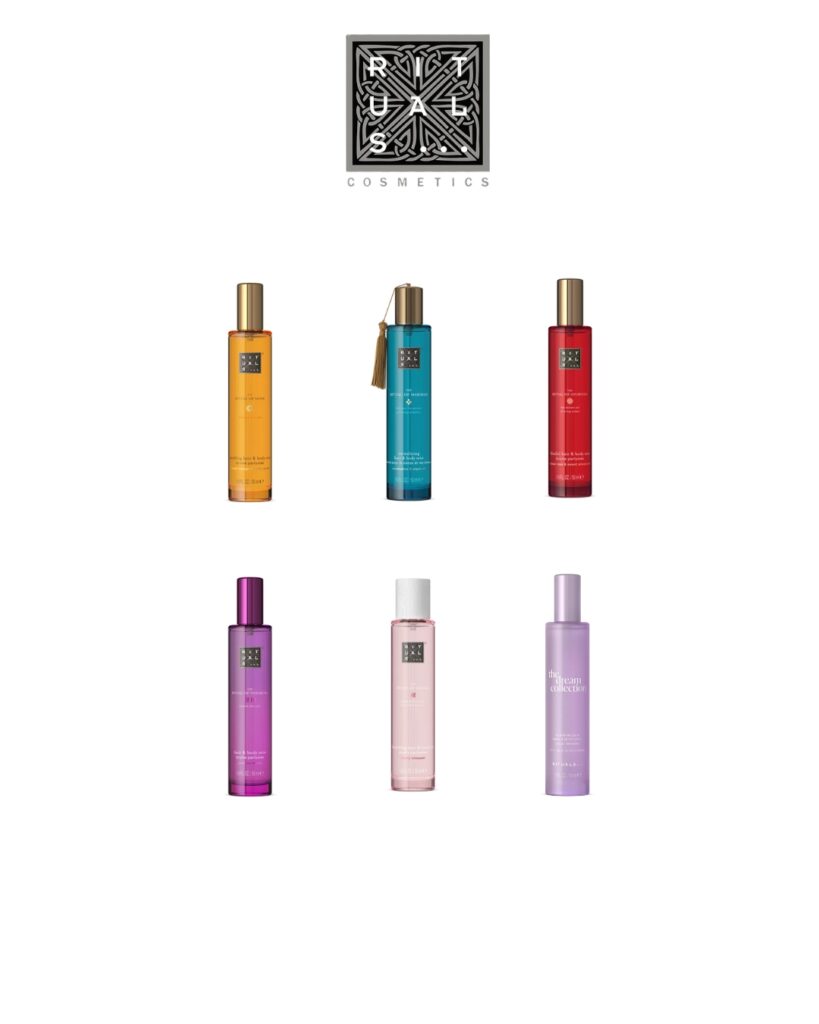
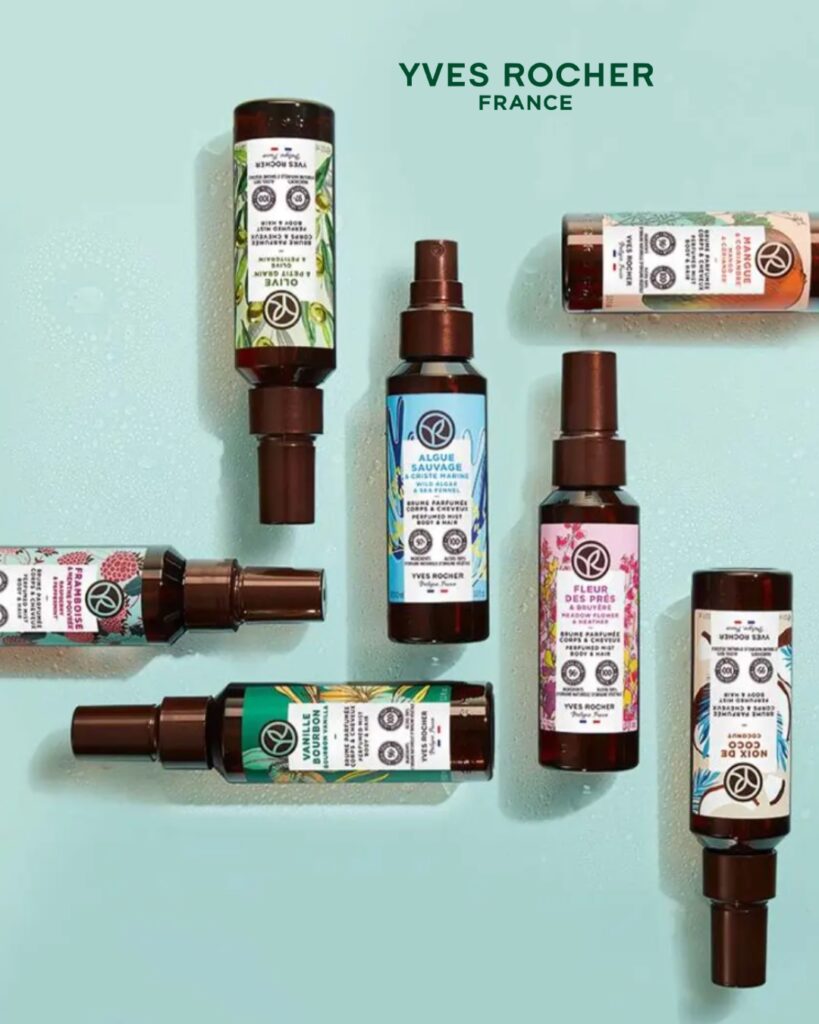
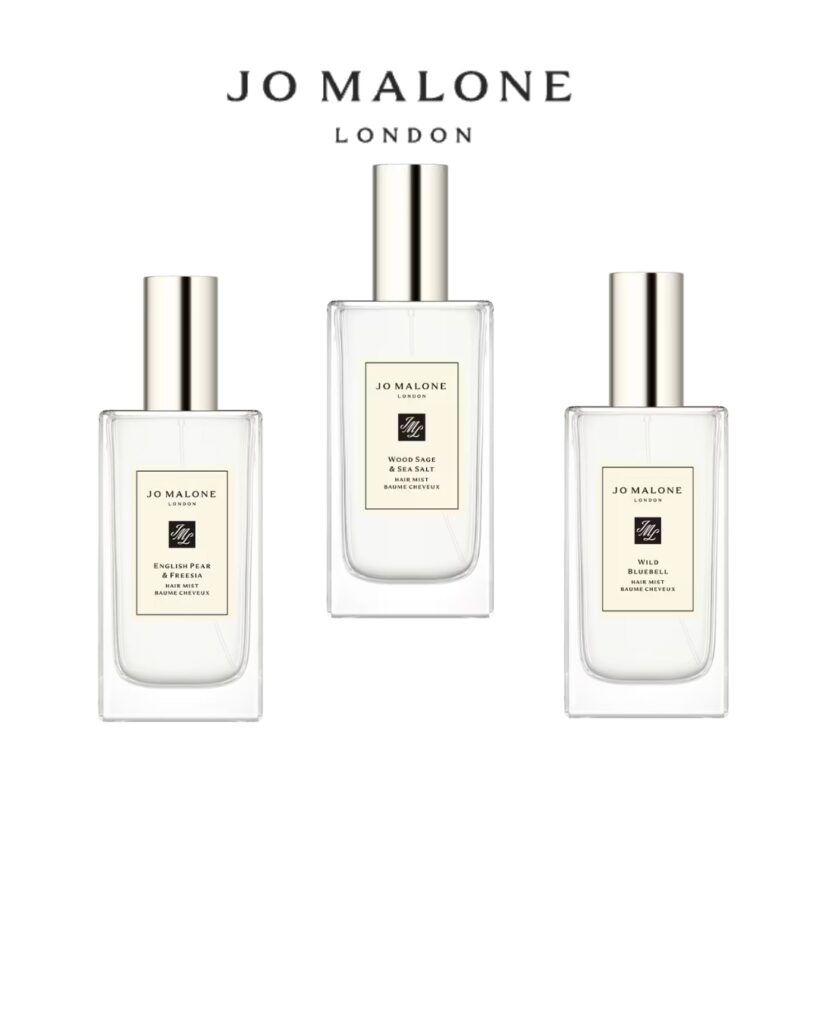
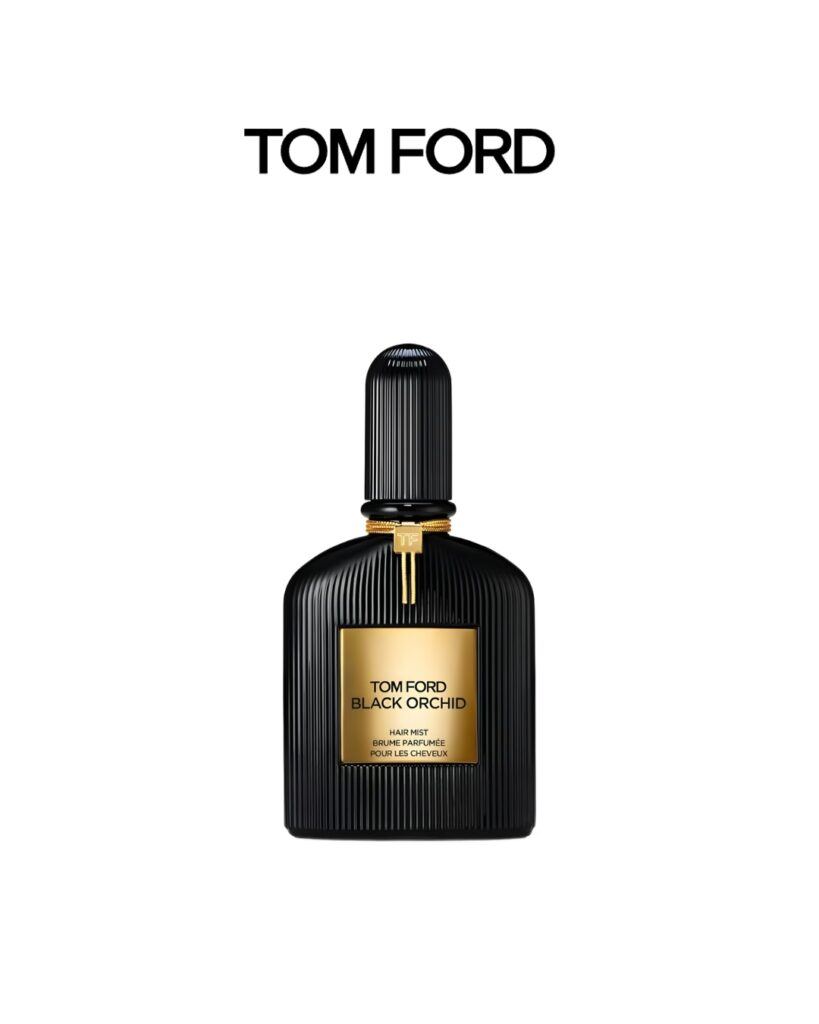
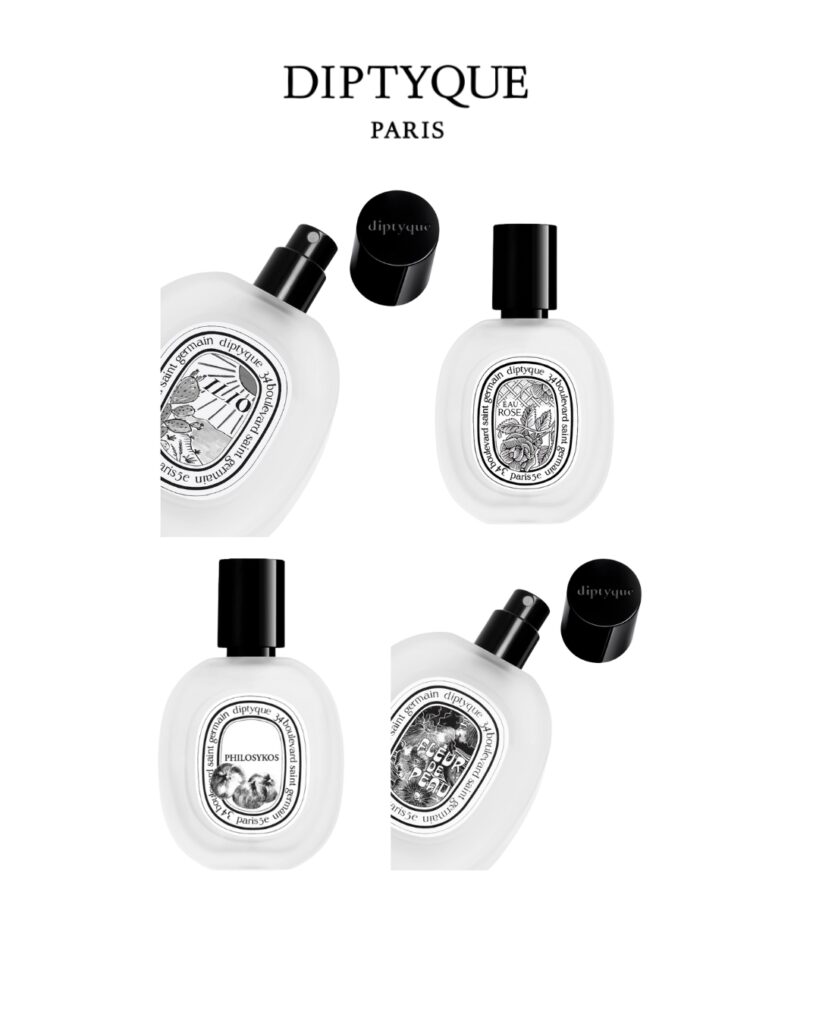
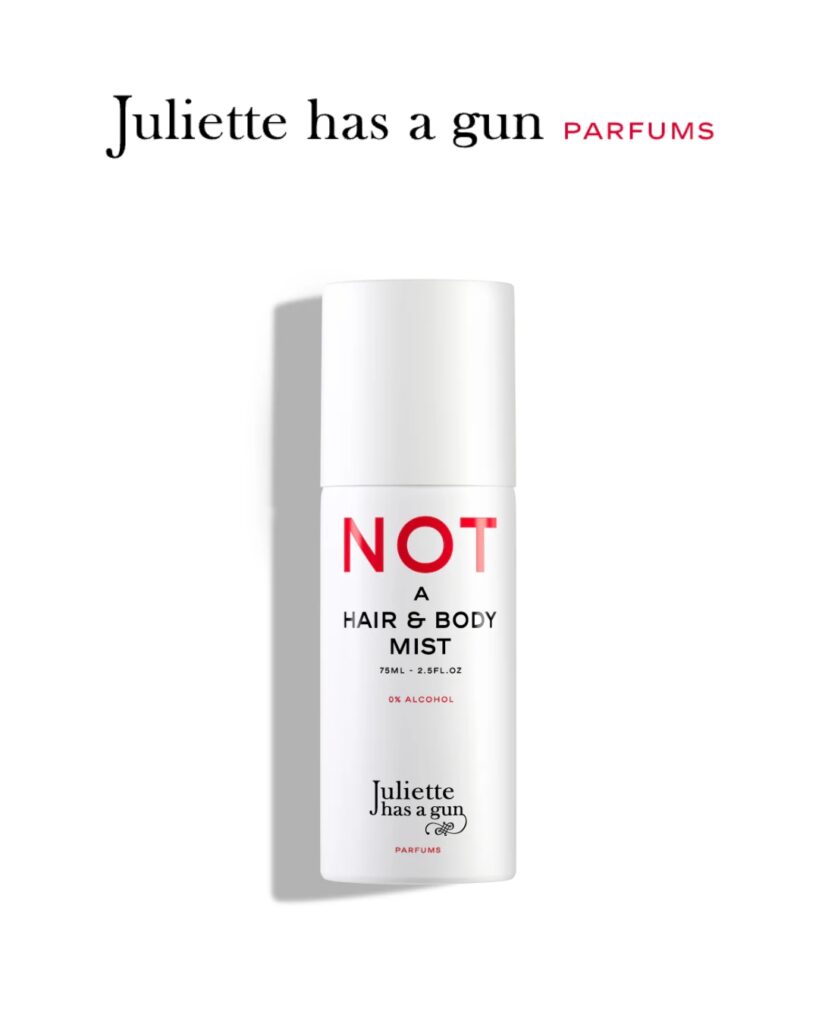
Bonus: ideal after a stop in a smoky restaurant or bar!
4. Spray Your Brush or Your Accessories
Another clever way to perfume your hair without harming the hair fibre: 👉 Spray your perfume onto your brush, wait for the alcohol to evaporate, then style your hair.
You can also perfume a hat, a cap or a scarf, wait a few seconds, then wear it.
The result: a subtle scent with every movement!
5. Use an Alcohol-Free Perfume (Water-Based Perfume)
Alcohol-free perfumes are perfect for summer: gentler on the skin, they are water-based and can even have moisturising properties.
How does it work?
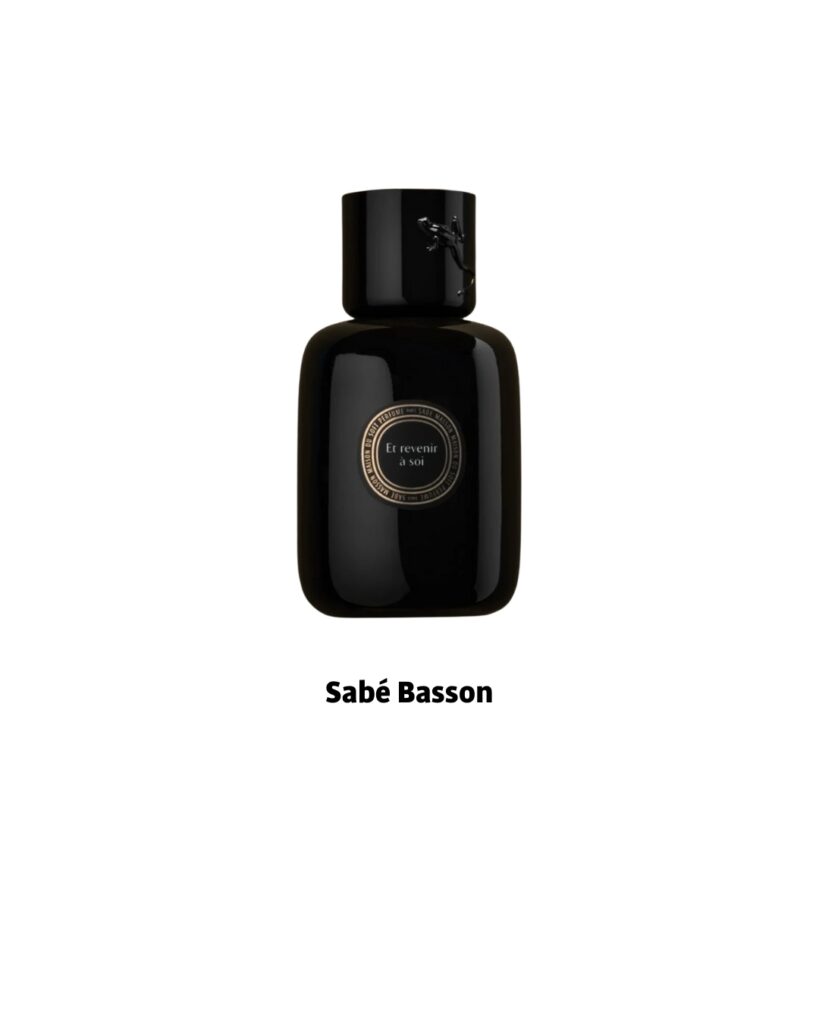
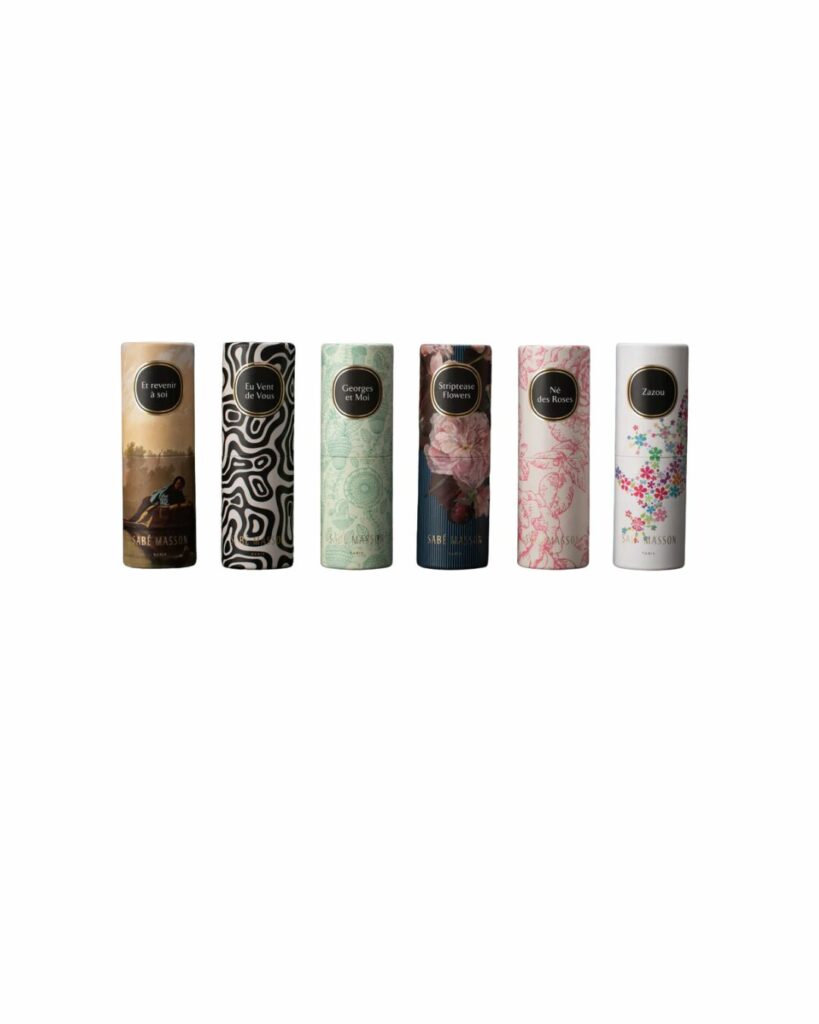
This type of perfume is designed on an aqueous rather than an alcoholic base. It is a micro-emulsion of the concentrated perfume oil in water, producing microdroplets. This is what gives the product a milky appearance. This aqueous base makes it possible, in particular, to incorporate cosmetic active ingredients. These are “care perfumes” (as the brand Sabé Masson, a pioneer in this type of product, calls them). No, these are not mists or body milks either, but true fragrances—which, moreover, have very good longevity, with the added benefits of hydration. A new way of perfuming your skin…
It should be noted that the top notes are less bursting than in traditional perfumes, an effect that is normally produced thanks to the alcohol. So you enter directly into the fragrance, without that evolution one usually feels when spraying oneself.
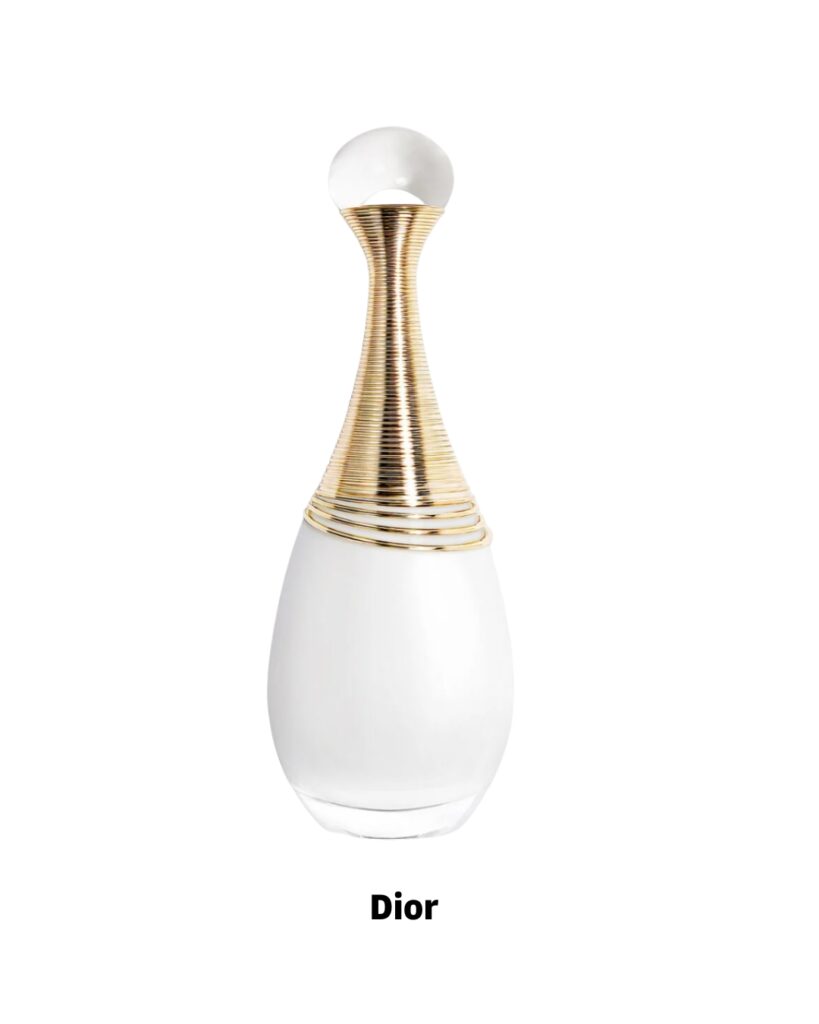
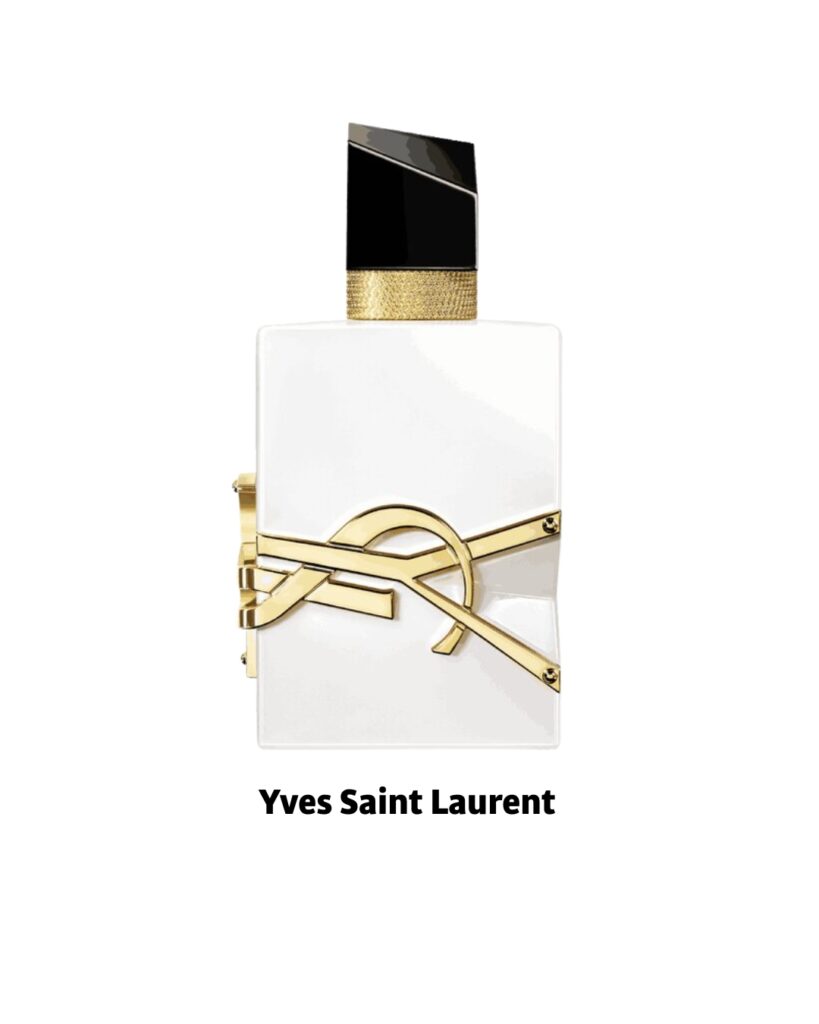
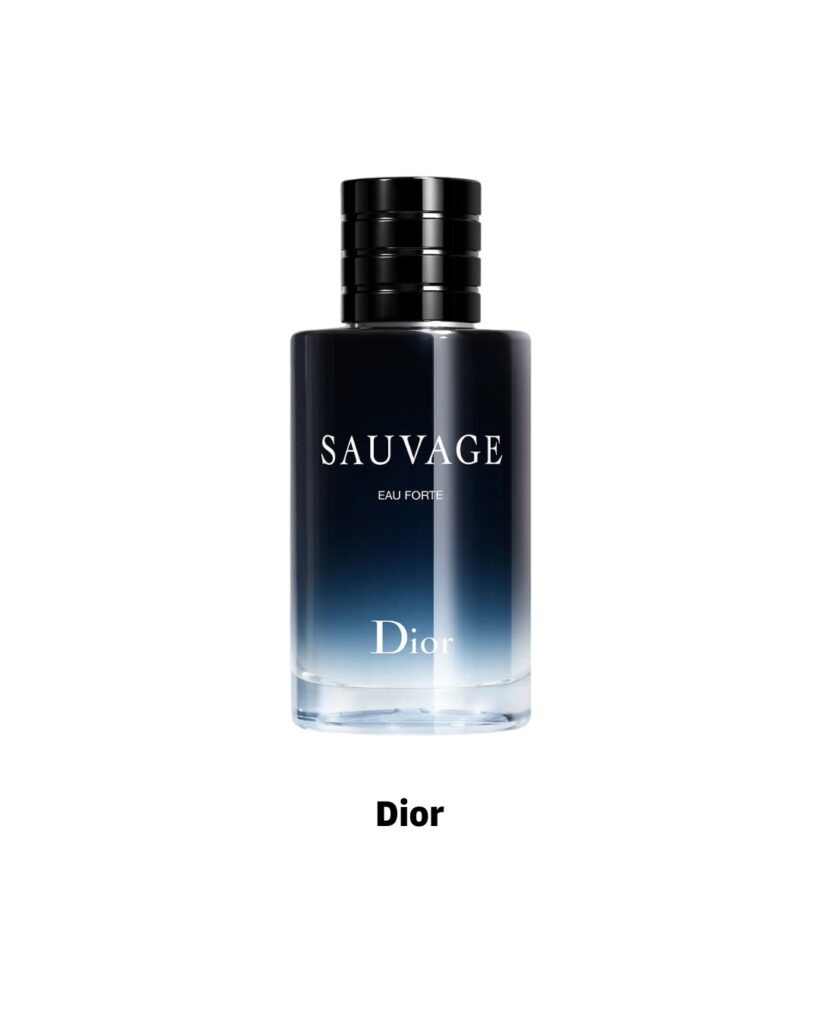
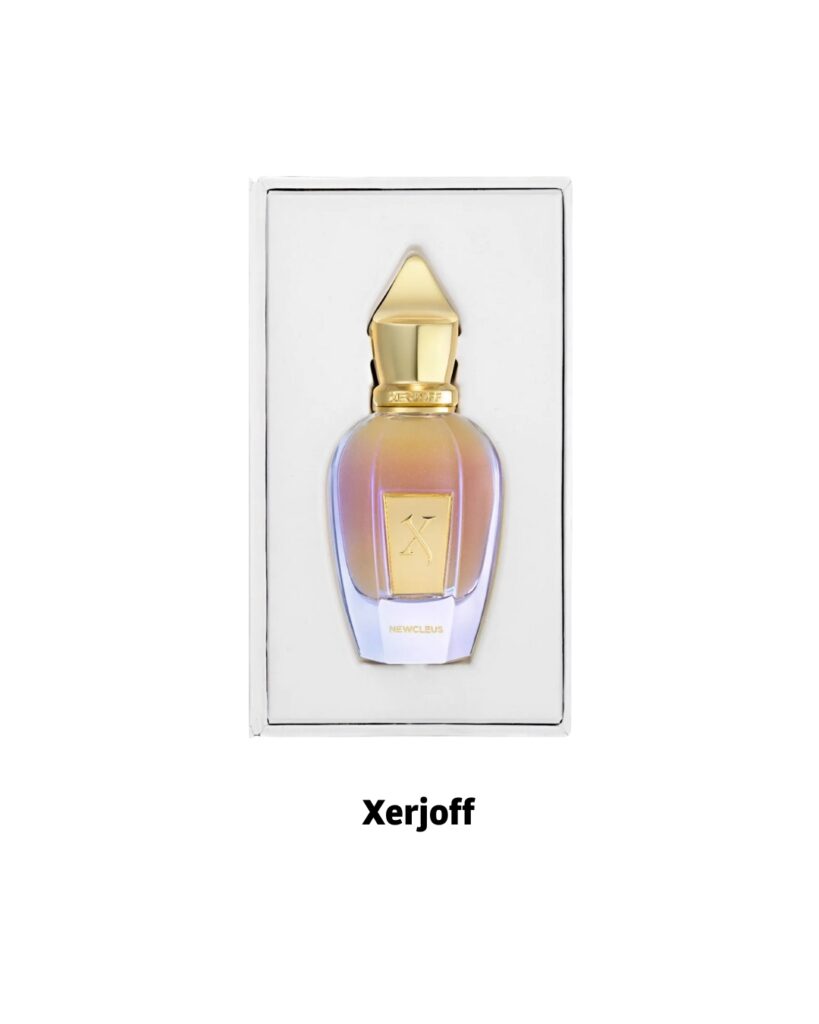
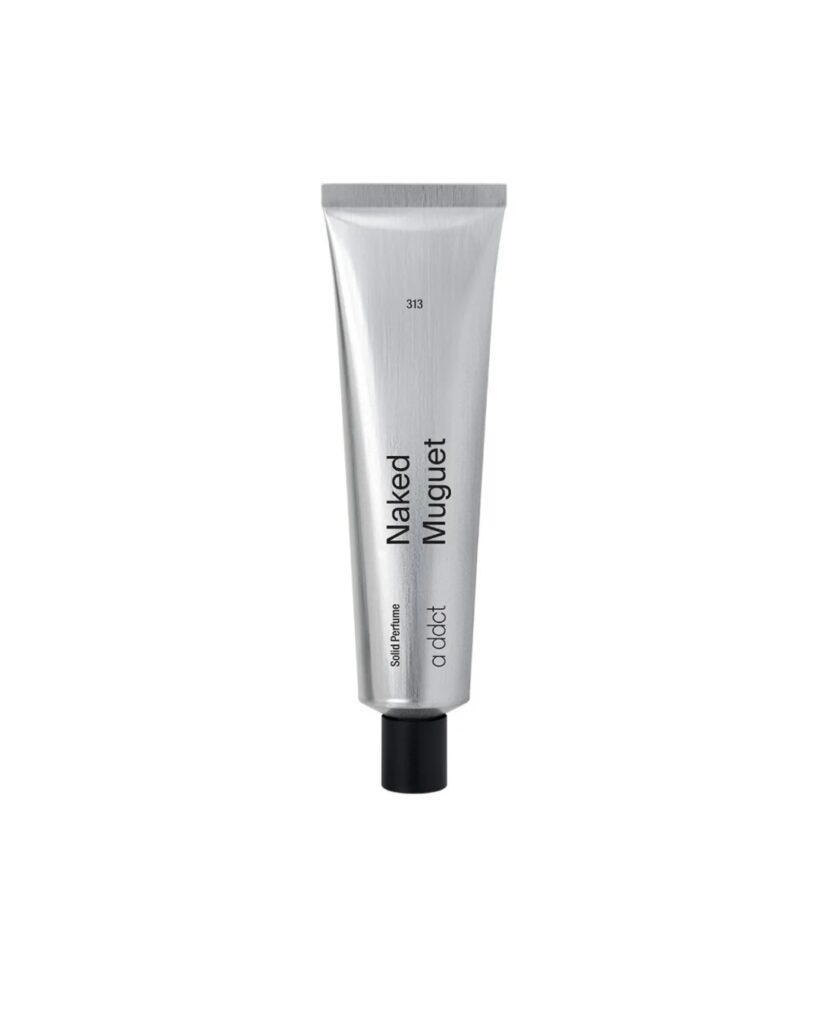
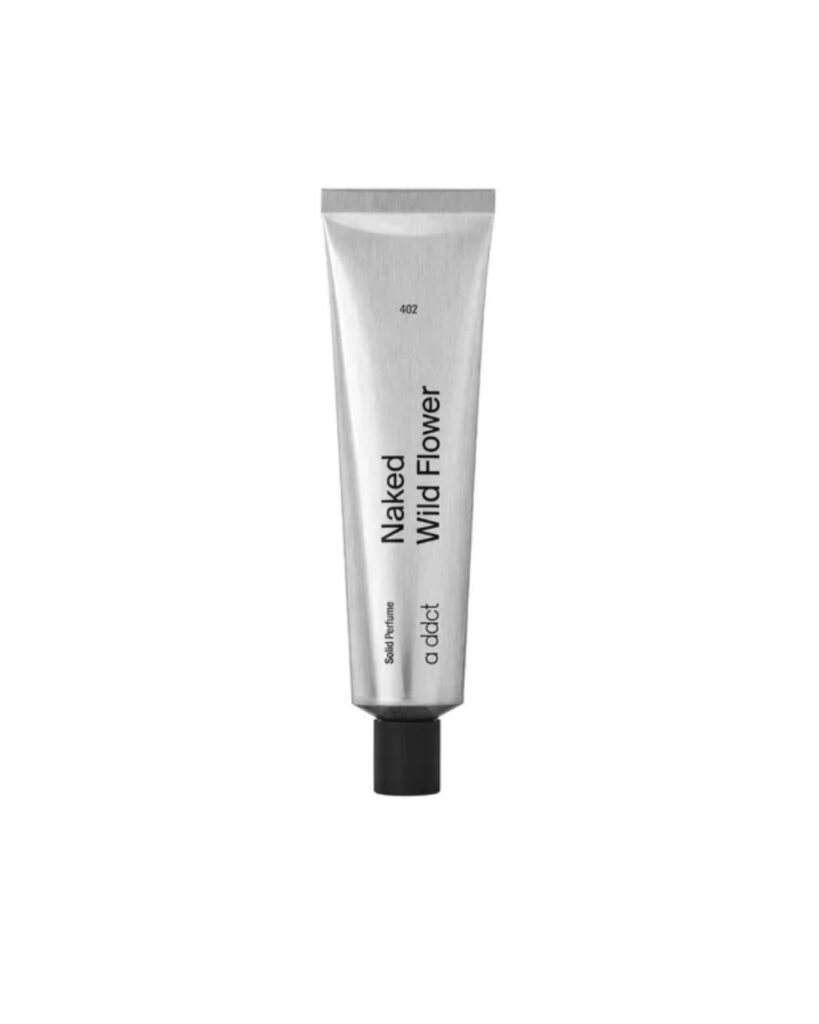
👉🏼 Some alcohol-free perfumes to discover: Sabé Masson, L’Eau Nue – YSL, Sauvage – Dior (alcohol-free version), Xerjoff – Essenza, A ddct (a Hong Kong brand)
A new way of wearing perfume, in line with the current “skinification” trend, which combines skincare and olfactory pleasure.
6. Bet on Roll-Ons and Solid Perfumes
Practical and easy to carry, solid perfumes and roll-ons are your best allies in summer.
Roll-ons are small bottles with a ball that you can apply behind the ears, on the wrists, on the nape of the neck (under the hair)—zones less exposed to the sun.
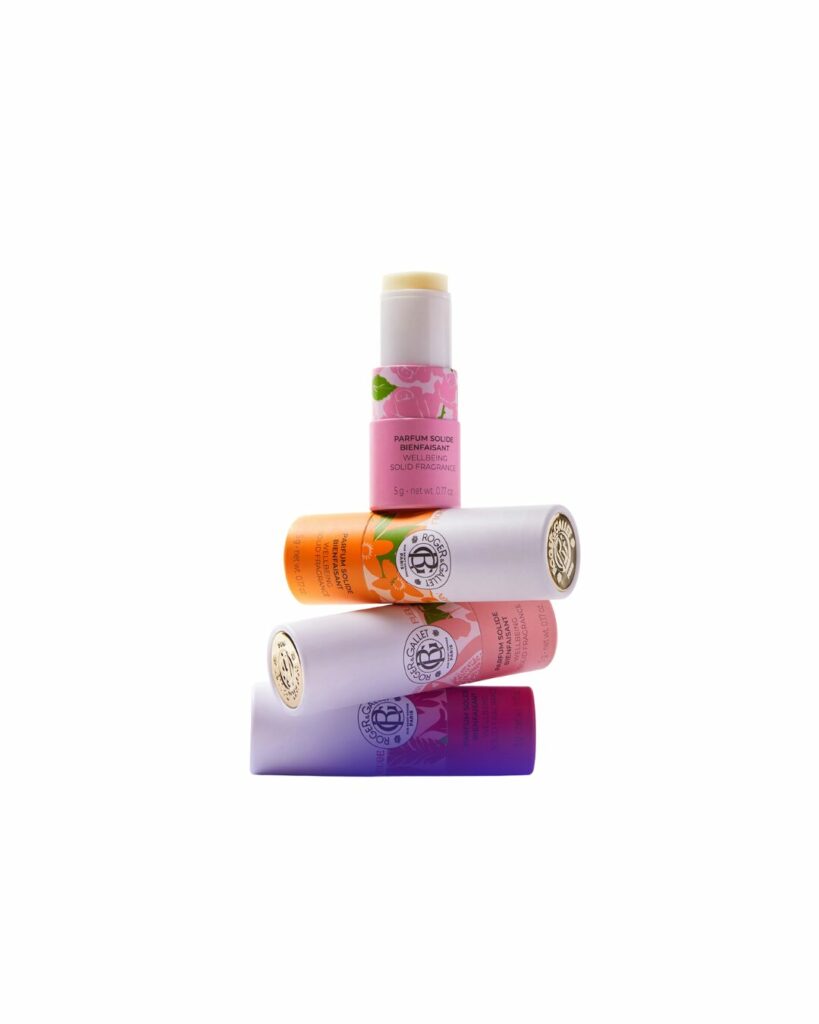
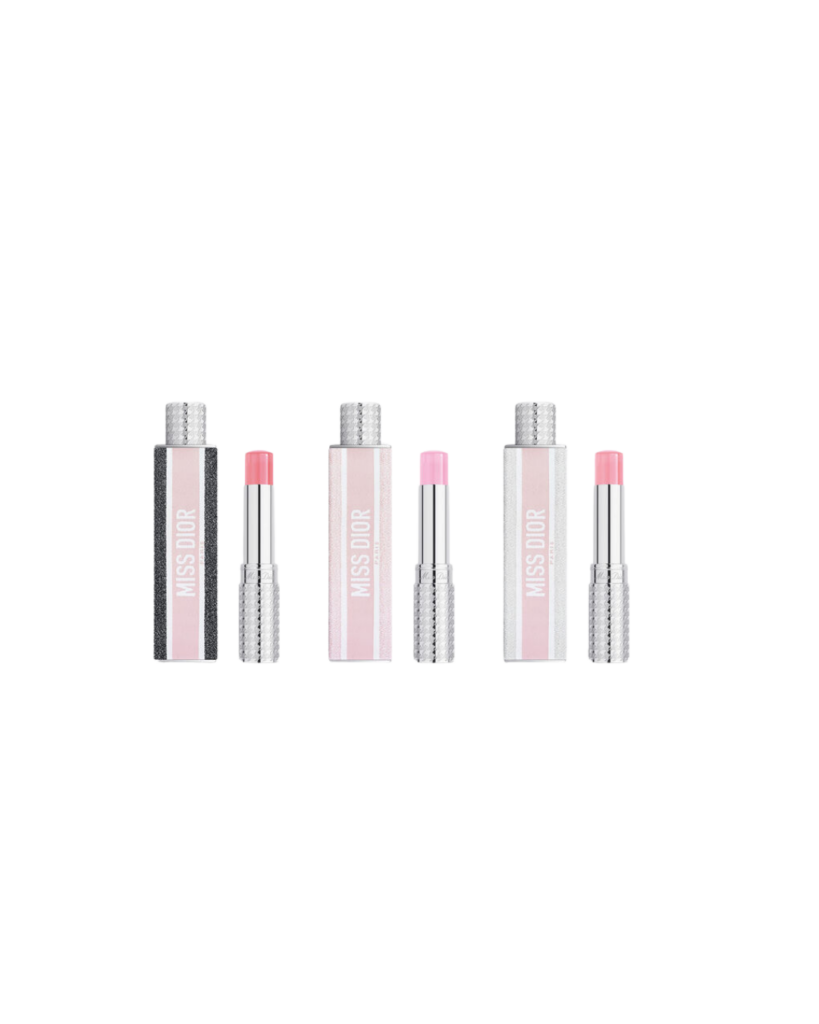
Solid perfumes (formerly called “concretes”) are non-greasy plant waxes infused with perfume concentrate, which are solidified for a caressing, sensual application on the skin. Easy to slip into your handbag or into the car for scented touch-ups during the day 😉
👉🏼 Brands to discover: Sabé Masson, Roger & Gallet, Mini Miss Dior, Rose et Marius, Diptyque, Jo Malone
Perfume gels: a perfume formulated and designed like a “primer” that you can apply under a perfume, in layering, to prepare the skin and improve the longevity of the chosen fragrance (also alcohol-free), while adding an extra note to it or not. It can also be worn alone.
👉🏼 Brands to discover: the Hong Kong brand A ddct, and L’Occitane.
7. Adopt Perfume Jewellery
To combine elegance and fragrance throughout the day, fall for perfume jewellery. It contains a lava stone or a ceramic, whose porous nature makes it possible to absorb the fragrance and diffuse it slowly.
Bracelet, necklace, ring, earrings… as you move, you leave a discreet, refined sillage.
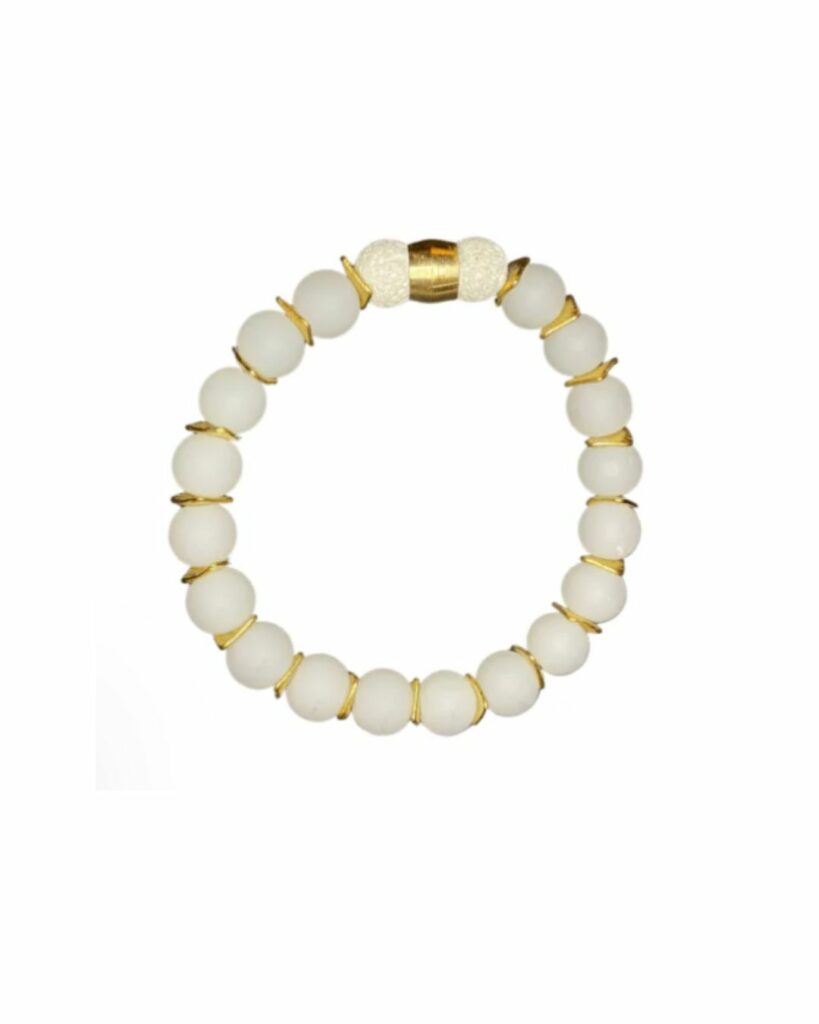
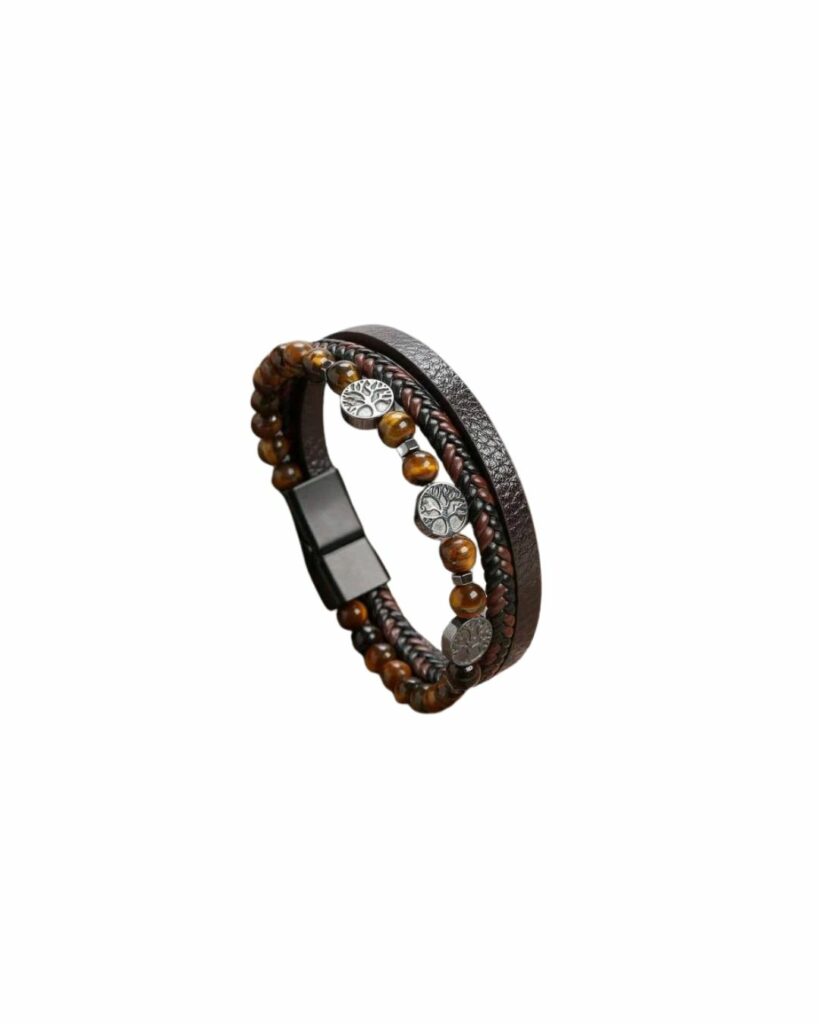
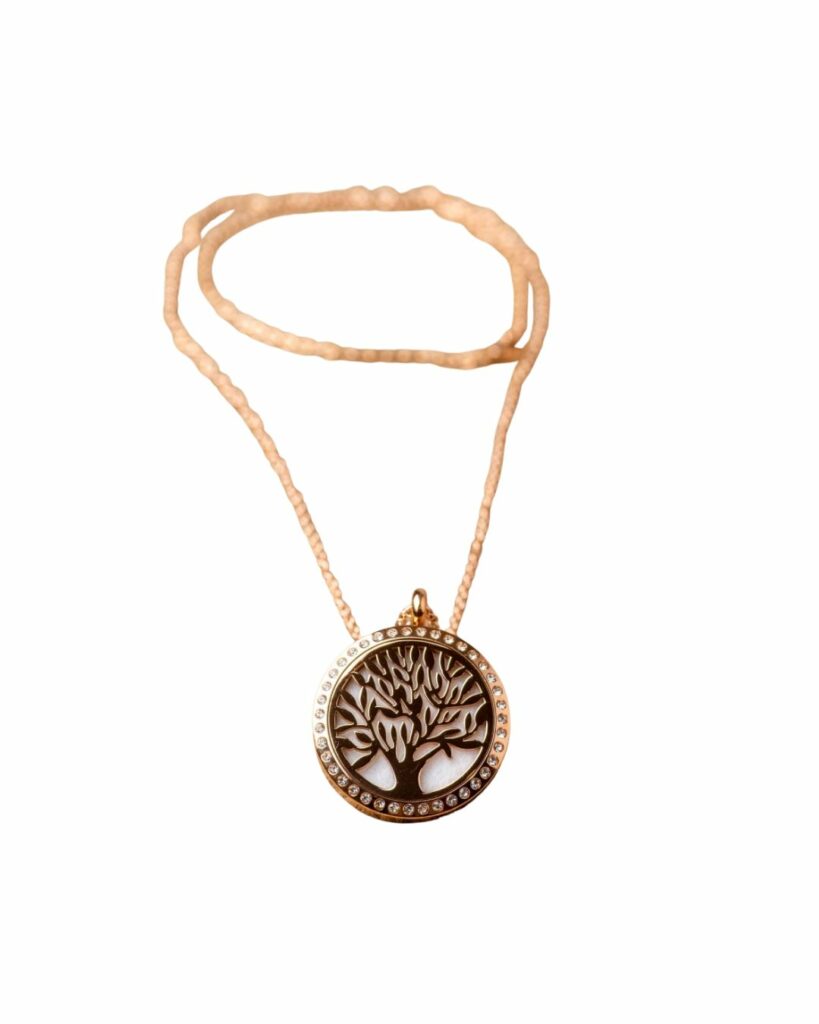
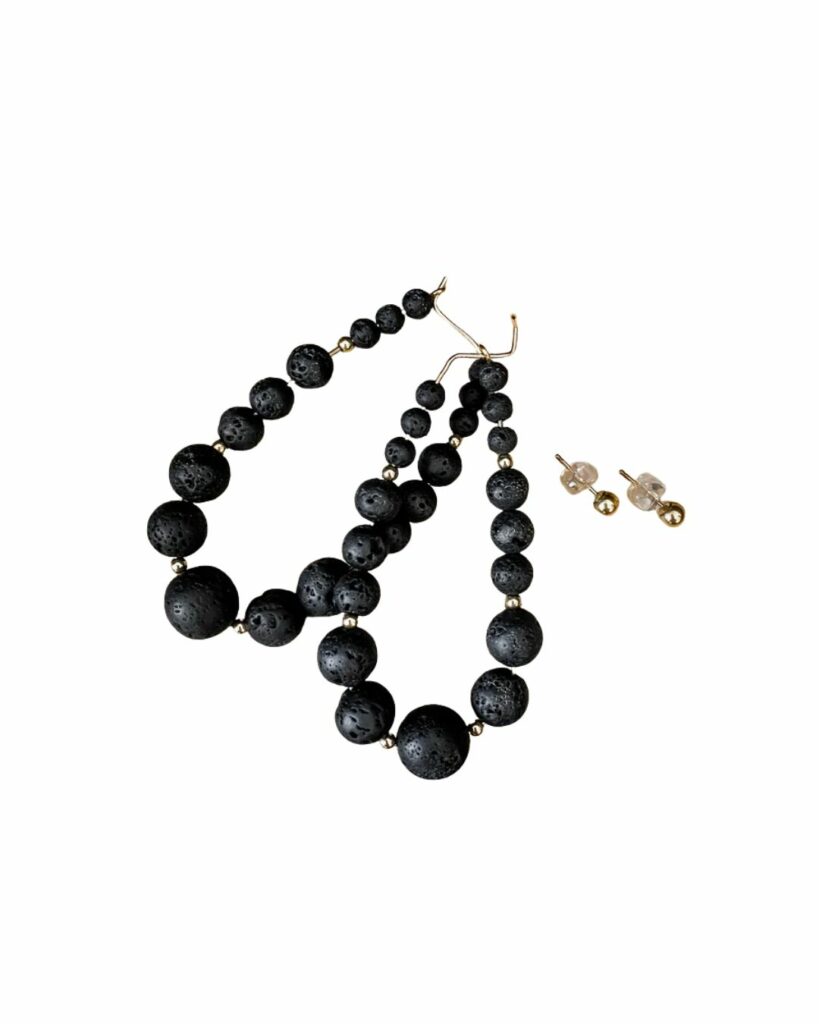
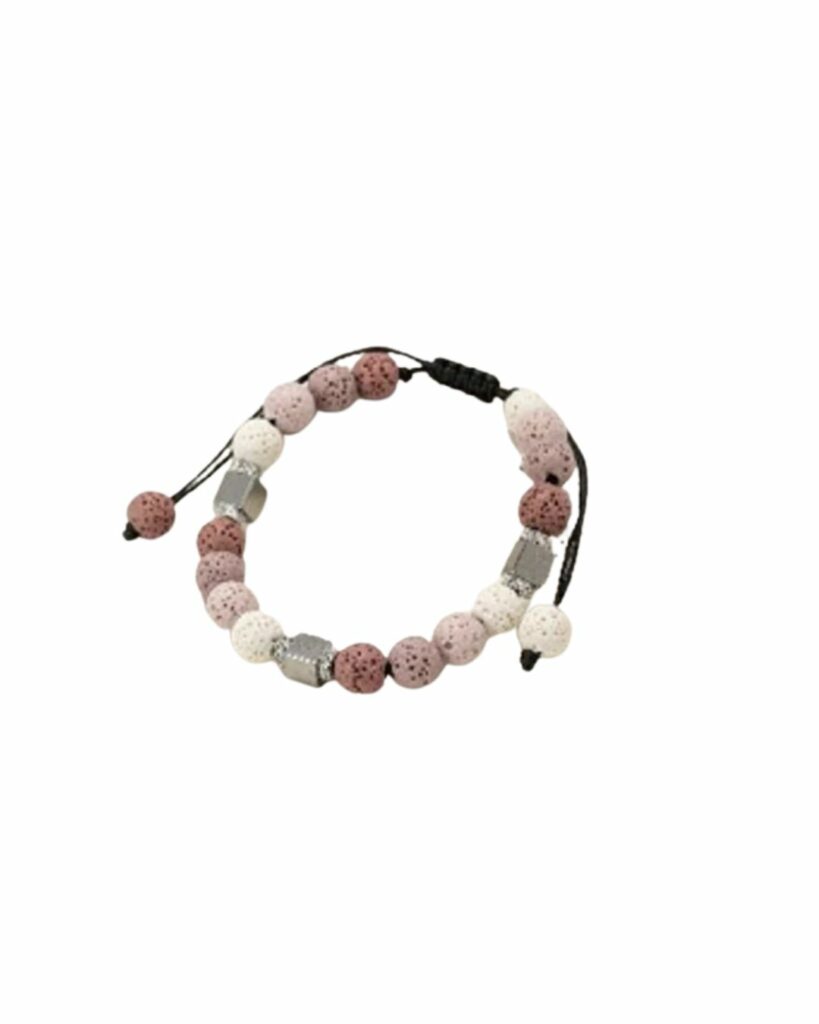
👉🏼 Brands to discover: Anuket, Aroflora, and other creators of perfumed jewellery.
A practice directly inspired by African customs, where women make perfumed necklaces with aphrodisiac virtues by mixing seed powders, spices, resins, amber… (see Master Parfums Pocket Quiz “Around the World in Perfumes”).
Wearing perfume when it is hot is entirely possible—provided you adapt your gestures. Thanks to these 7 tips, you can keep wearing your favourite perfumes, without staining your skin or drying out your hair, while staying fresh and elegant all summer long.
YOU MAY ALSO LIKE …
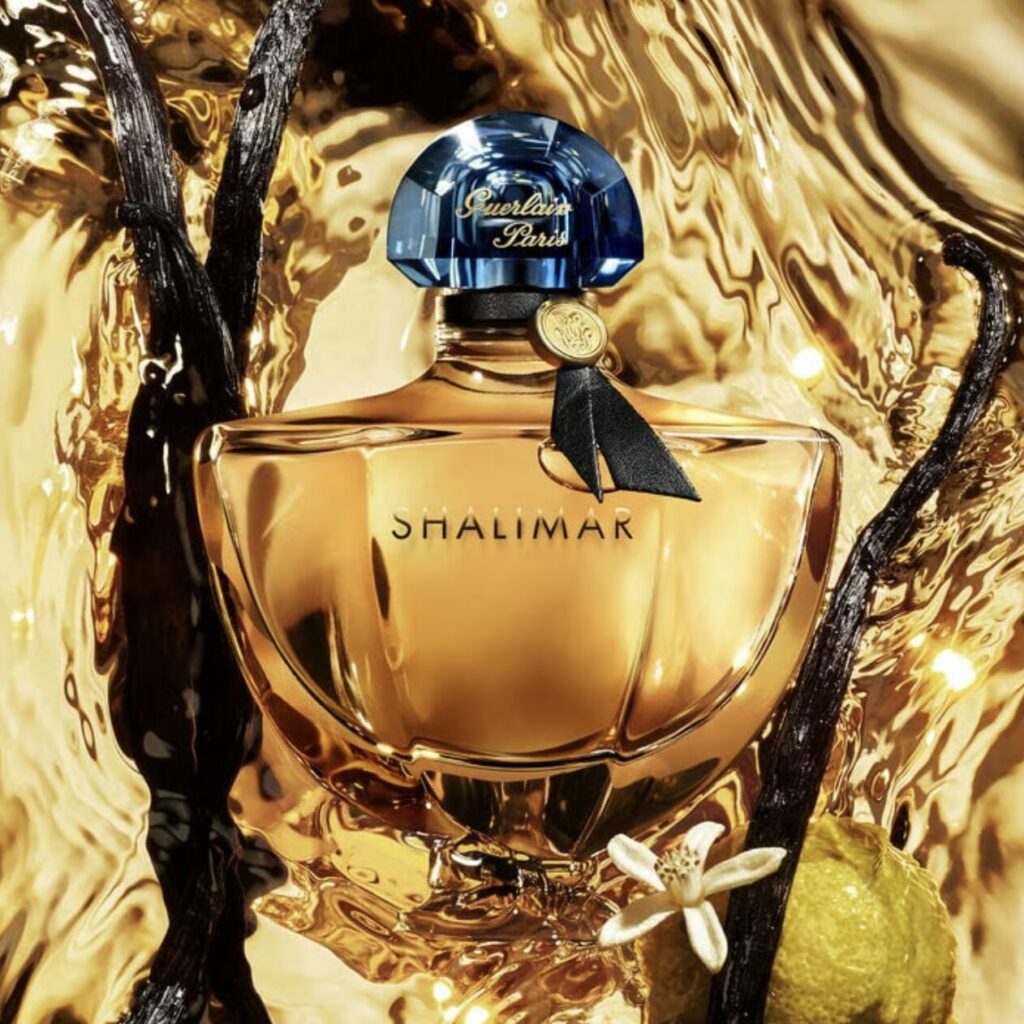
There are perfumes that cross the ages without ever losing their brilliance. Shalimar by Guerlain is one of them. A century after its creation, it continues to make us dream, to seduce and to embody a certain idea of French luxury. With its oriental swirls, its captivating sillage and its iconic bottle, it remains one of the most famous perfumes in history. Inspired by a timeless love legend, Shalimar is much more than a perfume: it is a declaration of sensuality and elegance, an olfactory work of art that defies time. As the House of Guerlain celebrates its centenary, let us plunge into the fascinating story of this perfumed masterpiece which, despite fashions and trends, remains an absolute reference.
Jacques Guerlain: The Name Behind Shalimar
In the history of perfumery, some names resonate as self-evident. Jacques Guerlain is one of them. Heir to an exceptional family know-how, he shaped the olfactory soul of the House of Guerlain with a signature recognisable among a thousand: that of a visionary aesthete, inhabited by the desire to transcend the raw material to extract pure emotion from it.
Trained in the shadow of his uncle Aimé Guerlain, he was not slow to distinguish himself through his audacity and his creative instinct. Where others content themselves with perfecting the existing, he explores, attempts, upsets conventions. He is at the origin of masterpieces that marked perfumery, from L’Heure Bleue to Mitsouko, but it is with Shalimar that he signs his stroke of genius. A vanilla of incandescent sensuality, a balance between hesperidic freshness and oriental depth: in 1925, he laid the foundations of a myth.
Jacques Guerlain is not only a talented perfumer, he is a storyteller. His creations tell stories, translate universal emotions. Shalimar, inspired by the passion between the emperor Shah Jahan and Mumtaz Mahal, does not escape this rule. More than a perfume, it becomes an invitation to travel, an echo of eternal love. Through it, Jacques Guerlain does not merely capture an era: he defies it, surpasses it and inscribes his name in eternity.
At the Origins of a Legend
Legends are often born of a simple shiver, of an instant suspended between reality and dream. Shalimar was born of a true story that became a myth. Its creation finds its roots in Mughal India in the 17th century, where love is engraved in the white marble of the Taj Mahal and blossoms in the lush gardens of Shalimar. It is the story of the devouring passion between the emperor Shah Jahan and his beloved Mumtaz Mahal. The sublime gardens of Shalimar surrounded the palace where their love blossomed. But the beauty lost her life giving birth to their fourteenth child. Inconsolable, Shah Jahan had a wonderful mausoleum built for her: the Taj Mahal.
Jacques Guerlain, captivated by this fabulous story, decided to make a perfume of it. An olfactory tribute to this eternal romance, a sillage capable of defying time.
But behind the poetry, there is chance—or genius. Legend has it that one day, in his laboratory, Jacques Guerlain added a dash of ethylvanillin, a recently synthesised molecule, to a bottle of Jicky, that revolutionary juice created by his uncle. The accord took on an unexpected depth, a burning sensuality that contrasts with the hesperidic freshness. He explores, adjusts, replaces, balances, pushing the oriental notes, modulating the hesperidics, until the alchemy operates, and the perfect balance takes shape. All that remains is to give it a name. It will be Shalimar, in reference to the gardens where the emperor and his queen loved to meet, far from the tumult of the world.
Launched in 1925 at the Exposition des Arts Décoratifs in Paris, Shalimar is not only a perfume: it is a revolution. At a time when Western perfumery remained dominated by powdery flowers and demure accords, it imposes its oriental breath, voluptuous, hypnotic. Its sillage is a promise of escape, a call to mystery. And it is thus that it enters history, not as a simple creation, but as an olfactory declaration of love, timeless and absolute.
Shalimar: Between Brilliance and Sensuality
Shalimar is not told, it is lived. It is one of those perfumes that leave an imprint, a shiver on the skin, a lingering presence in the air. Behind its mythical sillage hides an olfactory construction of absolute richness, where each raw material plays its role with an almost insolent precision.
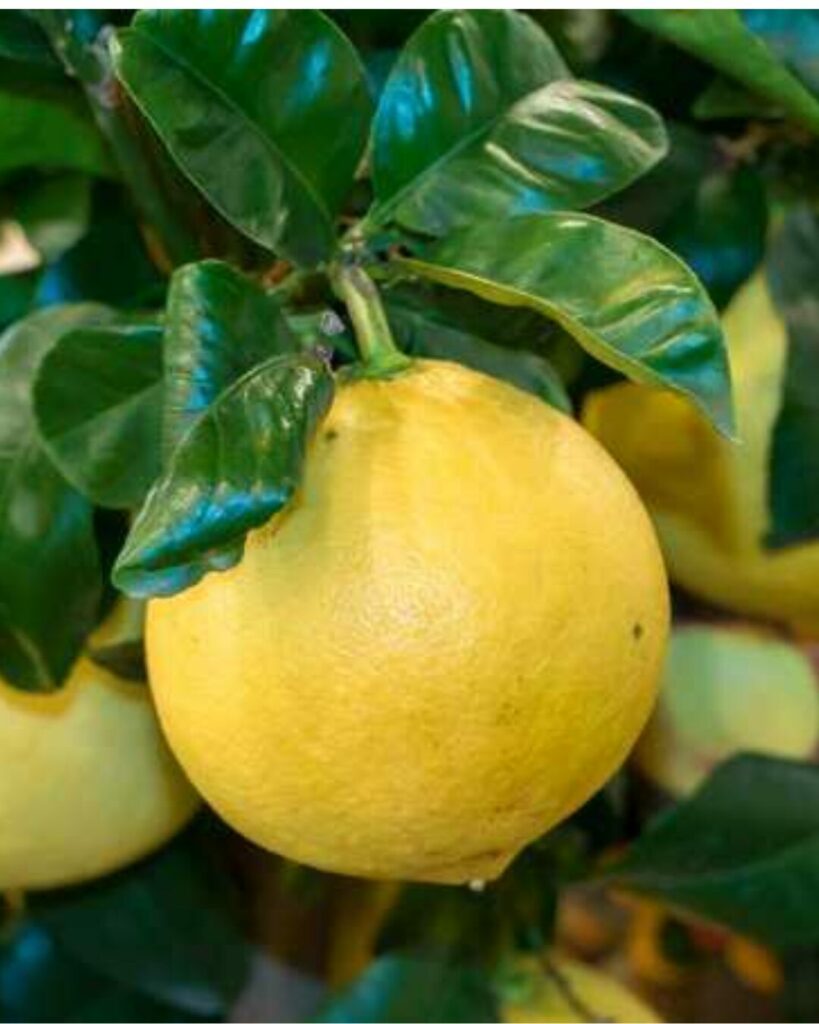
The Initial Brilliance of an Eclipsing Bergamot
From the very first seconds, bergamot bursts forth with a sharp vivacity. It is not merely a simple touch of citrus; it illuminates the composition with a green, zesty, almost floral light. An incisive, biting start, which immediately captures attention before softening in the sweetness of the floral heart. Guerlain overdosed it, like a shard of glass crossed by the sun, and it is this mastered excess that gives Shalimar this luminous aura, this electrifying opening that precedes the total surrender to its sensual depths.
A Floral Heart Like a Veil of Silk
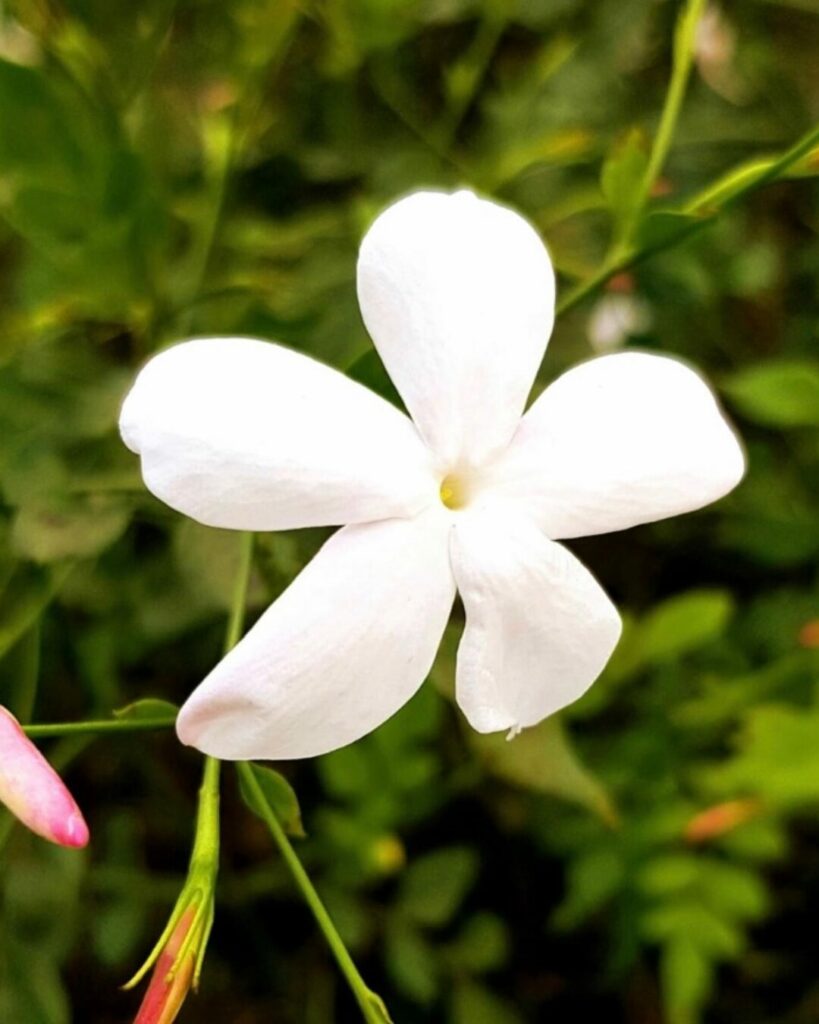
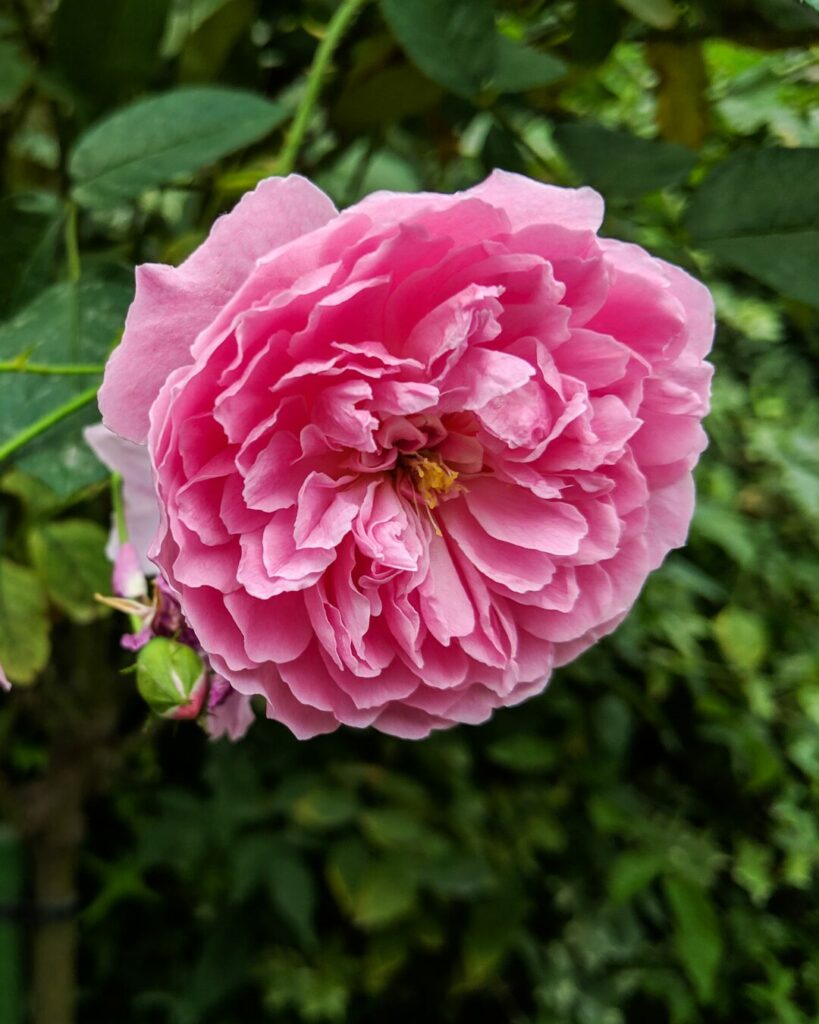
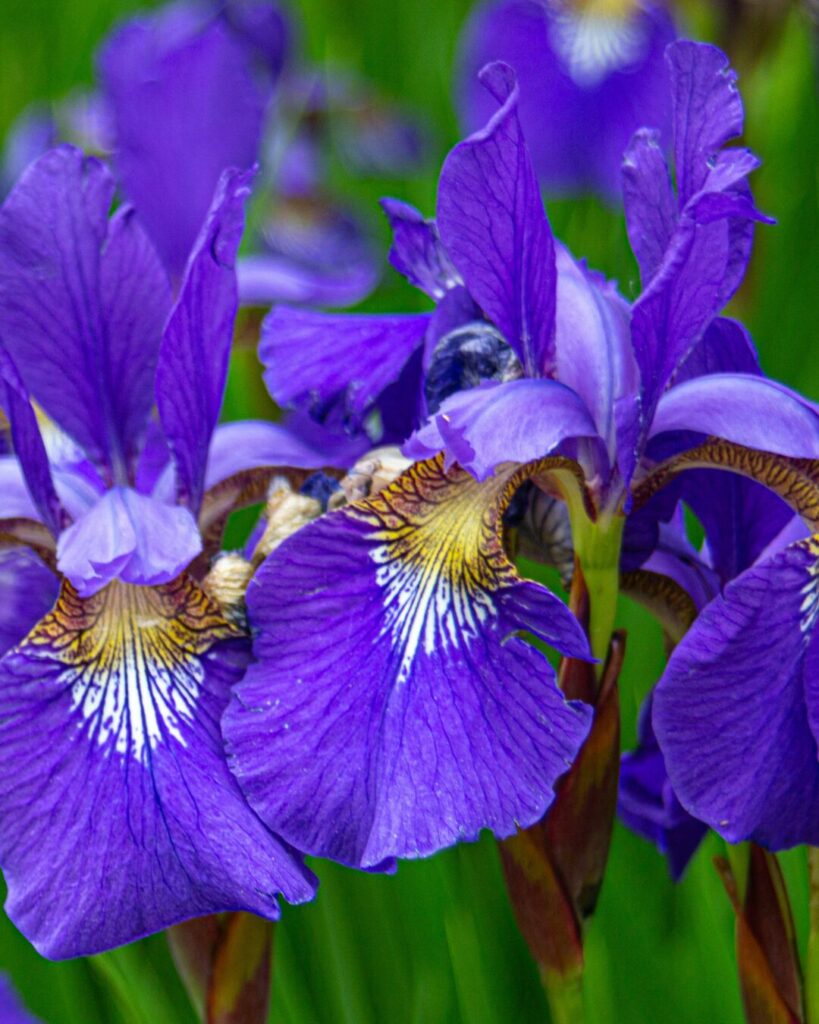
Beneath this, the heart is a subtle caress of jasmine, rose and iris. Here, no heady flowers, no floral explosion. Everything is muffled, delicately sketched, like a vaporous fabric that settles on the skin. Iris brings that powdery, almost tactile facet, which embraces the notes with an infinite softness. It is a discreet but essential heart, a passage between the light of the opening and the voluptuous shadow of the base.
The Incandescence of an Unforgettable Base
And then everything tips over. Vanilla enters the scene, creamy, captivating, of infinite richness. It is not alone: it is accompanied by tonka bean, opoponax and balsamic resins that densify it, make it deeper, more hypnotic. Here, Shalimar reveals its true face, that of a charming, enveloping perfume, burning with sensuality.
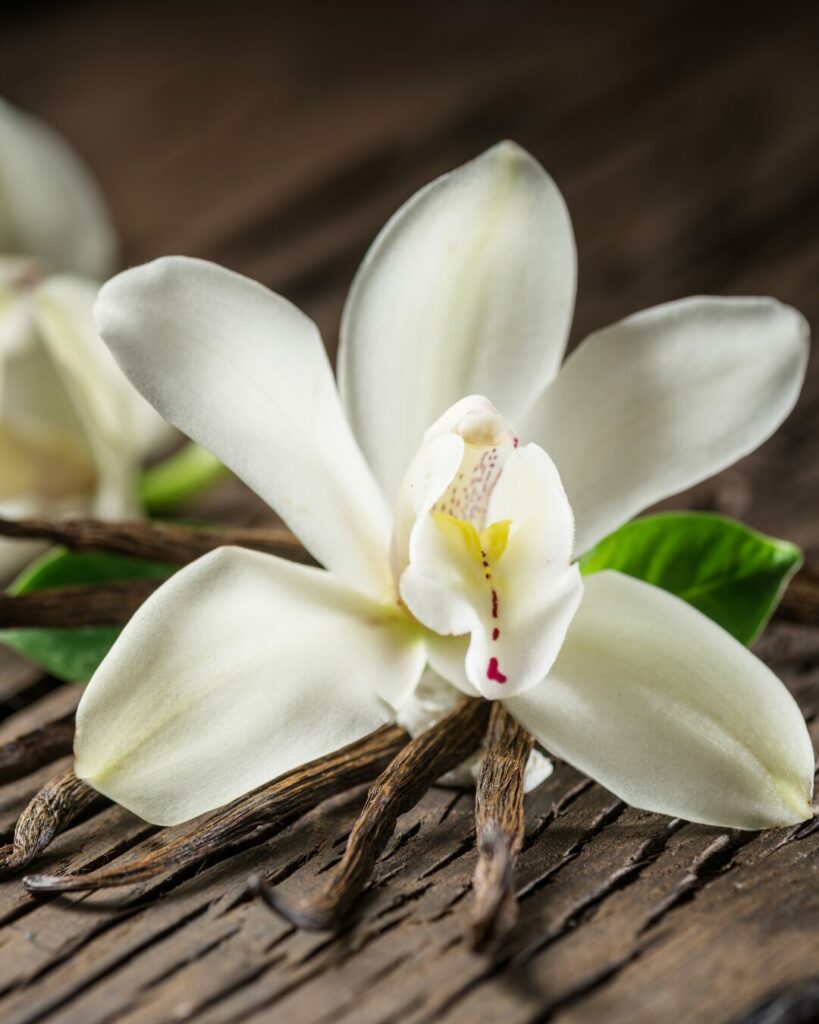
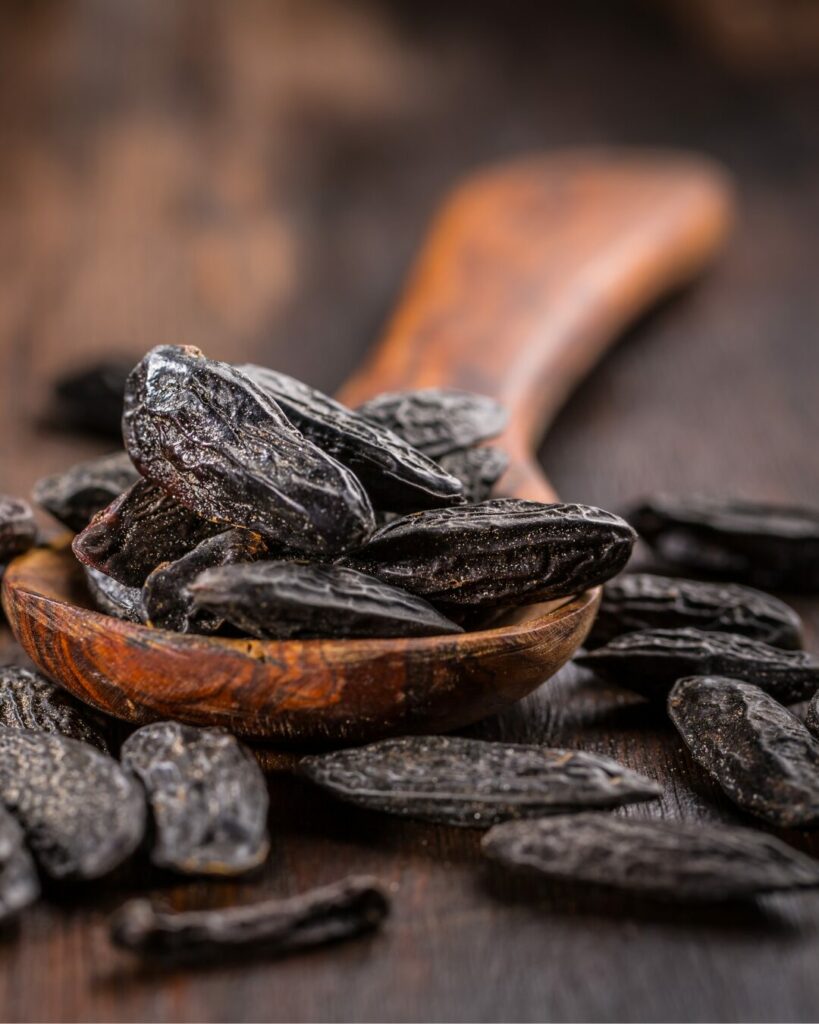
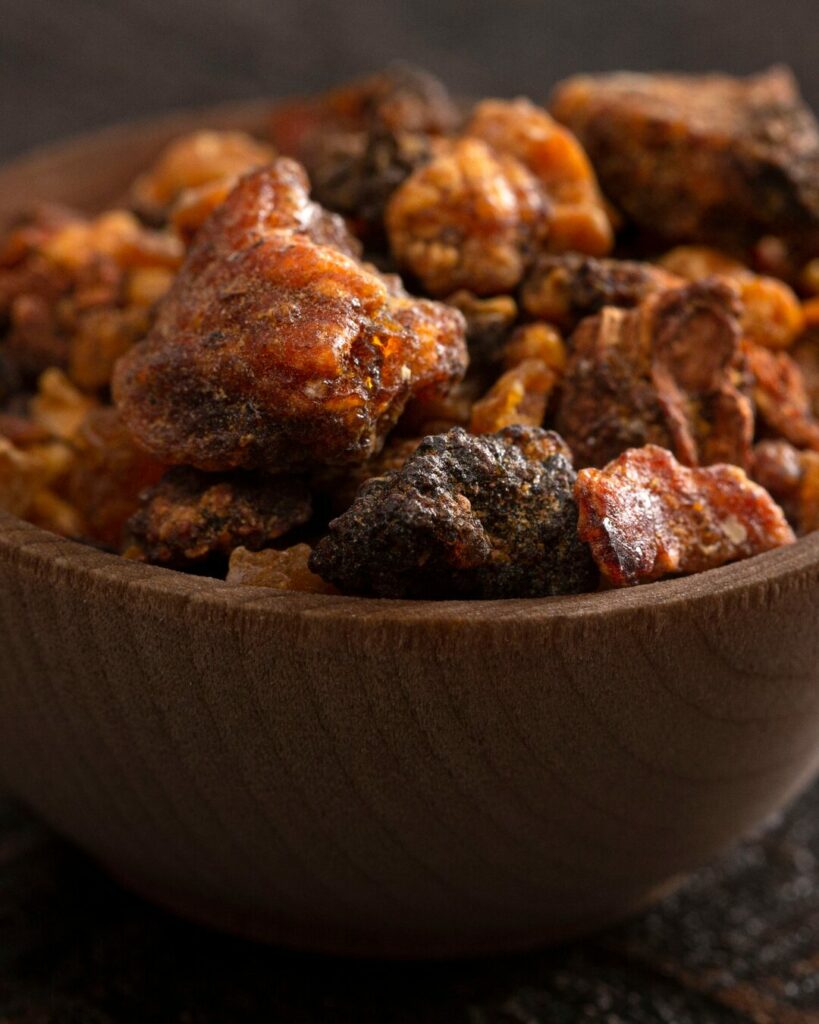
It is in these base notes that one recognises the Guerlinade, that signature particular to the House of Guerlain. Vanilla, bergamot, iris and tonka bean weave an invisible link between Shalimar and the other masterpieces of the house. But here, this accord takes on an almost carnal dimension. Shalimar is not a demure perfume, it is a declaration, a sillage that imprints itself, a breath that bewitches.
Some find it too powerful, others can no longer do without it. It does not seek to be consensual. It seduces, it disturbs, it imposes its law. A century after its birth, it continues to bewitch those who cross its sillage. Because Shalimar is not only a perfume. It is an imprint.
Shalimar: A Timeless Perfume Despite Trends
The world changes, fashions pass, generations succeed one another… and yet, Shalimar is still there. Some will say it is thanks to its heritage, others will speak of its iconic bottle. But the truth is that Shalimar does not merely exist: it imposes its presence.
What makes it timeless is that it does not seek to please at all costs. It does not adapt, it does not reinvent itself to fit the trends. It is what it is—a whole, assumed perfume, which has never yielded to compromises. It is precisely this intransigence that makes it so precious. It still seduces because it never needed to seduce: it imposes itself, with a natural elegance, without artifice.
The young generations adopt it, fascinated by its unique character, while those who have worn it all their lives continue to find themselves in it. It crosses the ages with an insolent ease, because it belongs to none of them. It is apart, out of time. Untouchable.
Its Influence and Its Legacy in Modern Perfumery
One does not create a perfume like Shalimar without leaving an indelible imprint. It is the first to have dared this overdose of vanilla notes, this olfactory shock between the acidity of citrus and the sensuality of oriental notes. Without Shalimar, perfumery would not be what it is today.
Its sillage opened a breach, inspiring generations of perfumers to explore more adventurous olfactory territories. It paved the way for the great oriental fragrances, influencing creations such as Opium by Yves Saint Laurent, Obsession by Calvin Klein, or L’Heure Bleue, its own soul-brother at Guerlain.
Shalimar did not only mark history, it became a norm, a base on which others build. But none has dethroned it. Because Shalimar is not a perfume among others. It is an icon.
Shalimar, the Timeless Sovereign
Some perfumes are born and fade, others mark history. Shalimar is one of those rare elixirs that defy time, imposing their sillage with an almost mystical presence. A hundred years after its creation, it remains an absolute reference, an olfactory myth. Its secret? It never transformed itself to seduce: it imposed itself. Faithful to itself, whole, indomitable, it does not seek to please, it fascinates. One loves it or finds it too audacious, but one cannot ignore it. It is a signature, an imprint, a perfume that shapes a presence far more than it accompanies it.
Passed down from generation to generation, Shalimar does not belong to an era, but to a personality. To wear it is to embrace a legend, to walk in history without ever blending into the background. Shalimar does not merely exist. It reigns.
Its Emblematic Bottle
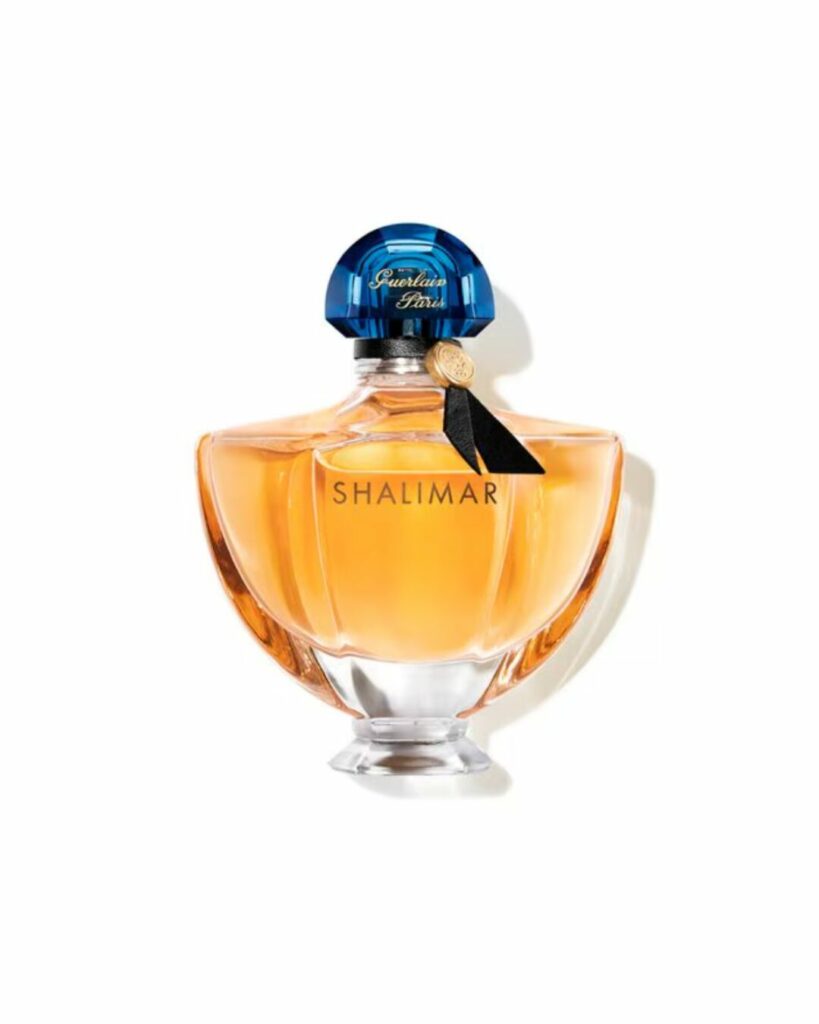
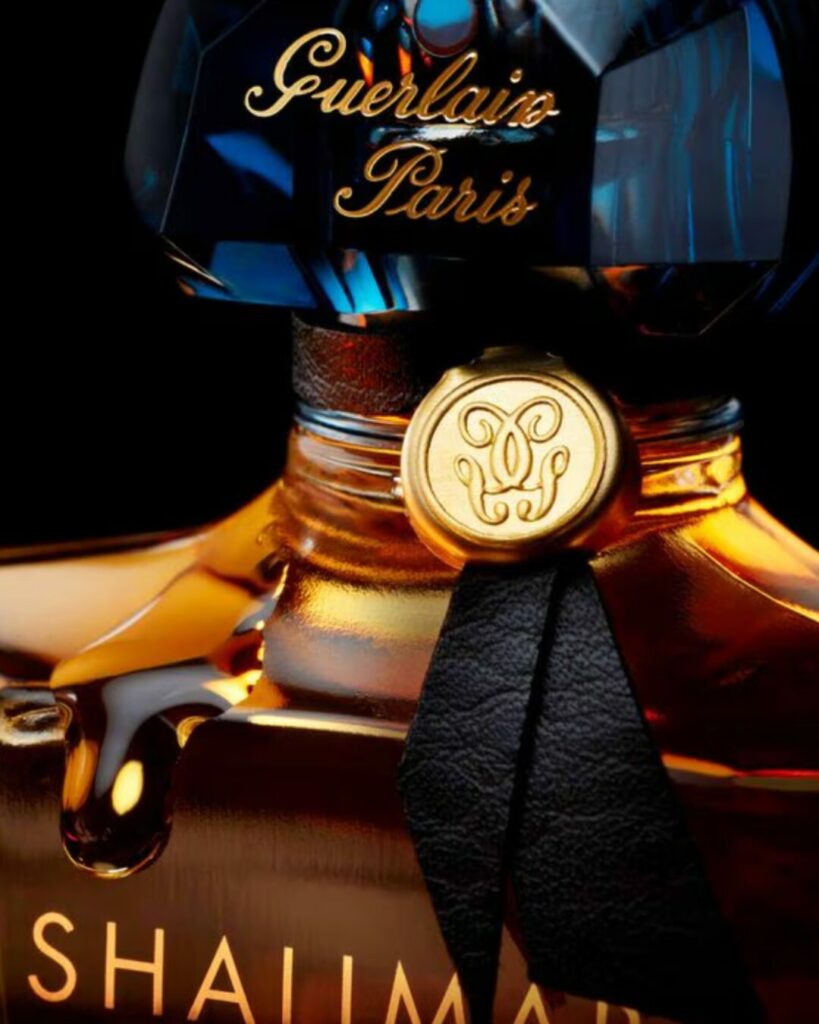
Its case, designed by Raymond Guerlain, draws inspiration from the basins of the Shalimar gardens, with a blue fan-shaped cabochon, the first coloured cabochon in perfumery, a technical feat by Baccarat. This bold design won first prize at the Exposition des Arts Décoratifs of 1925.
100 Years: The Initiatives Set Up by Guerlain for the Occasion
To celebrate Shalimar’s centenary, Guerlain launched several special initiatives. The house unveiled a limited edition adorned with Swarovski crystals, paying tribute to the elegance and refinement of the perfume. Moreover, Guerlain organised exhibitions retracing the history of Shalimar, allowing perfume lovers to discover or rediscover this icon in a new light.
In a century of existence, Shalimar has established itself as a pillar of world perfumery. A symbol of passion, luxury and timelessness, it continues to seduce and inspire, proving that some creations transcend time and fashions.
Dance is a language of the body. But this language, even before being seen or heard, is smelled. Each style of dance, each practice, each stage has its own olfactory world: the leather of flamenco boots, the dry wood of a ballet studio, the rhythmic sweat of a hip-hop battle, the incense diffused in oriental dances or the wafts of body oils in African dances.
The smell of dance is an organic, living blend. It speaks of the body at work, the materials rubbing together, the repeated gestures, the stage warming up, the intensity of the moment. Some perfume houses have drawn inspiration from it to create iconic perfumes, as one would compose a choreography: in layers, in tension, in freedom.
Materials and Their Scents: Dance in Its Raw State
Before being sublimated on stage, dance begins in a concrete, physical, textured space. It is a place of work, of effort, of repetition. And like any living space, it has a smell. Dance, whatever its form, rests on a direct sensory relationship to the material: that of the floor, the shoes, the body in movement, the fabrics rubbing together. These elements form a raw, organic olfactory landscape, often ignored, but of astonishing richness.
The Wood, the Floor, the Walls
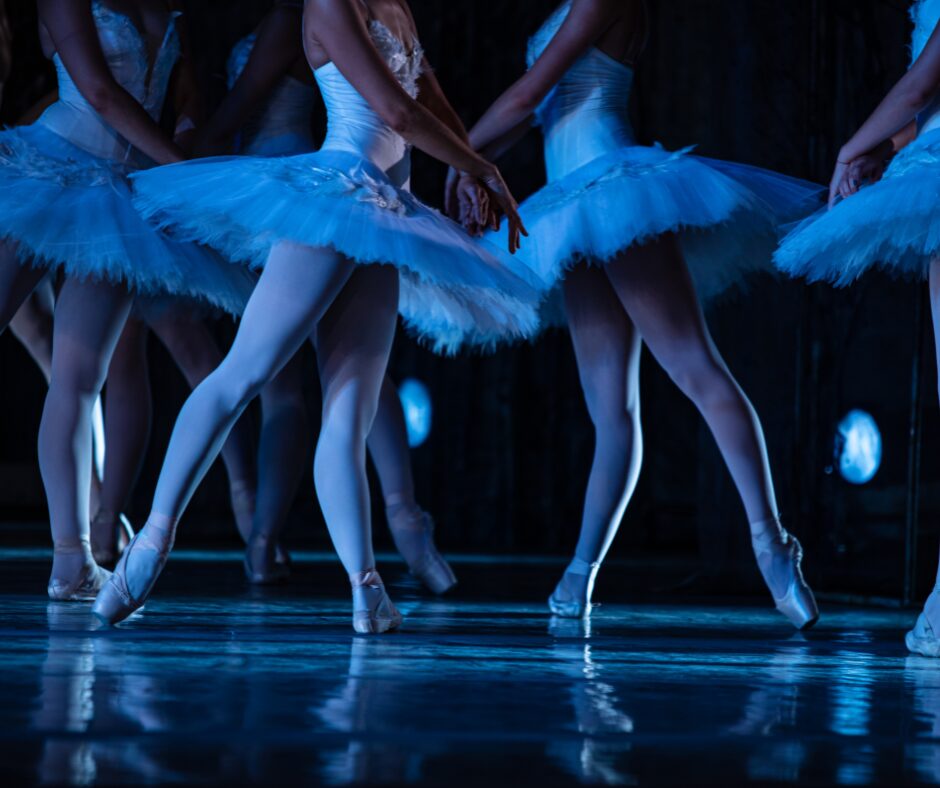
It is the dancer’s first partner. It absorbs the falls, supports the leaps, resonates under the strikes. In classical or contemporary dance studios, it is often light wood, sometimes patinated by the years, and exhales a dry, powdery, slightly resinous smell, impregnated with rosin—a pine resin used to promote the grip of the shoes. In the morning, when the space is still empty, one perceives whiffs of wax, dust, old glue.
In gymnasiums or urban dance studios, the heated linoleum, the worn plastic, and sometimes even the metallic scent of the air conditioning compose a whole other world: colder, more technical, but just as evocative. Outside, on the asphalt, it is the warm concrete or the wet stone that take over, with their raw minerality, sometimes tinged with pollution or crushed grass.
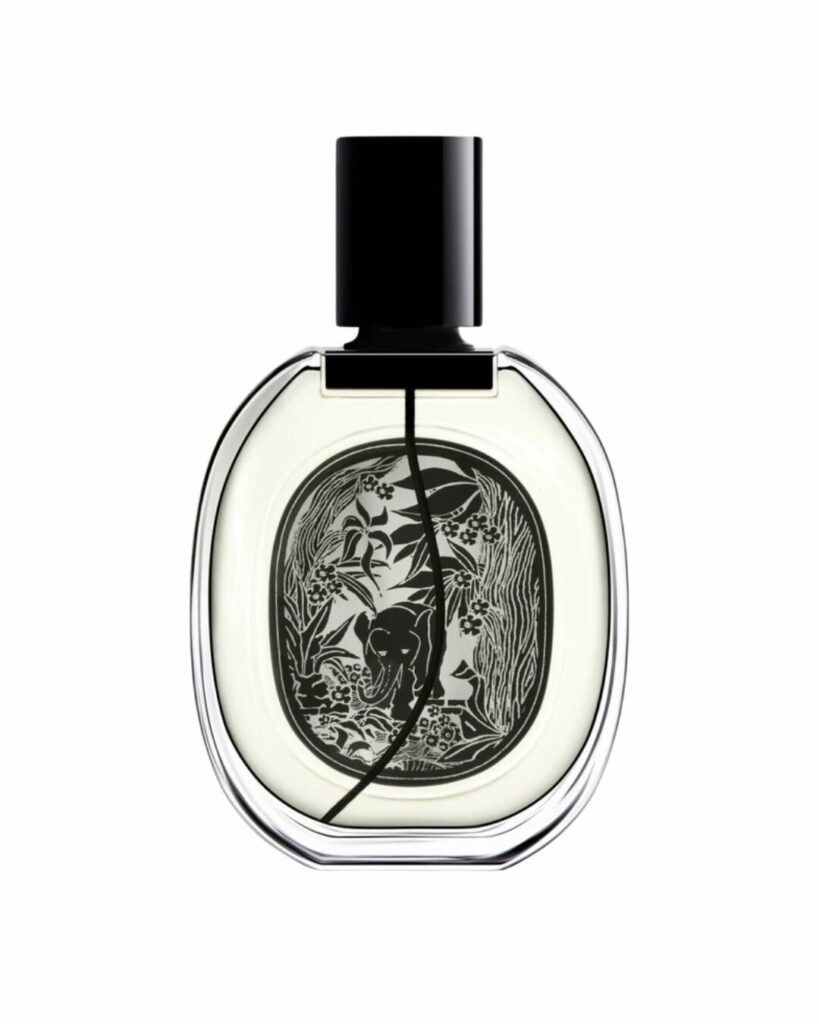
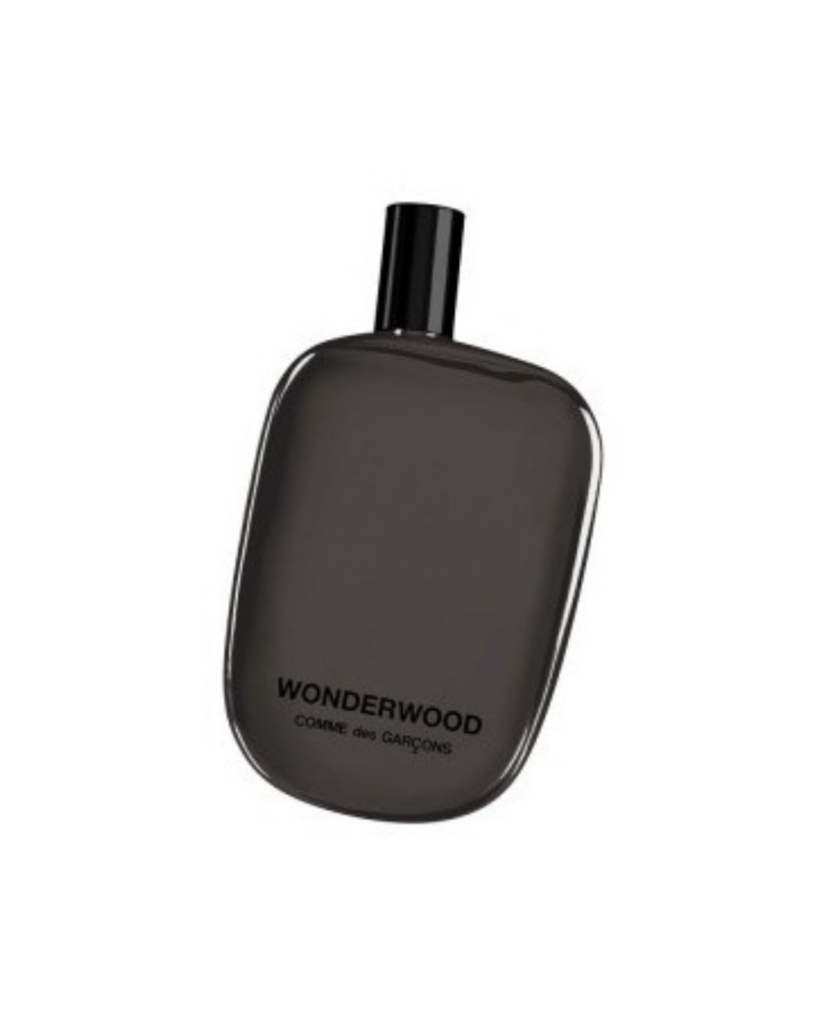
These impressions find an echo in certain woody, dry or mineral perfumes, such as Tam Dao (Diptyque), which recalls a soothed, milky sandalwood, or Wonderwood (Comme des Garçons), with its many woody, dusty and textured facets, almost grainy on the skin.
The Shoes: Leather, Fabric, Rubber
To each dance, its shoes. In the wings of the ballet, the satin pointe shoes and the soft-leather demi-pointes carry a soft, worked smell, a blend of animal material and resin. In flamenco, the studded boots smell of dry, tanned leather, heated by the heel strikes. In urban dance, the sneakers worn by the asphalt give off gummier, dustier notes, sometimes mingled with the smell of the street itself.
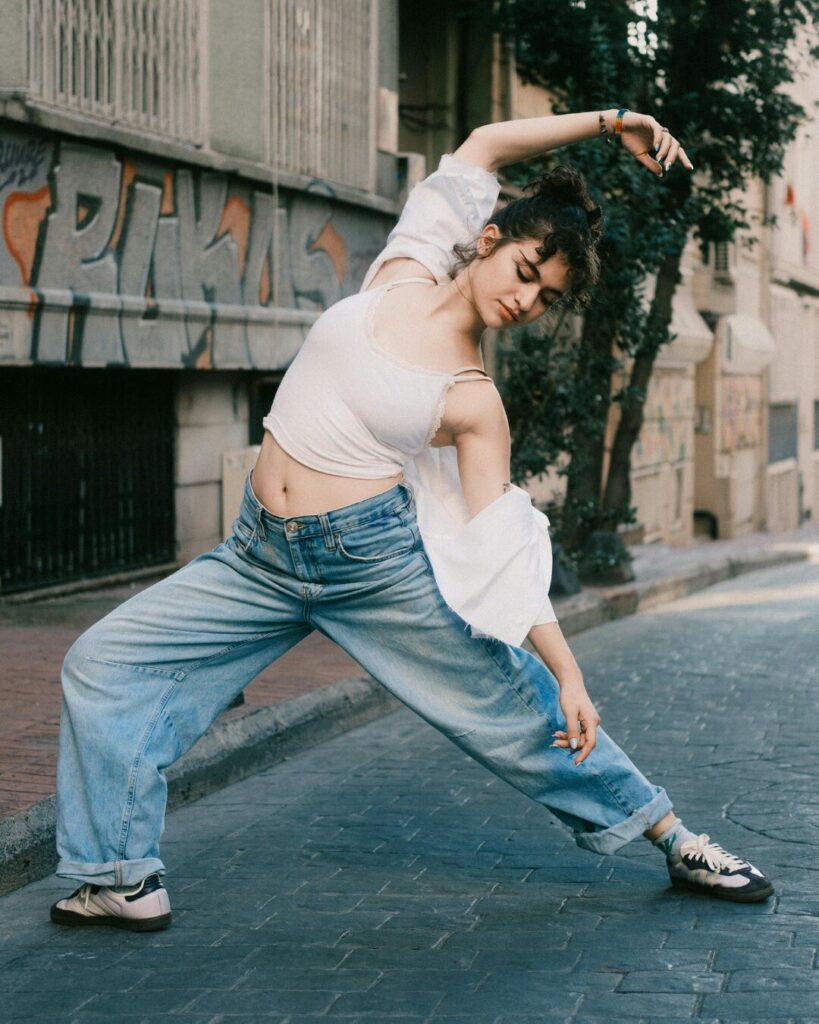
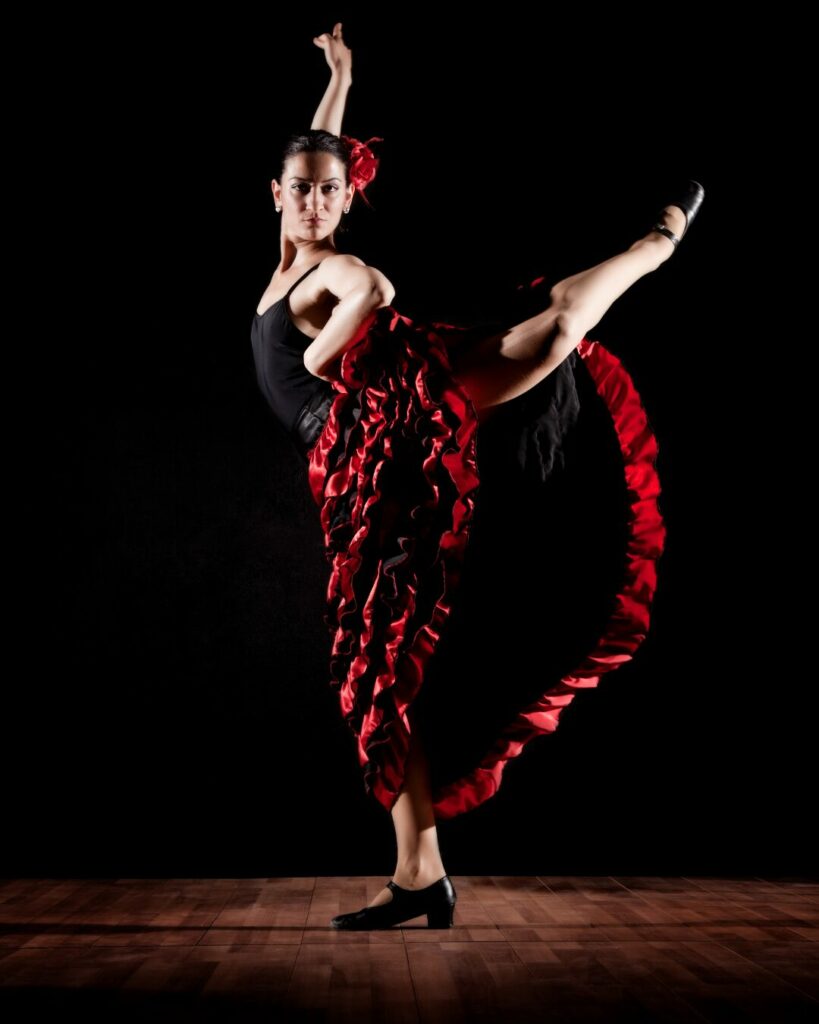
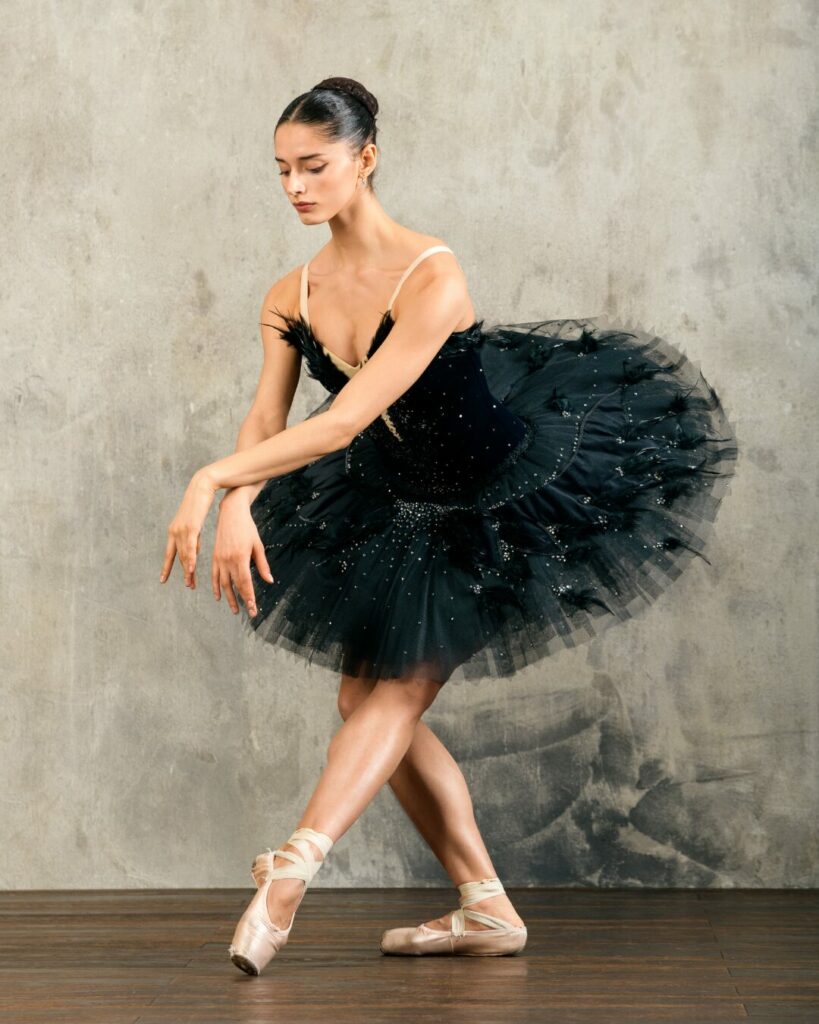
Oriental or African dances, often practised barefoot, bring the skin into direct contact with the floor or the mats, which retain bodily wafts, of vegetable oils, or of beaten earth. Here, the smell comes from the exchange between the body and the material.
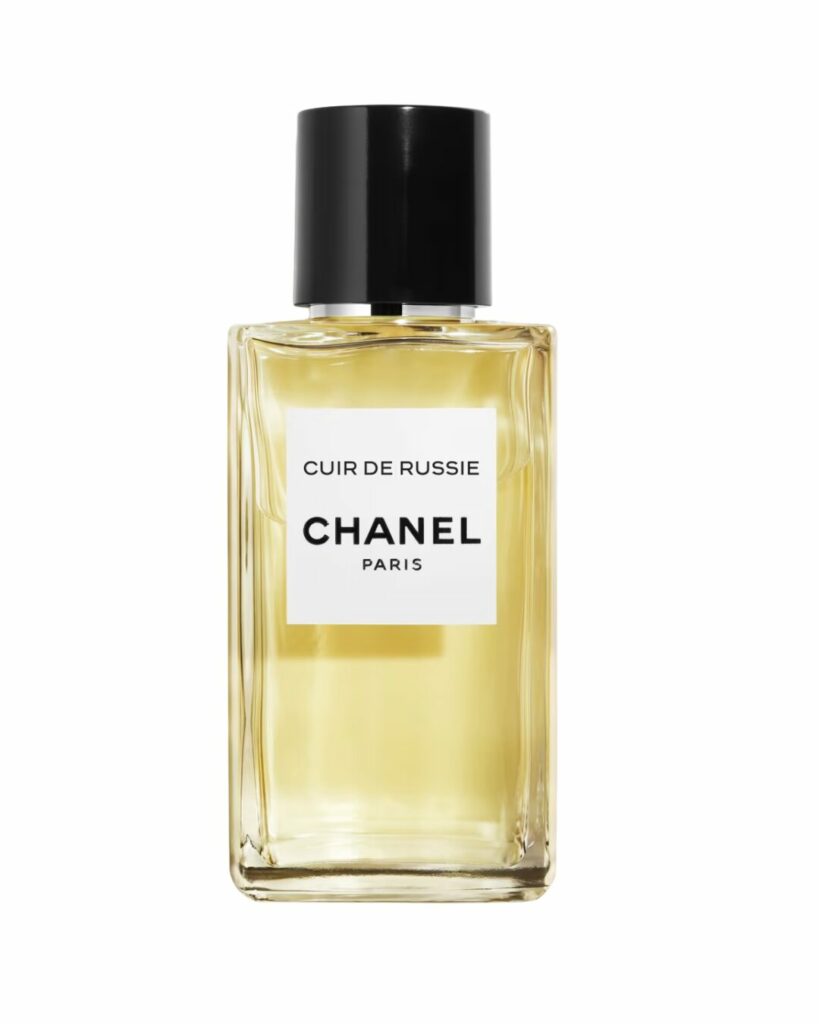
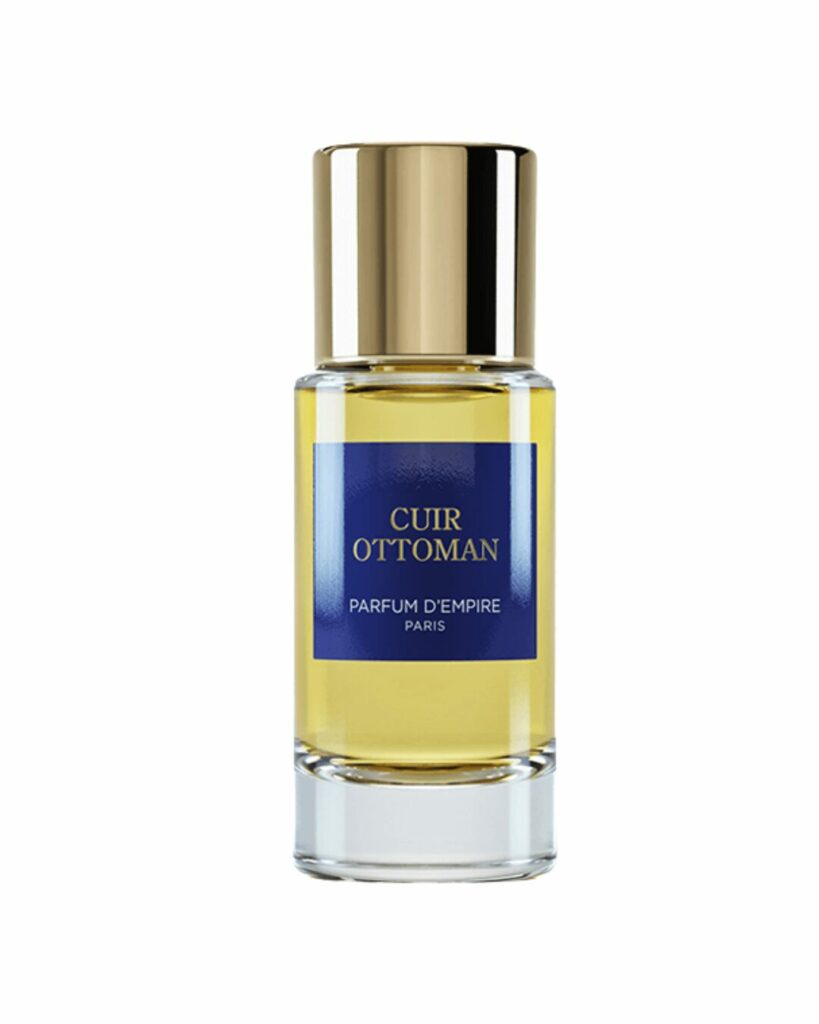
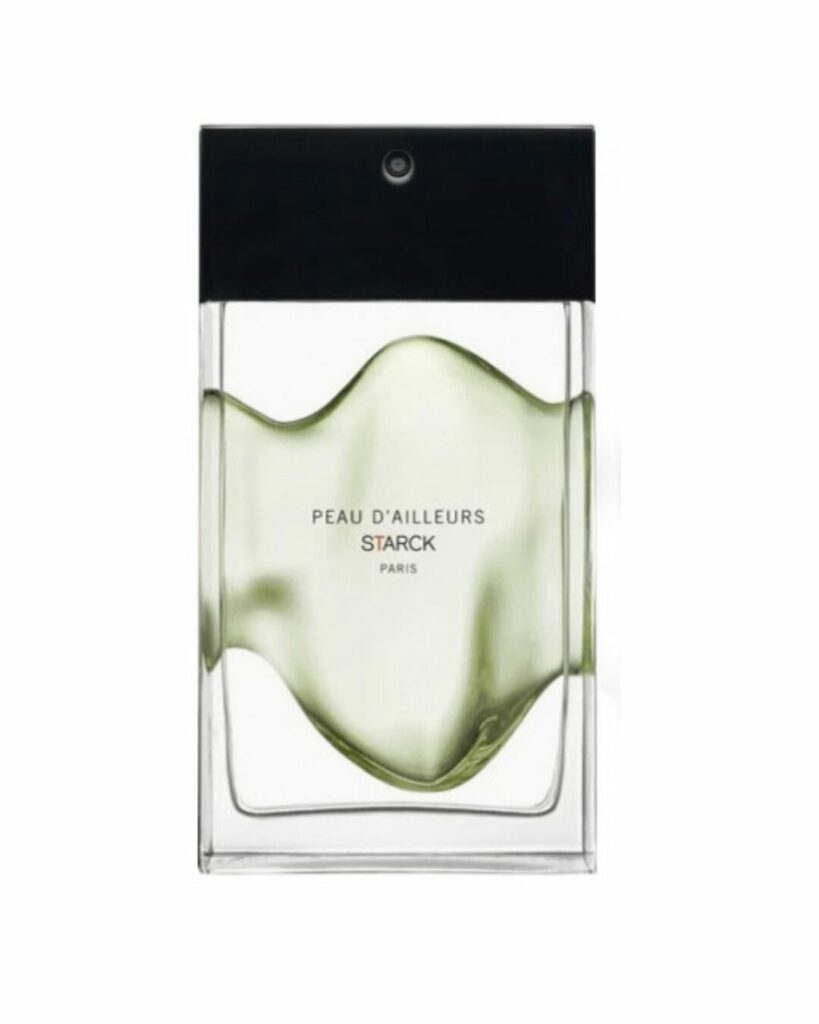
These sensations are found in leathery, sensual perfumes, such as Cuir de Russie (Chanel), with its smoky, floral leather, Cuir Ottoman (Parfum d’Empire), with its powerful balmy sensuality, or Peau d’Ailleurs (Starck), an abstract, shifting perfume that evokes a living, indefinable material.
The Body and Its Skin
Dance is a setting of the body in motion, but also a setting in smell. The dancer’s sweat is not raw; it is contained, repeated, stylised. It mingles with the smell of the skin, of the fabric, of the oils used before or after the effort.
In African or oriental dances, argan, coconut or shea oils impregnate the skin with a nourishing, solar, almost milky sillage. In contemporary or urban dance, the blend of perspiration, technical textiles and body heat gives rise to a clean, musky, intimate smell. The tiaré of the Monoï oil that impregnates the skin of Tahitian tamure dancers diffuses to the rhythm of the percussion.
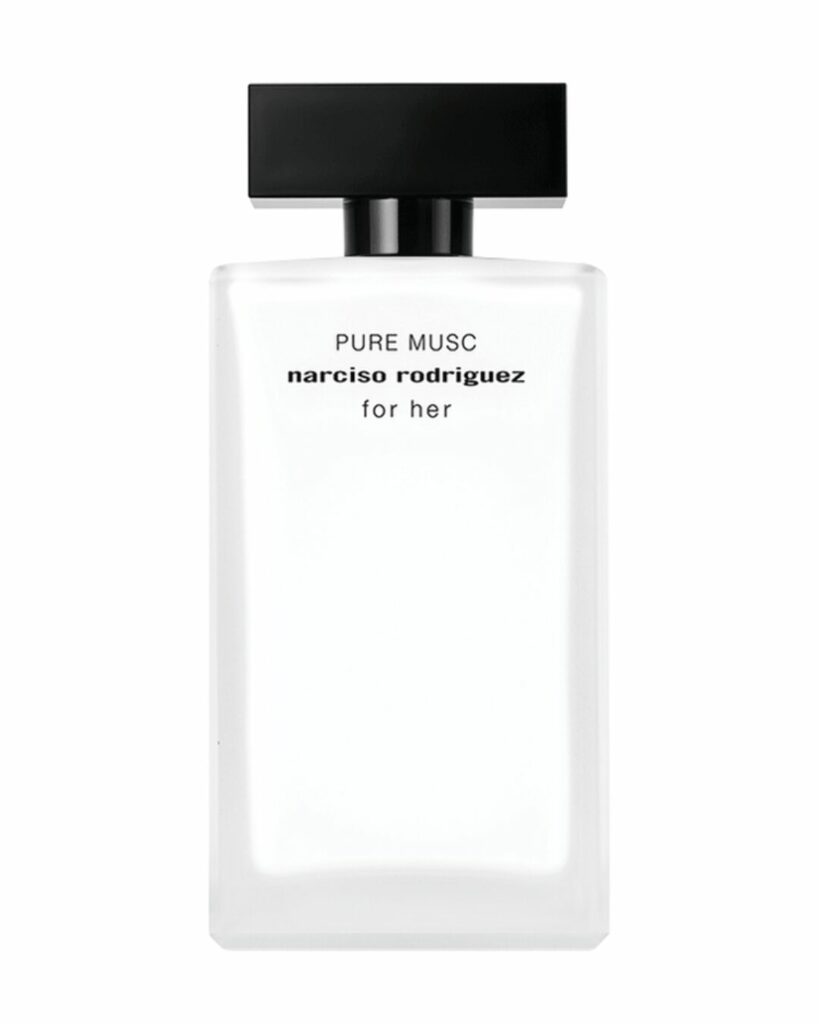
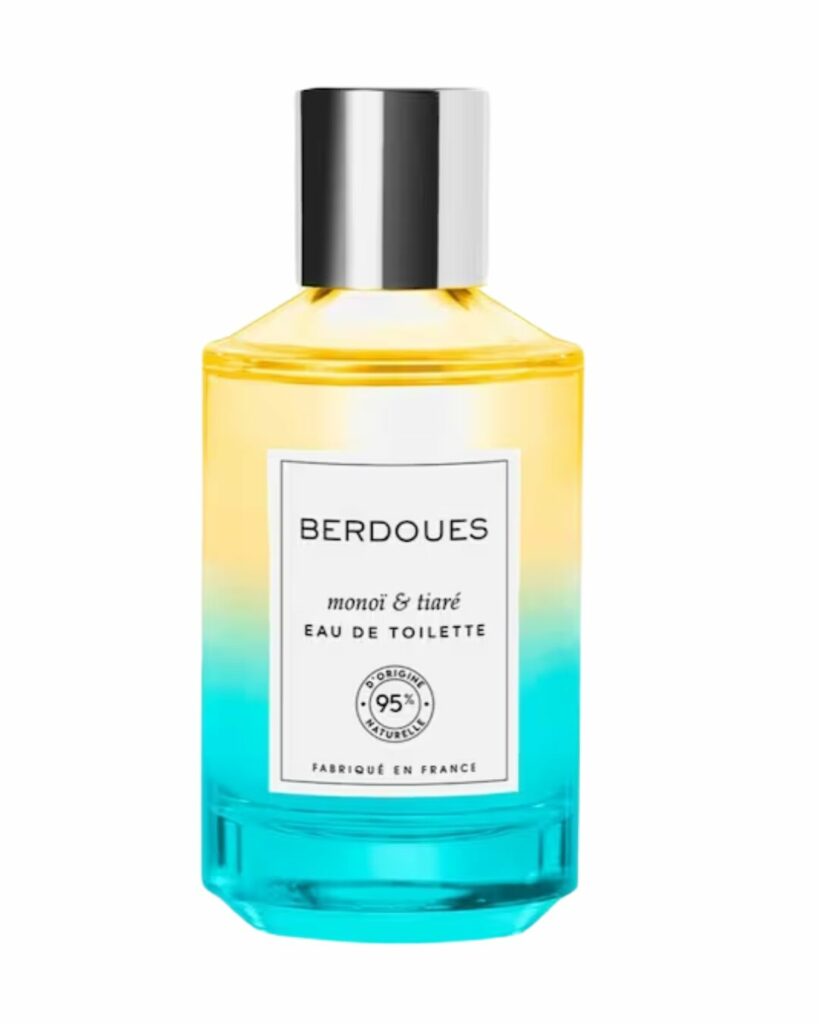
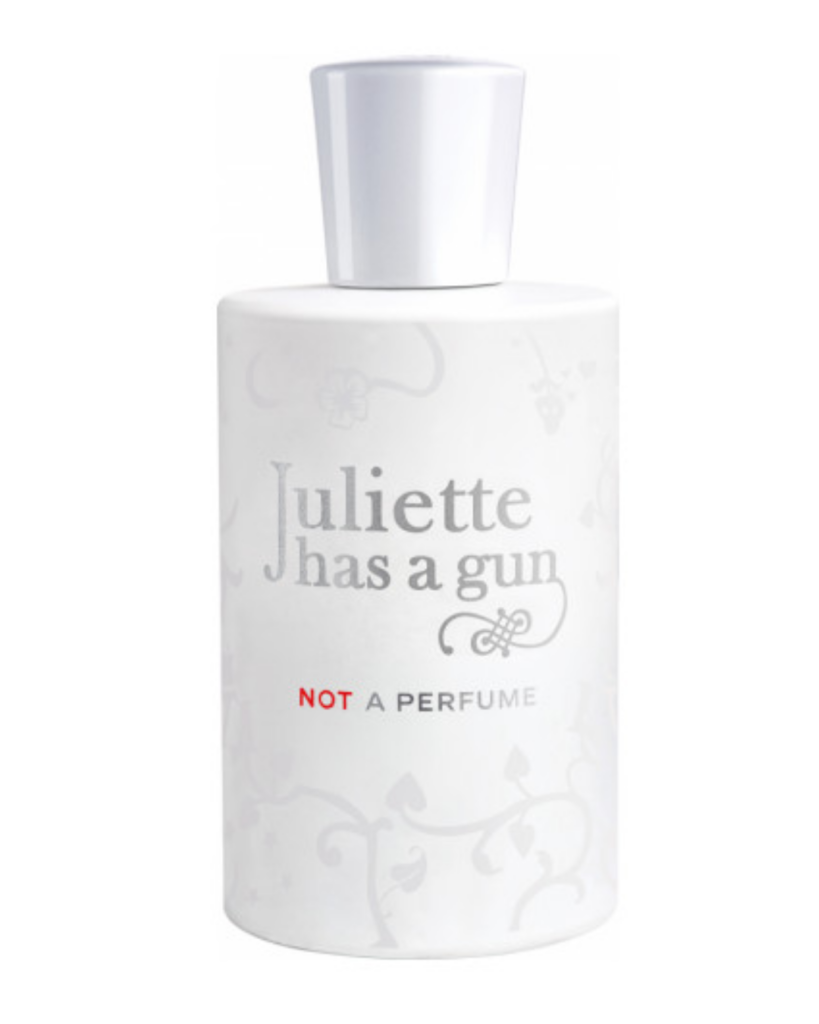
Certain perfumes render this discreet sensuality with accuracy: Dans Tes Bras (Frédéric Malle), with its wood-musk-violet accord that speaks of warm skin; Pure Musc (Narciso Rodriguez), of a disturbing purity; or Not a Perfume (Juliette Has a Gun), based on a single musky molecule, close to skin and human warmth. Monoï et Tiaré (Berdoues) plunges us into the warmth of a Tahitian show.
The Textile, the Costumes, the Stage
Dance is also the rustle of a fabric, the weight of a costume, the tension of a leotard on the skin. Textile materials—tulle, lycra, cotton, silk—absorb and transform smells. Stage costumes, often reused, retain traces of hairspray, powder, greasy make-up, but also of stage dust and warm light.
It is an enveloping, powdery, slightly vintage smell, which immediately summons the imagery of the show. It is the dressing rooms, the lit mirrors, the last-minute touch-ups.
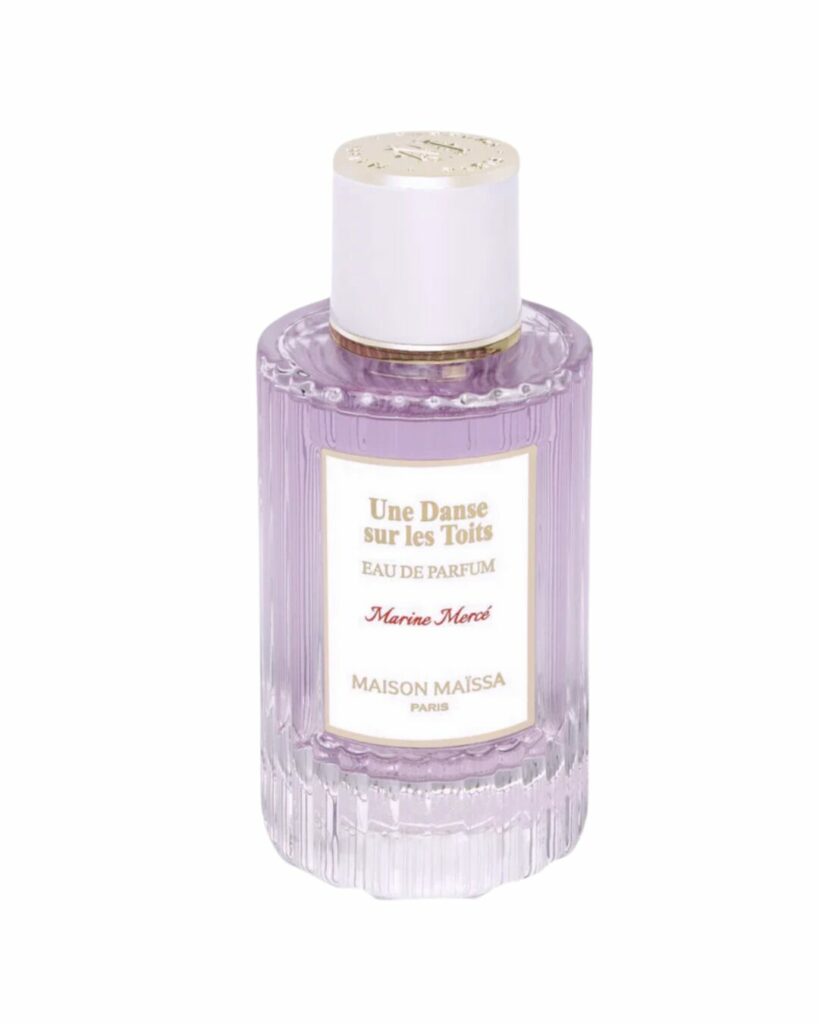
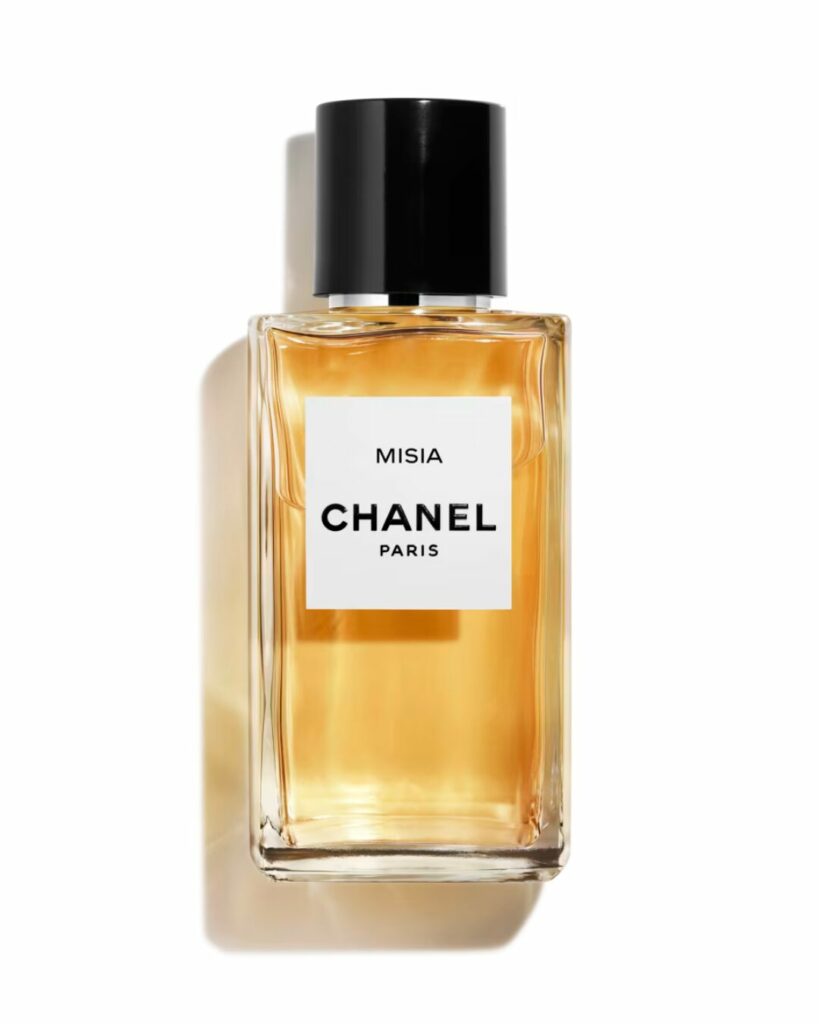
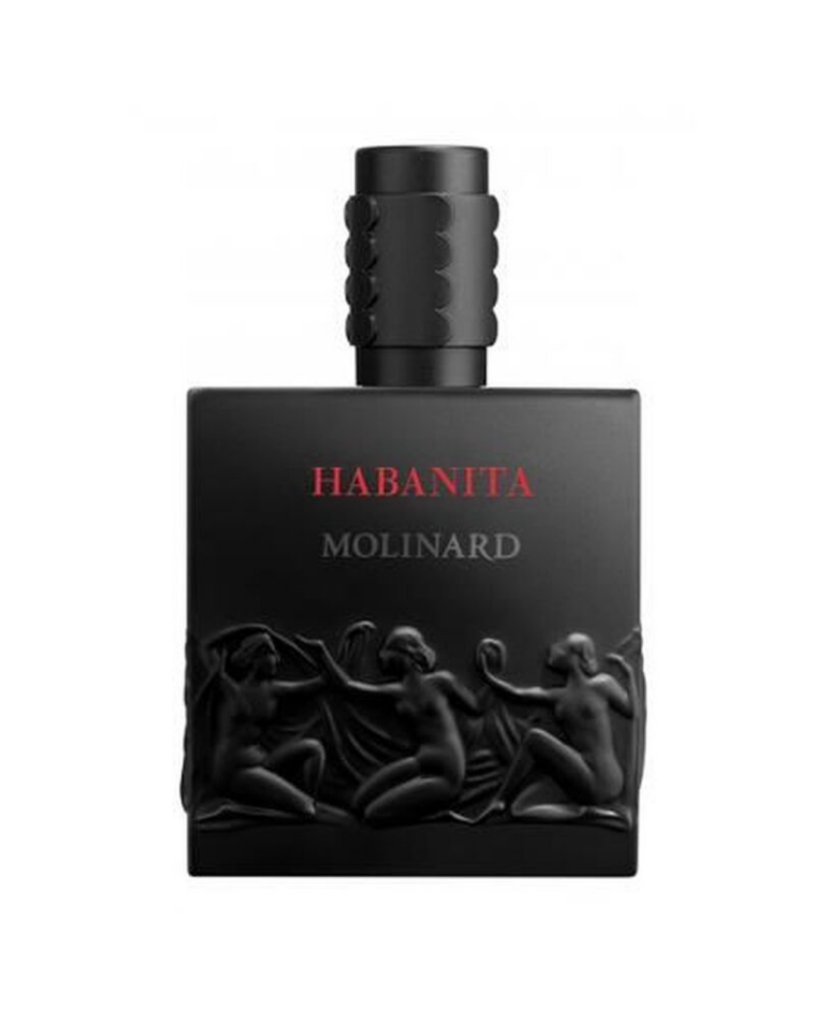
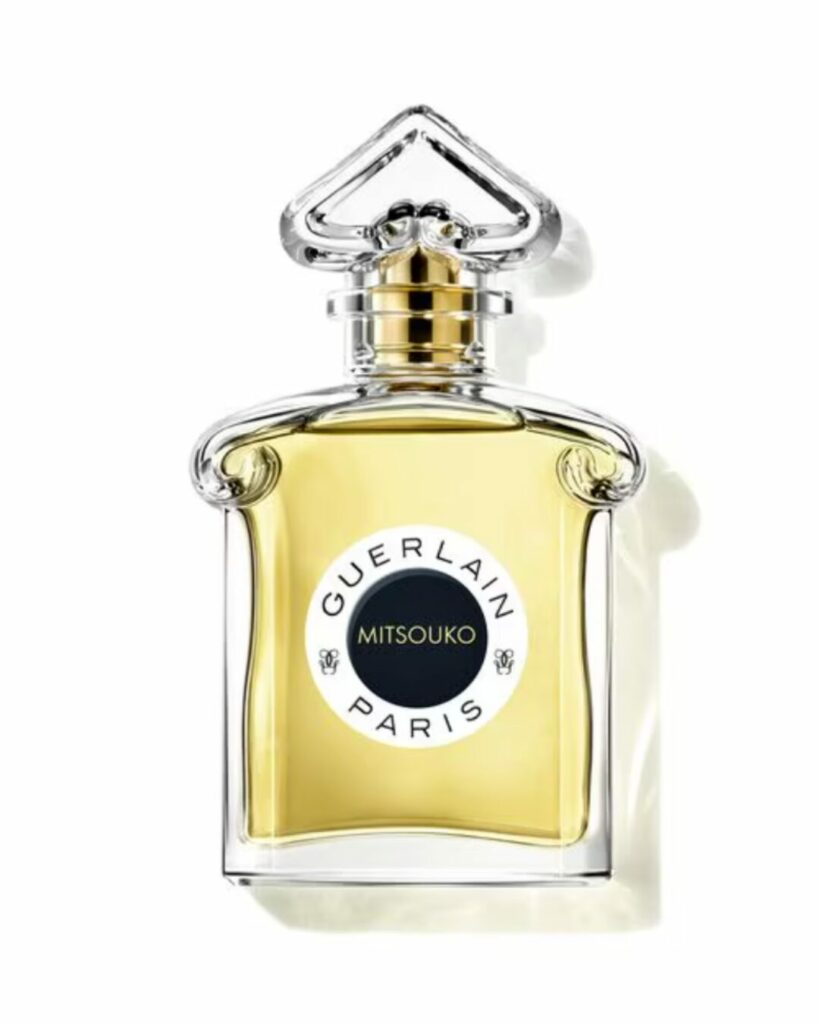
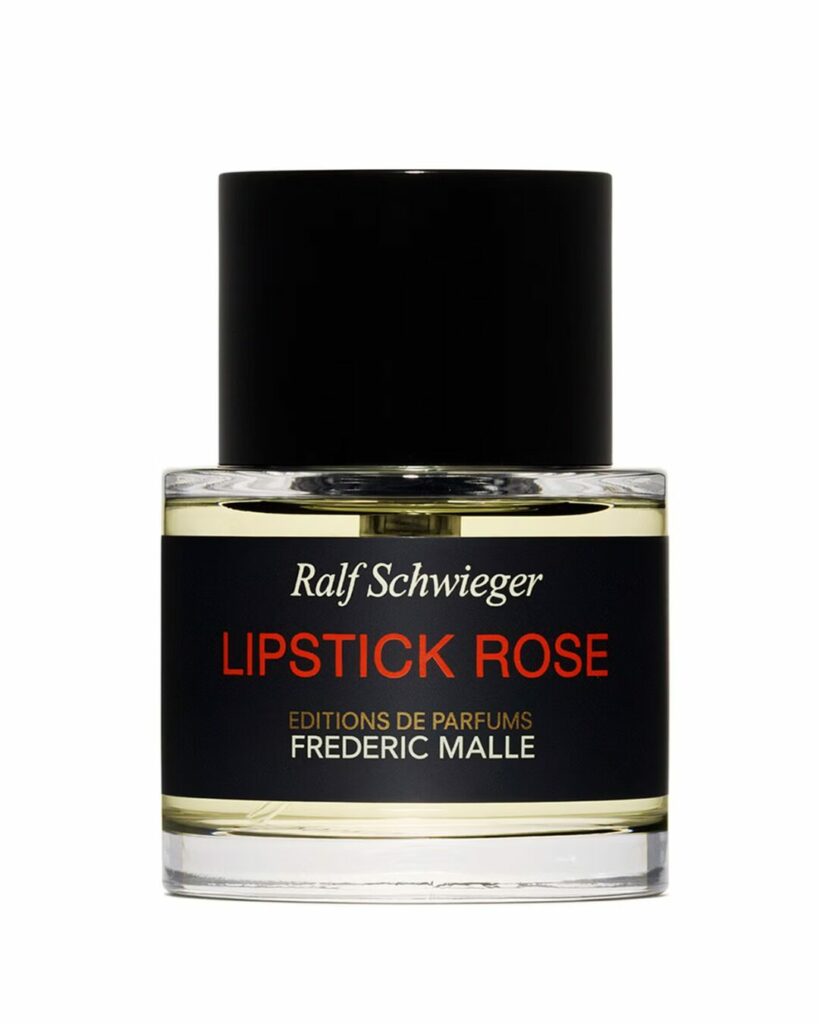
The perfumes that render this atmosphere are many: Lipstick Rose (Frédéric Malle), a direct tribute to lipstick and rice powder; Mitsouko (Guerlain), a deep, velvety chypre; Habanita (Molinard), with its powdery, leathery base; Misia (Chanel), which invites us into the dressing rooms of the opera; or Une Danse sur les Toits (Maison Maïssa), which captures the powdery elegance of a clean, floral textile.
Perfumes Inspired by Dance
Some perfumes do not seek to illustrate a specific material or smell, but to render a sensation, a movement, an inner rhythm. Like an abstract choreography, they do not tell a linear story, but unfold a sensory thread, between surges, pauses and tensions.
When Perfume Becomes Movement
Dance is told here not as a fixed scene, but as a dynamic, a kinetic emotion. We can then speak of choreographic perfumes: they rise, suspend, fall back. They turn around the skin like a partner around an axis.
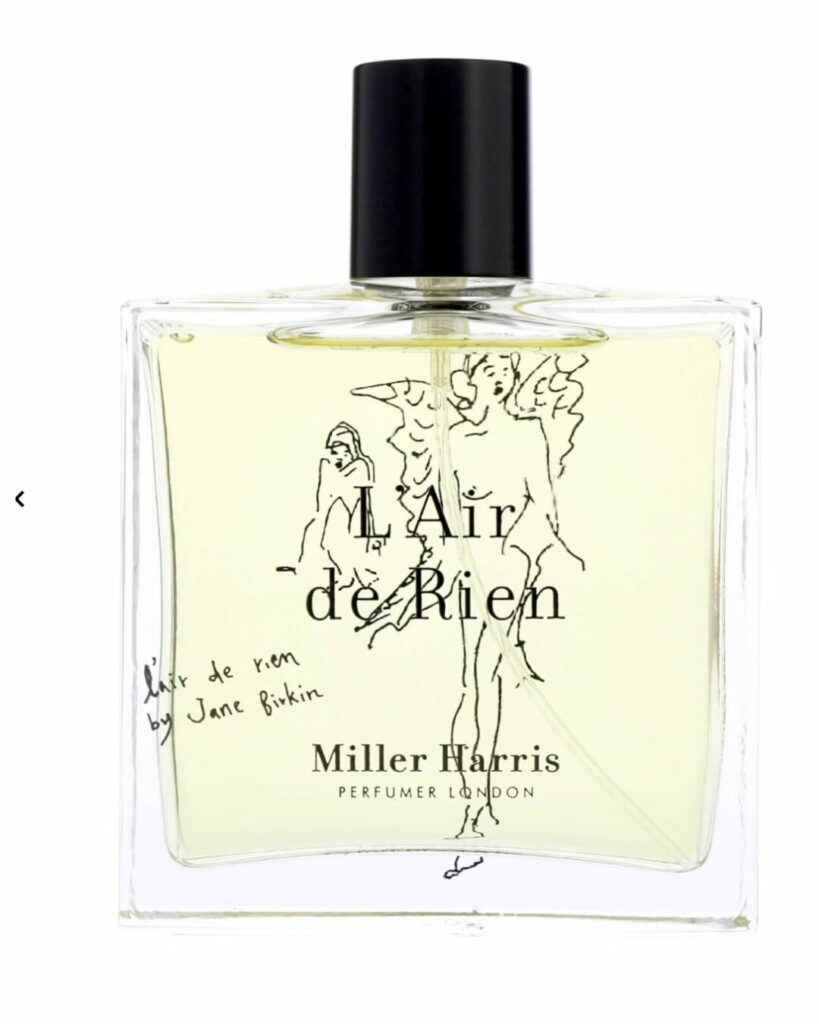
- L’Air de Rien (Miller Harris), created for Jane Birkin, offers a sensation of supple intimacy, almost careless but controlled, like a fluid gesture one does not watch, but feels.
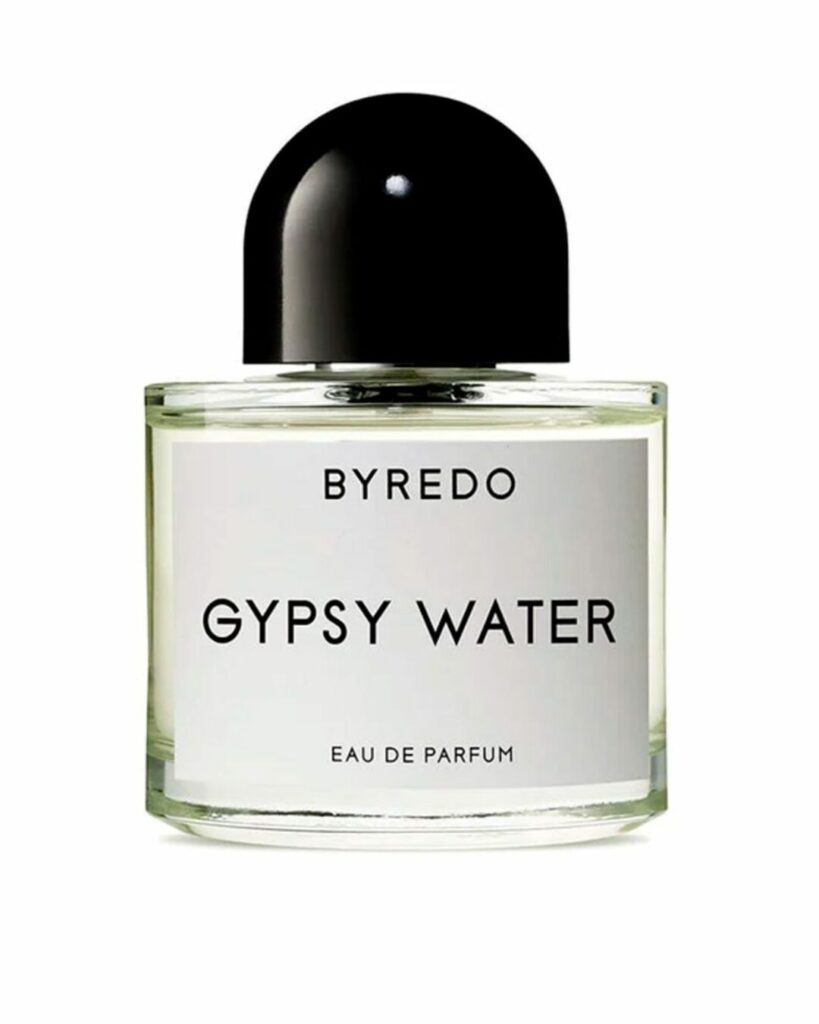
- Gypsy Water (Byredo) blends incense, vanilla and light woods in a light, free composition, which recalls the idea of a nomadic dance, outdoors, close to nature.
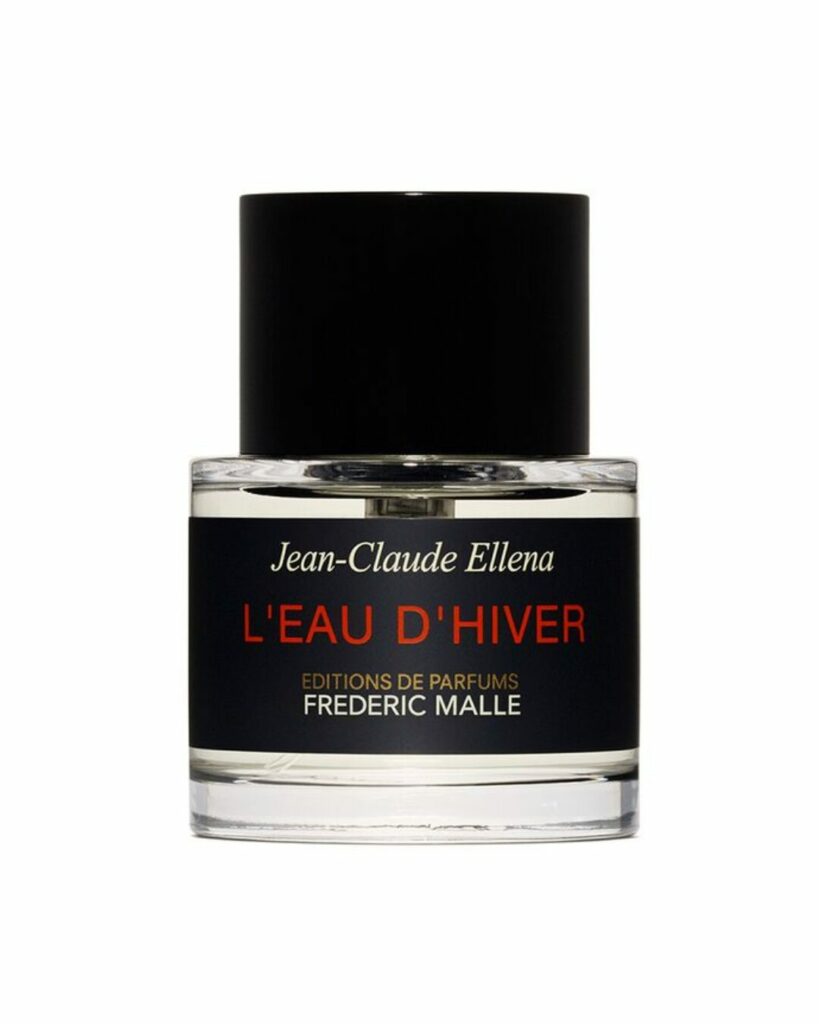
- L’Eau d’Hiver (Jean-Claude Ellena for Frédéric Malle) embodies a luminous, almost floating slowness. This skin perfume speaks of the silence of movement, of the softness of a gliding step. These perfumes do not say “I dance,” but “I let myself be crossed by a movement.” They render the space between the gestures, the unformulated intentions, the fragile balance between control and letting go.
Styles, Sillages
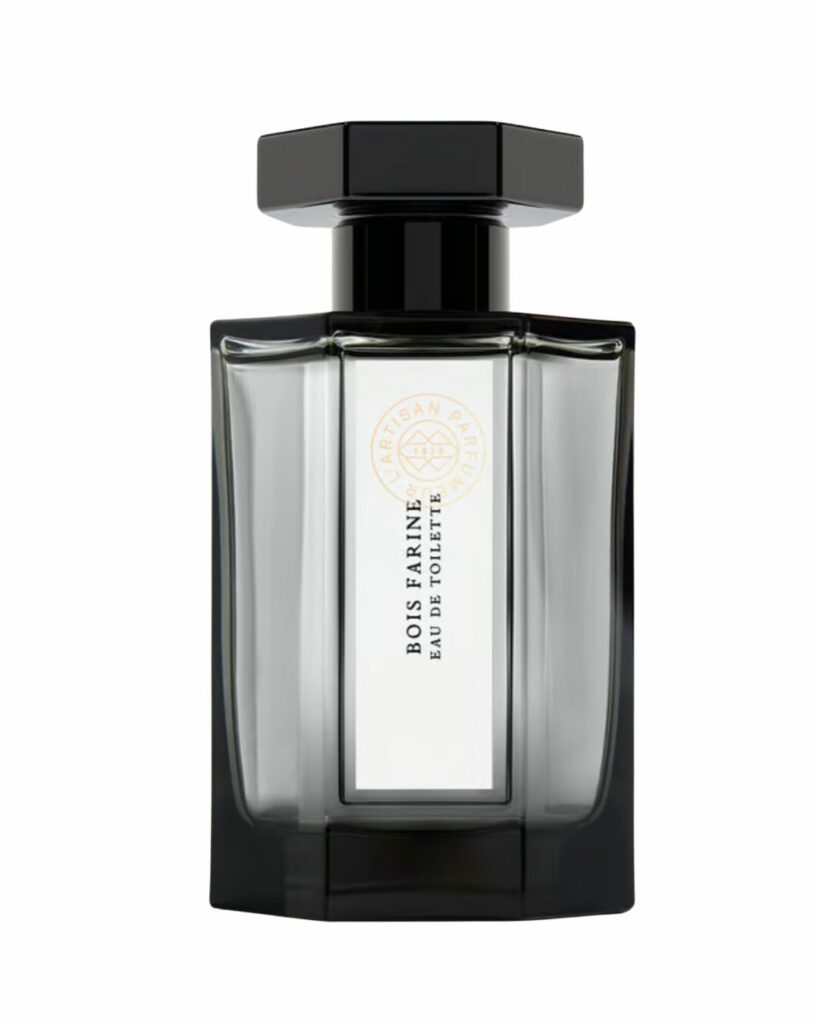
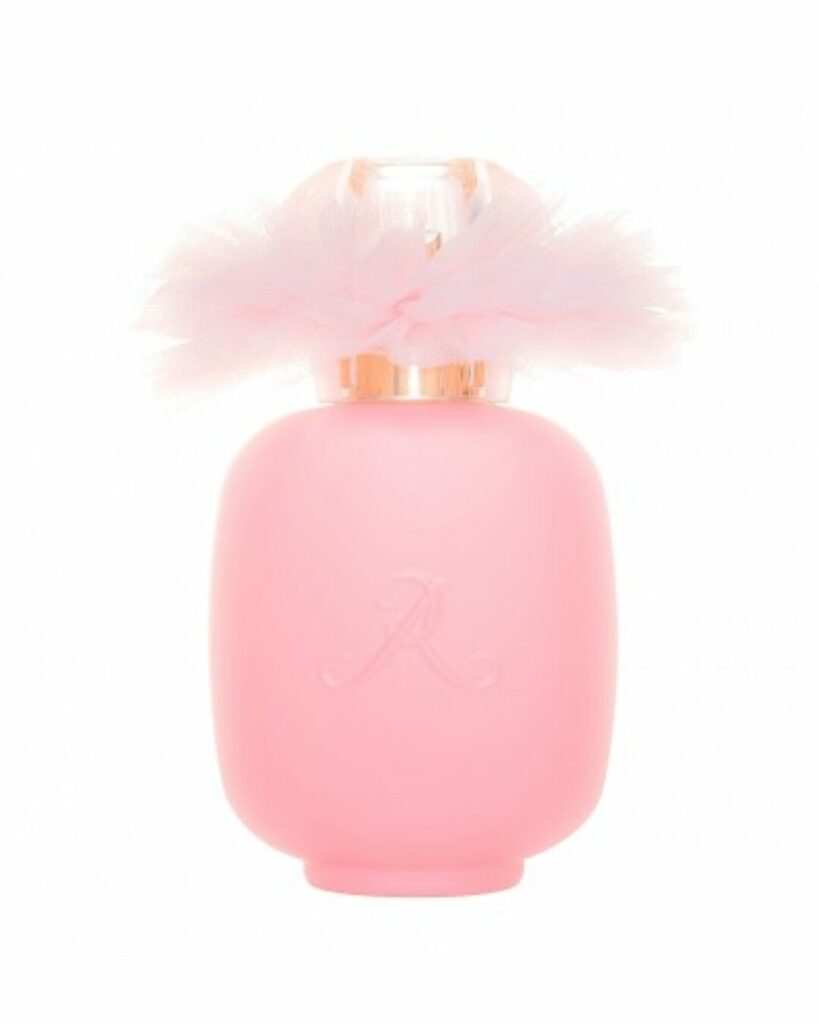
Because each dance has its gestures, its energy, its bodily and cultural grounding, each style can be associated with a particular olfactory register. These correspondences are not fixed, but they allow us to better sense—in the literal sense—the invisible texture of movement.
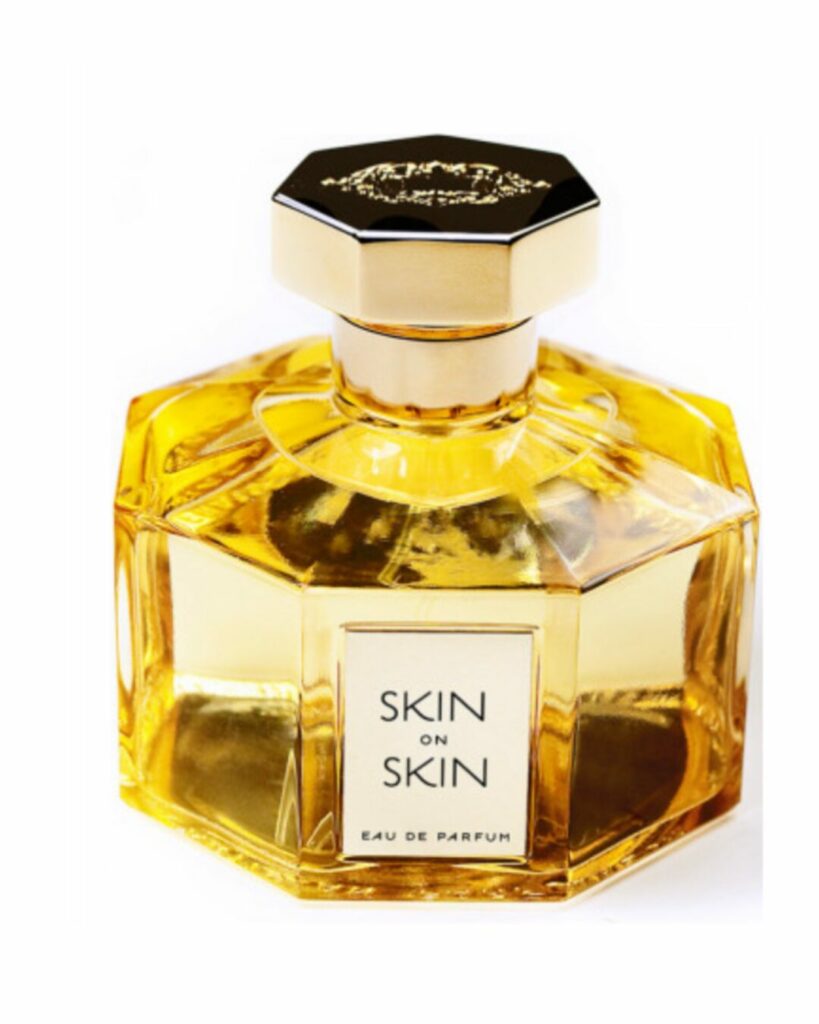
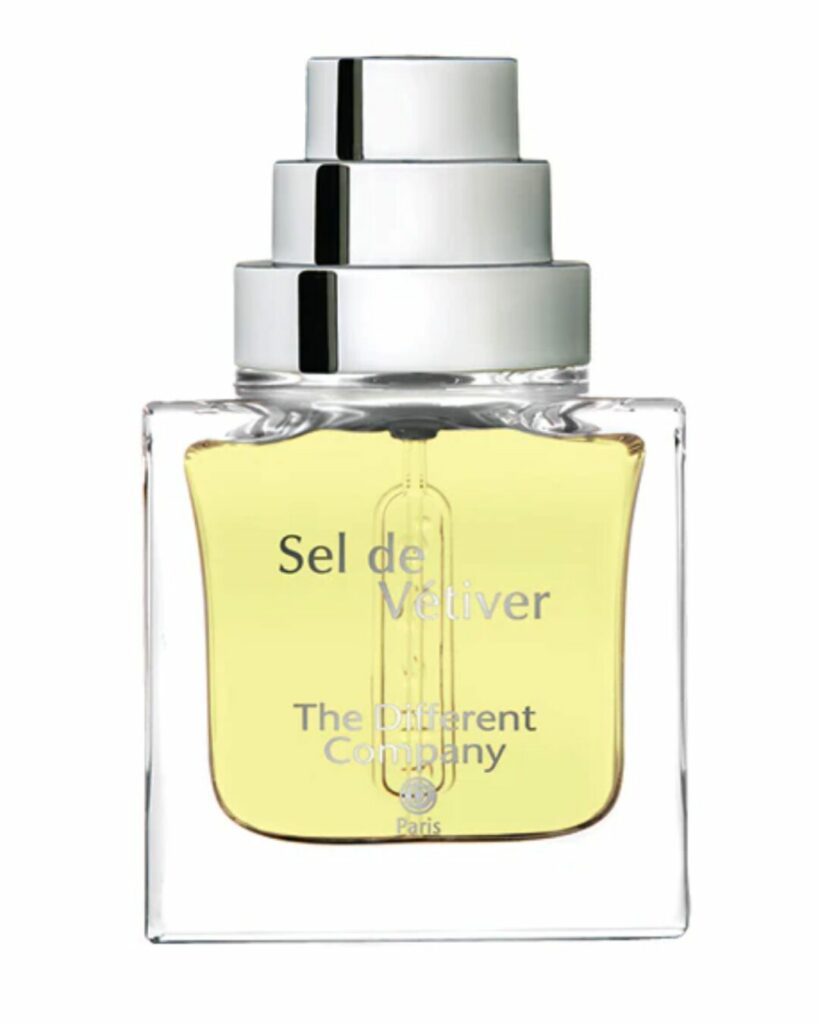
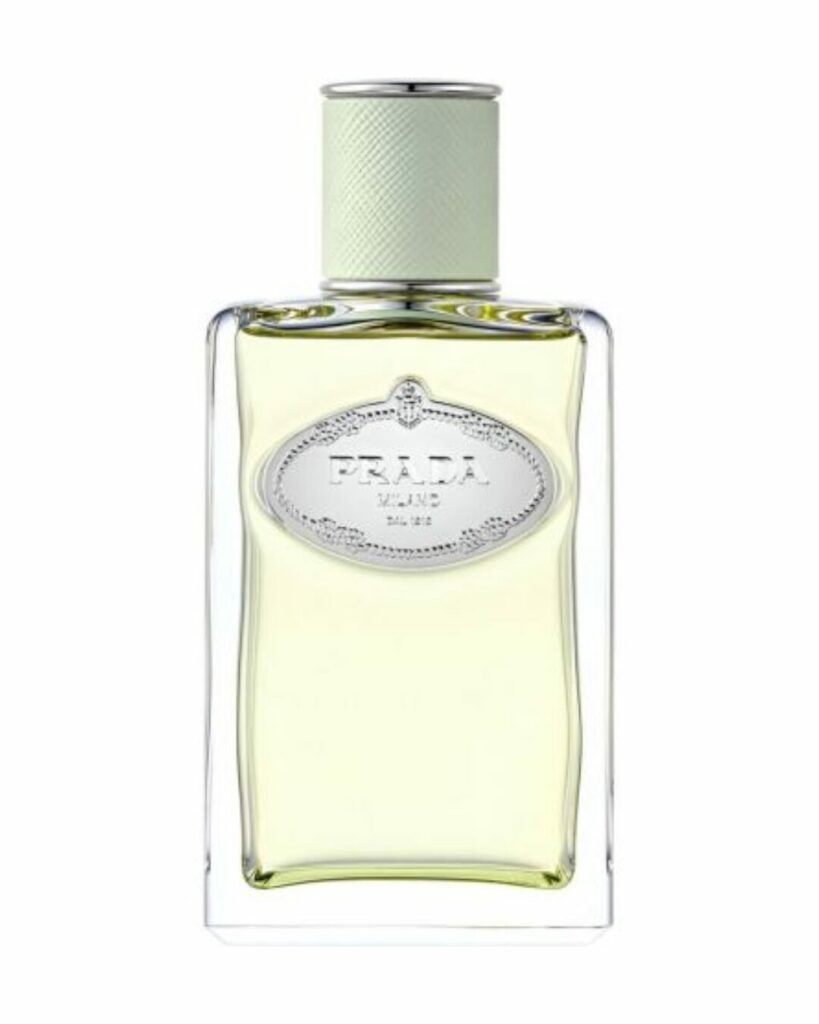
- Classical dance Elegance, tradition, discipline and poetry. Here we find fine powders, noble flowers, soft musks. → Infusion d’Iris (Prada), Bois Farine (L’Artisan Parfumeur), Ballerina No. 1 (Yosh). Inspired by the grace and elegance of classical dance, Repetto perfumes capture in bottles the emotion of a ballet and the delicacy of a movement.
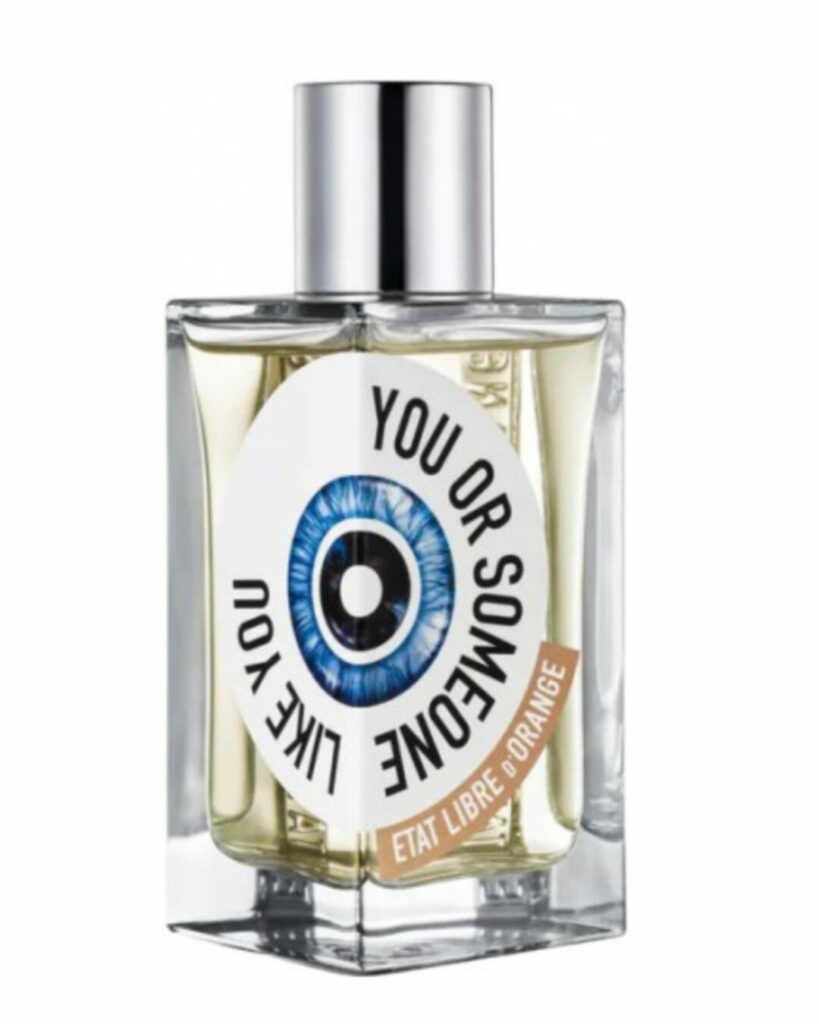
- Contemporary dance Body on the floor, breathing, interiority. The material becomes blurred, abstract, textured. → Skin on Skin (L’Artisan Parfumeur), Sel de Vétiver (The Different Company), You or Someone Like You (Etat Libre d’Orange).
- Hip-hop / street dance Speed, precision, raw energy, urban grounding. Dry woods, leather, vibrant musks take over. → Santal 33 (Le Labo), Encre Noire (Lalique), Ombre Leather (Tom Ford).
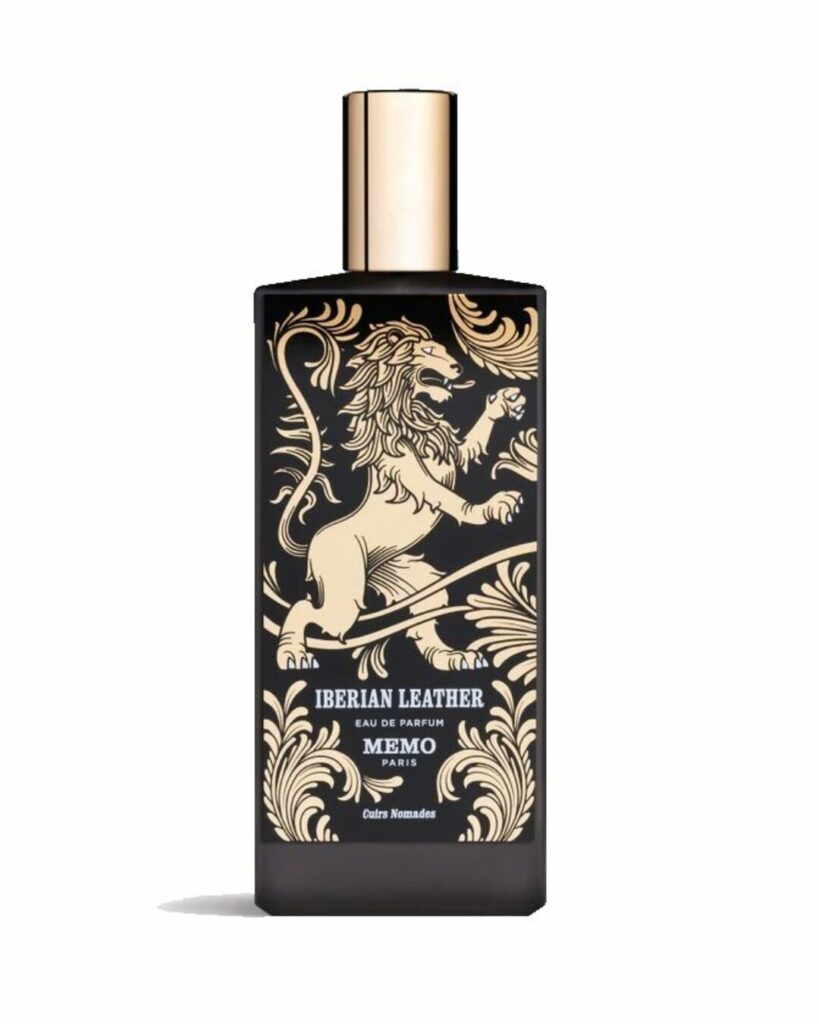
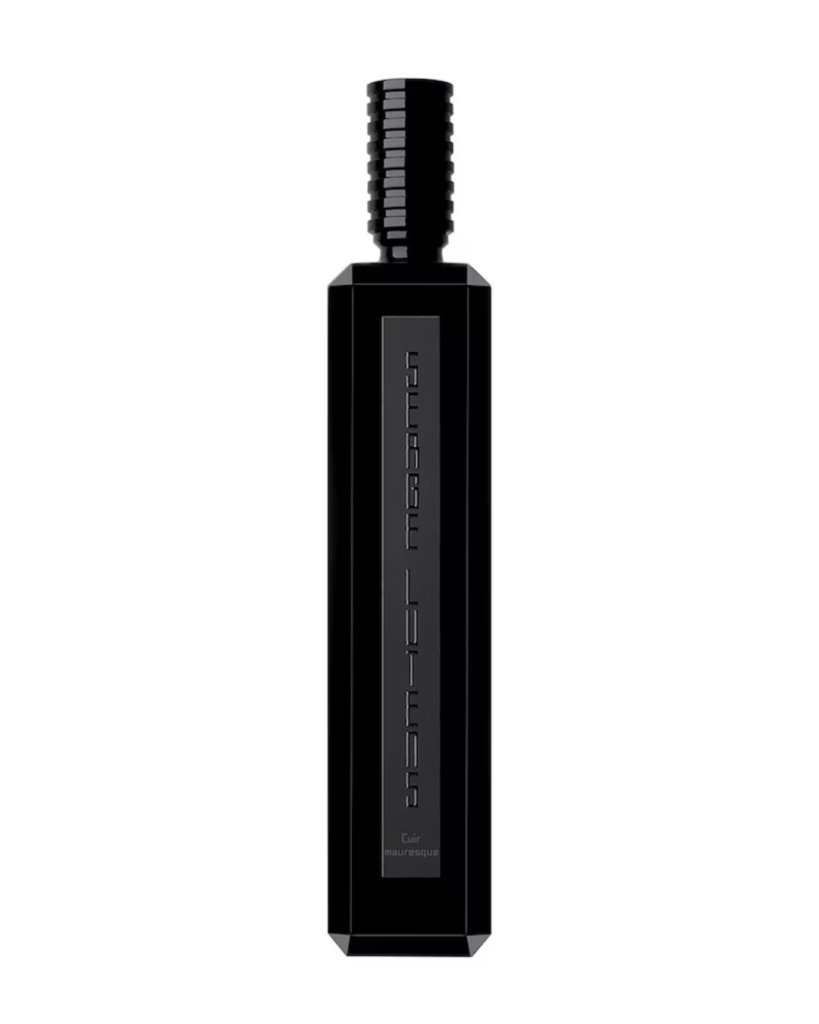
- Flamenco Dramatic tension, controlled power, bare/told emotion. Warm leather, spices, resins. → Spanish Leather (Memo), Cuir Mauresque (Serge Lutens), Eau du Fier (Annick Goutal).
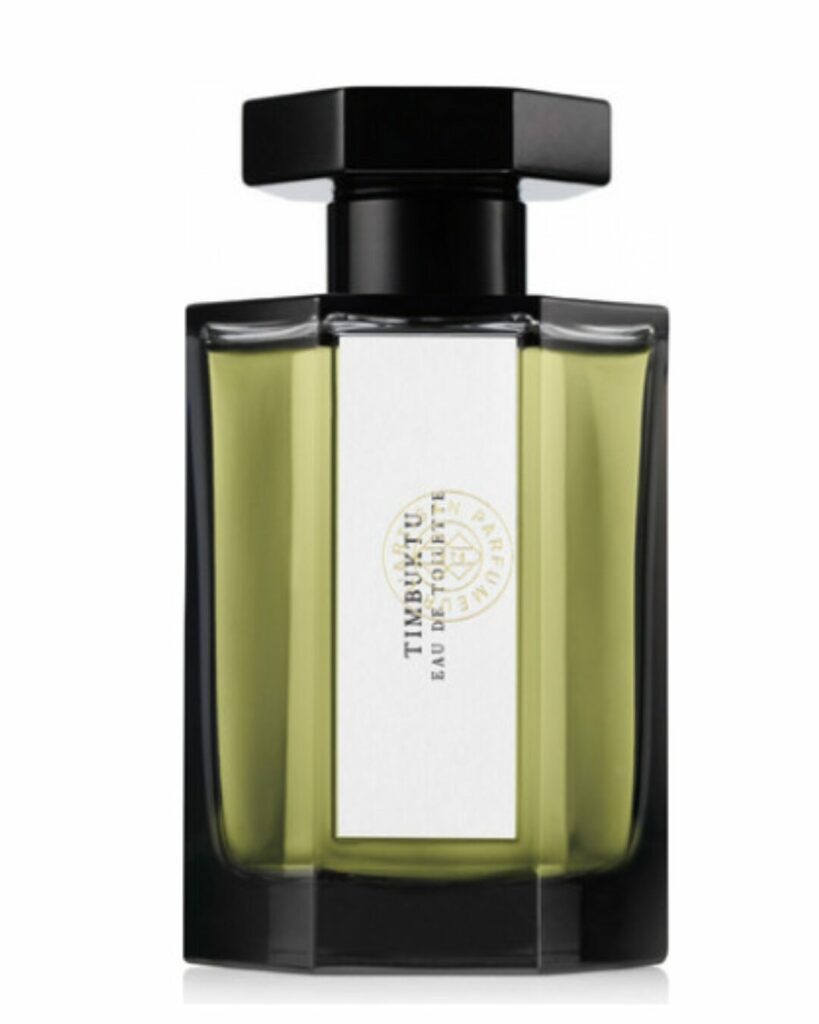
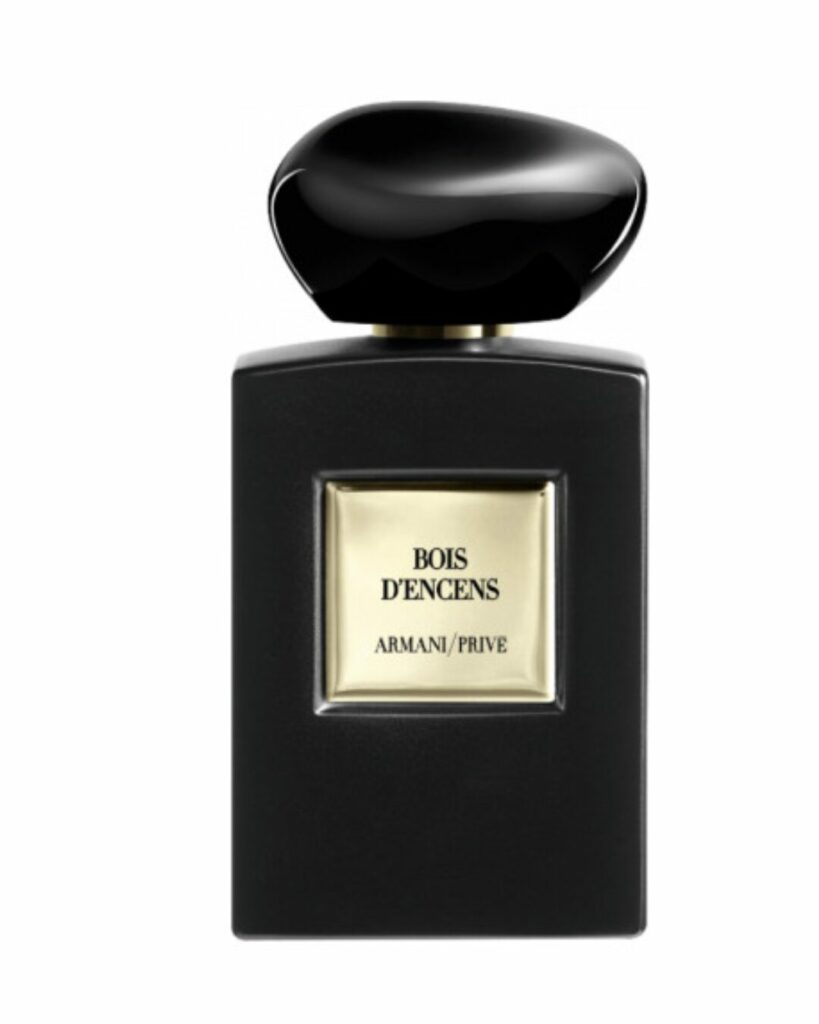
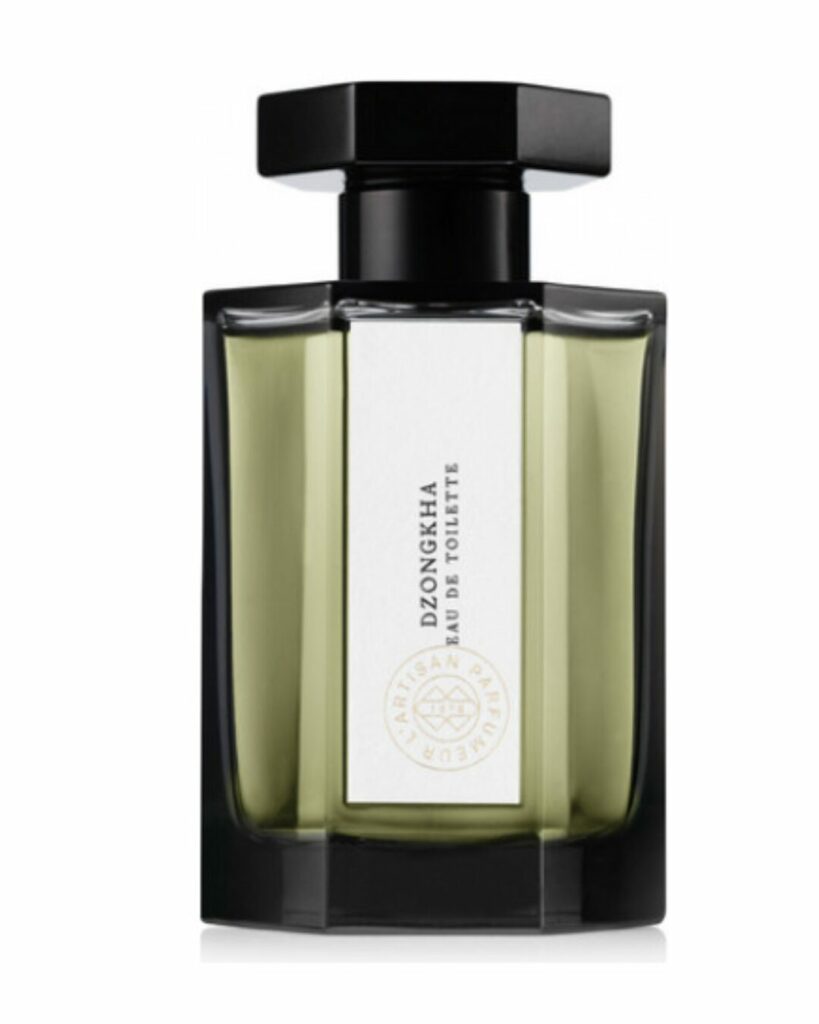
- African dances Roots, earth, percussion, vitality. Dry incense, vetiver, red woods, ritual smoke. → Timbuktu (L’Artisan Parfumeur), Dzongkha (L’Artisan Parfumeur), Bois d’Encens (Armani Privé).
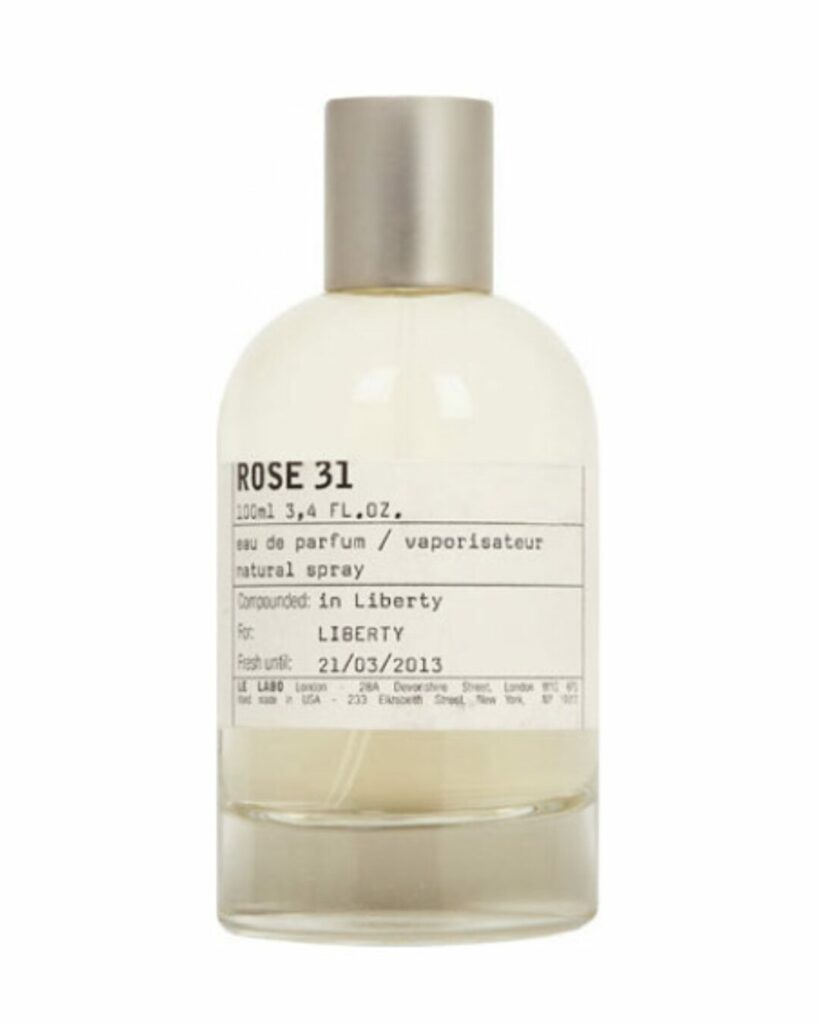
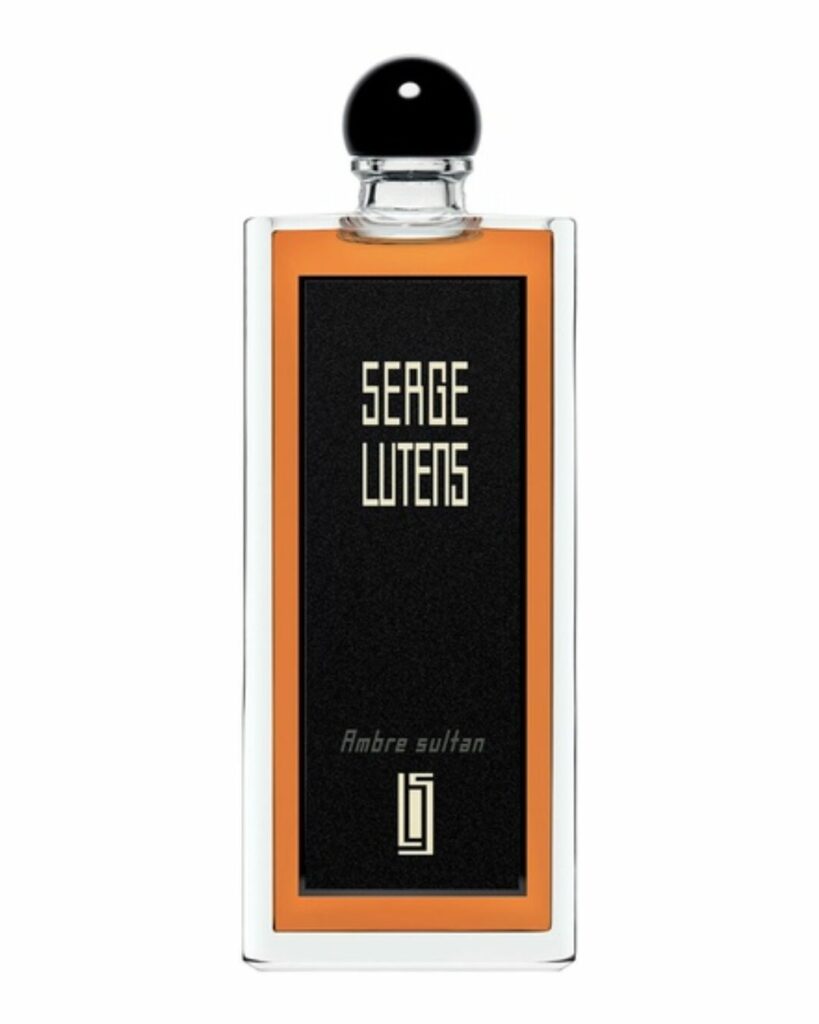
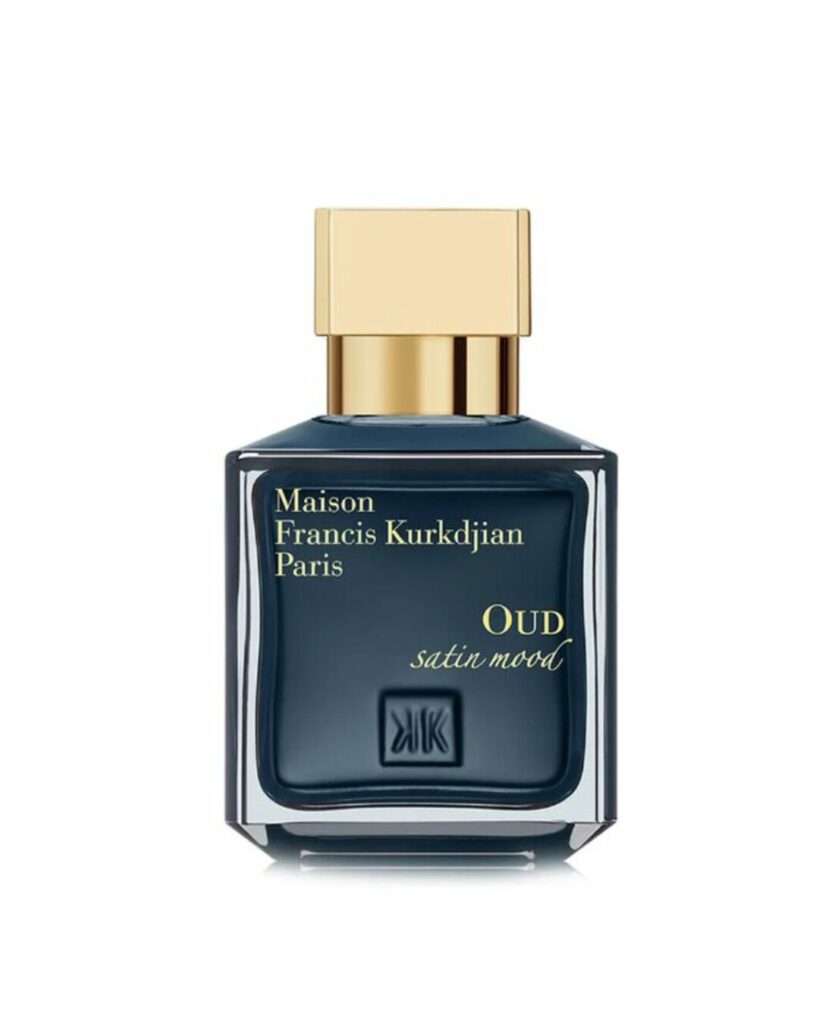
- Oriental dance Curves, slowness, contained sensuality. Dry rose, subtle oud, vibrant musk. → Rose 31 (Le Labo), Ambre Sultan (Serge Lutens), Oud Satin Mood (Maison Francis Kurkdjian).
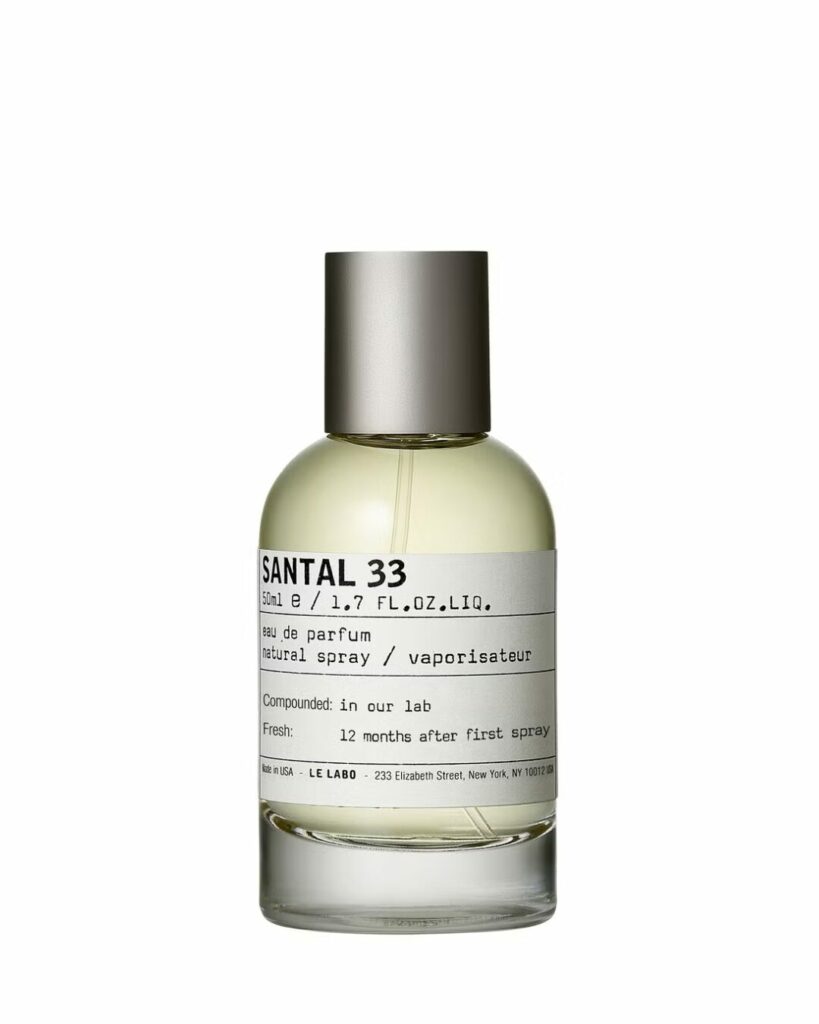
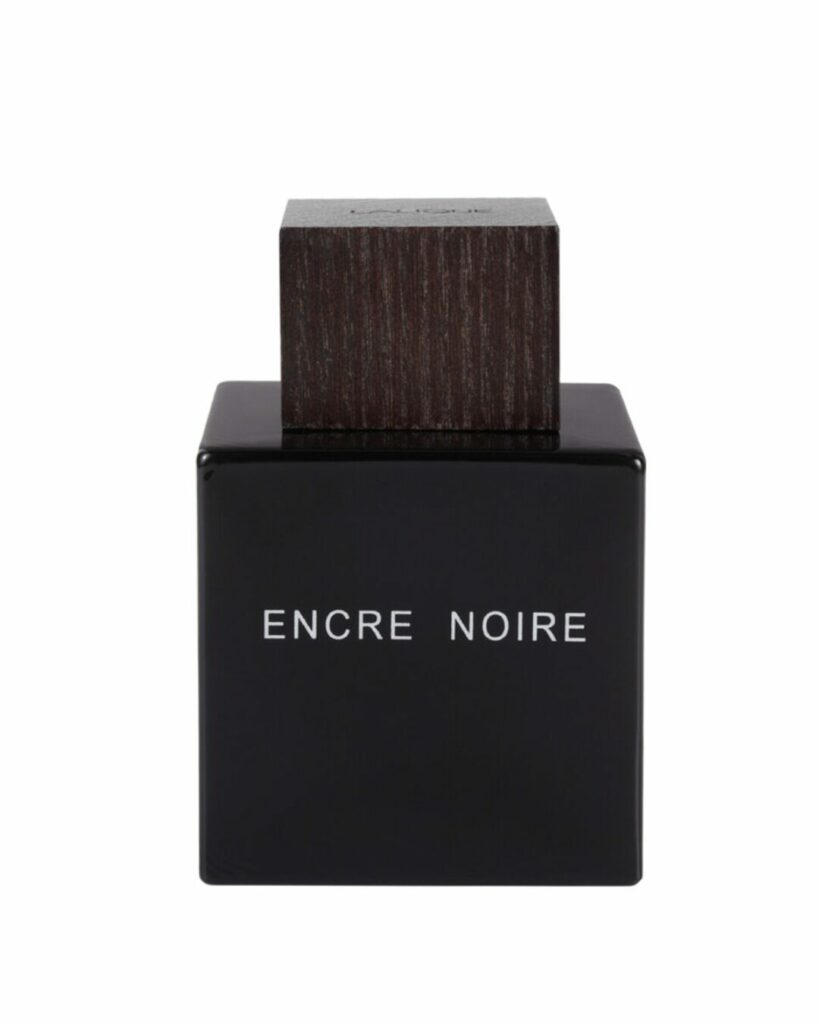
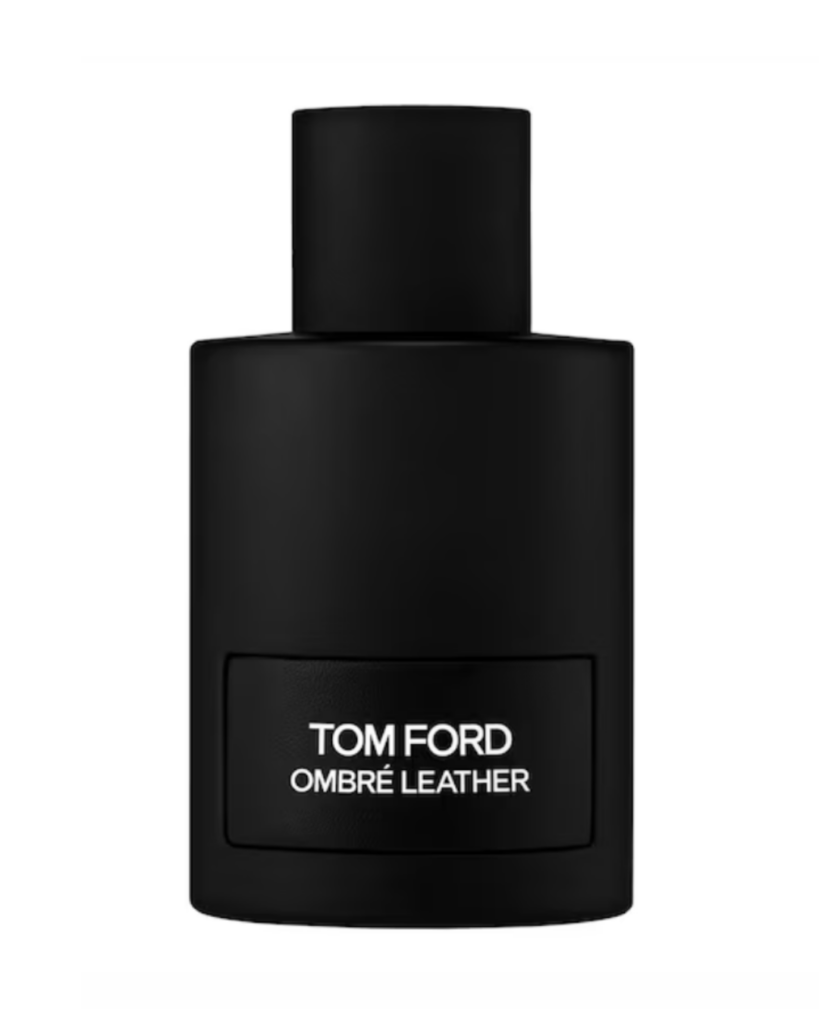
Each perfume becomes here an olfactory echo of the movement, a way of feeling dance without seeing it.
To Dance Is Also to Smell
Perfumery dances with the body, the material and the space. Whether it renders the wood of a floor, the tension of a leather, the memory of a stage or the energy of a movement, it captures an invisible but persistent memory.
The perfumes that tell the story of dance do not seek to freeze a choreography, but to suggest its momentum, its trace, its imprint on the skin.
And what if there were, in every sillage, a little of that fleeting grace that crosses the boards of a stage?
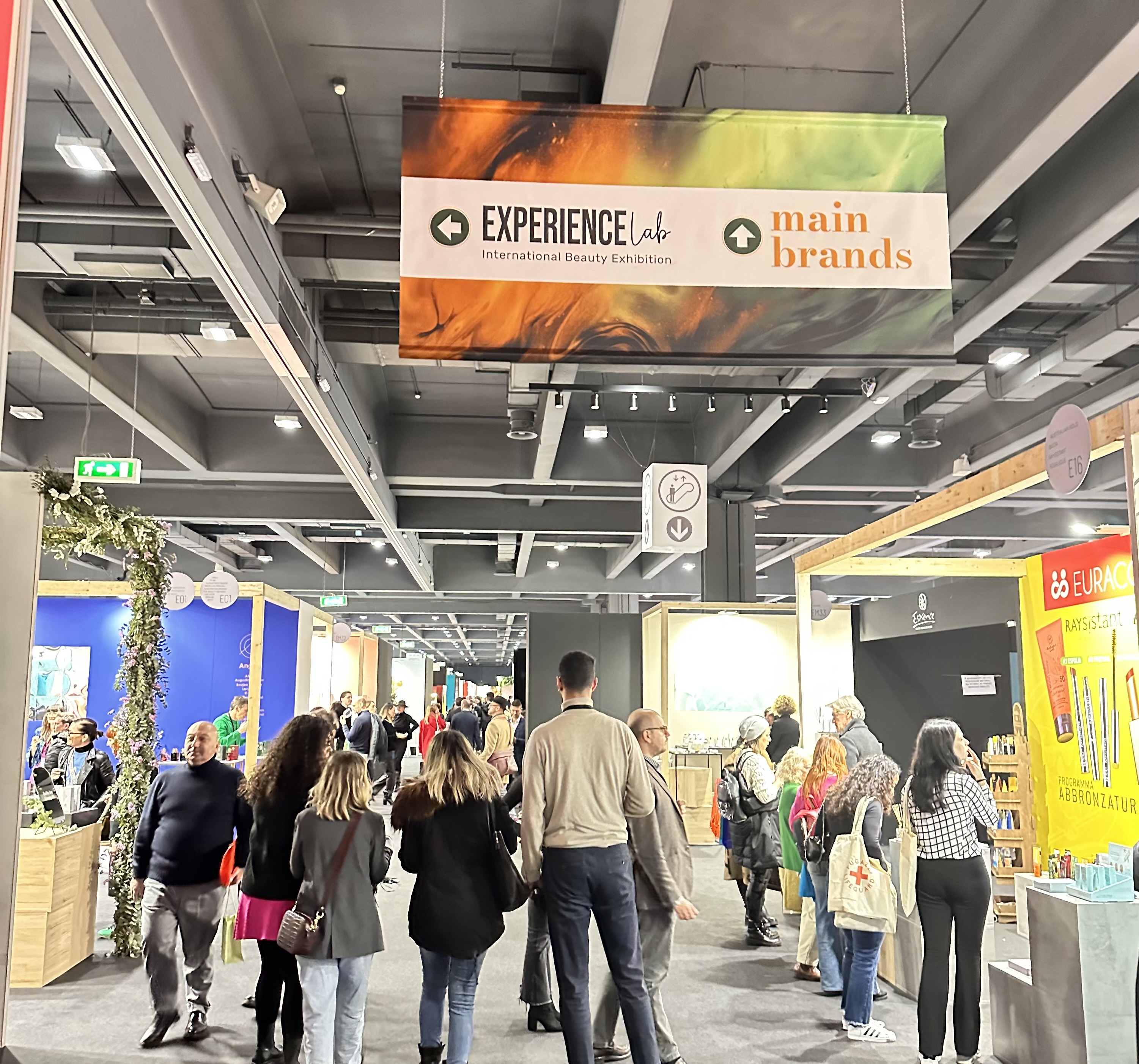
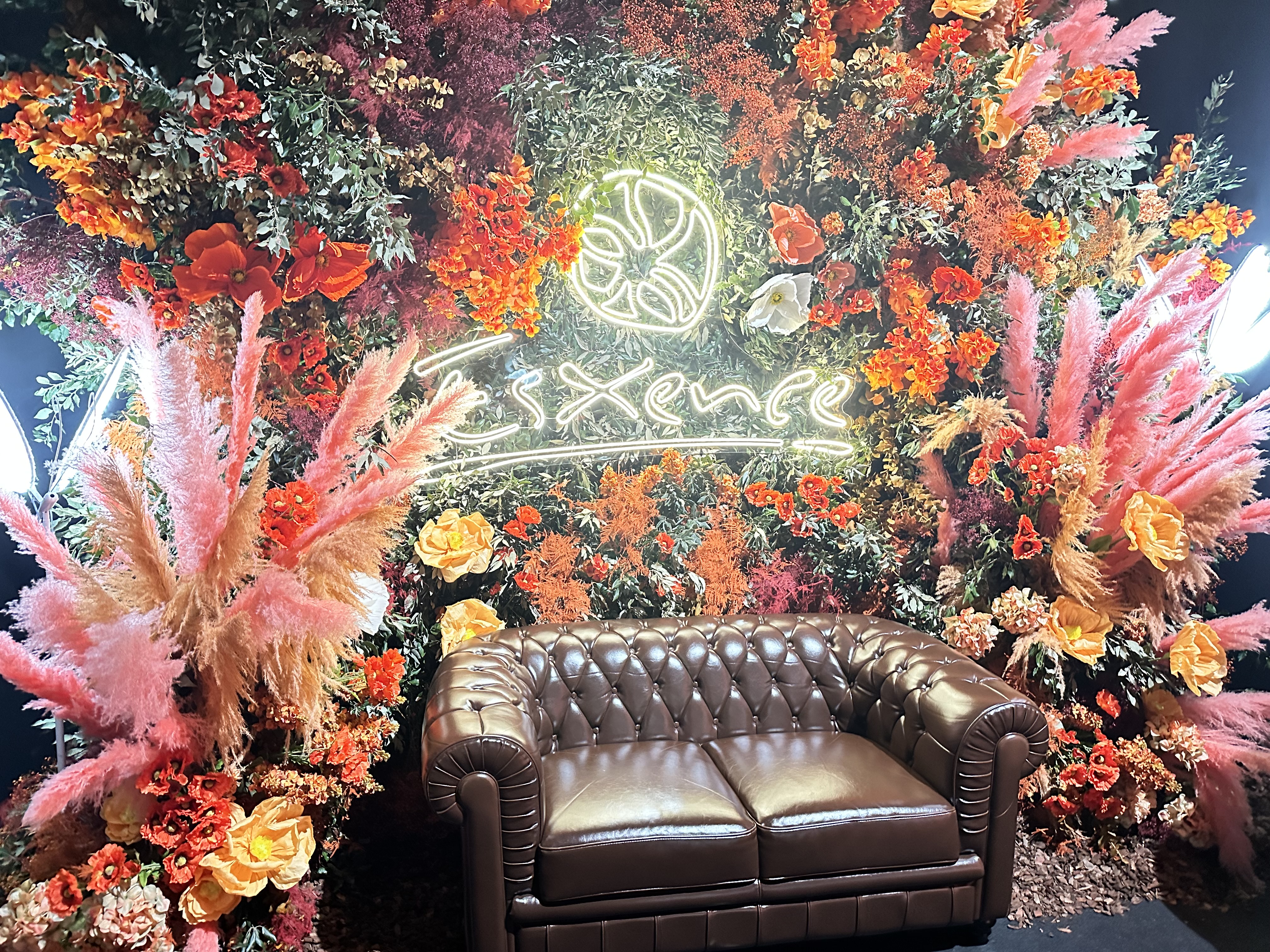
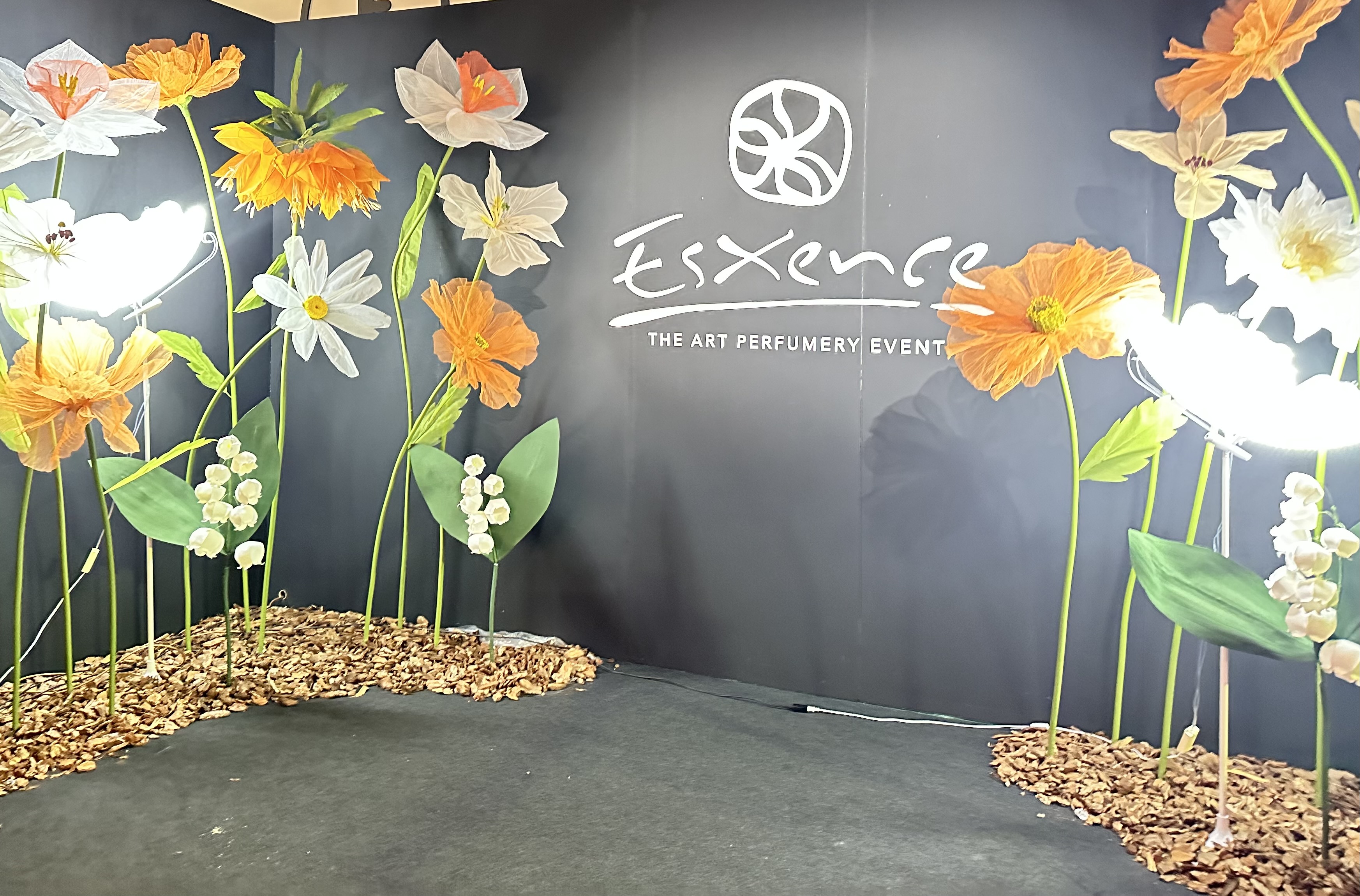
From 6 to 9 March, the 14th edition of the Esxence fair takes place. Every year, perfumers and brands, professionals of all kinds from the perfumery world and a passionate public gather in Milan for this unmissable rendezvous of niche perfumery. It is also called haute perfumery, artistic perfumery, alternative perfumery, confidential perfumery or creators’ perfumery—at Master Parfums, we take stock of this branch of perfumery, its origins and its ambitions.
Before Niche Perfumery
Perfume was for a long time a luxury object and the marker of a high social status. But from the 19th century, several events would change the game. With the Industrial Revolution and the advances of chemistry, craftsmanship and the bespoke faded in favour of mass production. François Coty would contribute largely to the democratisation of perfumery. This evolution also affected the fashion sector. But while during the first half of the 20th century couturiers made their way onto the perfume market, with precursors such as Paul Poiret, Gabrielle Chanel or Jeanne Lanvin, a fragrance remained a purchase reserved for the wealthiest.
It was not until the aftermath of the Second World War that the marketing of perfumes by fashion houses resumed and that jewellers followed in their footsteps, with the ambition of broadening the range of social classes able to afford a fragrance… and it succeeded! We then witnessed the first steps of what we know today as mass perfumery.
Mass Perfumery, or the Mainstream Counterpart of Perfumery
Mass perfumery is the perfumes created by major luxury brands and easily found in department stores. Think of the fragrances of Chanel, Dior, Lancôme, Dolce & Gabbana or Givenchy, which teem on the shelves of the big perfumery chains such as Sephora, Marionnaud, Nocibé and other department stores. Very often, these perfumes seek to please as many people as possible. Market studies, olfactory panels… Many means are deployed to orchestrate the successes and prevent the flops. When success is there, a fragrance will then have many variations, also called flankers, the aim being to capitalise on this success while maximising the profitability of the initial product.
Mass perfumery gives pride of place to marketing and communication during a new launch, treating itself to advertising spots at staggering prices and making the promotion of the perfume—or even of the entire brand—rest amply on a celebrity. Thus, by buying a perfume, consumers will be granted a little piece of prestige, elegance, sensuality and much more, by mimicry with the fragrance’s headliner. On reading the words “J’adore, Dior,” perhaps you saw Charlize Theron spring up in a corner of your head?
Unfortunately, the popularity and accessibility of perfume are double-edged. Over the years, we have witnessed a phenomenon of standardisation: the desire to transform perfume into a consumer product means that as early as the 1950s, in the eyes of some, fragrances began to resemble one another a little too much, as if the very art of perfumery was losing a little of its soul… It is in reaction to this that niche perfumery emerged towards the end of the 1960s.
Niche Perfumery, or the Rebellious Child of the Olfactory World
If mass perfumes are, in a way, the blockbusters of the perfume market, confidential perfumery means to be a more authentic alternative. It makes the choice to target a more restricted, less competitive market, also often made up of connoisseurs—in short, a niche!
The perfume historian Elisabeth de Feydeau defines the ambitions of niche perfumery as those of “awakening emotion, flattering the personality and responding to a strong need to set oneself apart.”
In the 1970s, creators wished to free themselves from the tyranny of markets and refocus perfume on the essential: the juice itself.
Little by little, new brands came into being. Relegating market studies and olfactory and commercial trends to the background, individuality, originality and creative freedom became the watchwords. At the time, people spoke of “third perfumery” or “parallel perfumery.”
The perfumers hit the mark, and the following decades saw niche perfumery prosper before it experienced a real boom at the beginning of the new millennium. For the journalist specialising in perfumery Maïté Turonnet, the three great pioneers of niche perfumery are Jean Laporte with L’Artisan Parfumeur, Serge Lutens and Annick Goutal.
Among the houses that established themselves as references in the niche world are Le Jardin Retrouvé, Nicolaï, Editions de Parfums Frédéric Malle, Le Labo, By Kilian, Maison Francis Kurkdjian, Byredo, Juliette Has A Gun, The Different Company or Memo. Some newcomers such as BDK Parfums or Maison Crivelli are well set to stay.
In hindsight, some brands born before the movement found themselves labelled niche—for example, Diptyque (1961), Penhaligon’s (1870), Creed (1760) or even Santa Maria Novella (1221), the latter being houses endowed with a rich historic olfactory heritage.
Characteristics of Niche Perfumery
In niche perfumery, the emphasis is placed on the quality and nobility of the raw materials, and it is often they that one seeks to value and place at the centre of communication. Niche perfumes take on the responsibility of incorporating into their compositions less conventional ingredients and notes, sometimes avant-garde proposals and concepts that can surprise, or even displease, and they claim this difference. Here, it is no longer a question of wanting to identify with a brand’s muse or of blending into the mass by adopting the latest olfactory trend, but rather of expressing a more personal, fully assumed identity.
As niche perfumes target a more restricted market, they are also distributed in a more selective way, in the brand’s points of sale, independent perfumeries or pop-up stores. As they are produced in smaller numbers, they are also often more expensive, because one must still be profitable… The good news is that the brand will also have to sell fewer of them to reach this profitability. Finally, a good number of niche perfumes are unisex, non-gendered perfumes.
It is important to recall that the fact that a perfume is niche is not necessarily a guarantee of quality. In the same way, a mass perfume is not automatically inferior or devoid of all artistic sensitivity: many fragrances that are today mythical and considered little olfactory jewels are mass perfumes! Here, it is a question of highlighting the differences in approach between two branches of perfumery.
Mass and Niche: Increasingly Less Hermetic Boundaries?
In recent years, the boundaries between mass perfumery and niche perfumery have crumbled. Many niche brands have joined large groups in order to pursue their development. This is the case, for example, of Frédéric Malle and Le Labo, which were bought by Estée Lauder; Maison Francis Kurkdjian joined LVMH, Atelier Cologne joined L’Oréal, while Byredo, Penhaligon’s and L’Artisan Parfumeur are now part of Puig.
Some brands have emerged from the confines of confidential shops and extended their reach, making their way into Sephora or department stores such as Galeries Lafayette. Furthermore, several niche fragrances have acquired a certain renown: Le Labo with Santal 33, Frédéric Malle with Portrait of a Lady, Creed with Aventus… Indeed, success has made the audience of certain houses… a little less niche!
Finally, brands historically accustomed to mass perfumes have begun to offer creations turned towards niche, with a greater valuing of raw materials, higher prices and a more selective distribution: Tom Ford and his Private Blend collection, Armani with Armani Privé, Chanel with Les Exclusifs de Chanel, the Collection Privée of Christian Dior, or Olfactories at Prada…
In any case, niche perfume remains above all a philosophy, a way of approaching perfume and the relationship we maintain with it. To continue this discovery of confidential perfumery while having fun, opt for the Master Parfums Pocket Quiz special Jovoy edition, the Parisian temple of this confidential perfumery. A game of 120 questions and answers to get to know niche perfume!
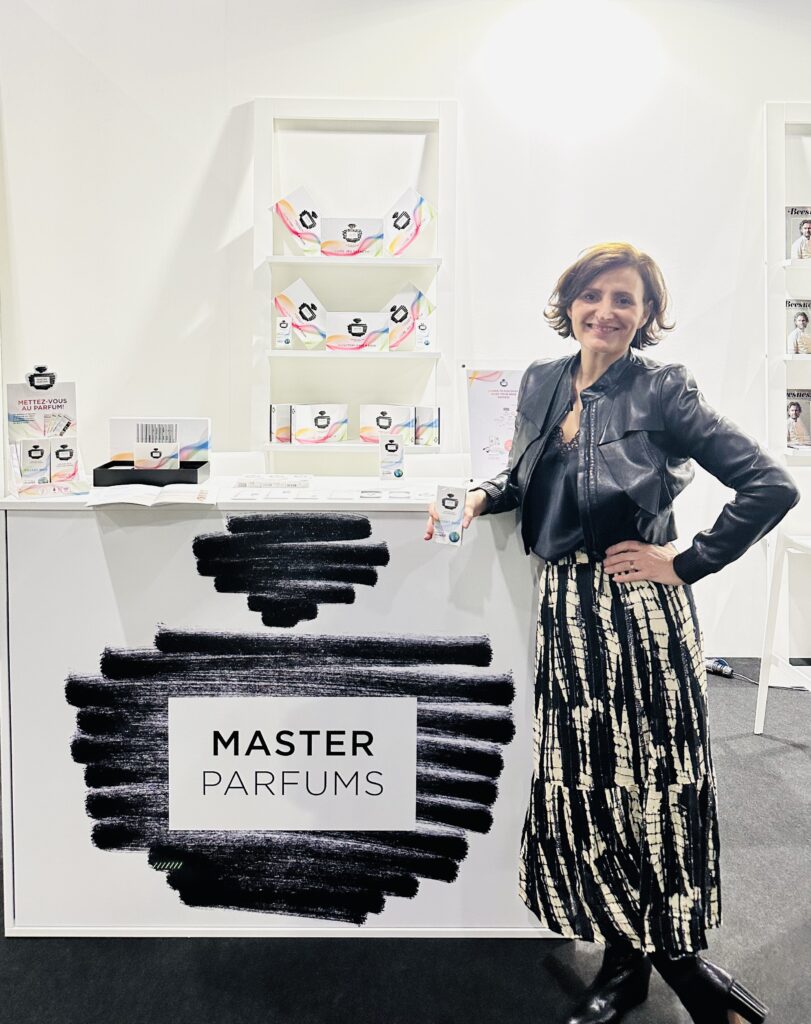
That’s not all: if you are in the vicinity during the Esxence fair, good news, Master Parfums will be there too! Who better to plunge you into the brand’s world and its range of olfactory games than its creator Anne-Laure Hennequin? See you in Milan, from 6 to 9 March!
“We live in an over-perfumed world, and yet the sense of smell remains the most underestimated, the most under-used, and also the most mysterious sense.” This is the observation made by Anne-Laure Hennequin – founder of the olfactory games brand Master Parfums. If you are only just discovering us, you could not have come at a better time: we propose to go back to the genesis of Master Parfums, retracing Anne-Laure’s journey before exploring the brand’s philosophy as well as each work in the collection.
And even if no one beats you at a game of Pocket Quiz, we bet that there are probably still a few grey areas for you regarding the history of Master Parfums – let us clear them up without further ado.
“I’ve Sniffed Everything Since I Was Tiny”: the Journey of an Enthusiast
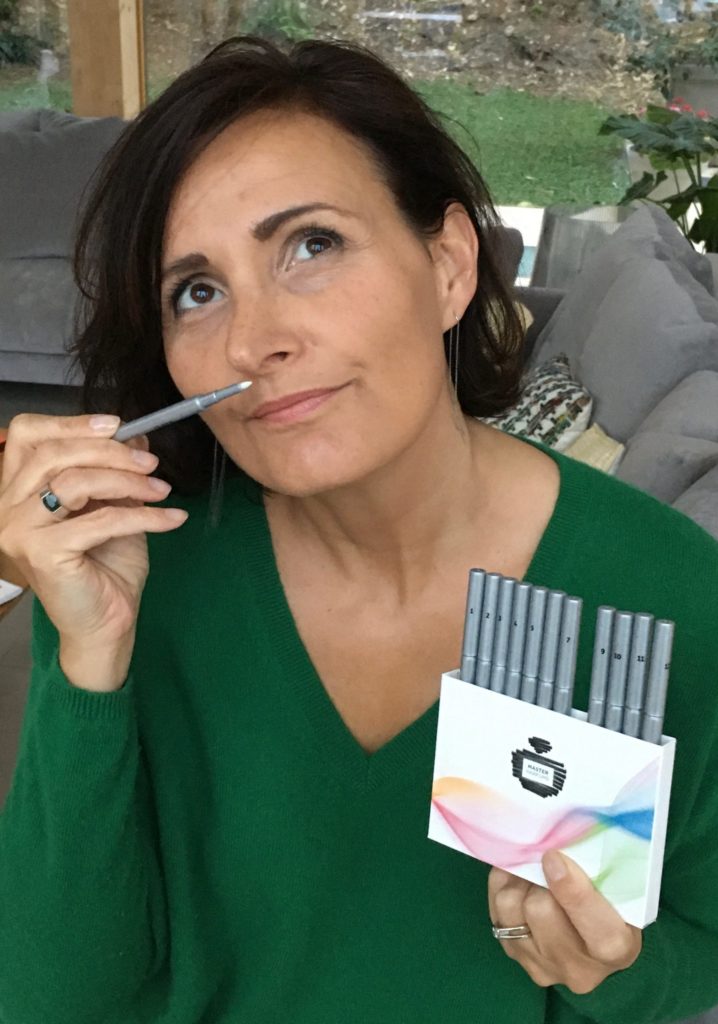
Anne-Laure Hennequin was hooked very early: her fascination with perfume and smells in general goes back to her childhood. “I’ve sniffed everything since I was tiny,” she explains. “Like many little girls, I amused myself by macerating flowers from the garden to create perfumes, not really memorable ones! My favourite game was one that let you compose perfumes. While I can picture the box very well, I can’t manage to remember the name. But it was well before Sentosphère! I remember my favourite creation, which was based on lilac and which I had poured into a little bottle of Cléa by Yves Rocher to give to my mum. I also, of course, had a collection of perfume samples and miniatures.” But at the time, Anne-Laure did not limit herself to admiring the pretty coloured juices in her pretty bottles—she was already amusing herself by smelling them blind and trying to recognise them, even organising contests with her aunt.
Not really scientific at heart, a career as a perfumer was not even to be considered at that time. When it came to higher education, she therefore chose the path of languages and, after a year in the United States, she joined a translation school. Her love for perfume did not leave her for all that—on the contrary: she did her end-of-studies internship at Clarins (which counted Angel and Elysium in its perfume catalogue), within the international training department. There, she translated the manual intended for training the teams. It was at that moment that she found her calling: that of transmission, and in this case, the transmission of a passion for the fifth sense and perfumed creation.
Anne-Laure then completed a course in perfume and cosmetics distribution, while working as a temporary beauty adviser at weekends. “Working for different brands each time, I was able to benefit from many training courses.” Then she held the position of trainer-presenter at Kenzo, first in France, then in the United States, for nearly ten years. Her mission? “To make the saleswomen understand the brand’s DNA and the new products.” Europe called, and it was in Barcelona that she settled to work for eleven years for Puig, beginning with training for Prada before extending her training to the entire group as international training director.
While Anne-Laure Hennequin was acquiring no fewer than twenty years of experience as a trainer for major perfume brands on an international scale, she realised that the means best suited to her educational objective was that of the game: she designed, with her team, training modules based on edutainment, a method combining education and entertainment—in a word, education through play. Because when one blends learning and play, one learns simply, quickly and effectively: directly involved and not just silent spectators of a teacher or tacit readers of a book, we retain much better what people are trying to transmit to us!
So, how did these edutainment modules end up giving rise to Master Parfums?
Master Parfums: Why?
Gaps in the Way of Training
In her professional life, Anne-Laure Hennequin had a front-row seat to an unfortunate observation: training courses favour knowledge of the new products, and the teaching of sales techniques serving these new products takes precedence over everything else. The brand image and the communication that carry a launch take up a great deal of space, to the detriment of olfactory culture. The result? The proliferation of “sleeping beauties”: olfactory creations that fall into oblivion under the weight of new products, gathering dust on the shelves instead of living on skins.
It is not only the saleswomen who are neglected: consumers are even more so, faced with a growing offering, but not necessarily with the expertise needed to find their way in this ocean of perfumed products. Yet Anne-Laure is convinced of it: once educated, one knows how to recognise quality, and this would allow many fragrances to be appreciated at their true value, and for us, to learn to honour and pamper our sense of smell.
An Olfactory Paradox
Beyond her professional journey, something else has struck Anne-Laure for a long time. On one side, everything is perfumed: hygiene and beauty products, supermarkets, shops, waiting rooms, the metro, food… Not a second of respite for our nostrils, our nose being solicited constantly, as if the world were a pomander.
On the other… The sense of smell is neglected! “Smell is the sense to which we give the least importance,” observes Anne-Laure. “Not only does school not bring us knowledge on this subject, but our sense of smell is not even tested, whereas we undergo tests from a very young age to check our sight, our hearing, or touch through manual activities. It is the most overlooked sense.” The Covid-19 health crisis, moreover, brought to light just how much the sense of smell is often taken for granted… Before, many people did not know that it was even possible to lose the sense of smell!
How to explain that our fifth sense is left abandoned, and above all, how to remedy it? This is where Master Parfums comes into play.
The Birth of Master Parfums
An idea then germinated in Anne-Laure’s mind: what if we could transmit the culture of perfume directly to consumers? “I felt myself invested with a mission: to simplify perfume education in order to promote its culture among everyone.”
The result? A concept of educational games within reach of complete beginners as well as enthusiasts and perfumery professionals: Master Parfums! It is time to restore the reputation of the fifth sense: not only does one learn about the fascinating world of perfume, one also puts one’s sense of smell and imagination into action. If you do not yet know the range of games, do get acquainted…
The Master Parfums Games Collection
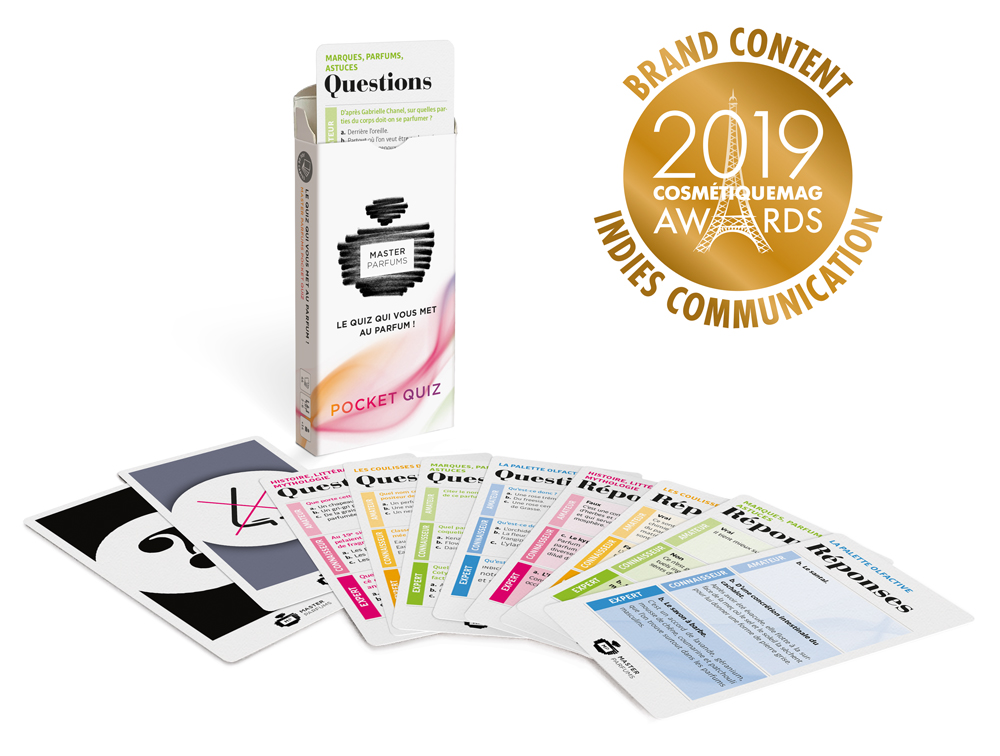
The Master Parfums Pocket Quiz
The adventure begins in 2018 with the Pocket Quiz, a perfume quiz in the form of a card game that can accompany you everywhere. A small format that is nonetheless incredibly rich! Its 120 questions are divided into four categories:
- The olfactory palette
- Brands, perfumes, tips
- History, literature, mythology
- Behind the scenes of perfume
With the questions ranging from amateur level to expert level, passing through connoisseur level, you can start a game whatever your knowledge of perfume! But to become the Master, you will need to climb the levels by answering 12 questions correctly (the 3 levels of the 4 categories), while avoiding, if possible, landing on the “anosmia” and “mystery” cards.
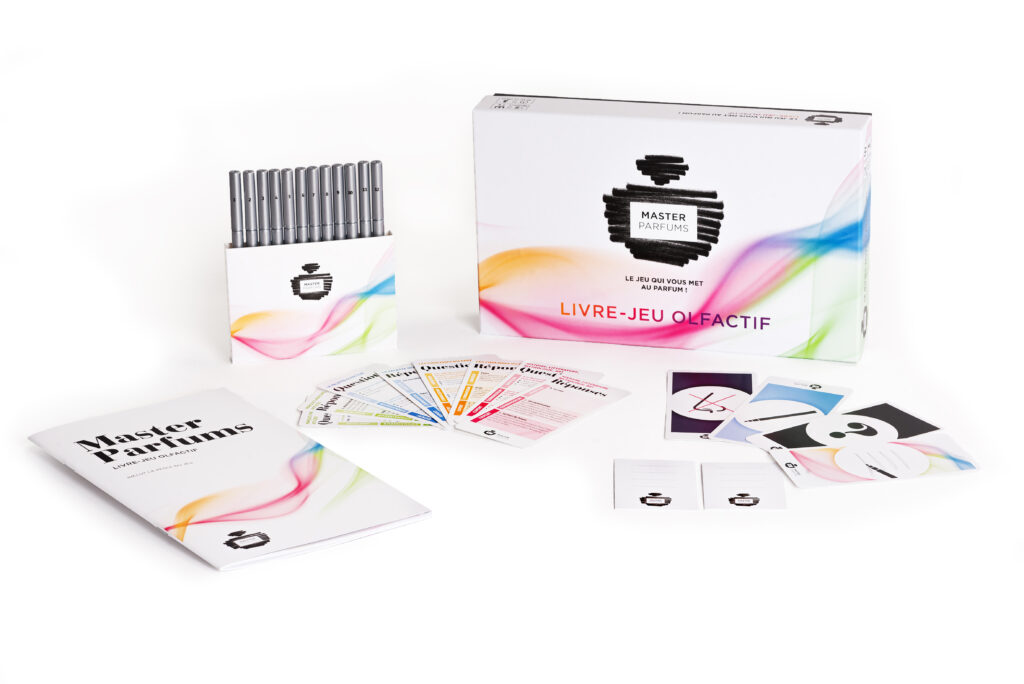
The Master Parfums Olfactory Game-Book
Talking about perfume is good, but it is even better to do it with an olfactory dimension! And so here comes a larger format: the Olfactory Game-Book. It contains an educational booklet and a new quiz, still with the same 4 categories and 3 levels of difficulty, but the 120 questions are different. If you own the Pocket Quiz, you can play with twice as many questions!
Another bonus: 40 olfactory challenges that rest on the little jewel of the Game-Book, its 12 scented pencils corresponding to the 12 olfactory facets most used in perfumery (hesperidic, aromatic, floral…). With these pencils, you can…
- Smell the notes and describe what they make you feel – this is the way to learn to speak (or speak better) about your olfactory emotions.
- Work on your olfactory memory by playing at recognising smells and explaining what they evoke for you, and why. Which pencil takes you back to an afternoon by the sea, a walk in the forest or your childhood snack time?
- Create a perfume from little briefs that will be given to you. The dream opportunity to momentarily bring to life that unique fragrance you have always dreamed of!
With its scented pencils, the Game-Book has even been recognised by speech therapists as a tool to aid olfactory rehabilitation!
Master Parfums then released the Pocket Quiz special Jovoy edition: it is the same concept as the first Pocket Quiz, the questions this time revolving around the niche brands present at Jovoy, the essential temple of niche perfumery on rue de Castiglione, in Paris.
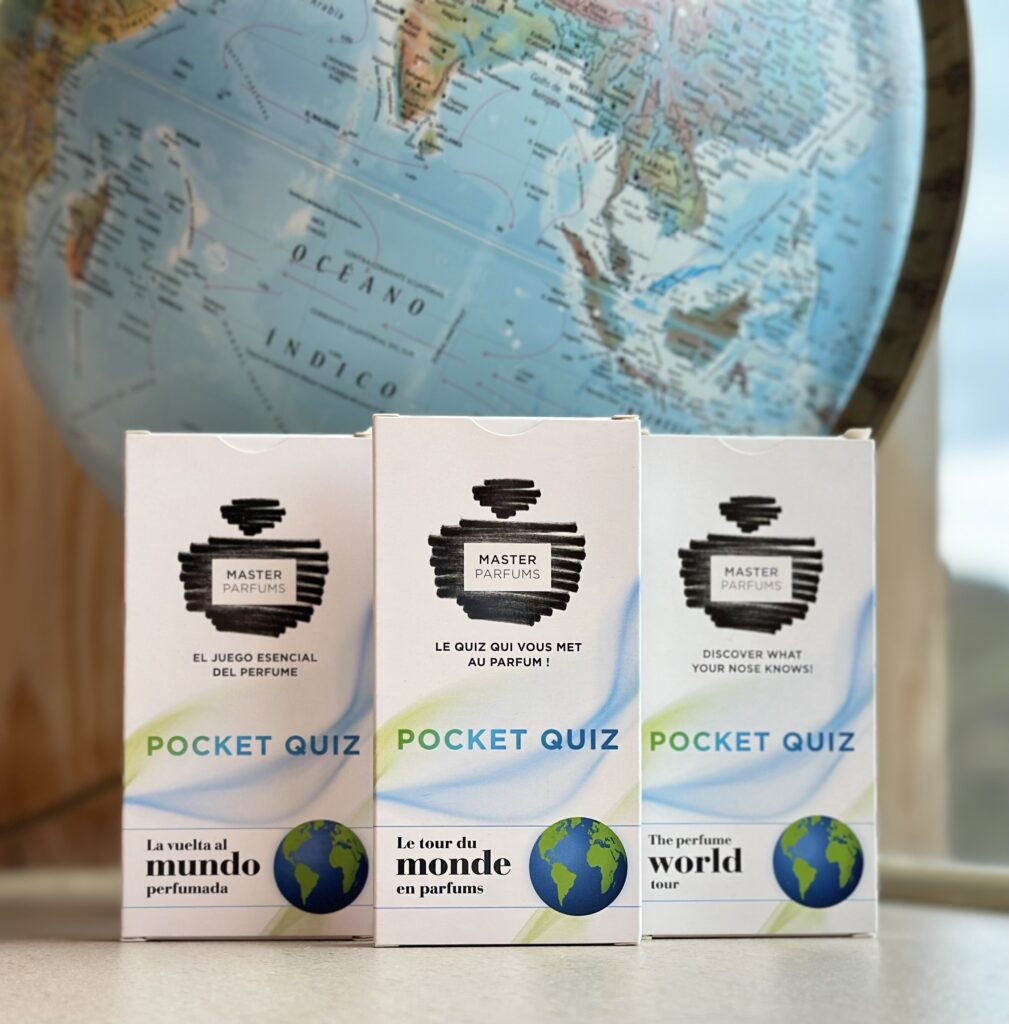
And the latest addition to the Master Parfums family, brand new and fresh, is the Pocket Quiz: Around the World in Perfumes. Here again, we take up the concept of the Pocket Quiz, with questions this time about the perfume cultures of the four corners of the world.
The 3 Pocket Quizzes can enrich the Olfactory Game-Book with new questions to enrich the games, the whole collection now bringing together 480 questions!
Beyond a playful learning experience stimulating knowledge and creativity, the Master Parfums games are also a way of (re)creating a bond, by sharing your passion with the people around you, or by initiating yourselves into the wonderful world of perfume, together. As the festive season approaches, why not take advantage of it?
Furthermore, Anne-Laure Hennequin is currently offering a new edition of her traditional Master Advent Quiz: one day, one question about perfume – it happens right here. If you get caught up in the game, that works out well, as we have just whispered a few gift ideas to you to slip under the Christmas trees…
For this Pink October, Master Parfums has undertaken to write a series of informative and thoughtful articles addressing the theme of cancer and the sense of smell. Through these publications, our aim is to shed light on the olfactory alterations induced by chemotherapy, as well as to inform about the use of new smell-related technologies for cancer detection. We seek to educate and raise awareness about these changes, while offering support and an in-depth understanding of the challenges that result from them.
Chemotherapy, although essential for treating certain forms of cancer, can have a major impact on quality of life, notably because it can lead to disturbances of taste and smell. This article explores these sensory changes, while touching on solutions such as aromatherapy and olfactotherapy.
Changes in the Perception of Flavours
Dysgeusia
Cancer treatment, notably by chemotherapy, is often synonymous with various side effects that can profoundly alter patients’ quality of life.
One of these effects, widely reported, is an unpleasant sensation of a metallic taste in the mouth, also perceptible through retronasal olfaction, changing the way foods and drinks are perceived and enjoyed.
A metallic taste, often described as a sensation of having metal in the mouth or as if the saliva tasted of iron, is an alteration of the sense of taste, also called dysgeusia. This phenomenon can make foods and drinks less appetising, negatively influence the patient’s appetite, and significantly impact quality of life and nutritional well-being.
During retronasal olfaction—that is, when air passes through the oral cavity towards the olfactory receptors at the top of the nose during chewing or swallowing—this metallic taste, having become a smell, is all the more perceptible. This modifies the flavour of foods, or even creates an aversion to food.
The exact mechanisms behind chemotherapy-induced metallic taste are not fully understood. However, it is generally suggested that chemotherapy drugs laden with metallic molecules, which aim to eliminate fast-growing cancer cells, also affect healthy cells, notably those of the taste buds and the nasal cavity. This disrupts the normal functioning of the taste and smell receptors, leading to altered perceptions, such as the famous metallic taste.
Anosmia
Another of the side effects of chemotherapy is anosmia.
A temporary or permanent loss of smell, anosmia poses an invisible but deeply disturbing obstacle. Smells form a backdrop to our lives, awakening memories and important moments. The sudden disappearance of this sense can plunge individuals into a world devoid of these olfactory nuances, affecting not only their ability to perceive the subtle pleasures of everyday life, but also to detect potential dangers, such as spoiled food, the smell of smoke, or gas leaks.
For patients undergoing chemotherapy, anosmia adds an extra layer of challenge, disconnecting not only their inner world from these olfactory stimuli, but also affecting taste and, consequently, appetite and nutrition.
Furthermore, the emotional and psychological impact of anosmia should not be underestimated, since smells are intimately linked to our memories and experiences. The absence of this olfactory connection with happy or reassuring memories can also be fertile ground for feelings of melancholy or isolation. In this context, emotional support, recognition of the phenomenon, and the exploration of alternative or complementary therapies to compensate for this loss become key pillars in the holistic support of the patient throughout their care journey.
Olfactory Therapies to Relieve Patients Undergoing Cancer Treatment
Aromatherapy

Aromatherapy uses essential oils to stimulate the senses and promote well-being. Although research is limited, some studies suggest that aromatherapy can help improve mood and reduce anxiety in chemotherapy patients.
How does it work?
Essential oils such as lavender, rosemary and sweet orange can be diffused into the air or applied to the skin. The aim is to stimulate the remaining olfactory receptors and create a pleasant sensory experience.
Aromatherapy uses essential oils extracted from plants with the aim of promoting physical and psychological health and well-being.
It involves the use of essential oils via diffusion, inhalation, or topical application to address various issues such as stress, anxiety, pain, and other health problems.
Although the exact mechanism remains a subject of research, it is thought that the smells of the oils can influence physiological and psychological responses through their interactions with the limbic system in the brain.
Aromatherapy is widely used to manage stress, improve sleep quality, reduce pain symptoms, and for various other well-being-related applications.
Olfactotherapy: A World of Emotional Fragrances
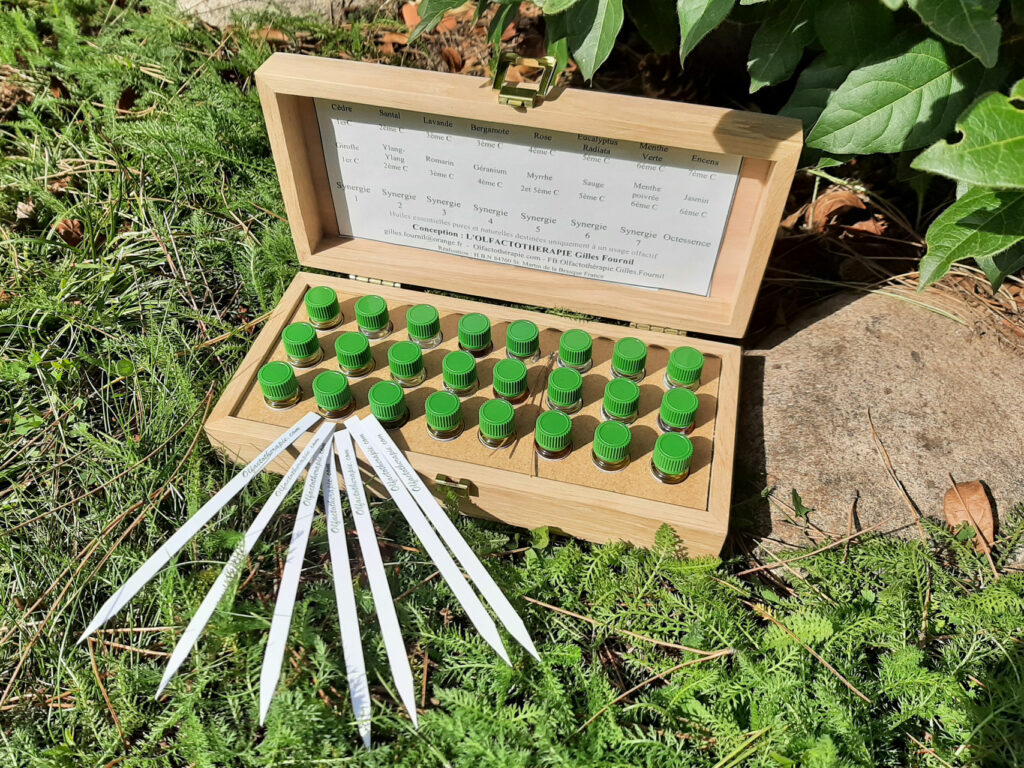
Olfactotherapy is an approach that also uses smells but focuses more on emotional balance and psychotherapy. It explores the links between smells and memories to trigger specific emotional reactions, help release emotional blockages, or work on traumas and memories.
Olfactotherapy is based on the idea that smells can directly access the emotional brain (the limbic system) and thus trigger, explore, and potentially reprogram emotional responses.
It is used above all in the context of emotional management, the treatment of trauma, and from a psychotherapeutic perspective to work on behavioural and emotional patterns.
The choice of fragrances for chemotherapy patients must be made with care, taking into account their new olfactory sensitivities. This can involve a process of trial, exploring different smells until identifying those that provide comfort or evoke pleasant memories without causing nausea or discomfort.
This therapy can offer a space of mental escape, allowing patients to momentarily step away from the intensity of the treatment journey.
Being Attentive to Individual Needs
It is imperative to approach olfactotherapy in a personalised way, being attentive to individual responses to different smells and adjusting the practice accordingly.
The implementation of olfactotherapy in the overall care plan should be done in collaboration with the patient’s medical team, in order to ensure the safety and effectiveness of the approach.
Although olfactotherapy is not a cure, it can offer a gentle, soothing complementary method to improve the quality of life of chemotherapy patients. Through the reconquest of the olfactory space, it aims to reintroduce moments of well-being and comfort into the tumult of the medical journey.
Olfactotherapy and Aromatherapy: Two Different Approaches
These two approaches use smells and aromas in a therapeutic context, but they are distinguished by their objectives, methodologies and founding principles.
Both therapies recognise the power of smells to influence state of mind and emotions, and harness the deep connection between smell and the brain’s limbic system.
There are nonetheless differences between the two approaches: aromatherapy has a broader application and can target physical and mental well-being, whereas olfactotherapy focuses more precisely on the psychological and emotional aspects, often by exploring in depth the memories and emotions linked to smells.
While aromatherapy is more widely recognised and used in various healthcare and well-being settings, olfactotherapy, although less widespread, offers a fascinating path in the field of psychotherapy and personal development, exploring the depth of the emotional responses linked to smells.
The olfactory and gustatory modifications caused by chemotherapy trace a unique sensory path for each patient, where aromatherapy and olfactotherapy prove to be potential allies in managing the physical and emotional dimensions of this journey.
These aromatic therapies, by combining science and well-being, reveal a panorama where smells become instruments of support and comfort, weaving narratives of resilience and hope at every stage of treatment.
In the end, they remind us that the path to healing is a richly multidimensional experience, deserving exploration and appreciation in all its forms.
It is rare for a fragrance to transcend time to remain engraved in the collective memory. Such is the case of Youth Dew, the precious pearl of Estée Lauder. Since its introduction on the market, it has seduced generations with its complexity and its captivating charm.
This article invites you to rediscover this elixir, the remarkable marketing management that Estée Lauder implemented, and to understand why, after so many years, it remains one of the jewels of world perfumery.
Estée Lauder: A Brand, a Creator

The world of beauty is imbued with inspiring stories, but that of Estée Lauder is exceptional. Born in 1908, Estée Lauder, whose real name was Josephine Esther Mentzer, grew up in New York in a modest environment.
With her Hungarian and Czech roots, she immersed herself very young in the world of cosmetics thanks to her chemist uncle, who passed on to her his passion for beauty formulations.
In 1946, the dream became reality. With an unshakeable faith in her vision, Estée, accompanied by her husband Joseph, founded the Estée Lauder brand. She did not merely sell products, she sold an experience. Her personal demonstrations, where she advised women on their skincare routines, quickly caused a sensation.
She firmly believed that “every woman can be beautiful,” and it is this conviction that was the pillar of her brand.
Estée Lauder introduced perfumes that not only reflected the olfactory trends of their time, but that also, in many respects, defined those to come. Her visionary approach to perfumery cemented the brand’s reputation as an innovative, influential force, making Estée Lauder not only a cosmetics icon, but also a legend of the perfume world.
Historical Context of the Perfume Youth Dew
The middle of the 20th century was an era of innovations, social transformations and individual expression. It was also a period of revolution in the world of perfumery, where perfumes were becoming statements of identity and symbols of femininity.
When Estée Lauder introduced Youth Dew in 1953, the perfumed landscape was dominated by the traditional idea that perfume was a luxury offered by men to women as a sign of affection or admiration. Estée Lauder, with her strong perspicacity, spotted a unique opportunity. She realised that if perfume were reformulated and marketed differently, it could become a good that women would choose and buy themselves for themselves.
Thus was born the Youth Dew bath oil. More than a simple perfumed oil, it was designed as an act of female emancipation. Instead of waiting for a perfume to be offered to her, a woman could now pamper herself with this rich, sensual oil, giving herself a luxurious experience affordable at 8 dollars a bottle. Its concentrated formulation made it possible to use it both as a bath oil and as a perfume, which made it a versatile product.
The cultural impact of Youth Dew cannot be underestimated. It not only overturned the marketing conventions of the perfume industry, but also reflected and amplified a growing trend towards female independence and autonomy of that era. By redefining what a perfume could be and how it could be worn, Youth Dew became not only an emblematic perfume, but also a symbol of an era in full transformation.
Josephine Catapano, the Perfumer Behind Youth Dew
Born in 1918, Josephine Catapano is recognised as one of the most talented perfumers of the 20th century. After beginning her career at Elizabeth Arden, she then worked for prestigious houses, making her a respected figure in the industry.
Her collaboration with Estée Lauder in the 1950s remains one of the most memorable of her career. Together, they conceptualised Youth Dew.
At a time when, generally, only French perfume was worn, Estée Lauder aspired to create a perfumed bath oil that women could afford to buy for themselves.
Josephine Catapano knew how to transform this idea into an emblematic perfume, thus illustrating Lauder’s revolutionary vision and her creative genius.
Josephine Catapano left an indelible imprint on the world of perfumery, and Youth Dew remains one of the cornerstones of her rich legacy.
Youth Dew, or Timeless Sensuality

For more than fifty years, Youth Dew has made the hearts of perfume lovers beat. This elixir has managed to cross the decades with a timeless grace.
From the very first wafts, the opulence of rose blends with the freshness of jonquil, evoking the image of a garden bathed in morning dew. Narcissus gives a slightly green, peppery floral touch, in perfect harmony with the camphoraceous freshness of lavender which, like a light breeze, adds an aromatic dimension that perfectly balances the richness of the flowers. Orange and peach add a fruity sweetness, but the most surprising is that almost effervescent nuance of liqueur-like caramel recalling Coca-Cola, which brings a gourmand, almost childlike originality to the whole.
At the heart of the perfume, jasmine deploys its sensuality, enveloping the senses in a white, intense veil. It dances delicately with lily of the valley, that fragile flower that evokes the tenderness of the first spring days. Then, instantly, a spicy touch of cinnamon and clove comes to warm and twist the whole, breathing a captivating warmth into the composition.
But it is truly the base of the fragrance that reveals all its complexity. Oakmoss evokes a dense forest, adding a dark undergrowth depth. This base is reinforced by vetiver, whose earthy, woody and slightly smoky nuances intertwine with the balsamic richness of patchouli. Incense and balms give off an aura enveloping the senses in a resinous, slightly vanillic softness.
It is a perfume categorised by the brand in the olfactory family of spicy ambers. But one also perceives a chypre structure in filigree.
The result? A memorable sillage, at once powerful, subtle and captivating.
It is an olfactory story, an epic that, with each spray, invites a magnetic, opulent sensory journey.
Each note plays its role, creating a story that evolves beautifully on the skin, leaving behind it an indelible impression of elegance and mystery. An opulent fragrance whose sillage is a sign of affirmation, emancipation, even nonchalance, in an era where woman, constantly seeking to assert herself, finds in it a weapon of irresistible charm.
A Word from Anne-Laure, Creator of Master Parfums
This amber-coloured fragrance nestles in an extremely feminine bottle: a draped dress cinched at the waist, not unlike the New Look models of Christian Dior.
For the advertising, Estée Lauder innovated and provoked with a rather daring visual for the time: a naked woman from behind, prettily blurred, ready to take her bath.
To discover the perfume at the point of sale, no blotter or ceramic.
Estée Lauder wanted her product to be accessible to all: the bottle should not be sealed, as other brands did. Thus customers could smell it freely. She knew they would put some on their hands and that they could thus smell it several hours later on their skin.
Faced with the incredible success of this oil, she decided to also launch the perfume at the same time as a complete range of products such as powders, soap, and lotions…
A success that was exported to Europe a little later. A French department store manager is said to have expressed doubts about the success of an American perfume in France. Which only reinforced the creator’s determination. It is even said that she intentionally dropped a bottle of Youth Dew in the store, thus attracting the attention of a crowd of onlookers!
Youth Dew is a celebration of female independence, a symbol of eternal beauty and an olfactory masterpiece. Each drop tells the story of a woman who dared to defy the norms and changed the perfumery world’s vision forever, even going so far as to be an inspiration for Opium by Yves Saint Laurent, which would arrive a few years later.
It’s Indian summer—imagine yourself on the terrace of a Mediterranean beach, a delicate cocktail in hand, electro-groovy music in the background, watching the sun decline on the horizon, its last rays caressing the sea. It is this sensation that Electro Limonade provides, an olfactory creation by L’Orchestre Parfum. It takes us on a memorable journey between perfume and music, thanks to the avant-garde vision of its founder, Pierre Guguen.
L’Orchestre Parfum, an Avant-Garde Brand
At the heart of contemporary perfumery, one name stands out for its singularity and its innovative approach: L’Orchestre Parfum. This brand, born of the ingenuity and passion of Pierre Guguen, transcends the traditional limits of perfumery by creating a captivating fusion between perfume and music.
Pierre Guguen, the architect behind this unique vision, has always believed in the deep interaction between sounds and smells. Captivated by the way certain smells can evoke melodies in the mind, and how certain music can evoke precise olfactory memories. This is what would lay the foundations of what was to become a formidable entrepreneurial adventure.
By founding L’Orchestre Parfum, Pierre Guguen did not simply seek to produce exceptional fragrances; he wanted each perfume to be a composition, a melody, a piece of art. For him, a perfume is not simply a combination of ingredients; it is an olfactory score, where each note, each accord has an emotional resonance.
The approach goes beyond simple marketing or concept. It is a deep conviction that music and perfume, although different in their expression, have the unique power to capture the essence of fleeting moments, memories and emotions. By combining them, he created not only a new way of perceiving perfume, but also an innovative way of experiencing music.
Pierre Guguen’s vision is bold and avant-garde. He has managed to shake up the world of perfumery by introducing a sound dimension to each perfume, thus offering a rich, immersive sensory experience. Through L’Orchestre Parfum, the founder invites each of us to close our eyes, to breathe deeply and to let ourselves be carried away by a symphony of smells and sounds, where each note is a journey, each perfume a melody.
Synaesthesia: The Soul of L’Orchestre Parfum
Synaesthesia is a rare, fascinating neurological phenomenon where the stimulation of one sense automatically triggers an experience in another sense.
L’Orchestre Parfum, with its avant-garde philosophy, is deeply inspired by this notion of synaesthesia. In fact, the brand makes it its creative epicentre. Each perfume is designed not only to evoke a smell, but also to arouse a sound experience, thus creating an olfactory melody that speaks both to our nose and to our ears. This fusion of senses is at once bold and innovative, pushing back the traditional limits of perfumery.
Pierre Guguen has a deep understanding of synaesthesia.
Those moments where a smell evokes a melody or a musical note recalls a specific scent profoundly influence his vision for L’Orchestre Parfum. For him, it was not only about creating a perfume, but a multi-sensory symphony.
The brand has thus partnered with talented musicians to compose pieces specific to each perfume, adding a sound dimension to the olfactory experience. The wearer of the perfume is invited to plunge into a journey where hearing and smell intertwine, each olfactory note being amplified by a musical note, creating a perfect harmony.
L’Orchestre Parfum reminds us that our senses do not function in silos. They are interconnected, weaving together our experiences of the world around us.
Synaesthesia, with its fusion of perceptions, serves as a perfect metaphor for L’Orchestre Parfum’s approach: a dance where music and fragrance blend, inviting us to an immersive, transcendent experience, well beyond what traditional perfumery has been able to offer until now.
NIID’s Musical Approach

What distinguishes L’Orchestre Parfum from other brands is this unique fusion between the olfactory and musical worlds. In collaboration with NIID, an innovative musical duo, L’Orchestre Parfum has managed to define a new kind of experience. Each perfume is accompanied by a musical piece, and together they tell a story, evoke an emotion, transport the listener and the wearer of the perfume into a multi-sensory journey. On hearing NIID’s eclectic melodies, carried by an electro track at 125 BPM, the perfume Electro Limonade takes on another dimension, another depth, and the experience is quite simply transcendent.
Nathalie Feisthauer, the Magician Behind Electro Limonade
It is rare to meet a perfumer with the talent and the trajectory of Nathalie Feisthauer. Her world renown is not usurped. Having worked for prestigious houses such as Hermès and Cartier, Nathalie knows how to capture the very essence of a moment, of a feeling. When she partnered with L’Orchestre Parfum to create Electro Limonade, she brought with her an expertise that transcends simple olfactory creation. Each note, each nuance of the perfume is the fruit of deep reflection, of a search for harmony between perfume and music.
Among her notable distinctions, she won the Russian FIFI Awards 2019 for best perfumer and was also awarded the Russian FIFI Awards 2021 for best niche perfume “Public Choice” for the musical fragrance Electro Limonade.
The Essence of Electro Limonade

Created in 2021, Electro Limonade is a refreshing, sparkling eau de parfum. It is an aromatic hesperidic cologne.
A bold cocktail: Like the unexpected twist of a bursting cocktail, mint joins the party, injecting a mischievous energy into an ultra-sparkling composition of bergamot, clementine and lemon. This “rascally” mint, as the brand expresses it, far from being conventional, recalls the freshness of a chill-out cocktail sipped on a terrace at sunset. Then comes rhubarb, groovy by its bittersweet nature, which creates a fascinating contrast between the citrus and the mint, recalling those innovative lemonades that leave a mark on minds and palates.
The Mediterranean night: As the fragrance develops, it draws us into the intimacy of a Mediterranean night. Orange blossom absolute, soft and opulent, evokes the sensuality of summer nights, when the stars twinkle and the electro-groovy beats take us into a dance between shadow and light, the softness and the intensity of an infinite tempo.
The mystical dawn: As the perfume unfolds, the base notes, like the bass of this electro groove, begin to whisper their secrets. The ambery woods evoke mystery and depth, offering a solid, warm base to the fragrance. Incense, resinous and slightly spicy, adds a mystical aura. Then Haitian vetiver, with its smoky nuances, anchors the perfume, ensuring that it remains engraved in the memory of those who cross its sillage.
The olfactory melody of Electro Limonade that Nathalie Feisthauer offers is a journey to the end of the night, an adventure that begins under the dazzling sun of the Mediterranean and ends at the dawn of a new day. It is at once energetic and vibrant, carried by lively electronic music and evoking memories of infinite nights that NIID has perfectly managed to translate.
Conclusion
Electro Limonade is more than a simple perfume; it is a work of art, rewarded with a Russian FIFI Award in 2021—a journey, a symphony for the senses. By combining the genius of Nathalie Feisthauer with the musical innovation of NIID, Pierre Guguen has once again realised his vision of a perfect fusion between perfume notes and musical accords. Each spray of Electro Limonade is not only the effusion of a fragrance, it is also the beginning of a melody, of a story, of an adventure. Enough to make summer last…
Cover banner photo credits: L’Orchestre Parfum
If jewellers venturing into the world of perfumery seem self-evident to us today, the genesis of this practice is nonetheless not so distant.
While the very first to launch into this perfumed adventure was the jeweller Lacloche, in a bell-shaped bottle, the latter was very confidential and has today fallen into oblivion. On the other hand, First by Van Cleef & Arpels was in reality the very first jeweller’s perfume launched like a great perfume. Master Parfums takes you back to 1976 to discover this emblematic fragrance.
An Aftermath of Crisis
The year 1976 is a France gripped by a severe heatwave and, above all, in the aftermath of an oil shock in whose footsteps an economy in crisis followed. It is also the year when Place Vendôme saw a curious bud blossom: a product whose vocation was to play the role of a bridge between two worlds. On one side, there is the sparkling world of luxury. It is beautiful, it shines… and when it shines, it is expensive. On the other side, there is the French woman of the 1970s, whose purse and purchasing power had taken quite a hit. Never mind: on Place Vendôme, the jeweller Van Cleef & Arpels was preparing the reconciliation.
The House of Van Cleef & Arpels
The story of Van Cleef & Arpels begins in 1895 with the marriage of Alfred Van Cleef, son of a craftsman cutter of precious stones, and Estelle Arpels, daughter of a precious-stone merchant. The two lovebirds having always been immersed in the world of jewellery, it was quite naturally that Alfred partnered with his wife’s brothers to found, in 1906, the brand uniting their names. They established their quarters at number 22 Place Vendôme, a high place of Parisian elegance where the house is still found today.
Between 1926 and 1939, Van Cleef & Arpels affirmed its style when Renée Puissant, daughter of Alfred and Estelle, took over the artistic direction of the brand, accompanied by the designer René Sim Lacaze. It was during this period that emblematic pieces such as the Passe-Partout necklace or the precious Minaudière case were created. In 1933, the house patented the “serti mystérieux” (mystery setting), a technique of arranging precious stones without any metal claw being visible, a know-how that made its renown. The brand’s style, drawing on the aesthetics of the Belle Époque, became over the years increasingly prized by the high spheres of Paris.
In 1954, the house presented La Boutique, a collection of animal-shaped clips whose vocation was to offer creations at a more accessible price. Here was an initiative foreshadowing the events to come, because in 1976, Van Cleef & Arpels inaugurated what meant to be a luxury product within everyone’s reach, and surprise…: it is not a piece of jewellery!
First: The Shimmering Meeting Between Jewellery and the Fifth Sense
“I want it to smell like a jewel.” The tone is set by Claude Saujet, a veteran of the cosmetics company Orlane and at the head of the project, and from these words was born First (meaning “premier” in English), the very first fragrance of a jewellery house. A new type of adornment, more ephemeral, but no less sublime.
For the bottle of First, all in roundness, Jacques Llorente of the Ateliers Dinand found his inspiration in a Van Cleef & Arpels pendant. The curves of the cabochon and those of the bottle’s body echo each other, the latter revealing a gold-coloured juice. One must not forget that here, the jewel showcased is the amber liquid nestling at the heart of this Baccarat crystal case!
An Exuberant Composition

First belongs to the family of floral perfumes… and what a bouquet! To say that its fragrance is rich is almost an understatement, so much do the raw materials abound, almost overflow. Like a multifaceted diamond, First is an olfactory capsule brimming with more than 160 ingredients. It is Jean-Claude Ellena, then at the Givaudan perfumery school in Geneva, who signs this juice meaning to be the standard-bearer of luxury and with a devastating power of seduction. At only 28 years old, the man who would later be known as the composer of Hermès perfumes drew, according to him, “intuitively” on the spirit of the times.
The classicism of the aldehydes of a Chanel N°5 dresses itself in a crunchy opening of blackcurrant bud and mandarin. With anise and bergamot, these top notes breathe a green, crunchy air into a luxuriant bouquet. For First is above all a sumptuous floral heart of several varieties of rose and jasmine, of a creamy ylang-ylang, hyacinth, lily of the valley and narcissus. On the side of the base notes, an ambery, sensual, subtly animalic vanilla combines with the nobility of vetiver and sandalwood and with the enveloping warmth of musk and tonka bean.
Despite this avalanche of raw materials, First means to be an olfactory antidote to the ambient heaviness of the era: the propelling power of aldehydes combined with a coating of hedione, a molecule conferring transparency on floral accords, makes the bouquet airy. Jean-Claude Ellena delivers a perfume of overflowing sensuality, the embodiment of refinement and elegance. The perfumer would explain, moreover, that he used “everything that could express luxury.”
In the Wake of First
Since its release, First has never stopped reinventing itself through numerous re-editions: in a light alcohol-free water but also in an intense eau de parfum, by turns white, then black and gold for Christmas… The original fragrance has, for its part, definitively passed into posterity. A timeless floral explosion, then.
In 1976, its arrival on the olfactory landscape of the era left no one indifferent, and it took little time for other jewellers to follow in the footsteps of Van Cleef & Arpels and embark towards new perfumed adventures. We can notably cite Cartier with Must (1981), Boucheron and its eponymous Boucheron Femme (1988), or Chopard with Casmir (1992). Think of an essential jewellery brand, at random… There is a good chance that it has not only precious stones, but also a few liquid adornments to offer you. In short, if First was indeed the first, it was far from being the last.
The Pocket Quiz game is here to allow you to learn more about your favourite perfumes as well as the renowned brands of perfumery. So, what will be the next mythical fragrance you explore?
Banner photo credits: screenshot of the Van Cleef & Arpels website
In the aftermath of the Second World War, France and Europe dreamed of only one thing: to rise again. With the arrival of L’Air du Temps, the new lightheartedness the world thirsted for no longer merely inhabited hearts and minds—it was now also on every skin. Master Parfums looks back on this Nina Ricci perfume that became mythical, which was and continues to be the olfactory reflection of rediscovered freedom.
Post-War, New Aspirations
In 1948, France had just been crossed by two major conflicts in less than half a century. While the scars of the Second World War, which had ended only three years earlier, were still fresh, an ardent desire for renewal was just as fresh. It was, moreover, the beginning of the Trente Glorieuses, a period of strong economic growth. On the side of mentalities, the desire for a universal peace as an antidote to the horror of war and as a means of building a better world was reflected everywhere… perfumery included.
Nina Ricci in Paris
In 1932, the eponymous fashion house of the Franco-Italian Maria Adélaïde Giuseppa Nielli, known as Nina Ricci, settled in Paris. It was the couturier’s son, Robert Ricci, who founded the house at 20 rue des Capucines in the 1st arrondissement of the capital. The brand quickly positioned itself against the grain of the trends of the time: its ultra-feminine style was the opposite of the boyish fashion in full swing in the 1930s.
Fifteen years later, for many companies, the economic fallout of the war had been heavy. It was then imperative to diversify one’s activities and therefore one’s sources of income. Nina Ricci did not escape this: in 1946, under the tutelage of Robert Ricci, the house inaugurated its perfumery department and launched the same year its very first fragrance, Cœur Joie. While floral perfumes with a springlike look (such as the evocative Vent Vert by Balmain or Ma Griffe at Carven) were nonetheless in favour, the greenery of Cœur Joie unfortunately did not meet with the expected success. Never mind: Nina Ricci released a second fragrance two years later, and this time it had the effect of a small olfactory revolution.
L’Air du Temps, a Perfume of Freedom
In 1948, Francis Fabron composed L’Air du Temps, a magnificent spicy floral perfume, the very first in the history of perfumery. The perfumer would say about his creation: “I imagined the perfume I would want to smell on the shoulders of the woman I love.” The result? A fragrance where tenderness is the watchword and embodying the collective desire to move forward with optimism and a certain nonchalance.
With L’Air du Temps, Fabron delivered a juice that was delicate and solar at once, turning its back on the verdant notes of Cœur Joie, but not only that: the fragrance also went against the grain of the chypre perfumes that were all the rage during the interwar period. Nina Ricci’s perfume fit into a new olfactory context where more luminous fragrances were the reflection of the mentalities of the era.
L’Air du Temps opens its perfumed ball with hesperidic notes of bergamot, then giving way to a sublime floral arrangement: rose centifolia, Grasse jasmine and a powdery violet. It is undoubtedly the carnation-gardenia accord on which a large part of the perfume’s olfactory identity rests: the carnation exalts its charisma with its spicy note of clove, while the gardenia means to be greener and more opulent. Finally, the marriage between a sensual Mysore sandalwood and Florentine iris confers on L’Air du Temps a velvety quality. Amber and cedar coat the fragrance to make it a true olfactory caress.
With only around thirty components, the ingredient list of L’Air du Temps is short, especially for the era in which it came into being. Moreover, an atypical guest slipped in among this small committee…
Benzyl Salicylate: Sunshine in a Bottle
Robert Ricci would say: “There is in L’Air du Temps a little miracle that gives it its strong personality.” This little miracle is benzyl salicylate, a synthetic molecule usually used as a UV filter and used in sunscreens. It is, moreover, the olfactory signature of Garnier’s Ambre Solaire! Green and floral, benzyl salicylate makes Francis Fabron’s sublime bouquet shimmer and airy. While this molecule is nowadays frequently used in perfumery, this was not the case at the time of L’Air du Temps’s release.
Beyond its juice, how can we speak of L’Air du Temps without evoking its bottle, recognisable among a thousand?
The Timeless “Two Doves” Bottle

Did you know that Nina Ricci’s perfume was not always contained in its iconic bottle with intertwined doves? The very first packaging of the fragrance was designed by the Spanish sculptor Joan Rebull: oval, sun-shaped, a gold thread around the cabochon already engraved with the standard-bearer bird of peace.
At the time, the order of the day was sobriety and pared-down lines. The historian Élisabeth de Feydeau describes “the amphora-bottle model,” like the rounded, minimalist curves of a Femme by Rochas or the sober elegance of Diorissimo. But in 1951, an air of renewal was in the wind… The bottle of L’Air du Temps reinvented itself! Two doves entwined in their flight are now sculpted and set on a twisted bottle by Marc Lalique (who was already behind the Cœur Joie bottle). The meeting of the birds appears as a celebration of love, peace and freedom: the values embodied by the fragrance are now no longer carried only by the juice itself—they are also reflected by its bottle and its box of a luminous, solar yellow.
For Robert Ricci, “a perfume is a work of art, the object that contains it must be a masterpiece.” Many will agree that the bottle of L’Air du Temps is well up to this ambition. This little jewel won hearts to the point of being voted “Perfume Bottle of the Century” in 2000 and being revisited countless times over the years. In the 1990s, the doves were by turns blue, amber or emerald. In 2010, the designer Philippe Starck rehoused the fragrance in a single wing of frosted glass with a metallic tip. There is also the designer Olivia Putman who repainted the bottle in Klein blue in 2013, “like the sky and the sea that evoke the infinite and freedom”…
A Perfume That Passed Into Posterity
L’Air du Temps served as inspiration for many other perfumes.
- With L’Interdit (1957), Givenchy put into a bottle a luminous flowerbed dressed with a note of coriander.
- The bucolic Anaïs Anaïs (1979) by Cacharel is not unlike the absolute tenderness of the perfume with doves.
- Bvlgari pour Femme (1994), for its part, is a bouquet of lily of the valley, iris and rose, again enhanced with coriander, but also with Sichuan pepper.
Another common point between these examples? The presence of the characteristic carnation accord of L’Air du Temps!
But let us set aside its successors, its re-editions and its reinterpretations: Francis Fabron’s original remains cult today. It is not only its airy fragrance that was and continues to be celebrated; it is also the lightheartedness of happy days and the rediscovered peace that it and its case represent.
Want to learn more about the history of your favourite perfume brands? Other exclusive anecdotes await you in the Master Parfums game: its questions and its olfactory challenges will plunge you into the world of perfume while having fun!
Photo credits: Nina Ricci Officiel